I have been looking forward all summer to my conversation with this amazing romance author. GiGi Meier not only has three sizzling hot standalone novels in her Cañon Series that I’m enjoying, but she is a tireless supporter of indie authors. Let’s Go Live! with GiGi Meier is an exciting prospect for any writer. I got to join her there Thursday and it was a blast!
To get us started, I’m sharing GiGi’s own words about her writing process, which we will delve into in our discussion.
I dream and write. I daydream and write. I have nightmares and write. See a general theme? I find inspiration everywhere in overheard conversations, magazine articles, social media posts, stunning photographs, and occasionally my own life interactions. Ideas, dialogue, characters, and voices swirl about my mind. It’s magical, unique, and indescribable. Sometimes it’s even lightning in a bottle. The words flow faster than I can type. Then one day, the magic stops, and my mind becomes cluttered with real life. Worry, doubt, anxiety, and insecurity move in. I call them the troublesome foursome…
That is so spot on, GiGi! Before we get more into the day in the life of a dark romance author hinted at above, I’d like to talk about your books.
I’m finishing up Tomlin and can’t wait to read the next installment in Takahashi, but I’m really looking forward to Hamilton’s story in Hamilton because I was ready to know him better as soon as he appeared in Tomlin.
First, you can enjoy getting more acquainted in Hamilton.
Here’s what one reader says about Tomlin:
Really compelling story that I couldn’t put down! Sometimes I wasn’t sure if I even liked Dani, but I love her unapologetic way of being who she wants to be.
Robert Weaver
I selected this because it’s what I’m feeling about Dani. She is a spitfire with a huge chip on her shoulder and a bit much for me, but I keep reading because I want to see what Tomlin sees and you’ve given us enough nuggets to know she has much more to offer under all that bluster… and because their interaction is superbly crafted right from the beginning… and because I want to see what she does with her amazing auto restoration skills. Having spent a day with friends and her stock red 72 Chevy C-10 and his restored red 55 T-Bird convertible at Hot August Nights made that particularly relevant for me. But I digress…
Give us your take on your novels and the dark romance genre they dwell in. What inspired you to write romance? Also, how did you go about giving Dani her expertise in auto restoration?
GM. I love LOVE. As cheesy as it sounds, I love people falling in love, fighting to stay in love, and sometimes losing love. The journey to find love can be dark and moody in my books, as people deal with their past experiences or life trauma that prevents them from feeling worthy of love. I like exploring that theory in my characters, as it’s similar to real life.
I have a very good friend that does car restoration. In fact, he tore down a tennis court to build a warehouse to store all his restorations. After seeing his projects and driving past a restoration place in a small town in Texas, Dani was born. Although my friend and Dani couldn’t be more different, he is very mellow and never cusses.
DLL. Love is never cheesy in my book, so long as it comes in nice dark settings, fantasy or otherwise. I get a sugar overload if I try to watch anything on the Hallmark channel. 😉
I knew there was a great story behind Dani’s creation. Thank you so much for sharing that.
One of my favorite questions is how did your life morph into that of a writer? Everyone has their unique story and I love putting as many out there as possible to inspire our audience, which might include those who want to get started on their own writing journeys.
GM. I LOVE this question! I was celebrating my thirtieth year in corporate America, having reached the top of my profession. I looked at my colleagues, equal in position but mostly twenty to twenty-five years older than me, and thought this will be my life if I continue on this path. Tragically, one of my colleagues passed away on the job, having never enjoyed the retirement his hard work over decades afforded him. Between these two realizations, I peered into two possible futures I could have and thought, I’m not going to die with my music inside. I’m going to pursue my dream of becoming a romance author and left the industry at the end of 2021.
DLL. That is truly inspiring. How long have you harbored that music?
GM. Oh jeez, I was thinking about that the other day and I wrote a children’s series over twenty years ago that has never seen the light of day. I had forgotten about that until my sister reminded me. Instead of following my dream then, I put in another twenty years in corporate America.
Who or what is your biggest influence/inspiration?
GM. Inspiration comes to me in all forms. Interactions with friends and family, my dreams, strangers I encounter when running errands, musical lyrics, and other books. I find people fascinating because everyone has a story to tell. They are a culmination of their past, hopes, dreams, lifestyle, experiences, choices, and beliefs. It provides more ideas than I can write.
Who are your top three favorite authors?
GM. Oh my, there are so many good authors. It’s hard to pick just three. I mainly read in romance, fantasy, and self-help genres, but I will occasionally cross over into suspense, thriller, and biographies. When reading fiction, I’m a sucker for witty banter, clever descriptions, and thought-provoking stories. When reading non-fiction, I want to learn something new or discover a gem I can implement in my life. I want to be a lifelong learner.
I’m sensing you have a few books stacking up in your WIP pile. What’s next for your fans?
GM. Jeez, if I could download my brain, that would be amazing because I have so many ideas. I have ten novels in various states, but none are scheduled for the next two years. I love the cast of characters in The Cañon Series, and once Hamilton releases on 9.1.23, Isla’s novel is up next with an early 2024 release.
I planned six books in the series. Isla will be the 4th, followed by Rico and then Lars. I’ll be sad when the series ends next year, as I feel like they are my family. I’m considering doing a monthly mini-story for readers as they want more of Dani and Tomlin’s story. It would be cute to see them at Christmas or read how he did at his final Olympics from Dani’s POV.
DLL. Absolutely fantastic. And I know what you mean about saying goodbye to your book family. I also really enjoyed that part of our interview on “Let’s Go Live” about waking up in the middle of the night with ideas or scenes playing out in our heads that we have to capture somehow before we lose them. That’s been a constant feature in my life since I started writing. I’m not complaining. It’s been amazing!
Can’t wait for all these to get out in the world, Gigi!
Do you also write short stories?
GM. I don’t write short stories. My romance novels are well over 120K words. However, as a palette cleanser, I’m starting a novella series about older women and younger men that will be exclusive to Amazon. It will be a fun, lighthearted change from the darker, longer books in The Cañon Series. More to come on that!
DLL. Okay. First off, that’s an amazing amount of writing. Second. Now I’m going to have to be looking out for those delightful romance nuggets!
Are there other writing projects you dream about, or other genres you’d like to try? Where do you see yourself as a writer in ten years?
GM. I’m such a planner that I have three, five, and ten-year goals. I’m super nerdy like that. If I could wave a wand, and all would be true, it would look like this. Writing stories that resonate with people, where they change their life somehow, and I get to meet them at book conferences and signings to hear how my characters helped them. I’d continue interviewing authors, book bloggers, editors, and anyone in the indie world to help support, promote, and educate new and upcoming writers interested in pursuing their dreams. It would be magical if my books were made into movies so the stories and characters could reach non-readers and positively impact their lives. At the end of the day, I want to help and serve others through the written word, and however else I can use my gifts to make a better literary world.
DLL. Sounds to me like you not only wake up with scenes in your head but plans! Nice… I’ll be checking back to see how your fabulous goals are coming along.Dani would def make a great movie character.Have you thought about who you would want playing her?
GM. Interestingly enough, I have not. However, my readers have ! Boy, oh boy they have strong opinions about who should play her and DM on my social media to share. It’s hilarious. I’ve gotten everything from Margot Robbie to Britney Spears.
Can you share a little about how you got your books published, found a cover designer, beta readers, editors? That sort of thing. I feel like you might have a team put together. Is that the case? And what advice can you share about assembling one or assembling your resources?
GM. This has been the biggest challenge in my author journey. It’s daunting to publish a book. It seems like a thousand steps, and the process completely overwhelmed me. The journey is so varied that no two authors tackled it the same way. That’s where I got overwhelmed, bought a lot of different courses, and sadly, paid vendors that didn’t perform. It’s part of the learning process and one of the reasons I started my weekly Let’s Go Live! with GiGi Meier series on Instagram to bring interviews with other authors to share their journey to publishing. They are over an hour and packed with gems so listeners can garner new ideas that resonate with them or discover things they want to try.
The book community on Instagram is very supportive, and I found my cover designer, editor, beta readers, and street team on the app. In my experience, if I call for help, I get a good response, with many people from the book community willing to share and connect me with the right people. I’ve been fortunate to have made wonderful new friends who love and support my books and characters like I do. It’s a blessing.
DLL. This is exactly why I love asking this question. Like you said, everyone has their unique journey and the more journeys we share, the more someone will find something that will help them on their own path. I’ve been waiting to hear from someone who utilizes the amazing services for cover designers, arc readers, and editors I see on Instagram or social media because I’ve been hesitant about reaching out myself. And I totally get what you’re saying about wasting money on promised help from vendors who fall short. It’s a morass of pitfalls mixed with the real gems out there. Having a community to vet things through is key.
Your story is encouraging. Thank you!
On the marketing side of things (your website is phenomenal, by the way), do you participate in book signings, or otherwise get out and meet your readers? For instance, conventions or other events.
GM. Awww, thank you! It’s been a learning experience, and I think I have a degree from YouTube in how to build and update a website. I’d love to do conventions and have attended them in the past before COVID. This sounds terrible, but I haven’t been since. I must add that to my to-do list as many are booking for next year.
DLL. I often wonder how differently my book introduction might have gone if I’d had the opportunity to do the old-fashioned book store, library signing circuit. It’s something I keep in the back of my mind for someday. I wrote a blog about my uncle Lauran Paine who became a published author in the 40s. I wanted to compare the industry during his time through his eyes as a prolific author with now, and it was a super fun piece to capture in a blog.
I think COVID changed the industry in good and bad ways. The supernatural fantasy genre really took off for one thing as readers needed exciting ways to escape, and so many authors made their debut. I may not have been able to go out and peddle my books when I launched them, but I would never have started writing without the restrictions placed on us by the pandemic giving me the impetus to read tons of supernatural fantasy fiction and develop a burning desire to follow in those writers’ footsteps.
I’ll take the opportunity here to provide the tip of my 2020 reading list: Two of my favorites who inspired the more recent surge, Stephenie Meyer (Twilight) and Charlaine Harris (True Blood). And the surge… Cassandra Clare, Laura Thalassa, Kresley Cole, Stephanie Hudson, Jeaniene Frost, Ilona Andrews (husband/wife team), Grace Draven, and for paranormal romance with humor and spice, Carrie Pulkinen.
You have such a fun, energetic vibe on Instagram. What got you started on your Let’s Go Live feature? What advice can you share about social media engagement? And what are your key benefits/ takeaways in chatting with authors and sharing your videos on YouTube?
GM. You’re so sweet, and I’m very relieved to hear that. Social media is challenging as you want to connect with your target audience, but it’s subject to the algorithm. I genuinely enjoy connecting with people and hope that shows. Connecting is what got me started going live on Instagram and the desire to create friendships with beautiful people all around the world. How neat is that!
Whether discussing my books in comments or DMs or supporting other authors as they market their books, I love it all. I try to have a good variety of posts about my books, author interviews, and recent live writing sprints. It’s important to meet people where they are, and social media is it for me. My biggest advice is to do what is natural for you when creating and posting content and enjoy the process, as it’s a long game.
DLL. Good advice. You were brave going live to the world, but I’m glad you’re out there for us. 😊
I decided to love what I’m sharing in my posts first, algorithms or not, because it’s a creative outlet for me, and I started my Instagram journey as a crafter and planner sharing those creativities. Writing was just one more outlet I tacked on to a list of them. I find it fascinating to see such a huge variety of aesthetics on users’ accounts either by design and careful content selection or because their tastes and personalities come through organically.
Now, let’s get into your writer’s life. When the “troublesome foursome” are not plaguing you, how and where do you like to spend your time creating? What is your process? Do you have favorite tips or techniques for getting your creativity flowing?
GM. I write every day, some days are brutal, and others are creative, flowing magic. It bothered me that everything wasn’t creative genius out of the gate, but that’s unrealistic. You can always rewrite and edit a brutal writing session. Sometimes, a better idea presents itself during those rewrites. I think about my story all the time, what the next scene would be, did the characters respond how I thought they would, or do I need to change something in the last scenes. Some days I write. On other days I dictate.
I find my best creative flow dictating when I’m outside, staring up at the trees, and the story flows through me. Now dictating means a lot of editing as I don’t always speak clearly, and then I’m like, what the heck??? But at least the story is coming out, and I can fix it from there.
DLL. You are the first person I’ve talked to who uses dictation! That is so awesome. Makes me want to try it. And when you say brutal, are you talking about writer’s block or other challenges when things aren’t otherwise magical?
GM. Brutal as in writing blocks or the words don’t flow as artistically as I want, then doubt and worry creep in that I’m losing the story or it’s not intriguing enough. Sometimes brutal can mean, being at the bottom of the daunting mountain of writing another book. It’s a labor of love, that us writers pour our hearts into and when it’s completed, I’m at the top of the mountain, enjoying a breathtaking view of where my blood, sweat and tears has gotten me. Once the book is released to the world, it’s no longer mine. It belongs to the readers, and it’s back to the bottom of the mountain to make the journey once again.
DLL. That is a great analogy. Thank you for digging into that tough aspect of a writer’s life.
Time management is such a challenge for us all. What tips do you have for balancing the foursome with pursuing your creative passion?
GM. I use Timular. (not a paid promotion, haha). It’s an app that keeps me accountable for my time. I created over fifteen categories to monitor how much time I’m spending per activity to measure my productivity. Leaving the confines of corporate America, I had to implement some structures for myself not to be an amoeba all day and actually get some books written.
I also set weekly goals, some repetitive, others one-time, to keep me on track to meet my goals we discussed in the earlier question. They are tracked in a paper planner with stickers and different color pens because I need the validation to add my check marks or notes of what changed on the goals or if I decided not to do them and why.
DLL. Fantastic. I love talking to super organized people and so wish I could stick to a system with my planners. But like my stories and writing schedule, they’re stuffed with everything but organization. 😉
I’m wondering if you follow YA Fantasy author Sarra Cannon’s YouTube channel, Heartbreathings?
For our readers: Sarra is up to 472 videos with a wealth of content on productivity and a writer’s life, covering a variety of planner systems and providing tips and challenges on what to do with those stacks of pretty notebooks. (These are a few of my Hobonichis.)
GM. I’m an avid subscriber to her channel and even joined her Publish and Thrive course, but haven’t made it through all the modules yet.
DLL. I knew it! Awesome!
This has been a blast, Gigi, and I wish you the best. Any parting words of advice for those who would like to pursue their creative passions?
GM. Believe in yourself when no one else does. If you are lucky to have a strong support system, you’re already ahead of the game! If you don’t, and many people fall into this category with negative home lives, non-supportive spouses and family, or naysayers whispering into their fears and doubts, join Bookstagram. You will find like-minded individuals who will not only root you on but care for you simultaneously. Everyone is worthy of pursuing their dreams, and everyone is worthy of the happiness that achieving their dreams brings. Be brave, step out with careless abandonment, and pursue yours. Don’t die with your music still inside you!
Thank you!
Follow Gigi at gigimeier.com, YouTube, Instagram, and on Goodreads to keep posted on her new releases. So much is coming your way from this dark romance writer! Leave us your questions in the comments, and thanks for joining us.
I played my first tabletop role-playing game (TTRPG) ever at my first-ever writing retreat in Virginia City in May. This month’s guest convinced me to give one a try on our Saturday evening in the cozy, haunted St. Mary’s Art Center, along with my friend and retreat roomie (and last month’s guest) Dee Beardsley. Jade authored the riveting Cthulhu mythos-based story and was an excellent teacher.
We started after dinner in the sitting room on the first floor, before taking a break for movie night in the theater on the 4th floor. Then, we retreated to the airy second-floor veranda, with its low lighting and the stars twinkling over Virginia City, which had us resorting to our phone flashlights to roll the dice and read the scenes. That only made the experience delightfully more gothic. And wow, was it ever the most complex, imaginative, and compelling way to immerse oneself in a story! I was Mr. Wabash, through and through, living in 1890s Chicago, discovering magic, and making some scary decisions. I would truly love to roleplay again, if I ever get a chance.
Join me for a chat with Jade today to discover what you’ve always wanted to know about TTRPGs and the stories and writers behind them, as Jade shares insights into the life of a TTRPG author.
Let’s Meet the Author
Though her usual genre is sci-fi and fantasy, discovering the tabletop roleplaying game Call of Cthulhu lit Jade Griffin’s imagination down a darker path of Lovecraftian horror. She has published six adventures so far in a series of Call of Cthulhu TTRPGs, starting with Taken For Granite on DriveThruRPG, and the collected campaign Embraced Fate: Amor Fati 1-4 is her newest TTRPG publication.
The most recent, Mr. Smith Who Works The Front Desk, is another companion novel to her Call of Cthulhu TTRPG series, which are therefore both player handouts and minor mythos tomes.
Jade Griffin lives in the high desert of northern Nevada with her family and an array of pets from several Phylum of Animalia.
Let’s Get Started
Thank you so much for visiting my Guest Spotlight, Jade. While I thoroughly enjoyed your introduction to TTRPGs, as mentioned above, I am woefully ignorant of the basic elements, having sadly missed out on this fantasy world-building craze in all its manifestations. So, to help ground us in the genre, what are the basic elements and objectives of a TTRPG from a player’s perspective? Are there other or different goals from a writer’s perspective?
JG: Very glad to answer! First, no matter if you play Call of Cthulhu or Dungeons & Dragons, or Star Wars, or any of the other tabletop roleplaying games (TTRPGs), they are all driven by the same factors: dice, character sheet, theater of the mind, and a group of friendly people. Dice have been around for millennia and are key to the random generation of events and results at the table, which are also affected by the skills and traits on an individual’s character sheet. These, combined with theater of the mind, where the person running the game describes the situation, scene, and all non-player characters (characters controlled by the person running the game and not the players). Keep in mind that a table and the group of people that you are with could be in person or even a virtual tabletop (VTT). I have run and played both ways. The connection is still there with a VTT, connecting with people from anywhere in the world, but the more intimate nature of sitting at a physical table surrounded by other people with a similar or the same goal–to go through a story together and make it your own–is immensely satisfying from my perspective as a writer. I am, first and foremost, a writer and not a gamer.
DLL:Fascinating, Jade! ‘Theater of the mind’ really captured the essence for me, and why it’s so fun to own the story and character. I went and looked up the history of dice. I’m not sure why I haven’t considered their enduring history before.
We caught a glimpse of your writing journey in your bio, but could you share more about how you became a writer and what led you to where you are today? Who or what was your biggest inspiration along the way?
JG: My biggest inspiration continues to be life and everything in it. A color, a smell, a sound… I am constantly reminded of my characters, and this puts a smile to my lips and prods me to make even more scenes and characters to delight myself and others. Initial inspiration came from reading Anne McCaffrey’s ‘Dragonriders of Pern’ series. I also enjoyed the autobiographies of Zitkala-Sa, Benjamin Franklin, and Frederick Douglass, the Little Fuzzy series by H. Beam Piper, the Quintaglio series by Robert J. Sawyer, and the classic ‘Frankenstein.’ For someone like me with a huge imagination, they all get catalogued in my brain warehouse and continue to inspire. As for how I became a writer, I would write little poems, then fan fiction, and finally original stories. The dialogue was always there, audible to me, and I crafted scenes and settings around what I hear and see my characters doing. It is such fun!
DLL:You made me smile, too. I can easily see your method in your sensory writing. And what great recs!I read ‘Dragonriders’ years ago. I might need to revisit it. I also love ‘Frankenstein,’ the story behind its creator, Mary Shelley, and all its media adaptations, including a movie I watch often, ‘I Frankenstein,” which features other fantasy themes I enjoy like Gargoyles vs. Demons. And of course, there’s the iconic satirical and hilarious version, my favorite Mel Brooks film, ‘Young Frankenstein.’ I went on a bit of a tangent, but the remarkable themes in Shelley’s brilliant horror story resonate in so many ways.
Did you play other TTRPGs before Call of Cthulhu? What interests you most about the gaming aspect, generally? What interests you about the Lovecraftian mythos?
JG: My goodness, yes. I never roleplayed in any system before meeting my husband. Divorced now, but he was a full-on gamer of everything and anything, so I did quite a bit of boardgames, card games, console and computer games, and of course TTRPGs. It was my greatest joy amongst the games, because any playthrough stays with me forever, just like crafting a story, whereas boardgames always reset and start over. I like things that stay. As for others, I have played: White Wolf, Star Wars, The Strange, Dungeons & Dragons (1st, 2nd, 4th, and 5th Editions), and so many more. Why do I tabletop roleplay? As stated, the stories stay with me. They continue. Then I write novels based on stories not played through. Everything’s gloriously connected, and I love it. And I greatly prefer the Lovecraftian mythos and Call of Cthulhu over any other TTRPGs for the sole reason that you are playing a normal person. Not a hero, not a chosen one, just a person trying not to go insane but driven by the need to know or solve a mystery or even get revenge sometimes. It is fantastically human with the situations and consequences players find their characters in.
DLL:This is really helpful to me as a non-gamer, and now I understand the appeal I felt, thanks to the Lovecraft legacy and hisCosmic Indifferentism theme, which really came through in yourstory.
It seems to me that writing for TTRPGs with an established mythos and fan base would present its own unique challenges as well as benefits. Can you share what you’ve found to be the case?
JG: I find writing for Call of Cthulhu to be so much easier than other systems. You are dealing with the real world and not needing to know every rule of someone else’s fantasy world. I typically write in the 1920s and have been having loads of fun researching the era. I love to put as much history as I can into my works, to bring that world alive! As for already writing in an established mythos and fan base, the benefit is that you have fans craving more. The challenge is finding out if you need to create your own creatures and villains to tantalize them, or if it is in the public domain to use creatures already established. I love that there is a large Discord community of fellow creators, consumers, and even employees of the company that owns the rights to Call of Cthulhu, and they all welcome new creators, creations, and provide feedback.
DLL:I can see the appeal of the setting! And that’s exactly what I expected the community to feel like. Very fun.
Fantasy writers are often accused of loving the journey through their created worlds so much that they don’t want to leave them, which is why fantasy novels tend to be lengthy and often become series. Fortunately, readers also enjoy this aspect. It seems that writing for TTRPGs offers an author multiple ways to expand their worlds within the established mythos, including role-playing. Can you elaborate on that idea?
JG: Interesting question. Some have even asked me why I serialize my games if they are considered one-shots–a one-and-done where a group comes and plays that particular game once. There is no continuation for them… Except that I write with the endgame in mind, and it has always been a campaign–a lengthy story that you can do in sections. Don’t have time to play a whole campaign? No problem. The adventures I write are in small chunks, so you can just buy one; however, my goal is to tantalize the players to ask for more, and I feel successful in that regard, as it keeps happening at my own table! I have run games online and at local conventions for over three years now, and for many friendly strangers, and at least half end up asking, “What happens next?” Such a great feeling! It isn’t for everyone, however. Many TTRPG writers just do one and then move on to the next story they are inspired to do, but for me, everything – and I mean everything I write – eventually is connected together ;)
Along with your fascinating response above, how would you compare the experience of writing a novel or a single short story with creating a TTRPG?
JG: Excellent question, as there are similarities and differences. A novel is a set path, a set story. In a TTRPG, many things can happen that change the outcome of the game. Some characters even die. I try to write in contingencies for the most likely happenings and tell the person running the game that sometimes things happen, so make sure the play-through is fun and you can never go wrong – even if that means changing aspects of a story, altering a die roll, or simply saying a thing is so. The person running the game is a storyteller, referee, and observer all in one go. With a novel, though, you are judge, jury, and often executioner–of not just ideas but of your characters. I write what is there. My characters have lives. I am their scribe. Those paths are set when they go to print, and there is no deviation from their main timeline. Some deviations happen during gameplay because you can encounter the same characters you’ve read about in the novel, or you will read about a character you have just played with in a game. It was both a challenge and an experiment to see if I could write the same scene for a game as well as a novel. In my third and final novel in the series, titled “The Death of Lacy Moore: Monster Hunter of the 1900s”, this turned out to be the climactic scene. It is also the climax in my 4th TTRPG adventure, “Amor Fati 4: Ebon Roots”. They are the same scene, but I wrote them with certain fixed points in mind, points that could not be shifted in the game. I think I succeeded in my experiment and ended up with a very engaging and shocking conclusion.
DLL:Again, this is fascinating! And choosing a path by rolling the dice is exactly why playing the game was so compelling to me as a newbie, even as I felt a sense of awe over the complexity.
Both your passion for writing your stories and playing the game was evident in Virginia City, but which excites you more: playing or creating? I know you mentioned it above, but I would love more. Would you consider yourself a writer first, a player second?
JG: Always a writer first. Always. I play to experience the creation and revelation process as it happens in a TTRPG environment.
I’ve interviewed fantasy authors who heavily draw from their past world-building experiences in TTRPGs, and I envy them for that valuable skill. How much does playing the game influence your story creation? Build those world-building muscles? Do you think up new characters, stories, or scenarios even while you’re playing?
JG: For me, they play off of each other, and fuel each other, honing and sharpening the skill of world-building due to the sounding board of feedback from players, and of their own concepts brought into play. For example, one player randomly asked, in character, “I wanna go see the Ada K. Damon.” They were in Ipswich, Massachusetts, but I had no idea what she was talking about. I told her the storm was too bad so she could go another day. She accepted that reason and gave me time to look it up. Turns out it is a shipwreck that I happily integrated into a huge plot twist, which changed the whole course of that particular adventure and therefore the story. And, yes, I also get ideas from a thing spoken, a sound heard, a mispronunciation, or a mistype. Inspiration is everywhere, and my smile just lingers.
DLL:What a great story, and I caught that very smile at the retreat. This just expands on my love of writing and the many places we find inspiration.
Click on the photo to learn more about the shipwreck of the Ada K. Damon.
As we delightfully wandered through your latest story in draft form, you were able to address those few spots where something was missing as it came up, making notes in that huge binder packed with vivid, dark fantasy scenes, which suggested that this step (playing your draft story) is an important part of your process. Is that the case?
JG: Yes. And thanks again for being a part of that. Playtesting a game is important, but what you helped me with is one of several steps of THAT particular type of game. See, it is a playable Choose-Your-Own-Adventure-style TTRPG called a solo adventure. I need many, many playtests to iron out anything that doesn’t fit.
It is so hard to see what doesn’t work without a lot of playtesting and people trying different avenues in each playthrough. Even now, after 20 or so playtests, I still feel I need to do some more before it can go to print, even though I have published it digitally.
DLL:Wow! 20 playtests. That’s a lot of editing in the writing world. But I can totally see how that process needs to play out, while also being totally fun.
Which takes up more of your time, playing or writing? I imagine it’s a challenge not to let one consume the other. What organizational tips and techniques can you share about how you achieve your publication goals while running games and honing your player skills? How do you balance the world of TTRPG with everyday life?
JG: Writing! But also in “writing” is creating the story, characters, how they get in and out of dilemmas, the actual physical writing, and of course, marketing/publicity! I put all of my goals in my scope for each month/each year and refine it as I go. I also track any writing accomplishments in a Word document for easy reference and have a folder on my computer for photos. I also keep any bios I have typed up, printed out, or sent off, like for this interview, for easy access. I am definitely a planner and keep notes both in hardcopy and digitally in the file associated with the story or game they pertain to. As for how I balance? My creative space is my computer and the table where I game. My computer is not in an office where I can close the door and be alone. I share the space with my kids. I play instrumental music to drown them out or write/create/revise while they sleep.
DLL:Excellent! Thank you.
And speaking of organization, the layered complexity in your game staggered the imagination. You not only create a compelling mystery with numerous scenarios for each roll of the dice and player decision, but you basically have to deconstruct the story and assemble it like a giant jigsaw puzzle. Can you share more about your process and the challenges of assembling such huge projects?
JG: Yes, that was exactly it! I wanted to write a solo adventure and had to think up how. Yes, there are some tutorials out there, but really doing it, there are several ways to get started, and no good way to organize it the way my brain works, except to write it and go down each path as I write. The challenge was keeping track of them all, both in my head and on paper. It took 5 months to write a playable draft, as opposed to 1-2 months for a normal adventure. The sequel is taking even longer. I know there is something missing when I sit down to write it. There are little bits, little nuggets of awesome, and I am not finding them yet. Makes writing it difficult.
DLL:You write fast. I wish I could write at that pace. Based on all the techniques you’ve discussed, your nuggets of awesome will come. 😄
What would you say are the top skills needed to get the job done, to make a story a game, and a game a story?
JG: A very organized mind rife with creativity. I describe myself as a creative firestorm and have not met someone like myself before: bubbling with creative energy, bursting with fiery, excited bits of joy when I speak of my work. Secondly, you MUST be able to set a goal and achieve it. Do not look at roadblocks and setbacks. Those are mere challenges. These are self-imposed deadlines, but I imposed them to meet them, not to have them beat me. Third, you are your biggest champion and your loudest cheerleader for your work. You must be this. People must see your excitement. If you are not happy with it, why should they be? Fourth, develop the skill. Take part as a player, then purchase a game and read through it, and run your own. You can’t write what you have no experience playing. There are some rules for how a game is set up, its flow, and how stats and character sheets are set up. There are necessities and there are accessories, just like in writing a novel or short story. And if you want to do both, you must be inspired. Either driven by the book or, preferably, driven by the game, they fuel one another like nothing I have ever heard of.
DLL:So much great stuff, and I definitely caught that bubbly, energetic excitement at the retreat, which is why I was so happy to have you visit my Spotlight and explore it further.
What advice can you share about getting started in the TTRPG world as a writer and publisher of those games?
JG: Start with Storytelling Collective and their Write Your First Adventure workshop. They also tackle subjects and genres of novels and short stories. Highly recommend them. That is where I got my start. There is also a huge presence on Discord. That is where I find my playtesters and my beta readers/critiquers. Go find them.
DLL:Excellent again! Thank you.
You’ve published many stories with more on the way. Can you share a sneak peek of what’s coming and the best way to find you and your works?
JG: Absolutely! First, a cover reveal of the 5th adventure in the Amor Fati series, which I just published. And following is my social media info to see my progress, and where I will post sneak peeks as well as snippets of writing that I am working on.
10/13-10/16 – BLFC (Biggest Little Furry Con) in Reno, Nevada – running my various games
10/17-10/19 – Miskatonic Repository Con (online Discord convention, running my games)
11/1-11/2 – SNAFUCon in Reno – running my various games
11-8, 15, 22, and 29 (every Saturday in November) – Kobold’s Keep in Reno – running my games in person
Jade’s DriveThruRPG published stories with affiliate links.
DLL: Excellent, and on the topic of sneak peeks, I would love it if you could share a snippet of a favorite scene featuring one of those harrowing decisions a character must make.
JG: Sometimes it is hard to pick! I am in the middle of a short story horror adventure anthology featuring all of my own characters from the TTRPG series Amor Fati. I just published ‘Amor Fati 5: Hound of Fate.’ I started the sequel to the solo adventure. I started ‘Amor Fati 6: Lone Stars & Pinewood Boxes.’ Here are some bits from several of the anthology stories:
“Happen Stance” (“Touch Of Paisley” anthology)
Summer 1841
With dark of night above, cold ground beneath, and agony in between, Mr. Arthur Arctus Paisley did not ask if Death were coming for him; but instead fiercely wished for an answer on when. Death was well-deserved at the point he found himself, tossed and discarded in a barren landscape, broken and bleeding. He deserved to die. He wanted to die. Why did Death refuse to claim him?
“Origin of Mr. Doud” (“Touch Of Paisley” anthology)
1903
He could run faster than anyone in school and had proven it in track time and again.
That didn’t matter to the nightmare creature effortlessly gliding after him.
“Mr. Midsommer Meets His Match” (“Touch Of Paisley” anthology)
Merely fear, or the start right before the rush of the chase, and nothing more. Harold Midsommer had never experienced actual precognition, nor any validation that an impulse or feeling led to a better outcome for himself. He ignored the odd yet insistent apprehension and signaled Agent Foster to his left and Agent Dane to his right. He entered the abandoned building through the front door, easing it open slowly lest the rusty hinges give way and the door crash to the ground, alerting the creatures inside that their pursuers were closing in.
“Possessing A Sound Mind” (“Touch Of Paisley” anthology)
Nothingness. Familiar, in a way. So familiar, in fact, that he could function within it. Most could not, or so he assumed. A nexus in which his demiconsciousness resided, not unlike what he dwelled in as a captive for decade after decade after decade after…
Nothingness. Focus. Yes. This was different. This state of being contained an absence of feeling anything emotional as well as physical. Grasping that pinpoint of awareness, so elusive…
Nothingness.
Focus! Yes. I am Mr. Smith. I am…
Nothingness.
It is empty and full but I am Mr. Smith.
“The Bowers Ring” (“Touch Of Paisley” anthology)
“Christine, I believe you’ve taken some sort of issue with me and I’d like to know what it is. Feel free to speak candidly without reproach.”
The young female relative gave a little sigh, set the book down, faced her grand-aunt, and said, “The reason is simple: You are a liar.” Blunt, unexpected, but Virginia did not have feathers to ruffle. She herself was all scales and saw much of her own calculating coolness in the girl.
Easing onto the bed, she regarded her grand-niece with a clever smile. “What specifically do you believe you’ve been lied to about?”
Christine scowled, as if Virginia should already know the answer and it angered her to point out the facts. “Not counting the lie you just told about our family history, I overheard you talking with my dad last year, telling him where you’d been and what you’d done. All that stuff about magic and old gods and monsters. It’s all lies.”
“Origin of Mr. Grummond” (“Touch Of Paisley” anthology)
Is wonderful to sit at little café table in Autumn and drink delicious, hot coffee from tiny porcelain cup, to relax and survey all people so busy in coming and going, but is much more enjoyable to sit across from man in nice suit and let him watch me prepare tools to extract information from him. Perhaps he will tell me why I am told to assassinate him. Perhaps not. Cannot yet tell. Either way, drink coffee and read people, or clean tools and read one man, is enjoyable afternoon for me.
And here is a look at the premise for my newest TTRPG, “Amor Fati 5: Hound Of Fate” – Investigators are invited to sniff out answers to a pack of questions at the philanthropic Paisley Foundation and are allowed the full run of the building – with a few caveats surrounding Mr. Smith, the organization’s mysterious front desk man. Their curiosity has them chasing more than their own tales, interrupted by the arrival of an otherworldly predator hunting Mr. Smith.
And the premise for my upcoming TTRPG, “Amor Fati 6: Lone Stars & Pinewood Boxes” – On the eve of the new year, December 31, 1922, investigators are sent to Fort Worth, TX seeking the occult knowledge of an elusive carpenter when stars align not only for an alcohol-fueled family reunion but the arrival of a terrible creature which leaves destruction in its wake.
DLL:Absolutely awesome!! I so enjoyed reading these. Thank you so much.And thanks again, Jade, for chatting with me. Do you have any parting advice for those who would love to try their hand at writing stories for a TTRPG?
JG: Again, start with Storytelling Collective. It is where I got my start. Sign up for one of their Write Your First Adventure workshops, but they also have workshops, etc., for creative writing, short stories, flash fiction, romance novels, fantasy novels, poetry, and more. They are self-paced for some categories and a month long for others, and are geared toward getting you motivated, staying motivated, hitting attainable goals, and cheering you past your expectations. Some have contests or the end result to give you a place to submit your work. Others, like Short Story September, happening now, usually end up in an anthology. Short Story September is free. No need to pay for anything to get published, either. Just buy the book when it comes out!
DLL:Ooh, I will definitely sign up for Short Story September next year. What a great resource. I also registered for WorldAnvil, a platform to help authors build their worlds. All the best to you, Jade.
Questions and comments are welcome. Thanks for visiting bydllewellyn.com and supporting indie authors.
This summer’s Q&As have centered on short story writing, and my friend, Dee, is the perfect guest to round out the theme in a totally fun and unique way. She is a long-time fanfiction short story writer for the classic western television show, BONANZA, plus so much more, as we will discover.
As a Trekkie (Star Trek fan), I’m familiar with fan fiction, having read and passed on to my nephew dozens of fabulous Star Trek novels. I’m also familiar with the show’s bible, a colloquial term for the official, internal production document used by writers and directors to maintain consistency across the series. In the case of BONANZA, the names and likenesses of the characters are copyrighted, and writers must adhere to the brand’s guidelines while publishing their stories within the series community established by the brand. Guidelines vary for classic TV shows with huge fan bases, like Emergency, Adam 12, Stargate, Quantum Leap, Charmed, and more. Check out this forum listing. It boggles the mind.
Some argue that fanfiction does not fall under fair use, as it is derivative work. The issue of whether fanfiction is transformative (profound alteration) or non-transformative (verbatim copying of preexisting works, or plagiarism) has been endlessly debated and fought in courts. Dee will take us behind the scenes in the life of an inspired fanfiction writer and her commitment to the BONANZA brand.
Let’s Meet the Author
Dee Beardsley is a retired legal support professional, current radio show script writer, producer, and director, avid quilter, Certified Zentangle Teacher (CZT), world traveler, and prolific BONANZA TV show fanfiction writer.
After a fulfilling career in the legal profession in San Diego, California, Dee knew where she wanted to head next in life.
She packed up her office and all her quilts and quilting paraphernalia and moved to Cartwright Country, aka Northern Nevada, just a few miles from historic Virginia City and the Ponderosa Ranch. She has written 63 stories since 2010, featuring the beloved Cartwrights in these settings, which you can find here.
Let’s Get Started
It’s about time I had you visit my Guest Spotlight, Dee. Thank you so much for joining me today. I want to chat about all the interests you love to pursue, many of which we share, but let’s start with writing. Can you provide the highlights of your writing journey and how it all began?
DB: Thank you for the invitation, Darci. I am humbled that you asked. In college, I was a tech major in Theater—costumes, lighting, makeup, and directing—but didn’t write my first television script until I was working on my Masters in Radio, Television, and Film. It was a 30-minute children’s show titled “The Thief Who Stole Time.” It was unbelievably hard to turn over my first script to a director whose vision of the production was not mine.
A life-long fan of BONANZA, I began writing fan fiction months after attending the 50th Anniversary Convention in 2009. I took a Writer’s Workshop there, devoured every word, and took copious notes (thank goodness for my legal shorthand!). I wrote my first BONANZA story over a weekend and, with a shaky hand and trepidation in my heart, I published it at midnight on the Bonanza World website. The first review said, “That is unquestionably the most powerful, gut-wrenching, amazing story that I’ve read in a very, very long time. Certainly, it’s the first one in ages that has moved me to tears—I kept thinking, “You can’t! You can’t!”—but an author can, because sometimes, that’s how life is.” I framed that review, and it hangs above my computer as a reminder that I can do it even when the writing/editing is hard.
DLL: Thank you for sharing this amazing story, Dee. What lovely feedback to fuel your new passion. And wow, I would have loved to have been at that convention.
What other types of writing do you engage in besides fanfiction?
DB: I wrote professional development articles for various legal publications during my career, and I continue to write content for Douglas-Carson Legal Professionals’ monthly publication as well as serve as its editor.
DLL: Douglas-Carson Legal Professionals (DCLP) is the local chapter of NALS, supporting members in Nevada. Dee does a fantastic monthly newsletter. I was a member from 2010 until I retired in 2023 and created and maintained its website until then.
I just want to add a plug for professional development organizations like NALS. For career-minded support professionals, there is nothing like getting out and meeting others in your field. Participation dwindled drastically during my membership. Maybe a result of new generations valuing meet-and-greet career development and networking less than past generations. While many organizations have adapted and thrive online these days, there is no better way (or fun way) to get the most out of membership than attending the conferences and events. Sit on a board. Run for office. Network in person. The benefits are phenomenal.
What works or authors have inspired you throughout your life?
DB: I love reading historical fiction, mysteries, fantasy, and an occasional biography. And the authors I admire would be (in no particular order): Diana Gabaldon, Robin Hobb, Scott Pratt, Leo Tolstoy, Naomi Novik, James Patterson, Stephen King, Fyodor Dostoevsky, Susan Howatch, Wilbur Smith, and, of course, D.L. Lewellyn.
Favorite books of childhood: Nancy and Plum by Betty McDonald; Pamela and the Blue Mare by Alice L. O’Connell; Johnny Tremain by Esther Forbes. From 4th grade on, I would begin every school year by checking out these books from the school library. Other books would get added to the list over time, but these were the core. In 7th grade, I read War and Peace and fell in love with Russian novels.
DLL: 7th grade is the perfect angsty time for Russian literature. And wow, thanks for including me on your illustrious list. I will never see my name so close to Gabaldon or Tolstoy ever again, so I will cherish this forever. 😀
You recently participated in a presentation with Diana Gabaldon, right? Can you share some of your favorite insights from the Outlander author?
DB: I did. She was speaking to a local group in Flagstaff, Arizona, and I saw on Facebook that attendance by Zoom was possible. I love the Outlander series, so I signed up hoping to learn more. Diana has a great sense of humor and is unassuming, even a bit self-deprecating. She not only speaks very fast, but she chuckles while speaking. There was no way shorthand would work, so I turned on the voice memo on my phone to capture her stream-of-consciousness explanation of how she works. Please excuse the length of this answer, but I think it’s an important lesson in our craft.
Diana said she’s a hodgepodge thinker, not a linear one. She shows up every day to work and has no idea what’s going to happen, but she needs a kernel, an image or a line of dialogue that she can see and then she writes down a sentence describing whatever that thing is.
I write the sentence as carefully as I can to describe exactly what I’m seeing or hearing and then I look at it and I take words out and put words back in and I move pieces around and then I add another sentence and think no that’s not right but put a space in because I might want to use it later and I fiddle until that sentence is the way I want it and in the meantime the back of my head is kicking through the rubbish back there and turning up mushrooms and ooh I didn’t think that and sometimes that anchors me where I am what I call a cold day where I have no idea what’s going to happen. I have a lot of books on 18th century clothes and furnishings, houses, whatever and I will often pick up one of those like an old Sotheby’s catalog and go through it. Glass and silver and I’ll think somebody’s going to be eating or drinking something and I think I can describe it so I flip through it and there is this nice Waterford glass with panels in which Jacobite roses were engraved. I was thinking splendid. Well, maybe whoever owns this glass is not Jacobite. Maybe they’re our guest, and somebody who is a secret Jacobite put this in front of them to see how they would react. Anyway, I thought that might be good, so I put it sort of in front of my mind’s eye, so to speak, and started writing, and I said ‘The crystal glass’. Okay. Good beginning, but it’s just sitting there, not doing anything. Maybe something else is going to happen to it. Someone’s going to knock it over, and the crystal glass shattered on the floor. No, no, I don’t want to break it, it’s too pretty. Well something has to happen to it, so okay, it’s just sitting there, and there’s light shining through it, and I can see that, so the window must be open. Okay, the light. The light what? Okay, the light hit the glass a certain way, and it’s going to band, isn’t it, because of refraction and so forth? Do I want to go into that? No. Too scientific. The light struck the crystal glass? What about the roses? Do I need to put those in here? No, I can put them somewhere else. The crystal glass glimmered in the light? No. Wait a minute, I can see that light from my left and it’s blue and it seems cold somehow. What if it’s blue? Why is it blue? And I’m thinking the cold light…yeah, the cold, blue light. Okay, now we’re exploring timing. Well it has to be winter because it’s the 18th century. Why else would it be cold and blue? Okay, so I look out the window and there’s snow, and I think that’s why it is cold and blue because there’s snow, okay, it’s winter, okay. The cold, blue light of a winter afternoon—is that enough?—The cold, blue light of a late winter afternoon—that seems like a lot of words but let’s keep them for the time being. I can always take them out later. The blue light. No, the cold blue light of a late winter afternoon…okay, get the glass in… passed through the glass so the light passed through the crystal goblet…okay it’s a goblet instead of just a glass so we can put that in, giving it more of a nuanced sense…well, and did what? So I can see it…this is where refraction comes in and it bent and went splat on the table… okay, so the cold blue light of the late winter afternoon… no, it doesn’t matter if it’s late…the cold blue light of the winter afternoon passed through the crystal goblet and…I can’t say splat on the table… and cast a pool…I can see it…and cast an amber pool on the polished wood of the table. Okay. There we have it. The cold, blue light of the winter afternoon passed through the crystal goblet and cast a pool of amber light on the polished wood of the tabletop. We’re in Jocasta Cameron’s study and she’s sitting in front of the crystal goblet.
So that’s how a kernel works. It’s all very messy. It’s basically figuring out how your own brain works and working with it, not against it. It’s not what they teach you in fourth grade, i.e., you must have a topic sentence, etc. You just need an idea to start with something that will get you into the page.
Diana Gabaldon
What is it about Bonanza that makes you a huge fan? What themes or elements do you enjoy incorporating into your Cartwright stories most?
DB: As a canon writer of BONANZA fan fic, I stick to the guidelines established by the creator David Dortort:
In the Old West, it meant a lot to be a Cartwright. Being a family, loving the land, being honest and fair. Giving every man and woman a second chance.
More than most television shows, BONANZA has a heart and soul. To protect that heart and soul and to preserve the integrity of the show, the following are the essential values that must be maintained:
1. The Cartwright family, the good father and the good, loyal sons, are the center of gravity around which the show revolves. They may disagree on any number of issues, but always, in the end, they are a family again, all for one, one for all.
2. They stand for tolerance, compassion, and concern for all endangered species, and that includes the stranger in need of sanctuary, the battered mother, the abandoned child, the wounded animal, as well as the forests, the mountain stream, the lakes and ponds. No woman, no child, no animal can be abused without swift and full-bore punishment for the abuser.
3. The Ponderosa, the home of the Cartwright family, should be treated as a special kind of place, a sort of mythical kingdom on the glistening crown of the Sierra. Good people, role models, are in charge here. People slow to anger, but tread lightly or suffer the consequences. Stern, formidable when faced with injustice, but loose, relaxed, fun-loving, a family that can laugh at itself as easy as it can challenge a swindler, a bounty hunter, a slave master, or a robber baron, no matter how high the odds are against them.
David Dortort
DLL: What a marvelous insight into the mind of the show’s creator. No wonder fans still enjoy the show in syndication and the ongoing stories on the fanfic forum.
In the stories I’ve read of yours, the characters come across so vividly and true to their natures that I can imagine engaging with them at the Ponderosa Ranch or Virginia City in the 19th century. Dare I ask, who is your favorite Cartwright?
DB: Initially, when I was 12, it was Little Joe, but I soon realized that it was the whole family that mattered to me. My parents divorced when I was 10, and I didn’t see my Dad again until I was an adult. I had no siblings. Watching BONANZA allowed me to see what men were like, how they thought, walked, talked, and loved. So my favorite is the family.
Dee was given permission by Bonanza Ventures to share this image of the Cartwrights.
DLL: I totally get that, and it shows in your writing.Can you share a favorite scene from one of your stories?
BONANZA was on for 14 seasons. “The Way Home” is set in what I call Season 15. In this scene, Joe has been missing for two years and doesn’t remember that his brother Hoss is dead. Jamie is the youngest Cartwright son who was adopted in Season 13. Griff is the ranch hand who joined the cast at the beginning of Season 14. Billy is an original character of mine introduced in my first story, “My Father’s Heartbeat.”
The door was ajar, but Ben knocked lightly on it anyway out of habit. When there was no answer he pushed it open with his fingertips, but remained standing in the threshold, uncertain about entering. He didn’t know how his son felt about yesterday’s events. It was obvious when Joe drove into the yard with Griff that he knew he had been followed. He had shaken off offers of assistance when he climbed awkwardly out of the buggy, walked somewhat tipsily into the house, and went straight to his room slamming the door, not speaking to anyone. When Ben had checked on him later, he was sleeping with his deaf ear out, a trick he had begun using to avoid conversation. Griff was close-mouthed about why they were delayed.
It was only this morning when Ben was going through the portfolio and saw the Army contracts that he realized Joe must have seen them also. The title after Griff’s name must have been a shock to Joe, but the word “manager” had many meanings and could be changed with no real harm to either man. Ben was more concerned with the title after Billy’s name because he knew that “trainer” held more significance for Joe. No one trained his horses but him—no one.
Joe didn’t hear Ben’s steps in the hallway or the door creak as it opened, but he could feel his Pa’s presence all the same. Doc Martin was right in that his other senses were beginning to compensate for the hearing loss. Jamie had told him about a nitro explosion that left him blinded although he had been lucky and had regained his sight as predicted. The Doc had offered no such assurances this time. No, this time the hearing loss was likely permanent as was the vertigo.
Pa’s been smoking again. Joe knew his Pa had given up his pipe after a severe case of influenza last winter—last winter?—but all that must have changed in the time he’d been gone. It was more than the smell of pipe tobacco which filtered into the room when his Pa entered and sat down on the edge of the bed. It was The Look Joe felt boring into his back. He’s worried.
“I’m all right,” he sighed, not moving from the window.
“Well,” Ben said, “at least you’re not ‘fine.’”
Joe’s eyes flashed as he snapped his head around towards his father, ready to retort, but seeing the smile on Ben’s face, he held his tongue.
Ben could see what that quick movement cost Joe . . . the way he gripped the window frame to steady himself, the beads of sweat that broke out on his brow and lip. He could sense when the wave of nausea slammed into his son. It even appeared as though Joe had stopped breathing for a moment when he closed his eyes against the dizziness.
“Look at me son,” Ben said quietly.
Joe’s eyes opened and—exhaling slowly—he focused on his father’s face. Ben wanted so badly to put his hand around Joe’s neck and pull him close as he used to do, but Joe was keeping him at arm’s length both figuratively and literally.
“Talk to me, Joe. I know you’re angry with me, but we need to talk it out.”
When there was no response, Ben changed tactics.
“Tell me what it’s like.”
“What?”
“These attacks. What do they feel like? What happens to you?”
“What happens?”
“I want to know what you’re going through. Help me to understand, son.”
Joe sighed and stared out the window again. He remained that way for a long time. So long that Ben had almost decided to leave the room when Joe began to speak hesitantly as he struggled to put into words what he experienced.
“It’s . . . like being drunk only worse. Instead of the room spinning, I’m the one spinning. I have trouble hearing, my eyes go haywire, my head weighs a thousand pounds and I can’t hold it up. I sweat, throw up, and then want to sleep for a long time. When I wake, I feel like I was rode hard and put away wet. And I know it will happen again. And I know I’m powerless to stop it. But the worst part,” Joe paused. “The worst part is being treated like . . . like Little Joe.” He turned to look at his father accusingly, “like a child.”
Ben swallowed hard and met his son’s gaze. “I’m sorry. I’m so sorry, Joe. You’ve no one to blame but me. I’m responsible for the way you’ve been treated. I’m the one that kept Jamie and the others away from you—to keep you from learning too much, too soon.”
The raw emotion that passed between father and son crackled like heat lightning. Joe was the first to discharge the static electricity with a simple question that had no simple answer.
“Why?”
A hundred responses went through Ben’s mind in as many seconds, each one rejected summarily. In the final analysis there was only one response required—the truth.
“Fear.”
The word echoed in Joe’s head becoming louder with each ping. Fear. Joe had felt fear many times, but not his father. Not Pa. No matter how old the son is, a father isn’t allowed to be afraid. Fathers are pillars of strength, but even as he thought, My Pa’s not afraid of anything . . . he’s the bravest man in the whole world! He realized it was a child’s voice he was hearing, not a man’s. And a part of him—suddenly a very large part of him—wanted to be a child again.
Instead, he lowered himself into the chair by the window and said simply, “Explain.”
It was Ben’s turn to rise from the bed and look out the window, but there was no joy in his stance.
Joe’s insides clenched. He had a very bad feeling and it wasn’t the vertigo.
“Pa . . .”
“Hush, Joseph. You asked for an explanation. I’m trying to give you one.” Ben turned and sat on the windowsill, his hands gripping the woodwork. He took his time, weighing his words carefully.
“A child is God’s greatest gift. A parent’s responsibility is to see to it that that child becomes a happy, responsible adult, a productive member of society, socially conscious, a caretaker of the environment, and lives a long and fruitful life. When a child becomes more than a parent ever dreamed possible . . . well, that’s a parent’s gift to God.
“From the moment each of you were born—you, Adam, and Hoss, I’ve sheltered, nurtured, cared for you as best as I could. I realize at times I was perhaps overzealous in that duty of care. I’m not proud of that, but it is instinct . . . a parent’s nature to want to protect their children from disappointment; to absorb as much pain and hurt as possible. That a child will experience those things anyway is a part of growing up, I know. But the desire to protect never goes away, even when that child becomes a man.”
“Pa,” Joe began. Ben raised a hand to silence him.
“One constant fear a parent has is that they won’t be there when their children need them; to help them when they stumble, to see them grow up and flourish. But the greatest fear every parent lives with is that they will outlive their children and not be able to fulfill that promise to God.
“Pa, I’m so sorry you thought I was dead. I don’t know—”
“Joe—”
“—where I was. I would have come home if—”
“Joseph—”
“—I could have.”
Ben leaned forward and placed his hands on Joe’s knees. “Son, I never believed you were dead. Roy, Paul, everyone tried to reason with me, but I never felt it in here,” Ben poked his chest. “What they were telling me made sense in my head, but not in my heart.”
“Then . . . I don’t understand . . . what are you talking about?”
“About the information I kept from you. I’ve been trying to shelter you, protect you from learning things that would hurt. I wanted to save you from the pain—” Ben’s eyes began to fill with tears.
“Pa, I’ll get over this vertigo—”
“Joseph—”
“—or I’ll learn to live with it like the doc says. You don’t hav . . . you don’t have to—”
Tears were now streaming down his Pa’s face and Joe was beginning to panic.
“—what? What is it I don’t know? What is it you have to tell me?”
“Joseph,” Ben said, placing his hands on his son’s shoulders. “Hoss is dead.”
For a long moment Joe thought it was his ear that had deceived him again; thought he had misheard. Dead? No. Hoss is on vacation. He’s just takin’ his sweet time coming home, getting even with me for being late. But his father’s anguish was genuine. He gripped Ben’s forearms to steady himself and held on, searching the face he knew so well for a sign . . . any sign that this was all a mistake.
“I am so sorry, Joe. I would give anything . . . my life . . . if you didn’t have to go through this again.”
Again? What do you mean again? “When?” he croaked. “How?”
“Nearly four years ago. An accident. He was . . .” Ben’s voice droned on, but Joe didn’t hear. All that echoed in his head was four years . . . four years . . . four years. He’d only been gone two years, they told him. I’ve lost four years?
Joe stood suddenly, gulping for air. He had to get out of the house. He ran down the stairs, out the front door, and vaulted onto the nearest horse. There was only one place on earth he wanted to be.
The ride to the lake was a blur. By the time Joe arrived his head was exploding with kaleidoscopic visions. He fell rather than dismounted and promptly rolled to his side to empty his stomach. Spent, he crawled on hands and knees to the moss-covered mound where his mother was buried and then he saw it. No! Next to her was Hoss’s grave, the blooms of a climbing rose entwining both headstones. As his fingers traced each letter of his brother’s name one by one, Joe’s heart fractured bit by bit until there was nothing left. Bereft beyond comprehension, he fell unconscious to the ground.
DLL:Thank you so much, Dee, for giving us an exclusive look at one of your stories! What a gut-wrenching scene ending, and beautifully done.
If a writer wanted to try their hand at fanfiction, where would you advise them to start? What skills are needed, and how would they find where to submit their work?
DB: Start with a show where you know the episodes and characters in and out. It could be any show from any era. My website, womenwritersblock.net, has over 2,400 stories in 52 different fandoms. I welcome new authors/fandoms, so contact me at wwbarchivist@gmail.com if you are interested.
Start simply, perhaps with a scene that you feel was missing from an episode. Or write a sequel to the episode—a what happened next, or instead.
DLL: Perfect! Thank you, Dee.And what a wealth of stories to access for free on your fantastic website.
From the perspective of someone involved in the fanfic genre, can you share your thoughts on the copyright controversy mentioned in the introduction? What are your thoughts on fair use and derivative works?
DB: Bonanza Ventures, Inc., the copyright holder for all things BONANZA, has granted Bonanza Brand a license, and we strictly follow the guidelines for the use of the names and images of BONANZA characters.
Fanfic has been around for centuries. Consider the oral and written retellings of the Greek Myths. Jane Austen and Charles Dickens had their share of fanfic writers. Yes, there are authors who have specifically forbidden fanfiction of their work, but there are many more who have embraced it. I would be more concerned about plagiarism.
DLL: That sums up well what I’ve been researching on this fascinating topic. Thank you.
In case you’re curious about the actual copyright language, Dee provided it for us:
The names and likenesses of the characters appearing in BONANZA photoplays, and any images and pictures from such photoplays, are collectively copyrighted and trademark-protected property of Bonanza Ventures and NBC Universal, Inc. (as successor in interest to the National Broadcasting Company, Inc.), and are made available only for private, non-commercial use.
Can you describe the BONANZA fanfic community and how dedicated the writers are to the brand’s integrity? I know the readers are dedicated as well. Can you give us an idea of the volume of readers visiting the Bonanza Brand info site and how they engage with the community beyond just reading the stories?
DB: Our community forum for all things BONANZA is bonanzabrand.info. Included are subforums dedicated to each character as well as each actor, episode discussions, games, puzzles, and more. There is also a subforum, The Virginia City Literary Society (VCLS), for writers, which offers writing challenges, workshops, discussions on the writing life, and research, plus an area for works in progress (WIPS) where a writer can get feedback and encouragement.
Our library site isBonanzabrand.info/library, and it requires a separate registration, but you can use the same password.
At Brand, our desire is to maintain a high-quality library where fans can enjoy a wide variety of stories. Readers come to explore stories about the Cartwrights, their family and friends, and the supporting characters who have come and gone in their lives. Readers do enjoy original characters as well as characters from other fandoms and how they interact with the Cartwrights; however, these characters shouldn’t push the Cartwrights to the periphery or out of the story.
We currently have over 4,350 stories in the library. Since BONANZA has a worldwide fan base, we have an app on the site that will translate a story into any language listed.
Stories are often based on episodes (431 of them!) and are identified in the summary, e.g.: WHN (what happened next); WHI (what happened instead); WHB (what happened before); WHIB) what happened in between scenes; AU (alternative universe—e.g., a Cartwright marries); or Crossover (between, say, BONANZA and The Big Valley). Many are completely original and true to canon.
Our guidelines are designed to provide writers with the opportunity to share their passion for the Cartwrights and the other characters created by David Dortort’s vision. Stories that are not consistent with this aim (e.g., slash, smut, sex with minors) are not tolerated and will be removed.
You asked about traffic. We get over a million hits a year, but of course, a lot of those hits are bots. Our stats for most viewed stories for the period January 1 – August 13, 2025, are 57,814 from the following countries: the US, the UK, Germany, Canada, France, Australia, Finland, the Netherlands, Sweden, and Thailand.
DLL: This is amazing! I love that readers around the globe can enjoy the stories in their own language and find stories inspired by their favorite episodes.
What is the longest story you’ve written, and what is the shortest? What’s your best advice on writing short stories?
DB: My shortest story in the library is “Alone” at 505 words.
My longest single story told in three parts is The Choices Trilogy (“Choices,” “Shadows,” and “Hunger”), totalling 47,500 words. “The Way Home” came in at 30,935. “Deception” at 18,437 and “One Candle” at 16,000.
Otherwise, I pretty much write in the 3,000 to 10,000 range. Truthfully, I don’t worry about word count unless it’s for a Drabble where the number of words is exact (a great editing exercise!). I write until the story is done, and then I edit the hell out of it. If it’s been said, don’t belabor the point. Make each word count. Get in; get out; be brief; be gone. And PROOFREAD!!!
My biggest bugaboo as an editor and beta reader is repetitive phrases (especially in the same paragraph). Use a thesaurus!
DLL: Great advice. Thanks!
Through your many organizations, writing, legal profession, radio, cinema, quilting, etc., you’re often called upon as a guest speaker. What are your favorite themes to share with your audiences across all subjects? What are your favorite themes when speaking about writing?
DB: Golly! You do ask tough questions, Darci! What it boils down to is that I am not a passive member of any organization with which I am involved. Active participation, purpose, commitment. Don’t be a seat warmer. Make a difference. At my writing workshops, I stress canon and being true to the characters created by David Dortort.
DLL: Thanks for rising to the challenge of satisfying my voracious curiosity. And, again, great advice.
Prior to your very busy retirement, you were busy raising a son, working as a legal support professional for top law firms, and an active member of NALS, the National Association for Legal Support Professionals, even serving as its national president. NALS is how you and I met. How did you fit your creative life into such an active schedule? What role did writing play in those earlier years?
DB: Creativity is like water to me. I have to have it to live, and I’ll cross deserts to find it. It’s what makes life worth living. When I was a Cub Scout den leader, every meeting was an opportunity to use my theater skills in interpreting the monthly theme, e.g., taking old sheets and stamping them with sponges dipped in paint to create castle walls and have the boys write a play about King Arthur. Or building a dogsled to “run” in the Iditarod, introducing Robert Service (“The Cremation of Sam McGee”) to the boys, and having them write and recite a poem about life on the Klondike and or building a doll house (I told them it was a ranch house. Shh!) and asking them to write a skit about living in the Old West.
I made a lot of quilts for the NALS Foundation for fundraising purposes… not much writing there! Now I donate Zentangle pieces to the Foundation’s auction.
DLL: I’m sure those Cub Scouts still hold those memories. They got to benefit from you crossing deserts. What great experiences! And what lucky auction participants.
One of the reasons we relate to each other so well is that we’re multicrafters who relish learning new things each new decade of life. We’ve shared many of our interests at conventions, classes, and retreats. Zentangle, for instance, with Audrey Markowitz, CZT. You’ve since been certified as a Zentangle teacher.
We’ve been roommates at NALS conventions. We had a NALS night out for National Law Day with the Carson City Cinema Club. As a member, you organized the event, and we enjoyed the best classic film ever, To Kill a Mockingbird. You’re still involved with the local NALS chapter, sharing your professional knowledge.
Most recently, we were roomies at the Virginia City Writing Retreat, where we enjoyed the truly inspirational setting at St. Mary’s Art Center (once a Victorian hospital), which featured in one of your stories.
You primed our participation by sharing one of your excellent writing presentations, featuring Dan Harmon’s Plot Circle.
I’m so happy we’ve been able to enjoy all these activities together over the years, plus so many lunches and meetups where we talk for hours about our love of art and writing. But I’m noticing a pattern as I reflect on our time together. Not only do you enjoy learning new things, but you also love sharing them with others through mentoring and teaching. You were the first person I turned to when I started writing and were instrumental in my progression.
Can you share your journey in exploring your diverse interests and more about what motivates your passion to create and then teach what you know?
DB: I am not ashamed to say that I’ve failed at something because you learn more from your failures than your successes. I also share what works for me and offer others a different way of looking at something, and hope something works for them. Perspective and alternatives.
A favorite book as a child was The Little Engine That Could. “I think I can, I think I can…I knew I could, I knew I could. I remember playing schoolhouse as a child and finding out that the best way to learn something was to teach it to someone else. For example, when I learned multiplication, I taught the younger kids in the neighborhood the principles to help me internalize it. What became clear when I began leading seminars and teaching classes is that everyone learns differently, so you need to present the same material in four different ways: for the auditory learner, the visual learner, the reading/writing learner, and the kinesthetic learner.
I have a curious and inquisitive nature and love learning and trying new things. Some stick, others don’t. I no longer build dollhouses, but I want to learn woodburning, and I recently acquired an engraving pen…so I’m looking forward to pursuing both in a spare moment or two. Ha!
I began quilting in earnest in the 80s and have more fabric than I’ll ever be able to use. What I love about that craft is the variety of tasks involved. I can piece blocks or assemble them into a top, quilt it or bind it, or sit at the computer and design a new one using EQ8—whatever suits my mood. The result is that I have many quilts in various stages of completion. Is that a good thing or a bad thing?
After I took a beginner Zentangle class with Audrey Markowitz, CZT, and became certified, I taught for a while at locations in Carson City and Dayton, both of which closed during COVID, so now I share my Zentangle knowledge with my “Dayton Divas,” and continue to take classes myself online or with other CZTs. The Zen in Zentangle is the meditative part. When I’m stuck on a story, I’ll create a tile focusing on one stroke at a time. Solutions to plots often appear out of thin air when I’m chilled out (or when I’m in the shower…but that’s another story.)
I took these photos when I joined Dee and the Dayton Divas for a Zentangle afternoon.
DLL: I should have guessed you were a mentor from an early age. 😄A great insight into how one creativity flows into another, resulting in multiple life-affirming benefits. You nailed the multicrafter’s character. I, for one, can’t have too many unfinished projects. You never know when the mood will strike to work on a particular one. And yes, those mindful activities work on the subconscious level to get ideas flowing. I recommend it!
As a retiree with a stacked calendar, how do you manage your time and commitments? Can you share your best tips and techniques for staying organized?
DB: Although it goes against my grain as a people pleaser, I have learned to say “no” and developed a personal motto/mantra: “Don’t promise what you can’t deliver and deliver more than you promise.”
Calling on my theatrical background, I mark my calendar entering the due date (opening night) first and work backwards, leaving time during the week prior to the due date for last minute changes or adjustments (dress rehearsal, tech rehearsal), the week or two before that for planning and acquiring of materials to complete the project (table read, scene work, blocking, run throughs, etc.).
If facing a same-day deadline, I still work backward: 5 p.m. (court closes); 4:30 p.m. (filing with court); 4 p.m. (copies made); 3 p.m.( messenger arranged, service envelopes prepared); 2:30 p.m. (remind attorney of deadline); 1:30 p.m.( ensure exhibits are in the correct order); 12 p.m.
(remind attorney of deadline); 10 a.m. (obtain filing fee check from accounting); 9 a.m. (remind attorney of filing). Obviously, I’m being facetious here, but the important thing to do is to lay out the push points, allow time for something to go wrong because it will, and have a backup or an alternative plan in mind.
I set aside one day of the week for me. No commitments. I usually mark my calendar as “studio” time. The point is, “ME” time is just as important as all the other demands.
DLL: Ooh, I love this theatrical-inspired method! All you planner fanatics (like me), take note. And wow, so many people I know, including me, struggle with saying no. I can see the necessity with all your commitments and your credo.
You’re an avid traveler. Can you share how travel fits in with your creative life?
DB: I love to travel, and I love road trips. I am also an inveterate cruiser. Experiencing new worlds and meeting people from different walks of life and cultures is an important part of that, but I also go on quilting cruises where I can indulge a passion AND meet new people AND see new places. I taught Zentangle to some shipmates on my 17-day Hawaii quilting cruise in January 2025. One of the ladies was 82!
During my circumnavigation of Australia last fall, BONANZA was a frequent topic. It started during introductions around the dining table (a different table every meal). No one had heard of Dayton, Nevada, so I usually just said “I live in Carson City… the Nevada state capital…” When I continued to be met with blank stares, I would add, “Cartwright Country,” and everyone would exclaim, “Bonanza! We love that show.” It didn’t matter what country they were from; they all knew the show.
The beauty of a ship is that you can do as much or as little as you want. I usually had a full schedule on sea days, attending cultural lectures and special programs about the ports coming up, the piano bar, the arts and crafts room, library, jigsaw puzzles, reading by the pool, writing, scholarly conversations in the art gallery, and silliness in the lounges.
DLL: I adore this!More proof of how one passion connects to others, often in surprising ways, enriching our lives.
In addition to all the crafts previously mentioned, you’re listed on your very own IMDb page as the writer, director, and producer for The Feud (2025), the Radio Story Hour (2023), and Secrets of Harridge House (Audio Drama) (2020). I think of it as an extension of your writing craft, but can you share how you got involved in local radio and what you love about it? The same for your involvement with the local cinema club.
DB: I joined the Carson City Classic Cinema Club when I first moved to Nevada as a way to meet people and create ties with the community. At the first open board meeting, I volunteered for something and was soon appointed to fill a vacancy on the board. From there, I became an officer and then started a monthly newsletter—the C5 NewsReel, which features information about the classic films being presented. Soon after, I joined Rhonda Abend and Jeff Fast, the hosts of a weekly radio show on KNVC 95.1 dedicated to classic cinema. Through those connections, I met Scott Young.
During the pandemic, when live theater went dark, many producers turned to audio as a way to keep actors, writers, and directors working… and to prevent their spouses and significant others from committing murderous acts. Advances in remote recording technology meant productions could be created safely from anywhere in the world, without cast or crew ever having to be in the same room. I was approached by Scott, Supervising Producer of the gothic horror drama Secrets of Harridge House (airing on KNVC 95.1 FM and as a podcast), to try my hand at the Season 2 opener. My first attempt was a disaster. Writing for audio is nothing like writing narrative fiction. Instead of painting scenes with all five senses, you have to rely entirely on dialogue, music, and sound effects. Scott saw potential and gave me another shot. That second script made it to production, and over the next two years, I wrote 10 episodes across Seasons 2 and 3, also serving (uncredited) as the co-writer of both season Bibles. I eventually became Supervising Producer for Season 3 alongside Cody Lindenberger, helping to shape the show’s long-range story and ultimate conclusion.
When Scott launched Radio Story Hour, I joined as a staff producer, adapting and directing two Edgar Allan Poe stories (airdates pending). I also worked with him as a Consulting Producer on the first season of “Murphy’s, Inc.,” helping select the writing team and guide them through story development. It was a joy to mentor emerging talents Austin Dai and Terra Eon, whose strong work allowed them to run the writing of the series entirely during its first season. They later opted to bring in new writers to collaborate with them for Season 2.
One second chance opened the door to all of it, and I’m grateful I walked through.
DLL: I’ve always admired how things worked out for you so quickly after retiring and moving your life to Northern Nevada. Thank you for sharing such a wonderful example of taking a leap of faith into opportunity at any stage of life.
Now, this might be a tough question, but what is your favorite among all your pursuits? Which one is the most mindful and relaxing?
DB: They all have their place and time, and a season to every purpose.
DLL: Well said.
Thank you so much for visiting today, Dee! Do you have any parting words of advice for those who have many passions they want to pursue but struggle to find the time?
DB: Make time, even if it’s 5 minutes a day. You’d be surprised how those minutes add up and what you can accomplish.
Cartwright Country
Since I share a love of Northern Nevada and its history with Dee, I’m leaving you all with a stroll through our high desert and mountain neighborhoods.
There’s also the colorfully named Bucket of Blood, photo courtesy https://www.nvexpeditions.com/storey/virginiacity.php, and so many more. Check out this great body of photos of the silver mining commerce of yesterday still thriving today, thanks to the tourists, who visit in droves from 1.2 to 2 million a year.
If you’re sensitive to paranormal activity, watch closely while traversing those wooden sidewalks. You might see a figure looking out a window from the boarded up upper floors.
For years, my husband and I brought all our visitors to Virginia City, partaking in the mine tour, the wild west show, and riding the awesome steam locomotive. There are many ways to experience the Old West in this remarkable town.
Soon after my husband and I moved to Nevada, we visited the Ponderosa Ranch at Incline Village, and thank goodness we did. Sadly, the family-owned theme park closed in 2004 due to selling the property to a land developer, but it was a popular destination for world travelers visiting Lake Tahoe for many years. The world still loves BONANZA as Dee attests to with the volume of visitors to the Brand’s info site.
This map is on permanent display at the Autry National Center in Los Angeles. Assuming that north is supposed to be up, the map was drawn incorrectly. When Ayres showed the map to series creator David Dortort he said “I love it, but your directions are wrong.” Ayres fixed this by adding a compass with north pointing to the left and up. If only all cartographic problems could be solved this way.
Isn’t it fantastic? It was used in the opening credits, burning away as the Cartwrights rode in on their horses. Enjoy watching the YouTube video below.
I live smack in the middle of it, New Washoe City, which is adjacent to Washoe Lake State Park, situated above the fictional Ponderosa Ranch territory. It’s been a marvelous place to call home for the last 30 years, with its paradisiac views and close neighbors.
Dee lives just about straight up (according its creative direction) from the middle of Carson City at the right of what I think is supposed to be the Carson river.
This map from Wikipedia provides an accurate orientation.
Old Washoe City, Nevada, was founded in 1860 as a supply town for the nearby Comstock Lode mines, particularly Virginia City. It thrived initially due to its location near Washoe Lake, which provided ample water power for lumber and ore processing mills, and its role as a major freight hub. However, the town’s prosperity was relatively short-lived. The completion of the Virginia & Truckee Railroad in 1869, which bypassed Washoe City, and the shift of milling operations closer to the mines, led to its decline. By 1880, the population had dwindled to about 200, and Washoe City eventually became a ghost town.
Eight years ago, the modest community with thriving Highway 395-accessible businesses was hit again when the final extension of I-580 bypassed it. History repeating itself.
Still, the old 395 highway pulls in visitors to places like the Chocolate Nugget Candy Factory, the historic Bowers Mansion, and other draws such as nature exploration, hiking the Ophir Creek Trail, which connects Davis Creek Regional Park to the Tahoe Rim Trail at Tahoe Meadows.
Check out “Where I Live” for some amazing photos, which I’ve taken over the years, of the valley, lake, and views from my home, and other nearby historic western treasures located throughout the northern Sierra Nevada Mountain range.
Thank you so much for visiting. Comments are welcome!
A while back, I shared this little bookshop in Belgium where I’ve since sold a few paperbacks to European readers. Yes!
Author and creator of the shop, Chantal Agapiti, has been sharing “get to know the author” Q&As with her participating authors.
Check out our chat for brief glimpses into my writer’s life, including meeting my furbabies (aka writing buddies). And while you’re there, have fun exploring The Dreamer’s Bookshop for great books by indie authors and lots of fun bookish extras. Chantal offers a unique local shopping experience as well if you happen to visit Belgium.
Enjoy this lively chat packed full of great writing tips and resources on writing short stories with fellow northern Nevada writer, writing coach, and public speaker, Linda K. Hardie.
Linda led an engaging and informative short story workshop at a writing retreat I recently attended in Virginia City, Nevada, that truly inspired me to dive into my next small tale with a new perspective. Check out the highlights and photos of the retreat on my blog. That very day, I invited Linda to my Spotlight for a chat so that you can benefit too.
Let’s Meet the Author
Linda Kay Hardie is a freelance writer in Reno, Nevada. She writes short stories in many genres, including horror, dark fantasy, and crime. She also writes recipes and is the reigning Spam champion for Nevada (yes, the tasty treat canned mystery meat).
Her writing has won awards dating back to fifth grade, with first place for an essay on fire safety. In 2022, she was honored with the Sierra Arts Foundation Literary Arts Award for fiction. Linda makes a living as a writer, writing coach, teddy bear builder, and as staff working for purebred rescue cats.
Let’s Get Started
Thank you so much for joining me on my Spotlight, Linda. How did you become a writer, and what or who was your biggest inspiration?
LKH: Books in general were my initial inspiration. I remember looking at books, seeing the little black squiggles that held the magic of the story, and being determined to figure out that mystery. I had to learn all the mysteries, and I was full of questions. When I was 4, I followed my mom around the house as she cared for my 2yo brother, asking her questions. She finally sent me to kindergarten (not very common in those days), where I bothered the teacher. We had coloring time, recess, nap time, and storytime. I couldn’t nap because I was too excited for storytime. Finally, the teacher taught me how to read and asked me to read quietly on my nap pad on the floor. I wrote my first story soon after that.
DLL: That is definitely the youngest budding writer story ever shared with me on my Spotlight. Fantastic!
How did you find your genre in Crime Fiction? What other genres do you like to write?
LKH: When I was a teenager back in the 1970s, I devoured science fiction. Those were the days of the US Apollo space missions, and science was huge. Science fiction took me to all sorts of amazing places. I’ve always read almost every genre, as long as the writing was good. I still read middle grade novels, and that’s one of my favorite genres. That’s the age when we’re beginning to realize we need to become our own person, to look beyond what we’ve grown up with, and to plan for the future.
I discovered short crime fiction when I stumbled across a submission call for crime stories involving or inspired by collective nouns for animals. You know, like a gaggle of geese, a clowder of cats. Or a Murder of Crows, as the anthology was called, edited by Sandra Murphy.
I had just done research on what a group of jellyfish was called (that’s a long story involving a strange photo a friend posted on social media), and a crime story that used that research unfolded in my mind.
I also write horror, science fiction/fantasy, historical fiction, and literary fiction. I don’t write romance. I tried once, and everyone died. Tragic.
DLL: Haha. Death, for sure, puts the kibosh on the required Happily Ever After in a romance. Writing short stories is a great way to explore multiple genres. I’ve been able to experiment by participating in writing contests, where you don’t know what you’ll be called upon to write until the prompts are revealed. Writing Battle is the place to go for a wide range of genres and a fun competition. My favorites were ‘cannibal comedy’ and ‘inanimate romance.’
LKH: Ooo, that sounds very cool. A great challenge!
[You can meet the delightful creators of Writing Battle on my Sunday Spotlight.]
I thoroughly enjoyed your story in ‘A Killing at the Copa,’ stories inspired by Barry Manilow’s songs. ‘Rain as Cold as Ice’ (inspired by Mandy) drew me directly into the fascinating mind of the main character from the first paragraph, and as a local, I loved the downtown Reno setting. Even if I weren’t familiar with it, your world-building was incredible, and any reader could picture themselves on the streets of the seedy yet fascinating side of the Biggest Little City. Is writing local scenes your go-to?
LKH: Yes, I love to bring location into my stories as a character of sorts. In “Rain,” I was struggling with the story because (as I realized later) it wasn’t grounded anywhere. I mean, I had it set in a bus station, but it took me a while to see that I was writing a pair of “head on a stick” characters. My mentor, writer and former university professor Susan Palwick, calls it that when the writing is flat with just indistinct paper dolls saying words. The reader isn’t engaged because the writer is just lecturing and not showing a well-rounded story.
So, I knew what was wrong, but I couldn’t get a handle on how to flesh it out until I was in a workshop taught by my friend Suzanne Morgan Williams, who writes wonderful middle grade and young adult novels. This class–a part of Mark Twain Days in Carson City–focused on journeys to tie in with that author’s exploration of Nevada and the West.
In an exercise in the class, I was playing around with Suzy’s prompts, doing stream of consciousness writing to tease out my ideas. I take classes from Suzy every chance I get, because she’s a super teacher, and I always learn something new from her. She always pushes for writers to use more senses than just sight.
Here she’d asked us to think of five sensory words. I ended up with a long paragraph that became the beginning of “Rain as Cold as Ice.” The smell of the rain, the sound of bus brakes, the touch of the wind, the cursing of a drunk man. These specifics anchored my characters into a place and gave them room to be themselves.
DLL: I love hearing how stories get their start, and this is fantastic, especially how it speaks to that compelling opening. It looks like Mark Twain Days are coming up in October! [That’s my signed copy in the photo! Available on Amazon.]
You told us in class that writing short stories is a great way to excise those annoying thorns in life, a true catharsis, which gave me a whole new perspective on developing story ideas. I sensed the axe being wielded in ‘Rain as Cold as Ice.’ Are we seeing parts of you come through? Can you share how real-life inspiration enhances your short story writing and how we can experience catharsis more directly in this format compared to our novel projects?
LKH: Writers are always told we should “write what you know.” As a journalist, I found many flaws in that cliche, mainly because my job was writing about stuff I DIDN’T know about and communicating these new ideas and situations to my readers and listeners. (I worked in newspaper and radio news for many years. My undergrad degree is in journalism from the University of Oregon.)
I came to realize that the admonition could better be written as “write what you emotionally know.” The answer to your question about whether you and other readers are seeing parts of me in my writing is “absolutely, yes.” Not necessarily the physical details, but definitely the emotional ones. For example, I haven’t been in a physically abusive relationship, but I’ve been in emotionally and verbally abusive ones, so I know the emotional blueprints.
None of my characters are ever me. First, I’m a born storyteller, and I go where the story needs to go. I get this quality from my dad, who loved telling great anecdotes about events and people. He always embellished the stories with exaggerated details and often stretched the truth because these flourishes made the story better. “Never let the facts get in the way of a good story,” Dad always said. That’s become my motto, too.
Of course, Dad never actually said that, but that just makes the anecdote more emotionally truthful. Besides, “Never let truth get in the way of a good story” is attributed to Mark Twain, who famously and wonderfully wrote that way.
So I mine bits of me and my emotions, digging for the precious gems that will make a character sparkle and come alive for the reader. Of course, the first reader is me, and I’m picky and hard to please when I’m reading.
DLL: I love this advice and your dad’s inspiration, and of course, Mr. Twain’s. “Write what you emotionally know” is getting tacked up on my pegboard. I hope I’m doing that, tapping into my emotions, as I get to know my characters. You can feel the magic when it happens.
I enjoy writing short stories that come out of those contests I mentioned, but I’ve had a hard time finding places to submit them once they’re released back to me. When I do, they often get rejected, which many of us cope with until we find the right fit. I eventually published them in a collection, and I offer many for free on my website. That’s two ways to get them out there. But the anthologies where your stories are accepted are so appealing in their design, clever themes, and content that they must attract a wonderful audience and just seem fun to write for. Tell us about the path you took to find the right publisher(s) and about writing stories that fit those engaging anthologies.
LKH: I think I fell into a couple of good opportunities by luck. I first got into writing for anthologies, as I mentioned above, with a crime story inspired by the name for a group of jellyfish. Since that anthology, I’ve worked closely with editor Sandra Murphy on two others. No, wait. More. There’s another one coming out soon, and I’m sure I’m forgetting another one. While I don’t recall for sure how I found the call for stories for the collective animal group names book, it was probably through Erica Verrillo or Authors Publish.
I also keep an eye out for the small publishers that are popping up like mushrooms after a rain. And I use that analogy in a totally respectful way (being a lover of both fruiting bodies of certain fungi and delightful showers of precipitation). Writers and Publishers Network is a great resource for keeping up with this. I write columns, opinion pieces, and other articles for them occasionally. I was recruited by my favorite editor Sandy Murphy, who coordinates the newsletter and more of the writing on the site. Sandy is the editor of several anthologies that I’m in, and I continue to work closely with her.
One of my award-winning stories was initially rejected for the anthology whose call I’d written it for, but some time later I thought it fit a different anthology call with a similar post-apocalyptic theme. I was correct. The editors accepted it, and later I won an award for it.
DLL: Again, so much great stuff, Linda! I have been way too sheltered in my recluse writing world. My eyes have been opened! Thank you for all the resources. I found a fun interview with Sandy Murphy, our visitors might enjoy at cam-writes.com
Can you also talk about building those publisher relationships and the awards you’ve won?
LKH: Yes! I have stories in four of the five volumes of From the Yonder: A Collection of Horror From Around the World, published by War Monkey Publications, a small publisher based in Utah. (I missed the deadline for Volume 5 because I was too busy writing other stories.) I enjoyed working with publisher/editor Joshua Sorensen. I got to meet with him when he came through Reno on vacation with family members. At that meeting, he helped me zone in on the story I was creating for Volume 3.
I met Sandy Murphy when she edited the collective animal names anthology for one small publisher, and I followed her over to another small publisher with another project, an anthology of stories inspired by songs of the 1960s, then to Misti Media, a new small publishing company, home of White City Press, which published my most recent stories. I work a lot with publisher and editor Jay Hartman, and he has invited me to contribute to some of his anthologies. It’s an honor to be invited to submit because it means the editor likes your writing style and feels they can count on you to submit something publication-ready. And they know you’re someone they can work with. That’s always important, because word gets around about writers who criticize every single comma that’s edited in their “perfect” work and refuse to do any promotion of the finished book. Many anthologies are invitation-only.
Last year (2024), I won a certificate of excellence from the Cat Writers Association for my SF/mystery story “Grenade Blows Up,” which is in Tales of the Apocalypse from Three Ravens Publishing. (Cats feature significantly in the story.)
My writing awards date back to fifth grade, when I won first place for fifth graders for an essay about fire safety that I wrote on my first day in a new school. My military dad had been transferred, and I walked into the classroom late, just as the teacher was explaining the writing assignment. I received a trophy, and the fire chief treated me and the other first-place winners to lunch and all the penny candy we wanted. In 2022, I was honored with the Sierra Arts Foundation’s Literary Arts Award for fiction here in Reno. That came only with a check. No candy.
DLL: Darn, candy always makes a great prize. Way to go, Linda. Truly inspiring.
You have stories published in 19 anthologies. Who is your favorite character you’ve written so far, the one you still think about the most?
LKH: Ooo. That’s a hard one. I’m not sure it’s even fair. Do you ask parents which is their favorite child? I like the narrator of “Smack” because I love her determination and kind heart. Then there’s Grenade (nee Renee) in “Grenade Blows Up,” who’s doing her best to get by after the apocalypse. Also, the narrator in “Rain as Cold as Ice” touches me deeply because she’s trying to survive in a harsh world, the best way she can.
I think Sarah and Sally, my married main characters in the story in the upcoming anthology edited by Sandy Murphy, might be the answer to your question. I had trouble getting into that story, so I did a lot of stream-of-consciousness freewriting about who these two older women are, why they were in Reno, how they reacted and thought, and why they were the best ones to solve this particular crime. Then, when I was having trouble with a novella I’d been invited to write, I realized that Sarah and Sally were exactly the people to fix my problems there. (Sorry that I can’t yet reveal any details about these projects.)
DLL: You did great with my zinger question. I love hearing the glow when authors talk about their children, um, I mean their characters.
I noticed that some of the anthologies edited by J. Alan Hartman benefit charities. Can you talk about that?
LKH: Definitely! At a previous small publishing company, Jay created and edited a series of Thanksgiving-related humorous crime anthologies, and when he formed Misti Media, he couldn’t use those ideas, so he created The Perp Wore Pumpkin, which carries on the spirit.
Proceeds from the editor and authors go to Second Harvest Food Bank locations. I turned in my story for volume 2 of this series a couple of weeks ago, and it will be released well before Thanksgiving this year to raise more money and awareness of food insecurity in America.
Plus there’s my poem in Under Her Eye: a Women in Poetry Showcase, vol. II, from Black Spot Books. Edited by Lindy Ryan and Lee Murray, this anthology partnered with The Pixel Project, a global non-profit organization focused on ending violence against women worldwide.
DLL: Fantastic organizations to support, and a fun way to support them!
Can you share your tips and techniques on staying productive and keeping that creativity flowing? Where is your favorite place to write? What’s your writing schedule like? Do you journal ideas as they come to mind, or do you otherwise note them down?
LKH: I journal every day, and I write about anything and everything. I write ideas or the seeds of ideas, often freewriting until my subconscious informs me there’s some great potential there, and then I copy and paste that into its own story file. I write diary-type stuff where I take a deep dive into my emotions and figure out why something made me feel and/or react how it did. I’ll write anywhere and everywhere. I even journal while riding the bus, typing emails to myself with a stylus into my phone.
I strongly believe that you need to write as much and as often as is possible for yourself in order to keep your skills healthy and ready. For me, that’s daily and usually many times each day. It’s often 1,000 words in a day. This does NOT have to be polished writing – it doesn’t even have to make sense! I play around with words. I mean that literally. But also figuratively. I’m a kid squishing the clay to see what it can look like, or coloring outside the lines because why should the coloring book artist get to have ALL the fun? Dancing and singing with the words.
DLL: My smile is huge right now. I love this! Great advice.
What are your writing goals? Do you have any novels in the works?
LKH: Yes. I’m trying to write a mystery novel. I’ve got so much of the idea work done on it, but I need to make time for the writing work. Plus the novella I alluded to earlier. I do have two finished middle grade novels, one of which is making the rounds on submission.
DLL: Your volume of work is truly inspiring, Linda.
Any other best practices for writing in the crime fiction genre, and/or writing short stories?
LKH: Don’t try to follow a trend. I would rather write what I love and let others follow me.
DLL: Ooh, yes! Learning about market trends proved to be a hitch in my stride. I started writing without any prior experience (other than legal writing in my career), learning as I went, including the publishing process and all the business behind it. In the beginning, my writing was raw, but my voice came through, my characters engaging (according to my readers). I was uninhibited, you might say. But in all that learning, I got caught up in all the endless rules (some I liked, some I discarded) and the admonitions about writing to market trends, even if it’s not the story you want to tell. Yuck! I love my readers, and I don’t think they need catering to.
LKH: Exactly!
DLL: It stymied me for a time, but I’m back to focusing on reading and hearing my favorite and newly discovered authors’ voices, honing my writing skills, and listening to my own writer’s voice. That, in turn, helps me find my audience, a small but growing one of which I am very grateful to have now. Thank you, Linda, for the great advice!
What is your parting advice for aspiring writers?
LKH: Write all the time. Whatever that means to you. Don’t follow anyone else’s advice unless your heart says, “Hey, that’s a good idea.” And read in your genre. That’s absolutely essential. When I was part of an annual writers conference in Fresno, I used to have wannabe writers show me their children’s book manuscripts for advice. I would read it. Most of the time, it was awful, with no sense of who their audience was. “What’s your genre?” I would ask. “I don’t know. I think everyone will love it,” they invariably answered. “What genre do you read?” I would follow up with. “Oh, I’m too busy writing. I don’t read,” they would answer. That’s when I would paste a fake smile on my face (anyone who has ever worked in retail knows this one) and make vague but helpful-sounding noises about their project. Because I knew they were never going to get published. Of course, that was decades ago, and now those people run off and self-publish.
That’s not to say self-publishing is not a valid way to go these days. I know many people who publish their own books, market them, and along the way, they work with professional editors and artists to make the books the best they can be. These writers get their work out to readers. But if the only thing you want is to be published and you don’t want to learn or to pay for professional editors and artists to make your work great, that’s fine for you! I want to be read. I want to touch people’s lives. That means I want to work with talented people who can help me improve.
DLL:Beautiful! Thanks again, Linda, for dropping by and sharing your inspiration, as well as all the fabulous tips and resources!
Let’s conclude by sharing where we can find you and your works. What events can we attend to hear you speak in person, book signings, or other ways to get out and meet you and our fabulous local authors?
LKH: I attend most of the monthly meetings of the Sierra Arts Literary Community, also called SALC. [Find Linda here] It’s generally the first Sunday of each month at the Sierra Arts Foundation’s Riverside Gallery on Virginia Street in downtown Reno. Feel free to approach me and say hi if you come! I’m always glad to meet new writers, prepublished authors, and other writers. No membership needed (although there are resources available to people who are artist members of Sierra Arts).
When I speak in person or have book signings, I publicize them on the Northern Nevada Writers group on Facebook, as well as on my own social media feeds [Facebook], plus on White City Press’s website.
I’m working on possibly having some writing classes through Sierra Arts Foundation, which is a great supporter of all arts, including literary ones.
DLL:The Sierra Arts Literary Community sounds wonderful. I would love to see you there, catch one of your classes. Thank you!
Here are links where you can buy the anthologies featuring Linda’s stories directly from the publisher.
I am thrilled I was able to participate in the fifth annual Virginia City Writing Retreat. I have wanted to try it out for several years and meet some local writers. Registration is now open for next year. Our hardworking host, Kim Harnes, reports that the June 2026 retreat is already two-thirds full, so if you live in Northern Nevada, don’t miss checking it out.
Here are my top five reasons why this wonderful Victorian-era hospital turned art center in Virginia City, Nevada makes a great retreat:
St. Mary’s Art Center is part of a fantastic pioneer town that, despite its 2 million visitors a year, retains its historic, out-of-the-way charm.
The creativity vibes are off the chart.
It is set against a fantastic backdrop and beautiful surroundings.
It provides just the right accommodations for an intimate gathering of strangers and friends eager to engage in creativity.
It’s haunted, yep, as in ghosts.
Here I am with our excellent host, Kim Harnes. Check out the comfortable, historical surroundings. You’ll notice many features and artifacts from the original Victorian hospital. Imagine how the rooms were once used for surgical and other treatments, or part of the recovery wards, and then add art. What a great combination.
Second floor veranda, and the entranceThird floor balconyshows top three floors, entrance at 2nd floorlocal artThe art center’s side view showing first floorlocal artOur cozy room.I addition to the grand staircase, is this well-trodden utilitarian nurse’s accessA lovely gallery featuring local artThe long hallway on our 2nd floor. So much to see on each floor.A view to a preserved historical office
Besides meeting many amazing local writers and learning about their journeys with my friend Dee, the retreat offered several highlights. One of them was an insightful presentation on writing short stories by author Linda K. Hardie. Linda demonstrated how completing a short story can serve as an excellent catharsis for repressed emotions, such as killing off that annoying ex or the small press publisher who fails to honor contracts.
Linda writes humorous and delightful, yet eerily dark crime stories published in a variety of anthologies.
I loved her story set in downtown Reno in a glimpse of homeless life among the tourists and gambling enthusiasts in A killing at the Copa, crime fiction inspired by the songs of Barry Manilow.
To ensure you can benefit from her wisdom, I invited Linda to be my Spotlight Guest in July.
An unexpected highlight was the opportunity to play my first TTRPG! Author Jade Griffin writes companion novels to the Call of Cthulhu RPG series Amor Fati, which act as both a player handout and minor mythos tome. Dee and I got a beginner’s crash course as Mr. Wabash in 1896 Chicago. I’ve always wanted to play a tabletop role playing game, and it was way more fun than I even imagined, thanks in no small part to Jade’s excellent story. Jade will visit my Spotlight in September.
By the way, Dee will visit my Spotlight in August to discuss writing fan fiction, particularly stories that feature characters from the classic TV show, Bonanza. Virginia City was the stomping ground of the Cartwrights, and Dee wrote a story set in this very hospital. Stay tuned for more!
Then, there was “movie night” in the charming little theater on the haunted 4th floor, where we enjoyed popcorn and candy while watching “Old Henry,” a dark, twisty Western flick that was fitting for our stay in a historical Western town.
Meeting agent Hannah Andrade from Bradford Literary Agency was another excellent perk. I learned a great deal from her critique of the first ten pages of my novel-in-progress, as well as how to effectively pitch it to an agent.
Many attendees retreated into their rooms and cozy niches on every floor to write for much of the time, which was the main purpose of the retreat. As for me, I was too busy and anxious preparing my pitch. Next time, I’ll focus more on writing. Besides the overnight guests (since there are only a limited number of rooms available), quite a few came for the day on both Friday and Saturday.
The dining roomA writing niche on the 3rd floor hallwayDee and I did get some writing done in our roomClass time. Taken by Kim, Dee and I at the far end of front row.
I’ll conclude by bringing things full circle—the socializing. The Art Center has two kitchens on the first floor: one features a large dining table for gatherings, and the other contains a massive iron cooking stove that, unfortunately, can no longer be used due to safety issues, but it is a sight to behold. Kim ensured there was plenty of excellent food and beverages. We all contributed dishes for the Friday night potluck, which provided delicious leftovers for our lively mealtime conversations throughout the entire weekend.
The wonderful Chocolate Nugget Candy Factory, Mound House, on the way up to Virginia City, where I got fudge for the potluck.View from the Art Center, which sits on its own hill east of town.A parlor across from dining room, where we played Jade’s TTRPG.One of the larger rooms, 3rd floor.
The tale of a revolution against a corrupt government, set in an immersive fantasy world…
I love it when a writing friend launches a new book. And who doesn’t love a good revolution?
Check out this cover reveal for Together We Rise by Richie Billing.
Together We Rise is a new fantasy novella by Richie Billing about a people’s revolution against a corrupt government. It features an original soundtrack integrated into the story. It comes out on 22nd March, and you can find out more here.
You can also read the first chapter on Richie’s Patreon.
Description:
In the crumbling city of Pietalos, where corruption and poverty reign, the fires of revolution burn hotter each day. An oppressive government has bled its people dry for the benefit of the elite, but the citizens have had enough. Eight lives—each scarred by loss, betrayal, and violence—intertwine as they fight for their futures and that of the city.
Dhijs, a weary healer, joins forces with Tillia, a woman seeking both liberation for the people and personal revenge against her abusive husband. Captain Vaso. Zia, a factory worker turned reluctant leader, ignites the workers’ rebellion, transforming protest into full-blown revolution. In the shadows, the cynical drug pusher King is forced to rethink his loyalties as riots consume the streets, while his rebellious young messenger Mal feeds critical information to the revolutionaries.
Meanwhile, Kishto, a guard disillusioned by the brutality of his comrades, defects to the cause after witnessing a brutal act of violence against a woman and child. General Leo, a former war hero haunted by guilt, secretly aids the rebellion. And Mydela, a scarred yet skilled assassin, takes on the city’s ultimate enemy—Canterbury, who hides a dark secret as a member of a malevolent race that seeks to subjugate the people.
As Pietalos teeters on the edge of a new era, these eight individuals must fight for justice, revenge, and redemption. But in a city where violence and betrayal lurk behind every corner, will their efforts be enough to topple the corrupt regime?
Together We Rise is a political fantasy story of revolution, vengeance, and hope, where the fate of a city rests on the courage of those willing to defy the odds and reclaim their future.
UK fantasy writers, Lydia Baker and Lucy McLaren decided to get together and give indie authors a platform for conversation. Check out their channel to help them share. You will meet amazing authors as they chat with the hosts, and you can enjoy author readings.
Read on to meet the hosts and learn about Introverted Indies’ purpose and goals.
The Hosts
My name’s Lucy and I write fantasy stories that focus on the light of human connection in dark, oppressive societies.
For as long as I can remember, I’ve been drawn to the magic of storytelling, whether via books, video games, TV shows, or films.
Fantasy has always been my genre of choice (though I do love a good horror, psychological thriller, or murder mystery). There is something inherently captivating about journeying into another world with a character—though I find myself most drawn to fantasy stories, characters, and worlds that aren’t so different from our own.
I am currently working on a fantasy trilogy called The Commune’s Curse. The first and second books in this series, Awakening, and The Mad Man’s Hope are available now. In addition to this, my gothic fantasy book, EtherStone (working title), will be releasing in 2025 from Owl Talyn Press. I also enjoy writing short stories as they provide the opportunity to dip into new characters and settings without the commitment of a full-length novel.
Hi, I’m Lydia and I live in the UK with my husband and four children. I’m the author of romantasy novel, The Return of the Queen, and scifi-dystopian novel, AVA. I’m currently working on a crime novel. When I’m not writing, I enjoy crocheting, gaming, and being outdoors in the woods.
Let’s Get Started
It has been amazing watching this platform take off since you launched the signup form last September. What brought you two together in this Introverted Indies endeavor? Tell us about the name.
Lydia – Lucy and I first met through our joint experience with small press publishers just over a year ago, and our friendship has blossomed from there. We had been talking for a while, sharing the highs and lows of writing and helping each other out with our WIPs, when I broached the idea of making our own platform to support indie authors.
As I am sure Lucy will tell you, we have both had our fair share of difficulties with getting our books into the world, and we wanted to be able to help other indie authors in the same position as ourselves. It also helps us as authors to get our name known in the authoring world!
As for the name, that was Lucy’s wonderful idea! I’ll let her explain more about that one.
Lucy – Thanks, Lydia! Well, the name Introverted Indies came from the fact that we are both introverts and so many of the other authors I know would label themselves the same. And of course, we’re aiming to support fellow indie authors (self or small press published) like ourselves.
Just to add to what Lydia said as well, our friendship has been really lovely and invaluable in terms of being able to connect with a fellow writer who understands the emotional rollercoaster of writing and querying/publishing a book. So another part of us forming Introverted Indies was about wanting to connect with other authors too, to build a community of sorts.
Have you had a chance to pause and think about what Introverted Indies has achieved so far? The above image lists your goals. Can you tell us more about those?
Lucy – We were actually very surprised with how many authors signed up to be interviewed by us when we first opened up. But it was also very exciting to have so much interest!
Lydia – The other day I was thinking about how many amazing authors Lucy and I have had the opportunity to chat with since we started Introverted Indies in September last year and it’s around 30! Personally, I find chatting with new people makes me feel a little anxious, so for me, it has pushed me out of my comfort zone and made me feel more confident, something that is great for all walks of life.
Lucy – Yes, I agree. I always get a little nervous before the interview recordings, but everyone has been so lovely and it really is fascinating learning about everyone’s creative processes and stories. My TBR pile has grown significantly since we started our chats, and it was already far too long!
Lydia – As far as what II has achieved, I really hope that we have managed to bring readers and authors together and that book sales have been made. But also, I hope that we are adding in a positive way to the indie author community and I am praying that we keep growing and reach more and more people so that indie authors can get their books seen. Our aim has always been to help indie authors and it will continue to be that.
Lucy – Yeah, absolutely. We want to have a positive impact, to help authors find their readers, as we know how tough that can be from personal experience. We have lots of ideas on how to grow Introverted Indies. This is really just the beginning!
Darci – Well it truly is astonishing and it’s great to see you’re meeting your objectives with flying colors and benefiting from widening out in the community.
Do you have any special Introverted Indie events planned for this year?
Lydia – We have just launched our sign-up for Author Discussion Panels and we have had a good amount of interest so far. Our video interview and written interview sign up will be opening soon as well. But Lucy and I are hoping to meet in person again this year to discuss other ways we can give authors a platform and events we can do. However, we both work and have families, as well as our own WIPs, so it’s making sure we have a good balance as it’s so easy to burnout.
Lucy – Yup, what Lydia said. We’re really excited to chat to authors on the panels about various topics, from authoring and parenting, to author mental health. We’ve had lots of interest so far, so those promise to be great. And we know a few people are waiting for the interview waiting list to reopen. We want to do as much as we can to help authors, but of course, like Lydia mentioned, we’re also juggling our own lives. Finding a balance is very important, but I think everyone we’ve interacted with so far understands that.
Darci – I look forward to seeing all the exciting things roll out.
Can you share a few of your favorite Author Top Tips? Do you have other highlights/insights from your interviews that you’d like to share here?
Lucy – Ahh, I’ve heard so many good tips and pieces of advice so far. I’m writing this after a full day of toddler parenting so I’ll let Lydia say hers while I try to pick my brain…
Lydia – I’ve found it so reassuring to know that all of the authors I’ve spoken to are in the same boat when it comes to marketing, imposter syndrome, publishing, drafting, etc. It’s been great to chat about those experiences. What I’ve found useful is some of the technology authors use to draft. One author uses Scrivener which I didn’t know anything about and actually it sounds like it would be really useful to how I like to draft a novel.
The biggest highlight for me is just how lovely everyone I’ve spoken to has been. Every single author has been kind, chatty, and fun to speak with.
Lucy – Yes! Agreed. Having all of those same struggles as authors shows why it’s so important to have an author community. We’re all in this together and can get through it together.
Lydia – The one thing every author keeps saying is to keep writing and keep investing in the author community and I think those two things are very important.
Lucy – Yeah, a lot of the authors I’ve spoken to have said the same thing. Just write, draft your idea, even if it’s complete garbage at first–write it. And having supportive author friends around you can really help to get you through that first draft (and beyond) too.
Darci – Great stuff! Thank you!
I’ve included your bios at the outset but tell us a little more about yourselves and your writing journeys.
Lucy – I always wanted to write and did dabble in it when I was a teenager, though self-doubt/anxiety/general teenage life soon stopped me from trying. I didn’t properly start writing again until I was in my late twenties and training to be a counsellor. I had a lightbulb moment that was like–wait, this is something I’ve always wanted to do… why aren’t I doing it? And so I set myself the goal of writing a book, and I did it! Ahh, to be a student again with so much free time. Anyway, that book turned out to be Awakening (my debut and the first in my dark fantasy series, The Commune’s Curse) which was signed with a small press in 2020 and released in 2022.
I’ve since taken the rights back to my series and self-published the second book, The Mad Man’s Hope, at the end of 2024–which was exciting and scary. I also have a gothic fantasy book coming out sometime in 2025 from Owl Talyn Press. Alongside that, I’m working on the third book in The Commune’s Curse series and two other WIPs.
As for my ‘real job,’ I’m a counsellor, which is where my passion for mental health comes from. I find it incredibly important to explore this in the stories I tell, and will always seek to delve into some darker themes and experiences as part of this.
When I’m not writing or counselling, I’m raising my toddler alongside my husband–which is a challenge of its own.
Lydia – So, I’ve always loved books and writing since I was small, but I penned my first fantasy novel when I was fifteen/sixteen (it was awful!) and forced it upon my English teacher back in the days when we used floppy disks. She was so encouraging that I kept writing.
I decided to venture into self-publishing when my daughter (and 4th child!) was around 6 months old. Probably not the best decision I’ve ever made, and self-publishing felt like a very different thing back in 2017. I know that sometimes people still look down on indie authors now, but when I published it was much more looked down on. I had some success but nothing major.
In 2022 I signed with a small press publisher, however, I made the decision to have the rights to my book returned to me this year so I could have control over my books and release other books in the series. While being with a publisher was an interesting and valuable experience, I felt that overall I could champion my books as well as they did, if not better.
Darci – Ooh, I appreciate that insight about your foray into small press publishing Lydia. We all struggle with the pros and cons. It is so encouraging to get a glimpse into your journeys with your super busy lives.
Tell us about your books, works in progress, and where we can find them.
Lucy – So currently available are Awakening (The Commune’s Curse: Book 1) and The Mad Man’s Hope (The Commune’s Curse: Book 2). The series is a multi-POV, character focused dark fantasy story about a kingdom ruled by an authoritarian government hunting down children born with powers. The blurb for Awakening is:
A desperate young woman, traumatised by her past, seeks to protect two children. A teenage boy comes to terms with the incredible and deadly powers revealed by his young sister. A commander doggedly hunts them down, bound by the orders of the man he loves.
I won’t share the blurb for The Mad Man’s Hope because… spoilers. If you want a character-focused, dark fantasy series with animal companions, chosen one with a twist, found family, mental health rep, and a realistic toxic relationship, do check them out!
As mentioned in my bio and above, I also have a gothic fantasy book (working title EtherStone) coming out in 2025. This book poses the question: What if Jack the Ripper had been controlled by a god? It’s very much inspired by that period of history, too, with a Victorian London kind of vibe. We follow noblewoman Beth and her Lady’s Companion El as they set out to unmask the ruthless killer stalking their city–and soon come to realise that the danger is far closer than they thought. This one’s very different from my other series (which has more of a medieval fantasy vibe), and I’m really excited for it to be out in the world!
Lydia – Currently, I have a romantasy, The Return of the Queen, and a sci-fi-dystopian novel, AVA, out in the world.
The Return of the Queen is a low-spice story of a woman who collapses and wakes up in another world with no memory of who she is. It turns out she is far more important than she ever realised and then there is the man haunting her dreams…
I’m terrible at tropes, but I’d say it includes ones such as a forgotten lover, he had to give her up to save her–royal family, evil rulers.
AVA is different altogether. I wanted to explore the idea of an oppressed society, and that the grass isn’t always greener on the other side. Ava is trapped under a Barrier that appeared at the same time as strange shapes in the sky when she was a child. The Barrier separates her and the city she lives in from the rest of the world. Oppressed and controlled by MTech, she is desperate to get out and see what has survived outside the Barrier. AVA is book 1 in the series.
Both novels are on Amazon and Kindle Unlimited.
Currently, I have a speculative fiction novel that I am trying to find a home for, and I have just sent out my crime novel, Earth and Bones, to my BETA readers so I’m awaiting feedback on that, which I am very excited about.
Lucy – And as one of those beta readers, let me tell you… Earth and Bones is brilliant.
Darci – Wow! Awesome works, and some great stories coming out soon for both of you! Thanks for sharing!
You’re both busy moms with busy lives. What are your best practices to stay creative, productive, and focused on your writing goals?
Lydia – With four kiddies and working four days a week, I have one day a week kid-free to work on writing. I try to keep that day sacred and not book anything in. That doesn’t always happen as I have to socialise sometimes! But most of the time I keep that day for writing. I also make a lot of notes. I use apps on my phone because it is usually nearby and make notes throughout the day about any book ideas, scenes, bits of dialogue I may have. Let’s put it this way, I have a lot of notes!
Lucy – I’m honestly in awe of Lydia and her ability to juggle her writing with her job and having four children. I struggle with one child!! She has been a powerhouse this past year in terms of writing output. My son is at nursery a couple of days a week, so I tend to try and write between counselling clients on those days. I am in the process of trying to re-establish my flow, having been editing for the last chunk of 2024 and early this year. I’ve turned to making hand-written notes for the WIP I’ll be working on next so that I can clear my head a bit and get back into the story, which I set aside quite a while ago at this point.
Generally, I try not to be too hard on myself if I don’t reach a certain word goal or whatever. I’ve found that actually tends to be counterproductive and adds on pressure, which has historically led to block for me. Now I just try to be far more laid back about it, though of course that doesn’t stop the guilt setting in when I feel like I haven’t been productive enough…
Darci – I’m in awe of both of you. I so appreciate your insights on staying organized.
Can you share your top takeaways from your experiences as indie authors, i.e., techniques, tools, and resources?
Lydia – I’ve found being part of the indie author community invaluable. For the most part, it is such a supportive and encouraging place. Other authors want to cheer you on, whether you’ve sold 3 books or 300, they are behind you rooting for you! It’s lovely.
But on the same note, don’t compare yourself to other authors. Everyone is different and on their own journey. Whether you write one book a year or ten, both are okay.
Lucy – Totally agree. That author community is amazing. We met on the FSF Writers Alliance Discord server, which is a free community for fantasy and sci-fi authors to join and is full of wonderful people. Highly recommend joining that if you want to meet other authors, share your work, or take part in story contests. We’re also starting a writer mentorship program this year which is worth checking out! And as much as I have a love/hate relationship with social media, it has been great for connecting with fellow writers. The writing community is generally lovely, I’ve found.
Lydia – I also invested in Grammarly last year and as much as I’d love to use a human editor, I simply can’t afford it, especially when I have multiple books I’d like to get out into the world. Also, Canva for covers; again I wish I could afford to pay one of the talented artists out there, but I can’t so stock images it is! I never use AI though.
I know Lucy has a few useful bits of software that really help when self-publishing too.
Lucy – Yes! I second using Canva, which is affordable and great for creating graphics as well as book covers (if you, like us, are on a budget and can’t afford to pay for a cover–and are staunchly against AI). In terms of other software, I also have Vellum which wasn’t cheap but meant I could format my book ready for self-publishing–and saved a whole load of pain trying to figure out how to do that on Word. Generally, I write my books using Word, which is probably a bit boring of me but it’s worked so far.
Darci – So many ways to share support and find resources. Thanks for sharing! The mentor program sounds fabulous. I adore Canva and I have to say, I also finally splurged on Grammarly Pro. I do all my own editing and it’s a time saver. I just need to learn to reject the suggestions when they obliterate my voice since it’s geared more toward business writers than fiction. But I am so bad with commas. I can’t afford not to use it. Watch for the sales. It was nearly half off over here for Black Friday.
What are your top three favorite books, or in the alternative, favorite authors?
Lucy – My favourite book of all time (which I count as one despite it being a trilogy) is His Dark Materialsby Philip Pullman. It’s just amazing. And then my favourite authors alongside that are Robin Hobb, Joe Abercrombie, Samantha Shannon… The list could go on, so I’ll stop there.
And I will add, I know those are all big-name authors. I am working on reading more indie authors–and running Introverted Indies means I’ll certainly be able to rectify that in the future! Some indie authors whose works you should definitely check out (off the top of my head–there are so many but my brain is depleted right now) are Trudie Skies and Linda Ling.
Lydia – I absolutely love Mitch Albom, his books are so moving, especially The Stranger In the Lifeboat. I’ve recently discovered Kevin Hearne’s Ink and Sigil which was a hilarious mix of wizards, detectives, and magical creatures. The Ruth Galloway series by Elly Griffiths is great, too, easy-to-read crime novels about a detective and an archeologist. Can I add a 4th author? My co-host Lucy’s books are awesome too, and I am so excited about her up-and-coming Jack the Ripper-inspired novel, EtherStone!
Lucy – Right back at you, Lydia–for anyone reading, check out the lovely Lydia’s books if you want compelling, interesting characters and complex worldbuilding.
Darci – A fantastic list, you two. Thanks for sharing. I added a couple to my TBR. I’ve wanted to get the Ink and Sigil series just for its awesome covers, and Ruth Galloway captured my attention. I love that you’re not only friends but fans of each other’s work!
Thank you so much, Lucy and Lydia, for visiting my Guest Spotlight! What parting advice do you have for those who want to pursue writing?
Lydia – Keep writing—there will be ups and downs as with anything, but don’t let it stop you. Writing can be lonely, so make some author friends, join writer’s groups, and come chat with us at Introverted Indies—anything where you are with like-minded people. That support is invaluable. One last thing, draft without editing—just write. Get it down and leave yourself notes if you get stuck and then move on to the next scene. Once you’ve got the bones down, you can go back and add the meat!
Lucy – You took the words right out of my mouth (keyboard?), Lydia. No first draft is going to be perfect. I’m personally a pantser, so I jump into writing without planning. Even if you like to plan, I highly recommend giving it a try—have your idea, open a new document, and start writing. See what comes out. You don’t need to have all the answers immediately, you can come back and fill in any holes later. Just get it out of your head and onto paper.
Lucy was my Spotlight Guest in 2023, and I enjoyed an interview with Lucy on the Introverted Indies channel earlier this month. A written chat will be coming soon.
A pair of UK fantasy writers, Lydia Baker, and Lucy McLaren, decided to get together and give indie authors a platform for conversation. I was Lucy’s guest this week!
You’ll also find authors reading from their books and they do written interviews. Check out their channel to help them share and give fledgling authors a voice. Follow them on Instagram and learn how you can participate.
Lucy and I had technical issues and some of our conversation got lost in the ether. Stay tuned for more in an upcoming Introverted Indies Blog.

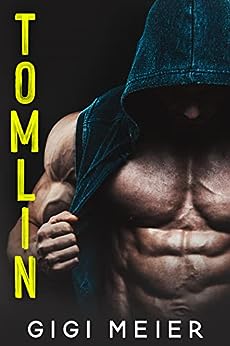


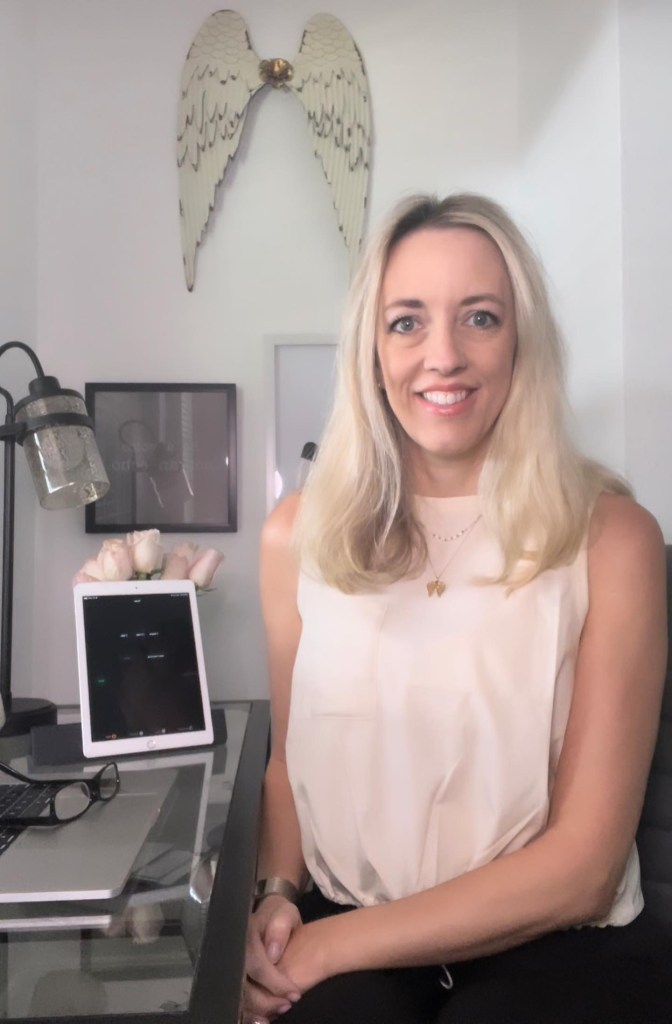
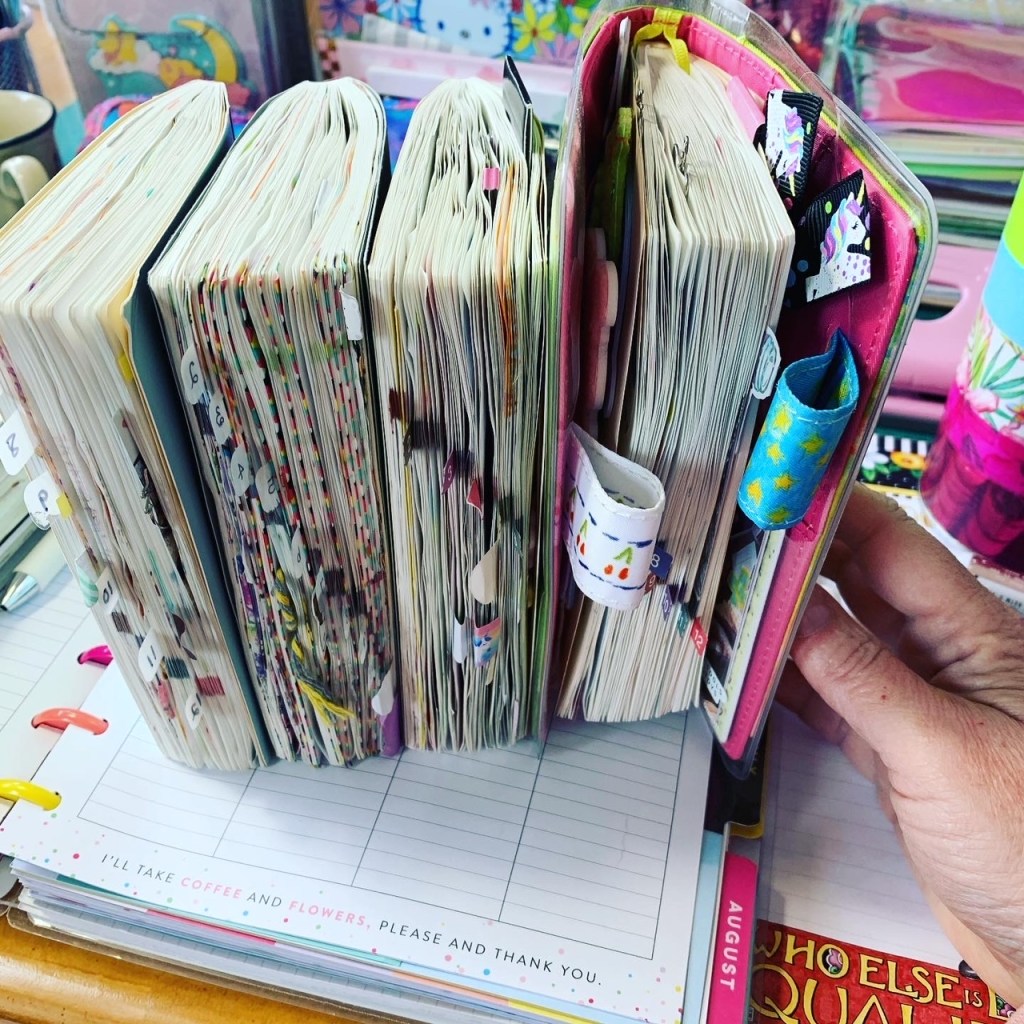




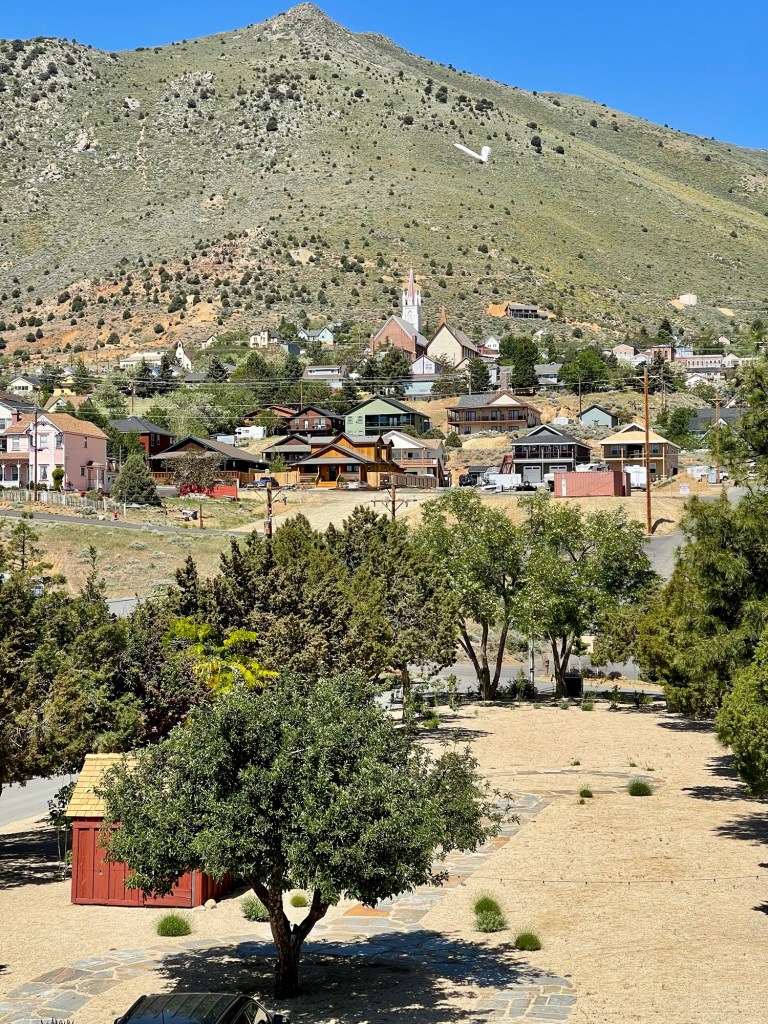


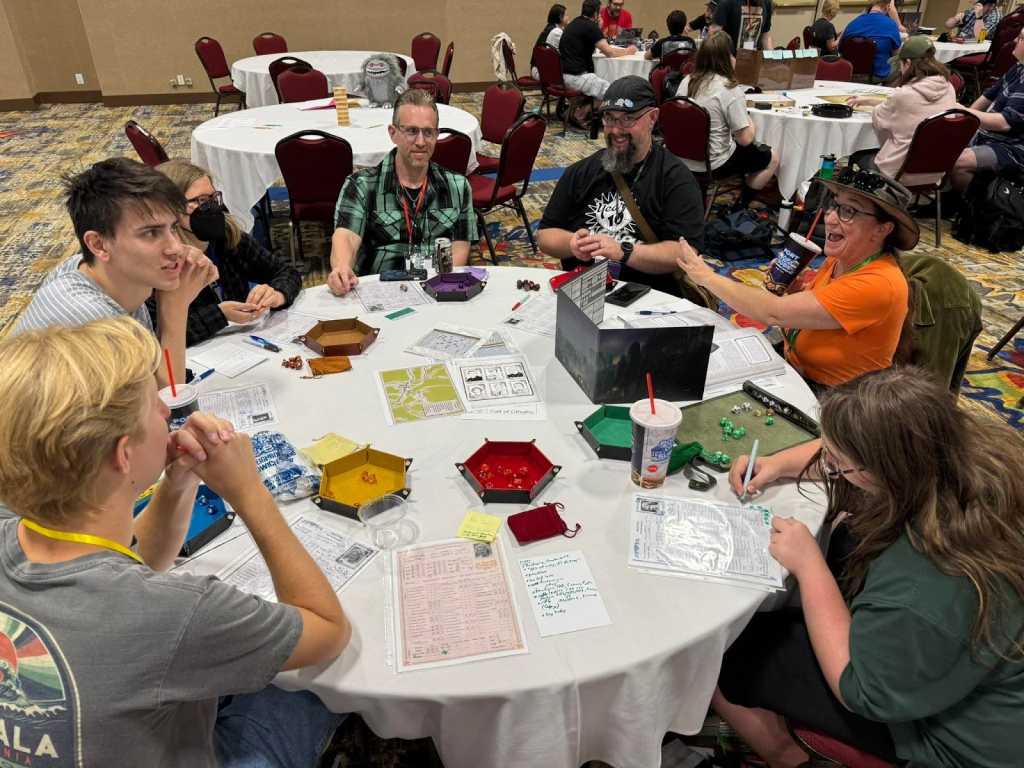
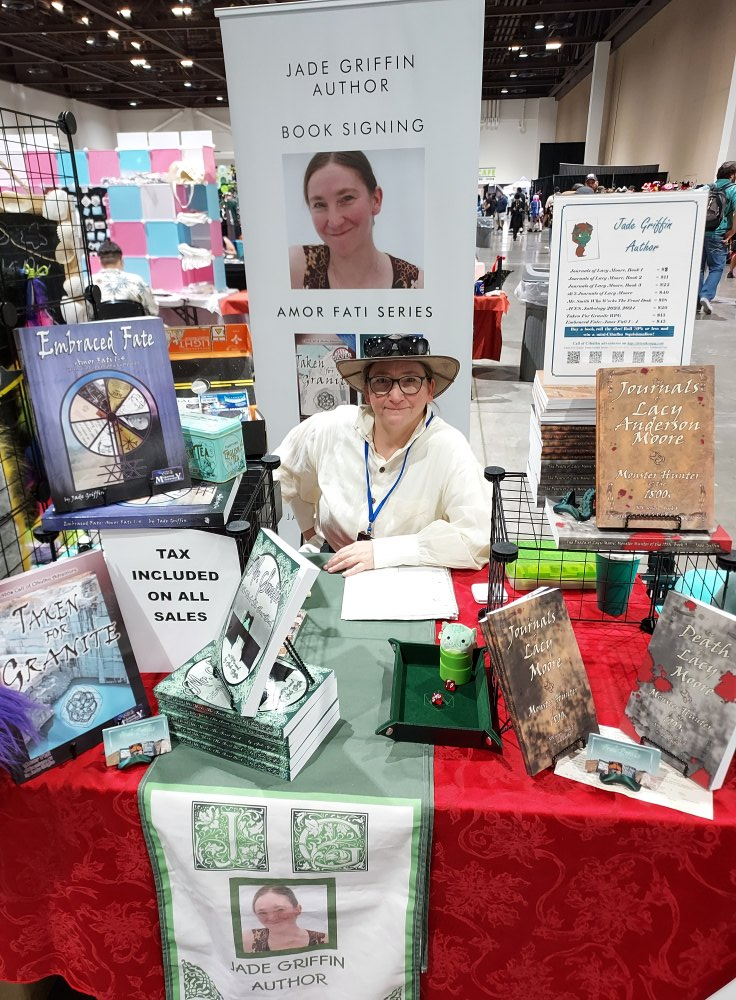




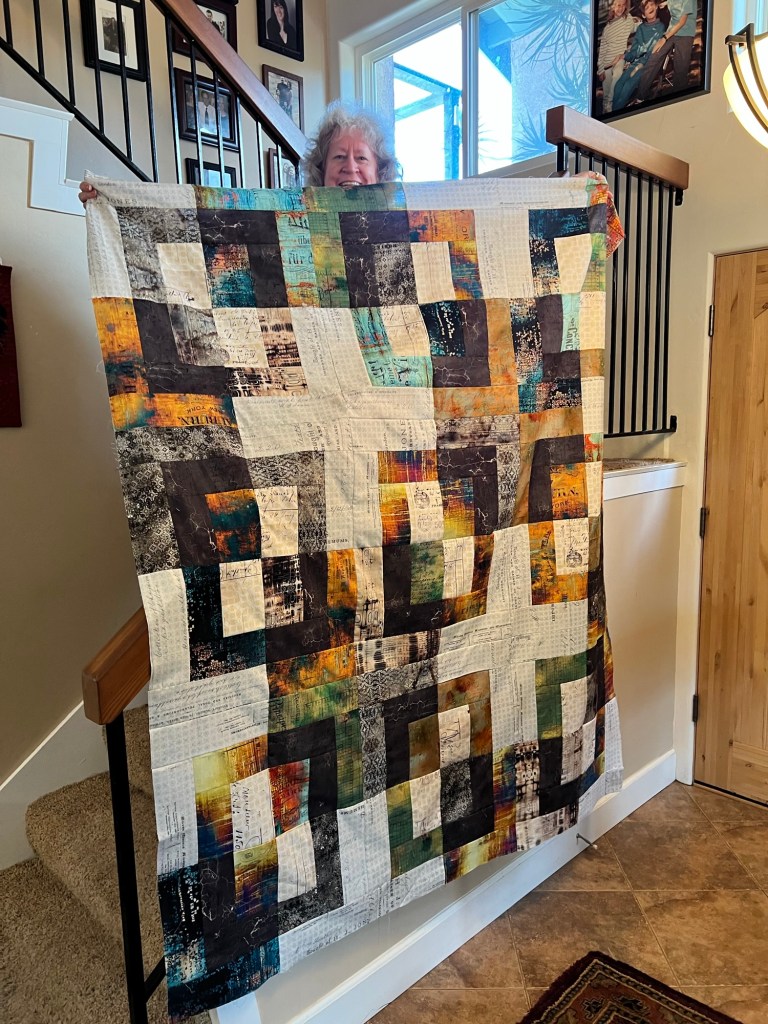
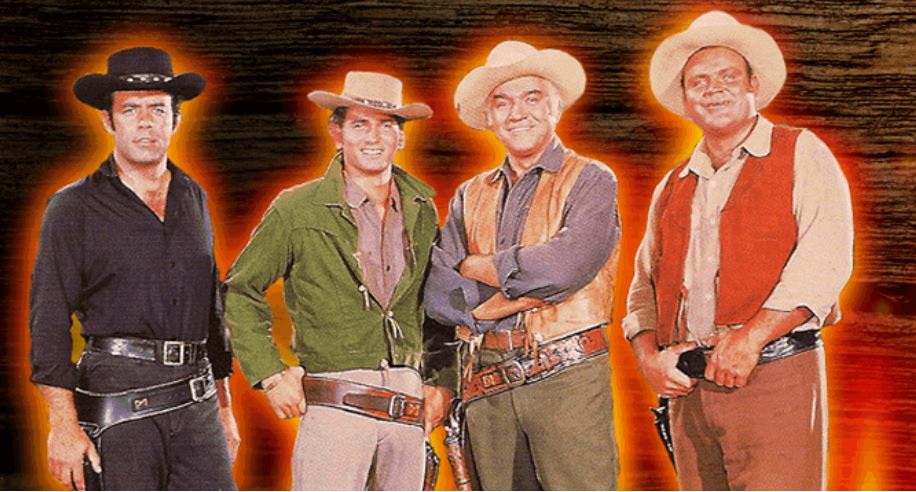


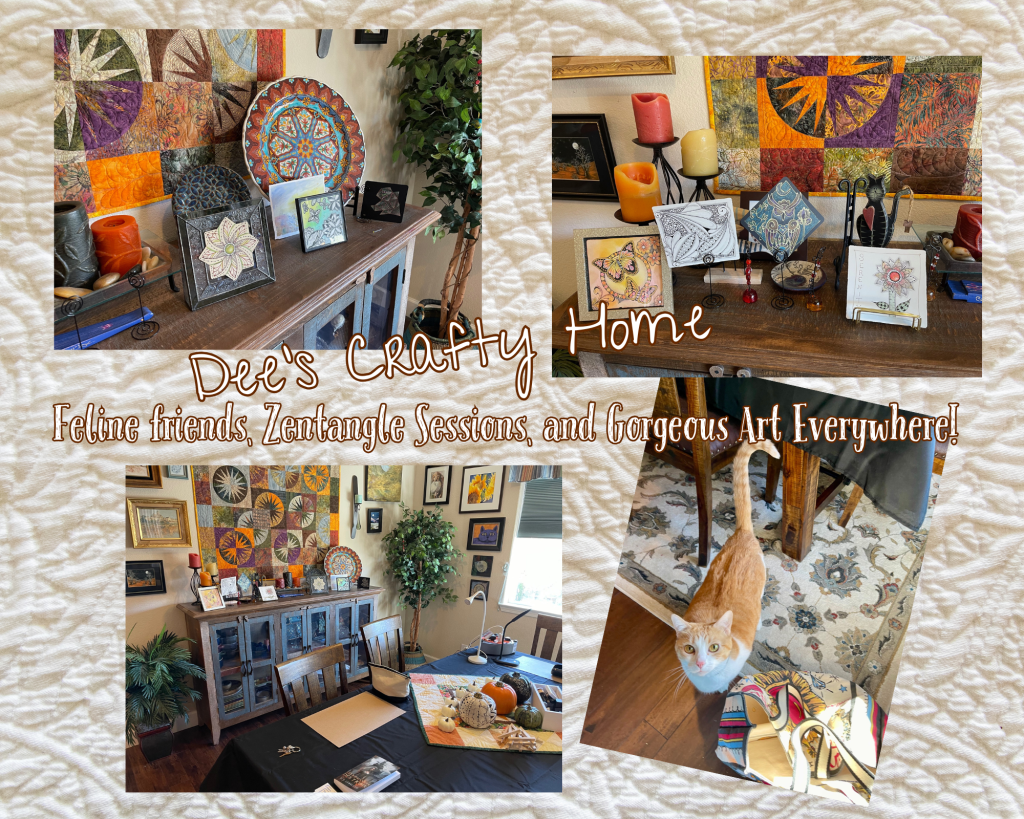


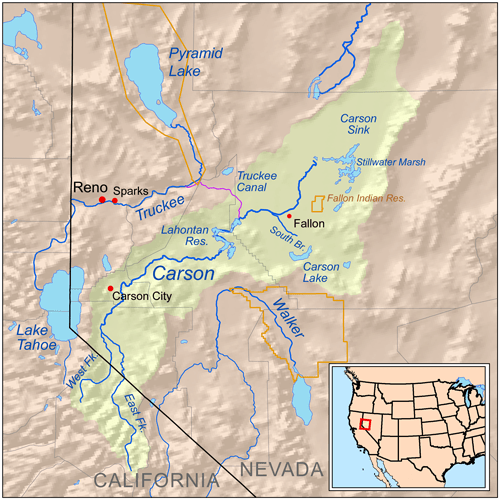



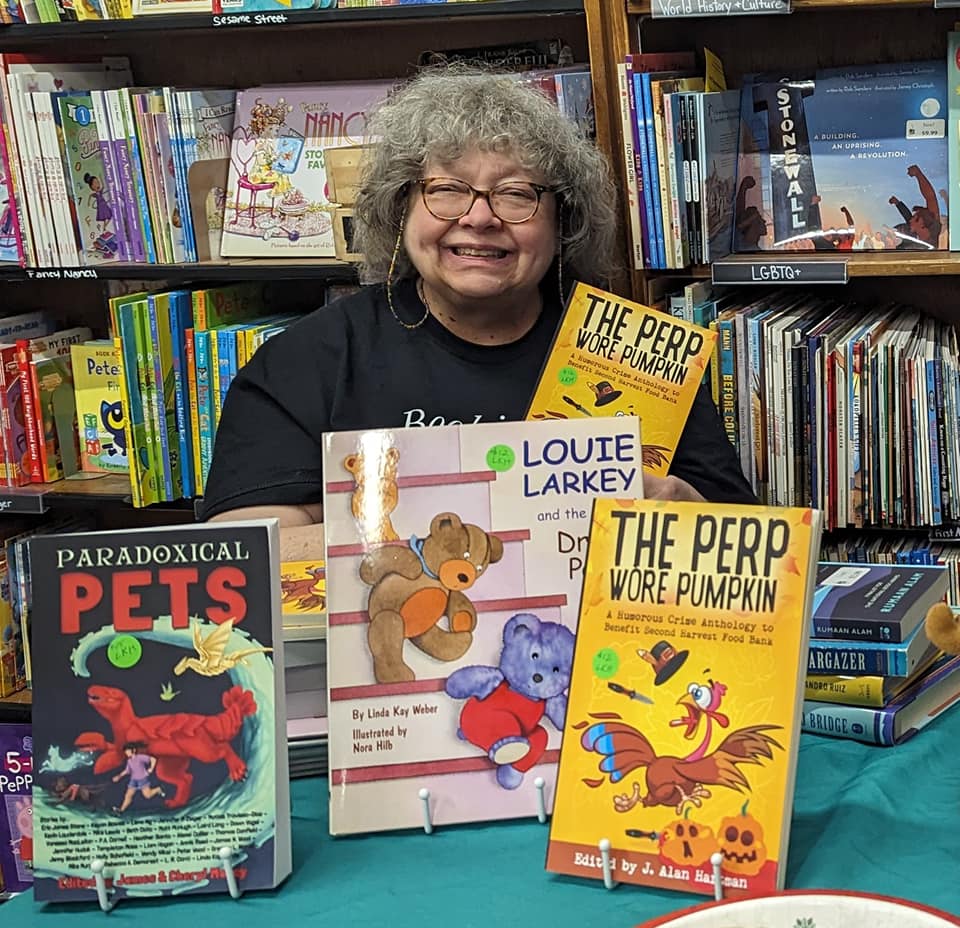


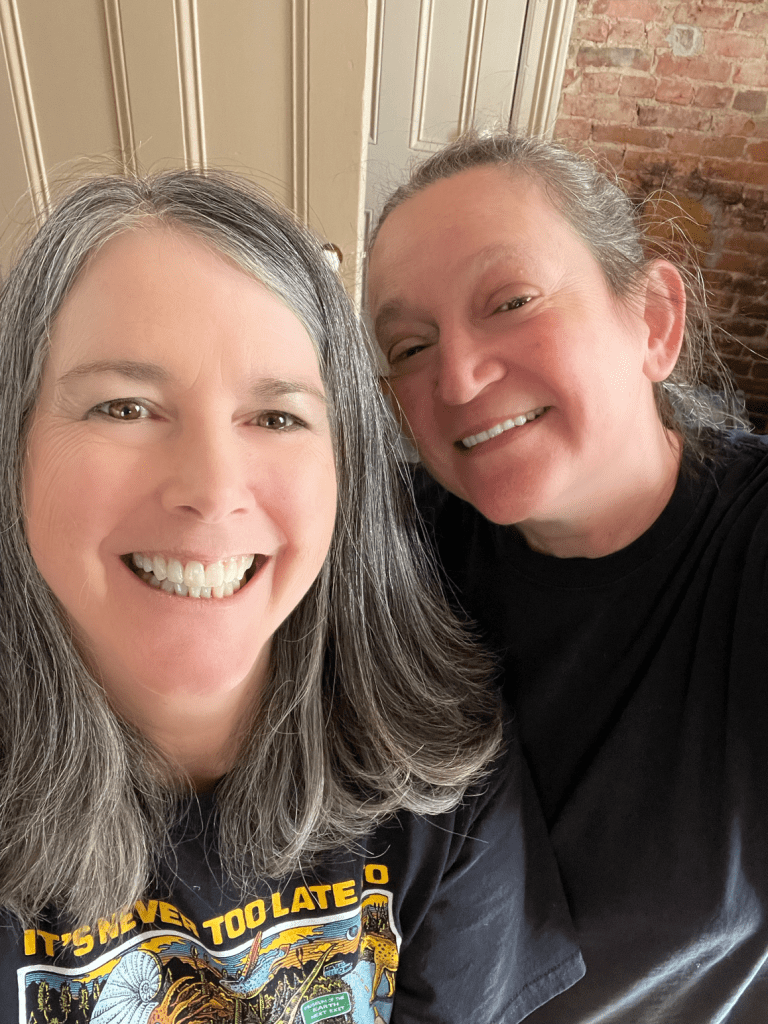
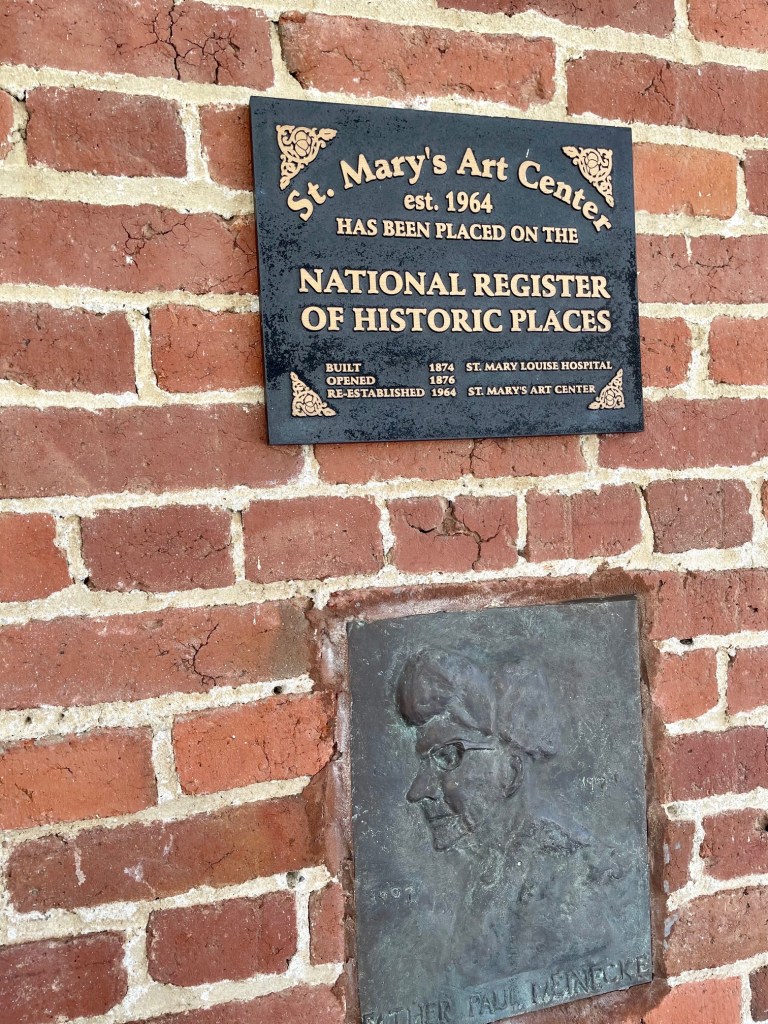
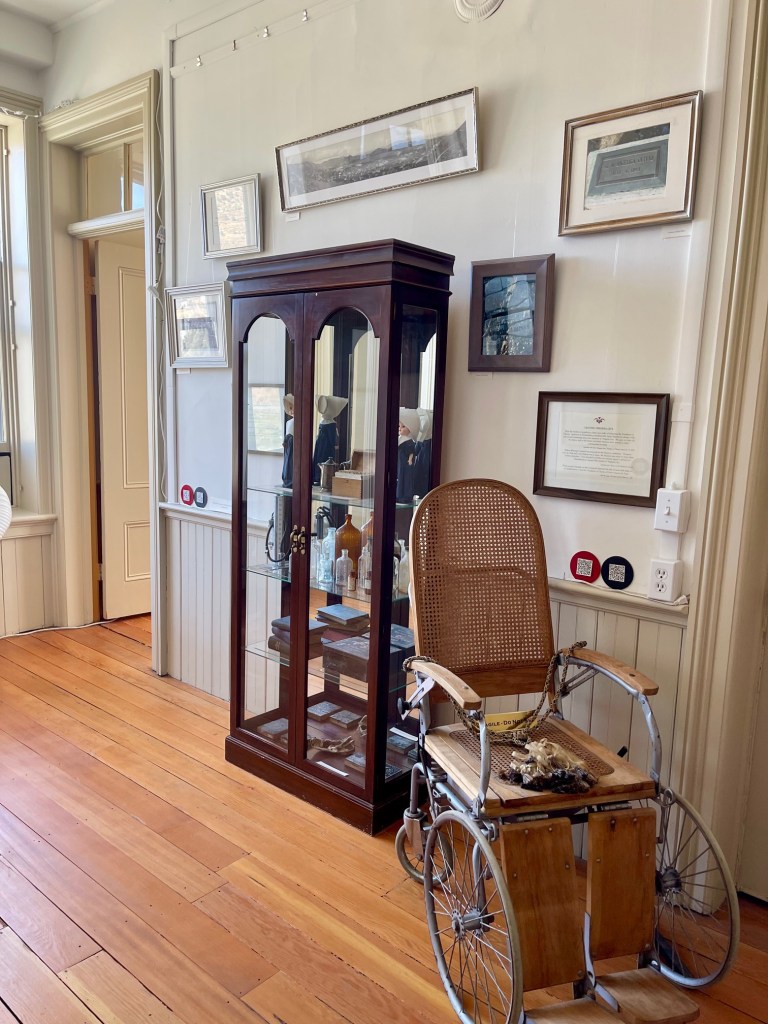


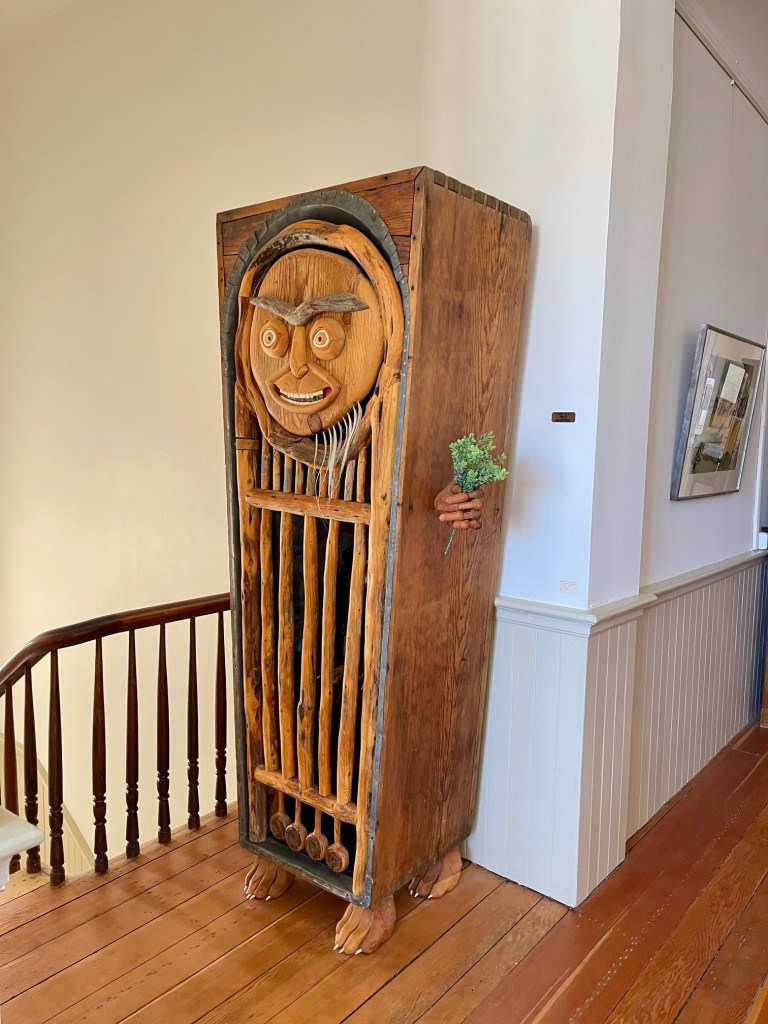
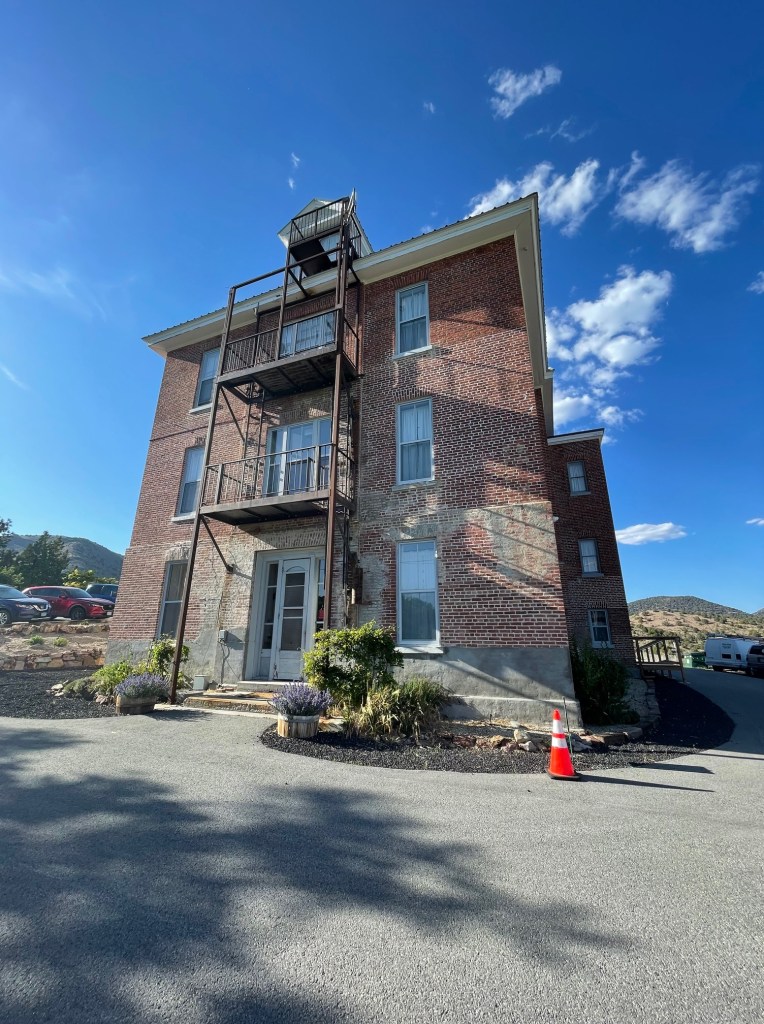


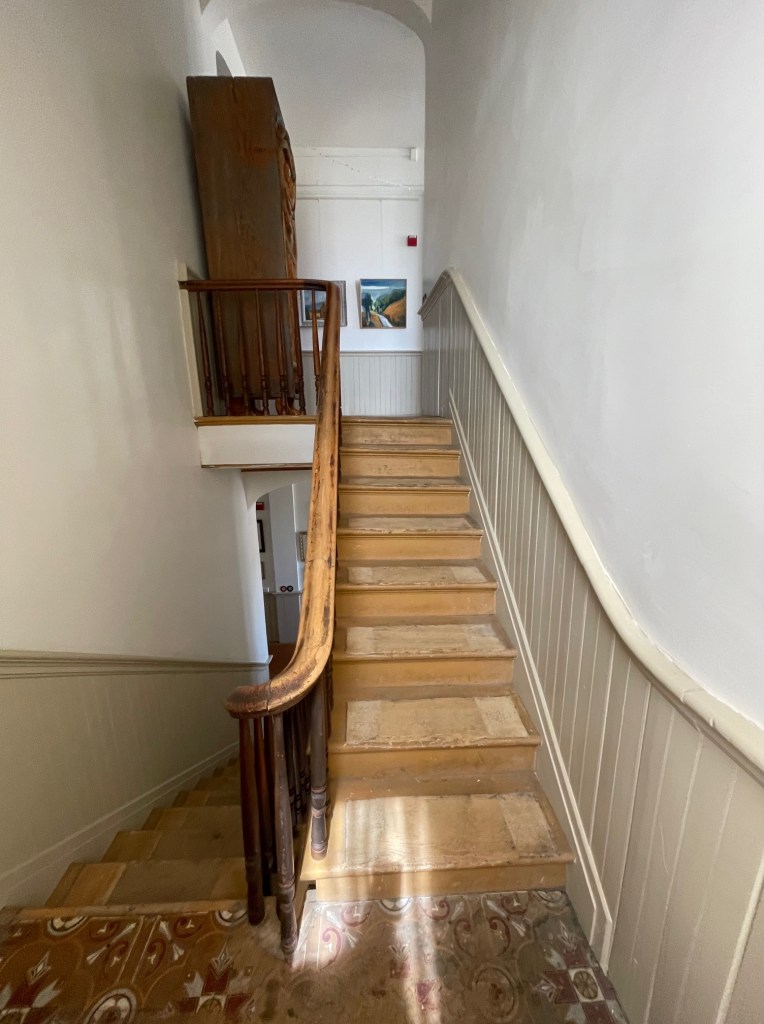


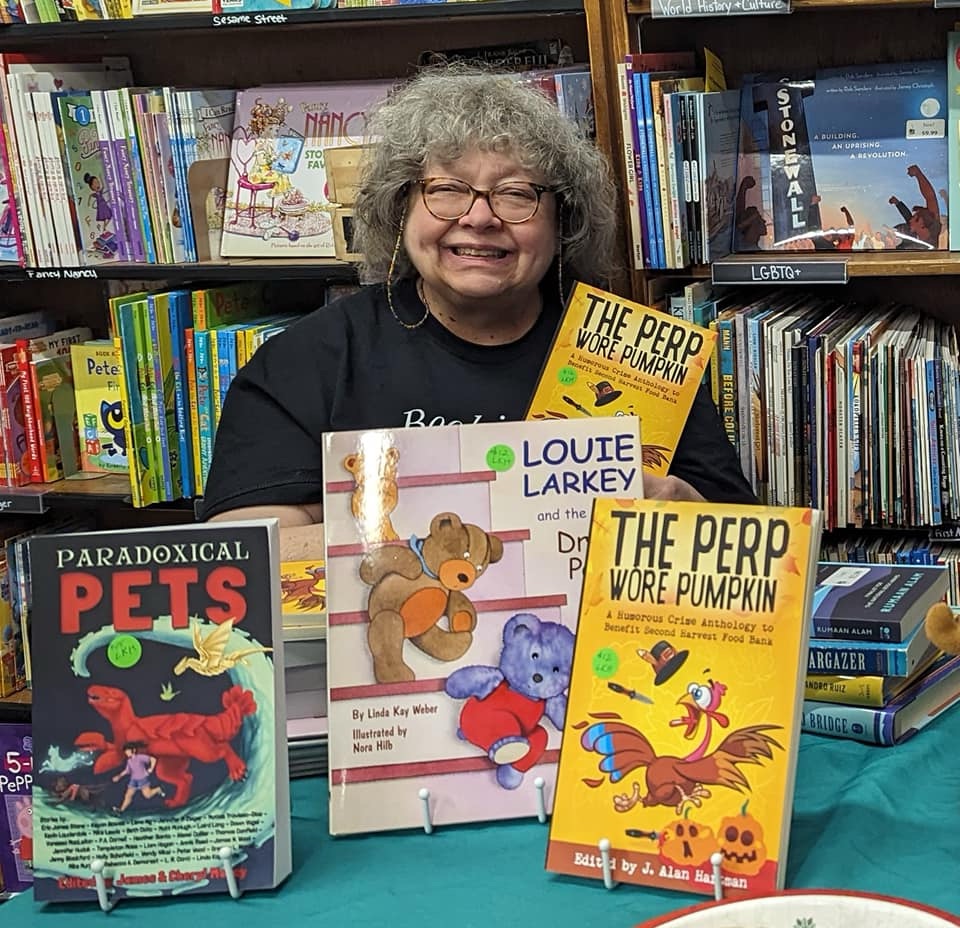
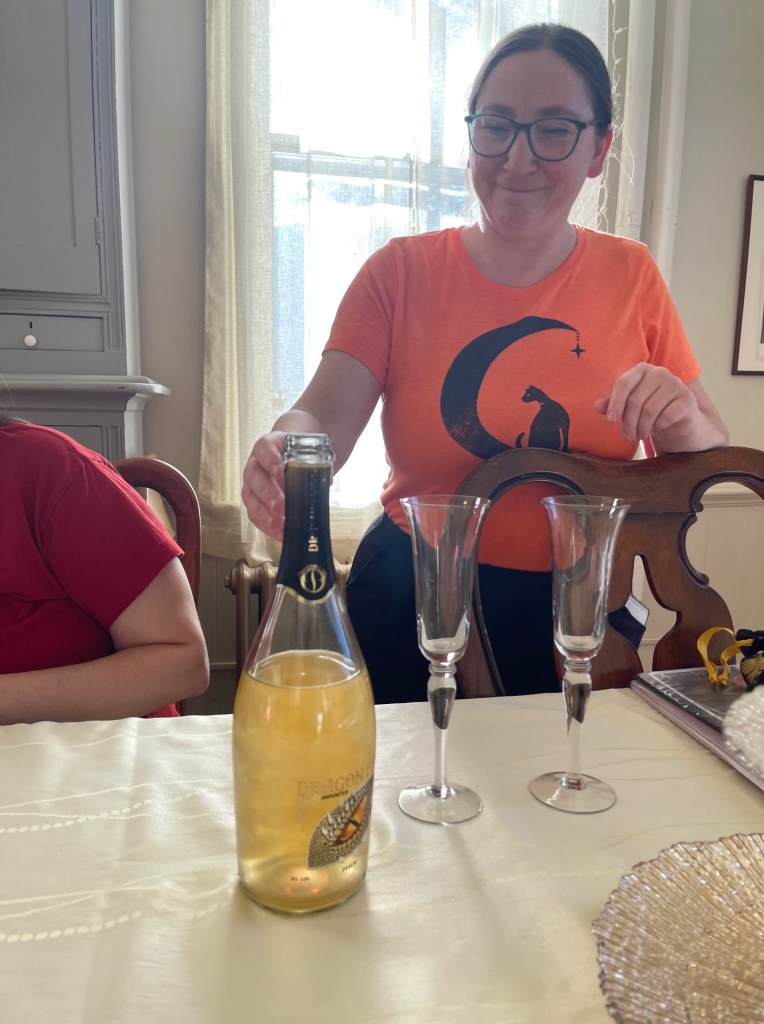
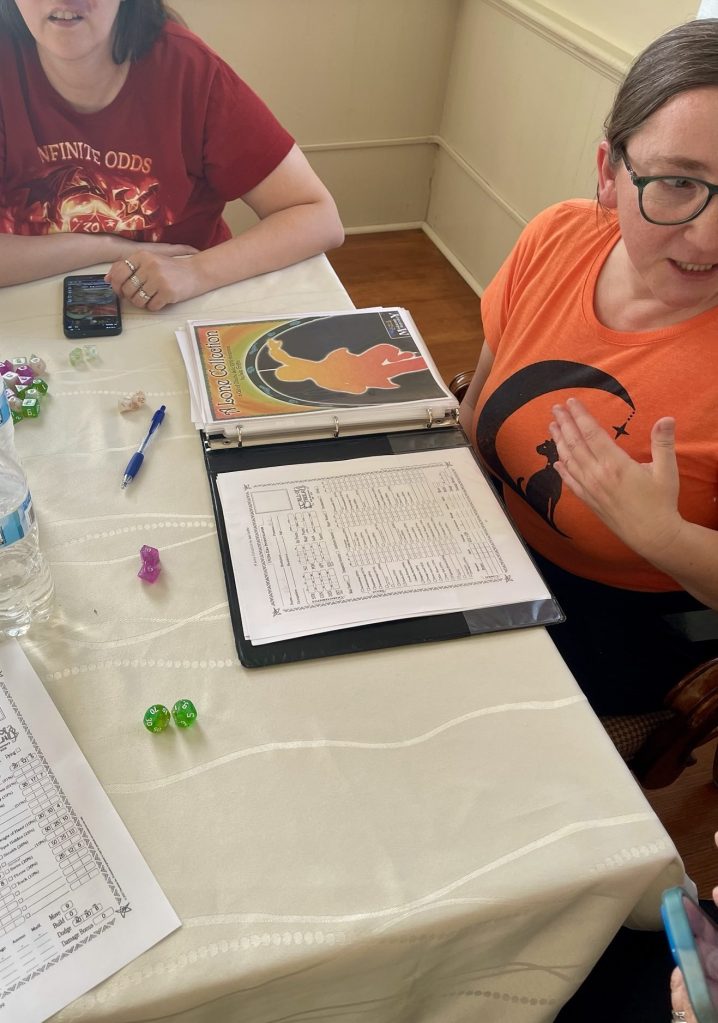
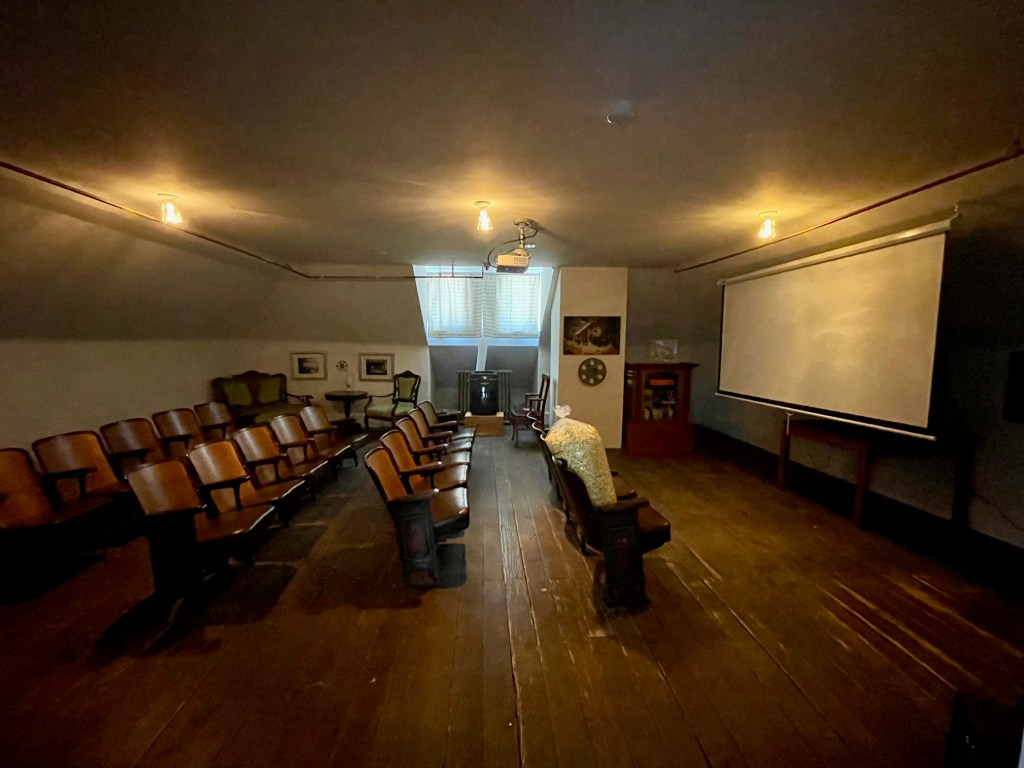


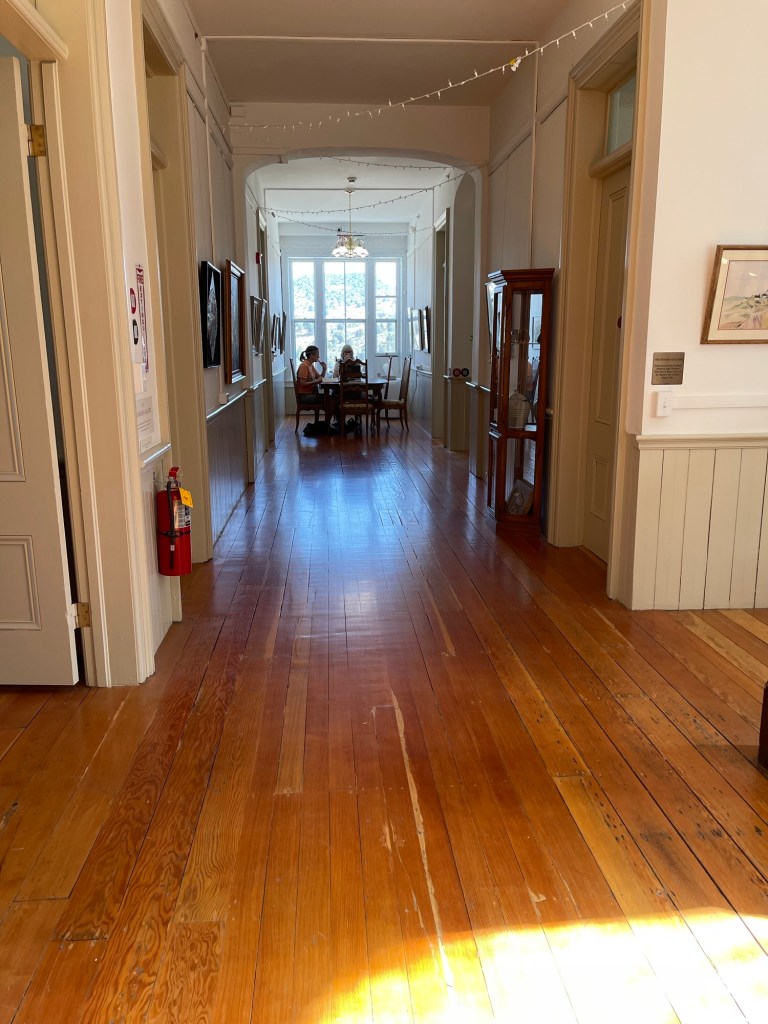

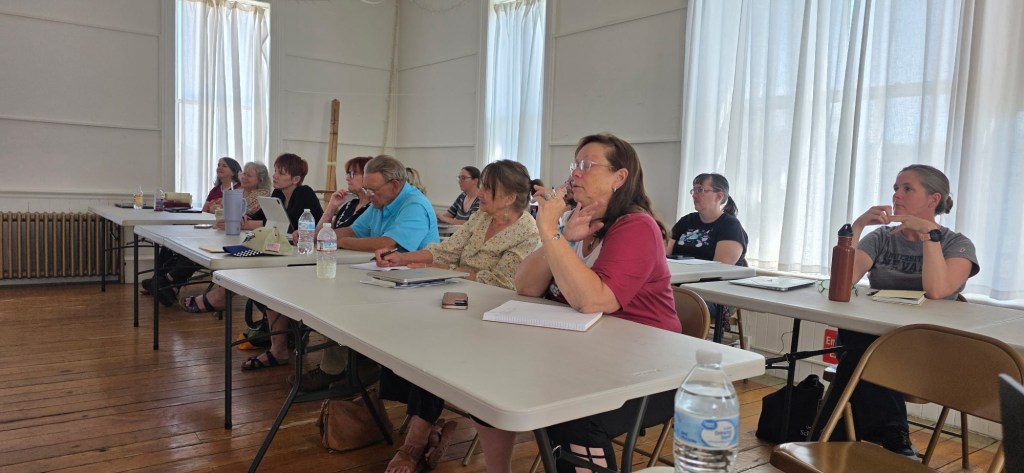


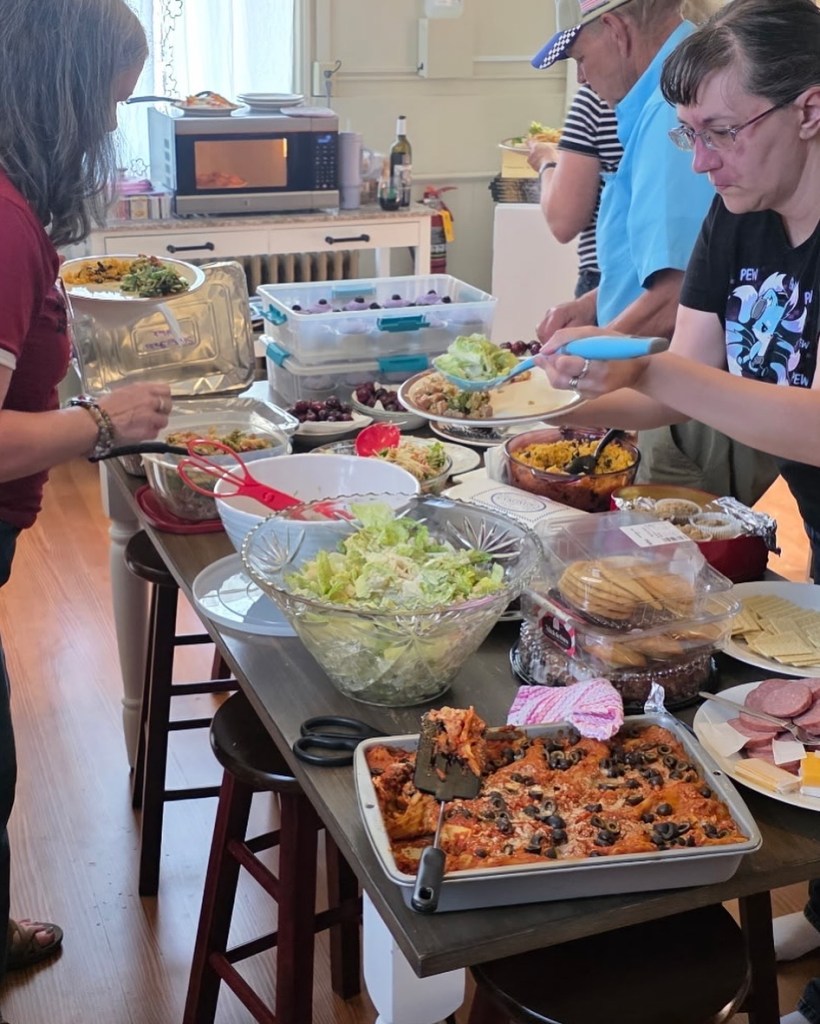


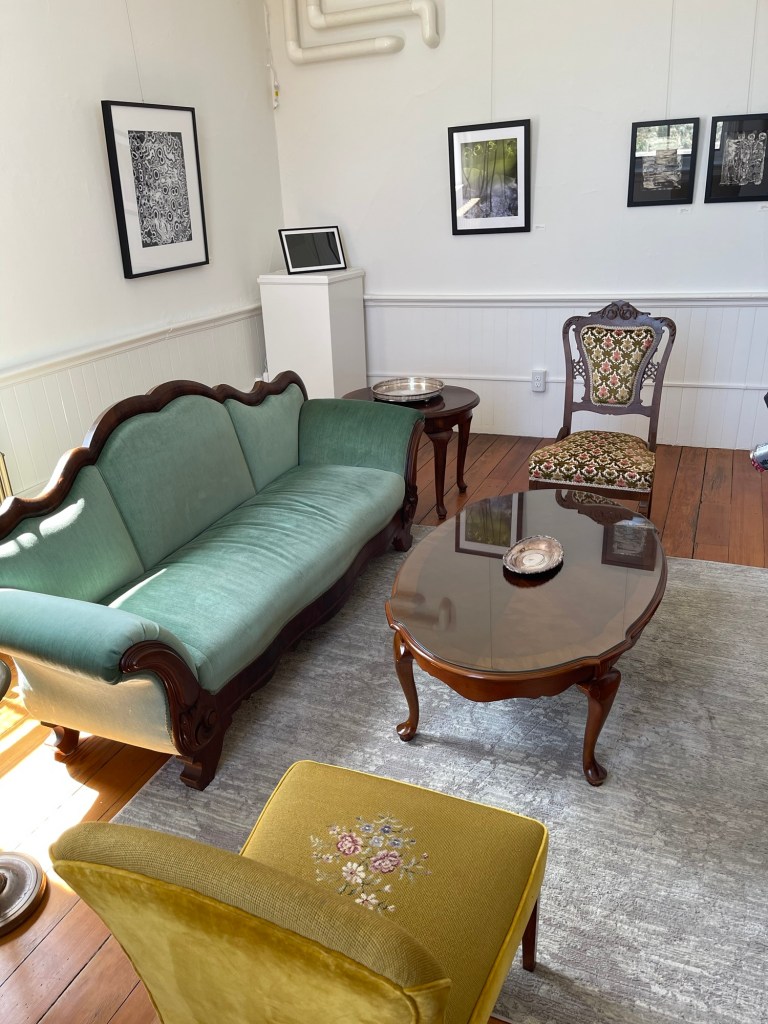

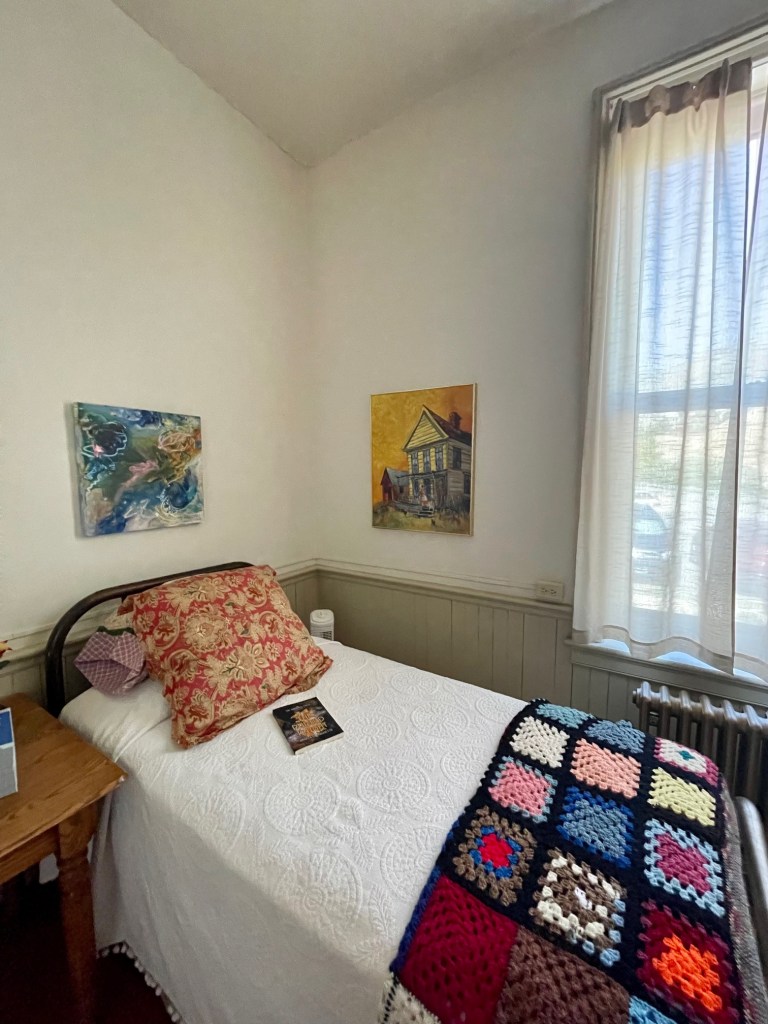








 By D. L. Lewellyn