I’m so happy to start my Spotlight off this year with a wonderful author from our #RomanceBookBlast community, where authors support authors and have a “blast” cross-promoting.
Along those lines…
Let’s Meet the Author
When Alanna ran out of horse stories to read at the local library, her father gave her a box set of The Lord of the Rings.
After a couple of weeks, she declared the trilogy a suitable alternative and started working her way through all the fantasy books in the library (though the unicorns she kept sneaking into her own horse stories should have been a clue about where the whole writing thing was going).
Now, Alanna writes cozy and gaslamp fantasy with romance. And there’s usually a horse or two around that are not of the winged variety.
Let’s Get Started
Welcome to my Spotlight, Alanna. Tell us a little more about yourself and how you began your writing journey.
First, thank you for having me! I’m excited to be here.
I actually have a hard time remembering a time I wasn’t writing stories. I have a strong memory of sitting in my second-grade class and writing a story about unicorns. It wasn’t a class assignment–I would sit in class and pretend I was taking notes, but it was actually a story.
I love it! What a great memory. What else sparked your interest in your cozy romantasy genre?
So, early stories about unicorns aside, most of my stories were about girls and their horses (horses being another early obsession). Looking back, I realize I was always drawn to media with some element of magic or the supernatural, but I didn’t know there was such a thing as the fantasy genre until my father gave me a boxset of the Lord of the Rings trilogy when I was twelve.
I read a lot and would read whatever I could get my hands on, which started including my mom’s romance novels and murder mysteries. The romance influenced me more than the murder mysteries, obviously.
As for cozy, I didn’t set out to write a cozy. Most of what I wrote in my teenage and college-age years was epic fantasy, which transitioned to urban fantasy. Then I stopped writing fiction, period. I had multiple jobs and just didn’t have the time. A few years ago, I made it a goal to publish a book. I picked up the manuscript that became Teaching Magicand finished it. As I was learning about self-publishing, I realized that book didn’t fit on the epic fantasy shelf, and it took me a while to realize it belonged in this growing category of cozy fantasy.
Amazon LinkAmazon Link
I love how your reading journey channeled so many elements into the perfect fit for you as a writer. Also, great covers, by the way! Totally giving a cozy plus romantasy vibe. Can you tell us more about what or who inspired you? Perhaps share your favorite books or authors.
I pick up a little bit from everything, I think. My favorite tends to be whatever I’m binging right now. Other books certainly inspire me, but so do movies or song lyrics or even catching a scent that jogs a memory.
Awesome. Do you write full-time? What is your writing schedule like?
I do not write full-time, though I’m hoping to work my way there. I tend to write at night. After I come home, I have to give myself a couple of hours to transition from work brain to writing brain, so I eat dinner, get some chores done, shower. And some nights I have to accept that the words just aren’t coming.
I feel you there. I’ve experimented with all sorts of different schedules and keep going with “when the mood strikes me” for as long as it lasts. Can you share tips on fitting a writing routine into your daily life and what you like to do to spark your creativity?
Fitting a writing routine into my life is a little bit easier for me because I don’t have children. The thing that helped me the most was adding a little bit of outside pressure. For me, that was posting Teaching Magic to Royal Road while I was working on edits. I knew I had to have a chapter ready by a certain day to post, because people were waiting to read it.
What are your top writing resources (applications, services, websites, etc.) and methods you’ve gathered along the way?
The writing resource that probably made the biggest difference for me was discovering Becca Syme’s work on Clifton Strengths. That’s actually where I got the idea to utilize outside pressure to get myself writing. I used to struggle a lot to follow others’ guidance because it didn’t work for me, which made me feel terrible about myself and my writing. Becca’s work taught me how to find advice that actually works for my personality.
For romance writers, I like the book Romancing the Beat and Ines Johnson’s resources (she has something in almost every format, depending on how you like to learn).
I also like resources that aren’t necessarily writing-focused. There are a ton of world-building guides and things on YouTube that are geared toward tabletop role-playing games. I listen to so many history podcasts, which can spark ideas but also help me feel out what life is like for my characters.
Thanks for all these great tips and ways to spark story ideas. I checked out the Romance Write Club found on Ines Johnson’s website. The classes look amazing. Along these lines, what is your advice on publishing and marketing?
Whoo, this is a big question. Probably the biggest thing is to not do all the things. Pick one type of marketing and get that established before you move on to something else. For example, I spent a lot of time this past fall working on my newsletter. I revamped the short story readers can get for free by joining my newsletter. I started doing more promotions to get people onto my newsletter list. I gathered together a bunch of emails from authors I follow, and I read each one, found bits I wanted to include, and built a template for my newsletter. My list still isn’t big, but it is growing steadily.
I really appreciate this advice. It makes sense to focus on one thing, and I’m impressed how you’ve built such an amazing newsletter following–your own community eager for your stories. Can you share what you’ve got in the works and where we can find your books? I believe you sell your books on your website, Alanna Cole Books? Can you talk about how that works in conjunction with other book retailers?
Selling on my website is very new for me, so I haven’t quite figured it out yet. I will be releasing a boxset of Teaching Magic and Trial by Magic next month, and I will offer it on my website first before I upload it to the retailers.
I just released a short novel about a side character from my secondary-world gaslamp fantasy series called An Inquest of Gryphons. All of my books can be found on most ebook retailers and are also available through Kobo Plus and Everand. I can also be found on Instagram at @alannacole.books.
I’m not quite sure what my next book will be, but it will most likely be in the same world as Teaching Magic. I’ve had several fun ideas about characters from that world that I’m exploring.
Amazon LinkAmazon Link
I really need to focus on Kobo. It’s growing huge, and I just saw a YouTube video where a reader shared their new Kobo eReader, which has some really cool features that seem to compete with, maybe even outshine, the Kindle. I’m just starting to research the pros and cons.Thanks for visiting, Alanna. Any parting advice to aspiring writers?
Thank you for having me! Aspiring writers, find a group. I have two: a local group where we do writing meetups and share ideas, and an online group that is more of a professional organization for my genre. It is so important to surround yourself with other writers.
Our TDB group of indie authors is so busy! Yet even as we all work on our next novels, market our published books, and network, we find time to contribute stories to these beautiful collections assembled and published by The Dreamer’s Bookshop, which was created to support indie authors. Enjoy another batch of amazing writing, all about passion, from diverse authors in different themes, genres, and styles.
“Ardour. Passion That Ignites the Soul” Featuring “Pixie Dust & Stud Collars” by D. L. Lewellyn.
Meet Shannon, a journalist covering an all-girl punk rock band, the Twisted Chords. After witnessing another swoon-worthy pub goer vanish before her eyes during a performance, Shannon is determined to get to the bottom of it. The problem is that no one but her seems to notice the strange, dust-like phenomena emanating from the stage and swirling toward the unsuspecting victim. And worse, she feels oddly connected to whatever the weirdness is.
We launched our first collection, “Dreams,” in December. If you love poetry and stories in multiple genres all about DREAMS and ARDOUR, you can support the authors, including me, by purchasing the books and wonderful matching merch directly through the charming little shop in Belgium. Paperbacks are available on Amazon.
This is the epic annual chat where I get to reflect on the year with my great writing friend, Nicolas Lemieux. Yay! Welcome back to our dual platform, Nicolas. How about we start with introductions and a brief summary of our year in writing, then dive deeper into the highlights?
Read in French – Nicolas has kindly translated our discussion. Thanks so much Nicolas!
First! Let’s Meet the Authors
Nicolas Lemieux
Nicolas lives in Montréal with his wife, Marie-Claude, in a third-floor apartment overlooking a charming green alley. Although French is his first language, he prefers to write in English.
His chosen genre is Science Fiction, where he gets his kicks dreaming up astonishing worlds filled with a sharp palette of badass, quirky characters who get tangled up in all kinds of meaningful trouble. Often funny, sometimes disquieting, always exciting.
Nicolas believes that each time you dive into a good book, you come out better off at the other end because you’ve gained a new, bright spark that will stick with you until the end of time, helping you fend off the pits and falls that might have consumed you otherwise.
As Nicolas works on his novel, Seven Drifts, which features a drifting city spaceship, a wannabe sleuth, murders, a brewing rebellion, and an antique wooden treasure chest, he enjoys blogging about books and his writing life while sharing glimpses into the world of Seven Drifts, including through his free story, DRIFT & CRADLE.
D. L. Lewellyn
D.L.’s unexpected passion for writing ignited in 2020 after a summer of avid, lockdown-induced reading in her favorite genre, paranormal romance.
In addition to self-publishing her series, The Starlight Chronicles, her stories have appeared in anthologies. More novels are on the way. No surprise there. Anyone who knows her will tell you she’s a dedicated multi-crafter. Take a peek inside her colorful, cluttered studio, and you’ll see it for yourself.
She also enjoys blogging about writing and interviewing fellow authors. Her downtime includes lots of reading and sharing popcorn while watching movies or Formula 1 racing with her husband. When they aren’t being couch potatoes, they’re walking the northern Nevada high desert with their rescued fur babies.
Let’s Get Started
Okay, Nicolas, how about you go first? What was your 2025 like?
NL: All year round, I’ve been deep inside the world of my novel, Seven Drifts, and what a wild ride it’s turning out to be! The story is set on a former starship that was damaged, stranded, and, for better or for worse, turned into a long stack of gigantic O’Neill cylinders. It is a politically complex place of varying gravity conditions, led by a benevolent-looking villain, Mayor Larocque, who compels his people into a way of life he calls Driftism. I’m having a ton of fun with the characters, from the failed botanist but passionate amateur sleuth Anita to the trumpeter Blake, who is slated to write the true story of their rebel crew, to Leona, the great-granddaughter of an infamous architect.
Honestly, the writing process itself is one great source of happiness (and growth), and I know you feel the same way about yours. I love how it forces me to dwell in my solution-seeking mode, as we discussed in our emails. It’s a compelling challenge; always worth it!
To make things interesting, let me throw out a few topics a reader of our conversation might want to playfully toss somewhere at the back of their mind as they read on…
What are the three distinct gravity conditions mentioned in Seven Drifts, and what are they associated with?
Could there be characters in the story who aren’t really called “folk” at all?
An antique treasure chest is bequeathed to someone in the story. In your opinion, who could it have belonged to?
Who is Baba?
Do people in Seven use such things as GPUs and VR?
What kind of propulsion drive might Seven have used before it was damaged?
What was the name of Leona’s late great-grandfather?
What specific goal does the narrator, Blake, pursue in the novel Seven Drifts?
It’s an exciting time for me, as the manuscript is finally mostly in place. I’ve gained confidence in my structural choices, realizing that an introductory set of chapters can work just fine if they are beautiful and fascinating enough to hook the reader. I can’t wait to share these characters, this world I’ve created, and that crazy, quirky, action-packed story. Now, let’s dive into the specifics!
DLL: I have totally felt your joy in what you’ve accomplished this year in Seven Drifts. It’s a huge project, and making those structural tweaks and feeling those “aha” moments must have been awesome. I can’t wait to dive into it as a reader.
It always amazes me how each year ends with events that surpass the previous one, even though I often think a year can’t possibly have more going on or more to learn–and yes, I’m still learning tons in my 6th decade. This year, while I wouldn’t necessarily lump all the happenings into highlights, learning definitely played a role. My biggest takeaway is never to take anything for granted.
After retiring early in 2023 to focus on writing full-time, I was given nearly two years of that privilege. But early this year, cancer struck twice in my family: first me, then my sister. We started chemotherapy a day apart and lost our hair together. I realized how much I had taken my health and family for granted.
Her situation is much more serious; her treatments focus on giving her as much time as possible, and we’re hoping for at least a year. My treatments are meant to keep the cancer at bay, and while I’m grateful for that, I would give anything if the same could be said for my sister.
While this was all going on, I had to face that I’d also taken democracy for granted–a truth more bitter to swallow each day. Watching the hatred promoted by our bumbling leaders in a reality TV-style government only makes personal challenges even harder.
So, what does someone do when life presents what feels like impossible obstacles that are mostly beyond their control? My answer is to write every day and make time to talk to my sister.
The second thing I learned is that having a passion to lose yourself in—one of those joys that makes you want to wake up in the morning—even to face a chemo treatment or another loss to democracy—restores the good things in life. I came to this realization by making this year about having fun with my characters and scenes in three new novels—yes, three—that darn multitasking gene—and that’s in addition to the six I already have going. While I haven’t finished a single one, I’ve written probably as many words this year as my 320,000-word series.
That simply means I found the joy of writing again while also spending a great deal of time promoting my already published novels. That effort has paid off, and I’ll discuss why later. I also returned to voracious reading, which is what launched me into this writing journey five years ago. I’ve decided that reading is equally part of the joy and the best way to become a better writer. I’ll share my favorite authors from this year’s reading list. I’ve reached 74 books in a 50-book goal, and the year’s not finished!
Other highlights include launching my new BookBub website, attending a super fun writing retreat, adding my books to Audible via Amazon’s Virtual Voice Studio, and splurging on Grammarly Pro for editing support. More on this later.
Let’s get into the Writing Process
Nicolas and I really enjoy looking back on our emails after a year of correspondence and finding that we had tons of insightful things to say about our writing process that we forgot about as the year progressed.
Here’s us airing out a little about writing ourselves into a corner while we face life’s challenges.
DLL: Writing is my solace. And as I escape each day into my current novel, I’m encouraged with my progress… except that I’m still working on the mechanics of my plot. Dang those plots. That’s the most challenging part for me–thousands of words of great scenes, and everything is moving forward, but once again, I’m writing myself into a corner, LOL. At least coming up with solutions occupies my dreams so I can sleep.
NL: First off, let me tell you how much I admire your courage and resiliency in your approach to your current predicament (and I apologize for the clichés). The truth is, I have no idea how I’d fare myself, faced with the same reality. But from where I stand, I can only say “I’m here, offering my good vibes.” I’m so happy that you’re doing better now and that you’re on the recovery track.
Congratulations on making such good progress! This many words is a body of work to contend with. Isn’t it the best? You write yourself into a corner, and then your creative brain takes over – in its own time – to find solutions you wouldn’t have dreamt of in your waking time. Often, these solutions turn out to be precisely what makes your story unique, personal, human, and truly you; exactly what makes it irresistible and relatable. I find solace in writing as well. I’ve been all over the place in my novel Seven Drifts, moving scenes around and generally making parts of it a lot better. I enjoy how it forces me to dwell in my solution-seeking mode, even though I am often overwhelmed by how long this challenging process takes. Sometimes it helps me sleep, other times not.
During a creative dry spell this summer, I reread my first story (Tides of Cath), and it was nice to go back to the first spark that ignited the rest of the project. It’s the story I wrote first but haven’t finished yet. It takes place centuries after the one I’m finishing now, though, so it seemed only logical to work on the prequel story first. But going back to ToC really got my creative juices bubbling up again. I found it super encouraging, actually. I had no notion of scene structure and whatnot back then, but geez, I think the story works just as well. Maybe even better, I don’t know; as if I was relying on my instincts more when I wrote these pages, and I don’t know why, but I really like how they flow. So it gives me even more incentive to work hard and finish Seven Drifts so I can go on and work on Tides of Cath again.
DLL: Wow! This is so inspiring, Nicolas. I can also relate to relooking at earlier work and often wonder if I’ve given up some of my spontaneity in my writing. For my part, I seem to be constantly in editing mode and worry about overdoing it. That could have something to do with Grammarly Pro. I couldn’t resist a half-off offer on Black Friday last year, and it truly is like having a professional editor on my payroll. However, that editor is also constantly riding my shoulder, slowing my writing every time I stop to see if I can write what’s being flagged better. I mention this AI writing tool briefly as both a pro and a con. But the pro outweighs the con for me, as it has helped me become a better writer.
Back to spontaneity, I didn’t go at my first novels with any kind of coherence, just pure gut instinct, which left holes while somehow also managing to get a story out. Always shocks me when I look back at how much fun I had writing that way. I think this is why I’m having a hard time finishing another novel. I’m not using pure instinct to tell a story. Instead, I’m swamped with too many techniques learned since then that are stifling me. I’ve sort of lost my voice. I miss the old days. I laugh at myself because this is always how I learn to do new things, just throw something out in the world based on pure creative juices, with holes, imperfections, and all. Then, I reverse engineer. Part of that process lately has been reading authors I love and figuring out why I love their storytelling. Still, it’s all part of the passion, right?
NL: Pure instinct: I like these words. That’s how I operated at first, when I wrote a large chunk of the first draft of Tides of Cath, and I can feel it when I read it again. I hope some of it is still there in 7D – I’ll have to trust in the process for that. Funny thing, I experienced the same with singing. At first, it felt natural and easy, even gratifying, until I took voice lessons with various teachers and coaches. Then, for a while (I mean, years), singing became complicated and hard, nerve-racking, almost an impossible dream. But eventually, it became more natural again, in a different way, and more satisfying – but still kind of nerve-racking, but for larger reasons (I mean audiences) and sometimes, downright terrorizing. But it’s the middle part I want to go for, the “more natural and more satisfying”. It’s like once we start learning the ropes, it becomes harder to reconnect all the techniques and knowledge with our first, primordial impulse to create. To reconnect our busy head with our soaring heart takes time and patience, but we get there eventually. Some days, I feel like I need to act like a “bad student” to find that connection again. I need to ignore what I know and deliberately seek the flow without thinking, and to Hell with the technique and everything I’ve been told. Sometimes I find it helps uncover that nugget of truth, or touch that magical feeling of “something appearing out of nothingness” I enjoy so much. Reconnecting with other art forms, such as music, or with other authors, is also a great way to find that connection again. (More on this later.)
Writing Quests
DLL: So, Nicolas, while I was busy writing and undergoing cancer treatments this year, I added a few quests along the way (why not, right?), which I got to share with you in real time. One was switching virtual audio book platforms from Google to Audible. Producing even virtual audiobooks is a cumbersome task, but it felt like an accomplishment to finish all five books! Both have awesome features, both are free to authors (my only reason for doing them instead of hiring actors), but only one reaches the audience (as usual): Amazon. Still, I haven’t sold any audiobooks since my initial launch, and I’ve received no feedback from the few who purchased them. I suspect AI audiobooks are not readers’ preferred format. We talked about the pros and cons of AI voices vs. real actors. I think most are obvious. There’s nothing like real emotion and inflection to tell a story. Obviously, actors are on my bucket list for the future of my series. Your thoughts?
NL: Thanks for the audiobook of Priss’s story! I listened to the first one and enjoyed it very much! That virtual voice is just out of this world, I almost forget it’s not a real human reading to me – so much so that it’s a bit uncanny when I think about it. Now, if I had a choice between a human-read book and an AI-read one, I’d go with the real human voice for sure, as I’d know I’m supporting the work of a real artist, and it would be easier to identify and connect emotionally when listening to a human being. But for ease and affordability, I can understand people settling for the next best thing once in a while.
DLL: I really appreciate you listening to Priss Starwillow and sharing your thoughts, Nicolas. It’s so helpful. And yes, connecting emotionally is definitely the piece that is missing, even with the uncanny voices. Sigh… One day, if I can win a contest with a cash prize, I’ll splurge. I would love readers to enjoy my series on audio.
Another quest this year was attending my first writing retreat with local authors in the wonderful historic town of Virginia City, at a fabulous, haunted Victorian hospital-turned-art center. A local Reno writer, Kim Harnes, hosts these each year, doing all the labor for the cost of the retreat. We had some great classes with fellow attendees, including an agent we practiced pitching our stories to. Check out the fun highlights in my blog. I highly recommend attending workshops and retreats.
NL: I haven’t attended a writing retreat myself so far, but I have no trouble seeing how that learning and pitching process, though intimidating, would be an exciting time for me as it was for you, and I’m sure it would benefit me in all kinds of ways! Back at the end of 2024, I enrolled in QWF (Quebec Writers Federation), but along with my day job and my writing project, I guess it turned out to be one too many things to do, so I ended up attending only one of their multiple online events. I have no doubt I would enjoy and benefit from attempting something similar again in the future, or, better yet, something more punctual, in-person, and intensive, like the retreat you attended.
DLL: QWF sounds like a valuable organization, and it’s great to connect with local groups to explore unique outreach opportunities within our communities, i.e., book fairs and conventions, which I really want to do. But becoming a writer during Covid sort of set me off on the recluse path, promoting from afar (i.e., social media). After meeting many local writers at the retreat, I decided to dedicate this summer to interviewing them. As a result, I had some fascinating guests on my Spotlight, and through them, discovered local organizations and resources.
Like you, I sign up for events, including online classes, but I never seem to have enough time to participate fully. However, the little I manage to fit in always adds at least one helpful nugget to my repertoire, making it worth navigating the overwhelming amount of networking and training available to indie authors—often offered for free–so long as I don’t let it eat up my writing time. That is a challenge, I must say.
I follow Reedsy, AutoCrit, BookBaby, BookBub, and BookFunnel, to name a few, which regularly offer classes or helpful blogs. A few other useful newsletters come from Gotham Writers (which has great classes and blogs) and Writers Write. This last one is ad-heavy, but it contains lots of great content. Check out my latest favorite blog as an example: “What Can Jane Austen Teach Us Today?” They always provide a brief yet interesting post, followed by helpful bullet points and a list of related articles.
This might also be the place to mention my cross-promotion group on Facebook: #RomanceBookBlast. I participated in every quarterly Book Blast promotion over the last two years, as well as the Black Friday sale, which has significantly impacted my book sales and visibility. So, I can highly recommend it as a valid marketing tool for an indie author on a tight budget.
Our group host and admin, Jessica Anderson, has done a fantastic job helping us grow. Participation is free as long as you agree to promote the quarterly events through your newsletter and social media. I average around 3,000 downloads per free offer. In my genre, it’s advantageous to sell exclusively on Amazon by enrolling in Kindle Direct Publishing (KDP) to reach Kindle Unlimited (KU) users. My KU pages read have increased significantly this year as a result of the promotions (76,000 pages read!). I also discount my other books in the series, and each event leads to sales of all my books. The group and its followers have steadily expanded, and our events are promoted not only by each other but also on BookBub, Apple Books, and by influencers on TikTok. Thank you, Jessica! She’s been wonderful in driving this promotion to new levels.
If you receive author newsletters offering free books, they’re likely part of a cross-promotion group. I prefer this as my main marketing platform, but it’s also helpful to coordinate with other promotions, such as Written Word Media, BookFunnel, BookBub, and others, to maximize impact. I tried Written Word Media for the first time this fall. I’m fairly certain that my #RomanceBookBlast results improved with the paid promotions, but not enough to use them regularly, except maybe for special events and when I can catch sales. They claim that their emails go out to 50,000+ readers (at least for romance audiences). Sales have continued to trickle in, and I’m thinking the paid promotion helped reach more romance readers.
Also, while it’s not a significant number, my book ratings on Amazon go up a little each promotion, and every bit of that helps as well.
I also took advantage of an offer from BookBub this year to create a website with their new Author Websites by BookBub. I was intrigued because, as a BookBub author with my books featured on my profile, they automatically appear on a catchy page on the site. The free templates are simple, clean, and easy to use. I designed an attractive, author-focused website very quickly. I feel great about using BookBub because they truly understand the readers and market.
NL: That’s amazing, Darci! I’m thrilled and impressed with what you were able to achieve with cross-promotions and groups! It makes me even more eager to finish my book so I can have as much fun finding out what can be done to share my sci-fi story. Written Word Media, BookFunnel, BookBub; I’ve seen some of them, but I haven’t learned to know them – so far. I didn’t know you could create a website with BookBub! I enjoy that kind of stuff, so I can’t wait to dive into it!
DLL: Glad I could share some useful tips, Nicolas! One last highlight to share is about writing contests. You and I have both participated in Writing Battle, which hosts many contests throughout the year. I’ve interviewed the amazing couple from beautiful Nova Scotia who created the platform, which has since exploded in popularity. I entered the Autumn 2025 Short Story contest this year after a long break from contests. It was a bit daunting since it was also my last week of chemo, and I wrote in a chemo fog! But I loved my story, and it did well, reaching the final showdown after passing through the peer judging duels. Writing Battle provides four really unique genres (often more like tropes) for each contest, along with prompts. I got “Vampirical Romance,” with “ice rink” and an “influencer.”
While it is super hard making it to a win for the fabulous cash prizes, at least you end up with a story that, while challenging to write in the abbreviated timeframe with the required prompts, ends up surprising you and being a blast to write. But then you need to find a home for it. I’ve published these stories in my “Priss Starwillow” collection, and you can find them here for free, except for this last Writing Battle story, which became part of an anthology called “Dreams.”
I belong to a wonderful group of indie authors on Instagram who support author Chantal Agapiti’s The Dreamer’s Bookshop, which she created to support indie authors! The physical shop resides in Belgium. The paperback is available in her shop and on Amazon, and you can get the ebook here. Follow the shop for future anthologies and to support indie authors. I’m proud to be part of this ongoing project.
NL: Thanks for the links, and congrats on making it to the final showdown! That’s an amazing feat. I very much enjoyed my two participations in Writing Battle, though I didn’t enroll this year, figuring that I would rather put my limited time on my novel in progress. But I look forward to participating again in the future, for sure!
Works in Progress
DLL: I’ve been overwhelming you this year, Nicolas, with my work-in-progress in our email chats, and I feel terribly guilty, but you’ve been great about offering encouragement and sharing your own experiences. I was also glad to get a sneak peek at Seven Drifts. Then, I managed to talk you into letting me beta-read a scene.
So good! I can’t wait to read the finished novel or possibly get more scenes to dive into… hint, hint.
And wow, Nicolas! You read my series! Thank you so much.
I feel like sharing some of our discussion and our WIPs here. How about you?
NL: Absolutely, share away! And please… No guilt! It was fascinating to read several versions of this part of your work and to witness their progression. I feel privileged to have been part of it, and I hope for that opportunity again.
About The Starlight Chronicles, I really enjoy how you manage so many different characters and their lives and backgrounds, and how you get us to know them better and better, to the point where I feel like I’m part of the family myself. It’s a breeze to get into, despite so many people to track. So well done!
I also love a mix of genres. This is an intense romance with a lot of action. Shifters, vampires, a slew of other supernaturals, even alien princes! I deeply enjoyed each and every reference to history, and how the story makes a fascinating use of the Sumerian language and culture. Gilgamesh rules! Apart from that… Well, TSC had so many compelling characters, each with a fabulous destiny. Also, so many fascinating, eye-widening settings (even the library of my dreams!), and such a complex, riveting plot… Not to forget, what an epic, spectacular ending! So well done.
Another thing I wanted to mention is that I like the way you weave in many short chapters, moving the story forward in a smooth, gradual progression, giving so much information without it ever feeling too charged or complex. My scenes tend to grow each time I look at them, and I always seem to find new details that are missing, so I add them.
DLL: I’m so glad you enjoyed my books (in a few iterations ☺️), and thanks for saying so, not to mention your lovely comments. I can’t wait to return the favor, especially after getting to sample your scene.
Many readers who don’t read fantasy romance (romantasy) are a bit overwhelmed by the large cast, and I for sure got carried away on my first go around. 😁 In a sense, after absorbing stories from so many fantasy romance writers over that crazy summer of 2020, I let my paints spill all over the canvas, even aliens for Pete’s sake. :) But it was a lot of fun and a huge relief that I made some kind of plot out of it. Mostly, I think it’s a fun ride to go on with Selena, sort of like Dorothy through Oz. She finally runs into some serious challenges in Tigris. It’s so hard to make my characters suffer, but finally, I got some readers shedding tears. I’m hoping to do better with that in my spinoff stories.
Here is where I dove into my novel-in-progress with Nicolas, but months later, everything has changed. Surprising, huh? I will offer a fresh take on my projects, then Nicolas will give us a sneak peek at Seven Drifts.WARNING! EXCLUSIVE COVER REVEAL. 😊
My focus has shifted to finishing Gemma’s story first (Selena’s best friend in The Starlight Chronicles (TSC)).
Gemma is set in Quincy, running parallel to the TSC. The Sinclair twins (black panther shifters) return to Quincy during Drago Incendium (Book Two) to run the science and communications hub remotely, while Andras and Selena head to her brother’s lodge in Alaska with Michael Elliott to complete the quest with the Anurashin.
As the series reveals, Gemma likely has a stalker she’s evading. How will the twins help her handle her problem while convincing her she’s their mate? Will it take them into the Sierra Nevada backcountry, where Gemma’s skills are tested, to face a compelling, morally grey (or worse–his character is still developing) antagonist, a rogue bear shifter named Dietrich Braun? Hmmm. While we meet a few new characters, this story will be a streamlined, standalone romantic mountain adventure.
My next goal is to finish a TSC two-book spinoff (already well in the works) for my two favorite secondary male characters. One is for Michael Elliott, who will team up with Halil Enair (who once tortured Michael on the behest of her evil father) and a new character, a powerful skin mage named Spero Vic, in a story that will explore the dragon lore Elliott promises to share with Selena. We get to travel to a new realm, learn about Onyx (Michael’s dragon) and his kingdom, discover Rune magic through tattoos and song, and meet exciting new characters. It’s all coming together in Halil’s Midnight Sun.
Running parallel to this story and set to join it during the climax is Ember’s Dark Flame. This will be a standalone story with its own ending, then moving to a final climax in Halil’s Midnight Sun. It features vampire emissary and spy Mortas, and Ember, the woman he once loved (also Andras Johns’s best childhood friend and favorite witch who appears briefly in Books Two and Three in TSC). What happens when these estranged lovers reunite to rescue a young witch and stop an evil coven’s plot? I can’t wait to let you know! Both novels will introduce new characters and bring back old ones from TSC.
I’ve also started an epic historical fantasy set in 1776 Alta California, The Spanish Maiden Who Dreamt of a Bear. We’ll embark on a true historical expedition with fictional characters, Elara Sofia de Luna Estrada and her father, Alejandro, who join Juan Bautista de Anza’s ‘traveling city’ from future Tucson, Arizona, to future Monterey, California, as de Anza (the first governor of New Mexico) claims territory for the Spanish Crown.
Elara is Andras Johns’s grandmother, a marked maiden of her time who finds bear shifter Broderick Johns when she arrives with the expedition at the presidio in Monterey. When a competing Russian colonist and bear shifter arrives on the scene, he sets his sights on Elara and pretty much everything else that belongs to Broderick, including his status as the most powerful shifter on the North American continent. Elara and Broderick are mentioned throughout TSC.
Of all the non-TSC novels in the works (three sci-fi and one YA urban fantasy), the one I most want to finish is The Fourth Planet of Cinnamon Jones. It’s a sci-fi fantasy set in Eastern Oregon, in the town of Halfway near Hells Canyon, then moves to Portland, which is a hub for displaced fae. It turns out the fae are not just creatures from human mythology, but aliens from a planetary system deep in the Milky Way called Helixia.
We’ll see what happens when a handsome but hardened bounty hunter comes for Cinnamon Jones, a changeling at birth (left with human parents who believe they adopted her legitimately), who doesn’t realize she isn’t human until a car accident throws her and her parents into the Snake River, and she sprouts gills and webbing on her hands and feet. That’s fine because Cinnamon already knows that water is her element. What’s not fine is that her birth parents want her back on Sempria as their weapon in a political power struggle.
Take it away, Nicolas!
NL: Wow, Darci! So many new stories, I can’t wait to dive into! On my end, I’ve been wondering for a while whether to reveal more of my project and risk spoiling parts of it… But the more I think about it, the more I think I’m ready to reveal more about the story, especially now that it’s mostly congealed. (BTW, I like that term.)
So here’s a first, quick-and-dirty – potentially confusing – jumble-teaser intro…
Seven Drifts is not only about chasing after treasure chests, drooling over a cool house, or watching from a rooftop as weird things happen. There are dead bodies. Thieves. NoFolk. Illegal children – lithe kids, an army of them. Places with different gravity conditions, like the heavy, hypergeeUnderlevels, the nogee levels high up in the Eights, and of course, the more familiar legitgee, citizenry levels. It has urban and rural zones, even ski resorts. It has interns, rebels… A big festival, and a jazz band with competitive lead singers. You’ll hear of climate change inside a space city with messed-up weather systems – and that’s just one more clue. It has a bunch of funky, quirky acronyms, like VR (it’s not only a drug), GPUs (General Preservation Units), MAHAL (a type of propulsion drive). At karaoke, Anita’s best friend will meet her tall, dark stranger with a baby face, older than he looks. Leona is the great-granddaughter of a well-known, infamous architect named Felipe Crasotte, who lived a hundred years ago.
Seven is a former starship, damaged and stranded, that was turned into a long stack of O’Neill cylinder-type habitats – or districts. It’s going nowhere. It is led by a benevolent-looking villainous villain who happens to be the mayor of the city and savior of the people…
As a compelling zen master, Mayor Larocque proposes a philosophy and way of life he calls Driftism – capital D – and de facto, he is the city’s drift master – in more meanings than one. Every morning, all citizens must partake in the daily drift virtual session – seven drifts per week – to train their minds to drift along with the Master’s. Mayor Larocque, aka Baba, is very much into sharing his expansive mind with his valued mentees. He intends his beloved people to get his drift just as he gets theirs – in the fullest of ways.
The story takes place over the course of the most important week of a very important year. That year is the second centennial of Seven’s Awakening, which took place after a centuries-long journey. As the saying goes, “only seven more drifts to go before the big festival night…”
(Geez, I’m still having fun after years of working on this!)
I’m planning to use excerpts from Felipe Crasotte’s journals to expand on aspects of the world and its history in a fun way and to reduce exposition in places. Also, I’d like to use the narrator’s POV in the first person here and there, to show other ideas that are useful to the story. The writer is Blake, a character in the story. He is also the trumpeter in Leona’s new band, and he becomes Anita’s lover pretty early on. In the end, he pledges to write the true story of Anita; what really happened with her and her crew, and most importantly, why, so that down the line, after they get to the end of their long journey, the people of Seven may stop hating her for what she did – effectively putting an abrupt end to their beloved, comfortable way of living, while in fact, saving them and giving their ship a true destination and purpose.
Book Recs & Cultural Influences
DLL: As I mentioned, I read a lot this year—the most I’ve done in years towards my Goodreads goal. I’m at 76 out of my 50-book goal. I raised the goal to 60 in November and surpassed it again. This is mainly thanks to a new favorite author, Lindsay Buroker, and her many series. She is a prolific urban sci-fi/fantasy writer who creates stories I dream of writing, with witty banter, fantastic world-building, and relatable characters. Her writing is phenomenal, and even my husband is enjoying her sci-fi series, “The Fallen Empire.” It reminds me of the best parts of “Star Wars,” “Star Trek,” and the sadly short-lived “Firefly.”
Two other outstanding books this year were Andy Weir’s “Project Hail Mary.” Can’t wait for the movie! My whole family got into this one and discussed it. I listened to the audiobook and highly recommend it. The second audiobook I couldn’t stop listening to was the first book in Callie Hart’s “Fae & Alchemy” dark romantasy series, “Quicksilver.” The next in the series, “Brimstone,” has just been released, and I can’t wait to listen to it!
I read both of these early in the year, ahead of the social media hype, which I love doing. They just feel more special that way.
Another author I got into was Elise Kova—wonderful fantasy romance with great characters and worlds.
Your turn, Nicolas!
NL: Seventy-six books, that’s an impressive achievement. I have read The Martian, by Andy Weir; even studied it over a course I did back in 2018, but not Project Hail Mary yet. Now it will be on my reading list! I’ll keep a note to check out Callie Hart’s and Elise Kova’s books.
Reading is one of my favourite ways to calm down and reconnect. I don’t do it as much as I’d like, but reading usually brings me a kind of peace and a lot of inspiration. I don’t set goals, but I try to read a little every day if I can. I keep a list so I won’t buy the same book twice, as I’ve been known to do. Here’s a sample from the last couple of years, so you’ll see the kinds of books I like to read.
The Language of Acorns, V.R. Friesen
Go Tell The Bees That I Am Gone – Outlander #9, Diana Gabaldon
Revenger, Alastair Reynolds (Book #1 of a trilogy)
Children of Gravity Beta version 1, V.R. Friesen
Aestus Books 1-2, S.Z. Attwell
Shadowlake, Olivia Rytwinsky
Gravity Shattered Extra Scenes, V.R. Friesen
Stone of Fire, JF Penn
Day of the Viking, JF Penn
Pilgrimage, JF Penn
Manifesting Your Greatest Self, Nick Ortner & Creating Lasting Change, Jessica Ortner (The Tapping Solution)
Pale Face, W.D. Killpack III
Crown Prince, W.D. Killpack III (Next books in series on my reading list!)
The Shithead, Tim Grahl
Out of Tune, D.C. Greschner
Regenerative Business, Samantha Garcia
Ursus Borealis, D.L. Lewellyn
Drago Incendium, D.L. Lewellyn
Tigris Vetus, D.L. Lewellyn
Shadow Captain & Bone Silence, Alastair Reynolds (books 2-3 of the Revenger trilogy)
Inside a Dark Space, M.J. James
The Trials of Imogen Sol, C.L. Walters
Oh, and before I forget… Thanks for peppering your stories with so many awesome musical propositions! I look them up and listen to them. As a result, I often listen to Neko Case nonstop while writing. I love her voice and music. I have other notes I’ll explore further. Keep suggesting!
DLL: A fantastic list, and so fun to see my titles in there. Thanks again for taking the time to read them.
You’re the second person to mention enjoying the songs and other art references. If you haven’t listened to First Aid Kit, you’ll dig the Swedish sisters, too! Here’s the song referenced in Ursus Borealis.
I added a credits page for my cultural references in Tigris, along with a detailed Appendix for the series. It was fun to put that together, recalling all my side and minor characters and being amazed by the sheer number of them. I also love hearing when a reader takes the time to check out those end materials, which has happened more often than you might think.
NL: It’s wonderful! In addition to great music, I see any art form as a potential nourishment for my creativity. Marie-Claude and I sometimes go out and visit big and small art exhibits. Every little gallery, every museum, every piece of art can be a source of inspiration and energy. Check out these exhibitions we saw recently: Alan Glass, Joyce Wieland, Atelier circulaire, Espace Bougie, BIECTR. I love pottery as well.
DLL: That is a wonderful body of exploration, but not surprising from such a fantastic city where beauty is around every corner, as your walks attest (follow Nicolas on Instagram for some amazing photos, a few of which have been sprinkled throughout our conversation). One day, I will visit Montréal and say hi!
NL: It’ll be my great pleasure to say hi too! Thanks, Darci! Once again, it was wonderful talking to you and getting to know you a little more. I had a great time chatting and collaborating with you on this compilation. I look forward to more fascinating conversations to come!
DLL: Same here, Nicolas. I can’t wait to see what new things we chat about in 2026. Happy New Year to you and Marie-Claude.
Follow D. L. Lewellyn at bydllewellyn.com and sign up for her newsletter and a free story. You can also stay posted on Instagram and Facebook.
Follow Nicolas Lemieux at nicolaslemieux.com. Sign up for his newsletter and get your copy of DRIFT & CRADLE. You can also stay up to date on Instagram and LinkedIn.
I’m very excited to present a new anthology brought to you by The Dreamer’s Bookshop (TDB) Author Collective. If you love poetry and stories in multiple genres all about DREAMS, you can support the authors, including me, by purchasing the book and wonderful merch directly through the charming little shop in Belgium. The gorgeous paperback is also available on Amazon. Click below.
My story came from my Writing Battle Autumn Short Story contest, which—I am excited to announce—advanced through 10 duels to the final showdown.
I expanded Rylee’s story for this submission, and I hope you’ll enjoy it along with all the wonderful stories from some truly amazing authors. This is our first collective in The Dreamer’s Bookshop. More coming in 2026!
In Double-Down Wish, meet Rylee, a cancer fighter who’s checking off her bucket list before… Well, just before. Teaching herself to ice skate might not be as death-defying as her earlier adventures, but jumping out of a plane and rappelling into a desert canyon also didn’t put her in the path of a shadowy, handsome stranger telling her she has a beautiful smile.
This month, we get to chat with a fellow Nevada author I met at the Virginia City Writing Retreat. Sue and I enjoyed a great conversation over breakfast on the last morning about her career in education and her insights into the minds of young people, which she features in her writing. I’m glad to have the opportunity to learn more about her life as a writer and her works.
Let’s Meet the Author
Sue is a connoisseur of pretzels (the sourdough kind), a maker of killer banana bread (thank you, Joanna Gaines!), a pilates aficionado, and a writer! She loves writing fantasy fiction for all age groups—time travel, reincarnation, soul switching, and science fiction.
If you searched her pants pockets, you are apt to find a doggie poop bag, tissues, and a breath mint. She’s a proud mama to two amazing adult children and five equally amazing grandchildren!
Let’s Get Started
Thank you so much for visiting today, Sue. Your books are incredibly engaging, drawing us into thought-provoking worlds where teenagers face life’s toughest choices or encounter tragedy, often through a supernatural lens. Can you discuss how you began writing novels and what inspired your first story?
SCD: As many authors do, I’ve been writing or dreaming about writing since I was small. My first published novel, A SLOW CLIMB UP THE MOUNTAIN, was loosely based on my time as a principal in a small rural town. I began writing speculative fiction with SUPPRESSED. I found after I wrote that book that I really liked writing about reincarnation, time travel, and soul swapping.
Where do you find your amazing story ideas?
SCD: Story ideas are all around me. It might be a tidbit from the internet, the newspaper, an article I read in a science magazine, to looking at pictures in National Geographic.
Along the lines of inspiration, who or what was your biggest influence in becoming a fiction writer?
SCD: My high school English teacher encouraged me to continue writing. Then, a Literary Agent believed in my work. When I entered my, at the time, unpublished novel, S.O.S., in a contest and took first place, I really took off. Winning that award gave me confidence in myself as an author.
DLL: Wonderful, Sue. Thanks for sharing that.
What are your favorite themes to explore in your stories? And I’ll throw a tougher one in here. Which character did you enjoy writing most and why? Don’t worry if there’s more than one or if the answer is all of them. Feel free to elaborate.
SCD: I think my favorite character was Cat in CAT-ASTROPHIC. She was a complex and weird girl who didn’t fit in at school, yet she had a connection with the minister’s son, Nick. She argued they were once lovers during WWII. Now, I think you see the conflict in that revelation.
DLL: Another fun world to dive into.
You recently released the third installment in your ‘Land, Sea, and Air’ series. What a fascinating time-traveling premise. Can you give us a glimpse into the story and characters?
SCD: The third book is entitled MORSE CODE. I had names floating around in my brain–Dashiell and Dorothy–Dash and Dot. Thus, the Morse Code twins were conceived as the stars of that book. My cover designer even put …- – – … on the cover (SOS). It was a fun book to write because the protagonists from books 1 and 2 joined Dot and Dash in Guatemala.
DLL: Wonderful. Thank you!
In building your author platform, what have you found to be the most valuable connections and resources for an independent writer?
SCD: At every opportunity, I share the highlights about my books and keep a stack of business cards with me. In fact, earlier this week, I had the carpets cleaned, told him about my books, and sent one home for his kids.
DLL: I can relate. I also keep cards handy for those conversations.
How important is it to engage with your local community? What can you share about building an online presence? Can you tell us about your story awards and the organizations behind them?
SCD: I do as many local author events as my schedule allows, but I’ve also done book signings in MI and WA. It’s true—I’ve won a variety of awards, some more prestigious than others, but they are all “stamps of approval.” Probably, The Chanticleer Reviews has opened many doors for me. While they are small, they have a dedicated team to determine who gets what award. I highly recommend them, and also The Golden Wizard Book Prize awards for those who write for middle grade and under.
DLL: Thanks for sharing these.
What are your best tips and techniques for keeping your creative juices flowing and staying productive while balancing your writer’s life with everyday living?
SCD: Read a lot and read outside your normal genre and comfort zone. Although I’m not a huge Horror fan, there are story ideas or nuggets galore in them.
You recently returned from an overseas trip. I’d love to hear about your adventures and how traveling fits into your writer’s life.
SCD: I just returned from Greece and a screenwriter’s conference and workshop. Before the conference, I wrote my first screenplay, and it was a huge learning curve for me (and I’m still learning). But I think all those ‘out of the box’ events only strengthen us as writers.
DLL: And what a fabulous place to go for a learning curve!
What’s on the horizon for you, Sue, and where can we follow you to stay updated?
SCD: I’m hoping to win another award from Chanticleer for MORSE CODE. The first two books (SOS and MAYDAY) in the series took first place in ‘The Gertrude Warner Adventure’ category. I want to continue to learn about screenwriting and eventually turn many of my books into scripts.
DLL: Fantastic! I wish you the best in that endeavor. You can stay in touch with Sue via her website and Facebook Page.
Thank you so much for dropping by. It’s been a blast. Do you have any parting words of advice for aspiring writers?
Writers need to be readers. Write and read every day, even if it’s just a couple of sentences. Eventually, all those sentences make a paragraph, then a page, a chapter, and voilà, you’ve got a book.
Wow! Today I get to be a fangirl! And even better, I get to share that experience right here. Follow along as I chat with Grace Draven, USA Today Bestselling Author, and creator of the most gorgeous sweeping, romantic epic fantasy stories I truly believe should be on everyone’s reading list.
With Mr. Draven
I prepared for our chat by poring over reviews of the first story I read, Radiance. To me, this was the perfect book by Ms. Draven to start with because it renewed my love of epic romance and set me on the path to romance writing in fantasy settings.
Though I searched and searched, my 2020 Radiance review has been buried by the masses. So, I went to BookBub and found my much briefer review. I admit I updated it on the spot. Since I’ve become a writer, my reviews now come with that extra perspective, so why not take the opportunity to stamp an old reader review with a new reader/writer appreciation?
Friends to lovers is the most powerful kind of romance in my book, and Ms. Draven is a master. Here, the author takes two beings from opposing worlds who would not have chosen each other but for an arranged marriage, and then crafts a riveting story of a powerful bond that is utterly unique, inspiring, and heart-pounding all the way through. Each character was compelling. Their respect for each other sets in from the beginning, which is a great place for a budding romance if done right, and Ms. Draven does it right. And this is all on top of crafting a masterful fantasy world. It’s the hallmark of Ms. Draven’s writing and why I keep reading her stories.
Let’s meet the author
Grace Draven is a Louisiana native living in Texas with her husband, kids and a big, doofus dog. She has loved storytelling since forever and is a fan of the fictional bad boy. She is the winner of the Romantic Times Reviewers Choice for Best Fantasy Romance of 2014 and 2016, and a USA Today Bestselling author.
I found a few other nuggets about Ms. Draven on Goodreads where she tells us she has “lived in Spain, hiked the Teton Mountains, honeymooned in Scotland, ridden in competition rodeo and [is] the great great granddaughter of a Nicaraguan president.”
Let’s get Started
Thank you for joining me on my Spotlight, Grace! I can’t tell you what a thrill it was for me the day you responded to my request for a Q&A. This is without question the highlight of my 2023 year in writing, blogging, and interviewing, and I’m so excited for this opportunity to ask questions of a favorite bestselling author.
After all that (and I am sorry about the gushing, but I can’t help myself)… I sit here with my fingers hovering over the keyboard. Where do I start? Hmmm. Well, here goes.
My most burning questions are where do you get your ideas for such unique and compelling settings and characters? And how do you go about creating such richly layered fantasy worlds? Yikes! That’s a big request, I know, and thanks for giving it a shot.
GD. Aww, thank you so much for reaching out and including me in the list of those authors you’ve interviewed so far. There are lots of us swimming in this pond, so I appreciate the invitation to chat.
I suspect I get my ideas for stories from the same varied sources every other author uses to build worlds and characters. Memories of favorite poetry quotes, something I’ve watched on TV, a song lyric, a beautiful painting, etc. All of these things can trigger an idea that gets embedded in my brain and starts to sprout. I’ve only had one story – MASTER OF CROWS – in which I dreamed of the protagonist/hero and woke up with his character fully formed in my head and ready to be written. That was a real gift from God there.
I love world building and learned how to do it from my brother who was and still is a brilliant dungeon master. I played D&D during my college years and watched him create these incredible, heavily layered worlds that combined both the fantastic and the mundane to create these immersive places for his players to sink their imaginations and run their characters. He was amazing at this, and I completely credit him for teaching me the same approach when writing books.
DLL. I love that about MASTER OF CROWS! It is one of my earliest and most favorite reads, though I’m currently reading ENTREAT ME and thinking that’s my favorite. Except I just finished Dragon Unleashed and wondering about that being a favorite. Hmmm. That’s what’s so great about your stories. Each one feels like a favorite.
I recently finished DRAGON UNLEASHED, Book 2 in The Fallen Empire series, and am poised to start the third, RAVEN UNVEILED. The audiobooks in this series are sweeping me away. My husband even gets caught up in these stories if he’s in the room while I have the volume up. (Incidental listening is the best he can do when it comes to romance, so this is big!)
Your secondary characters are as compelling as the main characters. In this instance, I’m thinking of Halani’s mother, Asil. I adore falling in love with book boyfriends which is my main motivation for reading romance, but it’s always a great surprise when I fall in love with a character like Asil. The sweetest mother a girl could have. Sweet, innocent, simple, yet surprising and fascinating with hidden depths. Threading throughout this world is the need to track what happens to Asil (starting from Book 1 in Phoenix Unbound). In my opinion, she is responsible for illuminating an entire dimension of Malachus’ character.
Can you talk about Asil and the inspiration behind her creation?
GD. The character of Asil is a tribute to my son who is on the lower end of the autism spectrum. Like Asil, he is often challenging to deal with, stubborn, and enigmatic (especially since he’s mostly nonverbal). However, he teaches the rest of his family how to be better, kinder, more sympathetic human beings. Being a caregivers requires patience, empathy, and resilience – three things that can only build character in anyone, be they real or fictional. I wanted to show that in this story with Asil as the catalyst who shines a light on all of those traits in my main characters, especially Malachus who, for the most part, grew up a rather sheltered individual despite tragedy and his orphaned childhood.
DLL. Thank you so much for sharing the special story behind this amazing character.
Here is my opportunity to share examples of the kind of writing that has inspired me as a romance fan and writer. [For our readers. The excerpts are intended to be out of context enough to prevent spoilers but beware.]
“Wife of my soul,” he said, and this time his voice didn’t shake but held all the command of a Savatar ataman who had led an army against the Empire and won. “Look at me.”
His words sent an arrow of euphoria straight through her chest.
“And will you love me for a day? A year? A lifetime?” She knew the answer but wanted to hear him say it in that beautiful, shattered voice.
“Beyond that,” he whispered, eyes shining with the tempest of emotion he’d held in check until now. “Beyond the reign of false gods and meddlesome priests. Beyond al Zafira when her bright stars fade.”
He kissed her then, breathed his life into her mouth, her heart, her spirit—the same way she’d breathed her Gift into him while they stood in the empty soul of a dying god.
Martise kissed him fiercely in return, holding him so tightly her arms ached, and the necklace she clutched dug into his back. When they parted, she leaned her forehead against his. “That’s a long time to love someone.”
Nimble fingers worked the ties of her cyrtel, unlacing them with ease. “Not long enough.”
In RADIANCE, the strength and majesty of this story lie in the sheer beauty of a bond that grows between an alien man and a human woman, who are each repelled by their physical differences. Yet, the first time they meet they recognize in each other kindred spirits and start their journey on a foundation of respect. They must marry and join houses and they take on this task with strength and wisdom though they have no illusions that they will ever become attracted to each other.
“You make a very handsome dead eel, my husband,” she said and winked. Sinhue and Kirgipa both gasped.
“For a boiled mollusk, you wear black quite well, my wife.” Brishen shot back, and his smile stretched a little wider.
Radiance
~~~
The crust was perfectly golden and buttery with a braided edge and fanciful dough cut-outs that revealed the cook was as much artist as baker. Her mouth watered in anticipation of cutting into it.
And then the pie breathed.
Ildiko gasped and half rose from her seat, her sanap tumbling to the floor. “My gods, did you see that?”
Brishen’s stoic expression didn’t change, and he motioned for her to sit down. “You can’t run from this one, Ildiko. It’s served at every high feast and celebration. A delicacy among the Kai. It’s a surety we’ll be served one later. Newly married couples share it as a symbol of fortune and prosperity in the marriage.”
Ildiko did as he bid and sat but scooted her chair a little further away from the table. “What is in that pie?” Whatever it was, it was still alive. Fortune and prosperity be damned. Her throat closed up in protest at the thought of having to swallow something alive and still wriggling.
Brishen picked up his dagger. “Watch closely because at some point, you’ll have to do this yourself.” He stared at the pie, as focused as a hawk on a branch watching a mouse in the field below it. The pie’s crust rippled, creating cracks across its smooth surface. A black spine poked through the crust, and Brishen pounced.
He slammed the knifepoint into the pie hard enough to make the plates bounce on the table and splash wine from the goblets. An insectile screech pierced the quiet.
Brishen twisted the knife. It made a cracking noise, and the pie abruptly ruptured, sending pieces of crust splattered in a black slime across the table.
This time Ildiko leapt over her chair to crouch behind it, wide-eyed and horrified as Brishen pried his knife out of the destroyed pie. It came free with a sucking sound…
Radiance
~~~
He leaned against the door frame and crossed his arms. “Woman of day, you waited for me.”
Ildiko closed her book and offered him a drowsy smile. Relief and happiness coursed through her. “Prince of night, you’ve come back to me—your head intact.”
Radiance
~~~
She was solace enrobed in smooth flesh and scented hair.
Radiance
~~~
A sudden realization made him smile a little. One of his wife’s greatest strengths, and a thing he most admired about her, was her ability to adapt to a situation and still remain steadfast in her own sense of worth and place. Brishen no longer viewed her with the eyes of a Kai and couldn’t view her with the eyes of a human male, but that held no consequence now. He saw her as she’d always seen herself—as simply Ildiko. For her, it was enough; for him, a gift beyond price.
Radiance
~~~
The silence yawned between them as she continued to stare at him. “What is it, Ildiko?” he asked. “What do you see?” His question acted as a catalyst, breaking a spell that held him beguiled and her enthralled. She opened beneath him; not just her body. All of her. He sensed it in every part of him. She twined her arms around his neck and tilted her head until her lips brushed the corner of his mouth. “My beautiful husband,” she said. “I see radiance.”
Radiance
My question here is at what point in your career did you find this talent for writing such moving prose, strong emotions, witty meaningful banter, and imaginative scenes that bring the reader straight into these worlds? Or did your writing start out this awesome? I want to know because it means there might be hope for the rest of us. 😊
GD. LOL. I wish I could say it was something I was born with or was one day struck by the lightning bolt of wordsmithing. However, I’d be lying. I think the love of storytelling is God-given but the skill of writing is learned and practiced – constantly. It’s a mental workout of the imagination and riding the learning curve of technique. You have to go at it every day to improve and learn more, and there is no ceiling. I’ve been steadily at this for twenty years and eager to discover new ways to write better over the course of the next twenty.
DLL. Great advice! I’ve explored many creative avenues. Since I started writing, I realize now that those were all experiments. Writing is different and I have been writing every day for three years. You’ve given me hope that I’ll still be at it and maybe even successful seventeen years down the line. 😊
Which of the characters in your published works is your favorite? Do you have a favorite character coming up in a work-in-progress that you can preview for us? Along with that can you give us a glimpse into your current projects? What’s coming next?
GD. My favorite character is Louvaen Duenda from ENTREAT ME. She was a joy to write, and after doing some quick proofreading work on that book, I enjoyed reading her as well. Silhara from MASTER OF CROWS runs a close second. Louvaen; however, still takes first place for me as she’s someone I’d like to hang out with in real life.
I don’t have a favorite character in upcoming works at the moment. With the exception of one character, I tend to learn about my characters as I write their story, so it isn’t until the book is complete that I have an idea as to whether or not one will be a favorite. I can tell you that I’ve thoroughly enjoyed writing both Emerence and Gaeres from THE NOMAS KING (Wraith Kings #4) so far, mostly because of their couple dynamic. Emerence is very independent and analytical, and Gaeres comes from a matriarchal society, so I think they work well together.
I always have at least two things going at one time, sometimes three. I’m currently wrapping up the Wraith Kings novella BLACK HELLEBORE which revisits Brishen and Ildiko. Once that’s done, I’ll switch back to THE NOMAS KING. I’ve also just submitted a proposal and sample chapters for a story about the fae to my agent for possibly going on submission to traditional publishing houses. So very busy at the moment and feeling fortunate to have such a full plate.
DLL. This is great stuff! I’m learning so much from how you see your characters and the way their separate characteristics and resulting dynamics impact their growth and bond. And how exciting to hear about what’s coming next in this stunning series. I can’t wait!
What or who is your biggest inspiration that set you on the path to becoming a writer? Was writing fiction something you always dreamed of doing?
GD. Inspiration to write came from multiple sources: my brother, the brilliant DM, the incredible fantasy authors Andre Norton and Michael Moorcock, and just a fierce love of reading.
Writing fiction wasn’t something I always dreamed of doing. I didn’t start writing until 2003 as a hobby and stress reliever from long hours at my job and raising three little kids. It developed into something more over time, and now I get to do it full-time, which is amazing. I’m grateful for it every day.
DLL. After having interviewed so many wonderful fantasy writers, I’m finding D&D to be a common influence, which is a fascinating aspect of world building I wish I could tap into.
I really enjoy the books by Ilona Andrews, a writing couple responsible for the popular Kate Daniels series, and one of my favorites the Innkeeper Chronicles. It’s a fun fact for me that you and Mr. Draven are friends with Ilona and Gordon Andrews. This is a stellar example in the writing world of the power of writing communities. Can you tell us a little about how your friendship came about and the perks gleaned from being devoted writing buddies?
GD. Like you, I’m a fan of IA’s body of work, even before I met them, and Innkeeper is my favorite series of theirs. I can still vividly picture the fight scene at Costco.
Ilona, Gordon, and I first connected when Ilona put out a request for recommendations on something to read. Her readers sent suggestions, as did some book review bloggers. Has from The Bookpushers recommended MASTER OF CROWS. Ilona read it, liked it, and wrote favorably about it. Thanks to her, Gordon, and their significant platform, other people learned about the book and my other books as well, expanding my audience exponentially. It was one of those serendipitous moments. To thank them for their kindness, Mr. Draven and I treated them to dinner one evening and really hit it off. We’ve been friends ever since. I consider that friendship the most precious thing to come out of that connection – far beyond book sales and exposure, far beyond professional collaboration, etc. They are lovely, lovely people, and I’m beyond blessed to have them as friends. That is the perk above all perks.
As for other perks, I’d say guidance. Ilona and Gordon are masters of their craft. There have been more than a few instances where I’ve wrapped too hard around my own axle regarding a character motivation, a scene, a plot point, etc. and gone to Ilona for guidance and help. She always comes through with the perfect solution.
DLL. What a great story and such a fantastic thing to happen along a writer’s journey.
For a fun chat between these two dynamic couples. Here is an episode from Ashland Public Library MA‘s YouTube channel.
What is your favorite way to engage with your readers? Can you let us know where we can find you, say for a book signing over the next few months?
GD. While my ability to do so is very restricted due to scheduling, budget, and family demands, my favorite way to engage is in person, face-to-face. The next best thing is through social media, though I don’t have the time to regularly hit several platforms to engage.
I just recently attended an Author Meet and Greet at my local library but don’t have anything planned until June of 2024 where I’ll be attending Book Bonanza in Grapevine, TX, and October of 2024 where I’ll be at the Romantasy Book Convention in Orlando, Florida.
DLL. Those sound like a blast. Enjoy and much success!
Tell us about the Arcane Society, which presented beautifully illustrated special editions of Master of Crows and Entreat Me in its October box. Can you share a little about the perks of membership and its benefits to you as a writer?
GD. I’m not a member myself, but I hear from some subscribers that AS puts out some beautiful editions with incredible artwork on both the books and the separate art cards. The enamel pins are also lovely. I can attest to all of this based on what they’ve done for me as well as The Four Horsemen series (by Laura Thalassa) that I received from AS. Breathtaking books anyone would be proud to put on their shelves. High quality product and definitely money well spent if you get a subscription.
Arcane Society Member Edition
I think the greatest benefit in collaborating with AS was getting paid of course (bills to pay and mouths to feed) and expanding my audience.
I can sing the praises of AS all day long but would be remiss if I didn’t do the same with Fae Crate who put together gorgeous special editions of RADIANCE and EIDOLON.
DLL. I think it’s great to have these opportunities for readers and writers to own their favorite works in such beautifully illustrated volumes. I also enjoyed the Four Horsemen series by Laura Thalassa and what fantastic artwork for those as well. It would be a dream for me to write a book that inspires artists to create images for it. I did a Google search and found so much fantastic fan art for Brishen and Ildiko! It’s easy to understand what about those two inspire so many artists.
Where else can we find signed copies or special editions of your books?
GD. I also have a hardback omnibus edition available on Amazon (and can be ordered through Barnes and Noble or your favorite independent bookstore) titled Wraith Kings, Volume I which contains both RADIANCE and EIDOLON.
On the technical side, can you share your journey into publishing your stories? Is there anything you would do differently now that you can look back on it?
GD. I started out writing fan fiction as a hobby and learned some basic techniques from other more experienced writers. In 2005, I submitted a short story to a now-defunct digital-only publishing house (I would NEVER do that now. Way too risky). I won a contract with them and published that story, along with a few novellas and my first novel (MASTER OF CROWS). When Amazon rolled out KDP, that was a game changer for everyone, including me. I got rights back on most of my work and started self-publishing on KDP. Best decision I ever made to go the self-publishing route. I’m now a hybrid author, involved in both self-publishing and traditional publishing.
As far as doing something differently, I’d definitely practice better risk management by learning more about the many publishing outfits out there. Some are honest, hard-working companies invested in their authors’ success. Others, however, are predatory scam outfits that make money off a hopeful’s dreams. I was very, very lucky that the first publisher I worked with was both professional and honest.
DLL. Thank you. It is so helpful to get a writers’ experiences on navigating the crazy path to publishing. It’s also a lot of fun getting a take on the early days of KDP. These new self-publishing platforms give us so many options and a lot of competition, which is why I like hearing about the hybrid options.
What are your favorite techniques and tools for drafting a manuscript? Have your methods changed a lot over the years?
GD. I go very old school in that I typically handwrite my drafts in spiral notebooks, then transcribe them later. It’s terribly inefficient, especially when I’m actually a fast typist. However, ideas flow better for me when I’m handwriting. This is also why I’m a slow writer.
I suppose they’ve changed a lot in the aggregate but are more what I consider refinements over the years. I learn as I go. I used to write scenes and dialogue together in a very linear fashion. Now, I go with more a script method in that I write all the dialogue first with brief notes about the scene and background and then go back and fill all that in. I “hear” dialogue better than I “see” scenery, so I tackle that first.
DLL. I love finding writers who write by hand. I’ve interviewed a few, and on the other side of the spectrum, a few who love using dictation. So many ways to feel the story.
For a glimpse into your writer’s life. Do you have a favorite place to write? What are your favorite techniques or methods you use to stay creative and productive?
GD. I don’t have a favorite place to write as I typically only have one place to write – my desk in one corner of our game room.
To stay creative, I tend to relax and put myself to sleep at night by going over scenes and plot points in my head for a story I’m working on. It works to both settle my mind and build ideas I’ll incorporate into the manuscript. GD.
DLL. I came across a Medium post recently that highlighted famous authors and their daily writing routines. E. B. White’s was my favorite and your game room desk reminds me of his living room.
I never listen to music when I’m working. I haven’t that kind of attentiveness, and I wouldn’t like it at all. On the other hand, I’m able to work fairly well among ordinary distractions. My house has a living room that is at the core of everything that goes on: it is a passageway to the cellar, to the kitchen, to the closet where the phone lives. There’s a lot of traffic. But it’s a bright, cheerful room, and I often use it as a room to write in, despite the carnival that is going on all around me.
In consequence, the members of my household never pay the slightest attention to my being a writing man — they make all the noise and fuss they want to. If I get sick of it, I have places I can go. A writer who waits for ideal conditions under which to work will die without putting a word on paper.
E. B. White
I can just imagine the author writing Charlotte’s Web among the family “carnival,” sort of like a barn with a spider and her chatty friends.
What advice can you share on balancing your creativity with other aspects of life?
GD. Learn how to tune out.
I can write just about anywhere because I can tune out. Learning how to do that was a necessity for me as I live and work in a loud, very active household with constant noise and interruptions.
Also, get advice from other authors on what they do to stay productive. Some are haphazard like me, while others are more regimented. One of those or a combination of both will work for you. Basically, customize according to your needs and the demands of your life. There’s no one true way.
Do you have any parting advice for those who want to pursue a writing career?
GD. Write, write, write. Learn good technique and practice it. Accept the idea that your first, second, third, thirty-seventh attempt at something may not be good or publishable. Just because you can doesn’t mean you should. Don’t be afraid to delete words and rewrite them. I wrote DRAGON UNLEASHED twice. Of the original 132k words I wrote, I kept only 9k and rewrote 120k. It’s not unusual for me to write the beginning of a book multiple times before I’ve settled in with a start I like (I wrote the beginning of ENTREAT ME six times). I have no problem killing my darlings. You shouldn’t either.
Also remember that while marketing and ads are very important aspects of publishing, writing a solid book is equal in importance. All the ad money in the world won’t move a bad product over the long term, and in this business, your brand is as important as exposure and platform.
Most of all, stay humble, stay grounded, and don’t give up.
DLL. Absolutely staggering but oh so encouraging statistics when it comes to being ruthless about what isn’t working… and never giving up. I imagine we are benefiting from your cutting room floor with all your wonderful novellas. Also a sobering thought about putting your best work out there as the first step in marketing yourself as a writer. I think my horse left the barn when I published too soon. Wished I would have talked to you three years ago.😊
Thanks again for visiting, Grace! This has been such a treat, and I wish you the best in life and writing.
Thank you so much, and all the best to you and yours!
This month’s guest first came to my attention several years ago at an Autocrit short story workshop, and I’ve enjoyed her stories and lively newsletter ever since.
After participating in Rayne Hall’s latest writing contest, where she challenged writers to submit stories without any AI assistance, including editing (eek! No Grammarly!), I thought it would be fun to invite her to chat about her life as a writer (gardens, cats, and all), her works, and writing in the gothic horror genre. We will also discuss her work as a writing coach and her top five tips on the craft.
Let’s Meet the Author
I’m Rayne Hall, and I help good writers become great.
As the author of the bestselling Writer’s Craft guides, I answer writing-related questions on in the social media, post articles online, coach authors, edit books, speak at conferences and teach online classes.
I’ve been working in the publishing industry for three decades, as a trainee publishing manager, editorial assistant, magazine editor, investigative journalist, production editor, literary agent and publishing consultant.
In between, and often at the same time, I’ve been a museum guide, adult education teacher, development aid worker, apple picker, trade fair hostess, translator, belly dancer and tarot reader.
Now I’m a professional writer, with more than a hundred books published under several pen names (mostly Rayne Hall), in several genres (mostly fantasy, horror, historical and non-fiction), by several publishers, in several languages. I’m also a publisher, and these days I publish most of my own books, as well as anthologies with Gothic stories by other writers. After living in Germany, China, Mongolia, Nepal and Britain, I’m now based in Bulgaria where I enjoy visiting ancient Roman ruins and derelict abandoned homes, going for walks in the woods, organic permaculture gardening and training my rescued cats.
Let’s Get Started
Thank you so much, Rayne, for visiting with me on my Spotlight. I’d like to start at the beginning and ask: Who or what inspired you to become a writer and dedicate your life to the written word?
RH: I grew up in a conservative, restrictive home in southern Germany in the 1960s, when girls were expected to get married and become housewives. This didn’t appeal to me in the least. Cooking and cleaning all day long sounded boring.
My family was steeped in the Catholic religion, and they gave me a big book with the life stories of saints. I read the thrilling tales eagerly. Could I become a saint instead of a housewife, thus escaping the boring household drudgery?
Alas, sainthood seemed to require not only a pious life but a painful death. Most saints suffered martyrdom, pierced by arrows, devoured by lions or burned. I didn’t cherish an agonising demise.
Housewife or martyr? Both dreary options, and I didn’t look forward to growing up.
I started reading books when I was four, and by the time I was seven, I devoured all the kids’ books I could lay my hands on: fairy tales, illustrated animal stories, saints’ lives and more. When I discovered that there were women who wrote books, a window to a new world opened for me.
As a grown-up, I wouldn’t have to scrub floors all day, nor would I have to offer my feeble flesh up to torture. I could write books instead.
“When I grow up I want to be a writer,” I declared firmly, at the age of seven.
Of course, adults talked me out of this ‘nonsense’ and persuaded me to choose a more sensible career. But with twists and turns, my life path led me back to my vocation, and here I am, a writer of books.
DLL:How awesome to start life early with that gothic romance outlook. I appreciate how you knew what you wanted at the age of seven, or rather, what you didn’t want, and ended up where you aimed to be.Such a great story!
I find it fascinating to learn from different writers about how their journeys evolved. What inspired you to write horror? Tell us about your other favorite genres.
RH: Historical fiction was my favourite genre to read, and my first genre to write. I remember my first attempt at a novel – the adventures of a Venetian courtesan in the 1700s. Probably not a good choice of subject for a fifteen-year-old virgin who had never been to Venice.
After that came several more historical novels, each a notch better than the one before, because I became better and better at my craft. But success eluded me. I tried other genres, switched to short stories. Yet every manuscript I mailed out returned with a thud. In those days, submissions were on paper, and the envelopes with the rejected sample pages and stories were heavy. I learnt to recognise the sound of a rejected manuscript falling through the letter slot, a disheartening start to the day.
Then in one week, I got three acceptance letters. Acceptances – without manuscripts attached – whispered through the letter slot, what a cheering noise! All three were for horror stories. That’s when I saw a pattern. If Historical Fiction didn’t get me anywhere, but Horror did, maybe that’s what I should write.
At first, I baulked. I thought all Horror was Splatterpunk, with sadistic violence and gruesome stuff – again like the martyrs having their flesh torn with red-hot pincers – and that was not for me. But when I researched the genre, I discovered that it has subtler forms: Psychological Horror, Suspense, Gothic.
The Gothic especially appealed to me: more creepy than gory, more atmospheric than violent. I love it, and this has become my main writing category. I love creating the vibrant settings, the passionate emotions, the guilty secrets, the creepy atmosphere.
I tried to write other genres, too: Historical Romance, Cosy Mystery, Urban Fantasy, Science Fiction. But somehow, they all took a dark turn. Without my knowledge and consent, the characters hatched evil plans and hijacked the plots. So I ended up writing yet another Gothic Horror yarn.
Fortunately, Gothic fiction lends itself to layering with other genres. So I’ve created not just Gothic Horror, but Gothic Historical, Gothic Fantasy, Gothic Romance, Gothic Mystery fiction.
DLL:This is so encouraging, not only in terms of perseverance, but also in how one finds their niche. I love it!
What inspired you to teach the craft, and where do your craft books fall in your bibliography? What topics did you focus on in the beginning, as compared to now?
The Writer’s Craft books teach advanced-level writers specialist skills. They’re the kind books I would have needed years ago but couldn’t find because they didn’t exist. At the time, there were many how-to-write books for beginners. But for writers who’d mastered the basics, there was little guidance available.
Eventually, after I had reached a very high level with my own writing, I developed the series to fill the gap in the market.
Writing Fight Scenes was the first of the Writer’s Craft books. During my long learning journey, I’d been frustrated that there was no book available on this specialist subject.
When I saw online courses on this topic, I signed up at once – only to find that they were superficial and filled with platitudes instead of providing practical guidance. So I studied fight scenes in literature and developed my own system. Then I taught an online course, which was a tremendous success. Many authors needed fight scenes for their fiction and didn’t know how to go about it, and they loved my course and recommended it.
In 2011 I decided to expand my course into a book with the same title, and it instantly became a bestseller.
So I turned some of my other courses into books, too: Writing About Magic, The Word-Loss Diet, Writing About Villains. Before I knew it, I had a series with fans who wanted more.
The series now has almost 40 titles. Writing Scary Scenes, Writing Love Scenes, Writing Vivid Settings, Writing Vivid Dialogue, Writing Vivid Plots, Writing Vivid Characters, Writing Deep Point of View…
Which do you prefer to write, short stories or novels, and how can you tell when a story might evolve into a novel? What’s your top favorite answer when a reader asks you how to write a short story?
RH: I enjoy writing both short fiction and novels. My best work, the one I’m most proud of, is the dark-epic fantasy novel Storm Dancer.
But overall, I prefer short stories, simply because they’re quicker to complete. I can finish a short story in a month, from idea to polished version, whereas a novel is a commitment for years. I have many half-finished novels lingering in my file folders, and it’s doubtful whether they’ll ever see the light of publication. With shorts, I can savour the thrill of completion more often.
Many short stories want to grow into a novel. As I write, they grow and grow, and it takes discipline and skill to keep them confined to a manageable length. My two favourite techniques for this: 1. Let the story play out in a single location. 2. Let it unfold within a short time, preferably in a single day.
DLL:Thanks for the great tips! I can totally relate to your experience. I often feel torn between finishing shorter pieces and working on novels that I might never complete. It’s frustrating when I have such epic endings and vivid scenes running through my head, all while feeling like time is slipping away. So many writers publish multiple novels in a year, and I really want to know their secret. That’s when I remember that the joy is in the writing—published or not, finished or not—and that really helps.
Speaking of getting our books out into the world, do you self-publish?
RH: My first twenty or so books were conventionally published by twelve different publishers, but now I’m my own publisher. I’m actually a trained publishing manager, that’s my career. I’ve worked in many different positions in the publishing industry, so I know the business well, and now I’m using my insider knowledge.
In the 20th century, publishing involved a big capital outlay, and the only way to reach book buyers was through a complex distribution system which only publishers had access to. In those days, self-publishing was almost inevitably doomed to failure, and at huge expense. I used to advise against it.
But the publishing industry has changed to much. With e-books and print-on-demand technology, the once exorbitant production costs have evaporated. Everyone can use online bookselling platforms to make their works available to the book-buying public.
The literary agents and publishing houses, essential parts of the system in the 20th century, have become obsolete. Why should we writers – who mostly earn very little for our work – finance a big publishing apparatus we don’t need, and the salaries of multinational CEOs? Frankly, writers need publishers like they need a tapeworm in their guts.
Of course, you need to be aware that as a self-publishing author, you are a publisher as well as an author. If you want to be successful, you have to approach this as a business. You’re responsible for your own quality control, your own marketing, everything.
DLL: Ooh, great insights on traditional versus self publishing. It’s super helpful to hear from an author who’s been so immersed on both sides.
As promised at the outset, what are your top five tips for writers?
RH: Here you go:
Write the kind of book you’d love to read. This way, you’ll create a great book, and you’ll enjoy the process.
Write about what you know. This way, your won’t commit factual errors, and your book will ring with insight and authenticity.
Use specific weather for every scene – a drizzle or a downpour, dry heat or a thunderstorm – to add realism and vibrancy.
When you experience worries and problems, write about them. They make great fodder for your fiction.
Revise your writing until it sparkles. Don’t be satisfied with good writing. Make it great.
Be authentic. In this world of automation and fakery, people crave authenticity. This is your chance to stand out: instead of automating your social media, using AI for your writing and pretending to be someone you’re not, just be real.
DLL: Fantastic! Thank you for sharing those with us today.
Now, let’s dive into your writer’s life. One of my favorite aspects of your newsletters is the photos and stories about your gardens and pets. It’s clear that you find inspiration in the nature surrounding you. Can you share how these enjoyments help to balance life as a writer?
RH: I love nature, and I’ve created my personal garden paradise – 4000- square meters (that’s about 4800 square yards) filled with trees, shrubs, flowers, vegetables and fruit. It’s all organic, without use of pesticides, my private eco-project, a permaculture ‘food forest’. Bees, bumblebees and butterflies love the place. They flutter and buzz all around me. Sometimes, I see ten or more colourful butterflies in a single square meter (yard). Crickets chirp, birds twitter, storks rattle their bills.
I do my morning exercises amidst this lush abundance, and for breakfast and pick whatever fruit is currently ripe and eat it right away: peaches, nectarines, apricots, figs, plums, apples, pears, mulberries, cherries, pomegranates, grapes and more. This is my personal idea of paradise, and I feel blessed that I’ve been able to create it here in sunny Bulgaria.
I’ve had a writing chair made for me – a sturdy chair made from reclaimed materials, with broad armrests for placing my notebook and a glass of water. I love sitting there in the morning, listening to the sounds of nature and jotting down my ideas and story drafts in a notebook. Often, my cats join me (they love those broad armrests), and my dogs lie at my feet.
I savour these moments with deep gratitude. I’m able to shut out my worries and the troubles of the world, and to focus on joyful creating.
DLL:So much of this shines through in your blogging and newsletter, which is incredibly inspirational to me as a writer and blogger focused on the writer’s life. Thank you for painting such a vivid picture we can immerse ourselves in today.
Besides working in your gardens, what are your favorite activities to inspire your fiction?
RH: I find inspiration in places. Wherever I go, I observe and take notes. What does the place smell of? What sounds can I hear in the background? How does the ground feel underfoot? How does that door knob feel to the touch, what noise does that door make when it opens?
Whenever I have time to kill – at a bus stop, in a hospital waiting room – I use the opportunity to take setting notes.
Over the years, I’ve created detailed descriptions of hundreds of places, and I use can insert them into my fiction. Weather a scene takes place in a hospital, a church, a cemetery or a wildlife park, I have the vibrant details at my fingertips.
Here in Bulgaria, I like to visit places with history: ancient Thracian temples, the remnants of bath houses from the Roman period, deserted factories from the Communist era, and homes abandoned when the rural population dwindled. Each building has so many stories to tell, about the people who lived there, their loves, their sorrows, their dreams.
Those abandoned homes are my favourite spots to hang out to soak up atmosphere and inspiration. Even though the roofs have long collapsed and the window panes are broken, some still have remnants of lace curtains quivering in the breeze, cupboards are filled with dusty jars of canned fruit, and among the upturned furniture and rat-gnawed cushions I may find an old newspaper or an illustrated children’s Bible.
My pets love to accompany me when I explore these places. I’m always glad to have my dogs with me for protection, but it’s the cats who make the visits special. My black cat Sulu in particular adores entering spooky derelict buildings. He delights in walking across shattered roof tiles, scratching charred timbers and sniffing at long-abandoned hearths. Then he chooses a window-sill to lie on, and from there he watches what’s going on inside the house and in the outside world.
DLL: Have you ever thought about vlogging? I would love to follow you on your explorations. Thanks for this glimpse into life in the Bulgarian countryside.
Can you tell us about your cats, and what role they play in your writing?
RH: All my cats are rescues, and I’ve trained them. Yes, cats can be trained – if they want to. Mine love it. They can perform little tricks, shake hands, high-five and more.
When I’m writing on my laptop, the cats often join me. One naps on the rug at my feet, one sits on the printer, another curls up in an open desk drawer, and there’s almost always one snuggling between my arms. This is so sweet!
My senior cat Sulu adores books. Whenever he sees an open book on the table, he lies down to ‘read’ it, with a paw on the page. This makes great publicity photos, because what could be cuter than a black cat reading a Gothic fiction book?
DLL: Thanks again for joining me today, Rayne! Check out Rayne’s craft books here. You can find Rayne and her works on her website, subscribe to her newsletter and blogs, which she shares on Substack, and follow her on Bluesky, Instagram, and Facebook.
My guest and I have been sharing our writing journey for the past couple of years. We chatted on my Spotlight last May with the release of her second book, Hearing Wind.
It’s not often you get an opportunity to meet an online friend and fellow author, and when one comes around, it can be magical, especially when it takes place at Lake Tahoe, where A. B. Herron and her husband recently vacationed.
I am a huge fan of her Elemental Wolf Series and picked up her latest release, Wooden Wolves, to take with me for a signing.
We had a great time exchanging signed books and chatting over lunch in a café with the lake glistening across the highway. As these encounters often go, we barely scratched the surface of everything we wanted to discuss about writing, so I felt a Q&A session was in order, especially since this marks a year since we last chatted on my blog.
Let’s Meet The Author
A.B. Herron grew up pretending to be a wild creature running through the hills of California. Her love of reading is her dad’s fault, introducing her to White Fang, Treasure Island, and Call of the Wild before she could hold a book. Her favorite directive was “read”. Later, when she conquered reading for herself, Herron could be found curled up in her closet, tucked away from reality, riding on horseback, performing magic, and later running with werewolves.
The secret itch to write bloomed in grade school, along with the diagnosis of dyslexia. Professionals told her parents she would struggle with reading, but that information came too late for her to put into practice. However, depositing letters in the right order continues to be a mystery for Herron.
In college, while studying for her BS in Zoology, she started putting pencil to paper and allowed her imagination to bleed out into the real world (so to speak). None of her early attempts found an audience due to her complete refusal to admit to their existence.
Nowadays, Herron splits her time between her dog (well, and husband), her writing, and a full-time job that keeps her firmly rooted in the now, even when her brain whispers “the Mountains are calling…”. Her real-life adventures can be found on Instagram, and her daydreams can be discovered in the Elemental Wolf series on Amazon.
About Wooden Wolves
Becoming a werewolf was supposed to solve his problems.
As it turns out, one needs more than a fur coat to do that.
Tobin barely has time to adjust to his new life before something begins hunting him, and he’s forced to flee Portland for the unclaimed magical territories of Washington. But in those northern wilds, Fey lurk in the forests, and a newly turned werewolf is easy prey.
To survive, Tobin needs to learn fast: what hunts him, how to fight back, and where he belongs in a world where power rules.
The last thing he needs is a distraction, but there is one woman whose scent keeps drawing him closer, making him question his decisions.
Neoma never planned on coming back to her hometown.
Running a bookstore wasn’t part of the dream, and neither was her cranky autoimmune disease. Fighting her overwhelming desire to retreat from the world, she gives connection one more shot. So, when a dangerously handsome stranger invites her into his gaming group, she figures—why not? What’s the worst that could happen? She might actually have some fun?
What she doesn’t know is that some games can change your perception.
Others contain monsters that might change you.
Let’s Get Started
It was fabulous meeting you, Amanda, and what a blast. I started your book when I got home and immediately got hooked. Tell us about your Elemental Wolf series and where it’s at in the scheme of things. What was the inspiration behind it?
ABH: Hello again Darci, and it was so much fun meeting with you in person. I’m still marveling over your own beautiful book that you gifted me; I can’t wait to finish my current read so I can get started on yours. I’m happy to hear you got hooked into Wolves. I have to admit, it is my favorite book in my series currently. Am I allowed to have a favorite when it comes to my book babies?
You ask what inspired the Elemental Wolf series. Honestly, it was during a pretty stressful time in my life, and I was writing short stories for friends as escapism. One friend shared with me a fantasy that they wanted me to put on the page, so I took it, placed it in the Pacific Northwest, rubbed some magic on it, and when I was finished, I looked at it and thought, “There’s a whole book here.”
Jumping ahead, there are now three books in Elemental Wolves, and this new one, Wooden Wolves, is a bit outside the normal timeline for a series. At the end of Watching Water, the first book, I leave a couple of cliff hangers. Hearing Wind, the second book, follows the main character, Nora, on her timeline, but Wolves follows a secondary character, Tobin, on his journey. His story is one that needs to be told, and was supposed to be a short novella to connect his events into Nora’s journey for the upcoming 3rd, now 4th book. As a result, I have Wooden Wolves as book 1.5, and I worry that it will be confusing to readers. However, it gives them the option to read either book, in either order, and they are both happening at the same time. Different storytelling, and I’m hoping it will be well-received.
I will say that I couldn’t be happier with how Wolves turned out, and the secondary main character, Neoma, has a firm place in my heart. She’s strong, feisty, and determined despite the odds against her. I can’t wait to hear what you think of her and Tobin
DLL: Congratulations on your release, Amanda, and way to go. I want to say you fleshed this out and published it in like a year? Tobin is a great character, and I’m excited to be delving into his story. This is your passion story, and it’s coming through in the reading.So yes, there is nothing wrong with authors having a favorite book baby!
I love this cover, the formatting, and your publication mark, all things you’ve been exploring in your publication journey. Can you share some tips and highlights about the process and your resources?
ABH: Awe, I love that you commented on the publication mark. I had to invent this press since this time around I was the full publisher. I had a support team, editor, formatter, cover artist, and an author friend that I kept bugging with questions of “how do I do this?” For the first two books, I used an amazing independent publisher for Indie Authors called Luminare Press. I had no clue how to bring a book to fruition, and they took that stress off my plate and made it happen. They were a gift because I didn’t even know where to start. I had a manuscript and was clueless about what to do next. This was before I got on social media and found the author community. Luminare has a fantastic staff and will make the process easy on you, but that comes at a price point I couldn’t shoulder for this latest book.
Because of the author community and friends like you, Darci, that I have made, I’ve learned a lot more about how to navigate the publishing process and do more of it on my own. An IG friend put me in touch with Becky at Platform house when I was asking how to format. Becky’s an Indie author who does book formatting for other indie authors. She was amazing and budget-friendly. I know I can learn to format, but I was extremely short on time for getting this book to print. I might try to format for the next book, but Becky was worth every cent, and she really made the interior look good.
Now, the cover artist, Ravven (you can look her up just by her name), has been an absolute joy to work with, and her skill speaks for itself. The werewolf howling in the background on Wolves, she made for me when the stock photos she’d found didn’t fit the look I was hoping for. I love what she does, and I keep begging her not to retire before this series is done.
I’m always surprised by how many people a book needs to go through before it ever makes it to print. From the alpha and beta readers to the editors and formatters, this manuscript had more eyes on it than the first two, and it showed. For those who are working on their own stories, my humble advice is to get as many different eyeballs on your manuscript as you can; it will make it better. And find a good editor; they are worth it.
DLL: This is great advice. Thank you! I didn’t even know there were people who offered formatting services. Here is Becky’s website. I also found Ravven’s website, and her work is phenomenal as your gorgeous covers attest. The more eyes, the better, is so true. I’m really happy all this came together so well for you… And that I get to benefit by enjoying a great story.
Where can readers find you and your awesome books in the upcoming months?
ABH: The easy way to find me is to hop on my website www.abherron.com, and there are links to the two places to buy my books online. I’m now in a bookstore in Eugene, Daffodil Books, and will be at four different in-person events throughout Washington and Oregon over the summer. If you sign up for my newsletter, those dates and locations will show up in your inbox, but can also be found on my website.
Thank you so much for having me, Darci. Lunch was a special treat. Somehow, we need to do this again and keep talking about all things writing and books.
DLL: Yes! Meeting you was awesome, Amanda, and it was way too short. I will definitely be looking for a way to get together again.
Thank you for answering just some of the questions that I wanted to ask you at lunch. Do you have any last words of advice for independent authors just getting started?
ABH: My last pieces of advice for new authors are three-fold: 1 – Don’t start your publishing journey with a series, do a stand-alone book first, because you will learn everything you don’t know about the process and how to make it better. 2 – Get connected with other indie authors, it really helps to have people you can ask questions from when you’re feeling lost. 3 – Find a good editor. Seriously, they are worth it, and I can’t stress this enough. I’ll stop there, or I’ll keep sharing all the mistakes I’ve made (and the new ones I’m making) and the hard-won advice I’ve been given. Enjoy the journey, everyone, it’s a wild one.
DLL: Awesome! Thank you! I will leave our readers with a gallery of your fantastic Lake Tahoe photos.
Follow A. B. Herron on Instagram for more amazing photos and the latest on her books.
I am so excited to have my dear friend and author, Lucky Noma, back on my Spotlight! And, wow, does he have an awesome new release to share!
Lucky was one of my first guests several years ago. Since then, we have regularly chatted, worked together on projects, and provided feedback on each other’s work. So, when I was recently blown away by his latest book, CHROMATIC CONCORDAT: Gray Rising, I jumped at the chance to feature it and visit with my friend for a fun Q&A.
Let’s Meet The Author
Lucky Noma is a writer who blends fantasy and horror to create immersive, multi-layered stories. His works, including Fractured Soul, Sand Scriptures, and African Horror Story, explore deep narratives with unique perspectives. Through novels and short stories, he continues to craft worlds that captivate and challenge readers.
Not the gray of clouds, or ash, or dusk, but the kind that eats at the edges of everything. Born silent in a Dominion where colors sing, burn, heal, and kill, the world called her a void. Her village called her cursed. And Havayah? She called herself no one, a hollow.
But a hollow is a dangerous thing to underestimate.
When the Ma’or Council brands her a threat for lacking Chromatic attunement—the sacred bond to color that defines life — an empathic investigator named Nefesh makes a choice: to protect her instead of condemning her. Together, they uncover the Council’s devastating plan — to use the shattered Prismatic Nexus, remnants of the world’s raw luminance, to achieve absolute control over the color spectrums while casting out those they deem “colorless.” The rebels fighting against them promise liberation, but their revolution holds its own darkness.
What no one realizes is that the girl they dismissed—the one born without a single thread of color—has no intention of playing savior. Through underwater cities and skies stained with power, Havayah will forge her own path. Because when the world gave her nothing, she learned to take everything.
This is not a story of saving the world—
Let’s Get Started
Thank you very much for joining us today, Lucky. First, I must say that this description is absolutely captivating! Makes me want to crack that beautiful cover and dive in. Which is what I did.Let’s begin by reflecting on the past. What inspired you to write fiction, and how long have you been writing?
LN: Thank you, Darci! Always great to be here—though if I make too many typos, let’s just call it creative spelling. That sounds like something Nefesh would say, but eh, well—where do I even begin?
I would say my journey into fiction started with falling in love with stories as a reader first. When I discovered City of Stairs by Robert Jackson Bennett, I was captivated by the world-building and how it blended fantasy with deeper themes. Then came A Dance with Dragons by George R.R. Martin and The Axe and the Throne by M.D. Ireman—both masterclasses in character development and moral complexity. Those books showed me that stories could be both entertaining and profound.
What drove me to write was an itch to create a unique world system—with diverse characters appearing in my mind, demanding to be put on paper. So I did what was necessary. As with most of my fantasy novels, I started by building the map, then gave the characters room to roam free. Sometimes, I see myself as nothing more than a scribe, just recording their deeds
—And, remarkably, this year marks a decade since I first sat down and started writing. It’s been quite the journey, filled with late nights, countless revisions, burnt manuscripts, and the realization that it would take two lifetimes to write all I intend to. My first novel, ‘A Kingdom Bleeds,’ is still unpublished—and it was the project that started everything for me. Sometimes, I think of it as my training ground, where I learned what writing demands of you. Perhaps one day it will see the light, but it holds a special place, though I fear my writing has changed, and I’d need to rework everything about it. That might take another year or two. Hmm.
DLL:I can hear Nefesh saying that, and I’ll be sharing a few of my favorite Nefesh quips later so we can enjoy his singular wit. Thank you for the fabulous book recs. The Axe and the Throne grabbed my attention, especially. I confess, I haven’t made it far through the Game of Thrones series. I haven’t had that sort of time for marathon reads, but they’re all loaded on my Audible app.
I love your “map first” inspiration technique! The world fleshed out before your characters begin to navigate it. Awesome. One of the things I enjoy most about interviewing writers is discovering all their unique processes, and this one really struck my imagination. I’m glad you found your training ground because we can benefit from your excellent progression with each amazing story and culminate our journey inside the captivating world of Chromatic Concordat.
Where do you find your mind bending story ideas?
LN: I’m drawn to the void, where I fight my existential demons and where everything feels surreal. My ideas often emerge from mundane life moments that can change in a heartbeat. Of course, this didn’t happen overnight. I was always drawn to thought-provoking stories that mess with your perception. Shows like Legion completely rewired my brain—or let’s look at Mononoke, not the Ghibli film, but the anime series—and just last December, a movie—have you seen it? The way it used abstract visuals and psychological horror to tell stories about human nature blew my mind open.
These stories taught me to look for the uncanny in everyday life. The natural world is already bizarre if you pay attention. Have you ever really looked at how trees communicate underground through fungal networks or considered what consciousness might feel like to a creature that lives only for a day? I collect these oddities like others might collect stamps.
And, to be honest, my best ideas come when I’m least expecting them. Sometimes, it’s when I’m stressed and need to press pause on reality by dreaming up sequences. Other times, and like with almost every other author or writer, it’s when I’m half awake, between sleep and needing to pee.
What’s wild is the feeling when you catch one of these ideas—There’s this rush of ‘wait, what was that?’ and then this compulsion to chase it down. Half the time, I’m terrified of what I might find, but that’s how I know it’s good. If it makes me uncomfortable to write it, chances are it’ll stick with readers, too.
DLL: Ooh, I love that about chasing it down and being afraid of finding it. This explains so much about your writing, Lucky, and makes me glad you didn’t give up the search. I could use a little rewiring, too.
Your earlier books focus on dark fantasy-horror. Your latest, Fractured Soul, SandScriptures, and CHROMATIC CONCORDAT: Gray Rising, explore the human condition through thoroughly multidimensional, abstract, yet relatable representations of life. Your storytelling is captivating in all your books. Can you discuss your evolution in storytelling from dark to esoteric fantasy, comparing the genres you’ve explored and sharing what you prefer?
LN: Evolution. Hmm. Well, let’s retrace my steps and see how that happened. Err, with African Horror Story, I was drawn to primal fears and survival instincts. I wanted to explore horror through a cultural lens, examining how fear manifests within specific traditions and beliefs. The story follows Onam’s desperate struggle against both human monsters and supernatural forces, creating tension through immediate physical and spiritual danger.
Fractured Soul marked my transition toward more conceptual storytelling. While still retaining dark elements, I explored more abstract concepts—the commodification of identity, the fragmentation of self, and the price of wholeness in a world where everything, even one’s soul, can be bought and sold. The surrealistic elements allowed me to build a world that serves as both setting and metaphor.
With Sand Scriptures, my work became even more metaphysical. I challenged myself to create a protagonist who begins as literally nothing—a grain of sand—and follows a journey of becoming. Sand Scriptures did represent my deepest dive into philosophical themes, using fantasy as a vehicle to explore existential questions about consciousness, purpose, and the nature of stories.
Chromatic Concordat represents my current ‘evolution’ like you said, blending the psychological depth of my earlier works with the abstract conceptualism of my later ones while making sure fantasy served as its backbone. Through Havayah’s story of a world where colors have power, I examined marginalization (as in Havayah’s case as she’s born without color attunement), power structures, and self-determination. The world-building is both concrete and symbolic, allowing readers to engage with the story on multiple levels.
While I love high fantasy and horror with psychological themes and great world-building, I also try to blend all three together. To choose my absolute favorite would be difficult, as I love writing across multiple genres. Each approach offers unique tools for storytelling—horror provides visceral impact, high fantasy allows for expansive world-building, and more abstract fantasy lets me explore complex themes through metaphor.
What drives me isn’t necessarily the genre, but finding the right narrative framework to explore the questions that fascinate me about human existence, identity, power, and the realization that even the damned can be great, as seen with all my characters.
DLL: Awesome! Thank you for sharing this insight into your talent for blending those three genres into something unique and compelling.
In Chromatic Concordat, your main characters, Nefesh and Hayayah, are incredibly compelling. They truly drew me into this intricate world, enticed me to follow their journey, and assisted me in navigating the fantastical realm you’ve crafted with such vivid detail while entertaining me. Can you share what inspired their creation and how it came to be?
LN: Havayah’s character came from exploring what it means to be defined by absence rather than presence. In a land where color determines everything about your place in society, your abilities, and even your worth. I wanted to create a protagonist who had to define herself without any of those external markers. Her journey isn’t about discovering some hidden power, but rather about recognizing that existing outside the system gives her a unique perspective and advantages that no one else can see.
Nefesh (Hebrew name for soul or breath — PS: Don’t check out the Hebrew meaning of Havayah) — was developed as someone deeply embedded in the color system developed by the Ma’or Council who begins to question it. His empathic abilities made him uniquely positioned to see beyond society’s prejudices. While most see Havayah as a void or a threat, he sees her as a person first. His character explores how privilege can either blind us or, if we’re willing, help us become allies to those without it.
The relationship between these two characters allowed me to explore themes of belonging, systemic oppression, and the false dichotomy between revolution and conformity. Neither character fits neatly into the roles their world has assigned them, which is precisely what makes them capable of challenging it.
DLL: And exactly why your story is hard to put down.So, of course, I looked up Nefesh. But I won’t add any spoilers!
I know I’m captured by the writing when I mark so many passages, and with your permission, Lucky, I would like to quote a few of my favorite lines.
“Hmm,” Nefesh said, tilting his head further until his ear touched his shoulder. “Tell me, do you believe coffee has political aspirations? This cup, for instance, harbors anarchist sympathies. Note the way it refuses to acknowledge established thermal conventions.
…
“[W]hen you heard about this case, did you feel like all the colors in the world took a single step to the left?”
“I… what?”
“Never mind. It’s not important. What’s important is that my coffee cup was right.” He turned to the cup, bowing. “I apologize for doubting your revolutionary insights. Clearly, the established order of things is more fragile than we thought.”
“Your anxiety, it resonates with salted caramel mixed with a hint of urgent telegram. You have a case for me. Something that made you skip breakfast – no, wait.” He leaned forward, sniffing the emotional residue around her. “Something that made you forget you skipped breakfast. Interesting.”
Havayah’s perspective:
Dr. Kerah approached with a reassuring smile, but the expression sat badly on her face like borrowed clothing that didn’t quite fit.
“Tell us about the first time you realized you were different,” Dr. Kerah said, her voice taking on the soft edge of a blade wrapped in silk.
Nefesh’s grip was firm. He pulled her from the tumult of her thoughts and into the razor’s edge of action.
“Why, indeed?” [Nefesh] said, his fingers brushing over his beard. “Perhaps I was lured by the irresistible charm of chaos. Or perhaps I thought someone needed to remind you that you’re not alone.
He approached the submersible like someone greeting an old acquaintance, his fingers brushing against its surface. “She’ll hold. Stubborn things like this always do.”
And here’s a bit of that amazing world-building that is easier to share than me trying to put words to it:
From the Seder Ha’Gev Codex,
“Reflections on the Edge”
Circa 890 CD (CHROMATIC DIVERGENCE)
The Spectral Frontier can’t be called just a place–oh no, I refuse to accept that, but it is a conversation between the colors that only those who dare abandon their attunement can hear…
It is said that to venture into the Frontier is to risk the Blanking. But Blanking is not death. It is becoming unmoored from the Prism, stepping beyond the comfort of color into the void where light breaks forever. To some, it is freedom; to others, damnation.
So, I have the same question, Lucky, regarding this highly imaginative yet strangely believable color-attuned futuristic society. Was it a dream? Where did this amazing place spring from?
LN: Thanks for sharing those quotes, Darci… Means a lot.
Well, Chromatic Concordat and its world, The Spectrum Dominion, came from a fascinating convergence of inspirations rather than a single source. It wasn’t exactly a dream, though I do keep a dream journal that occasionally feeds into my creative process.
However, the initial spark came during a period when I was interested in synesthesia—the neurological phenomenon where stimulation of one sensory pathway leads to experiences in another, like ‘seeing’ sounds or ‘tasting’ colors. I became fascinated by how differently people can perceive the same world based on their sensory processing.
This interest collided with my observations about social hierarchies and how arbitrary differences become the basis for systems of power and exclusion. I began wondering what a society might look like if color perception wasn’t just a personal experience but a tangible force that determined one’s place and power.
The Chromatic attunement system grew from there. The idea that colors had life became both a literal magic system and a metaphor for how societies categorize people. Havayah’s character emerged as the ultimate outsider—someone who exists outside this fundamental system of classification as she’s born gray.
I also drew inspiration from my tiny background in art theory and the emotional and cultural associations we have with different colors across cultures. The underwater cities as we have in the Azure Depths where Nefesh is from or Ruboria, the Sea of Fire, the Dead Deep, came from wanting to create environments where color wasn’t just visual but immersive and essential to survival according to its inhabitant’s attunements.
What I find most interesting about creating this world is how a fantastical premise—a society structured around color attunement—allows me to explore very real questions about belonging.
The world may be ‘strangely believable,’ as you put it, because beneath the fantastical color magic, the emotional and social dynamics are drawn from real human experiences of being classified, marginalized, or fighting to define oneself outside the categories others impose.
DLL: “This interest collided with my observations about social hierarchies and how arbitrary differences become the basis for systems of power and exclusion.” Yes! And how intriguing to use color. My love of art and color must be why this society speaks to me so strongly. Header art like these samples contributed to my immersion and enjoyment of the story.
I know that this complex story flew from your fingers in a relatively short time. How long did you live with it before you began writing it? What was it like to have something like this take off and grow such expansive wings? How did you go about developing the history?
LN: For a few weeks, just before I lost my KDP account (around late October), the core concept lived in my head. I kept returning to the Spectrum Dominion, adding layers and complexities during quiet moments and commutes.
I had to answer some questions, too—how would this society function? What would its history be? Who would be marginalized, and how would they resist?
And when I decided to commit my ideas to paper—or rather, to Google Docs—I spent about a week arranging the five color provinces and establishing the fundamental rules of this universe. Creating the map (which took about another week) was crucial. Seeing the physical layout of Ruboria, the Viridian Expanse, Azure Depths, Aureus Fields, and Violetia helped me understand how these societies would interact, where tensions would arise, and how my characters would navigate this world.
NaNoWriMo provided the perfect opportunity to dive in headfirst. I wrote about 40,000 words in November and solidified the story’s backbone. Next, I watched as Nefesh and Havayah built their relationship, uncovering their motives and ultimate goals.
Between December and early January, the world took on a more definitive turn, with Havayah and Nefesh realizing what they had to do to survive—and maybe even change things. What started as a narrative about a colorless child and her protector first evolved into an adventure. Then, I watched as it delved into action and noticed how attached Havayah was to Nefesh.
In Chapters Twelve and Thirteen, she proved this in ways that kind of left me stupefied. Alongside working on the plot, the history of the Spectrum Dominion also expanded during this phase, growing from a basic framework into a comprehensive timeline spanning 10,000 years—that is, from Before the Chromatic Divergence (BCD) through 1,000 years after, known simply as Chromatic Divergence (CD).
Notable time periods are: The Colorless Era (10,000 BCD – 0 CD) and it’s Early Civilizations (10,000 BCD – 5,000 BCD); The Golden Age of Philosophy (5,000 BCD – 3,000 BCD); The Age of Strife (3,000 BCD – 1,500 BCD); The Great Recovery (1,500 BCD – 500 BCD); The Dawn of the Luminary Collective (500 BCD – 0 CD); and The Chromatic Divergence and Its Aftermath (0 CD – 100 CD).
Developing the history was both methodical and intuitive. I started with the pivotal moment—the Chromatic Divergence—a time when the Luminary Collective, led by Iris, activated the Prismatic Nexus, a device that gave the world color and worked outward in both directions. What kind of world existed before colors became abilities? What immediate chaos would follow such a fundamental change to human perception? How would society eventually stabilize and structure itself around these new abilities?
I found myself creating key historical figures and events—the Luminary Collective, the Spectrum Wars, the formation of the Ma’or Council—and each development suggested others. When I created the Blanking Rebellion (450–455 CD), I had to explore its causes and consequences.
After that, I took a crucial two-week break in late January, stepping away so I could return with fresh eyes for February’s editing, spotting gaps and connections I had missed during the writing rush.
DLL: An astounding body of work in three months! I’m blown away. Do you want to share the strange journey called KDP? It might be something those getting started there should be aware of.
LN: Yeah Darci, I think The KDP journey can be unpredictable—one day you’re publishing, the next you’re navigating policies you didn’t even know existed! If you’re starting out, always keep backups of your work, explore multiple platforms, and remember: every setback is just a plot twist in your author journey. Stay creative, stay resilient, & post on substack!
Can you give us a rundown on your works and what’s coming?
I think I’ve talked about A Kingdom Bleeds, African Horror Story, Fractured Soul, and Sand Scriptures earlier. With that said, I’m excited to introduce my newest project, Bonewave Broadcast: Aural Inferno.
This one follows 17-year-old music producer Raya, who “borrows” her grandfather’s skull for a music video, only to witness it levitating and creating rhythms to her beats. Instead of panicking, she and her friend Tunde record these supernatural sounds, creating a track that’s compelling.
When Raya uploads the remixed track online, it triggers widespread hallucinations and physical transformations among listeners. The village becomes ground zero for horrifying metamorphoses—extra ears growing from necks, mouths forming on palms—as music industry representatives arrive with sinister, inhuman intentions.
They—Raya and Tunde–discover their recording has opened a channel to a dimension called The Aural Inferno, with an entity known as The Station Master using their track to cross over. Guided by her grandfather’s skull (which had been blocking these transmissions for decades), Raya and Tunde race across a changing landscape to find the frequency that will close this portal.
Bonewave Broadcast blends techno-body horror with cosmic terror, drawing from traditional folklore while updating it for the digital streaming era. It explores the dangers of broadcasting what we don’t understand and the terrifying consequences of hitting “upload” without considering what might be listening on the other side.
As I like to warn potential readers: WHATEVER YOU DO—DO NOT TOUCH THAT DIAL.
DLL: I adore it! From color to music. I can’t wait to explore more of your artfully shattering perspectives of the human condition. And what a fantastic genre blend. Someone said recently that creating and blending sub-genres is one of the biggest pros of being an independent author and publisher. You have definitely taken that to the next level.
Let’s explore more of the additional passions you’ve integrated into your writing journey: music and graphic art. The artwork, map, and cover in Chromatic Concordat are stunning. Now, you’re writing books in fantasy worlds inspired by color and music, respectively. You’ve even created a music album for Chromatic. Can you share a little about your exploration with these elements and how they influenced your process and final product?
LN: The intersection of different artistic mediums has always been the wellspring of my creative process. Writing never existed in isolation for me—it’s part of a broader artistic conversation where music, visual art, and narrative all inform each other.
With Chromatic Concordat specifically, I found myself creating musical pieces that captured the emotional tenor of certain chapters before I’d even finished writing them. This approach helped me maintain consistent emotional tones throughout related scenes. The album became a sort of emotional blueprint for the narrative arc, with specific leitmotifs representing character journeys and thematic elements.
The artwork evolved similarly, with scenes and landscapes helping me visualize the geography more concretely than words alone could achieve. There were several instances where a visual composition revealed narrative possibilities I hadn’t considered.
What I’ve discovered through this multimedia approach is that different art forms access different parts of my creative consciousness. When I’m blocked in one medium, changing to another often unlocks solutions. A melody might capture an emotional quality I’m struggling to express in prose, or a quick work using Krita or Procreate might resolve a spatial relationship between characters that wasn’t working on the page.
The final product benefits from this cross-pollination, I believe.
DLL: Your brain reminds me of the original Tron. Eeek. Dating myself here, but that just popped into my head.Those totally cool Light Cycles and those tricky grids.
Your video shorts are stories unto themselves, and I always enjoy your visual worlds on YouTube and Substack. And that is just a drop in the bucket for your content (which disappears to make way for new content, so you’d better follow Lucky to get the latest and greatest). Can you discuss how important these art and music endeavors are to your process and how they relate to your writing?
LN: Thanks for your nice words, Darci.
The video shorts have become an unexpected but vital extension of my storytelling practice. Often, they are experimental side-projects—visual haikus that distill ideas or rather just a little something extra.
I find there’s something liberating about the nature of having extra content. I can test concepts, styles, and emotional tones, all without pressure.
The relationship between these multimedia pieces and my writing works in both directions. Sometimes, a video can emerge from narrative fragments that don’t quite fit into my current manuscript but deserve their own expression.
Music functions similarly, as it’s both input and output. Creating soundscapes that help me access emotional states I need to inhabit for certain characters or scenes.
What I’ve come to understand is that these aren’t separate creative endeavors but different dialects of the same artistic language. They form a pact where ideas migrate between mediums, strengthening each in turn. The novel might be the most visible outcome, but these other expressions are essential to how I process and understand the stories I’m trying to tell.
DLL: Okay, you’re blowing me away again. “[D]ifferent dialects of the same artistic language… a pact where ideas migrate between mediums.” Wow!
When it comes to writing, art, and music, what techniques, tools, or methods have you found most helpful and enjoyable? Do you have any favorite tips to share?
LN: My creative toolkit has evolved through lots of trial and error, and I’ve found that having the right tools makes all the difference in translating imagination into tangible work.
For visual art, I’ve largely abandoned the Adobe ecosystem in favor of more specialized options. Krita has become my driver—it’s not only free and open-source, but its brush engine rivals premium software for concept art and illustration work. When I need to replicate traditional media effects with digital precision, Corel Painter’s realistic brush textures are unmatched. On the go, Procreate has revolutionized my workflow; its gesture controls and portability mean I have more to work with.
Music production has been transformed by some fascinating tools. RVC (Retrieval-Based Voice Conversion) has been a game-changer for creating character voices or exploring different vocal styles without needing multiple singers. I’ve started using Humtap on mobile to quickly translate melodic ideas. I can hum a tune while walking and have it transformed into a full instrumental sketch. Final production usually happens in BandLab for mastering and spatial effects, with WavePad as my mobile audio editing solution when I’m away.
As for writing, the mechanical process benefits from good analytical tools. ProWritingAid has become an indispensable revision partner—not just for catching errors but for identifying patterns in my prose I might not notice otherwise. AutoCrit is also excellent for genre-specific feedback that helps maintain the right tone and pacing.
The most valuable technique across all mediums has been learning to toggle between creation and editing modes—never trying to perfect while still generating. I’ll draft music or prose in complete free flow, then switch to a more analytical mindset for refinement. This separation prevents the inner critic from blocking initial creativity while still ensuring the final product meets my standards.
DLL: Have you considered teaching or inspirational speaking? I’ve expanded my knowledge not just a few times from our many discussions, and now I’m realizing we hardly scratched the surface of your experience.
You’ve mentioned how demanding the work is for all these creative pursuits, but I understand how that creativity motivates you, as you so articulately expressed. What would you say are the rewards for all the labor? What would you like to do better? Are there other things you want to try?
LN: The rewards of creative work go far beyond external recognition or success. For me, the most significant rewards include:
1. The deep satisfaction of bringing something new into the world that didn’t exist before
2. The flow state that comes during moments of pure creation
3. The continuous learning and growth that happens with each project
As for what I’d like to improve, I’m working on balancing perfectionism with productivity. It’s easy to get caught in endless revisions rather than completing and sharing work. I’d also like to better integrate different creative disciplines —
There are areas I want to explore further, like collaborative projects with other creators, experimenting with new mediums, and taking on challenges that push me outside my comfort zone.
DLL: I agree with focusing on finishing and sharing rather than revising to perfection, which we know is likely an unreachable state. We are always our own worst critics. It’s something I need to work on as well if I want to finish my novel by my goal. As you know, when I share a draft for feedback, I end up sending revised versions ad nauseam. It’s the strangest phenomenon. As soon as I hit send, I’m seeing things that I want to fix. Vexing!
I’ll take the opportunity to reveal that we’ve been sharing a fun collaboration, which I’m honored to take part in. I won’t give it away here, but I am so excited to add my writer’s voice in contrast with your mind-bending conceptual fantasy tales and see where it takes us, maybe by the end of the year. So, readers, stay tuned.
Can you share where we can find your stories, art, and music?
LN: Thanks, Darci! You’re awesome. If I had a dollar for every cool thing you’ve done, I’d be rich—but still not as rich as the experience of checking out your work.
Enjoy this gorgeous track from Chromatic Concordat.
Thanks so much for your kind words and for visiting today, Lucky! What parting advice do you have for aspiring writers and creators?
The truth is, I’m in no position to give definitive advice, but I think Edward Bloom from Big Fish offers some wisdom worth sharing:
“There’s a time when a man needs to fight, and a time when he needs to accept that his destiny is lost… the ship has sailed, and only a fool would continue. Truth is, I’ve always been a fool.”
“A man tells his stories so many times that he becomes the stories. They live on after him, and in that way he becomes immortal.”
“The biggest fish in the river gets that way by never being caught.”
DLL: Awesome! A favorite Tim Burton movie of mine, as you know, and so apt! Thanks for sharing. Congratulations on your latest release, and all the best to you.
Born and raised in Massachusetts’ Merrimack Valley, Michael C. Carroll has always loved storytelling. After graduating from Boston College, he moved to Atlanta, Georgia where he teaches and lectures on the epic poetry that inspires his writing. It was not until his master’s program through the Bread Loaf School of English brought him to Oxford University, that Michael knew he had found the story he would spend the rest of his life telling.
In Professor Francis Leneghan’s tea-scented office, Michael began studying the Old English manuscript of Beowulf. That literary exploration led to his thesis that addresses the allegorical significance of the dragon fight that concludes the Anglo-Saxon epic poem. Not long after earning his Master’s degree, Michael began writing Beyond the Fall of Kings, the incredible true story of the war behind the poem of Beowulf.
Currently, Michael lives in Atlanta, Georgia where—when he is not giving lectures on Beowulf—he can be found making dinner for his wife and daughter, coaching his school’s football and swimming teams, and working through his own translation of the Old English Beowulf Manuscript.
Thank you so much for joining me this month, Michael. I’ve really been looking forward to our visit. You’re involved in a lot of things that I want to get into. But first, I’ve been dying to ask you about what it’s like to immerse yourself in the world of Beowulf. I admit I haven’t read it, but I enjoy the cinematic interpretations. I’ve never met anyone who’s made it a life study, especially to the point of mastering Old English. You’re like a modern day bard. We’ll be sharing a couple Instagram video clips of your readings below.
A.I. Art by D. L. LewellynA.I. Art by D. L. LewellynA.I. Art by D. L. Lewellyn
I’ve been studying up on the poem for our discussion. Aside from the significant themes like the warrior code and the cost of adhering to its principles, and what Grendel and his mother might represent in contrast, it fascinates me that this very old tale is steeped in fantasy with witches and dragons, and a good reminder how far back our modern fantasy stories reach for inspiration.
Q: What drew you to the ancient poem? Was it the period of writing, the style, the characters, or the story? Can you elaborate on the elements that interest you the most?
MCC. First off, thank you for all of the kind words! I have been looking forward to this interview ever since you contacted me after reading one of the short stories I wrote a little while back, which I’m sure we’ll talk about in just a bit. I can’t tell you how much I appreciate this opportunity to talk about my writing and the things that inspire me.
Alright, let’s get into it.
I think what first drew me into Beowulf and why I love the story are actually a little different. When I was in high school, I had a phenomenal AP Literature teacher—isn’t that always how these stories start. His name was Jay Pawlyk. As part of our curriculum, Mr. Pawlyk taught the anglo-saxon epic. Oddly enough, I don’t remember much about the story from that first initial read. I remember that the translation that we read was in verse; I believe it was Seamus Heaney’s translation though it’s hard to be sure. I also remember writing an anglo-saxon poem bragging about my abilities playing the guitar hero, and while my attempts at reliving those glory days during the pandemic with that video game were unsuccessful, I do still have my students write a similar assignment.
What I remember most was how much Jay Pawlyk loved the anglo-saxon world that the poem calls home. I remember him explaining how when he was in grad school, he dove head-long into a language he didn’t understand and came out on the other side practically dripping with alliteration and verse and meter. I remember his passion for bringing that world to life in our modern day.
I think in retrospect, now that I teach the poem and have submerged myself in the old English manuscript, those are the aspects that I love the most now as well: the world, the poetry, and the way the poem is still applicable today.
DLL.That is so fantastic-That aspect where you can take a deep dive into history, find literature that is both informative and entertaining and bring it to life in the present. I’ve always envied those who found a way to dedicate their lives to academia, and it is a real treat to get these details from someone who has done it and is happily immersed. This also makes me want to take a class on poetry to expand my skills as a writer.
Q: I’d be thrilled if you could provide a synopsis of your Beowulf-themed thesis on the allegorical significance of dragon flight. Sounds fascinating. What prompted you to pick that subject?
MCC. Of course! The final draft of the thesis was well over a hundred pages, so I promise to keep this as brief as possible. Here’s a synopsis of the poem for those that need a refresher, followed by my hundred-page thesis in a nutshell.
At the start of the epic poem, the title hero travels to the land of the Danes where he kills a monster along with the beast’s mother before traveling home. Then, fifty years pass, and voila, Beowulf somehow finds himself king in the land of the Geats. Finally, after a thief steals a treasure from a fire-breathing dragon, elderly Beowulf fights the poem’s final monster, dies in the process, and dooms the nation he loves to destruction from impending warfare.
Ok, that’s the poem.
My thesis deals with the “voila.” During that fifty year gap, Beowulf and the Geats (the Hretheling dynasty) go to war with the Swedes (the Scylfing dynasty). That historical feud has become known as The Swedish Wars, a five-phased bloodbath that leads to Beowulf ascending the Geat throne.
I argue in my thesis that the dragon fight that claims the life of the title hero allegorically represents that feud, the true, historical cause of the Hretheling demise.
And here’s a little plug…that Swedish War is the exact tale that Beyond the Fall of Kings, the first book in the Sons of Hrethel Trilogy, brings to life.
DLL. Thank you for sharing that! And giving us a peek into your works in progress. An exciting project for sure. It must be a thrill to weave your own epic tale out of a passion for language and history.
Q: Your bio shares how you became interested in studying Old English. But can you talk more about the link between your fascination with Beowulf and its archaic language?
MCC. While I fell in love with the poem when I started teaching it, I only became interested in the Old English manuscript when my master’s program brought me to Oxford University and I had the opportunity to learn from Professor Francis Leneghan, author of The Dynastic Drama of Beowulf. I earned my master’s degree through the Middlebury’s Bread Loaf School of English, which brought me to Oxford in 2019. The class I took with Francis dove into the manuscript, and that was my first introduction into Old English studies.
Now, for some background, I am a huge grammar nerd. In addition to writing, I am also a teacher at a private school that runs from 7th grade through 12th grade. My time in the 8th grade classroom has led to a great love of grammar, right down to the lost art of diagramming sentences. I could talk with you for hours about the difference between gerund and participial phrases and consider it an afternoon well spent. At the same, however, while I know that being passionate about grammar makes me more of an exception rather than the rule as an author, I do think that it makes me a better writer.
For those reasons, I think finding my way into Francis’ office was the perfect storm for me. An epic poem that I knew and loved? Check. A professor equally passionate about an anglo-saxon epic poem? Check. Alliterative structure and epic meter ripe for analysis? Check and Check.
That was when I dove into the murky waters of translating, and I have found that those waters are as tumultuous as they are deep.
DLL.It is so refreshing to hear from a writer who appreciates all things grammar and vocabulary! Editing is often the labor we all want to put off. You’re making me want to take your classes and get back to the basics. But even more than editing is having such an arsenal at your disposal to craft your best story. Like a sculptor with all the best tools to hew out a masterpiece. My background is in office and legal assistance… decades of writing and editing. I was very happy to utilize those tools when I started writing fiction a few years ago. It felt like I had a small leg up. I say small because I had no idea about the amount of growth that lay ahead. You never stop learning!
Enjoy clips of Michael reading Beowulf in Old English borrowed from his Instagram page at the end of our discussion, and follow him for more.
Q: I would also love to hear about what it was like to study at Oxford, to be immersed in a world of academia and a university that encapsulates an entire historic city. What an opportunity and avenue to find your life’s passionate pursuit!
MCC. To say that studying at Oxford was like living out a dream would be an understatement. While I was overseas, I lived in a dorm room on the Lincoln College campus, which is right off of Turl Street. What was even better was the fact that my wife came with me for the summer as well! The memories we made that summer are among those I cherish the most in my life.
Oxford, England is like a writer’s paradise. You turn the corner and see J.R.R Tolkien’s house. You walk the doors of The Eagle and Child pub, and you are greeted by a massive portrait of C.S. Lewis. You take a walk along the river and find yourself staring at the quad where they filmed scenes from the Harry Potter movies. The marks those writers have left are everywhere. The impact they’ve had on literature is everywhere. The air is practically steeped in it.
DLL. That’s exactly how I imagined it! Thank you for sharing your experiences from the inside of such a phenomenal literary mecca!
A.I. Art by D. L. LewellynA.I. Art by D. L. LewellynA.I. Art by D. L. Lewellyn
Q: Do you imagine yourself as an English bard in a past life? Would it have been only in the time of Beowulf? Or are there other periods you see yourself wandering through?
MCC. While I love poetry, I think there’s something unique about Beowulf, and perhaps more specifically, the history behind Beowulf, that I find super fascinating—indeed, more fascinating than any other story I’ve ever encountered.
I talk about this a bit on the Required Reading podcast episode where we discuss Beowulf—another shameless plug—but Francis Leneghan once compared Beowulf to an Anglo-Saxon Forest Gump. I have come to use this comparison every time I begin teaching the poem and any time I’m charged with explaining why I love the poem so much. Really, I bring this comparison up whenever anyone will listen…
Like Forrest Gump, the poem of Beowulf does more than describe a renegade warrior tearing limbs off of monsters in 7th century Scandinavia. The poem of Beowulf is the history of the Anglo-Saxon people. It’s one of the most thorough and complete historical accounts of a group of people in all of literature. For that reason, just as the story of Forrest Gump follows a hero through the Vietnam War, and the Watergate Scandal, and draft riots, the Anglo-Saxon epic follows its hero through the rise and fall of three historical dynasties, countless blood feuds, and a handful of wars that shaped three centuries of human history. The characters and references and mead-hall songs are all entrenched in that captivating history.
For that reason, I don’t think that it’s the time of Beowulf, but rather the history of Beowulf that resides at the heart of my passion for the story.
DLL. Great analogy and glimpse into your classroom! Definitely helps me grasp the impact of how literature can be a window into a period of civilization.
It would be amazing to listen one to of your lectures on Beowulf. What are your key topics? Who gets to avail themselves of your expertise? Only students? Or do you have a broader circuit?
MCC. For the last eight years or so, I have taught Beowulf at the school where I teach. I teach the Seamus Heaney translation because it’s beautiful, approachable, and tells the tale in verse, which I think is an important distinction. Admittedly, there are many scholars who deem the translation “Heaney-Wulf” due to the fact that Heaney was a poet first and a translator a far-and-distant second, but part of what that means for my students is that nearly an entire term of study is dedicated to a single poem, which allows for me to read the poem out loud to them in its entirety. Without a doubt, it is the term I enjoy teaching the most.
To answer your question though, yes, my students are the only ones who must endure my lectures; with that being said, however, I do bring up the poem whenever I can on the Required Reading podcast.
But I will say, for those who are interested, I have begun posting on my Instagram page a series of reflections entitled, “Beowulf Was First” in which I take a look at modern movies, books, and television shows—from How the Grinch Stole Christmas to Disney’s Tangled—that draw inspiration from Beowulf, so feel free to take a look at some of my musings there!
What theme or element from the poem does your audience want to hear about most?
MCC. Every year we have a set of themes that we address with the students that are prevalent: hospitality, identity, legacy, heroism, etc. Sometimes those themes change from year to year, most often they remain essentially the same. But the theme that we always address that seems to gain the most traction is when we discuss the human code.
In class, before we read the first line of the poem, I always have the students write down three codes by which they must abide. At our competitive, private high school, most often those codes end up being their academic honor code, their dress code, and their athletic code of conduct. After giving them some time to muse, write, and share with one another, I introduce the theme of the Human Code, a code by which all Anglo-Saxon people—kings, princes, and warriors alike—abide. It’s a code that dictates everything, how they live, breathe, and ultimately pass on into the Lord’s keeping as the characters so eloquently state in the poem.
I think addressing the human code that way helps to show them that while they might use a different language and wear different clothes and live in a different, albeit much colder, part of the world, the challenges that they face and the morals they use to approach those challenges are not too dissimilar from their own.
DLL. Well. Since I can’t be young again and a student in your class, this was the next best thing. Thanks! And I’m glad you touched on the code. When I delved into the poem for this interview, that was an intriguing element I wanted to explore.
Let’s talk about your work on Beyond the Fall of Kings. It sounds epic. I would love to know about the story itself and your progress and plans for it.
MCC. I know I mentioned this above, but Beyond the Fall of Kings is the untold story of the history behind Beowulf. It’s the first book in The Sons of Hrethel Trilogy that essentially tells the story of the Swedish Wars. The book itself follows three different characters: King Heathcyn of the Hrethelings, King Ongentheow of the Scylfings, and a young warrior named Eofer for the Geat nation.
What I love about the story, and I hope readers love as well, is that it’s historical fiction. These battles really took place. These kings really rose to power. These characters really lived and breathed and in some cases died for their kingdom. I love being able to bring those stories to life.
I did have a manuscript request from an editor for Beyond the Fall of Kings, so the novel is being considered for representation; for more about the texts journey through publication readers can feel free to follow my Instagram page where I release chapter excerpts and publication updates.
DLL. That is amazing news about representation, Michael! Thank you for sharing right here your exciting prospects for this body of work! Your labor of love. Congratulations! I’ll just keep sprinkling your Instagram page around, so our readers can be sure to find you.
I reached out to you for this chat after reading and thoroughly enjoying one of your short stories. I also read it out loud to my husband because I knew he would love it and we got into a great discussion about it. It’s called A Wrong Cruelly Done. It won a place in our Fantasy Sci Fi Writers Alliance anthology in Part I, God vs. Man, and I can’t wait for it to come out in print. After reading it, I really got a sense of your flexibility as a writer. What other projects do you have in the works? And where can we find them?
MCC.A Wrong Cruelly Done was a short story I wrote that, like a great deal of my writing, finds its inspiration in Beowulf. For readers who might be unfamiliar with the story, A Wrong Cruelly Done reimagines Prince Herebeald’s death from the Anglo-Saxon epic in 1970s Northern Ireland. I loved writing that story. It gave me a chance, with Beyond the Fall of Kings in publication limbo, for lack of a better phrase, to keep me writing.
When I submitted the piece for the competition, I sent a message to Eric thanking him for the prompt because it launched me into what has become my current project.
I’m really excited to announce that I’m nearing the completion of a book of short stories! It’s entitled Retold: Eight Short Stories with Roots in Epic Poetry. Like A Wrong Cruelly Done, these short stories reimagine tales from epic poetry in a variety of settings, everywhere from a spy-infiltrated Istanbul to a starship in outer space. I’m hoping to take some time to seek publication opportunities for some of the stories in a few literary magazines before queerying the collection.
DLL. Those stories sound not only awesome but a ton of fun to write. And I can’t wait to read more. Please keep me posted, so I can share your future publications!Visit the Fantasy Sci Fi Writers Alliance and find out more about the short story challenge, which is still in progress.
Besides Beowulf, what other literature or authors have influenced you? Is there a person(s) who has inspired you most?
MCC. Yes, and his name was Brian Jacques.
At a scholastic book fair in second grade, I discovered Brian Jacques’ Redwallseries. For readers who are not familiar with the Redwall books, they are essentially stories about knights in shining armor set in a world of rodents. When I was younger, I read every Redwall book that I could find. I have memories of being in the back seat of the car during long vacation drives devouring those stories of adventure. The first origin story I ever read was Martin, the Warrior, the prequel to the Jacques’ flagship Redwall; I can remember sitting in the public library with tears streaming down my cheeks as I fought through the ending of that book.
When I think about the stories that inspired me, I always come back to Redwall, and for that reason, I owe a tremendous debt of gratitude to Brian Jacques.
Let’s get into the amazing Podcast world of Required Reading. Did you really tell me it’s hitting a million downloads! Wow! I’ve been dipping into quite a few of the episodes because they cover so many books and authors I love. How did it get started and when? Can you tell us about your co-hosts and what your objectives are, who your target audience is? What do you have planned for future episodes?
MCC. Of course! So Required Reading is a podcast that I co-host with a couple of other teachers that I consider both coworkers and friends. We are blessed to have a fully equipped podcasting studio right on our campus, which makes arranging our episodes a little easier. We typically release episodes on the first and the 15th of every month, and the books that we read span everything from graphic novels to Shakespearean classics.
While our conversations bring us in a myriad of different directions, we center our discussions around what it means to read and teach great literature.
Dr. Nic Hoffman and Mr. Mike Burns are the other co-hosts, and oftentimes, we will feature a guest who is somehow affiliated with the text—they are a fan or scholar of the author, they recommended the text for an episode, they wrote their master’s thesis or doctoral dissertation on the material, etc.
And yes, the last I heard from Nic, Required Reading was on pace for a million episode downloads, which is both crazy and exciting.
You can find us on Spotify, the apple podcast app, or wherever else you listen!
DLL. Awesome. Thanks, Michael, and congratulations to all of you on your growing platform.
Now I’d like to touch on your life as a creator. With so many pursuits, how do you balance it all with family? What are your tips on staying organized and getting things done, while finding time to relax?
MCC. I wish I had a good answer for you on this one. I think that this really is the hardest part: balance. I teach full time for a living, and on top of those courses, I’m also the head 7th grade football coach, the head middle school swimming coach, and an assistant coach on the varsity diving team. Before all that, though, I’m a husband to my amazing wife, Katherine and a father to our beautiful daughter. Finding time for writing, seeking representation for publishing, and keeping up with things like continued features and posts online is hard. Really hard.
I can’t say that this works for everyone, but I will say what has worked for me. Every Sunday afternoon, my wife and I talk through the upcoming week. I use that time to create the “To Do List” of papers that need grading, cars that need oil changes, meals that need cooking, and everything in between. It might seem exhausting, and sometimes it is, but at the bottom of every “To Do List” I write “Continue Writing Retold” or “Keep Writing BTFOK” or “Continue WIP.” Amidst all the craziness of life, I have found that keeping that on my to do list always keeps my writing on the table. It feels like a treat when I finish a stack of papers, and I can carve out a few hours here and there to do some writing. For me, it also keeps writing as a passion that I look forward to rather than work that simply needs completing.
Lastly, though, I love to cook, and I have found that to be an excellent outlet when things pile up.
DLL. Ah… the power of making lists. This is a great tip!And so is having a dedicated hobby. Highly recommended!
Do you have a favorite creative space? How do you prepare your environment, so you can be your most productive? Any routines or tips you’d like to share?
MCC. I write a lot at work. Sometimes that means in my classroom. Sometimes that means in the library surrounded by students and books. Sometimes that means at my desk in the English Department.
I tend to be quite social when it comes to my work. Not with sharing it, mind you—I still have a great deal of work to do on that front—but I like being around people when I work. Nothing beats a rustic coffee shop with a bold dark roast, packed tables providing a little white noise, and a nice scone.
Of course, that’s the dream, but that’s not always the reality. These days, when I finally sit down to write, the coffee has gone cold and there’s a monitor next to my keyboard that could break me from my trance any second. I think it’s beautiful in its own way, though.
DLL. I love it!
What do your kids think about Old English and history? Any like-minded scholars following in your footsteps?
MCC. Well, I don’t know how many students really love Anglo-Saxon epic poetry, but I do think that there are some who are interested in the history. In class, we talk a great deal about the code by which the characters in the poem abide. I think some of the lessons that the students gravitate towards the most tend to be the lessons that bring the poem to the students where they are.
For that reason, I have kept Jay Pawlyk’s Anglo-Saxon boast assignment alive. I think they really start to understand the verse and meter when they write to imitate the poem themselves, bragging about everything from brushing their teeth to tying their shoes. Whenever the lecture veers toward something they encounter in their teenage lives, the poem takes on a new light.
I will say that in addition to lecturing on Beowulf, I also teach a Creative Writing elective at the school where I work, so while there might not be many budding Old English scholars, maybe there will be a new author who hits the writing scene in a few years who I taught in class; if they start talking about their crazy high school teacher who would wear an Anglo-Saxon war helmet when reading about the title hero’s clash with Grendel, you’ll know who they’re talking about!
DLL.Oh yeah! I’ll be looking out for those writers for sure. LOL
Thank you again for spending time with me this week and sharing a day in the life of a writer, podcaster, and Beowulf and Old English scholar. It was epic, just as expected! Do you have any parting words of advice for our readers who want to follow similar passions?
MCC. If I had one word of advice, I think it would be to focus on the story. After all, as a writer that’s our most valuable currency. I know it can be difficult, especially when entering the scary world of agents, publishers, editors, social media, and challenges that await around the corner that I can barely pronounce or understand, but I think by focusing on the story that you want to tell, that story that keeps you up at night when you’re lying in bed, that story that gives you chills when you’re stopped at a red light because you can feel deep down in your bones that it needs to be told, if you focus on that story, and telling that story the best that you can, as passionately as you can, not somebody else’s way, but your way, I think the rest will take care of itself.
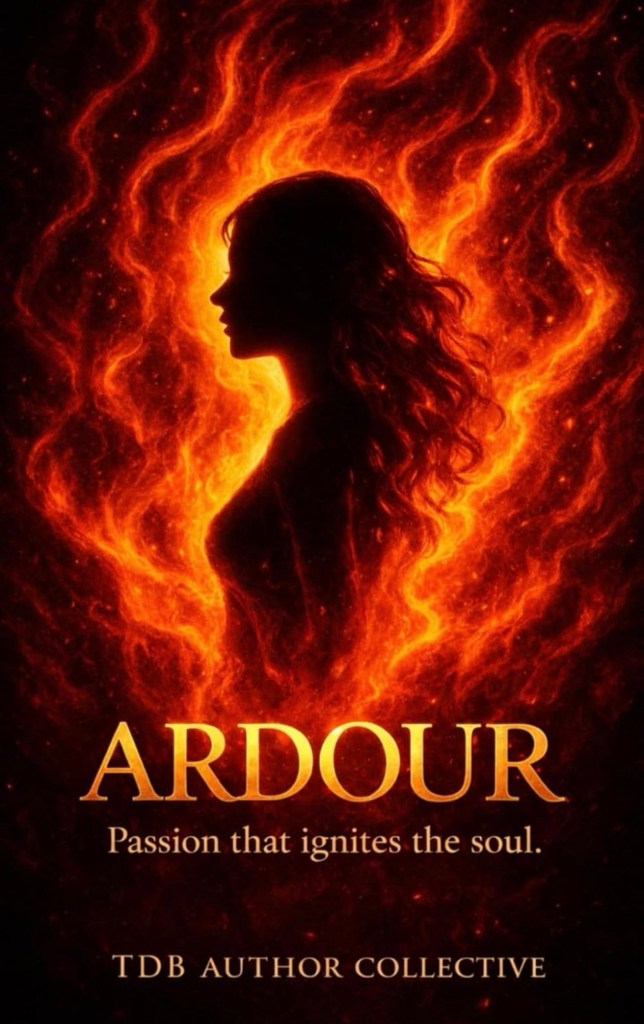
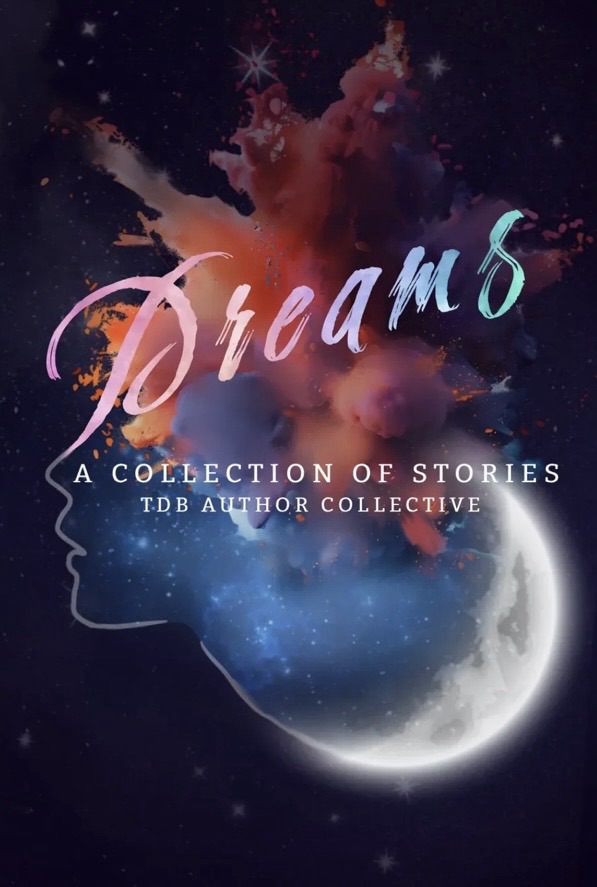



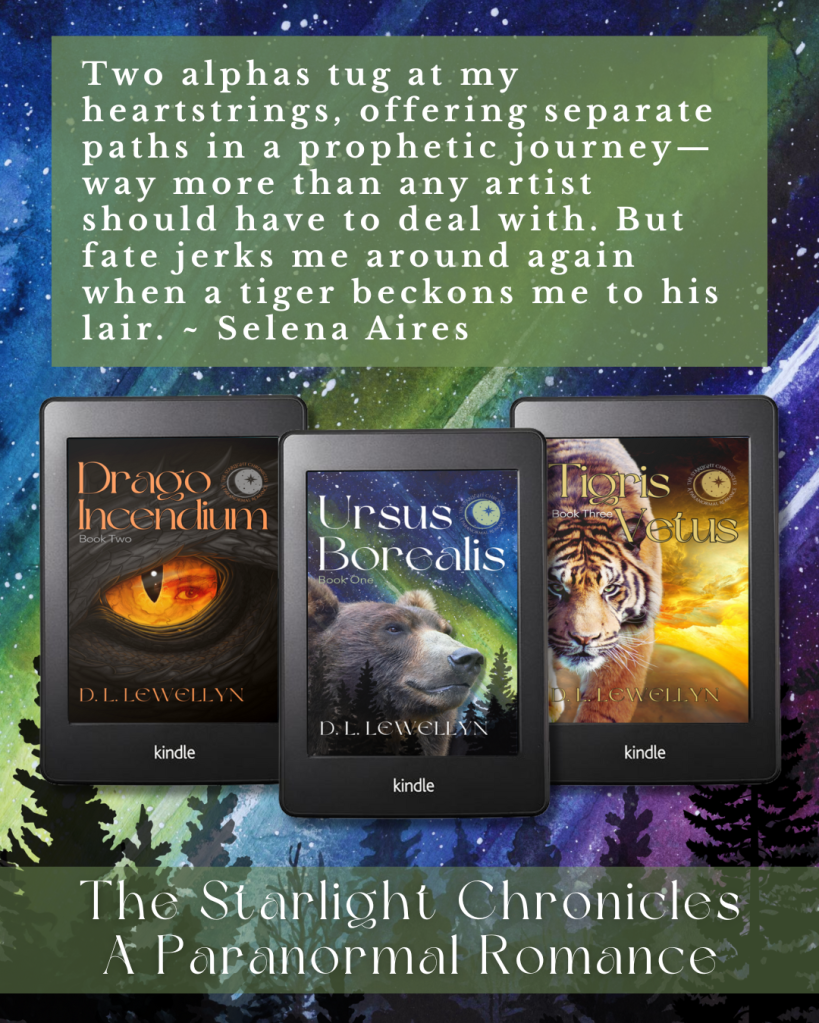

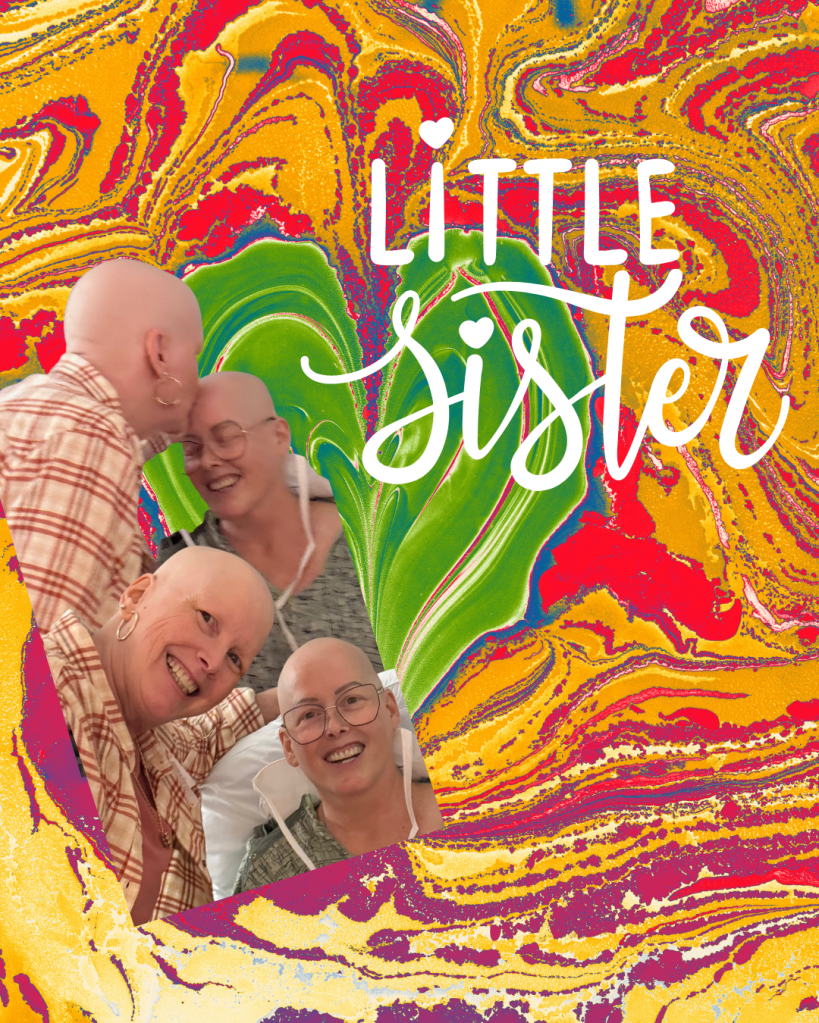

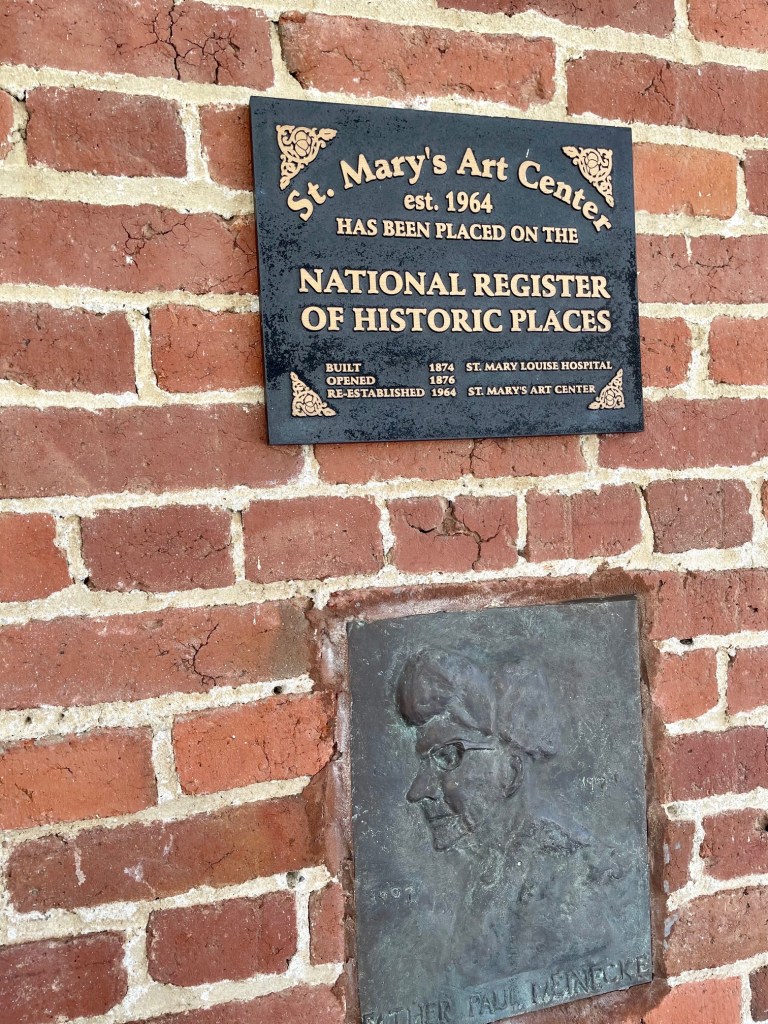
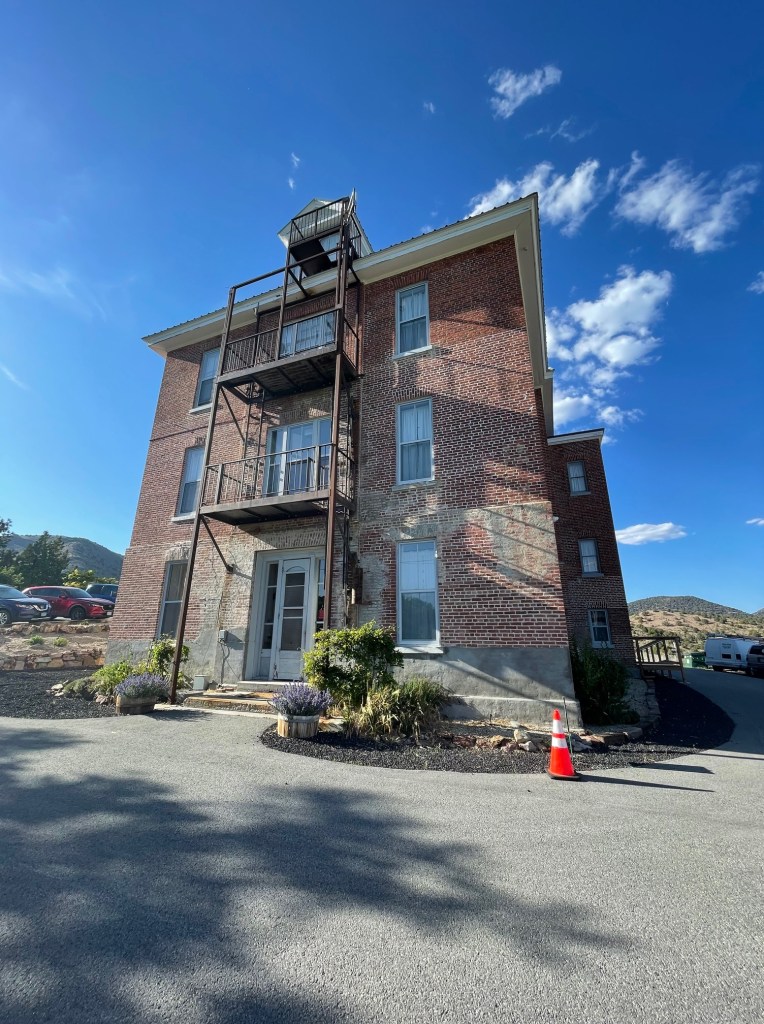


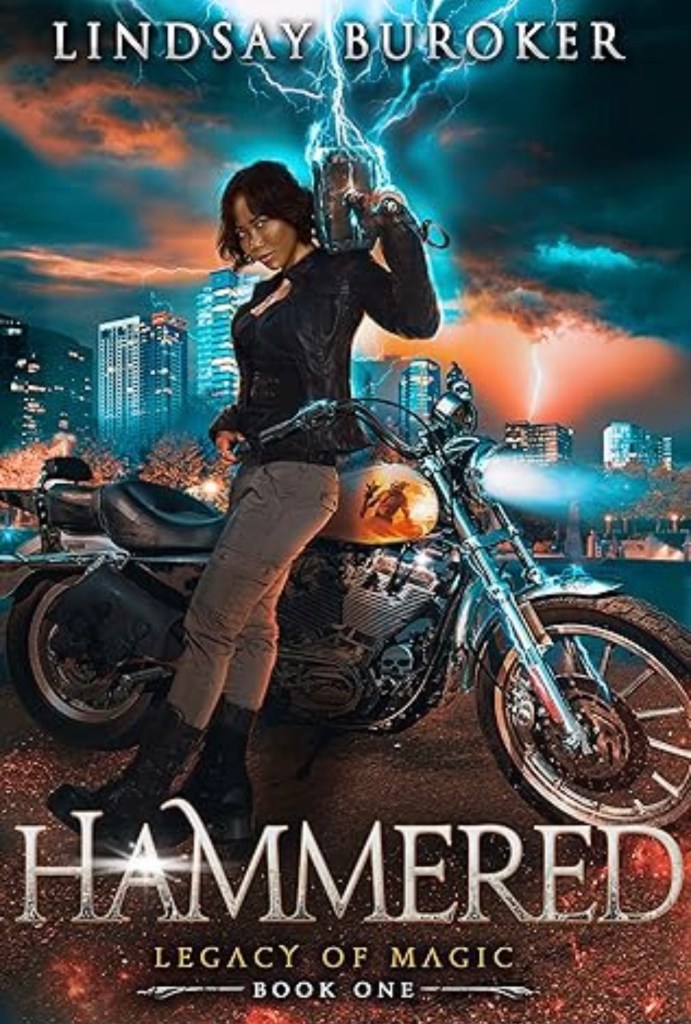

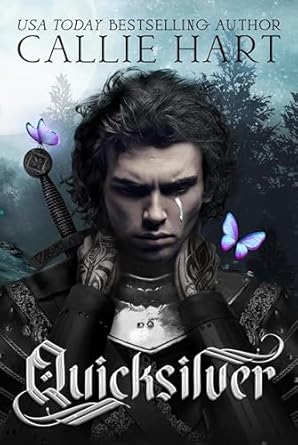


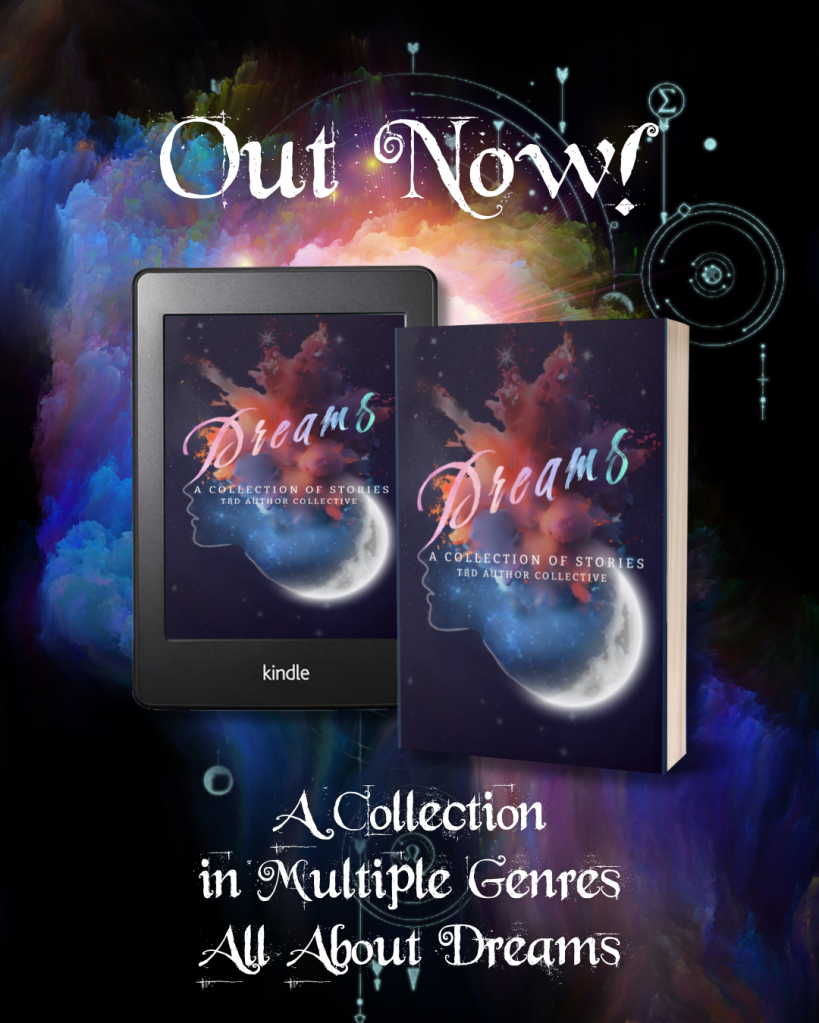

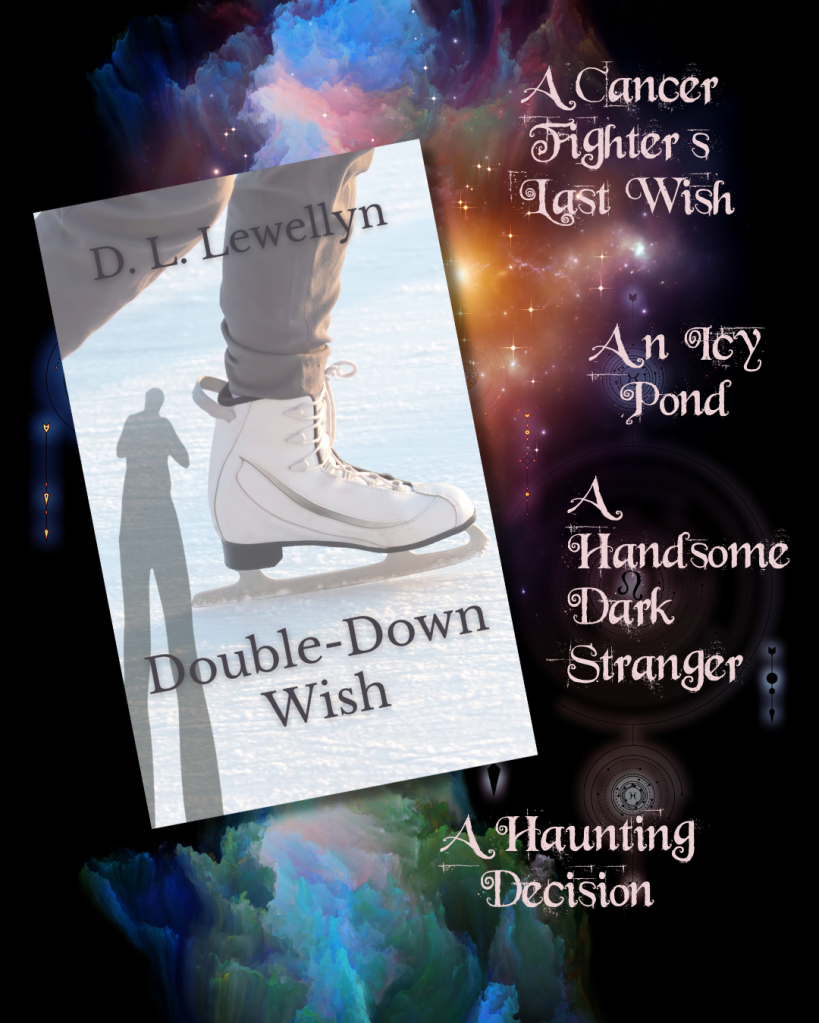
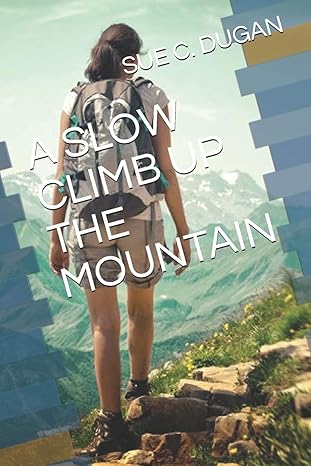

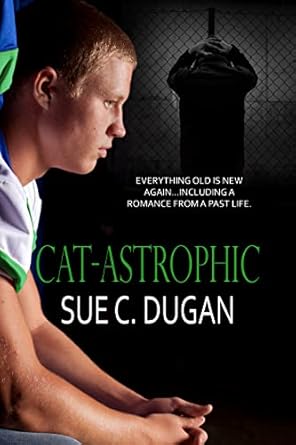
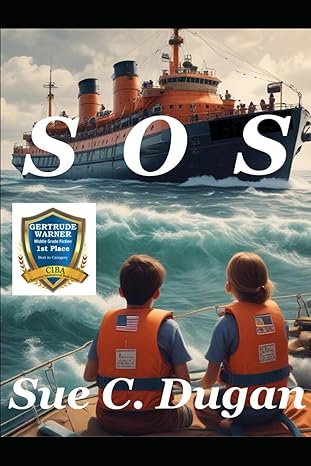


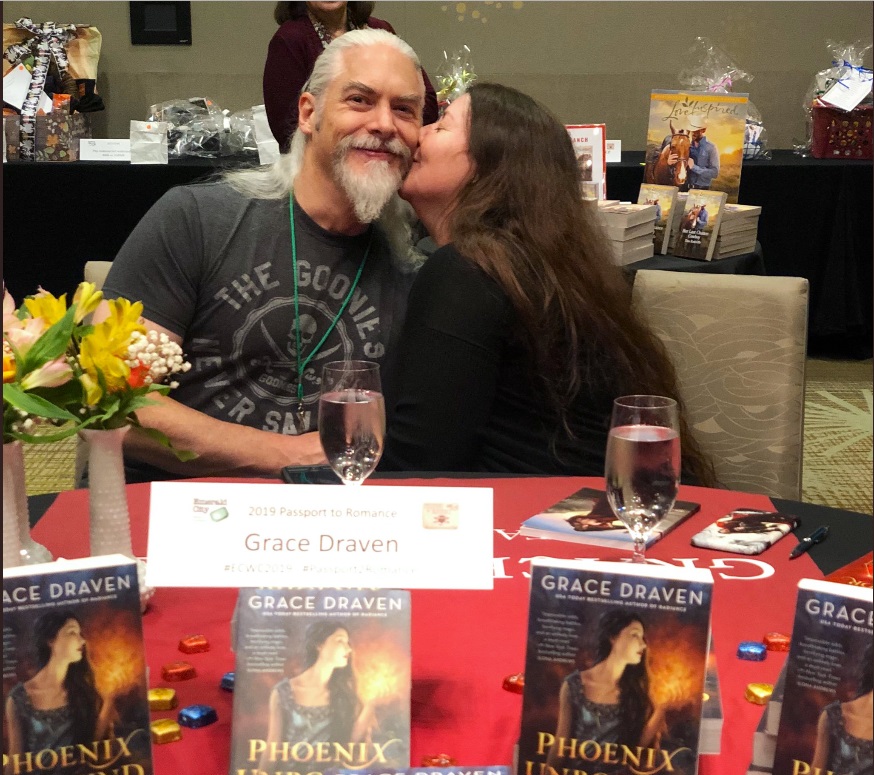


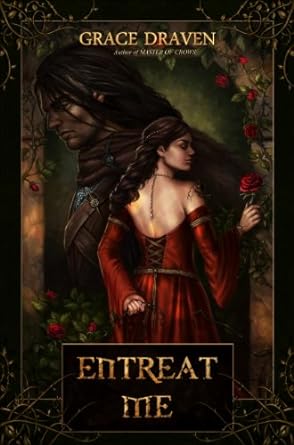


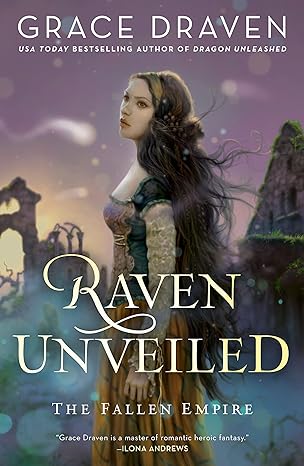

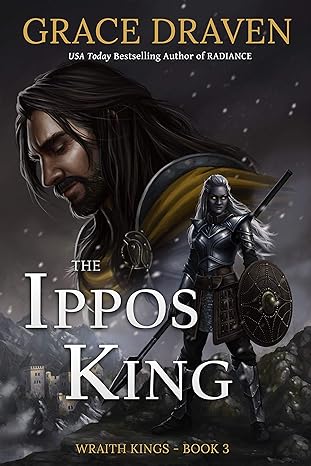


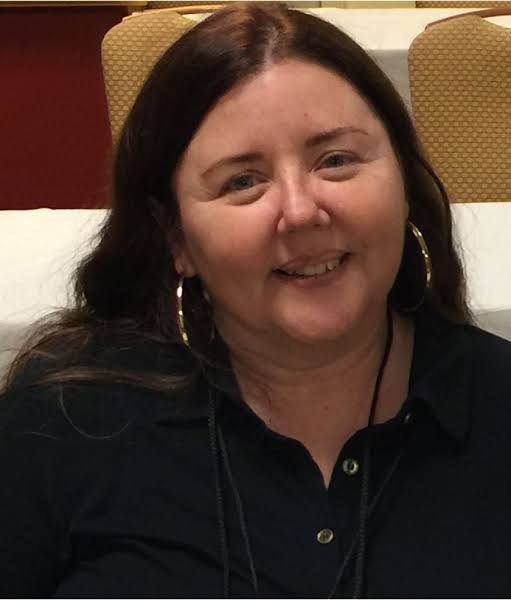

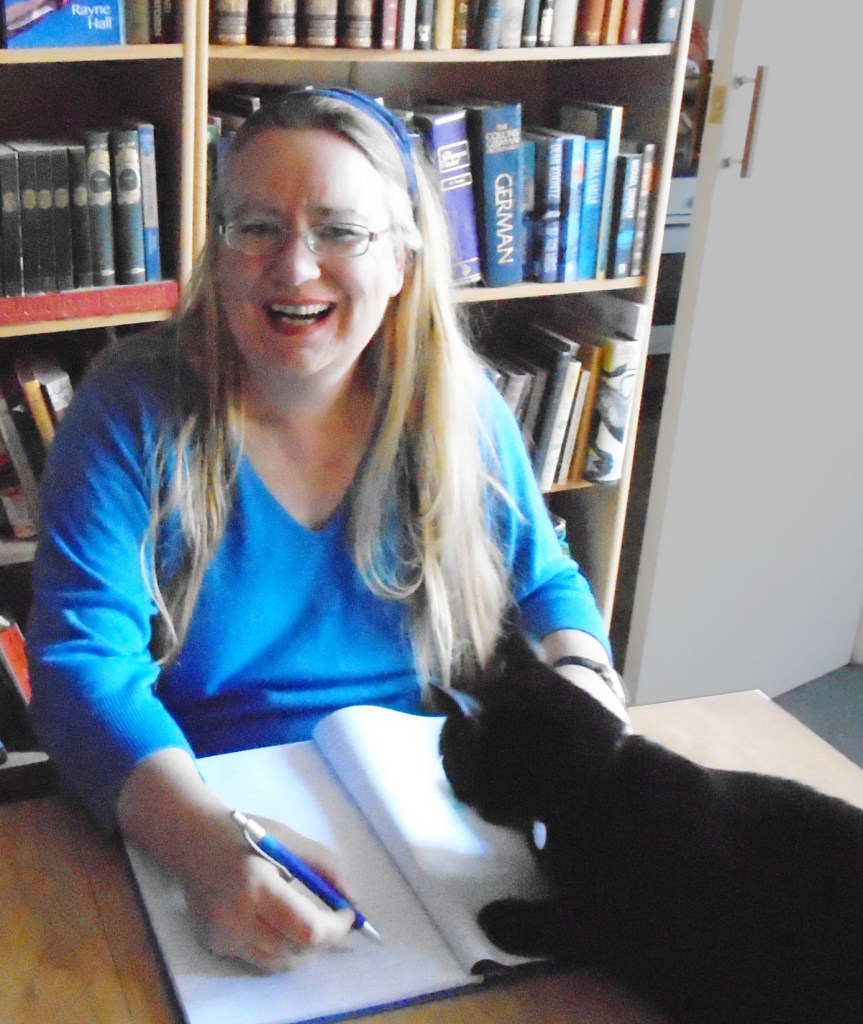





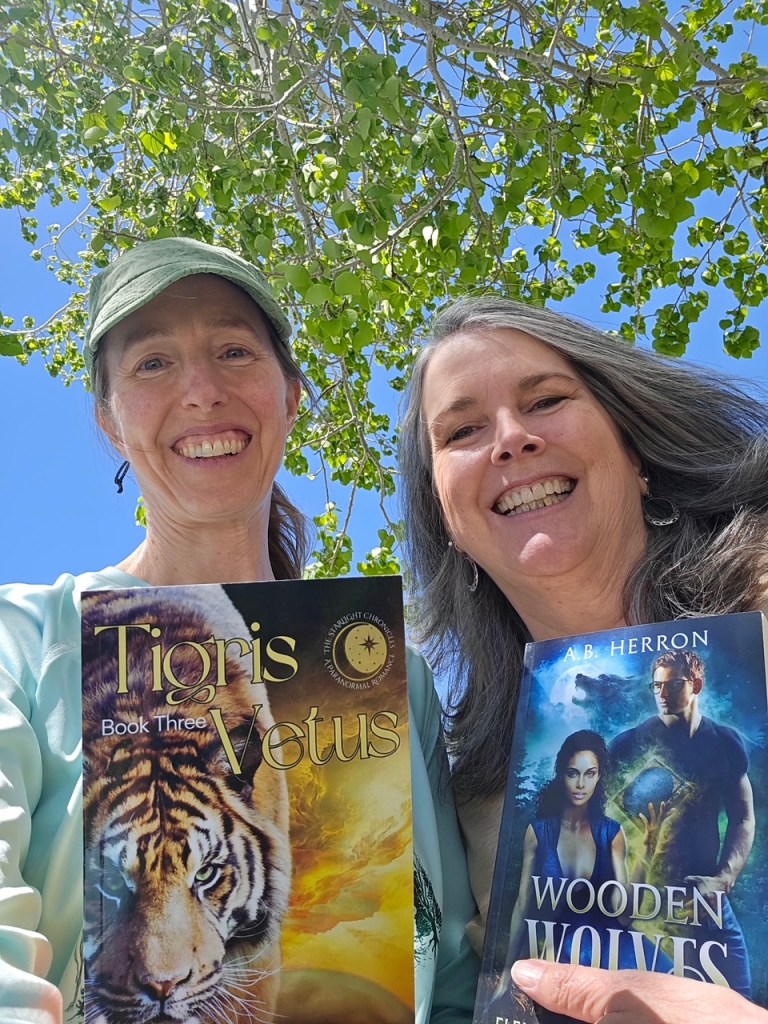

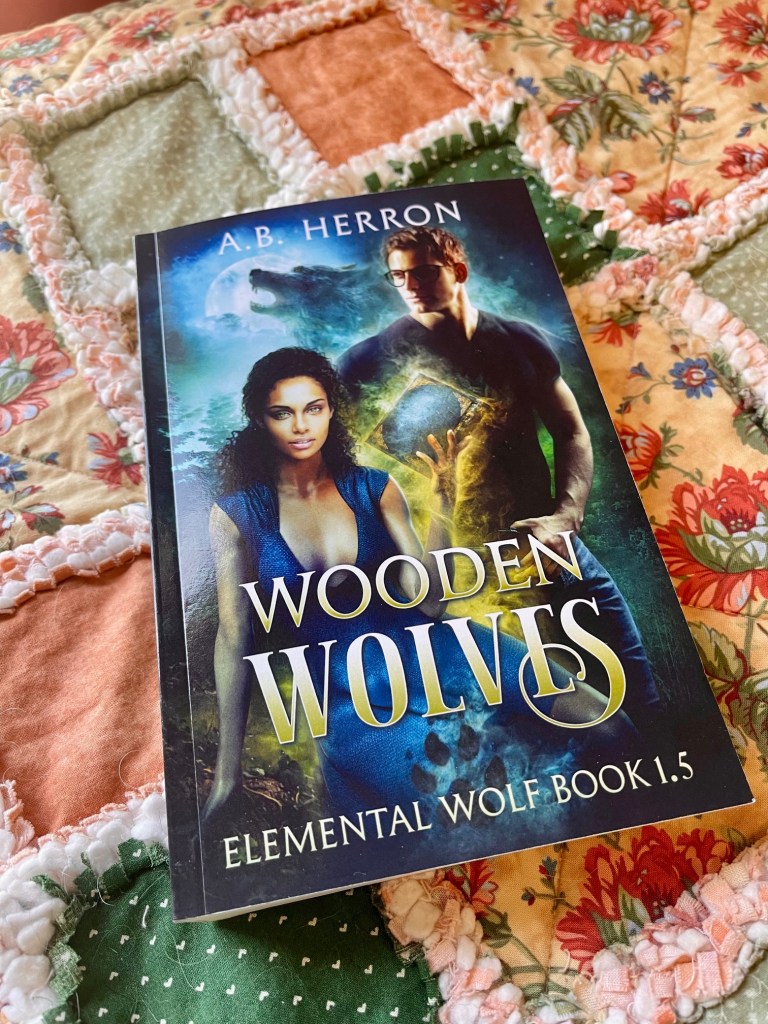




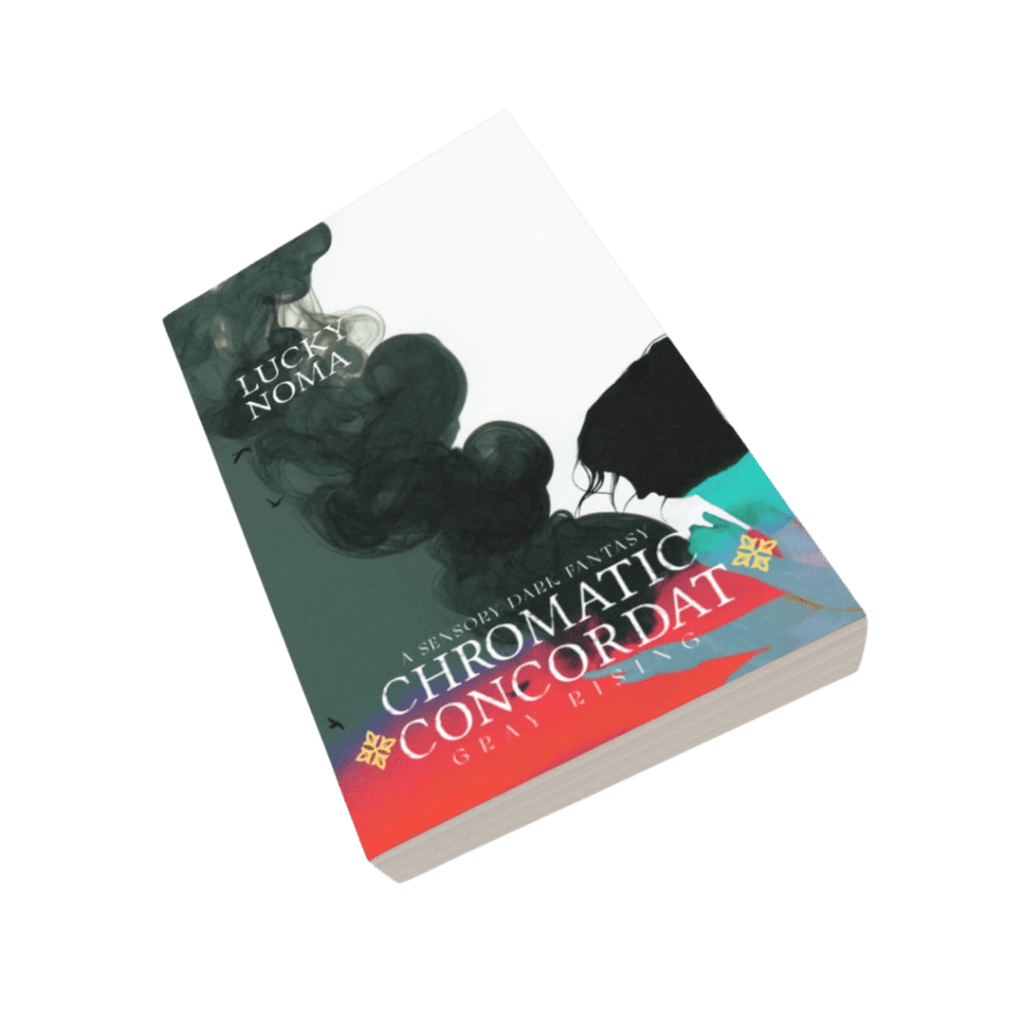






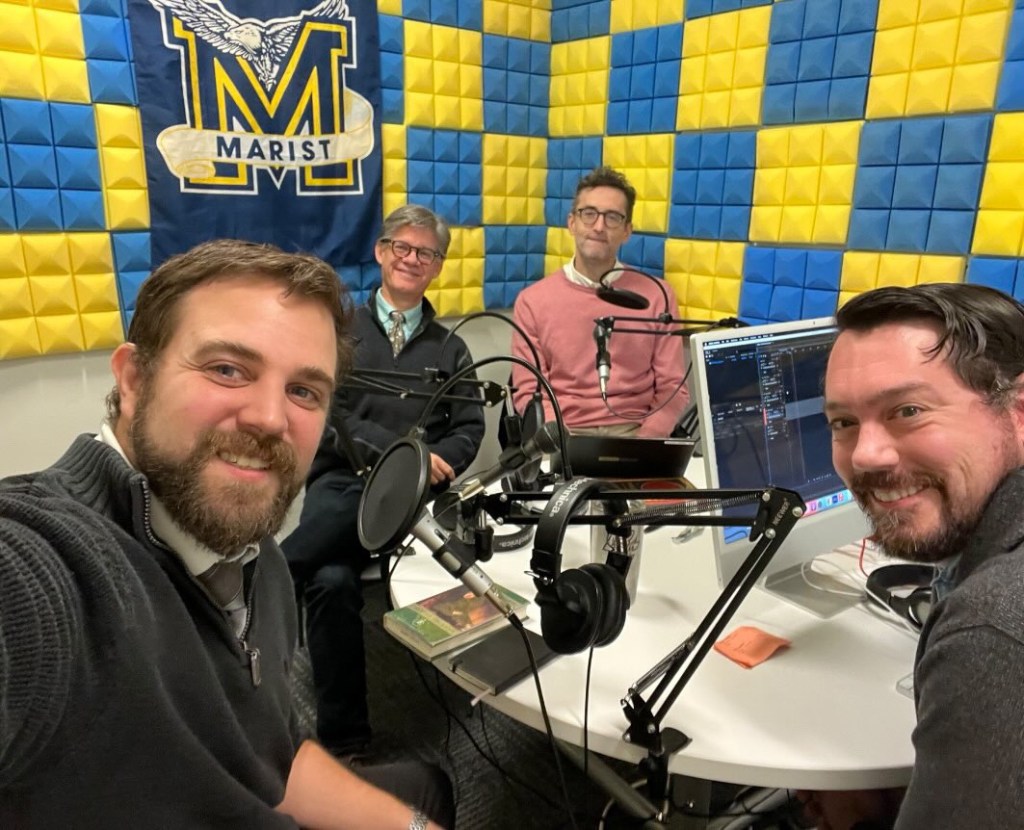


 By D. L. Lewellyn