I’m so happy to start my Spotlight off this year with a wonderful author from our #RomanceBookBlast community, where authors support authors and have a “blast” cross-promoting.
Along those lines…
Let’s Meet the Author
When Alanna ran out of horse stories to read at the local library, her father gave her a box set of The Lord of the Rings.
After a couple of weeks, she declared the trilogy a suitable alternative and started working her way through all the fantasy books in the library (though the unicorns she kept sneaking into her own horse stories should have been a clue about where the whole writing thing was going).
Now, Alanna writes cozy and gaslamp fantasy with romance. And there’s usually a horse or two around that are not of the winged variety.
Let’s Get Started
Welcome to my Spotlight, Alanna. Tell us a little more about yourself and how you began your writing journey.
First, thank you for having me! I’m excited to be here.
I actually have a hard time remembering a time I wasn’t writing stories. I have a strong memory of sitting in my second-grade class and writing a story about unicorns. It wasn’t a class assignment–I would sit in class and pretend I was taking notes, but it was actually a story.
I love it! What a great memory. What else sparked your interest in your cozy romantasy genre?
So, early stories about unicorns aside, most of my stories were about girls and their horses (horses being another early obsession). Looking back, I realize I was always drawn to media with some element of magic or the supernatural, but I didn’t know there was such a thing as the fantasy genre until my father gave me a boxset of the Lord of the Rings trilogy when I was twelve.
I read a lot and would read whatever I could get my hands on, which started including my mom’s romance novels and murder mysteries. The romance influenced me more than the murder mysteries, obviously.
As for cozy, I didn’t set out to write a cozy. Most of what I wrote in my teenage and college-age years was epic fantasy, which transitioned to urban fantasy. Then I stopped writing fiction, period. I had multiple jobs and just didn’t have the time. A few years ago, I made it a goal to publish a book. I picked up the manuscript that became Teaching Magicand finished it. As I was learning about self-publishing, I realized that book didn’t fit on the epic fantasy shelf, and it took me a while to realize it belonged in this growing category of cozy fantasy.
Amazon LinkAmazon Link
I love how your reading journey channeled so many elements into the perfect fit for you as a writer. Also, great covers, by the way! Totally giving a cozy plus romantasy vibe. Can you tell us more about what or who inspired you? Perhaps share your favorite books or authors.
I pick up a little bit from everything, I think. My favorite tends to be whatever I’m binging right now. Other books certainly inspire me, but so do movies or song lyrics or even catching a scent that jogs a memory.
Awesome. Do you write full-time? What is your writing schedule like?
I do not write full-time, though I’m hoping to work my way there. I tend to write at night. After I come home, I have to give myself a couple of hours to transition from work brain to writing brain, so I eat dinner, get some chores done, shower. And some nights I have to accept that the words just aren’t coming.
I feel you there. I’ve experimented with all sorts of different schedules and keep going with “when the mood strikes me” for as long as it lasts. Can you share tips on fitting a writing routine into your daily life and what you like to do to spark your creativity?
Fitting a writing routine into my life is a little bit easier for me because I don’t have children. The thing that helped me the most was adding a little bit of outside pressure. For me, that was posting Teaching Magic to Royal Road while I was working on edits. I knew I had to have a chapter ready by a certain day to post, because people were waiting to read it.
What are your top writing resources (applications, services, websites, etc.) and methods you’ve gathered along the way?
The writing resource that probably made the biggest difference for me was discovering Becca Syme’s work on Clifton Strengths. That’s actually where I got the idea to utilize outside pressure to get myself writing. I used to struggle a lot to follow others’ guidance because it didn’t work for me, which made me feel terrible about myself and my writing. Becca’s work taught me how to find advice that actually works for my personality.
For romance writers, I like the book Romancing the Beat and Ines Johnson’s resources (she has something in almost every format, depending on how you like to learn).
I also like resources that aren’t necessarily writing-focused. There are a ton of world-building guides and things on YouTube that are geared toward tabletop role-playing games. I listen to so many history podcasts, which can spark ideas but also help me feel out what life is like for my characters.
Thanks for all these great tips and ways to spark story ideas. I checked out the Romance Write Club found on Ines Johnson’s website. The classes look amazing. Along these lines, what is your advice on publishing and marketing?
Whoo, this is a big question. Probably the biggest thing is to not do all the things. Pick one type of marketing and get that established before you move on to something else. For example, I spent a lot of time this past fall working on my newsletter. I revamped the short story readers can get for free by joining my newsletter. I started doing more promotions to get people onto my newsletter list. I gathered together a bunch of emails from authors I follow, and I read each one, found bits I wanted to include, and built a template for my newsletter. My list still isn’t big, but it is growing steadily.
I really appreciate this advice. It makes sense to focus on one thing, and I’m impressed how you’ve built such an amazing newsletter following–your own community eager for your stories. Can you share what you’ve got in the works and where we can find your books? I believe you sell your books on your website, Alanna Cole Books? Can you talk about how that works in conjunction with other book retailers?
Selling on my website is very new for me, so I haven’t quite figured it out yet. I will be releasing a boxset of Teaching Magic and Trial by Magic next month, and I will offer it on my website first before I upload it to the retailers.
I just released a short novel about a side character from my secondary-world gaslamp fantasy series called An Inquest of Gryphons. All of my books can be found on most ebook retailers and are also available through Kobo Plus and Everand. I can also be found on Instagram at @alannacole.books.
I’m not quite sure what my next book will be, but it will most likely be in the same world as Teaching Magic. I’ve had several fun ideas about characters from that world that I’m exploring.
Amazon LinkAmazon Link
I really need to focus on Kobo. It’s growing huge, and I just saw a YouTube video where a reader shared their new Kobo eReader, which has some really cool features that seem to compete with, maybe even outshine, the Kindle. I’m just starting to research the pros and cons.Thanks for visiting, Alanna. Any parting advice to aspiring writers?
Thank you for having me! Aspiring writers, find a group. I have two: a local group where we do writing meetups and share ideas, and an online group that is more of a professional organization for my genre. It is so important to surround yourself with other writers.
This month, we get to chat with a fellow Nevada author I met at the Virginia City Writing Retreat. Sue and I enjoyed a great conversation over breakfast on the last morning about her career in education and her insights into the minds of young people, which she features in her writing. I’m glad to have the opportunity to learn more about her life as a writer and her works.
Let’s Meet the Author
Sue is a connoisseur of pretzels (the sourdough kind), a maker of killer banana bread (thank you, Joanna Gaines!), a pilates aficionado, and a writer! She loves writing fantasy fiction for all age groups—time travel, reincarnation, soul switching, and science fiction.
If you searched her pants pockets, you are apt to find a doggie poop bag, tissues, and a breath mint. She’s a proud mama to two amazing adult children and five equally amazing grandchildren!
Let’s Get Started
Thank you so much for visiting today, Sue. Your books are incredibly engaging, drawing us into thought-provoking worlds where teenagers face life’s toughest choices or encounter tragedy, often through a supernatural lens. Can you discuss how you began writing novels and what inspired your first story?
SCD: As many authors do, I’ve been writing or dreaming about writing since I was small. My first published novel, A SLOW CLIMB UP THE MOUNTAIN, was loosely based on my time as a principal in a small rural town. I began writing speculative fiction with SUPPRESSED. I found after I wrote that book that I really liked writing about reincarnation, time travel, and soul swapping.
Where do you find your amazing story ideas?
SCD: Story ideas are all around me. It might be a tidbit from the internet, the newspaper, an article I read in a science magazine, to looking at pictures in National Geographic.
Along the lines of inspiration, who or what was your biggest influence in becoming a fiction writer?
SCD: My high school English teacher encouraged me to continue writing. Then, a Literary Agent believed in my work. When I entered my, at the time, unpublished novel, S.O.S., in a contest and took first place, I really took off. Winning that award gave me confidence in myself as an author.
DLL: Wonderful, Sue. Thanks for sharing that.
What are your favorite themes to explore in your stories? And I’ll throw a tougher one in here. Which character did you enjoy writing most and why? Don’t worry if there’s more than one or if the answer is all of them. Feel free to elaborate.
SCD: I think my favorite character was Cat in CAT-ASTROPHIC. She was a complex and weird girl who didn’t fit in at school, yet she had a connection with the minister’s son, Nick. She argued they were once lovers during WWII. Now, I think you see the conflict in that revelation.
DLL: Another fun world to dive into.
You recently released the third installment in your ‘Land, Sea, and Air’ series. What a fascinating time-traveling premise. Can you give us a glimpse into the story and characters?
SCD: The third book is entitled MORSE CODE. I had names floating around in my brain–Dashiell and Dorothy–Dash and Dot. Thus, the Morse Code twins were conceived as the stars of that book. My cover designer even put …- – – … on the cover (SOS). It was a fun book to write because the protagonists from books 1 and 2 joined Dot and Dash in Guatemala.
DLL: Wonderful. Thank you!
In building your author platform, what have you found to be the most valuable connections and resources for an independent writer?
SCD: At every opportunity, I share the highlights about my books and keep a stack of business cards with me. In fact, earlier this week, I had the carpets cleaned, told him about my books, and sent one home for his kids.
DLL: I can relate. I also keep cards handy for those conversations.
How important is it to engage with your local community? What can you share about building an online presence? Can you tell us about your story awards and the organizations behind them?
SCD: I do as many local author events as my schedule allows, but I’ve also done book signings in MI and WA. It’s true—I’ve won a variety of awards, some more prestigious than others, but they are all “stamps of approval.” Probably, The Chanticleer Reviews has opened many doors for me. While they are small, they have a dedicated team to determine who gets what award. I highly recommend them, and also The Golden Wizard Book Prize awards for those who write for middle grade and under.
DLL: Thanks for sharing these.
What are your best tips and techniques for keeping your creative juices flowing and staying productive while balancing your writer’s life with everyday living?
SCD: Read a lot and read outside your normal genre and comfort zone. Although I’m not a huge Horror fan, there are story ideas or nuggets galore in them.
You recently returned from an overseas trip. I’d love to hear about your adventures and how traveling fits into your writer’s life.
SCD: I just returned from Greece and a screenwriter’s conference and workshop. Before the conference, I wrote my first screenplay, and it was a huge learning curve for me (and I’m still learning). But I think all those ‘out of the box’ events only strengthen us as writers.
DLL: And what a fabulous place to go for a learning curve!
What’s on the horizon for you, Sue, and where can we follow you to stay updated?
SCD: I’m hoping to win another award from Chanticleer for MORSE CODE. The first two books (SOS and MAYDAY) in the series took first place in ‘The Gertrude Warner Adventure’ category. I want to continue to learn about screenwriting and eventually turn many of my books into scripts.
DLL: Fantastic! I wish you the best in that endeavor. You can stay in touch with Sue via her website and Facebook Page.
Thank you so much for dropping by. It’s been a blast. Do you have any parting words of advice for aspiring writers?
Writers need to be readers. Write and read every day, even if it’s just a couple of sentences. Eventually, all those sentences make a paragraph, then a page, a chapter, and voilà, you’ve got a book.
This month’s guest first came to my attention several years ago at an Autocrit short story workshop, and I’ve enjoyed her stories and lively newsletter ever since.
After participating in Rayne Hall’s latest writing contest, where she challenged writers to submit stories without any AI assistance, including editing (eek! No Grammarly!), I thought it would be fun to invite her to chat about her life as a writer (gardens, cats, and all), her works, and writing in the gothic horror genre. We will also discuss her work as a writing coach and her top five tips on the craft.
Let’s Meet the Author
I’m Rayne Hall, and I help good writers become great.
As the author of the bestselling Writer’s Craft guides, I answer writing-related questions on in the social media, post articles online, coach authors, edit books, speak at conferences and teach online classes.
I’ve been working in the publishing industry for three decades, as a trainee publishing manager, editorial assistant, magazine editor, investigative journalist, production editor, literary agent and publishing consultant.
In between, and often at the same time, I’ve been a museum guide, adult education teacher, development aid worker, apple picker, trade fair hostess, translator, belly dancer and tarot reader.
Now I’m a professional writer, with more than a hundred books published under several pen names (mostly Rayne Hall), in several genres (mostly fantasy, horror, historical and non-fiction), by several publishers, in several languages. I’m also a publisher, and these days I publish most of my own books, as well as anthologies with Gothic stories by other writers. After living in Germany, China, Mongolia, Nepal and Britain, I’m now based in Bulgaria where I enjoy visiting ancient Roman ruins and derelict abandoned homes, going for walks in the woods, organic permaculture gardening and training my rescued cats.
Let’s Get Started
Thank you so much, Rayne, for visiting with me on my Spotlight. I’d like to start at the beginning and ask: Who or what inspired you to become a writer and dedicate your life to the written word?
RH: I grew up in a conservative, restrictive home in southern Germany in the 1960s, when girls were expected to get married and become housewives. This didn’t appeal to me in the least. Cooking and cleaning all day long sounded boring.
My family was steeped in the Catholic religion, and they gave me a big book with the life stories of saints. I read the thrilling tales eagerly. Could I become a saint instead of a housewife, thus escaping the boring household drudgery?
Alas, sainthood seemed to require not only a pious life but a painful death. Most saints suffered martyrdom, pierced by arrows, devoured by lions or burned. I didn’t cherish an agonising demise.
Housewife or martyr? Both dreary options, and I didn’t look forward to growing up.
I started reading books when I was four, and by the time I was seven, I devoured all the kids’ books I could lay my hands on: fairy tales, illustrated animal stories, saints’ lives and more. When I discovered that there were women who wrote books, a window to a new world opened for me.
As a grown-up, I wouldn’t have to scrub floors all day, nor would I have to offer my feeble flesh up to torture. I could write books instead.
“When I grow up I want to be a writer,” I declared firmly, at the age of seven.
Of course, adults talked me out of this ‘nonsense’ and persuaded me to choose a more sensible career. But with twists and turns, my life path led me back to my vocation, and here I am, a writer of books.
DLL:How awesome to start life early with that gothic romance outlook. I appreciate how you knew what you wanted at the age of seven, or rather, what you didn’t want, and ended up where you aimed to be.Such a great story!
I find it fascinating to learn from different writers about how their journeys evolved. What inspired you to write horror? Tell us about your other favorite genres.
RH: Historical fiction was my favourite genre to read, and my first genre to write. I remember my first attempt at a novel – the adventures of a Venetian courtesan in the 1700s. Probably not a good choice of subject for a fifteen-year-old virgin who had never been to Venice.
After that came several more historical novels, each a notch better than the one before, because I became better and better at my craft. But success eluded me. I tried other genres, switched to short stories. Yet every manuscript I mailed out returned with a thud. In those days, submissions were on paper, and the envelopes with the rejected sample pages and stories were heavy. I learnt to recognise the sound of a rejected manuscript falling through the letter slot, a disheartening start to the day.
Then in one week, I got three acceptance letters. Acceptances – without manuscripts attached – whispered through the letter slot, what a cheering noise! All three were for horror stories. That’s when I saw a pattern. If Historical Fiction didn’t get me anywhere, but Horror did, maybe that’s what I should write.
At first, I baulked. I thought all Horror was Splatterpunk, with sadistic violence and gruesome stuff – again like the martyrs having their flesh torn with red-hot pincers – and that was not for me. But when I researched the genre, I discovered that it has subtler forms: Psychological Horror, Suspense, Gothic.
The Gothic especially appealed to me: more creepy than gory, more atmospheric than violent. I love it, and this has become my main writing category. I love creating the vibrant settings, the passionate emotions, the guilty secrets, the creepy atmosphere.
I tried to write other genres, too: Historical Romance, Cosy Mystery, Urban Fantasy, Science Fiction. But somehow, they all took a dark turn. Without my knowledge and consent, the characters hatched evil plans and hijacked the plots. So I ended up writing yet another Gothic Horror yarn.
Fortunately, Gothic fiction lends itself to layering with other genres. So I’ve created not just Gothic Horror, but Gothic Historical, Gothic Fantasy, Gothic Romance, Gothic Mystery fiction.
DLL:This is so encouraging, not only in terms of perseverance, but also in how one finds their niche. I love it!
What inspired you to teach the craft, and where do your craft books fall in your bibliography? What topics did you focus on in the beginning, as compared to now?
The Writer’s Craft books teach advanced-level writers specialist skills. They’re the kind books I would have needed years ago but couldn’t find because they didn’t exist. At the time, there were many how-to-write books for beginners. But for writers who’d mastered the basics, there was little guidance available.
Eventually, after I had reached a very high level with my own writing, I developed the series to fill the gap in the market.
Writing Fight Scenes was the first of the Writer’s Craft books. During my long learning journey, I’d been frustrated that there was no book available on this specialist subject.
When I saw online courses on this topic, I signed up at once – only to find that they were superficial and filled with platitudes instead of providing practical guidance. So I studied fight scenes in literature and developed my own system. Then I taught an online course, which was a tremendous success. Many authors needed fight scenes for their fiction and didn’t know how to go about it, and they loved my course and recommended it.
In 2011 I decided to expand my course into a book with the same title, and it instantly became a bestseller.
So I turned some of my other courses into books, too: Writing About Magic, The Word-Loss Diet, Writing About Villains. Before I knew it, I had a series with fans who wanted more.
The series now has almost 40 titles. Writing Scary Scenes, Writing Love Scenes, Writing Vivid Settings, Writing Vivid Dialogue, Writing Vivid Plots, Writing Vivid Characters, Writing Deep Point of View…
Which do you prefer to write, short stories or novels, and how can you tell when a story might evolve into a novel? What’s your top favorite answer when a reader asks you how to write a short story?
RH: I enjoy writing both short fiction and novels. My best work, the one I’m most proud of, is the dark-epic fantasy novel Storm Dancer.
But overall, I prefer short stories, simply because they’re quicker to complete. I can finish a short story in a month, from idea to polished version, whereas a novel is a commitment for years. I have many half-finished novels lingering in my file folders, and it’s doubtful whether they’ll ever see the light of publication. With shorts, I can savour the thrill of completion more often.
Many short stories want to grow into a novel. As I write, they grow and grow, and it takes discipline and skill to keep them confined to a manageable length. My two favourite techniques for this: 1. Let the story play out in a single location. 2. Let it unfold within a short time, preferably in a single day.
DLL:Thanks for the great tips! I can totally relate to your experience. I often feel torn between finishing shorter pieces and working on novels that I might never complete. It’s frustrating when I have such epic endings and vivid scenes running through my head, all while feeling like time is slipping away. So many writers publish multiple novels in a year, and I really want to know their secret. That’s when I remember that the joy is in the writing—published or not, finished or not—and that really helps.
Speaking of getting our books out into the world, do you self-publish?
RH: My first twenty or so books were conventionally published by twelve different publishers, but now I’m my own publisher. I’m actually a trained publishing manager, that’s my career. I’ve worked in many different positions in the publishing industry, so I know the business well, and now I’m using my insider knowledge.
In the 20th century, publishing involved a big capital outlay, and the only way to reach book buyers was through a complex distribution system which only publishers had access to. In those days, self-publishing was almost inevitably doomed to failure, and at huge expense. I used to advise against it.
But the publishing industry has changed to much. With e-books and print-on-demand technology, the once exorbitant production costs have evaporated. Everyone can use online bookselling platforms to make their works available to the book-buying public.
The literary agents and publishing houses, essential parts of the system in the 20th century, have become obsolete. Why should we writers – who mostly earn very little for our work – finance a big publishing apparatus we don’t need, and the salaries of multinational CEOs? Frankly, writers need publishers like they need a tapeworm in their guts.
Of course, you need to be aware that as a self-publishing author, you are a publisher as well as an author. If you want to be successful, you have to approach this as a business. You’re responsible for your own quality control, your own marketing, everything.
DLL: Ooh, great insights on traditional versus self publishing. It’s super helpful to hear from an author who’s been so immersed on both sides.
As promised at the outset, what are your top five tips for writers?
RH: Here you go:
Write the kind of book you’d love to read. This way, you’ll create a great book, and you’ll enjoy the process.
Write about what you know. This way, your won’t commit factual errors, and your book will ring with insight and authenticity.
Use specific weather for every scene – a drizzle or a downpour, dry heat or a thunderstorm – to add realism and vibrancy.
When you experience worries and problems, write about them. They make great fodder for your fiction.
Revise your writing until it sparkles. Don’t be satisfied with good writing. Make it great.
Be authentic. In this world of automation and fakery, people crave authenticity. This is your chance to stand out: instead of automating your social media, using AI for your writing and pretending to be someone you’re not, just be real.
DLL: Fantastic! Thank you for sharing those with us today.
Now, let’s dive into your writer’s life. One of my favorite aspects of your newsletters is the photos and stories about your gardens and pets. It’s clear that you find inspiration in the nature surrounding you. Can you share how these enjoyments help to balance life as a writer?
RH: I love nature, and I’ve created my personal garden paradise – 4000- square meters (that’s about 4800 square yards) filled with trees, shrubs, flowers, vegetables and fruit. It’s all organic, without use of pesticides, my private eco-project, a permaculture ‘food forest’. Bees, bumblebees and butterflies love the place. They flutter and buzz all around me. Sometimes, I see ten or more colourful butterflies in a single square meter (yard). Crickets chirp, birds twitter, storks rattle their bills.
I do my morning exercises amidst this lush abundance, and for breakfast and pick whatever fruit is currently ripe and eat it right away: peaches, nectarines, apricots, figs, plums, apples, pears, mulberries, cherries, pomegranates, grapes and more. This is my personal idea of paradise, and I feel blessed that I’ve been able to create it here in sunny Bulgaria.
I’ve had a writing chair made for me – a sturdy chair made from reclaimed materials, with broad armrests for placing my notebook and a glass of water. I love sitting there in the morning, listening to the sounds of nature and jotting down my ideas and story drafts in a notebook. Often, my cats join me (they love those broad armrests), and my dogs lie at my feet.
I savour these moments with deep gratitude. I’m able to shut out my worries and the troubles of the world, and to focus on joyful creating.
DLL:So much of this shines through in your blogging and newsletter, which is incredibly inspirational to me as a writer and blogger focused on the writer’s life. Thank you for painting such a vivid picture we can immerse ourselves in today.
Besides working in your gardens, what are your favorite activities to inspire your fiction?
RH: I find inspiration in places. Wherever I go, I observe and take notes. What does the place smell of? What sounds can I hear in the background? How does the ground feel underfoot? How does that door knob feel to the touch, what noise does that door make when it opens?
Whenever I have time to kill – at a bus stop, in a hospital waiting room – I use the opportunity to take setting notes.
Over the years, I’ve created detailed descriptions of hundreds of places, and I use can insert them into my fiction. Weather a scene takes place in a hospital, a church, a cemetery or a wildlife park, I have the vibrant details at my fingertips.
Here in Bulgaria, I like to visit places with history: ancient Thracian temples, the remnants of bath houses from the Roman period, deserted factories from the Communist era, and homes abandoned when the rural population dwindled. Each building has so many stories to tell, about the people who lived there, their loves, their sorrows, their dreams.
Those abandoned homes are my favourite spots to hang out to soak up atmosphere and inspiration. Even though the roofs have long collapsed and the window panes are broken, some still have remnants of lace curtains quivering in the breeze, cupboards are filled with dusty jars of canned fruit, and among the upturned furniture and rat-gnawed cushions I may find an old newspaper or an illustrated children’s Bible.
My pets love to accompany me when I explore these places. I’m always glad to have my dogs with me for protection, but it’s the cats who make the visits special. My black cat Sulu in particular adores entering spooky derelict buildings. He delights in walking across shattered roof tiles, scratching charred timbers and sniffing at long-abandoned hearths. Then he chooses a window-sill to lie on, and from there he watches what’s going on inside the house and in the outside world.
DLL: Have you ever thought about vlogging? I would love to follow you on your explorations. Thanks for this glimpse into life in the Bulgarian countryside.
Can you tell us about your cats, and what role they play in your writing?
RH: All my cats are rescues, and I’ve trained them. Yes, cats can be trained – if they want to. Mine love it. They can perform little tricks, shake hands, high-five and more.
When I’m writing on my laptop, the cats often join me. One naps on the rug at my feet, one sits on the printer, another curls up in an open desk drawer, and there’s almost always one snuggling between my arms. This is so sweet!
My senior cat Sulu adores books. Whenever he sees an open book on the table, he lies down to ‘read’ it, with a paw on the page. This makes great publicity photos, because what could be cuter than a black cat reading a Gothic fiction book?
DLL: Thanks again for joining me today, Rayne! Check out Rayne’s craft books here. You can find Rayne and her works on her website, subscribe to her newsletter and blogs, which she shares on Substack, and follow her on Bluesky, Instagram, and Facebook.
My guest and I have been sharing our writing journey for the past couple of years. We chatted on my Spotlight last May with the release of her second book, Hearing Wind.
It’s not often you get an opportunity to meet an online friend and fellow author, and when one comes around, it can be magical, especially when it takes place at Lake Tahoe, where A. B. Herron and her husband recently vacationed.
I am a huge fan of her Elemental Wolf Series and picked up her latest release, Wooden Wolves, to take with me for a signing.
We had a great time exchanging signed books and chatting over lunch in a café with the lake glistening across the highway. As these encounters often go, we barely scratched the surface of everything we wanted to discuss about writing, so I felt a Q&A session was in order, especially since this marks a year since we last chatted on my blog.
Let’s Meet The Author
A.B. Herron grew up pretending to be a wild creature running through the hills of California. Her love of reading is her dad’s fault, introducing her to White Fang, Treasure Island, and Call of the Wild before she could hold a book. Her favorite directive was “read”. Later, when she conquered reading for herself, Herron could be found curled up in her closet, tucked away from reality, riding on horseback, performing magic, and later running with werewolves.
The secret itch to write bloomed in grade school, along with the diagnosis of dyslexia. Professionals told her parents she would struggle with reading, but that information came too late for her to put into practice. However, depositing letters in the right order continues to be a mystery for Herron.
In college, while studying for her BS in Zoology, she started putting pencil to paper and allowed her imagination to bleed out into the real world (so to speak). None of her early attempts found an audience due to her complete refusal to admit to their existence.
Nowadays, Herron splits her time between her dog (well, and husband), her writing, and a full-time job that keeps her firmly rooted in the now, even when her brain whispers “the Mountains are calling…”. Her real-life adventures can be found on Instagram, and her daydreams can be discovered in the Elemental Wolf series on Amazon.
About Wooden Wolves
Becoming a werewolf was supposed to solve his problems.
As it turns out, one needs more than a fur coat to do that.
Tobin barely has time to adjust to his new life before something begins hunting him, and he’s forced to flee Portland for the unclaimed magical territories of Washington. But in those northern wilds, Fey lurk in the forests, and a newly turned werewolf is easy prey.
To survive, Tobin needs to learn fast: what hunts him, how to fight back, and where he belongs in a world where power rules.
The last thing he needs is a distraction, but there is one woman whose scent keeps drawing him closer, making him question his decisions.
Neoma never planned on coming back to her hometown.
Running a bookstore wasn’t part of the dream, and neither was her cranky autoimmune disease. Fighting her overwhelming desire to retreat from the world, she gives connection one more shot. So, when a dangerously handsome stranger invites her into his gaming group, she figures—why not? What’s the worst that could happen? She might actually have some fun?
What she doesn’t know is that some games can change your perception.
Others contain monsters that might change you.
Let’s Get Started
It was fabulous meeting you, Amanda, and what a blast. I started your book when I got home and immediately got hooked. Tell us about your Elemental Wolf series and where it’s at in the scheme of things. What was the inspiration behind it?
ABH: Hello again Darci, and it was so much fun meeting with you in person. I’m still marveling over your own beautiful book that you gifted me; I can’t wait to finish my current read so I can get started on yours. I’m happy to hear you got hooked into Wolves. I have to admit, it is my favorite book in my series currently. Am I allowed to have a favorite when it comes to my book babies?
You ask what inspired the Elemental Wolf series. Honestly, it was during a pretty stressful time in my life, and I was writing short stories for friends as escapism. One friend shared with me a fantasy that they wanted me to put on the page, so I took it, placed it in the Pacific Northwest, rubbed some magic on it, and when I was finished, I looked at it and thought, “There’s a whole book here.”
Jumping ahead, there are now three books in Elemental Wolves, and this new one, Wooden Wolves, is a bit outside the normal timeline for a series. At the end of Watching Water, the first book, I leave a couple of cliff hangers. Hearing Wind, the second book, follows the main character, Nora, on her timeline, but Wolves follows a secondary character, Tobin, on his journey. His story is one that needs to be told, and was supposed to be a short novella to connect his events into Nora’s journey for the upcoming 3rd, now 4th book. As a result, I have Wooden Wolves as book 1.5, and I worry that it will be confusing to readers. However, it gives them the option to read either book, in either order, and they are both happening at the same time. Different storytelling, and I’m hoping it will be well-received.
I will say that I couldn’t be happier with how Wolves turned out, and the secondary main character, Neoma, has a firm place in my heart. She’s strong, feisty, and determined despite the odds against her. I can’t wait to hear what you think of her and Tobin
DLL: Congratulations on your release, Amanda, and way to go. I want to say you fleshed this out and published it in like a year? Tobin is a great character, and I’m excited to be delving into his story. This is your passion story, and it’s coming through in the reading.So yes, there is nothing wrong with authors having a favorite book baby!
I love this cover, the formatting, and your publication mark, all things you’ve been exploring in your publication journey. Can you share some tips and highlights about the process and your resources?
ABH: Awe, I love that you commented on the publication mark. I had to invent this press since this time around I was the full publisher. I had a support team, editor, formatter, cover artist, and an author friend that I kept bugging with questions of “how do I do this?” For the first two books, I used an amazing independent publisher for Indie Authors called Luminare Press. I had no clue how to bring a book to fruition, and they took that stress off my plate and made it happen. They were a gift because I didn’t even know where to start. I had a manuscript and was clueless about what to do next. This was before I got on social media and found the author community. Luminare has a fantastic staff and will make the process easy on you, but that comes at a price point I couldn’t shoulder for this latest book.
Because of the author community and friends like you, Darci, that I have made, I’ve learned a lot more about how to navigate the publishing process and do more of it on my own. An IG friend put me in touch with Becky at Platform house when I was asking how to format. Becky’s an Indie author who does book formatting for other indie authors. She was amazing and budget-friendly. I know I can learn to format, but I was extremely short on time for getting this book to print. I might try to format for the next book, but Becky was worth every cent, and she really made the interior look good.
Now, the cover artist, Ravven (you can look her up just by her name), has been an absolute joy to work with, and her skill speaks for itself. The werewolf howling in the background on Wolves, she made for me when the stock photos she’d found didn’t fit the look I was hoping for. I love what she does, and I keep begging her not to retire before this series is done.
I’m always surprised by how many people a book needs to go through before it ever makes it to print. From the alpha and beta readers to the editors and formatters, this manuscript had more eyes on it than the first two, and it showed. For those who are working on their own stories, my humble advice is to get as many different eyeballs on your manuscript as you can; it will make it better. And find a good editor; they are worth it.
DLL: This is great advice. Thank you! I didn’t even know there were people who offered formatting services. Here is Becky’s website. I also found Ravven’s website, and her work is phenomenal as your gorgeous covers attest. The more eyes, the better, is so true. I’m really happy all this came together so well for you… And that I get to benefit by enjoying a great story.
Where can readers find you and your awesome books in the upcoming months?
ABH: The easy way to find me is to hop on my website www.abherron.com, and there are links to the two places to buy my books online. I’m now in a bookstore in Eugene, Daffodil Books, and will be at four different in-person events throughout Washington and Oregon over the summer. If you sign up for my newsletter, those dates and locations will show up in your inbox, but can also be found on my website.
Thank you so much for having me, Darci. Lunch was a special treat. Somehow, we need to do this again and keep talking about all things writing and books.
DLL: Yes! Meeting you was awesome, Amanda, and it was way too short. I will definitely be looking for a way to get together again.
Thank you for answering just some of the questions that I wanted to ask you at lunch. Do you have any last words of advice for independent authors just getting started?
ABH: My last pieces of advice for new authors are three-fold: 1 – Don’t start your publishing journey with a series, do a stand-alone book first, because you will learn everything you don’t know about the process and how to make it better. 2 – Get connected with other indie authors, it really helps to have people you can ask questions from when you’re feeling lost. 3 – Find a good editor. Seriously, they are worth it, and I can’t stress this enough. I’ll stop there, or I’ll keep sharing all the mistakes I’ve made (and the new ones I’m making) and the hard-won advice I’ve been given. Enjoy the journey, everyone, it’s a wild one.
DLL: Awesome! Thank you! I will leave our readers with a gallery of your fantastic Lake Tahoe photos.
Follow A. B. Herron on Instagram for more amazing photos and the latest on her books.
I played my first tabletop role-playing game (TTRPG) ever at my first-ever writing retreat in Virginia City in May. This month’s guest convinced me to give one a try on our Saturday evening in the cozy, haunted St. Mary’s Art Center, along with my friend and retreat roomie (and last month’s guest) Dee Beardsley. Jade authored the riveting Cthulhu mythos-based story and was an excellent teacher.
We started after dinner in the sitting room on the first floor, before taking a break for movie night in the theater on the 4th floor. Then, we retreated to the airy second-floor veranda, with its low lighting and the stars twinkling over Virginia City, which had us resorting to our phone flashlights to roll the dice and read the scenes. That only made the experience delightfully more gothic. And wow, was it ever the most complex, imaginative, and compelling way to immerse oneself in a story! I was Mr. Wabash, through and through, living in 1890s Chicago, discovering magic, and making some scary decisions. I would truly love to roleplay again, if I ever get a chance.
Join me for a chat with Jade today to discover what you’ve always wanted to know about TTRPGs and the stories and writers behind them, as Jade shares insights into the life of a TTRPG author.
Let’s Meet the Author
Though her usual genre is sci-fi and fantasy, discovering the tabletop roleplaying game Call of Cthulhu lit Jade Griffin’s imagination down a darker path of Lovecraftian horror. She has published six adventures so far in a series of Call of Cthulhu TTRPGs, starting with Taken For Granite on DriveThruRPG, and the collected campaign Embraced Fate: Amor Fati 1-4 is her newest TTRPG publication.
The most recent, Mr. Smith Who Works The Front Desk, is another companion novel to her Call of Cthulhu TTRPG series, which are therefore both player handouts and minor mythos tomes.
Jade Griffin lives in the high desert of northern Nevada with her family and an array of pets from several Phylum of Animalia.
Let’s Get Started
Thank you so much for visiting my Guest Spotlight, Jade. While I thoroughly enjoyed your introduction to TTRPGs, as mentioned above, I am woefully ignorant of the basic elements, having sadly missed out on this fantasy world-building craze in all its manifestations. So, to help ground us in the genre, what are the basic elements and objectives of a TTRPG from a player’s perspective? Are there other or different goals from a writer’s perspective?
JG: Very glad to answer! First, no matter if you play Call of Cthulhu or Dungeons & Dragons, or Star Wars, or any of the other tabletop roleplaying games (TTRPGs), they are all driven by the same factors: dice, character sheet, theater of the mind, and a group of friendly people. Dice have been around for millennia and are key to the random generation of events and results at the table, which are also affected by the skills and traits on an individual’s character sheet. These, combined with theater of the mind, where the person running the game describes the situation, scene, and all non-player characters (characters controlled by the person running the game and not the players). Keep in mind that a table and the group of people that you are with could be in person or even a virtual tabletop (VTT). I have run and played both ways. The connection is still there with a VTT, connecting with people from anywhere in the world, but the more intimate nature of sitting at a physical table surrounded by other people with a similar or the same goal–to go through a story together and make it your own–is immensely satisfying from my perspective as a writer. I am, first and foremost, a writer and not a gamer.
DLL:Fascinating, Jade! ‘Theater of the mind’ really captured the essence for me, and why it’s so fun to own the story and character. I went and looked up the history of dice. I’m not sure why I haven’t considered their enduring history before.
We caught a glimpse of your writing journey in your bio, but could you share more about how you became a writer and what led you to where you are today? Who or what was your biggest inspiration along the way?
JG: My biggest inspiration continues to be life and everything in it. A color, a smell, a sound… I am constantly reminded of my characters, and this puts a smile to my lips and prods me to make even more scenes and characters to delight myself and others. Initial inspiration came from reading Anne McCaffrey’s ‘Dragonriders of Pern’ series. I also enjoyed the autobiographies of Zitkala-Sa, Benjamin Franklin, and Frederick Douglass, the Little Fuzzy series by H. Beam Piper, the Quintaglio series by Robert J. Sawyer, and the classic ‘Frankenstein.’ For someone like me with a huge imagination, they all get catalogued in my brain warehouse and continue to inspire. As for how I became a writer, I would write little poems, then fan fiction, and finally original stories. The dialogue was always there, audible to me, and I crafted scenes and settings around what I hear and see my characters doing. It is such fun!
DLL:You made me smile, too. I can easily see your method in your sensory writing. And what great recs!I read ‘Dragonriders’ years ago. I might need to revisit it. I also love ‘Frankenstein,’ the story behind its creator, Mary Shelley, and all its media adaptations, including a movie I watch often, ‘I Frankenstein,” which features other fantasy themes I enjoy like Gargoyles vs. Demons. And of course, there’s the iconic satirical and hilarious version, my favorite Mel Brooks film, ‘Young Frankenstein.’ I went on a bit of a tangent, but the remarkable themes in Shelley’s brilliant horror story resonate in so many ways.
Did you play other TTRPGs before Call of Cthulhu? What interests you most about the gaming aspect, generally? What interests you about the Lovecraftian mythos?
JG: My goodness, yes. I never roleplayed in any system before meeting my husband. Divorced now, but he was a full-on gamer of everything and anything, so I did quite a bit of boardgames, card games, console and computer games, and of course TTRPGs. It was my greatest joy amongst the games, because any playthrough stays with me forever, just like crafting a story, whereas boardgames always reset and start over. I like things that stay. As for others, I have played: White Wolf, Star Wars, The Strange, Dungeons & Dragons (1st, 2nd, 4th, and 5th Editions), and so many more. Why do I tabletop roleplay? As stated, the stories stay with me. They continue. Then I write novels based on stories not played through. Everything’s gloriously connected, and I love it. And I greatly prefer the Lovecraftian mythos and Call of Cthulhu over any other TTRPGs for the sole reason that you are playing a normal person. Not a hero, not a chosen one, just a person trying not to go insane but driven by the need to know or solve a mystery or even get revenge sometimes. It is fantastically human with the situations and consequences players find their characters in.
DLL:This is really helpful to me as a non-gamer, and now I understand the appeal I felt, thanks to the Lovecraft legacy and hisCosmic Indifferentism theme, which really came through in yourstory.
It seems to me that writing for TTRPGs with an established mythos and fan base would present its own unique challenges as well as benefits. Can you share what you’ve found to be the case?
JG: I find writing for Call of Cthulhu to be so much easier than other systems. You are dealing with the real world and not needing to know every rule of someone else’s fantasy world. I typically write in the 1920s and have been having loads of fun researching the era. I love to put as much history as I can into my works, to bring that world alive! As for already writing in an established mythos and fan base, the benefit is that you have fans craving more. The challenge is finding out if you need to create your own creatures and villains to tantalize them, or if it is in the public domain to use creatures already established. I love that there is a large Discord community of fellow creators, consumers, and even employees of the company that owns the rights to Call of Cthulhu, and they all welcome new creators, creations, and provide feedback.
DLL:I can see the appeal of the setting! And that’s exactly what I expected the community to feel like. Very fun.
Fantasy writers are often accused of loving the journey through their created worlds so much that they don’t want to leave them, which is why fantasy novels tend to be lengthy and often become series. Fortunately, readers also enjoy this aspect. It seems that writing for TTRPGs offers an author multiple ways to expand their worlds within the established mythos, including role-playing. Can you elaborate on that idea?
JG: Interesting question. Some have even asked me why I serialize my games if they are considered one-shots–a one-and-done where a group comes and plays that particular game once. There is no continuation for them… Except that I write with the endgame in mind, and it has always been a campaign–a lengthy story that you can do in sections. Don’t have time to play a whole campaign? No problem. The adventures I write are in small chunks, so you can just buy one; however, my goal is to tantalize the players to ask for more, and I feel successful in that regard, as it keeps happening at my own table! I have run games online and at local conventions for over three years now, and for many friendly strangers, and at least half end up asking, “What happens next?” Such a great feeling! It isn’t for everyone, however. Many TTRPG writers just do one and then move on to the next story they are inspired to do, but for me, everything – and I mean everything I write – eventually is connected together ;)
Along with your fascinating response above, how would you compare the experience of writing a novel or a single short story with creating a TTRPG?
JG: Excellent question, as there are similarities and differences. A novel is a set path, a set story. In a TTRPG, many things can happen that change the outcome of the game. Some characters even die. I try to write in contingencies for the most likely happenings and tell the person running the game that sometimes things happen, so make sure the play-through is fun and you can never go wrong – even if that means changing aspects of a story, altering a die roll, or simply saying a thing is so. The person running the game is a storyteller, referee, and observer all in one go. With a novel, though, you are judge, jury, and often executioner–of not just ideas but of your characters. I write what is there. My characters have lives. I am their scribe. Those paths are set when they go to print, and there is no deviation from their main timeline. Some deviations happen during gameplay because you can encounter the same characters you’ve read about in the novel, or you will read about a character you have just played with in a game. It was both a challenge and an experiment to see if I could write the same scene for a game as well as a novel. In my third and final novel in the series, titled “The Death of Lacy Moore: Monster Hunter of the 1900s”, this turned out to be the climactic scene. It is also the climax in my 4th TTRPG adventure, “Amor Fati 4: Ebon Roots”. They are the same scene, but I wrote them with certain fixed points in mind, points that could not be shifted in the game. I think I succeeded in my experiment and ended up with a very engaging and shocking conclusion.
DLL:Again, this is fascinating! And choosing a path by rolling the dice is exactly why playing the game was so compelling to me as a newbie, even as I felt a sense of awe over the complexity.
Both your passion for writing your stories and playing the game was evident in Virginia City, but which excites you more: playing or creating? I know you mentioned it above, but I would love more. Would you consider yourself a writer first, a player second?
JG: Always a writer first. Always. I play to experience the creation and revelation process as it happens in a TTRPG environment.
I’ve interviewed fantasy authors who heavily draw from their past world-building experiences in TTRPGs, and I envy them for that valuable skill. How much does playing the game influence your story creation? Build those world-building muscles? Do you think up new characters, stories, or scenarios even while you’re playing?
JG: For me, they play off of each other, and fuel each other, honing and sharpening the skill of world-building due to the sounding board of feedback from players, and of their own concepts brought into play. For example, one player randomly asked, in character, “I wanna go see the Ada K. Damon.” They were in Ipswich, Massachusetts, but I had no idea what she was talking about. I told her the storm was too bad so she could go another day. She accepted that reason and gave me time to look it up. Turns out it is a shipwreck that I happily integrated into a huge plot twist, which changed the whole course of that particular adventure and therefore the story. And, yes, I also get ideas from a thing spoken, a sound heard, a mispronunciation, or a mistype. Inspiration is everywhere, and my smile just lingers.
DLL:What a great story, and I caught that very smile at the retreat. This just expands on my love of writing and the many places we find inspiration.
Click on the photo to learn more about the shipwreck of the Ada K. Damon.
As we delightfully wandered through your latest story in draft form, you were able to address those few spots where something was missing as it came up, making notes in that huge binder packed with vivid, dark fantasy scenes, which suggested that this step (playing your draft story) is an important part of your process. Is that the case?
JG: Yes. And thanks again for being a part of that. Playtesting a game is important, but what you helped me with is one of several steps of THAT particular type of game. See, it is a playable Choose-Your-Own-Adventure-style TTRPG called a solo adventure. I need many, many playtests to iron out anything that doesn’t fit.
It is so hard to see what doesn’t work without a lot of playtesting and people trying different avenues in each playthrough. Even now, after 20 or so playtests, I still feel I need to do some more before it can go to print, even though I have published it digitally.
DLL:Wow! 20 playtests. That’s a lot of editing in the writing world. But I can totally see how that process needs to play out, while also being totally fun.
Which takes up more of your time, playing or writing? I imagine it’s a challenge not to let one consume the other. What organizational tips and techniques can you share about how you achieve your publication goals while running games and honing your player skills? How do you balance the world of TTRPG with everyday life?
JG: Writing! But also in “writing” is creating the story, characters, how they get in and out of dilemmas, the actual physical writing, and of course, marketing/publicity! I put all of my goals in my scope for each month/each year and refine it as I go. I also track any writing accomplishments in a Word document for easy reference and have a folder on my computer for photos. I also keep any bios I have typed up, printed out, or sent off, like for this interview, for easy access. I am definitely a planner and keep notes both in hardcopy and digitally in the file associated with the story or game they pertain to. As for how I balance? My creative space is my computer and the table where I game. My computer is not in an office where I can close the door and be alone. I share the space with my kids. I play instrumental music to drown them out or write/create/revise while they sleep.
DLL:Excellent! Thank you.
And speaking of organization, the layered complexity in your game staggered the imagination. You not only create a compelling mystery with numerous scenarios for each roll of the dice and player decision, but you basically have to deconstruct the story and assemble it like a giant jigsaw puzzle. Can you share more about your process and the challenges of assembling such huge projects?
JG: Yes, that was exactly it! I wanted to write a solo adventure and had to think up how. Yes, there are some tutorials out there, but really doing it, there are several ways to get started, and no good way to organize it the way my brain works, except to write it and go down each path as I write. The challenge was keeping track of them all, both in my head and on paper. It took 5 months to write a playable draft, as opposed to 1-2 months for a normal adventure. The sequel is taking even longer. I know there is something missing when I sit down to write it. There are little bits, little nuggets of awesome, and I am not finding them yet. Makes writing it difficult.
DLL:You write fast. I wish I could write at that pace. Based on all the techniques you’ve discussed, your nuggets of awesome will come. 😄
What would you say are the top skills needed to get the job done, to make a story a game, and a game a story?
JG: A very organized mind rife with creativity. I describe myself as a creative firestorm and have not met someone like myself before: bubbling with creative energy, bursting with fiery, excited bits of joy when I speak of my work. Secondly, you MUST be able to set a goal and achieve it. Do not look at roadblocks and setbacks. Those are mere challenges. These are self-imposed deadlines, but I imposed them to meet them, not to have them beat me. Third, you are your biggest champion and your loudest cheerleader for your work. You must be this. People must see your excitement. If you are not happy with it, why should they be? Fourth, develop the skill. Take part as a player, then purchase a game and read through it, and run your own. You can’t write what you have no experience playing. There are some rules for how a game is set up, its flow, and how stats and character sheets are set up. There are necessities and there are accessories, just like in writing a novel or short story. And if you want to do both, you must be inspired. Either driven by the book or, preferably, driven by the game, they fuel one another like nothing I have ever heard of.
DLL:So much great stuff, and I definitely caught that bubbly, energetic excitement at the retreat, which is why I was so happy to have you visit my Spotlight and explore it further.
What advice can you share about getting started in the TTRPG world as a writer and publisher of those games?
JG: Start with Storytelling Collective and their Write Your First Adventure workshop. They also tackle subjects and genres of novels and short stories. Highly recommend them. That is where I got my start. There is also a huge presence on Discord. That is where I find my playtesters and my beta readers/critiquers. Go find them.
DLL:Excellent again! Thank you.
You’ve published many stories with more on the way. Can you share a sneak peek of what’s coming and the best way to find you and your works?
JG: Absolutely! First, a cover reveal of the 5th adventure in the Amor Fati series, which I just published. And following is my social media info to see my progress, and where I will post sneak peeks as well as snippets of writing that I am working on.
10/13-10/16 – BLFC (Biggest Little Furry Con) in Reno, Nevada – running my various games
10/17-10/19 – Miskatonic Repository Con (online Discord convention, running my games)
11/1-11/2 – SNAFUCon in Reno – running my various games
11-8, 15, 22, and 29 (every Saturday in November) – Kobold’s Keep in Reno – running my games in person
Jade’s DriveThruRPG published stories with affiliate links.
DLL: Excellent, and on the topic of sneak peeks, I would love it if you could share a snippet of a favorite scene featuring one of those harrowing decisions a character must make.
JG: Sometimes it is hard to pick! I am in the middle of a short story horror adventure anthology featuring all of my own characters from the TTRPG series Amor Fati. I just published ‘Amor Fati 5: Hound of Fate.’ I started the sequel to the solo adventure. I started ‘Amor Fati 6: Lone Stars & Pinewood Boxes.’ Here are some bits from several of the anthology stories:
“Happen Stance” (“Touch Of Paisley” anthology)
Summer 1841
With dark of night above, cold ground beneath, and agony in between, Mr. Arthur Arctus Paisley did not ask if Death were coming for him; but instead fiercely wished for an answer on when. Death was well-deserved at the point he found himself, tossed and discarded in a barren landscape, broken and bleeding. He deserved to die. He wanted to die. Why did Death refuse to claim him?
“Origin of Mr. Doud” (“Touch Of Paisley” anthology)
1903
He could run faster than anyone in school and had proven it in track time and again.
That didn’t matter to the nightmare creature effortlessly gliding after him.
“Mr. Midsommer Meets His Match” (“Touch Of Paisley” anthology)
Merely fear, or the start right before the rush of the chase, and nothing more. Harold Midsommer had never experienced actual precognition, nor any validation that an impulse or feeling led to a better outcome for himself. He ignored the odd yet insistent apprehension and signaled Agent Foster to his left and Agent Dane to his right. He entered the abandoned building through the front door, easing it open slowly lest the rusty hinges give way and the door crash to the ground, alerting the creatures inside that their pursuers were closing in.
“Possessing A Sound Mind” (“Touch Of Paisley” anthology)
Nothingness. Familiar, in a way. So familiar, in fact, that he could function within it. Most could not, or so he assumed. A nexus in which his demiconsciousness resided, not unlike what he dwelled in as a captive for decade after decade after decade after…
Nothingness. Focus. Yes. This was different. This state of being contained an absence of feeling anything emotional as well as physical. Grasping that pinpoint of awareness, so elusive…
Nothingness.
Focus! Yes. I am Mr. Smith. I am…
Nothingness.
It is empty and full but I am Mr. Smith.
“The Bowers Ring” (“Touch Of Paisley” anthology)
“Christine, I believe you’ve taken some sort of issue with me and I’d like to know what it is. Feel free to speak candidly without reproach.”
The young female relative gave a little sigh, set the book down, faced her grand-aunt, and said, “The reason is simple: You are a liar.” Blunt, unexpected, but Virginia did not have feathers to ruffle. She herself was all scales and saw much of her own calculating coolness in the girl.
Easing onto the bed, she regarded her grand-niece with a clever smile. “What specifically do you believe you’ve been lied to about?”
Christine scowled, as if Virginia should already know the answer and it angered her to point out the facts. “Not counting the lie you just told about our family history, I overheard you talking with my dad last year, telling him where you’d been and what you’d done. All that stuff about magic and old gods and monsters. It’s all lies.”
“Origin of Mr. Grummond” (“Touch Of Paisley” anthology)
Is wonderful to sit at little café table in Autumn and drink delicious, hot coffee from tiny porcelain cup, to relax and survey all people so busy in coming and going, but is much more enjoyable to sit across from man in nice suit and let him watch me prepare tools to extract information from him. Perhaps he will tell me why I am told to assassinate him. Perhaps not. Cannot yet tell. Either way, drink coffee and read people, or clean tools and read one man, is enjoyable afternoon for me.
And here is a look at the premise for my newest TTRPG, “Amor Fati 5: Hound Of Fate” – Investigators are invited to sniff out answers to a pack of questions at the philanthropic Paisley Foundation and are allowed the full run of the building – with a few caveats surrounding Mr. Smith, the organization’s mysterious front desk man. Their curiosity has them chasing more than their own tales, interrupted by the arrival of an otherworldly predator hunting Mr. Smith.
And the premise for my upcoming TTRPG, “Amor Fati 6: Lone Stars & Pinewood Boxes” – On the eve of the new year, December 31, 1922, investigators are sent to Fort Worth, TX seeking the occult knowledge of an elusive carpenter when stars align not only for an alcohol-fueled family reunion but the arrival of a terrible creature which leaves destruction in its wake.
DLL:Absolutely awesome!! I so enjoyed reading these. Thank you so much.And thanks again, Jade, for chatting with me. Do you have any parting advice for those who would love to try their hand at writing stories for a TTRPG?
JG: Again, start with Storytelling Collective. It is where I got my start. Sign up for one of their Write Your First Adventure workshops, but they also have workshops, etc., for creative writing, short stories, flash fiction, romance novels, fantasy novels, poetry, and more. They are self-paced for some categories and a month long for others, and are geared toward getting you motivated, staying motivated, hitting attainable goals, and cheering you past your expectations. Some have contests or the end result to give you a place to submit your work. Others, like Short Story September, happening now, usually end up in an anthology. Short Story September is free. No need to pay for anything to get published, either. Just buy the book when it comes out!
DLL:Ooh, I will definitely sign up for Short Story September next year. What a great resource. I also registered for WorldAnvil, a platform to help authors build their worlds. All the best to you, Jade.
Questions and comments are welcome. Thanks for visiting bydllewellyn.com and supporting indie authors.
Linda led an engaging and informative short story workshop at a writing retreat I recently attended in Virginia City, Nevada, that truly inspired me to dive into my next small tale with a new perspective. Check out the highlights and photos of the retreat on my blog. That very day, I invited Linda to my Spotlight for a chat so that you can benefit too.
Let’s Meet the Author
Linda Kay Hardie is a freelance writer in Reno, Nevada. She writes short stories in many genres, including horror, dark fantasy, and crime. She also writes recipes and is the reigning Spam champion for Nevada (yes, the tasty treat canned mystery meat).
Her writing has won awards dating back to fifth grade, with first place for an essay on fire safety. In 2022, she was honored with the Sierra Arts Foundation Literary Arts Award for fiction. Linda makes a living as a writer, writing coach, teddy bear builder, and as staff working for purebred rescue cats.
Let’s Get Started
Thank you so much for joining me on my Spotlight, Linda. How did you become a writer, and what or who was your biggest inspiration?
LKH: Books in general were my initial inspiration. I remember looking at books, seeing the little black squiggles that held the magic of the story, and being determined to figure out that mystery. I had to learn all the mysteries, and I was full of questions. When I was 4, I followed my mom around the house as she cared for my 2yo brother, asking her questions. She finally sent me to kindergarten (not very common in those days), where I bothered the teacher. We had coloring time, recess, nap time, and storytime. I couldn’t nap because I was too excited for storytime. Finally, the teacher taught me how to read and asked me to read quietly on my nap pad on the floor. I wrote my first story soon after that.
DLL: That is definitely the youngest budding writer story ever shared with me on my Spotlight. Fantastic!
How did you find your genre in Crime Fiction? What other genres do you like to write?
LKH: When I was a teenager back in the 1970s, I devoured science fiction. Those were the days of the US Apollo space missions, and science was huge. Science fiction took me to all sorts of amazing places. I’ve always read almost every genre, as long as the writing was good. I still read middle grade novels, and that’s one of my favorite genres. That’s the age when we’re beginning to realize we need to become our own person, to look beyond what we’ve grown up with, and to plan for the future.
I discovered short crime fiction when I stumbled across a submission call for crime stories involving or inspired by collective nouns for animals. You know, like a gaggle of geese, a clowder of cats. Or a Murder of Crows, as the anthology was called, edited by Sandra Murphy.
I had just done research on what a group of jellyfish was called (that’s a long story involving a strange photo a friend posted on social media), and a crime story that used that research unfolded in my mind.
I also write horror, science fiction/fantasy, historical fiction, and literary fiction. I don’t write romance. I tried once, and everyone died. Tragic.
DLL: Haha. Death, for sure, puts the kibosh on the required Happily Ever After in a romance. Writing short stories is a great way to explore multiple genres. I’ve been able to experiment by participating in writing contests, where you don’t know what you’ll be called upon to write until the prompts are revealed. Writing Battle is the place to go for a wide range of genres and a fun competition. My favorites were ‘cannibal comedy’ and ‘inanimate romance.’
LKH: Ooo, that sounds very cool. A great challenge!
[You can meet the delightful creators of Writing Battle on my Sunday Spotlight.]
I thoroughly enjoyed your story in ‘A Killing at the Copa,’ stories inspired by Barry Manilow’s songs. ‘Rain as Cold as Ice’ (inspired by Mandy) drew me directly into the fascinating mind of the main character from the first paragraph, and as a local, I loved the downtown Reno setting. Even if I weren’t familiar with it, your world-building was incredible, and any reader could picture themselves on the streets of the seedy yet fascinating side of the Biggest Little City. Is writing local scenes your go-to?
LKH: Yes, I love to bring location into my stories as a character of sorts. In “Rain,” I was struggling with the story because (as I realized later) it wasn’t grounded anywhere. I mean, I had it set in a bus station, but it took me a while to see that I was writing a pair of “head on a stick” characters. My mentor, writer and former university professor Susan Palwick, calls it that when the writing is flat with just indistinct paper dolls saying words. The reader isn’t engaged because the writer is just lecturing and not showing a well-rounded story.
So, I knew what was wrong, but I couldn’t get a handle on how to flesh it out until I was in a workshop taught by my friend Suzanne Morgan Williams, who writes wonderful middle grade and young adult novels. This class–a part of Mark Twain Days in Carson City–focused on journeys to tie in with that author’s exploration of Nevada and the West.
In an exercise in the class, I was playing around with Suzy’s prompts, doing stream of consciousness writing to tease out my ideas. I take classes from Suzy every chance I get, because she’s a super teacher, and I always learn something new from her. She always pushes for writers to use more senses than just sight.
Here she’d asked us to think of five sensory words. I ended up with a long paragraph that became the beginning of “Rain as Cold as Ice.” The smell of the rain, the sound of bus brakes, the touch of the wind, the cursing of a drunk man. These specifics anchored my characters into a place and gave them room to be themselves.
DLL: I love hearing how stories get their start, and this is fantastic, especially how it speaks to that compelling opening. It looks like Mark Twain Days are coming up in October! [That’s my signed copy in the photo! Available on Amazon.]
You told us in class that writing short stories is a great way to excise those annoying thorns in life, a true catharsis, which gave me a whole new perspective on developing story ideas. I sensed the axe being wielded in ‘Rain as Cold as Ice.’ Are we seeing parts of you come through? Can you share how real-life inspiration enhances your short story writing and how we can experience catharsis more directly in this format compared to our novel projects?
LKH: Writers are always told we should “write what you know.” As a journalist, I found many flaws in that cliche, mainly because my job was writing about stuff I DIDN’T know about and communicating these new ideas and situations to my readers and listeners. (I worked in newspaper and radio news for many years. My undergrad degree is in journalism from the University of Oregon.)
I came to realize that the admonition could better be written as “write what you emotionally know.” The answer to your question about whether you and other readers are seeing parts of me in my writing is “absolutely, yes.” Not necessarily the physical details, but definitely the emotional ones. For example, I haven’t been in a physically abusive relationship, but I’ve been in emotionally and verbally abusive ones, so I know the emotional blueprints.
None of my characters are ever me. First, I’m a born storyteller, and I go where the story needs to go. I get this quality from my dad, who loved telling great anecdotes about events and people. He always embellished the stories with exaggerated details and often stretched the truth because these flourishes made the story better. “Never let the facts get in the way of a good story,” Dad always said. That’s become my motto, too.
Of course, Dad never actually said that, but that just makes the anecdote more emotionally truthful. Besides, “Never let truth get in the way of a good story” is attributed to Mark Twain, who famously and wonderfully wrote that way.
So I mine bits of me and my emotions, digging for the precious gems that will make a character sparkle and come alive for the reader. Of course, the first reader is me, and I’m picky and hard to please when I’m reading.
DLL: I love this advice and your dad’s inspiration, and of course, Mr. Twain’s. “Write what you emotionally know” is getting tacked up on my pegboard. I hope I’m doing that, tapping into my emotions, as I get to know my characters. You can feel the magic when it happens.
I enjoy writing short stories that come out of those contests I mentioned, but I’ve had a hard time finding places to submit them once they’re released back to me. When I do, they often get rejected, which many of us cope with until we find the right fit. I eventually published them in a collection, and I offer many for free on my website. That’s two ways to get them out there. But the anthologies where your stories are accepted are so appealing in their design, clever themes, and content that they must attract a wonderful audience and just seem fun to write for. Tell us about the path you took to find the right publisher(s) and about writing stories that fit those engaging anthologies.
LKH: I think I fell into a couple of good opportunities by luck. I first got into writing for anthologies, as I mentioned above, with a crime story inspired by the name for a group of jellyfish. Since that anthology, I’ve worked closely with editor Sandra Murphy on two others. No, wait. More. There’s another one coming out soon, and I’m sure I’m forgetting another one. While I don’t recall for sure how I found the call for stories for the collective animal group names book, it was probably through Erica Verrillo or Authors Publish.
I also keep an eye out for the small publishers that are popping up like mushrooms after a rain. And I use that analogy in a totally respectful way (being a lover of both fruiting bodies of certain fungi and delightful showers of precipitation). Writers and Publishers Network is a great resource for keeping up with this. I write columns, opinion pieces, and other articles for them occasionally. I was recruited by my favorite editor Sandy Murphy, who coordinates the newsletter and more of the writing on the site. Sandy is the editor of several anthologies that I’m in, and I continue to work closely with her.
One of my award-winning stories was initially rejected for the anthology whose call I’d written it for, but some time later I thought it fit a different anthology call with a similar post-apocalyptic theme. I was correct. The editors accepted it, and later I won an award for it.
DLL: Again, so much great stuff, Linda! I have been way too sheltered in my recluse writing world. My eyes have been opened! Thank you for all the resources. I found a fun interview with Sandy Murphy, our visitors might enjoy at cam-writes.com
Can you also talk about building those publisher relationships and the awards you’ve won?
LKH: Yes! I have stories in four of the five volumes of From the Yonder: A Collection of Horror From Around the World, published by War Monkey Publications, a small publisher based in Utah. (I missed the deadline for Volume 5 because I was too busy writing other stories.) I enjoyed working with publisher/editor Joshua Sorensen. I got to meet with him when he came through Reno on vacation with family members. At that meeting, he helped me zone in on the story I was creating for Volume 3.
I met Sandy Murphy when she edited the collective animal names anthology for one small publisher, and I followed her over to another small publisher with another project, an anthology of stories inspired by songs of the 1960s, then to Misti Media, a new small publishing company, home of White City Press, which published my most recent stories. I work a lot with publisher and editor Jay Hartman, and he has invited me to contribute to some of his anthologies. It’s an honor to be invited to submit because it means the editor likes your writing style and feels they can count on you to submit something publication-ready. And they know you’re someone they can work with. That’s always important, because word gets around about writers who criticize every single comma that’s edited in their “perfect” work and refuse to do any promotion of the finished book. Many anthologies are invitation-only.
Last year (2024), I won a certificate of excellence from the Cat Writers Association for my SF/mystery story “Grenade Blows Up,” which is in Tales of the Apocalypse from Three Ravens Publishing. (Cats feature significantly in the story.)
My writing awards date back to fifth grade, when I won first place for fifth graders for an essay about fire safety that I wrote on my first day in a new school. My military dad had been transferred, and I walked into the classroom late, just as the teacher was explaining the writing assignment. I received a trophy, and the fire chief treated me and the other first-place winners to lunch and all the penny candy we wanted. In 2022, I was honored with the Sierra Arts Foundation’s Literary Arts Award for fiction here in Reno. That came only with a check. No candy.
DLL: Darn, candy always makes a great prize. Way to go, Linda. Truly inspiring.
You have stories published in 19 anthologies. Who is your favorite character you’ve written so far, the one you still think about the most?
LKH: Ooo. That’s a hard one. I’m not sure it’s even fair. Do you ask parents which is their favorite child? I like the narrator of “Smack” because I love her determination and kind heart. Then there’s Grenade (nee Renee) in “Grenade Blows Up,” who’s doing her best to get by after the apocalypse. Also, the narrator in “Rain as Cold as Ice” touches me deeply because she’s trying to survive in a harsh world, the best way she can.
I think Sarah and Sally, my married main characters in the story in the upcoming anthology edited by Sandy Murphy, might be the answer to your question. I had trouble getting into that story, so I did a lot of stream-of-consciousness freewriting about who these two older women are, why they were in Reno, how they reacted and thought, and why they were the best ones to solve this particular crime. Then, when I was having trouble with a novella I’d been invited to write, I realized that Sarah and Sally were exactly the people to fix my problems there. (Sorry that I can’t yet reveal any details about these projects.)
DLL: You did great with my zinger question. I love hearing the glow when authors talk about their children, um, I mean their characters.
I noticed that some of the anthologies edited by J. Alan Hartman benefit charities. Can you talk about that?
LKH: Definitely! At a previous small publishing company, Jay created and edited a series of Thanksgiving-related humorous crime anthologies, and when he formed Misti Media, he couldn’t use those ideas, so he created The Perp Wore Pumpkin, which carries on the spirit.
Proceeds from the editor and authors go to Second Harvest Food Bank locations. I turned in my story for volume 2 of this series a couple of weeks ago, and it will be released well before Thanksgiving this year to raise more money and awareness of food insecurity in America.
Plus there’s my poem in Under Her Eye: a Women in Poetry Showcase, vol. II, from Black Spot Books. Edited by Lindy Ryan and Lee Murray, this anthology partnered with The Pixel Project, a global non-profit organization focused on ending violence against women worldwide.
DLL: Fantastic organizations to support, and a fun way to support them!
Can you share your tips and techniques on staying productive and keeping that creativity flowing? Where is your favorite place to write? What’s your writing schedule like? Do you journal ideas as they come to mind, or do you otherwise note them down?
LKH: I journal every day, and I write about anything and everything. I write ideas or the seeds of ideas, often freewriting until my subconscious informs me there’s some great potential there, and then I copy and paste that into its own story file. I write diary-type stuff where I take a deep dive into my emotions and figure out why something made me feel and/or react how it did. I’ll write anywhere and everywhere. I even journal while riding the bus, typing emails to myself with a stylus into my phone.
I strongly believe that you need to write as much and as often as is possible for yourself in order to keep your skills healthy and ready. For me, that’s daily and usually many times each day. It’s often 1,000 words in a day. This does NOT have to be polished writing – it doesn’t even have to make sense! I play around with words. I mean that literally. But also figuratively. I’m a kid squishing the clay to see what it can look like, or coloring outside the lines because why should the coloring book artist get to have ALL the fun? Dancing and singing with the words.
DLL: My smile is huge right now. I love this! Great advice.
What are your writing goals? Do you have any novels in the works?
LKH: Yes. I’m trying to write a mystery novel. I’ve got so much of the idea work done on it, but I need to make time for the writing work. Plus the novella I alluded to earlier. I do have two finished middle grade novels, one of which is making the rounds on submission.
DLL: Your volume of work is truly inspiring, Linda.
Any other best practices for writing in the crime fiction genre, and/or writing short stories?
LKH: Don’t try to follow a trend. I would rather write what I love and let others follow me.
DLL: Ooh, yes! Learning about market trends proved to be a hitch in my stride. I started writing without any prior experience (other than legal writing in my career), learning as I went, including the publishing process and all the business behind it. In the beginning, my writing was raw, but my voice came through, my characters engaging (according to my readers). I was uninhibited, you might say. But in all that learning, I got caught up in all the endless rules (some I liked, some I discarded) and the admonitions about writing to market trends, even if it’s not the story you want to tell. Yuck! I love my readers, and I don’t think they need catering to.
LKH: Exactly!
DLL: It stymied me for a time, but I’m back to focusing on reading and hearing my favorite and newly discovered authors’ voices, honing my writing skills, and listening to my own writer’s voice. That, in turn, helps me find my audience, a small but growing one of which I am very grateful to have now. Thank you, Linda, for the great advice!
What is your parting advice for aspiring writers?
LKH: Write all the time. Whatever that means to you. Don’t follow anyone else’s advice unless your heart says, “Hey, that’s a good idea.” And read in your genre. That’s absolutely essential. When I was part of an annual writers conference in Fresno, I used to have wannabe writers show me their children’s book manuscripts for advice. I would read it. Most of the time, it was awful, with no sense of who their audience was. “What’s your genre?” I would ask. “I don’t know. I think everyone will love it,” they invariably answered. “What genre do you read?” I would follow up with. “Oh, I’m too busy writing. I don’t read,” they would answer. That’s when I would paste a fake smile on my face (anyone who has ever worked in retail knows this one) and make vague but helpful-sounding noises about their project. Because I knew they were never going to get published. Of course, that was decades ago, and now those people run off and self-publish.
That’s not to say self-publishing is not a valid way to go these days. I know many people who publish their own books, market them, and along the way, they work with professional editors and artists to make the books the best they can be. These writers get their work out to readers. But if the only thing you want is to be published and you don’t want to learn or to pay for professional editors and artists to make your work great, that’s fine for you! I want to be read. I want to touch people’s lives. That means I want to work with talented people who can help me improve.
DLL:Beautiful! Thanks again, Linda, for dropping by and sharing your inspiration, as well as all the fabulous tips and resources!
Let’s conclude by sharing where we can find you and your works. What events can we attend to hear you speak in person, book signings, or other ways to get out and meet you and our fabulous local authors?
LKH: I attend most of the monthly meetings of the Sierra Arts Literary Community, also called SALC. [Find Linda here] It’s generally the first Sunday of each month at the Sierra Arts Foundation’s Riverside Gallery on Virginia Street in downtown Reno. Feel free to approach me and say hi if you come! I’m always glad to meet new writers, prepublished authors, and other writers. No membership needed (although there are resources available to people who are artist members of Sierra Arts).
When I speak in person or have book signings, I publicize them on the Northern Nevada Writers group on Facebook, as well as on my own social media feeds [Facebook], plus on White City Press’s website.
I’m working on possibly having some writing classes through Sierra Arts Foundation, which is a great supporter of all arts, including literary ones.
DLL:The Sierra Arts Literary Community sounds wonderful. I would love to see you there, catch one of your classes. Thank you!
Here are links where you can buy the anthologies featuring Linda’s stories directly from the publisher.
UK fantasy writers, Lydia Baker and Lucy McLaren decided to get together and give indie authors a platform for conversation. Check out their channel to help them share. You will meet amazing authors as they chat with the hosts, and you can enjoy author readings.
Read on to meet the hosts and learn about Introverted Indies’ purpose and goals.
The Hosts
My name’s Lucy and I write fantasy stories that focus on the light of human connection in dark, oppressive societies.
For as long as I can remember, I’ve been drawn to the magic of storytelling, whether via books, video games, TV shows, or films.
Fantasy has always been my genre of choice (though I do love a good horror, psychological thriller, or murder mystery). There is something inherently captivating about journeying into another world with a character—though I find myself most drawn to fantasy stories, characters, and worlds that aren’t so different from our own.
I am currently working on a fantasy trilogy called The Commune’s Curse. The first and second books in this series, Awakening, and The Mad Man’s Hope are available now. In addition to this, my gothic fantasy book, EtherStone (working title), will be releasing in 2025 from Owl Talyn Press. I also enjoy writing short stories as they provide the opportunity to dip into new characters and settings without the commitment of a full-length novel.
Hi, I’m Lydia and I live in the UK with my husband and four children. I’m the author of romantasy novel, The Return of the Queen, and scifi-dystopian novel, AVA. I’m currently working on a crime novel. When I’m not writing, I enjoy crocheting, gaming, and being outdoors in the woods.
Let’s Get Started
It has been amazing watching this platform take off since you launched the signup form last September. What brought you two together in this Introverted Indies endeavor? Tell us about the name.
Lydia – Lucy and I first met through our joint experience with small press publishers just over a year ago, and our friendship has blossomed from there. We had been talking for a while, sharing the highs and lows of writing and helping each other out with our WIPs, when I broached the idea of making our own platform to support indie authors.
As I am sure Lucy will tell you, we have both had our fair share of difficulties with getting our books into the world, and we wanted to be able to help other indie authors in the same position as ourselves. It also helps us as authors to get our name known in the authoring world!
As for the name, that was Lucy’s wonderful idea! I’ll let her explain more about that one.
Lucy – Thanks, Lydia! Well, the name Introverted Indies came from the fact that we are both introverts and so many of the other authors I know would label themselves the same. And of course, we’re aiming to support fellow indie authors (self or small press published) like ourselves.
Just to add to what Lydia said as well, our friendship has been really lovely and invaluable in terms of being able to connect with a fellow writer who understands the emotional rollercoaster of writing and querying/publishing a book. So another part of us forming Introverted Indies was about wanting to connect with other authors too, to build a community of sorts.
Have you had a chance to pause and think about what Introverted Indies has achieved so far? The above image lists your goals. Can you tell us more about those?
Lucy – We were actually very surprised with how many authors signed up to be interviewed by us when we first opened up. But it was also very exciting to have so much interest!
Lydia – The other day I was thinking about how many amazing authors Lucy and I have had the opportunity to chat with since we started Introverted Indies in September last year and it’s around 30! Personally, I find chatting with new people makes me feel a little anxious, so for me, it has pushed me out of my comfort zone and made me feel more confident, something that is great for all walks of life.
Lucy – Yes, I agree. I always get a little nervous before the interview recordings, but everyone has been so lovely and it really is fascinating learning about everyone’s creative processes and stories. My TBR pile has grown significantly since we started our chats, and it was already far too long!
Lydia – As far as what II has achieved, I really hope that we have managed to bring readers and authors together and that book sales have been made. But also, I hope that we are adding in a positive way to the indie author community and I am praying that we keep growing and reach more and more people so that indie authors can get their books seen. Our aim has always been to help indie authors and it will continue to be that.
Lucy – Yeah, absolutely. We want to have a positive impact, to help authors find their readers, as we know how tough that can be from personal experience. We have lots of ideas on how to grow Introverted Indies. This is really just the beginning!
Darci – Well it truly is astonishing and it’s great to see you’re meeting your objectives with flying colors and benefiting from widening out in the community.
Do you have any special Introverted Indie events planned for this year?
Lydia – We have just launched our sign-up for Author Discussion Panels and we have had a good amount of interest so far. Our video interview and written interview sign up will be opening soon as well. But Lucy and I are hoping to meet in person again this year to discuss other ways we can give authors a platform and events we can do. However, we both work and have families, as well as our own WIPs, so it’s making sure we have a good balance as it’s so easy to burnout.
Lucy – Yup, what Lydia said. We’re really excited to chat to authors on the panels about various topics, from authoring and parenting, to author mental health. We’ve had lots of interest so far, so those promise to be great. And we know a few people are waiting for the interview waiting list to reopen. We want to do as much as we can to help authors, but of course, like Lydia mentioned, we’re also juggling our own lives. Finding a balance is very important, but I think everyone we’ve interacted with so far understands that.
Darci – I look forward to seeing all the exciting things roll out.
Can you share a few of your favorite Author Top Tips? Do you have other highlights/insights from your interviews that you’d like to share here?
Lucy – Ahh, I’ve heard so many good tips and pieces of advice so far. I’m writing this after a full day of toddler parenting so I’ll let Lydia say hers while I try to pick my brain…
Lydia – I’ve found it so reassuring to know that all of the authors I’ve spoken to are in the same boat when it comes to marketing, imposter syndrome, publishing, drafting, etc. It’s been great to chat about those experiences. What I’ve found useful is some of the technology authors use to draft. One author uses Scrivener which I didn’t know anything about and actually it sounds like it would be really useful to how I like to draft a novel.
The biggest highlight for me is just how lovely everyone I’ve spoken to has been. Every single author has been kind, chatty, and fun to speak with.
Lucy – Yes! Agreed. Having all of those same struggles as authors shows why it’s so important to have an author community. We’re all in this together and can get through it together.
Lydia – The one thing every author keeps saying is to keep writing and keep investing in the author community and I think those two things are very important.
Lucy – Yeah, a lot of the authors I’ve spoken to have said the same thing. Just write, draft your idea, even if it’s complete garbage at first–write it. And having supportive author friends around you can really help to get you through that first draft (and beyond) too.
Darci – Great stuff! Thank you!
I’ve included your bios at the outset but tell us a little more about yourselves and your writing journeys.
Lucy – I always wanted to write and did dabble in it when I was a teenager, though self-doubt/anxiety/general teenage life soon stopped me from trying. I didn’t properly start writing again until I was in my late twenties and training to be a counsellor. I had a lightbulb moment that was like–wait, this is something I’ve always wanted to do… why aren’t I doing it? And so I set myself the goal of writing a book, and I did it! Ahh, to be a student again with so much free time. Anyway, that book turned out to be Awakening (my debut and the first in my dark fantasy series, The Commune’s Curse) which was signed with a small press in 2020 and released in 2022.
I’ve since taken the rights back to my series and self-published the second book, The Mad Man’s Hope, at the end of 2024–which was exciting and scary. I also have a gothic fantasy book coming out sometime in 2025 from Owl Talyn Press. Alongside that, I’m working on the third book in The Commune’s Curse series and two other WIPs.
As for my ‘real job,’ I’m a counsellor, which is where my passion for mental health comes from. I find it incredibly important to explore this in the stories I tell, and will always seek to delve into some darker themes and experiences as part of this.
When I’m not writing or counselling, I’m raising my toddler alongside my husband–which is a challenge of its own.
Lydia – So, I’ve always loved books and writing since I was small, but I penned my first fantasy novel when I was fifteen/sixteen (it was awful!) and forced it upon my English teacher back in the days when we used floppy disks. She was so encouraging that I kept writing.
I decided to venture into self-publishing when my daughter (and 4th child!) was around 6 months old. Probably not the best decision I’ve ever made, and self-publishing felt like a very different thing back in 2017. I know that sometimes people still look down on indie authors now, but when I published it was much more looked down on. I had some success but nothing major.
In 2022 I signed with a small press publisher, however, I made the decision to have the rights to my book returned to me this year so I could have control over my books and release other books in the series. While being with a publisher was an interesting and valuable experience, I felt that overall I could champion my books as well as they did, if not better.
Darci – Ooh, I appreciate that insight about your foray into small press publishing Lydia. We all struggle with the pros and cons. It is so encouraging to get a glimpse into your journeys with your super busy lives.
Tell us about your books, works in progress, and where we can find them.
Lucy – So currently available are Awakening (The Commune’s Curse: Book 1) and The Mad Man’s Hope (The Commune’s Curse: Book 2). The series is a multi-POV, character focused dark fantasy story about a kingdom ruled by an authoritarian government hunting down children born with powers. The blurb for Awakening is:
A desperate young woman, traumatised by her past, seeks to protect two children. A teenage boy comes to terms with the incredible and deadly powers revealed by his young sister. A commander doggedly hunts them down, bound by the orders of the man he loves.
I won’t share the blurb for The Mad Man’s Hope because… spoilers. If you want a character-focused, dark fantasy series with animal companions, chosen one with a twist, found family, mental health rep, and a realistic toxic relationship, do check them out!
As mentioned in my bio and above, I also have a gothic fantasy book (working title EtherStone) coming out in 2025. This book poses the question: What if Jack the Ripper had been controlled by a god? It’s very much inspired by that period of history, too, with a Victorian London kind of vibe. We follow noblewoman Beth and her Lady’s Companion El as they set out to unmask the ruthless killer stalking their city–and soon come to realise that the danger is far closer than they thought. This one’s very different from my other series (which has more of a medieval fantasy vibe), and I’m really excited for it to be out in the world!
Lydia – Currently, I have a romantasy, The Return of the Queen, and a sci-fi-dystopian novel, AVA, out in the world.
The Return of the Queen is a low-spice story of a woman who collapses and wakes up in another world with no memory of who she is. It turns out she is far more important than she ever realised and then there is the man haunting her dreams…
I’m terrible at tropes, but I’d say it includes ones such as a forgotten lover, he had to give her up to save her–royal family, evil rulers.
AVA is different altogether. I wanted to explore the idea of an oppressed society, and that the grass isn’t always greener on the other side. Ava is trapped under a Barrier that appeared at the same time as strange shapes in the sky when she was a child. The Barrier separates her and the city she lives in from the rest of the world. Oppressed and controlled by MTech, she is desperate to get out and see what has survived outside the Barrier. AVA is book 1 in the series.
Both novels are on Amazon and Kindle Unlimited.
Currently, I have a speculative fiction novel that I am trying to find a home for, and I have just sent out my crime novel, Earth and Bones, to my BETA readers so I’m awaiting feedback on that, which I am very excited about.
Lucy – And as one of those beta readers, let me tell you… Earth and Bones is brilliant.
Darci – Wow! Awesome works, and some great stories coming out soon for both of you! Thanks for sharing!
You’re both busy moms with busy lives. What are your best practices to stay creative, productive, and focused on your writing goals?
Lydia – With four kiddies and working four days a week, I have one day a week kid-free to work on writing. I try to keep that day sacred and not book anything in. That doesn’t always happen as I have to socialise sometimes! But most of the time I keep that day for writing. I also make a lot of notes. I use apps on my phone because it is usually nearby and make notes throughout the day about any book ideas, scenes, bits of dialogue I may have. Let’s put it this way, I have a lot of notes!
Lucy – I’m honestly in awe of Lydia and her ability to juggle her writing with her job and having four children. I struggle with one child!! She has been a powerhouse this past year in terms of writing output. My son is at nursery a couple of days a week, so I tend to try and write between counselling clients on those days. I am in the process of trying to re-establish my flow, having been editing for the last chunk of 2024 and early this year. I’ve turned to making hand-written notes for the WIP I’ll be working on next so that I can clear my head a bit and get back into the story, which I set aside quite a while ago at this point.
Generally, I try not to be too hard on myself if I don’t reach a certain word goal or whatever. I’ve found that actually tends to be counterproductive and adds on pressure, which has historically led to block for me. Now I just try to be far more laid back about it, though of course that doesn’t stop the guilt setting in when I feel like I haven’t been productive enough…
Darci – I’m in awe of both of you. I so appreciate your insights on staying organized.
Can you share your top takeaways from your experiences as indie authors, i.e., techniques, tools, and resources?
Lydia – I’ve found being part of the indie author community invaluable. For the most part, it is such a supportive and encouraging place. Other authors want to cheer you on, whether you’ve sold 3 books or 300, they are behind you rooting for you! It’s lovely.
But on the same note, don’t compare yourself to other authors. Everyone is different and on their own journey. Whether you write one book a year or ten, both are okay.
Lucy – Totally agree. That author community is amazing. We met on the FSF Writers Alliance Discord server, which is a free community for fantasy and sci-fi authors to join and is full of wonderful people. Highly recommend joining that if you want to meet other authors, share your work, or take part in story contests. We’re also starting a writer mentorship program this year which is worth checking out! And as much as I have a love/hate relationship with social media, it has been great for connecting with fellow writers. The writing community is generally lovely, I’ve found.
Lydia – I also invested in Grammarly last year and as much as I’d love to use a human editor, I simply can’t afford it, especially when I have multiple books I’d like to get out into the world. Also, Canva for covers; again I wish I could afford to pay one of the talented artists out there, but I can’t so stock images it is! I never use AI though.
I know Lucy has a few useful bits of software that really help when self-publishing too.
Lucy – Yes! I second using Canva, which is affordable and great for creating graphics as well as book covers (if you, like us, are on a budget and can’t afford to pay for a cover–and are staunchly against AI). In terms of other software, I also have Vellum which wasn’t cheap but meant I could format my book ready for self-publishing–and saved a whole load of pain trying to figure out how to do that on Word. Generally, I write my books using Word, which is probably a bit boring of me but it’s worked so far.
Darci – So many ways to share support and find resources. Thanks for sharing! The mentor program sounds fabulous. I adore Canva and I have to say, I also finally splurged on Grammarly Pro. I do all my own editing and it’s a time saver. I just need to learn to reject the suggestions when they obliterate my voice since it’s geared more toward business writers than fiction. But I am so bad with commas. I can’t afford not to use it. Watch for the sales. It was nearly half off over here for Black Friday.
What are your top three favorite books, or in the alternative, favorite authors?
Lucy – My favourite book of all time (which I count as one despite it being a trilogy) is His Dark Materialsby Philip Pullman. It’s just amazing. And then my favourite authors alongside that are Robin Hobb, Joe Abercrombie, Samantha Shannon… The list could go on, so I’ll stop there.
And I will add, I know those are all big-name authors. I am working on reading more indie authors–and running Introverted Indies means I’ll certainly be able to rectify that in the future! Some indie authors whose works you should definitely check out (off the top of my head–there are so many but my brain is depleted right now) are Trudie Skies and Linda Ling.
Lydia – I absolutely love Mitch Albom, his books are so moving, especially The Stranger In the Lifeboat. I’ve recently discovered Kevin Hearne’s Ink and Sigil which was a hilarious mix of wizards, detectives, and magical creatures. The Ruth Galloway series by Elly Griffiths is great, too, easy-to-read crime novels about a detective and an archeologist. Can I add a 4th author? My co-host Lucy’s books are awesome too, and I am so excited about her up-and-coming Jack the Ripper-inspired novel, EtherStone!
Lucy – Right back at you, Lydia–for anyone reading, check out the lovely Lydia’s books if you want compelling, interesting characters and complex worldbuilding.
Darci – A fantastic list, you two. Thanks for sharing. I added a couple to my TBR. I’ve wanted to get the Ink and Sigil series just for its awesome covers, and Ruth Galloway captured my attention. I love that you’re not only friends but fans of each other’s work!
Thank you so much, Lucy and Lydia, for visiting my Guest Spotlight! What parting advice do you have for those who want to pursue writing?
Lydia – Keep writing—there will be ups and downs as with anything, but don’t let it stop you. Writing can be lonely, so make some author friends, join writer’s groups, and come chat with us at Introverted Indies—anything where you are with like-minded people. That support is invaluable. One last thing, draft without editing—just write. Get it down and leave yourself notes if you get stuck and then move on to the next scene. Once you’ve got the bones down, you can go back and add the meat!
Lucy – You took the words right out of my mouth (keyboard?), Lydia. No first draft is going to be perfect. I’m personally a pantser, so I jump into writing without planning. Even if you like to plan, I highly recommend giving it a try—have your idea, open a new document, and start writing. See what comes out. You don’t need to have all the answers immediately, you can come back and fill in any holes later. Just get it out of your head and onto paper.
Lucy was my Spotlight Guest in 2023, and I enjoyed an interview with Lucy on the Introverted Indies channel earlier this month. A written chat will be coming soon.
My guests this month are writers who have played a huge role in my growth as an author practically from the beginning but in a whole new way over this last year. We formed a writing group to share and discuss our works in progress. Our goal is to improve our writing by helping each other be a better writer through feedback–a simple concept, but it really works!
In this discussion, we will share the benefits gleaned from our focused group feedback on this amazing journey as well as our writer’s life, goals, and processes.
The Writers
Isa Ottoni
Isa began her journey as an avid fantasy reader who often wondered if, one day, she could write a book herself. It turned out that she could.
For Isa, the lens of fantasy helps her understand the world; the good and the bad, the whimsical and the dark. Much more than a form of escapism, she believes that speculative fiction has the potential to show a better future for ourselves, to take us on new adventures.
Besides writing and reading, Isa enjoys long runs through local parks, watering her plants with her adoring husband, and obsessing over the fanart of her favorite fantasy protagonists. You can find Isa on Instagram and Substack for her newsletter and published works.
Dylan
Dylan has never written a bio before and, as such, made this one in five minutes and hopes it doesn’t show.
For Dylan, his love of fantasy, morally grey characters, and dark humour led to him writing his very first story – It didn’t make the light of day and is currently locked in an undisclosed cupboard – It did however show him that he could and he would write.
Currently, Dylan is working on a fantasy novel set in 18th-century Scotland filled with Jacobean Sorcerers and mythological creatures he is proud of and one day hopes to share with others.
Outside of reading, writing, and generally feeling sorry for himself, Dylan enjoys Brazilian Jiu-Jitsu (BJJ) and runs through his local dams.
Dylan hopes you have enjoyed hearing about him in the third person…
D. L. Lewellyn
D. L. Lewellyn is an independent author writing fantasy romance every chance she gets. A passion for writing took her by surprise in 2021 following a summer of voracious pandemic-induced reading in a new favorite genre, paranormal romance. Her latest publication, Les Romances des Trois, features three enchanting ménage à trois romances.
Besides self-publishing her novels, her stories have found homes in anthology publications, and many more are in the works. Ask anyone who knows her, and they’ll tell you she’s a dedicated multi-crafter.
She also enjoys blogging, chatting with authors and other creators on her monthly Sunday Spotlight, and classic cinema nights with her husband, dogs, and a big bowl of popcorn.
The Group
Thank you for joining us today! It’s great to have this opportunity to share how beneficial and fun it has been to participate as a group with these talented writers on Zoom. I’ll start with how we got together.
Isa and I have shared beta reads since meeting on Richie Billing’s Discord channel in 2022. Because we love the same genres and Isa is a voracious and insightful reader, it has been a hugely fun and much-appreciated collaboration. Isa was one of my first Spotlight Guests. I met Dylan on Richie’s channel that same year and we have chatted regularly ever since. Dylan’s insights have often been game-changers. When Isa asked about forming a writing group, Dylan was the first person I thought of. The progress we have made over the last year has more than met my expectations.
We have another member who is taking a break. We hope Dan can return because we enjoy his writing tremendously and are dying to get to that next chapter! Besides being so awesome with sharing feedback, all three group members are much younger than me and live in different countries. Their unique perspectives have been phenomenal and multi-layered and why I encourage writers to reach wide to find a community.
Let’s Get Started
Can you share who or what inspired you to be a writer and your favorite genres, books, or authors? What makes them your favorite?
Isa. It is so hard to pick favorites, especially because my answer will vary according to the last book I’ve read. But I’ll say that I’ve read fantasy since I can remember, and magic is what draws me into the stories. I love whimsical tales with a dash of darkness, compelling characters, and romantic subplots.
Marion Zimmer Bradley was/is a huge influence. The Mists of Avalon was one of my first contacts with feminist retellings and made me realize how powerful stories can be. I’m also a huge fan of Susanna Clarke, Suzanne Collins, and Anne Rice. Now, as an adult, I’ve discovered wonderful writers who inspire me every day. R.K. Ashwick, Ella Mcleod, Aiden Thomas, D.N. Bryn, A.J. White, T. J. Klune, to name a few.
And of course, the friends I made along the way. You, Darci, have been a great source of inspiration—I adore your stories and your feedback!
The indie community is stunning, and it opens a world of opportunities to us. So I kept thinking, maybe I could do this too. I gave it a shot, and it worked. I’ll have my debut novel published with a small press next year, and it is honestly a dream come true.
Dylan. I was first inspired when I played the video game God of War (several years after its release.) I found myself immersed in the world that the Santa Monica studio created and loved their storytelling, but the thing that really caught my attention was how they mixed gods from different pantheons (Greek with the Norse) so seamlessly into one narrative. After this, I bought two books on writing, (Techniques of the Selling Writer, and Save the Cat! Writes a Novel). I read both in their entirety, scrolling notes across their pages, and creating my own notes of actionable points. Then I wrote the worst book I have ever written and loved it. Why? Because I had done what I had set out to do and learned so much along the way to help with my future projects.
As my above answer may suggest, I value storytelling above “writing” per se. A lot of my knowledge/instinct comes from different media outside of novels. I love playing video games, reading their scripts, and love comics/graphic novels.
The Last of Us gripped me from the get-go with the father and “daughter” story at its heart whilst they encounter a cast of characters that would live in this post-apocalyptic world. The Teenage Mutant Ninja Turtles and Blacksad comics have also been influential to me as well. I believe both have isolated how dialogue can carry the story and have great character arcs over words and pictures.
But all of this does not make up for the fact that a novel writer must read novels. The top three, in no particular order I would read on a desert island until the pages fade away, are; The Lies of Locke Lamora, The Ballad of Songbirds and Snakes, and The Night Circus. All of which I have chosen because of the vivid experience I had whilst reading, the wide cast of characters, and the dark tale each of them tells.
Isa. I LOVE The Lies of Locke Lamora too! Such a great book.
Darci. Wow! Thank you both. It is so hard to pick favorites, but you two nailed the what and the why. Dylan, I love your take on the storytelling aspect. It comes through in our group time and again. And your three top faves are on my list. Isa, what a treat to know you love one of my all-time favorites, Mists of Avalon. Now, I know why we love each other’s stories so much. This link is to Thriftbooks in case anyone wants a paper or hardback. The book left images in my mind for years after reading it. I had the hardcopy edition on my bookshelf for so long and wish I still did so I could absorb it again as an author. I might have to buy it again.
I just remembered a framed print I had in the 80s of Waterhouse’s The Lady of Shalott inspired by Tennyson’s poem. I bought it because of the book like so many fans did back then.
Can you share an overview of your current projects and writing goals? If we came back a year from now, what would you want most to have accomplished? Five years from now?
Isa. I’m working on my second novel and sharing my writing with our group. In the meantime, I’ll be editing and marketing my debut—a colossal task. I hope readers will enjoy my book, and be as excited about it as I am. I hope I can find my readership and grow a community. I hope I don’t make a fool out of myself on social media, but given the number of silly videos I post, that ship might have already sailed.
Five years from now… Maybe I’ll be a full-time author? That’s the dream, isn’t it?
Dylan. Currently, I am writing a fantasy novel set in 18th-century Scotland with kilt-wearing whisky drunk sorcerers. Mythical beings aplenty, and a dark tale at its core. My number one writing goal is to continue fine-tuning this current draft month to month from the feedback I receive from this writing group. In a year from now, I want to have a polished story I can show to potential agents or publishers.
Five years? Hopefully a lot! I want to have written “What happens” next to my current novel (I have it outlined.) Redraft a horror Christmas novel I have a first draft of. And last but certainly not least I have written the first 8 issues of a comic set in the UK which is a mix of “The Walking Dead” and Disney’s “Zootropolis”. I would love to bring this to life with a talented comic artist, but those are all battles for different times.
Just now my focus is on the present and that means getting the best version of my first novel.
Darci. I’m super glad I get to be around to see all these wonderful goals in the works and the ones coming to fruition. And your IG is so fun, Isa! You’ve got a lively vibe. Keep up the good work.
I have seven novels started and two are my focus for 2025. I hope to publish one of those by the end of next year. Five years from now, it would be lovely to have two to three more published, but that means I need to speed up my process! There’s so much more work involved with self-publishing than the writing part, and I had no idea. Marketing can be a fun creative outlet, and I enjoy reaching out to readers and connecting with writers and all of it takes a lot of time. I’m constantly feeling like I’m missing opportunities, while I find others. Whiplash! It’s a matter of finding the right balance. Nearly four years in, and I’m figuring some of that out.
How do you fit writing into your busy work schedules and lives, and how important is it to make it happen? If you could manage it, would writing be your primary occupation?
Isa. Yes! I love my day job, I really do, but writing is what makes me the most happy, what gives me purpose. So I write whenever I can, in the mornings, weekends, and days off. When I can’t write, I think about it, make up scenes in my mind, and plan what I’ll write next.
I try to organize my time but also let it be flexible. For instance, I’ll usually work first, make sure all the “official” demands are met, and then I move on to writing. I plan my week out so it is easy to see which days are more open, and which days are not. But also, since I love writing, I’ll often do it anyway, even if I’m tired or busy. Sometimes, just a couple of lines, or a paragraph is enough. I’m writing and that’s enough.
Dylan. I have an excel sheet I update whenever I need to. I use it as a weekly schedule of my non-negotiables (Work hours, exercise, and family time.) After this I see where my “free time” is and plan in my writing. Typically, this means I have 1-2 hours of writing a day Sunday – Thursday. And a minimum of an hour Friday and Saturday. I do, however, always tend to “accidentally” write a little longer.
And I don’t know if I would make writing my main occupation. For me, it is an escape. I work in the science sector. In a job that I worked hard to get. I would like to add to my life with writing, but I would not want to choose one in place of the other. Besides, I feel writing benefits from having daily interactions in the real world. I feel if I became a full-time writer I would be more isolated from others. A lot of my idea’s on characters come from my interactions with others.
DLL. So, I would say you both make writing a priority because it’s a joy for you. Me too! And I’m envious of your organizational discipline! Of course, you have an Excel sheet Dylan.😄 And you make a good point. Isolation is a very real hazard. I retired early to write, and I can say I am officially a recluse. I’m sure I’ll just disappear one day and someone will find my bones piled up by my dilapidated computer. Thank goodness for both of you keeping me planted in the real world at least a couple of times a month.
Can you share your top highlights from our writing group engagement?
Isa. Community; Support; Learning; Accountability. Having a writing group is a game changer, and I would not be where I am right now without it. Having author friends gives us a sense of community and that is precious. Writing can be such a solitary endeavor, but knowing there are people out there excited about your story makes it so much easier. The support we get from a group is everything. We learn a lot — and I mean A LOT — from sharing what we write. We are sometimes blind to our own work, so having more people look at it makes all the difference. Giving and receiving feedback is such a formative thing; I learn as much from critiquing other people’s work as I do having my work critiqued. Finally, scheduled meetings mean we must meet the deadlines, and it gives us that extra boost to actually sit down and write.
Dylan. Darci, Isa, and Dan are all excellent writers with their own distinct styles, voice, and different strengths in their storytelling that always has me asking, “And then what?”
Through the course of our engagements, it has shown me that my writing problems are not unique. All of us at one stage or another of our stories come across similar problems in our writing but having this group means that instead of us individually hitting our heads against the wall until we break through we can discuss a solution that others have found that works for them. And even if it doesn’t work for me it at the least highlights the problem, giving me a direction to look.
Outside of this, I find having group submissions gives me a deadline that wouldn’t exist otherwise. It’s a cheesy saying that “pressure makes diamonds.” But I genuinely feel without this group, most of my ideas would still be carbon deposits (Not coal! Inner science nerd.)
Darci. Absolutely fantastic takeaways and all things I would list too. I would just add as I did at the outset that, having begun writing so late in life and writing to a younger, diverse audience, it has been invaluable to have the insights and perspectives of significantly younger, well-read, focused writers who also have varied cultural and world views. My writing has a better chance of appealing to a wider audience.
I used to tell Dylan I worried I was too old-fashioned, and I think I said the same to you, Isa. These days, thanks to bridging gaps during our sessions, I’m feeling much better about that, and hopefully, you both have gained from sharing your writing with an elderly person. 😁
We have a lot of fun discussing our process–the techniques or methods we’ve discovered along our journeys. The ideas and examples we exchange during our video meetings have often been huge motivators and eye-opening moments. I’ve found it interesting how our techniques evolve, giving way to completely different approaches and sometimes circling back to earlier methods. What are some of your best practices that have stuck with you and why?
Isa. I tend to rush my plot; I get excited about certain scenes and I skim over the connecting bits. I learnt that I do that with the group. It is funny how we don’t see the problem until someone else points it out. So now, as I draft, I pay much more attention to the details, taking my time to set the scene, to flesh out characters, to show beats where I’d otherwise use a montage. I’m a sucker for montages, but I must use them sparingly.
I listen to feedback and use it in my next session, without exception. That’s how I learn, always trying to improve, to make my thoughts clear on the page.
Dylan. Great question! My early drafts play out like a film with all my scenes, settings, and characters interacting but I tend to lack emotional depth in the form of indirect and direct internal dialogue where it matters. This has been highlighted in my submissions and now on completion of my draft, I go back through my piece and highlight all the points as I read where I feel if I was in my character’s position I would react. I also have trigger point characters where my character should always feel some deep emotions whenever they are mentioned so I search my drafts for their names/places/times and always make sure it’s a significant moment when they are mentioned (Otherwise delete them as why am I mentioning them?)
Darci. I can totally relate to rushing when those ideas hit! I still find spots where I leaped too fast between scenes in my published books! And we know how Isa loves her montages, so here’s a little Team America for you, Isa.
Along with the previous question, are you a pantser, a plotter, or somewhere in between? How do you get your plot and character ideas? How do you build on them?
Isa. I began as a pantser, which works great for short stories, but not so much for full-length books. So I’m trying to improve my plotting skills, and right now, I’m somewhere in between. My brain does not enjoy plotting, bullet points suck the life out of my story, so I’ve discovered a way to trick myself into plotting, making it fun as I go.
I start with vibes. A scene, and characters, an arc. Then, what I do is this:
My draft zero is an interview with my characters. That’s not for the reader, just for me. I know their end game, but I’m not sure how we get there, so I sit them down and ask.
For my current WIP, it looks something like this:
Hey, [name redacted], how did you become the consort of two immortal vampires?
Or
Hey, [names redacted], how did you two become vampires?
Then, I let them speak, in a monologue, I let them tell me their story. It sounds crazy, but I swear it works. I’m pantsing, brainstorming, and learning their voices as I go. Whatever comes out of it will have my plot, the scenes I must write, and a blueprint of my story.
Then, I draft. The first draft is messy, and honestly the most fun. I don’t stop until I reach the end, and that means NO EDITING. It’s hard, the urge to edit is strong, but I’ve learnt to control it.
The second draft is development editing and making it readable, and that is the draft I show people (my writing group and critique partner).
The third draft is applying the feedback, making it better. Still not polished, but the story and characters will be much stronger. That’s the draft I’ll show the editor. A couple of drafts afterwards and I’ll have a book!
Dylan. It all starts with the seed of an idea. Sometimes it’s a character, sometimes it’s a plot, sometimes it’s a conversation. I scribble these all on Word documents and then come back to them from time to time. If after some time has passed and I still feel the excitement for the initial idea and it’s longer than a short story, I purchase a nice notepad and expand on my starting idea and just write the longest mess possible, over a weekend at most. I then ask myself questions. Not limited to these but just a few examples:
What do I like about my story?
What don’t I like?
Is my current main character the correct POV to follow for this story?
What is the throughline of my story?
What arc will my character have?
After this I tend to have a bit of distance from the story but keep the notepad, sprinkling in any ideas, I have over the course of a week to a month. Then I make an outline for my story without looking at anything I have written (I hope the good ideas will have stayed with me.)
After I have this outline I sit down and write my zero draft of my book, treating the outline like train tracks to guide my story, but I welcome being derailed and following the train elsewhere.
When I’m finished with this draft, I give myself distance from the story. Then when I return it’s a lot of discovering if what I originally thought my story was about is still the case.
If not, what is it about now? Find this answer and make an outline for my next draft to make sure everything in this draft serves this purpose.
After this draft, it’s all about fine-tuning the story and that is what I am currently doing. As a newer writer, I have had less experience at these last steps. They are definitely the most rewarding and painstakingly difficult.
P.S. If anyone has an easier way, please tell me!
Darci. I just had the most fun diving into both of your processes! I can’t wait to sit down for an interview with my dragon shifter, Michael Elliott, and Onyx, his dragon. He’s one of the three MMCs in my series and getting his own book, hopefully this year. I might know him well but not well enough! My heart a swinging by the seat of my pants every step of the way. I have no patience for mapping things out because I just want that story to come out. Four years later, I am employing a bit more organization and development as I go.
How I think of Isa working on her magical stories…
Isa. Okay, this is spot on! LOVE IT!
And Dylan, gotta love your notebooks! They work and they’re easy to hoard.
This is how I always picture Dylan at work on his plots.
If you haven’t visited Heart Breathings on YouTube, you might enjoy author Sarra Cannon’s channel. She has a notebook challenge every year and it’s coming up. It’s just one of her writing challenges and tips she shares with her huge following. I followed her before I started writing, back when I was a planner geek.
I told you I loved notebooks Dylan. I’m truly baffled that I don’t use them more for writing.
If you could share only one tip or resource for new writers, what would it be? Okay, so that might be tough to narrow down. Feel free to add a couple more.
Isa. Brandon Sanderson’s lectures on Youtube are a must watch. Even if you’re not into his books like me (I know, what a sacrilege, but it is what it is), his lessons are GREAT for baby writers. I’ve learnt a lot from him.
But I’ll also say that, if you want to write, you MUST READ. Not only crafting books, but books books, fiction within and outside your genre. Read and then think: Why did I like these books? Why didn’t I? What made me so invested in these characters, why am I grinning and kicking my feet, or why do I find this beat boring? This is the greatest exercise for writers in every stage of their craft. Read, read, read. Then write, write, write.
Dylan. I have two pieces of advice. One is to write what you want to read. There is no guarantee what you write is ever going to be successful (And in my opinion, it doesn’t have to be.) So why not write the story that you are proud of? I’m sure it will connect with someone who feels the same way and isn’t that what a story is all about?
And two. When it comes to the actual writing process, treat your first draft as your zero draft. By this I mean take all the pressure off yourself. Write with your initial plan, follow your instincts, don’t be afraid to bullet point parts you don’t fully know. Just get every ounce of that raw story on the page. After that comes the fun part. Look at that steaming pile of S…Story. And look for its strengths and weaknesses, make a plan you are comfortable with, and then work on your first proper draft. This draft is what you will edit. Otherwise, it is too easy to get hung up on getting it perfect the first time and for me personally, that is impossible. I need to fail before I can succeed.
Darci. I knew you both would have a wealth of great things to share on technique. I’ll just add how valuable I find writing analysis tools like Autocrit analyzers and Read Aloud on Word. Both trained me to recognize all those endless weird things you do when you first start writing… repetition, redundancy, overusing adverbs, passive voice, all things you overlook unless it’s reflected back to you audibly or statistically. Listen to your writing. Search for overused words like “this,” or those filter words Isa hates like… look, know, think, and feel. You might be shocked at the number of hits.
And really, this reflecting is what we give back to each other in our group participation.
Thanks so much! This has been a blast as well as inspirational. I can’t wait to see where we are at next year. In the meantime, happy writing!
Isa. Thank you so much for having us! Looking forward to seeing you in our next meeting!
Today, we get to chat with an author who is launching her debut novel this month… like this week… like Wednesday to be exact! Awesome. But that’s not all. The book is being adapted into a feature film. So, sit back with a cup of tea, mulled cider, or whatever November beverage is your favorite, and enjoy.
Let’s Meet the Author
Nikki Brooke, a science fiction author and scriptwriter from Australia, champions bisexual representation in books and films. A proud bisexual herself, Nikki challenges stereotypes, drawing from her own journey of self-discovery. Refusing to be confined by societal expectations, Nikki embraces the complexity of her identity, breaking down misconceptions and defying conventional beliefs about bisexuality with each stroke of her pen.
Her writing talent has earned accolades, including finalist in the 7th Annual Launch Pad Prose Competition and semi-finalist in the ScreenCraft Cinematic Book Competition. Several of her short stories have found homes in anthologies from various publishers.
Nikki’s debut dystopian novel, “Plagued Lands,” is due for release November 2024 and a film adaption is in the works with Crow Knight Films. This dystopian masterpiece promises to captivate audiences with its stark portrayal of a future built on deception and greed. Through her work, Nikki endeavors to pave the way for a more inclusive and diverse literary and film landscape.
With her boundless creativity and unwavering commitment to authenticity, Nikki Brooke stands as a trailblazer in the world of storytelling, leaving an indelible mark on the hearts and minds of audiences everywhere.
Let’s Get Started
Thank you so much for joining me during your super busy month, Nikki! I’ve been looking forward to our chat.
First things first. I have to share this amazing cover for Plagued Lands.
Just stunning!
After following your debut rollout, I would have to say that your launch is the best planned, thorough, and most fun I’ve followed for any author. You’ve done a brilliant job engaging on Instagram. The story initially captured my attention.
Then came the announcement of the film adaptation and enticing invitation to follow the project through your beautiful website. And lastly, I was super impressed when the gorgeous cover and poster art appeared. You even have a nice swag package with character art to go with the purchase of your book. (There are still a couple days left to get in a preorder! I got my copy!!) And now you have a launch party in three days!
How does it feel to be on the cusp after this incredible journey?
NB. Wow! What an introduction! Thank you so much for your kind words. As you alluded to, a lot of work has gone into this launch. It’s my debut novel and a dream I’ve had since I was 8yo, so I wanted it to be a big deal. I feel a bit like I’m on the edge of a cliff, but whether there is water or rocks at the bottom is yet to be determined. It’s exhilarating and scary at the same time. But mostly, I’m really proud of what I’ve accomplished so far. It’s taken a lot of courage and I’ve had to overcome depression, anxiety and a lot of negative beliefs to be here today.
DLL. That is incredible! To fulfill a dream you’ve had since you were eight… I can only imagine the highs and lows, especially when struggling with the challenges of depression. I’ll go a little Aussie and say… Good on ya!
I couldn’t help tapping into my Aussie vibe with a bit of imagery. 😉 Can you share how you got started as a writer and who or what were your biggest inspirations?
NB. I wrote my first book at 8, it was a fantasy story about 5 pages long and illustrated which I bound myself. I still have it, haha. And since then, I’ve wanted to tell stories. However, I wouldn’t admit it then because I was such a slow reader and I was embarrassed. I read Bridge to Terabithia by Katherine Paterson which was the first story that made me cry (it still makes me cry) and from then on, I was a bookworm.
I got a diploma in Professional Writing in Editing after High School and thought I was on my way. But then crippling depression and anxiety stopped me from pursuing my dreams. It was only a few years ago after meeting a life coach that I started to believe in myself and my writing skills.
As a teen John Marsden, Sheryl Jordan, and R.L. Stine were my inspirations. Today lots of indie authors inspire me, like Alice Hanov, Nikky Lee, and Ash Oldfield, as well as traditionally published authors, Amie Kaufman, Jay Kristoff, and C.S. Pacat.
DLL. Thank you so much for sharing your journey. So inspiring. And thanks for the great additions to my TBR. I have not read any of these authors but Jay Kristoff. I still need to finish the very long Empire of the Vampire…
When did making the film come into play and how did that project roll into the novel debut? I find it fascinating how the two projects seem to be simultaneous, and it’s not often an author has such an exciting prospect for their very first novel, at least in my frame of reference. It also seems so monumental. I would love to hear the story.
NB. I was approached by a producer after my other novel (unpublished) was listed as a finalist in two different cinematic book competitions. He liked the concept of Plagued Lands better for a lower budget film so we decided to adapt it instead of the other book.
Of course, that meant it was best for me to hurry up and get the Plagued Lands book out, so I decided to self-publish. I founded Crow Knight Film & Publishing Realm to produce both the book and film.
Because it’s an independent film, I get a lot of creative input and it’s been wonderful going through the process of writing my very first feature film script! It’s been a whirlwind of ups and downs doing both the film and book together, and I haven’t had a lot of sleep this year, haha.
DLL. Wow! When would you have time to sleep? And who needs it when there are so many creative to-dos on your list. It’s awesome watching you check them off, which highlights again how momentous Wednesday will be.
What advice do you have for indie authors with the same aspirations?
NB. Because self-doubt was my biggest barrier, I will always encourage authors to believe in themselves and to believe their big dreams are achievable. Be brave and share your stories. And secondly, always continue to hone your craft. Read new releases in your genre so you know current readers’ expectations, but also read books in other genres and periods to find things you might want to experiment with. Take courses, go to conferences, get feedback on your writing, etc etc.
How did you find and build your connections/collaborations for the book and film? Can you tell us about Crow Knight Films? Has filming started and where will it be shot? Any other juicy details? 🙂
NB. The juicy news is that I dumped the original producer who approached me… let’s say due to ‘creative differences’ which I cannot elaborate on. I had already founded Crow Knight Films to produce alongside him, but now I am in talks with other producers and investors. So the project is still pushing forward. Although I don’t regret firing the producer, it has been a setback, so filming will still be a while off, unfortunately.
DLL. A great example of taking the bumpy risks that keep you in the driver’s seat and ending the ride where you need to be. I love it! I look forward to following you to the finish line.
I would love to hear about the artists who designed your covers, character art, and promotional materials. Can you share any tips or advice on seeking art collaborations?
NB. Oooh, I love my cover! It was designed by Alan and Ian at The Book Designers. They were fabulous to work with. They asked a lot of questions and got me to provide examples of covers I liked.
They provided several draft designs. I chose two and they worked on them further to whittle it down to one. This one became my favourite, and I asked for a few more changes to get it popping like it does now.
I found these designers by looking at other books with covers I love. The Book Designers also did The Head, the Heart, and the Heir by Alice Hanov which I adore! So it was a no-brainer to go with them. I suggest researching artists of covers you like and finding someone who can produce something similar within your budget.
For my character art, I found a digital artist on Fiverr. I liked the style of the work she displayed and she can draw from scratch without using AI. I started with a trial character but ended up commissioning her to do 9 different designs. I was really happy with the results.
And some of the designs in my promotional material I created myself using Canva. I also like to draw, so I’m hoping I can produce something good enough to give to people at a later stage.
DLL. I really like the color and lighting the artist uses for your characters. Thank you for these great tips.And I saw that The Book Designers features Plagued Lands on their home page. Awesome!
PersephoneNathanSebastianWillMother Jessica
Can you talk about the technical process for your debut? Now that you can look back, what are your best tips and what might you do differently or avoid next time?
NB. I learned a lot from my editor for this book. There’s not a lot I’d necessarily do differently, but thanks to her I’m more aware of the importance of high stakes than I was before writing Plagued Lands. I was a little too kind on my characters in the first draft. And each problem Martina faced was solved before she moved onto the next problem. Everything tied up nicely, but it meant it lacked tension and didn’t hold the readers’ attention. So there were some big rewrites, and I don’t think my future stories will require as much now I’ve learned that.
DLL. This is so great to share with new writers. It’s a common learning curve. Thank you!
Can you highlight the writing/publishing tools/resources you can’t live without, and how you discovered them?
NB.Scrivener!! I love it so much. I generally consider myself a fairly organised person, but I never felt it while using Word to draft with. Now I have Scrivener, it’s easy to find all my notes, research, and details. It’s easier to plot my novel due to the text and folder structure, plus the corkboard and outline views – oh and being able to label/categorise scenes. I also find it’s amazing for setting targets. And the cost is reasonable. There is a steep learning curve when you first start using it, but it’s worth it. In case you’re wondering, no I don’t work for Scrivener, haha, I’m just a big fan. I found out about it through another author mentioning it online, I think it was Victoria Aveyard.
Another one I can’t live without is The Emotion Thesaurus by Angela Ackerman & Becca Puglisi. It’s easy to get repetitive when describing emotions, and this book helps to mix it up a bit. It gives you a list of emotions, their physical signals, internal sensations, mental responses, and more.
DLL. Ooh. I’m getting that book! Thanks! I know how awesome Scrivner is supposed to be, but I’m so comfortable in MS Word. Still, Word is not the best for storyboarding or managing multiple parts of a project. I seem to live and breathe in my draft manuscripts, discovering the story as I write them, and I haven’t found that freedom in Scrivener, as ironic as that is since these platforms are meant to provide creative freedom. It’s clear you’ve discovered that. I keep wanting to try it again on the next project, especially when someone raves about how cool it is.
NB: I would say it’s probably not as useful for people who are pantsers or can keep all the details in their heads. I like to plot and have a terrible memory for details, which is why it works so well for me. If you feel comfortable in Word, then keep at it.
DLL. Lookie! I got my copy already…
This is awesome!
And I am a true pantser no matter how many other methods I experiment with. Flying by the seat of my pants is my creative zone.
Now, let’s talk about Plagued Lands. Elements of the plot remind me of a favorite classic movie, Logan’s Run. I do love a good dystopian tale! How would you describe Plagued Lands if someone stopped you on the street and wanted to know about your book?
NB. I absolutely love Logan’s Run!! What a classic! I’ve probably been subconsciously inspired by it. The Plagued Lands story and concept is completely different, but it does have a similar vibe in the sense that the people in charge are lying to the citizens and the main character has to figure out the truth.
I often compare it to The Hunger Games, because that’s the most famous comparable dystopian right now and it definitely influenced the writing style of Plagued Lands. And it’s a good benchmark because most people have heard of it, although it also has comparisons to Want by Cindy Pon and Legend by Marie Lu. But Plagued Lands does have a unique setting plus a bisexual main character.
Plagued Lands is a young adult dystopian. In the future, cities surrounded by glass bubbles promise safety from deadly diseases. But a resilient teen uncovers a dark secret kept from the people. Now she risks her health to expose the truth and save her little brother.
DLL. I’m always showing my age with my movie references. LOL. Though I love the Hunger Games Movies, too! I can’t wait to read Martina’s story.
NB. Seriously, I need to reiterate that I LOVE Logan’s Run!! It was one of my Dad’s favourite films and I remember watching it with him when I was little. It was true daddy-daughter bonding. That film, coupled with the original Star Wars, were the films that got me into Science Fiction.
DLL. I’m so happy to glean that precious nugget about you and growing up, Nikki!
(Had to share this image from the Amazon Prime Video thumbnail. It links to the movie)
What characters or character traits were the most compelling to write and why?
NB. Martina is just a touch gruff and I love that about her. She’s flawed and imperfect, which makes her more relatable.
She has a lot of self-doubt and I think that’s a reflection of how I felt when I was writing Plagued Lands because I was overcoming my own self-doubt. We both grew stronger and braver together. To clarify, she’s still her own character, she’s not a reflection of me, she just shares some traits.
DLL. Super compelling! All my characters channel some part of me, so I totally dig it when traits we relate to as authors spill into our characters, which in turn makes them relatable to readers.
That’s why I encourage people to try their hand at fiction, to experience life through a character’s surprising perspectives and watch in astonishment when they take flight on their own as a unique individual.
What inspired the setting and what elements were the most fun to get lost in?
NB. It’s set in a futuristic Texas. There are hints as to which city in the book, but a big hint is that I used to live in Austin. The bubble cities were inspired by a Sunday morning drive. Weird, I know. But I had to be up early on a Sunday, and the streets were empty, except for one guy who leisurely strolled across the road. It seemed out of place when the streets were so empty and it made me wonder in what other situation would it be strange to see someone outside. That’s when I came up with the concept of people living in semi-sterile bubble cities who don’t venture outside unless they’re wearing hazmat suits.
Many people have thought Plagued Lands was inspired by Covid, but in truth, this Sunday morning inspiration hit me several years before Covid was ever heard of. But I started writing it in 2020 because the pandemic felt like a sign this story should be written.
The most fun part is Martina experiencing things she never has before. I don’t want to give too much away but one thing that was fun was figuring out how to describe a lizard if you’ve never seen one before. And she has a few other innocent encounters with animals too. And the decontamination process for re-entering the city is fascinating. I love what I came up with.
DLL. The Texas choice is such a great story! And aren’t those quirky plot details the most joy during the writing process… all that amazing research put into action?
This is the start of the series. Can you share a glimpse into future installments? Will they also come to the screen?
NB. Yep, I’ve planned for Plagued Lands to be a trilogy. I’m writing book two now and have most of book three plotted out too. I certainly know how it all ends. Hopefully, we can make all three into films, however, it will depend on the success of the first film.
And some juicy gossip—which I haven’t officially announced yet, so you’re getting a scoop—is that I am also writing a prequel novella. It will have Martina’s backstory. I’m hoping to release it early next year.
DLL. Ooh. This is so exciting! Thank you for sharing your prequel on our Spotlight!
I love hearing about a writer’s daily life and how and where writing and creativity fit in. Can you share how you balance life with writing and the business of being an author?
NB. I’m not sure there is much balance, haha. Writing has to fit around my day job. Many people are surprised to hear I’m also a finance business partner (a type of accountant/analyst), so I’m both creative and analytical, which is rare. Although writing is my bigger passion, I still love my finance job, and it’s even better because I work for a wonderful charity. But it does mean my time is stretched between the two.
I find writing sprints work really well for drafting. In a twenty-minute sprint, I can write 300 to 500 words and I can usually find a few times a week to do that. This year it’s been harder because I’ve been more focussed on the business side of writing and publishing, which includes marketing and administration tasks. I don’t love that side of being an author, but it’s necessary for people to be able to find my book. That’s the goal and I love it when I hear Plagued Lands is now someone’s new favourite book (which one advanced reader told me, eeee!). But I’m sure now that I’ve published one book (or almost published) it will be easier going forward and I can focus more on writing again. Yay! I can’t wait to get stuck into the next Plagued Lands installment.
DLL. Awesome on the writing sprints! Those really add up. I’m wondering if being analytical is a beneficial trait to have when it comes to writing sci-fi. Hmmm.
Do you have a favorite work setting, a place you escape to that inspires your creativity?
NB. I have a desk at home, but I also use it for my finance job, so it gets a bit boring and can block creativity. Therefore, I love to go to cafes to write. Of course, I think I look like one of those mysterious authors in a dark corner of a cafe, but everyone does it these days, so it’s not so mysterious anymore, haha.
I like the happy vibes in cafes. It’s always best if it’s one with acoustics where you can’t really hear what people are saying too much, or else it interrupts my concentration. Although, I have heard listening in on people’s conversations can be a great way to learn writing dialogue and I have been guilty of that occasionally.
I also love traveling and feel inspired when I take a trip. I often take my computer with me, or at least a portable keyboard that allows me to write on my phone. I’m heading to Sri Lanka in a few weeks, so I’m sure to get a burst of inspiration there.
DLL. Fabulous! I can see how utilizing the day job location for writing might stifle creativity. This is why I enjoy asking about creative spaces–learning about so many fantastic ideas and processes. I love the coffee shop idea, and your super tip on listening into conversations for dialog ideas. And yes, there is so much to getting out in the “wild” for inspiration. Traveling is the bomb. That’s how you and I struck up our conversation. We’ve traveled (or in your case lived) in each other’s countries. I’ll say officially how much I love Australia… in case no one has picked up on that yet. 😉
I reached back into my 2018 photos and grabbed my favorite Melbourne shots. I stayed at a mini farm in a suburb called Hurstbridge, Nullimbuk Shire. We explored art at beautiful Montsalvat in Eltham and took a train into the city, naturally. I adored tea at the Hopetoun Tea Room and exploring the Bourke Street Mall.
What other travel experiences have inspired you?
NB. Yes!! That is how we connected which is so cool! It’s so nice to hear you enjoyed Australia. Obviously, Texas inspired me, hence setting my book there. I have taken a lot of inspiration from travelling through Egypt and Greece with all the rich history and mythology. But I think everywhere I’ve been has inspired me a little and even places I haven’t been to but want to go. One of my other books, The Huxian Fox, which I hope to release next year (not part of the Plagued Lands trilogy) has mythology from China and Greece throughout it, and I haven’t been to China yet. It’s a space opera where the characters visit lots of planets, and the descriptions of many of those places were inspired by real places I’ve visited, like the Wadi Rum desert, English pubs, Greek temples, Angkor Wat temples and even Melbourne when I grew up.
DLL. Fantastic! Is this another reveal? It sounds amazing and I can’t wait for more.
Can you share your favorite productivity techniques, tools, or resources?
NB. Like I said earlier, my biggest barrier is my mental health, so when it’s bad, I love to put on a guided meditation that boosts my energy (you’ll feel energised instead of relaxed by this meditation). It’s called, 6 Minutes of Courage, Confidence, and Positive Energy by Kenneth Soares and you can listen on Insight Timer which is free. It’s a great way to start the day or a writing sprint.
And writing sprints is the next one. Setting your timer for 20 minutes and you’re not allowed to do anything but write for that period. No looking at your phone. Anything that needs researching needs to wait until after (I make a note to come back to it in those instances). No using the thesaurus (again, make a note and move on). Just write. What I write might not be great sometimes, but it’s better than nothing, and it helps me to think up more ideas.
I also found that I work well with setting goals. It’s probably my analytical brain kicking in. Some people can write 10,000 words in a day. I know I’m not one of them. So I set goals more like 10,000 words in the month, or 40,000 in the month, depending on what else I have going on in that month. I did the 50k in a month for Nano one year, and it was hard. I don’t think I’ll stretch myself that much again, but I was glad I did it. Other potential goals are creating 4 social media posts and scheduling them, or something like that.
DLL. So many encouraging ideas! Thank you! And I’ll add my plug here on the benefits of meditation.
I’m trying for 50,000 words this National Novel Writing Month, but I’m running into so many obstacles with another really full schedule. Still, it’s early. I’ve got 7,000 words down and should pat myself on the back, eh?
NB. Well done on your 7k and best wishes for the rest of the month. It is tough but also feels amazing when you smash out 50,000 words!
This has been so much fun, Nikki! Thanks again for visiting my blog. Any last advice you would like to share?
NB. Thank you so much for having me!! It’s been a real pleasure and you’re an amazing interviewer! My last advice is to reiterate that writers need to believe in themselves and their dreams. You can do it!
DLL. Awe, thanks, Nikki! I can’t wait to check in with you a year from now and discover the latest on Plagued Lands.
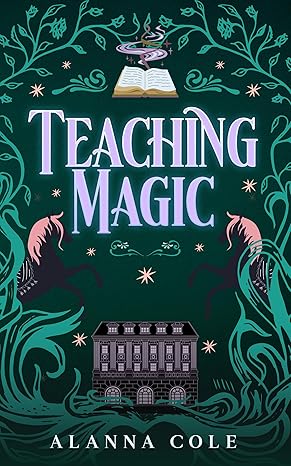
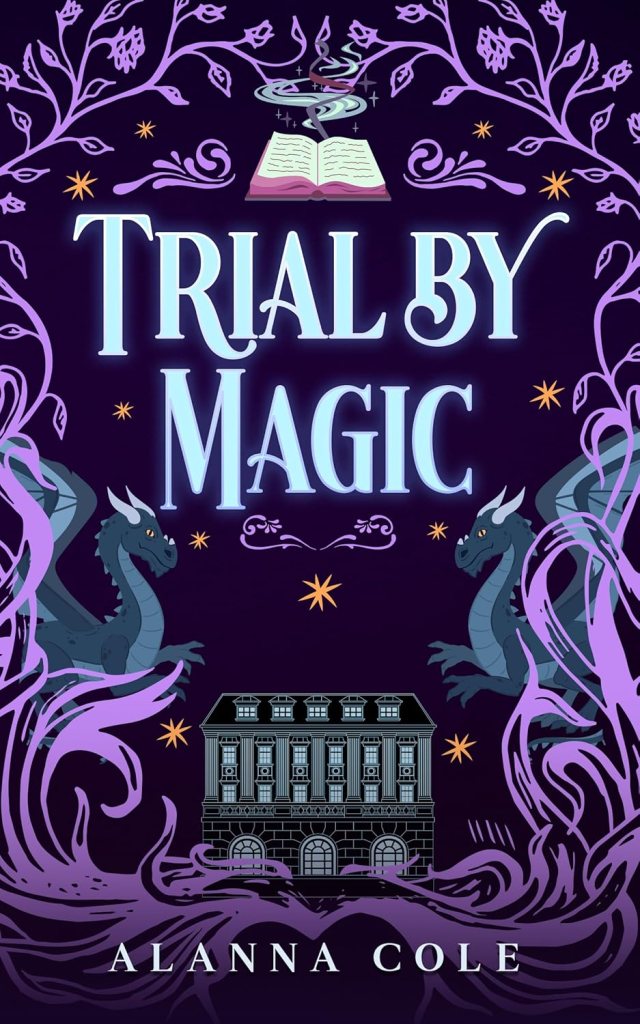
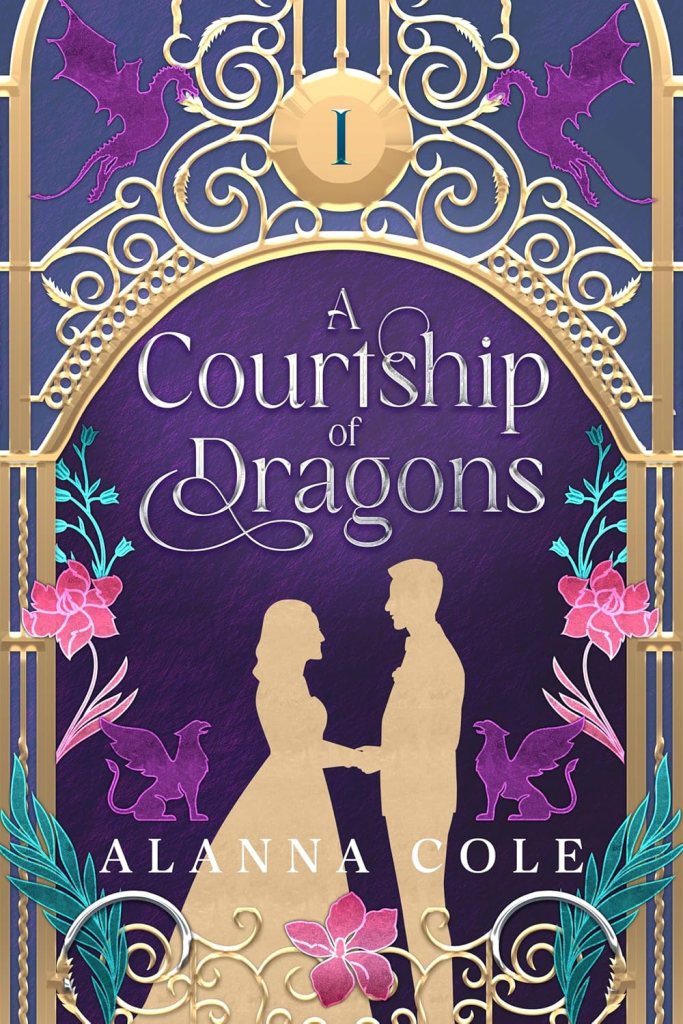
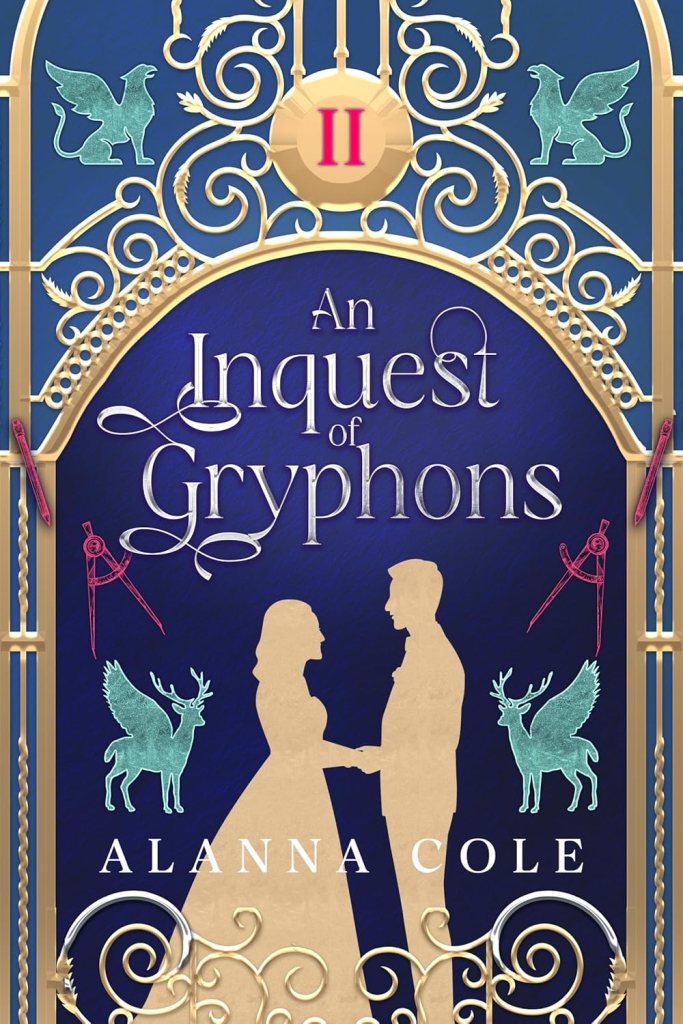
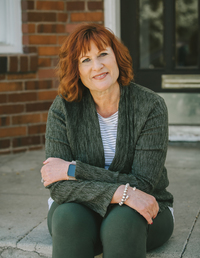
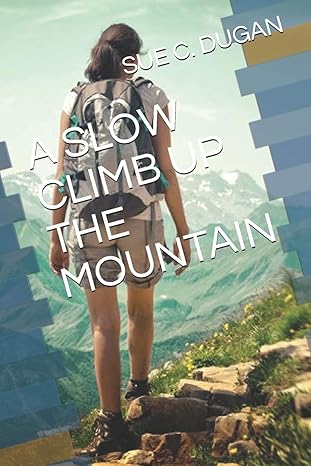

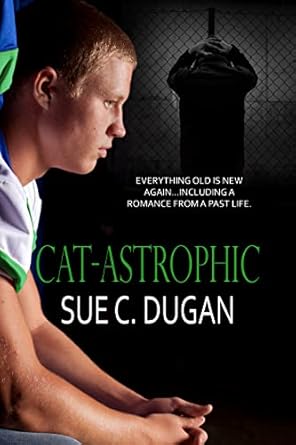
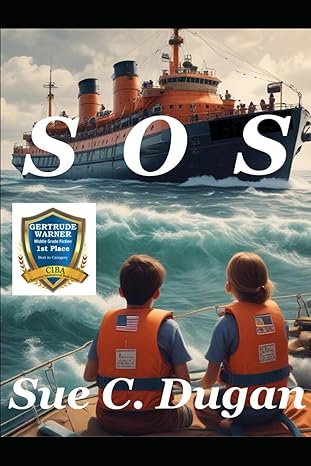


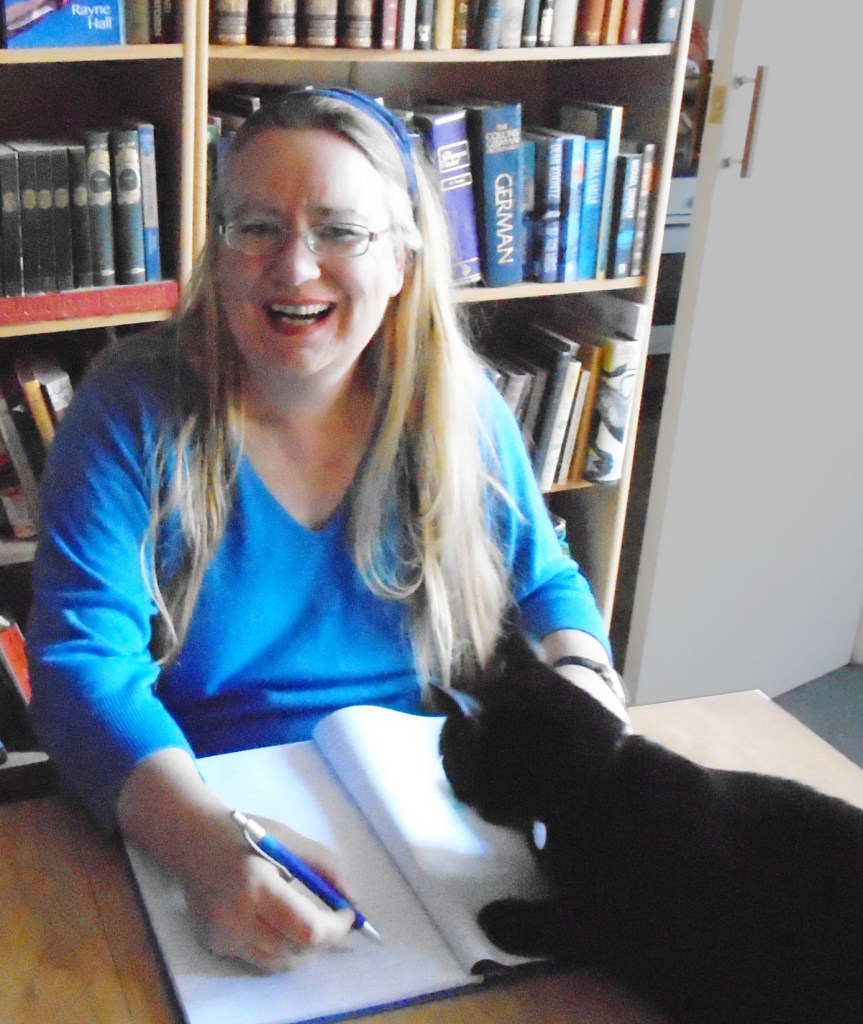

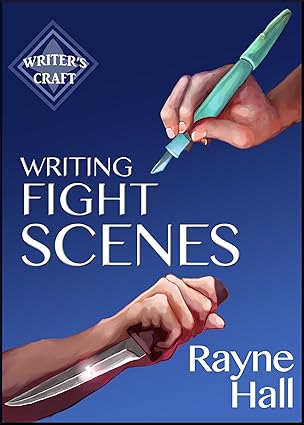
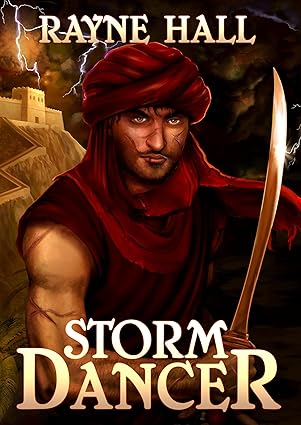
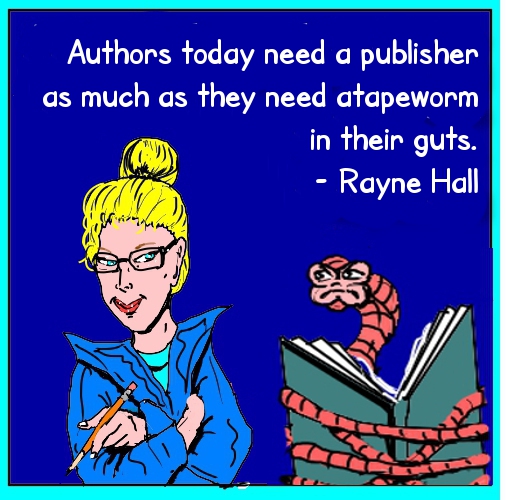


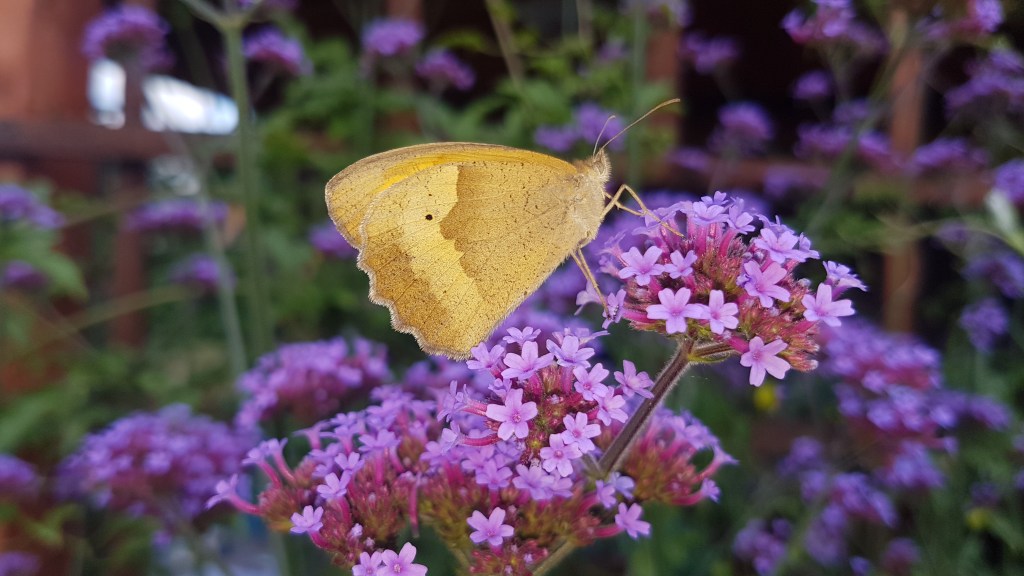
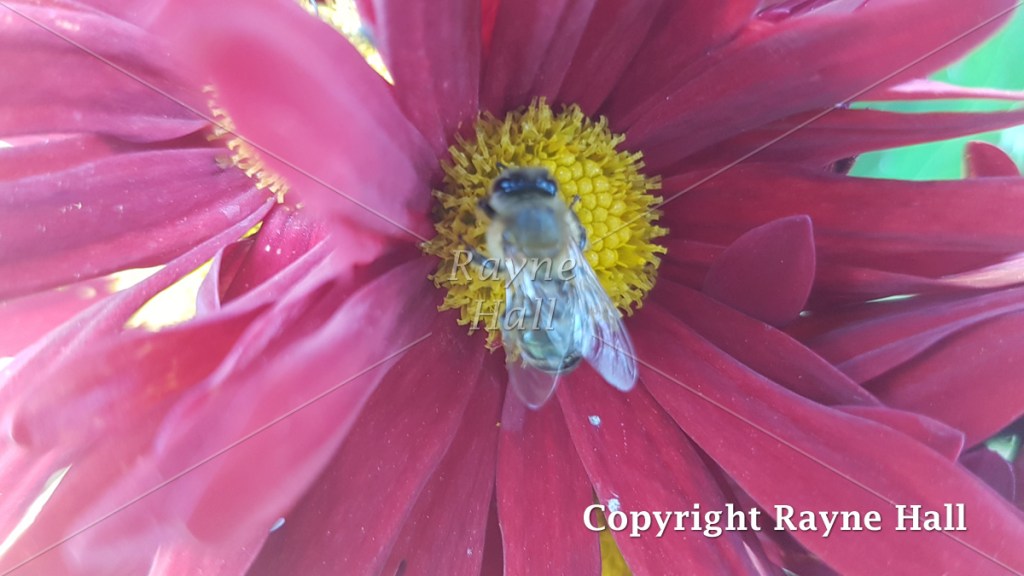
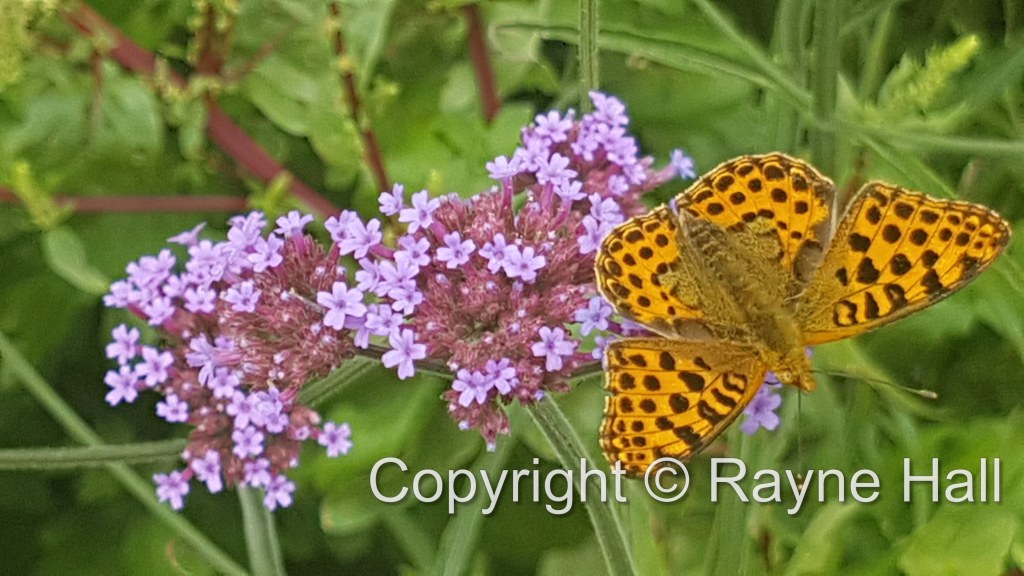
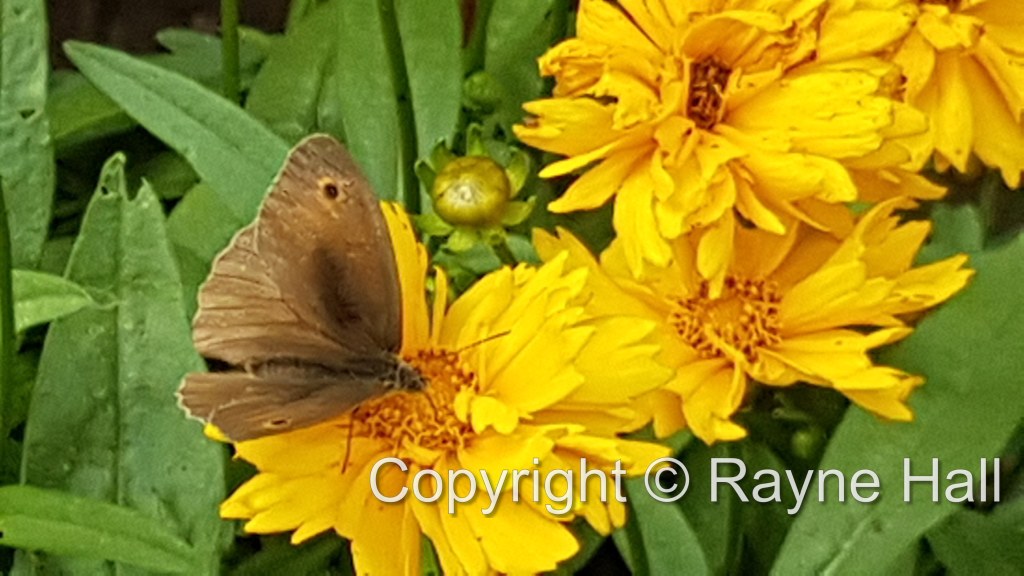
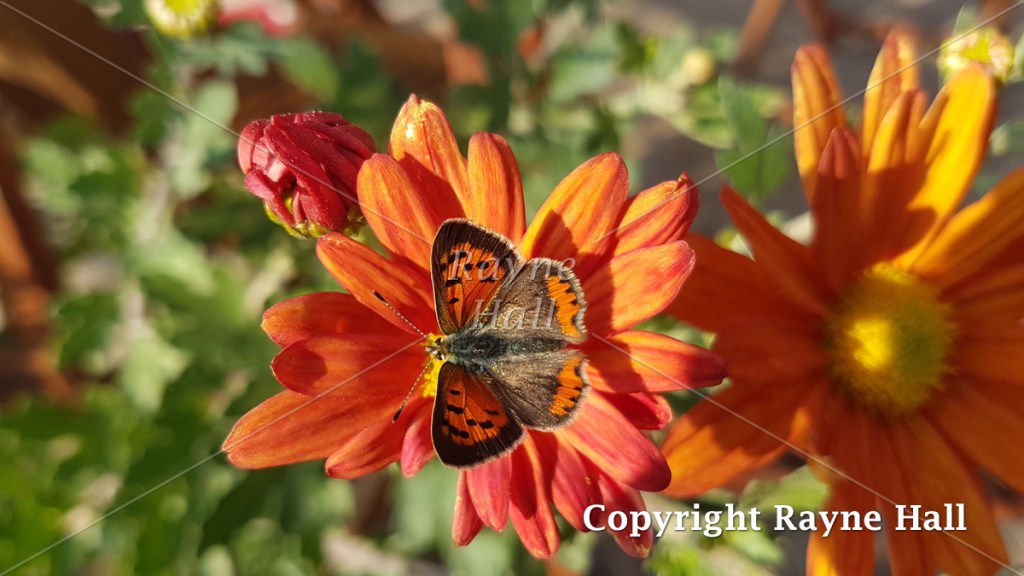
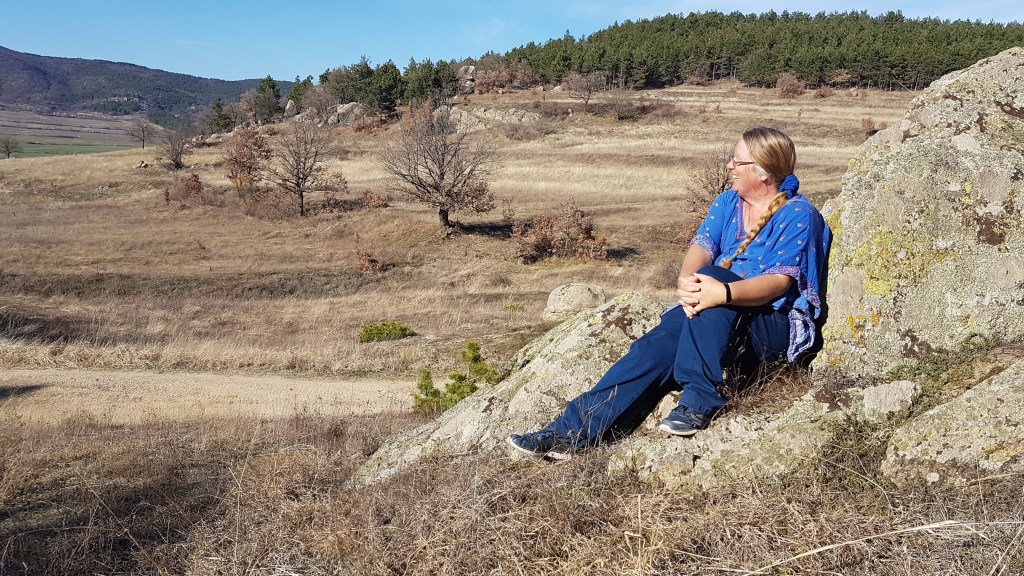
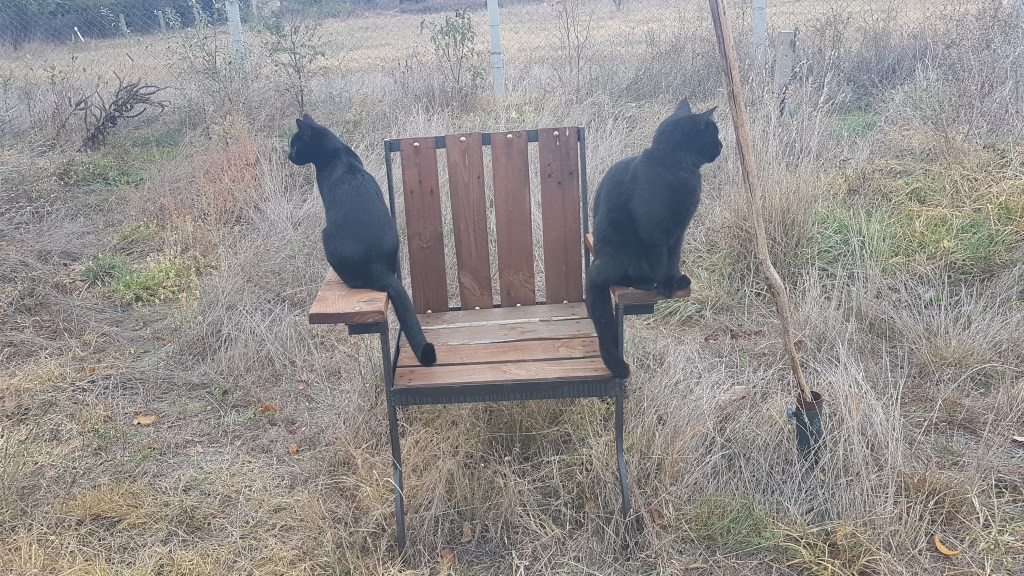


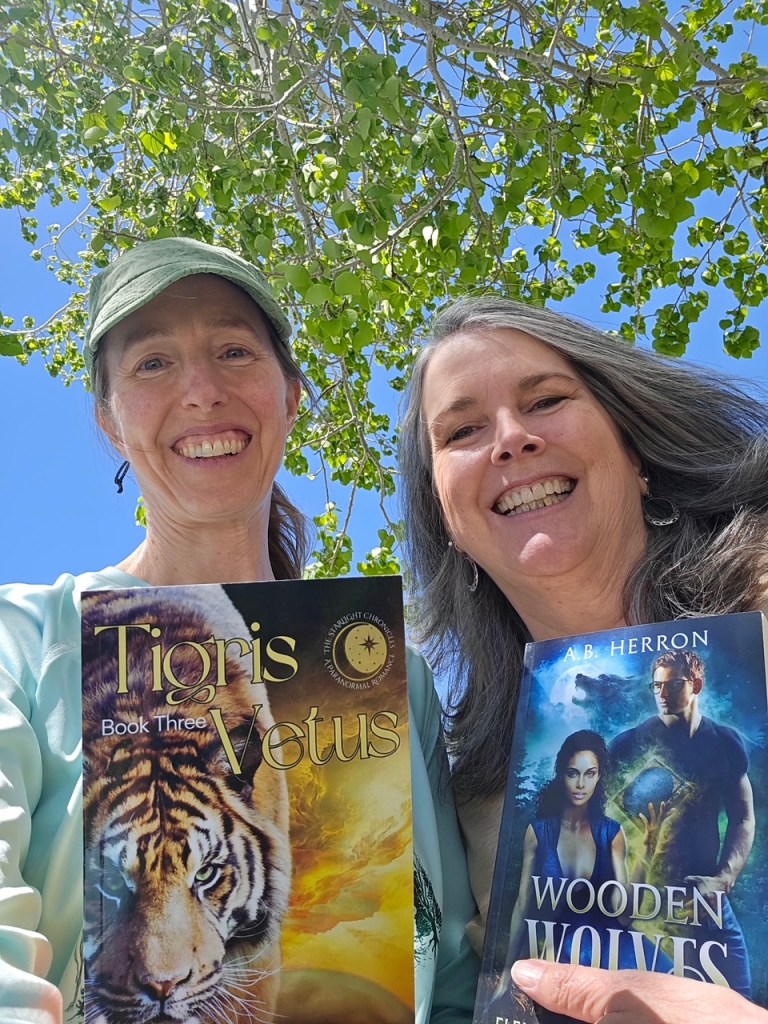

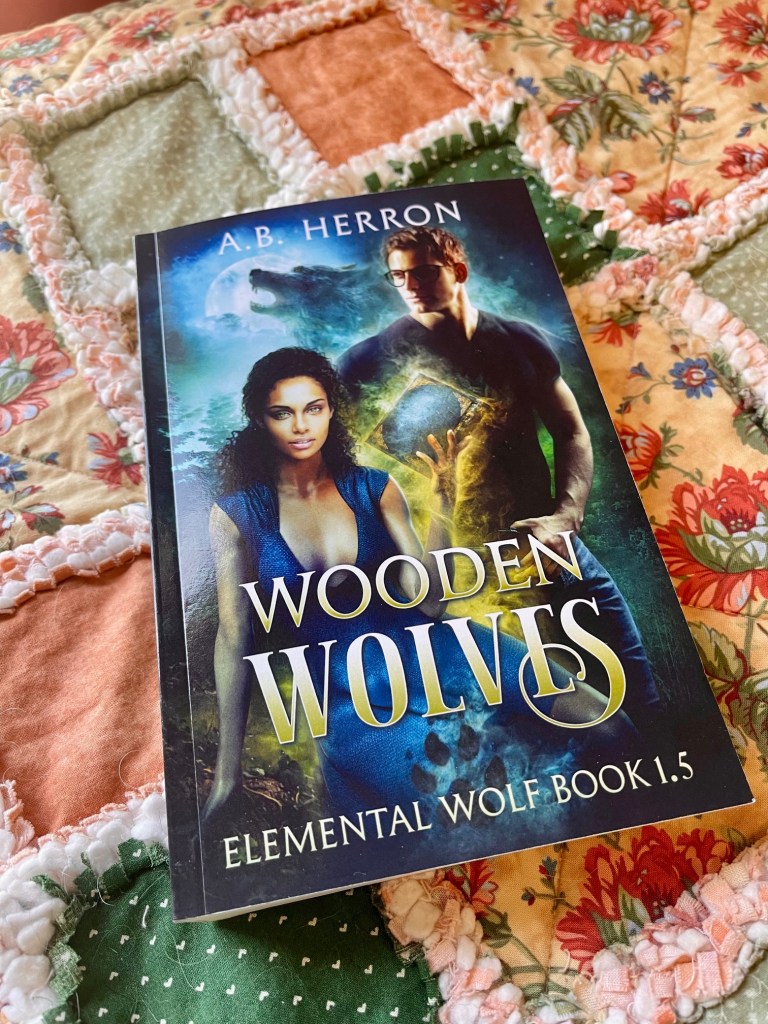


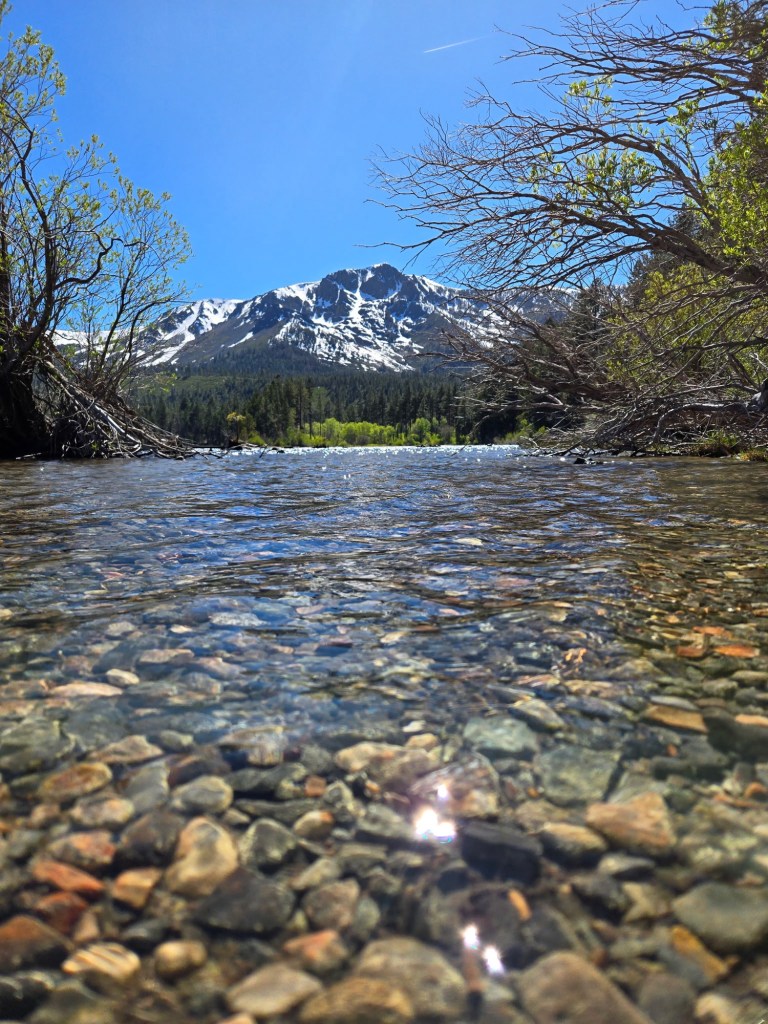

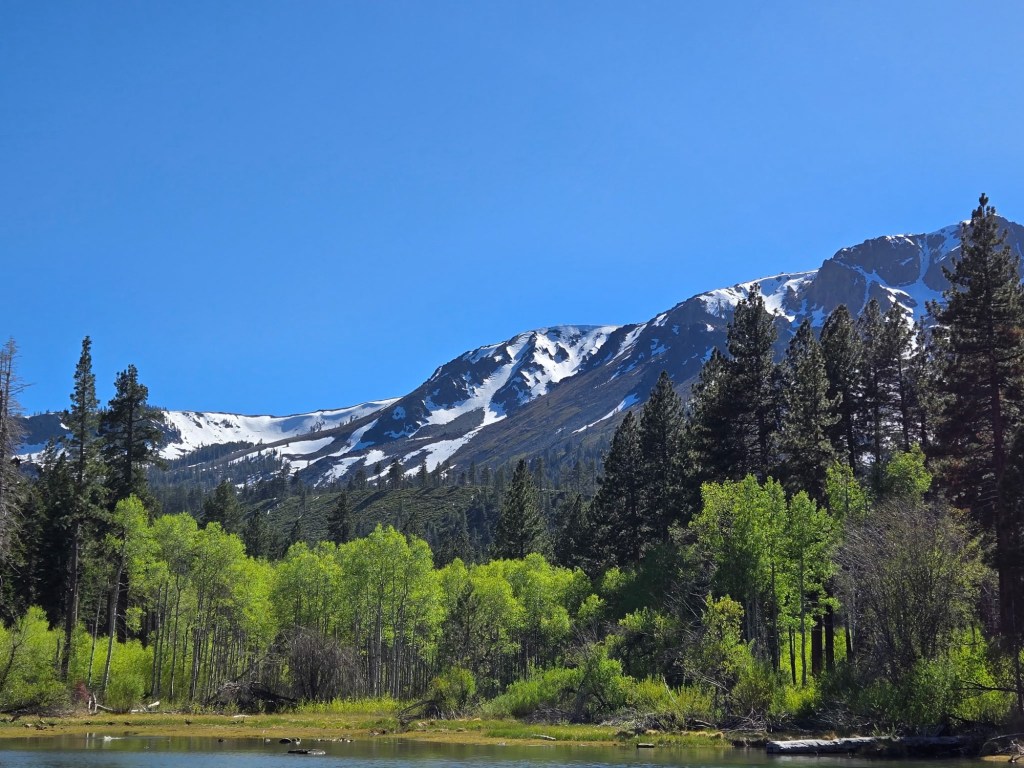
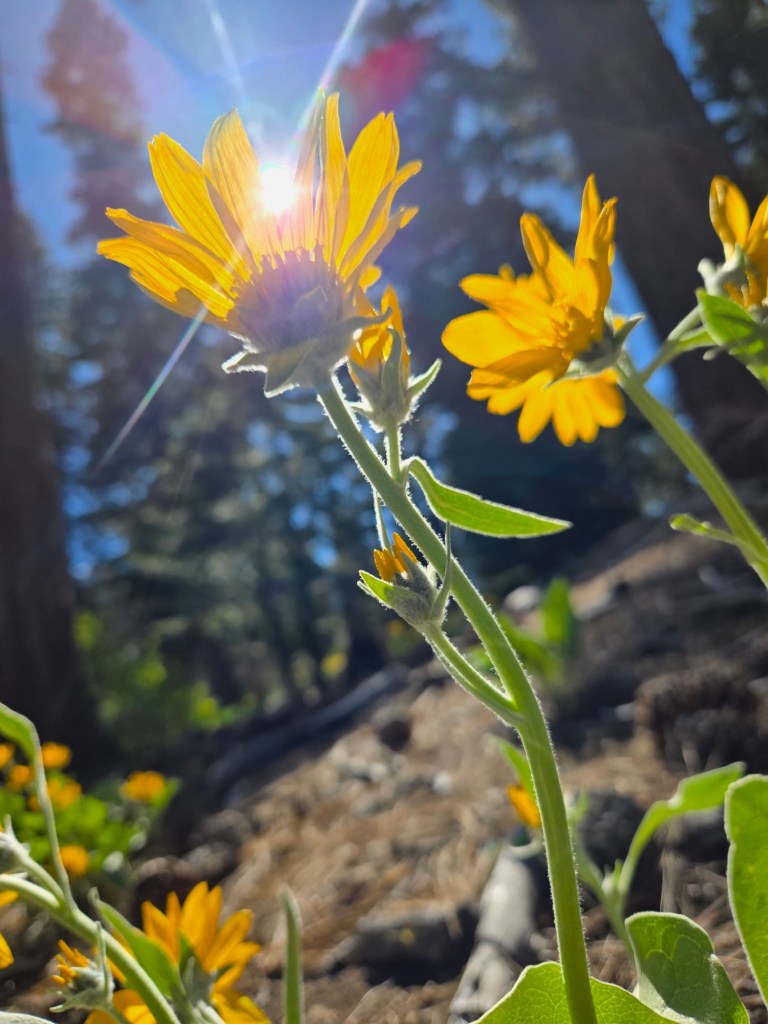


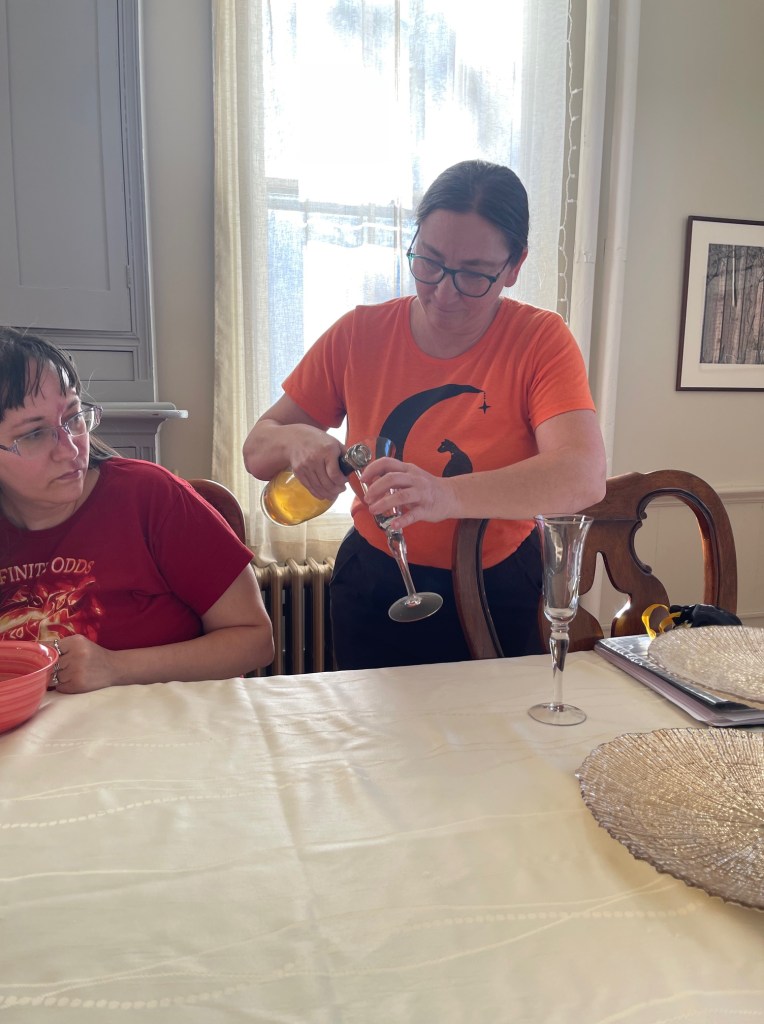


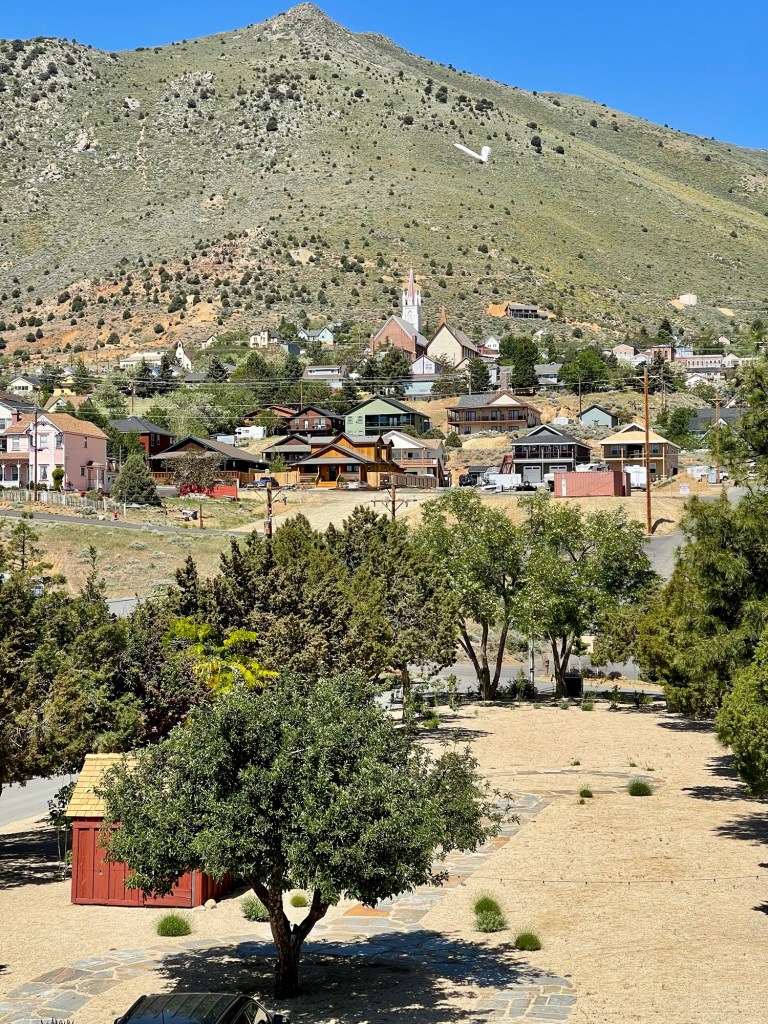


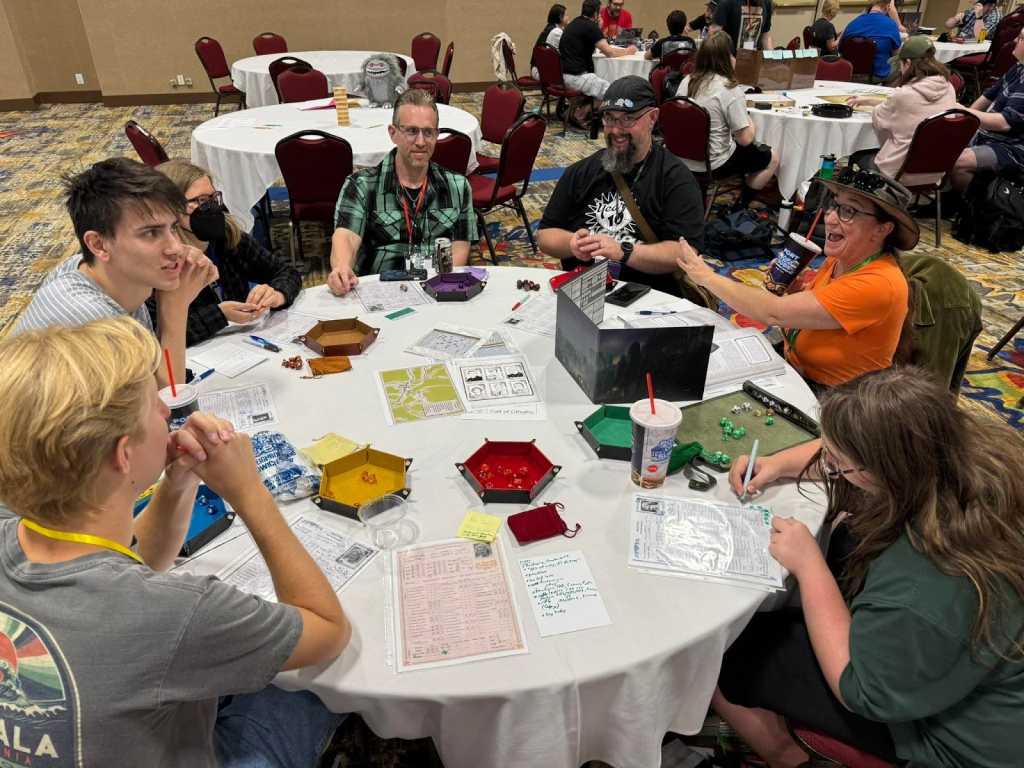
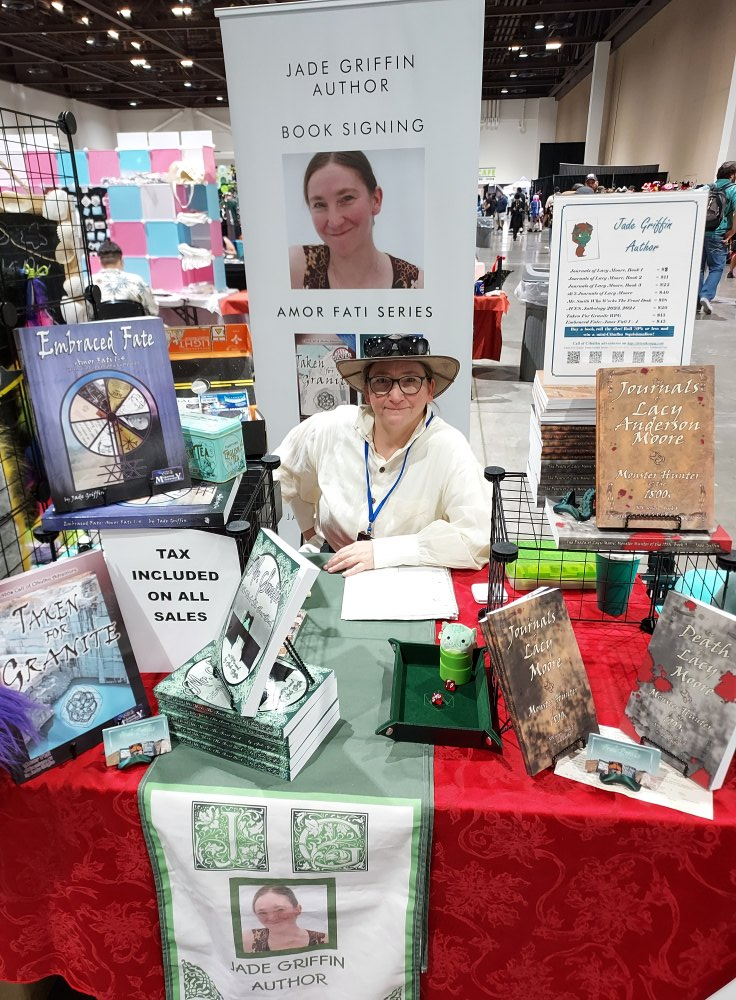


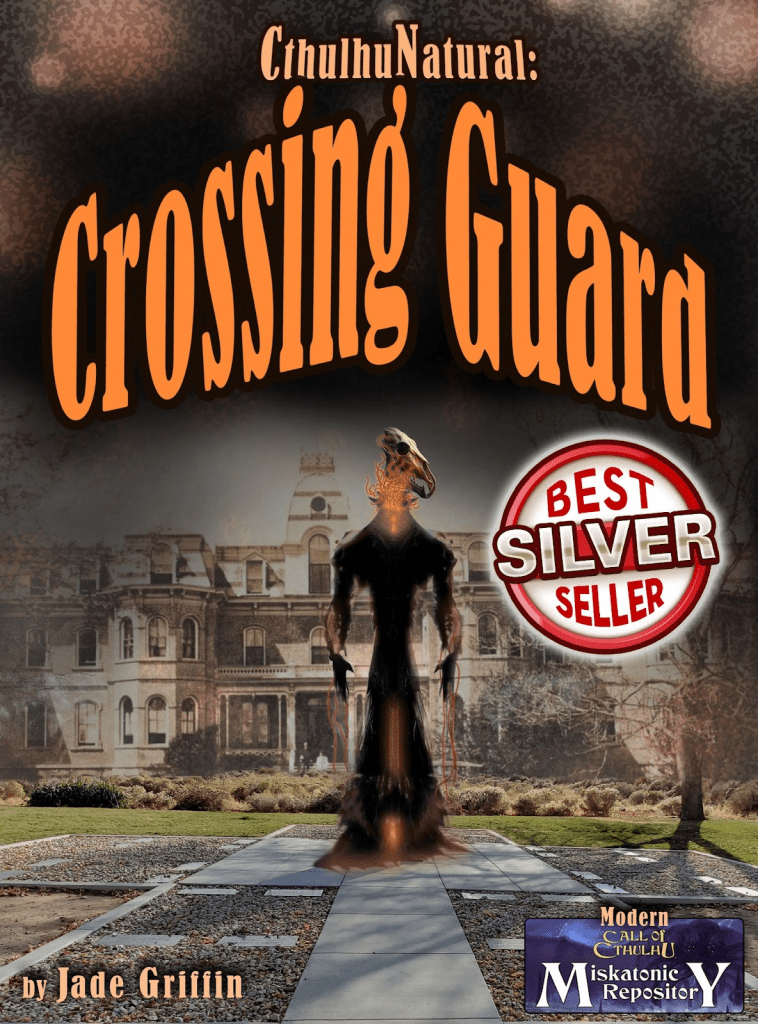

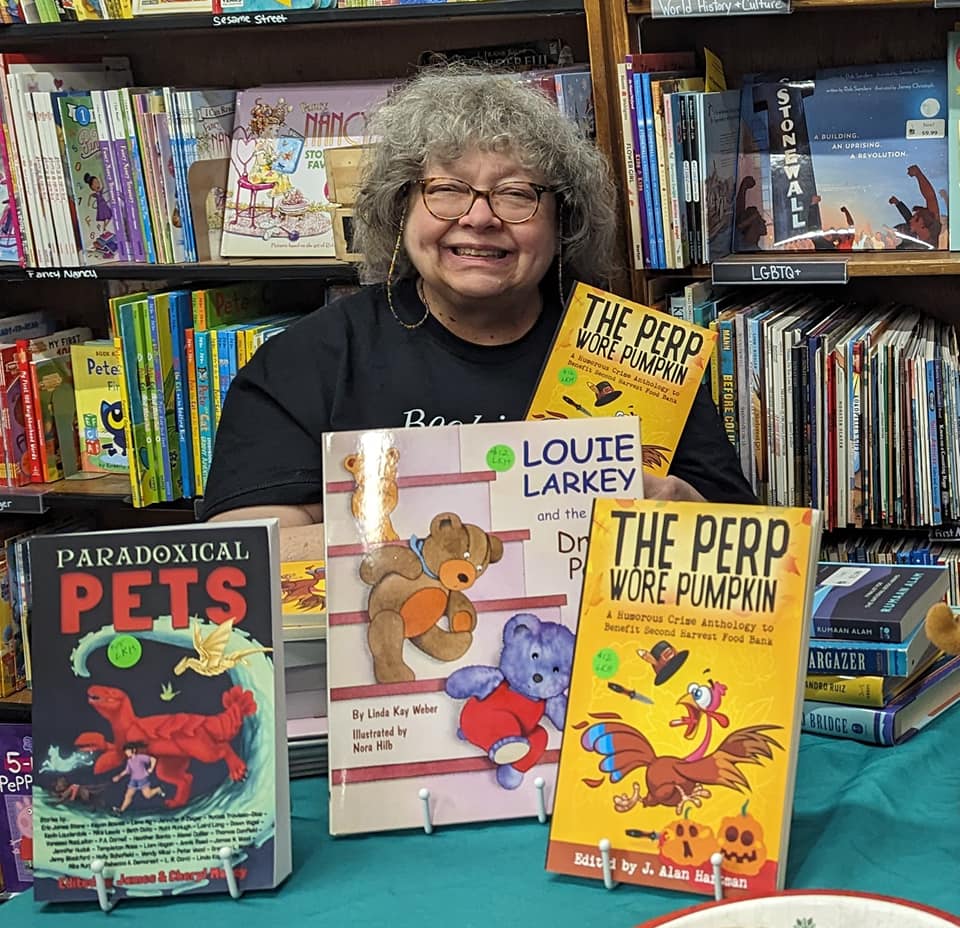


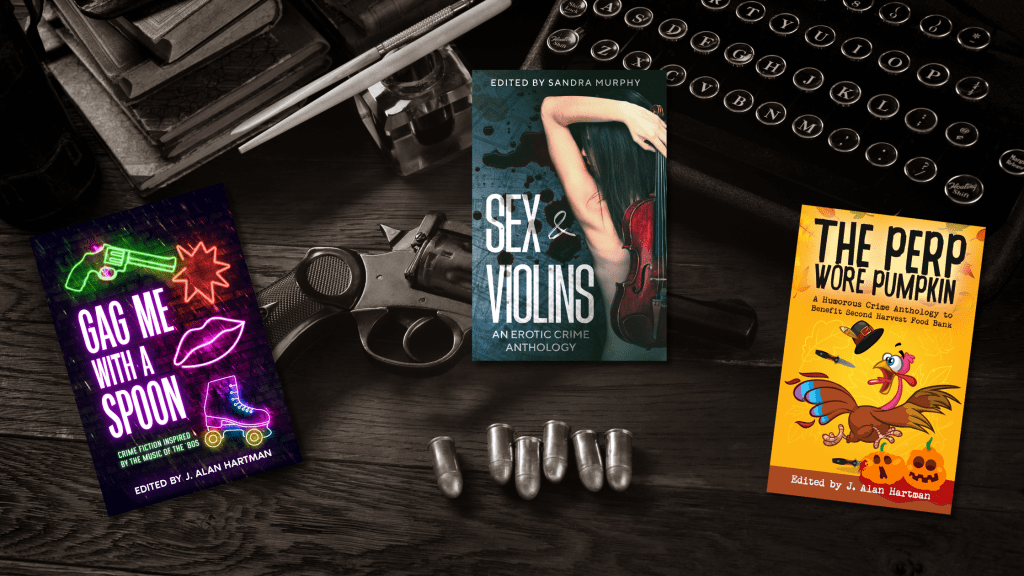



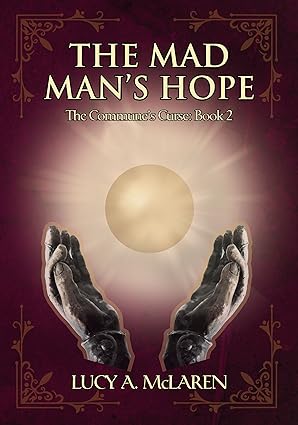
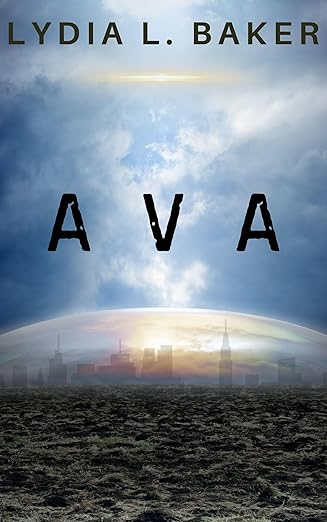
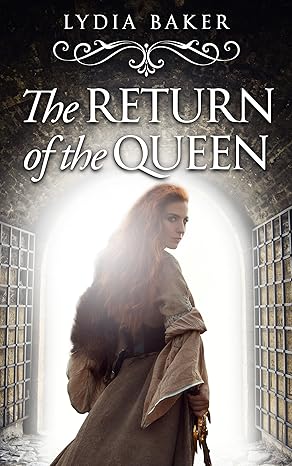


 By D. L. Lewellyn