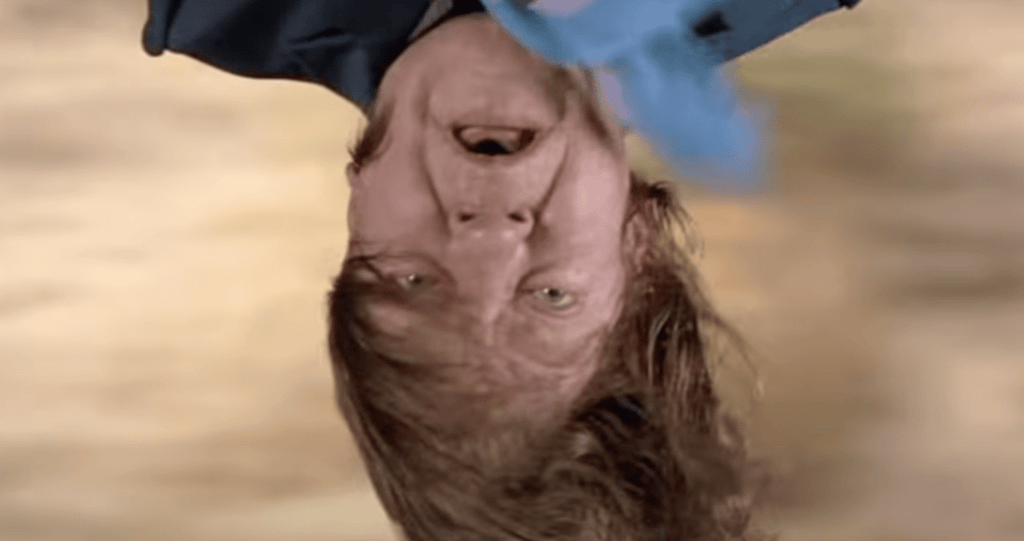
Do you see it? Can you picture the whole story? There are so many things to say about the title of this 1987 movie starring Billy Crystal, Danny DeVito, and the late Anne Ramsey of Goonies fame. While my main contemplation is about how it conveys a story in five words, there are other elements worth mentioning.
But first, do you agree with me that the title is a complete story unto itself?
Right off, we have an idea about the characters, their motivations, the plot, and the setting. We know that the protagonist both loves and hates their mother. We know the antagonist has done enough awful things to be worthy of being thrown off a train, or at least having a child fantasize about it, and we get the struggle. There will likely be attempted murder action on a train. We might also guess the outcome. Could you throw your mother off a train no matter how you felt about her? Of course, we can’t foresee all the plot twists and surprises and there are many in this comedy action film, but these five words have me imagining all sorts of things.
Other information gleaned from these five words that I particularly enjoy is that they sound like a book title, which it is. So, we might grasp that element right off as well. I love that this is about a creative writing teacher and writer suffering writer’s block after his ex-wife steals his book and makes millions with it. No one could pull off that maddening fate like Billy Crystal. Throw in an emotionally stunted student who gets the brilliant idea to switch murders in a Hitchcockian Crisscross-type alibi story, and wow! So much to work with.
The creators not only conveyed a story in their title, but they could use the group of clever words as a plot device and a marketing boon… along with the hilarious images of Momma.
What other movie titles can you think of that accomplish this?
Here are some I found:
The Assassination of Jesse James by the Coward Robert Ford
Saving Private Ryan
Tower Heist
Snakes on a Plane
Granted, these might be more about revealing the plots in the titles than giving us a whole story, but I get a lot of information from their brevity, nonetheless. Don’t you?
I’ve also saved a few memes that convey a story in a handful of words. Here’s a favorite.
The challenge of conveying so much with so few words fascinates me, and I’ve returned to it time and again as I pursue novel writing. One of my favorite exercises was contributing two sentence stories last year to fantasy author Richie Billing for his newsletter (which he packs full of helpful resources for writers by the way). One of those is the header on my Short Stories page, Sad Swallow. Oh, alright. I’ll just add it here. It’s only two sentences.
In a voice that plucked at her heart strings, her dear swallow lamented, “All winter we exchanged stories, my beautiful Thumbelina, and it made my heart soar. When you climbed upon my back and begged me to take you to my favorite far away land, how could I have known my happy dream would end with you forsaking me for another?”
Ahem… Okay, so, they’re two long sentences. Still, two sentences. For more of these, click here. They were such a blast to do and based on a genre prompt from Richie. Sad Swallow obviously is a fairytale retelling.
I’ve also tried my hand at 100-word and 250-word stories in what are referred to as drabbles or micro fiction. And I just signed up for another 250-word micro fiction challenge with Writing Battle, taking place in August. So many good things happening on that platform! Thanks Max and Teona!
My latest endeavors in brief tales include poetry, which I’ve written to accompany three stories I will be publishing in one volume later this year. I’m very excited about what I came up with after thinking for years that I could never write poetry. It’s so satisfying and fun!
If you dare, check out my series of three 100-word horror stories here. And my 250-word action adventure drama here (with a bit of ranting on my excellent feedback).
Thanks for tripping with me over the title, Throw Momma From the Train, and have an excellent rest of your June.
Written for Richie Billing’s Two Sentence Story Prompts for The Fantasy Writer’s Toolshed newsletter. Can’t say enough about this fantasy writer who is super generous and helpful to budding writers.
Genre: A Cowboy Story
A Cramp for A Win!
Seth contorted his shoulder to reach that agonizing spot on his calf, which he was determined to keep pressed against the flank of the bucking bronco. The move didn’t do a thing to ease his cramp, but damn, if his inflexible leg didn’t just do the trick to keep him seated on the back of the snorting beast for that extra three seconds!
Genre: First Contact / Alien Encounter.
Did She Just Say That?
A vision materialized in the antechamber, zeroed in on me, probably because I was the only one holding a clipboard, and demanded, “Take me to your leader.” No way did that blue-skinned beauty just utter those B-movie words I thought, even as I turned to walk towards the Oval Office, propelled by some mysterious force.
Genre: Fantasy Romance
Saving Her Distraction
The elf princess’s long legs ate up the distance, bow raised, arrow nocked, hair billowing around her head in aqua ribbons, electric green eyes fixed on her target. She was pleased to see the cagey goblin, who knew well her deadly aim, freeze in his tracks at the mouth of the Cyrian Cave as she bore down on him and called out to the trussed-up human she’d come to adore, despite his inability to stay out of trouble, “You nearly did it to me this time, my love, leaving me to spend another thousand years looking for one like you who drives me so satisfyingly to distraction.”
Genre: Crime Story
Lovely Burnt Bone
Detective Armstrong knelt by the destroyed boathouse, sifting through Julia’s scorched remains, then plucked up a fragment of her jawbone while she hovered over the scene of her death and watched with ghostly eyes. Finally, she thought, as he called out, “Would you be so good, Reginald, as to process this lovely piece of dental work I will refer to from here on as our smoking gun.”
Genre: Thriller
Mom’s Sacrifice
She crouched under the bridge while her terror dissipated and listened for the scraping sound his game leg made as it dragged along the asphalt, signaling her mother’s murderer was nearing their trap, and their plan was working. Step… thump… step… thump… step… thump… then a hitched breath, a swish of metal slicing through the air, and a quiet splat as the hated head dropped into a vat of acid.
Genre: Nautical Adventure
Due East
Storm clouds roiled across the horizon, while the setting sun pierced the ominous gloom with its brilliant orange rays. Captain Scott made his navigational calculations and called out orders to adjust the Helene’s course due east, even as he dreamed about the fabled gold ahead, and gloated over the bloody destruction he left behind, which had finally eliminated the competition.
Genre: Fairytale
Sad Swallow
In a voice that plucked at her heart strings, the dear swallow lamented, “All winter we exchanged stories, my beautiful Thumbelina, and it made my heart soar. When you climbed upon my back and begged me to take you to my favorite far away land, how could I have known my happy dream would end with you forsaking me for another?”
I’m not claiming by any stretch that these are great stories, but I did give them my best shot, and Richie guaranteed submission for any and all efforts by his followers. I missed the deadline for Sad Swallow, so Richie added it to his next newsletter. He’s awesome… and a great writer!
This month’s guest first came to my attention several years ago at an Autocrit short story workshop, and I’ve enjoyed her stories and lively newsletter ever since.
After participating in Rayne Hall’s latest writing contest, where she challenged writers to submit stories without any AI assistance, including editing (eek! No Grammarly!), I thought it would be fun to invite her to chat about her life as a writer (gardens, cats, and all), her works, and writing in the gothic horror genre. We will also discuss her work as a writing coach and her top five tips on the craft.
Let’s Meet the Author
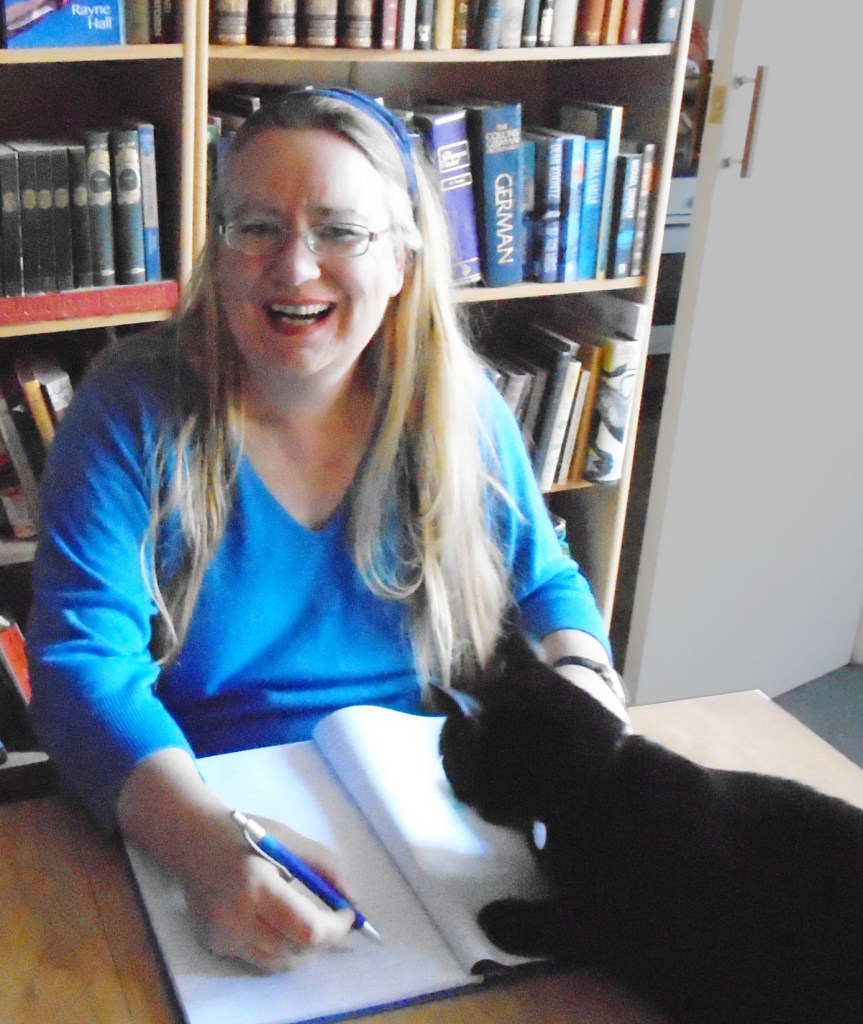
I’m Rayne Hall, and I help good writers become great.
As the author of the bestselling Writer’s Craft guides, I answer writing-related questions on in the social media, post articles online, coach authors, edit books, speak at conferences and teach online classes.
I’ve been working in the publishing industry for three decades, as a trainee publishing manager, editorial assistant, magazine editor, investigative journalist, production editor, literary agent and publishing consultant.
In between, and often at the same time, I’ve been a museum guide, adult education teacher, development aid worker, apple picker, trade fair hostess, translator, belly dancer and tarot reader.
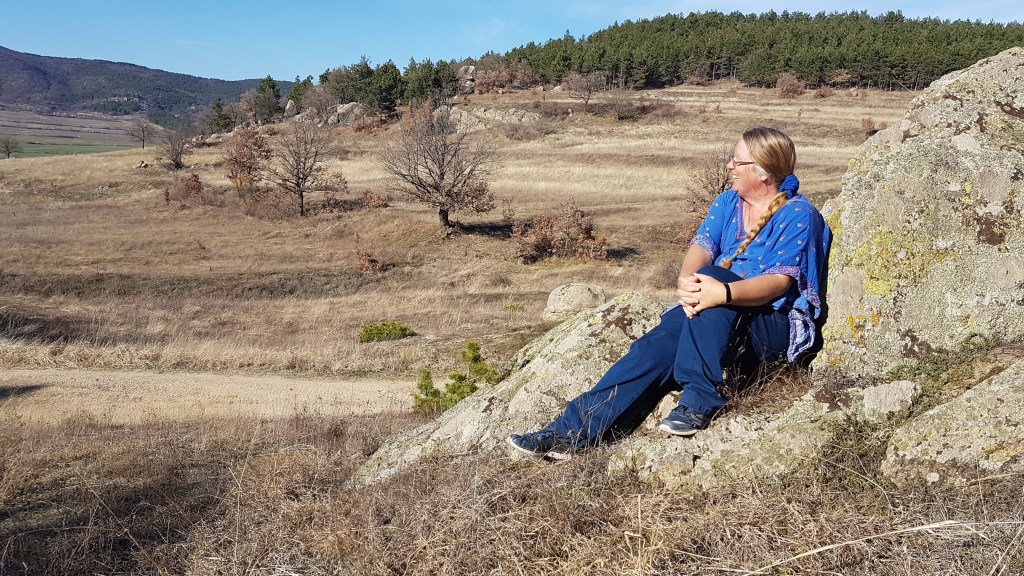
Now I’m a professional writer, with more than a hundred books published under several pen names (mostly Rayne Hall), in several genres (mostly fantasy, horror, historical and non-fiction), by several publishers, in several languages. I’m also a publisher, and these days I publish most of my own books, as well as anthologies with Gothic stories by other writers. After living in Germany, China, Mongolia, Nepal and Britain, I’m now based in Bulgaria where I enjoy visiting ancient Roman ruins and derelict abandoned homes, going for walks in the woods, organic permaculture gardening and training my rescued cats.
Let’s Get Started
Thank you so much, Rayne, for visiting with me on my Spotlight. I’d like to start at the beginning and ask: Who or what inspired you to become a writer and dedicate your life to the written word?
RH: I grew up in a conservative, restrictive home in southern Germany in the 1960s, when girls were expected to get married and become housewives. This didn’t appeal to me in the least. Cooking and cleaning all day long sounded boring.
My family was steeped in the Catholic religion, and they gave me a big book with the life stories of saints. I read the thrilling tales eagerly. Could I become a saint instead of a housewife, thus escaping the boring household drudgery?
Alas, sainthood seemed to require not only a pious life but a painful death. Most saints suffered martyrdom, pierced by arrows, devoured by lions or burned. I didn’t cherish an agonising demise.
Housewife or martyr? Both dreary options, and I didn’t look forward to growing up.
I started reading books when I was four, and by the time I was seven, I devoured all the kids’ books I could lay my hands on: fairy tales, illustrated animal stories, saints’ lives and more. When I discovered that there were women who wrote books, a window to a new world opened for me.
As a grown-up, I wouldn’t have to scrub floors all day, nor would I have to offer my feeble flesh up to torture. I could write books instead.
“When I grow up I want to be a writer,” I declared firmly, at the age of seven.
Of course, adults talked me out of this ‘nonsense’ and persuaded me to choose a more sensible career. But with twists and turns, my life path led me back to my vocation, and here I am, a writer of books.
DLL:How awesome to start life early with that gothic romance outlook. I appreciate how you knew what you wanted at the age of seven, or rather, what you didn’t want, and ended up where you aimed to be.Such a great story!
I find it fascinating to learn from different writers about how their journeys evolved. What inspired you to write horror? Tell us about your other favorite genres.
RH: Historical fiction was my favourite genre to read, and my first genre to write. I remember my first attempt at a novel – the adventures of a Venetian courtesan in the 1700s. Probably not a good choice of subject for a fifteen-year-old virgin who had never been to Venice.
After that came several more historical novels, each a notch better than the one before, because I became better and better at my craft. But success eluded me. I tried other genres, switched to short stories. Yet every manuscript I mailed out returned with a thud. In those days, submissions were on paper, and the envelopes with the rejected sample pages and stories were heavy. I learnt to recognise the sound of a rejected manuscript falling through the letter slot, a disheartening start to the day.
Then in one week, I got three acceptance letters. Acceptances – without manuscripts attached – whispered through the letter slot, what a cheering noise! All three were for horror stories. That’s when I saw a pattern. If Historical Fiction didn’t get me anywhere, but Horror did, maybe that’s what I should write.
At first, I baulked. I thought all Horror was Splatterpunk, with sadistic violence and gruesome stuff – again like the martyrs having their flesh torn with red-hot pincers – and that was not for me. But when I researched the genre, I discovered that it has subtler forms: Psychological Horror, Suspense, Gothic.
The Gothic especially appealed to me: more creepy than gory, more atmospheric than violent. I love it, and this has become my main writing category. I love creating the vibrant settings, the passionate emotions, the guilty secrets, the creepy atmosphere.
I tried to write other genres, too: Historical Romance, Cosy Mystery, Urban Fantasy, Science Fiction. But somehow, they all took a dark turn. Without my knowledge and consent, the characters hatched evil plans and hijacked the plots. So I ended up writing yet another Gothic Horror yarn.
Fortunately, Gothic fiction lends itself to layering with other genres. So I’ve created not just Gothic Horror, but Gothic Historical, Gothic Fantasy, Gothic Romance, Gothic Mystery fiction.
DLL:This is so encouraging, not only in terms of perseverance, but also in how one finds their niche. I love it!
What inspired you to teach the craft, and where do your craft books fall in your bibliography? What topics did you focus on in the beginning, as compared to now?
The Writer’s Craft books teach advanced-level writers specialist skills. They’re the kind books I would have needed years ago but couldn’t find because they didn’t exist. At the time, there were many how-to-write books for beginners. But for writers who’d mastered the basics, there was little guidance available.
Eventually, after I had reached a very high level with my own writing, I developed the series to fill the gap in the market.
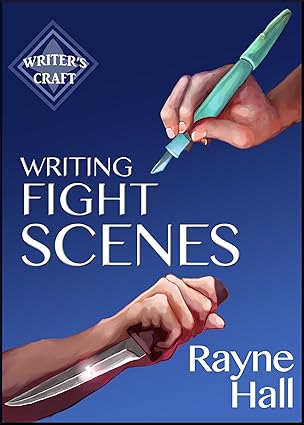
Writing Fight Scenes was the first of the Writer’s Craft books. During my long learning journey, I’d been frustrated that there was no book available on this specialist subject.
When I saw online courses on this topic, I signed up at once – only to find that they were superficial and filled with platitudes instead of providing practical guidance. So I studied fight scenes in literature and developed my own system. Then I taught an online course, which was a tremendous success. Many authors needed fight scenes for their fiction and didn’t know how to go about it, and they loved my course and recommended it.
In 2011 I decided to expand my course into a book with the same title, and it instantly became a bestseller.
So I turned some of my other courses into books, too: Writing About Magic, The Word-Loss Diet, Writing About Villains. Before I knew it, I had a series with fans who wanted more.
The series now has almost 40 titles. Writing Scary Scenes, Writing Love Scenes, Writing Vivid Settings, Writing Vivid Dialogue, Writing Vivid Plots, Writing Vivid Characters, Writing Deep Point of View…
Which do you prefer to write, short stories or novels, and how can you tell when a story might evolve into a novel? What’s your top favorite answer when a reader asks you how to write a short story?
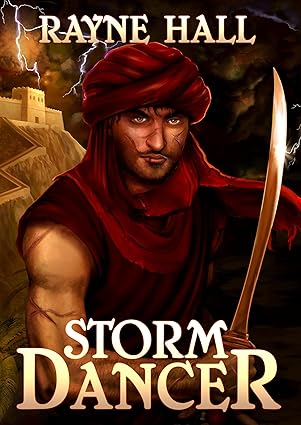
RH: I enjoy writing both short fiction and novels. My best work, the one I’m most proud of, is the dark-epic fantasy novel Storm Dancer.
But overall, I prefer short stories, simply because they’re quicker to complete. I can finish a short story in a month, from idea to polished version, whereas a novel is a commitment for years. I have many half-finished novels lingering in my file folders, and it’s doubtful whether they’ll ever see the light of publication. With shorts, I can savour the thrill of completion more often.
Many short stories want to grow into a novel. As I write, they grow and grow, and it takes discipline and skill to keep them confined to a manageable length. My two favourite techniques for this: 1. Let the story play out in a single location. 2. Let it unfold within a short time, preferably in a single day.
DLL:Thanks for the great tips! I can totally relate to your experience. I often feel torn between finishing shorter pieces and working on novels that I might never complete. It’s frustrating when I have such epic endings and vivid scenes running through my head, all while feeling like time is slipping away. So many writers publish multiple novels in a year, and I really want to know their secret. That’s when I remember that the joy is in the writing—published or not, finished or not—and that really helps.
Speaking of getting our books out into the world, do you self-publish?
RH: My first twenty or so books were conventionally published by twelve different publishers, but now I’m my own publisher. I’m actually a trained publishing manager, that’s my career. I’ve worked in many different positions in the publishing industry, so I know the business well, and now I’m using my insider knowledge.
In the 20th century, publishing involved a big capital outlay, and the only way to reach book buyers was through a complex distribution system which only publishers had access to. In those days, self-publishing was almost inevitably doomed to failure, and at huge expense. I used to advise against it.
But the publishing industry has changed to much. With e-books and print-on-demand technology, the once exorbitant production costs have evaporated. Everyone can use online bookselling platforms to make their works available to the book-buying public.
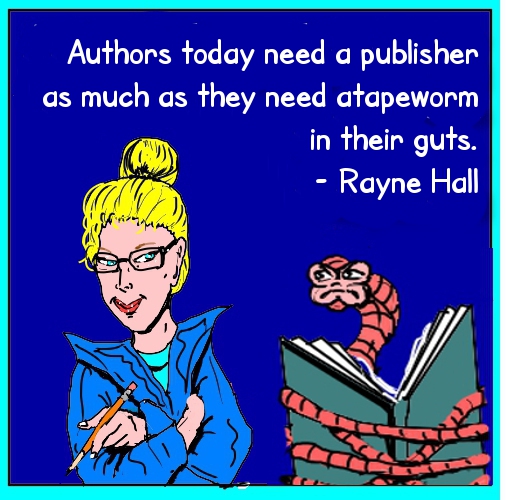
The literary agents and publishing houses, essential parts of the system in the 20th century, have become obsolete. Why should we writers – who mostly earn very little for our work – finance a big publishing apparatus we don’t need, and the salaries of multinational CEOs? Frankly, writers need publishers like they need a tapeworm in their guts.
Of course, you need to be aware that as a self-publishing author, you are a publisher as well as an author. If you want to be successful, you have to approach this as a business. You’re responsible for your own quality control, your own marketing, everything.
DLL: Ooh, great insights on traditional versus self publishing. It’s super helpful to hear from an author who’s been so immersed on both sides.
As promised at the outset, what are your top five tips for writers?
RH: Here you go:
Write the kind of book you’d love to read. This way, you’ll create a great book, and you’ll enjoy the process.
Write about what you know. This way, your won’t commit factual errors, and your book will ring with insight and authenticity.
Use specific weather for every scene – a drizzle or a downpour, dry heat or a thunderstorm – to add realism and vibrancy.
When you experience worries and problems, write about them. They make great fodder for your fiction.
Revise your writing until it sparkles. Don’t be satisfied with good writing. Make it great.
Be authentic. In this world of automation and fakery, people crave authenticity. This is your chance to stand out: instead of automating your social media, using AI for your writing and pretending to be someone you’re not, just be real.
DLL: Fantastic! Thank you for sharing those with us today.
Now, let’s dive into your writer’s life. One of my favorite aspects of your newsletters is the photos and stories about your gardens and pets. It’s clear that you find inspiration in the nature surrounding you. Can you share how these enjoyments help to balance life as a writer?
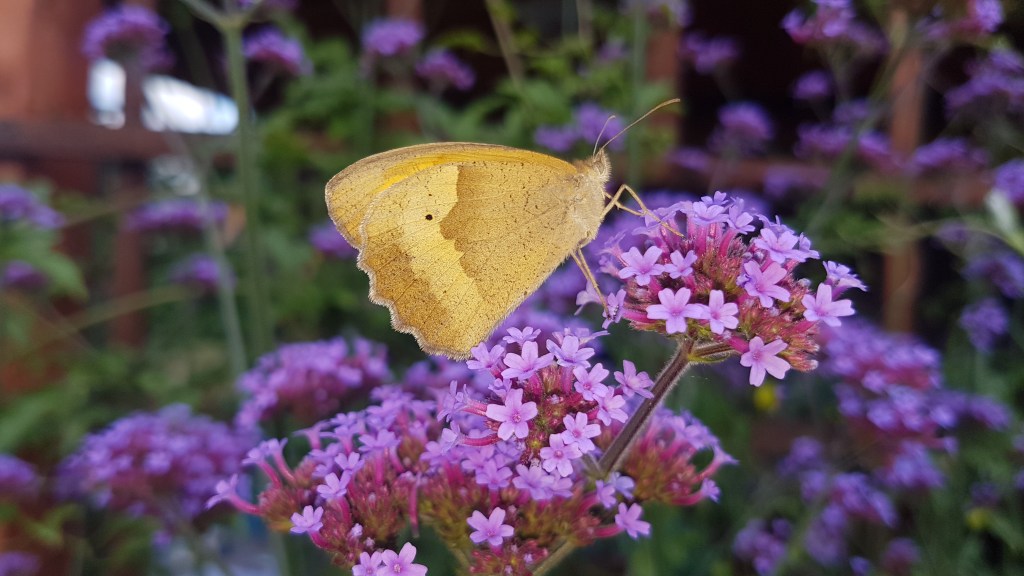
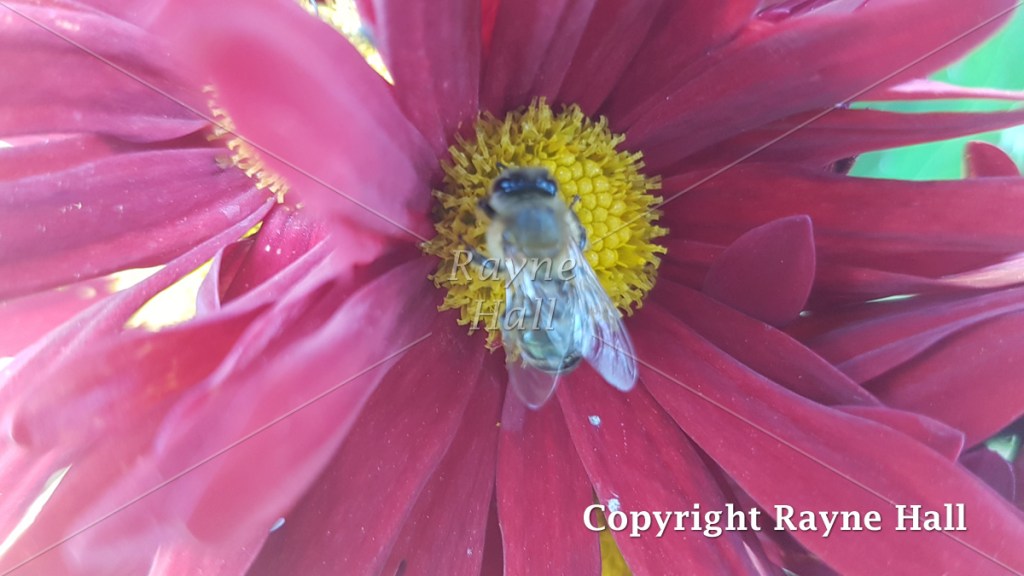
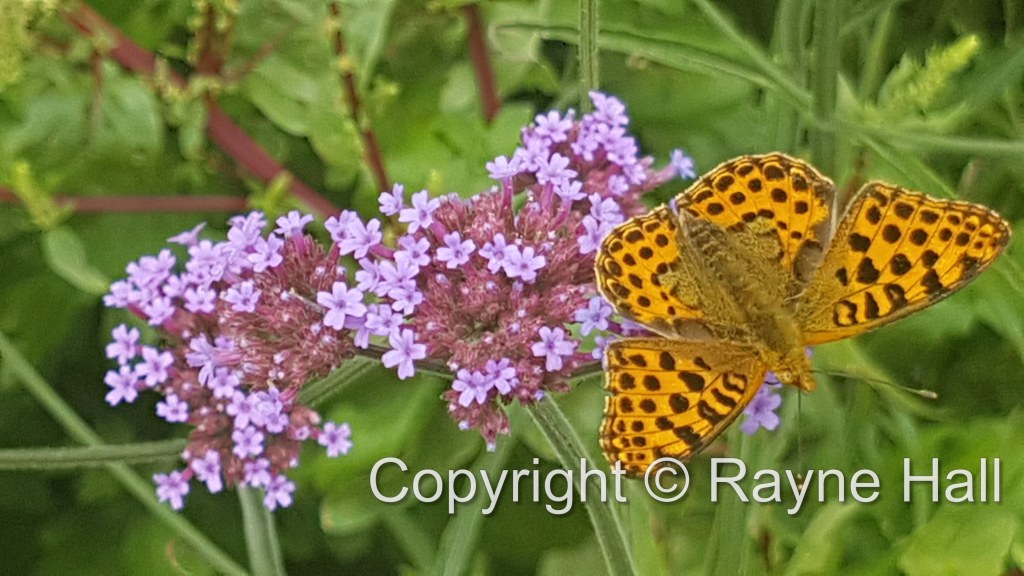
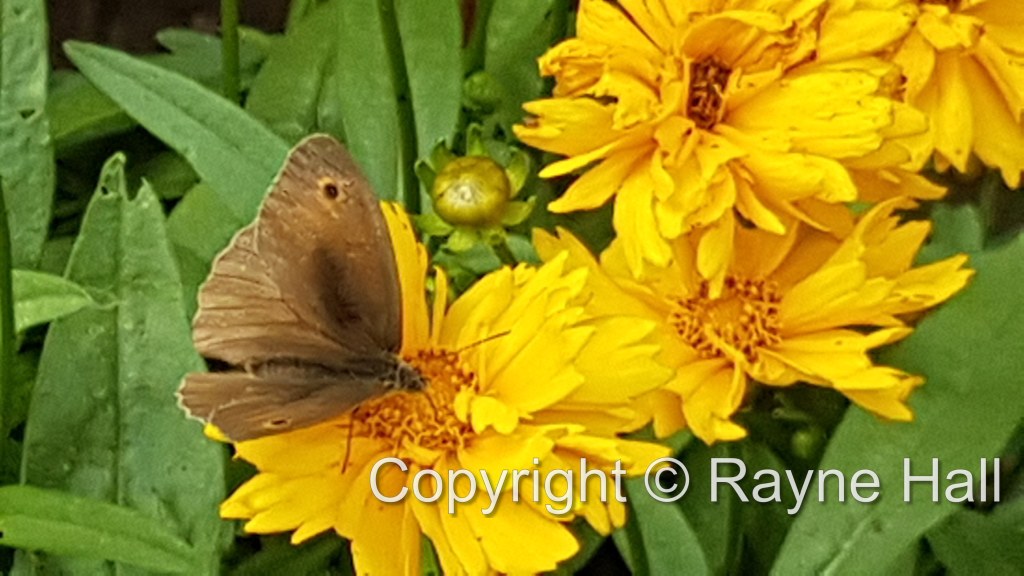
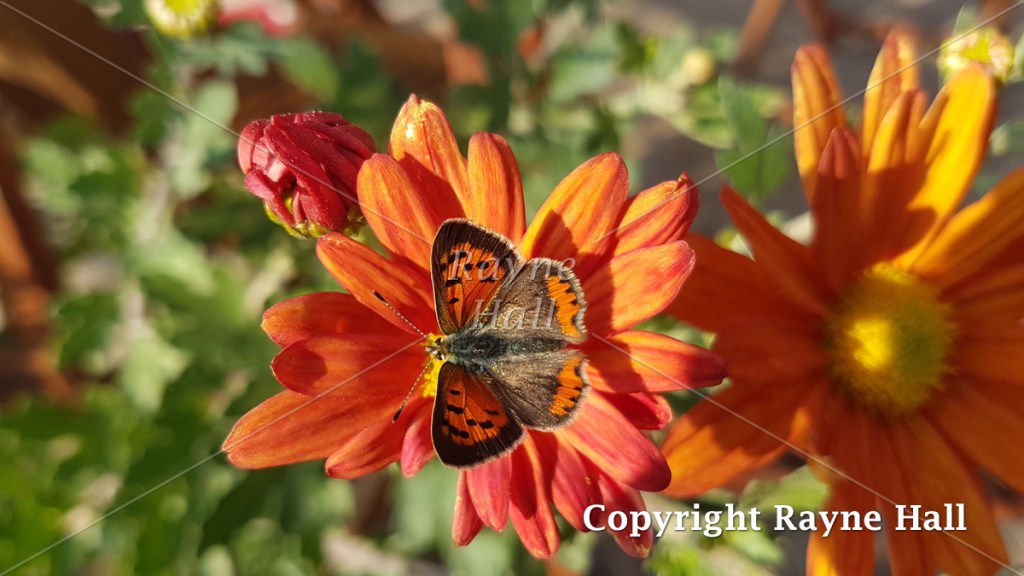
RH: I love nature, and I’ve created my personal garden paradise – 4000- square meters (that’s about 4800 square yards) filled with trees, shrubs, flowers, vegetables and fruit. It’s all organic, without use of pesticides, my private eco-project, a permaculture ‘food forest’. Bees, bumblebees and butterflies love the place. They flutter and buzz all around me. Sometimes, I see ten or more colourful butterflies in a single square meter (yard). Crickets chirp, birds twitter, storks rattle their bills.
I do my morning exercises amidst this lush abundance, and for breakfast and pick whatever fruit is currently ripe and eat it right away: peaches, nectarines, apricots, figs, plums, apples, pears, mulberries, cherries, pomegranates, grapes and more. This is my personal idea of paradise, and I feel blessed that I’ve been able to create it here in sunny Bulgaria.
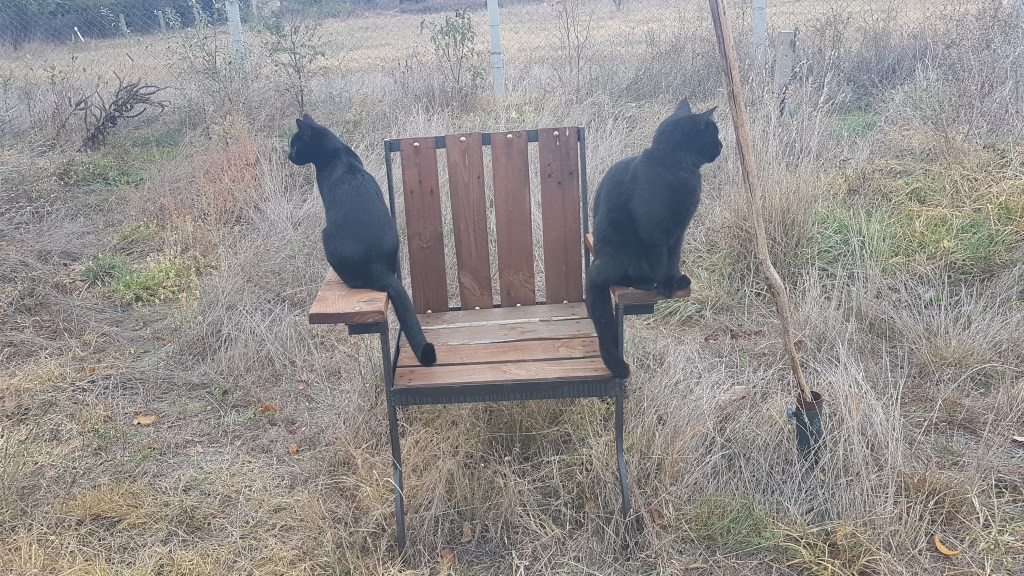
I’ve had a writing chair made for me – a sturdy chair made from reclaimed materials, with broad armrests for placing my notebook and a glass of water. I love sitting there in the morning, listening to the sounds of nature and jotting down my ideas and story drafts in a notebook. Often, my cats join me (they love those broad armrests), and my dogs lie at my feet.
I savour these moments with deep gratitude. I’m able to shut out my worries and the troubles of the world, and to focus on joyful creating.
DLL:So much of this shines through in your blogging and newsletter, which is incredibly inspirational to me as a writer and blogger focused on the writer’s life. Thank you for painting such a vivid picture we can immerse ourselves in today.
Besides working in your gardens, what are your favorite activities to inspire your fiction?
RH: I find inspiration in places. Wherever I go, I observe and take notes. What does the place smell of? What sounds can I hear in the background? How does the ground feel underfoot? How does that door knob feel to the touch, what noise does that door make when it opens?
Whenever I have time to kill – at a bus stop, in a hospital waiting room – I use the opportunity to take setting notes.
Over the years, I’ve created detailed descriptions of hundreds of places, and I use can insert them into my fiction. Weather a scene takes place in a hospital, a church, a cemetery or a wildlife park, I have the vibrant details at my fingertips.
Here in Bulgaria, I like to visit places with history: ancient Thracian temples, the remnants of bath houses from the Roman period, deserted factories from the Communist era, and homes abandoned when the rural population dwindled. Each building has so many stories to tell, about the people who lived there, their loves, their sorrows, their dreams.
Those abandoned homes are my favourite spots to hang out to soak up atmosphere and inspiration. Even though the roofs have long collapsed and the window panes are broken, some still have remnants of lace curtains quivering in the breeze, cupboards are filled with dusty jars of canned fruit, and among the upturned furniture and rat-gnawed cushions I may find an old newspaper or an illustrated children’s Bible.
My pets love to accompany me when I explore these places. I’m always glad to have my dogs with me for protection, but it’s the cats who make the visits special. My black cat Sulu in particular adores entering spooky derelict buildings. He delights in walking across shattered roof tiles, scratching charred timbers and sniffing at long-abandoned hearths. Then he chooses a window-sill to lie on, and from there he watches what’s going on inside the house and in the outside world.
DLL: Have you ever thought about vlogging? I would love to follow you on your explorations. Thanks for this glimpse into life in the Bulgarian countryside.
Can you tell us about your cats, and what role they play in your writing?
RH: All my cats are rescues, and I’ve trained them. Yes, cats can be trained – if they want to. Mine love it. They can perform little tricks, shake hands, high-five and more.
When I’m writing on my laptop, the cats often join me. One naps on the rug at my feet, one sits on the printer, another curls up in an open desk drawer, and there’s almost always one snuggling between my arms. This is so sweet!
My senior cat Sulu adores books. Whenever he sees an open book on the table, he lies down to ‘read’ it, with a paw on the page. This makes great publicity photos, because what could be cuter than a black cat reading a Gothic fiction book?
DLL: Thanks again for joining me today, Rayne! Check out Rayne’s craft books here. You can find Rayne and her works on her website, subscribe to her newsletter and blogs, which she shares on Substack, and follow her on Bluesky, Instagram, and Facebook.
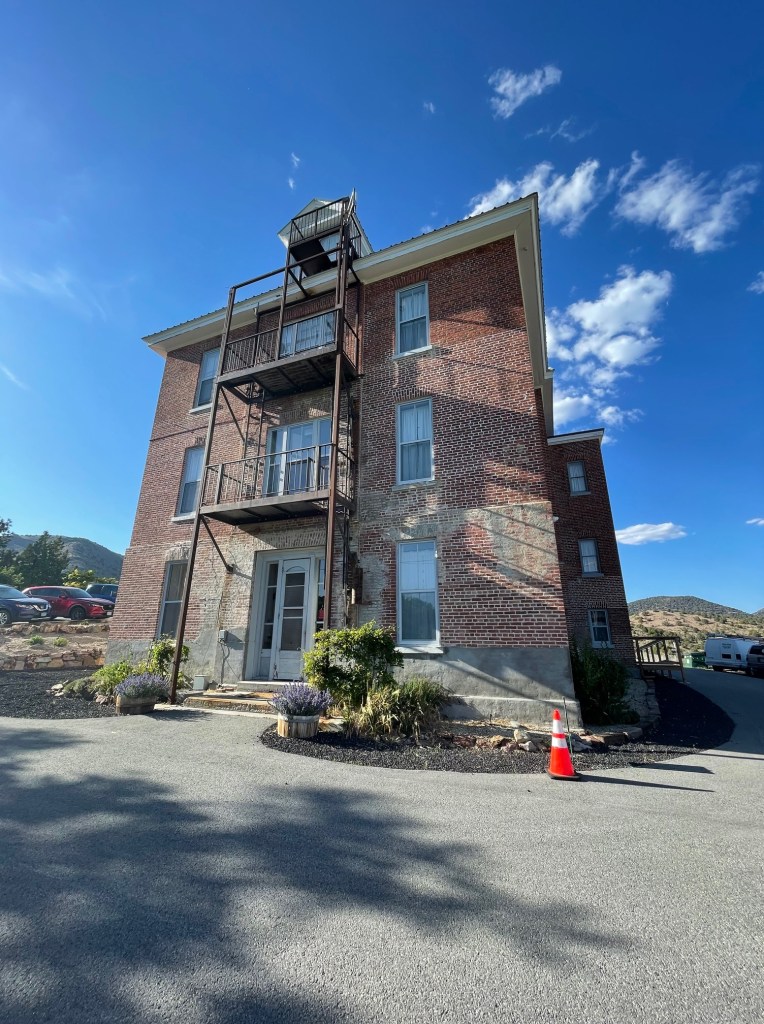
I am thrilled I was able to participate in the fifth annual Virginia City Writing Retreat. I have wanted to try it out for several years and meet some local writers. Registration is now open for next year. Our hardworking host, Kim Harnes, reports that the June 2026 retreat is already two-thirds full, so if you live in Northern Nevada, don’t miss checking it out.
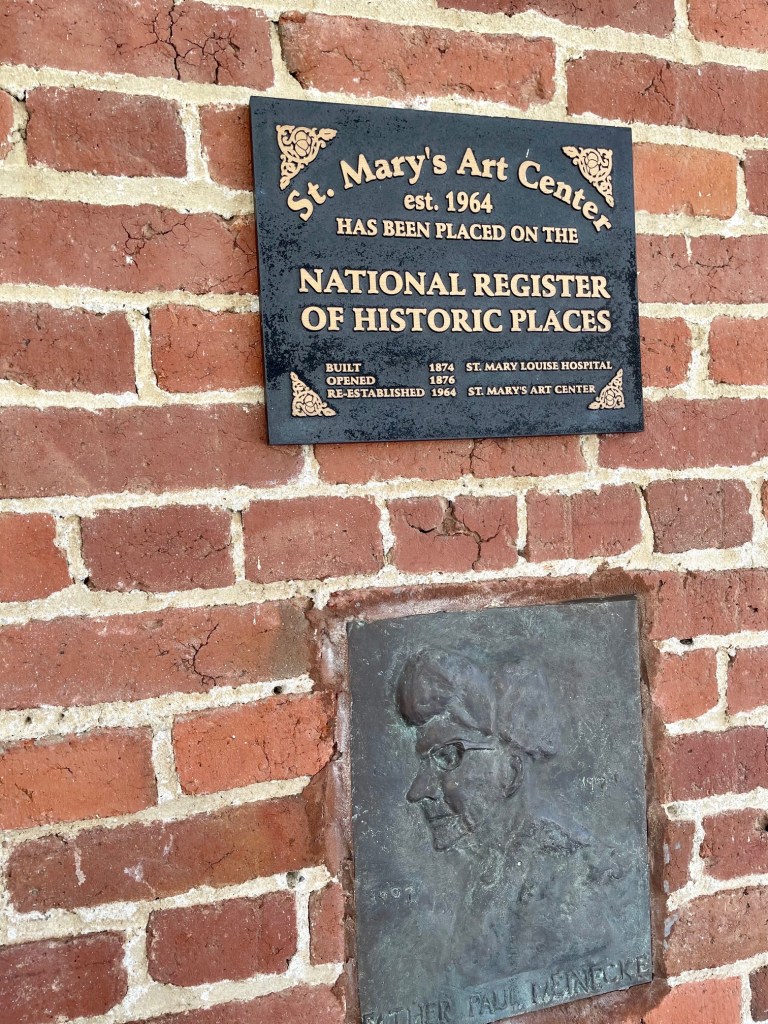
Here are my top five reasons why this wonderful Victorian-era hospital turned art center in Virginia City, Nevada makes a great retreat:
St. Mary’s Art Center is part of a fantastic pioneer town that, despite its 2 million visitors a year, retains its historic, out-of-the-way charm.
The creativity vibes are off the chart.
It is set against a fantastic backdrop and beautiful surroundings.
It provides just the right accommodations for an intimate gathering of strangers and friends eager to engage in creativity.
It’s haunted, yep, as in ghosts.
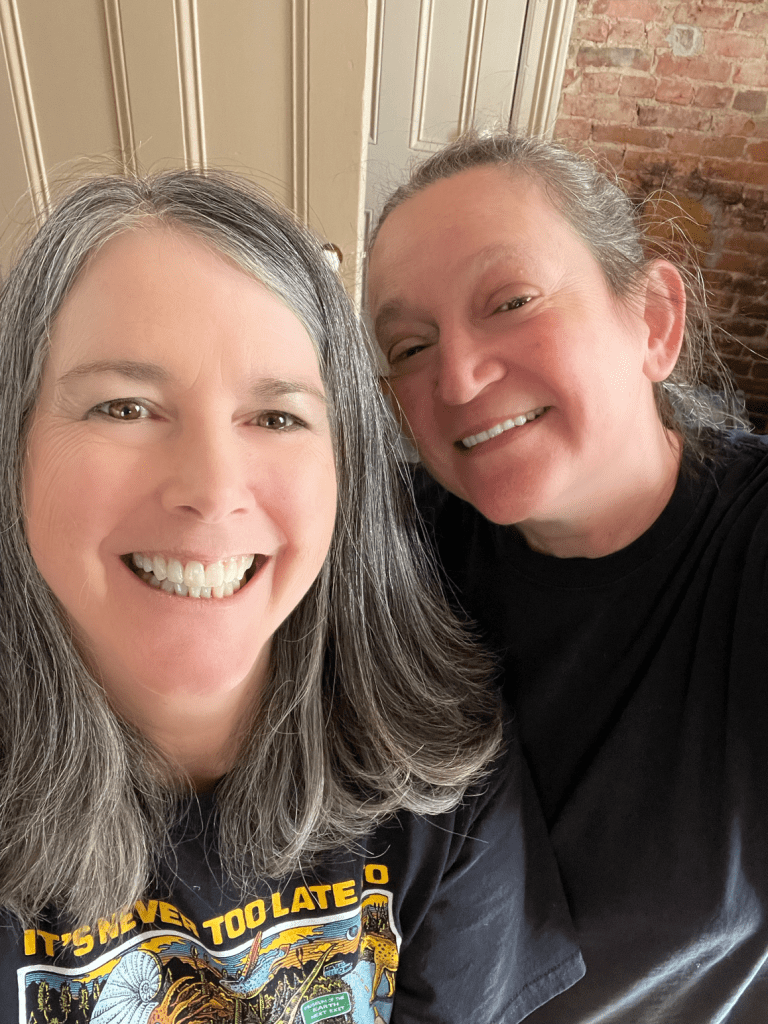
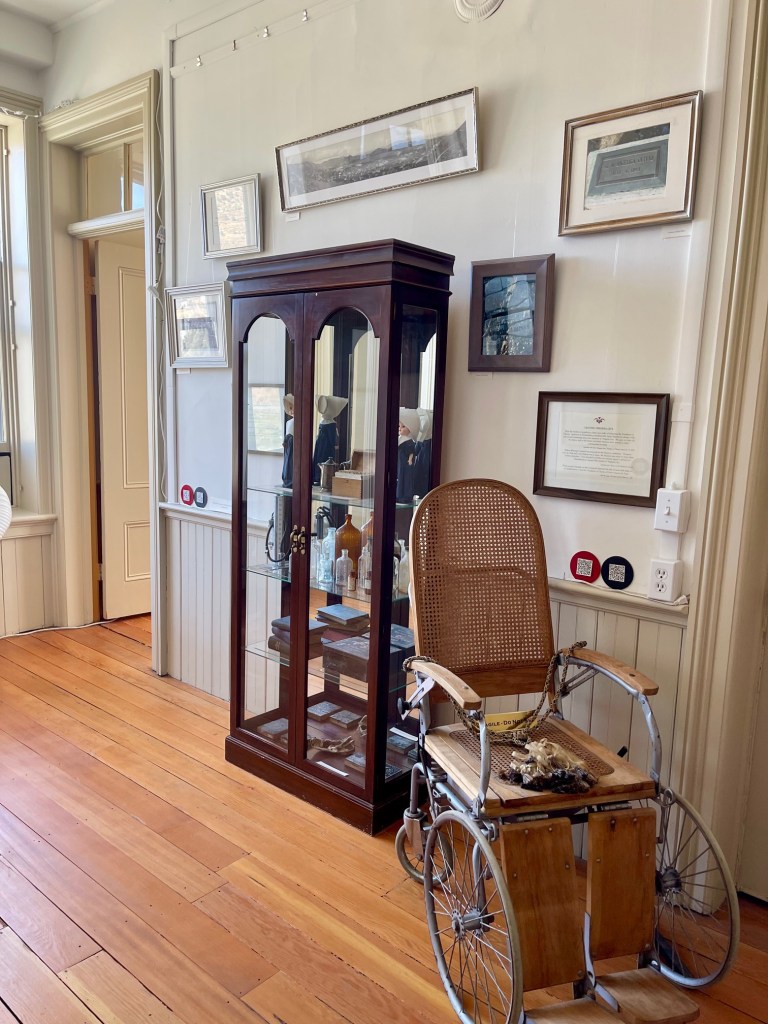
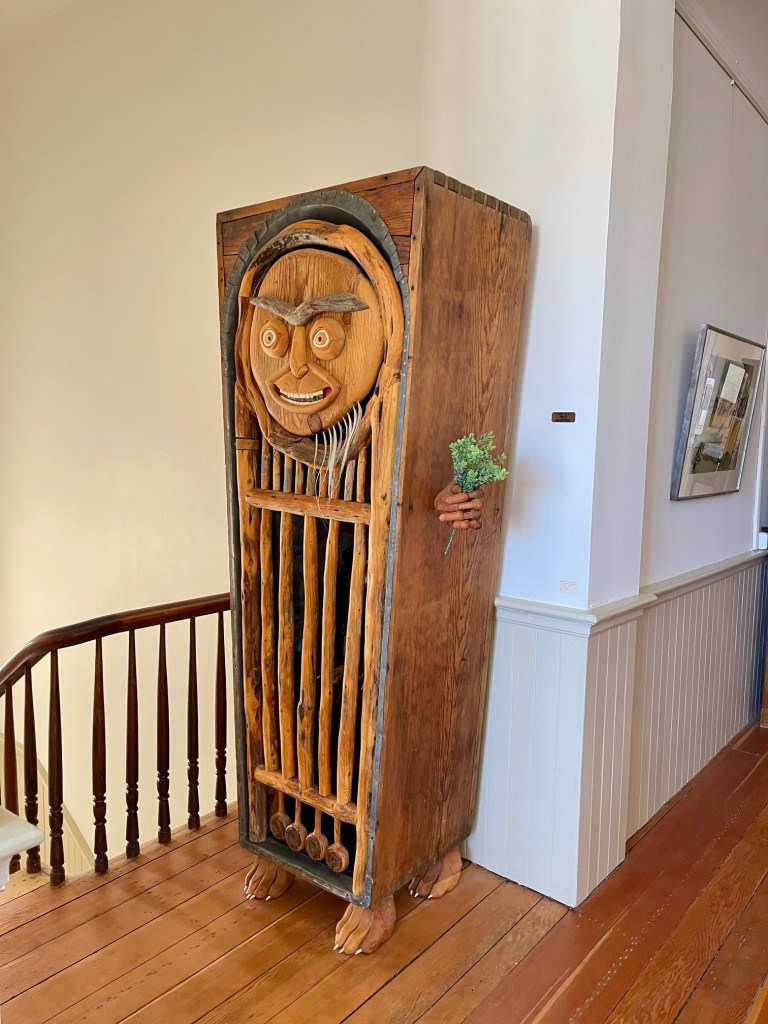
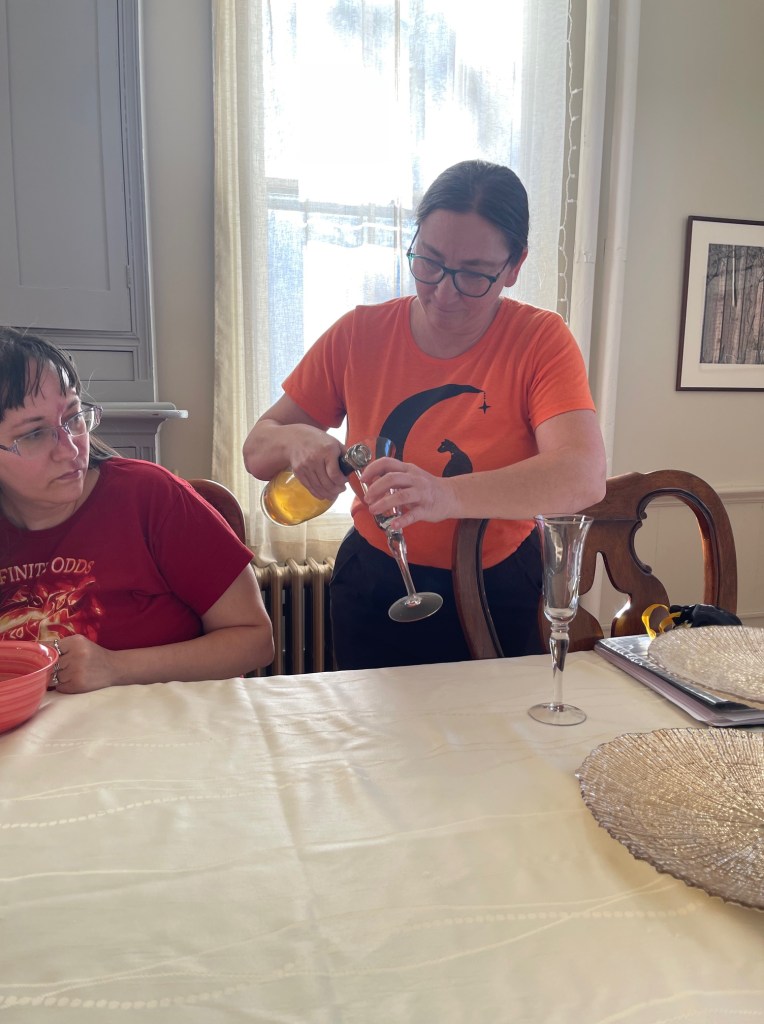
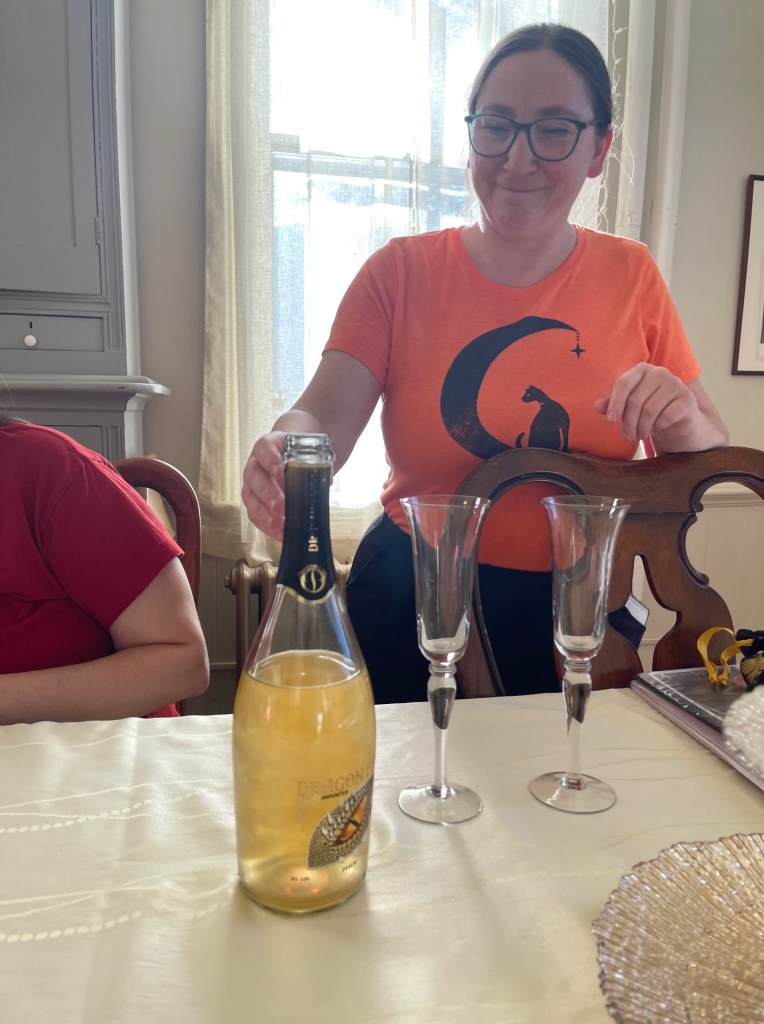
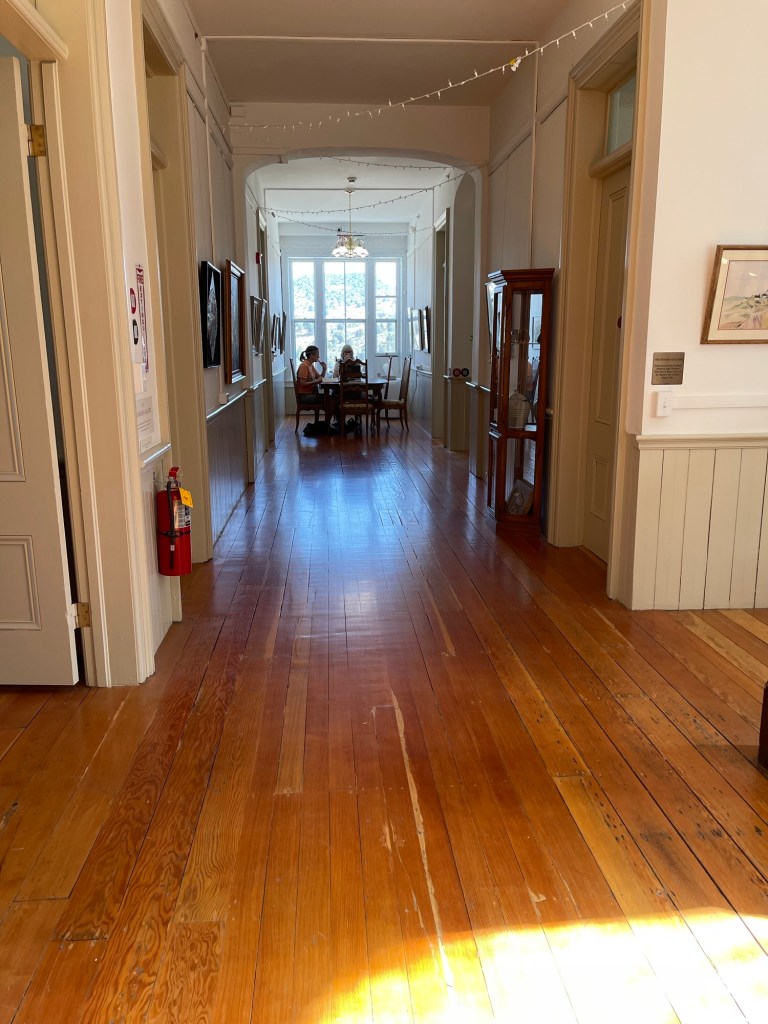
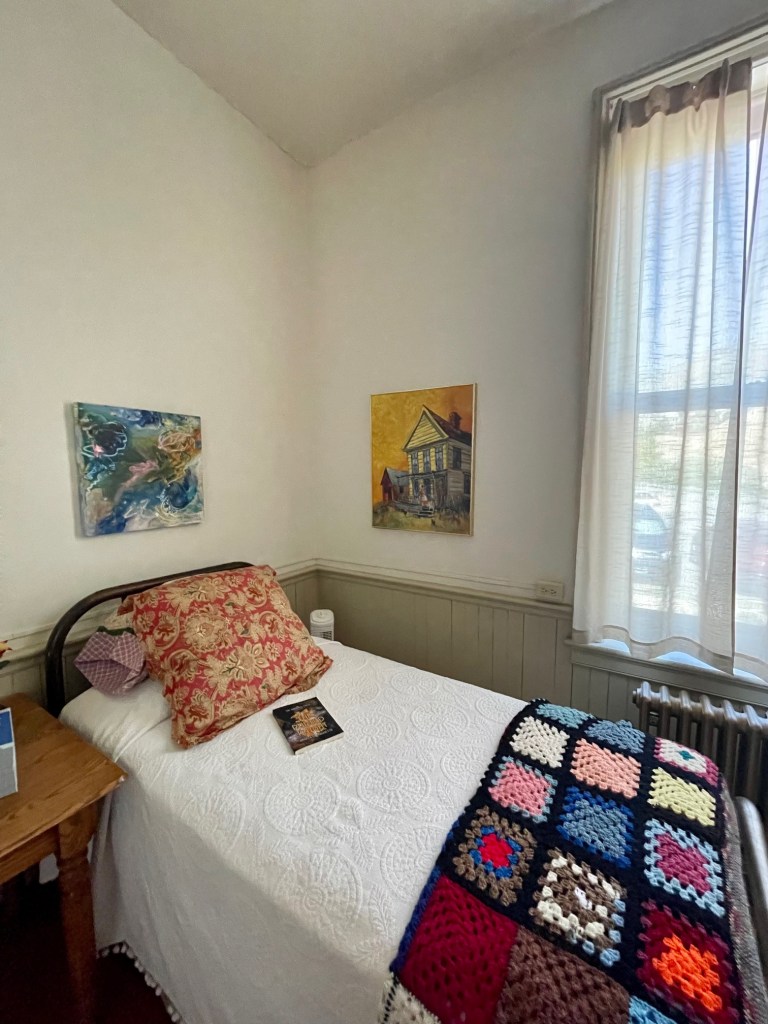
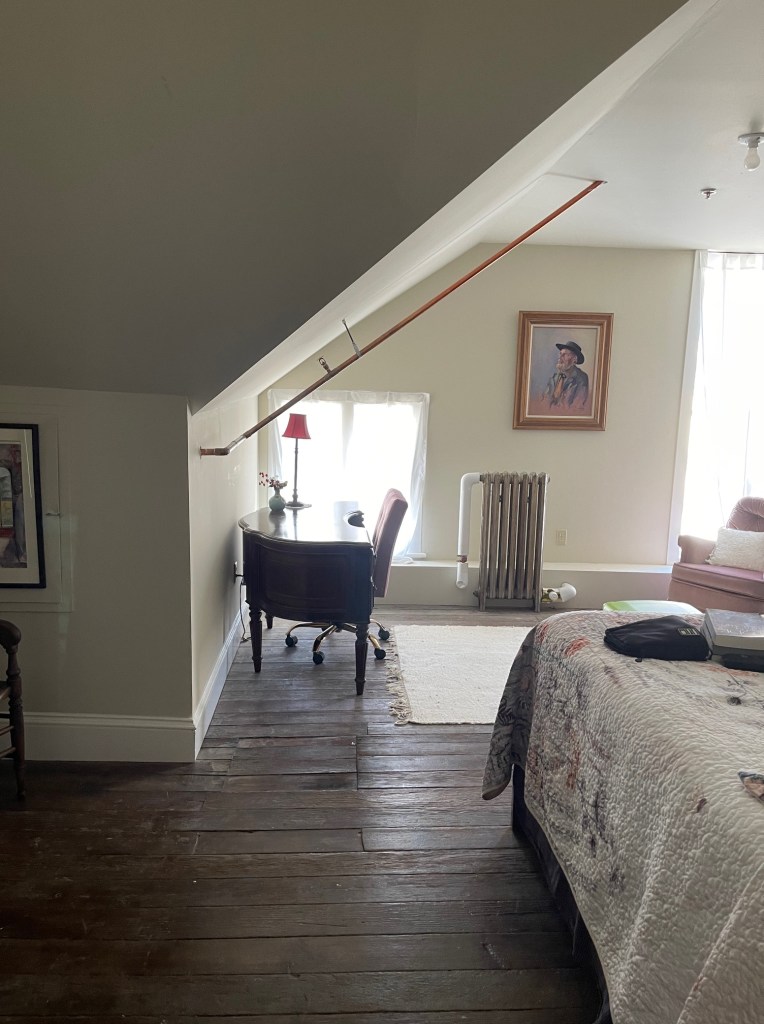
Here I am with our excellent host, Kim Harnes. Check out the comfortable, historical surroundings. You’ll notice many features and artifacts from the original Victorian hospital. Imagine how the rooms were once used for surgical and other treatments, or part of the recovery wards, and then add art. What a great combination.
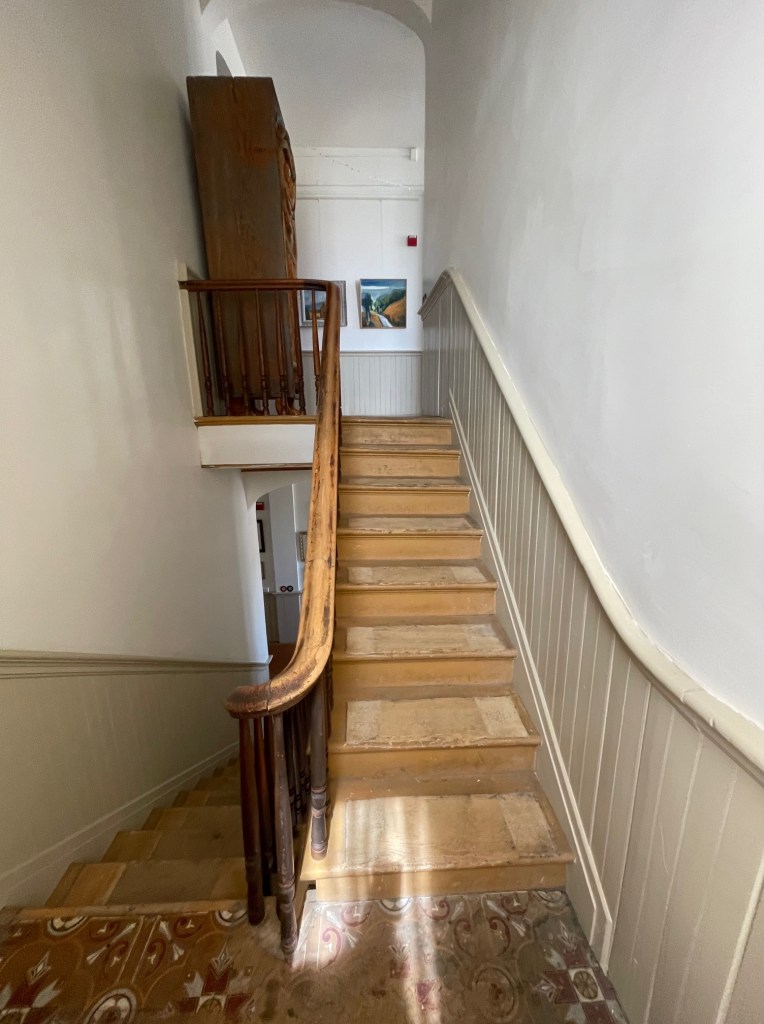
Second floor veranda, and the entranceThird floor balconyshows top three floors, entrance at 2nd floorlocal artThe art center’s side view showing first floorlocal artOur cozy room.I addition to the grand staircase, is this well-trodden utilitarian nurse’s accessA lovely gallery featuring local artThe long hallway on our 2nd floor. So much to see on each floor.A view to a preserved historical office
Besides meeting many amazing local writers and learning about their journeys with my friend Dee, the retreat offered several highlights. One of them was an insightful presentation on writing short stories by author Linda K. Hardie. Linda demonstrated how completing a short story can serve as an excellent catharsis for repressed emotions, such as killing off that annoying ex or the small press publisher who fails to honor contracts.
Linda writes humorous and delightful, yet eerily dark crime stories published in a variety of anthologies.
I loved her story set in downtown Reno in a glimpse of homeless life among the tourists and gambling enthusiasts in A killing at the Copa, crime fiction inspired by the songs of Barry Manilow.
To ensure you can benefit from her wisdom, I invited Linda to be my Spotlight Guest in July.
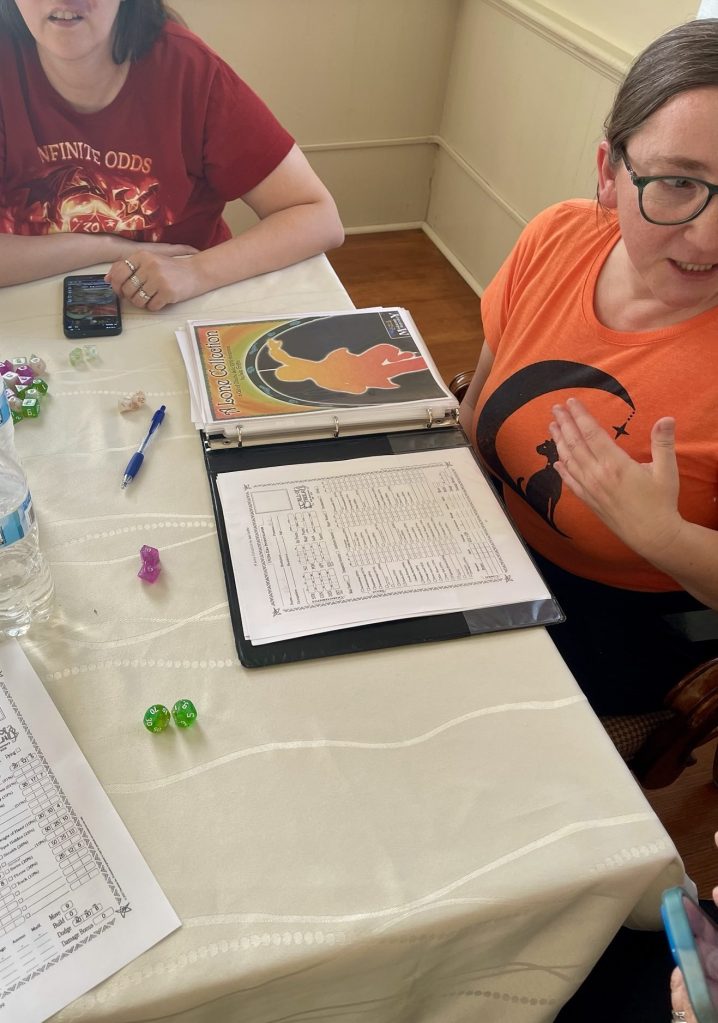
An unexpected highlight was the opportunity to play my first TTRPG! Author Jade Griffin writes companion novels to the Call of Cthulhu RPG series Amor Fati, which act as both a player handout and minor mythos tome. Dee and I got a beginner’s crash course as Mr. Wabash in 1896 Chicago. I’ve always wanted to play a tabletop role playing game, and it was way more fun than I even imagined, thanks in no small part to Jade’s excellent story. Jade will visit my Spotlight in September.
By the way, Dee will visit my Spotlight in August to discuss writing fan fiction, particularly stories that feature characters from the classic TV show, Bonanza. Virginia City was the stomping ground of the Cartwrights, and Dee wrote a story set in this very hospital. Stay tuned for more!
Then, there was “movie night” in the charming little theater on the haunted 4th floor, where we enjoyed popcorn and candy while watching “Old Henry,” a dark, twisty Western flick that was fitting for our stay in a historical Western town.
Meeting agent Hannah Andrade from Bradford Literary Agency was another excellent perk. I learned a great deal from her critique of the first ten pages of my novel-in-progress, as well as how to effectively pitch it to an agent.
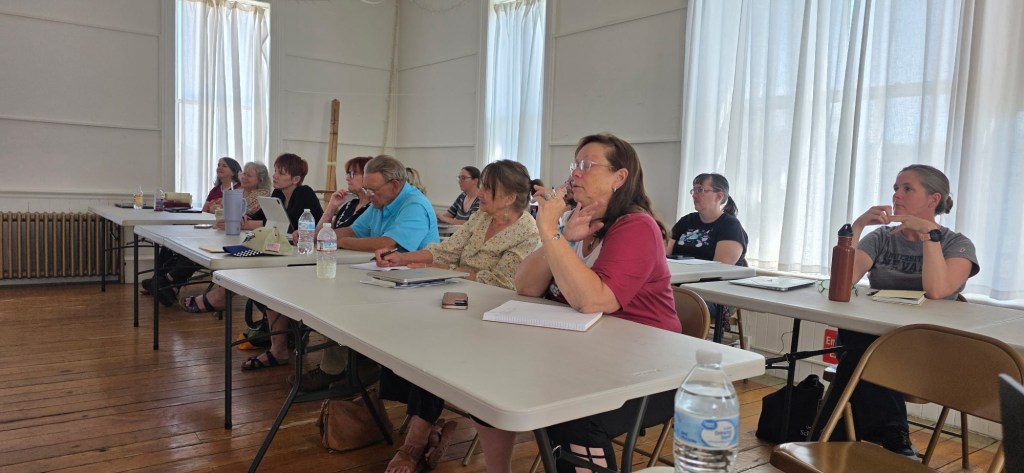
Many attendees retreated into their rooms and cozy niches on every floor to write for much of the time, which was the main purpose of the retreat. As for me, I was too busy and anxious preparing my pitch. Next time, I’ll focus more on writing. Besides the overnight guests (since there are only a limited number of rooms available), quite a few came for the day on both Friday and Saturday.
The dining roomA writing niche on the 3rd floor hallwayDee and I did get some writing done in our roomClass time. Taken by Kim, Dee and I at the far end of front row.
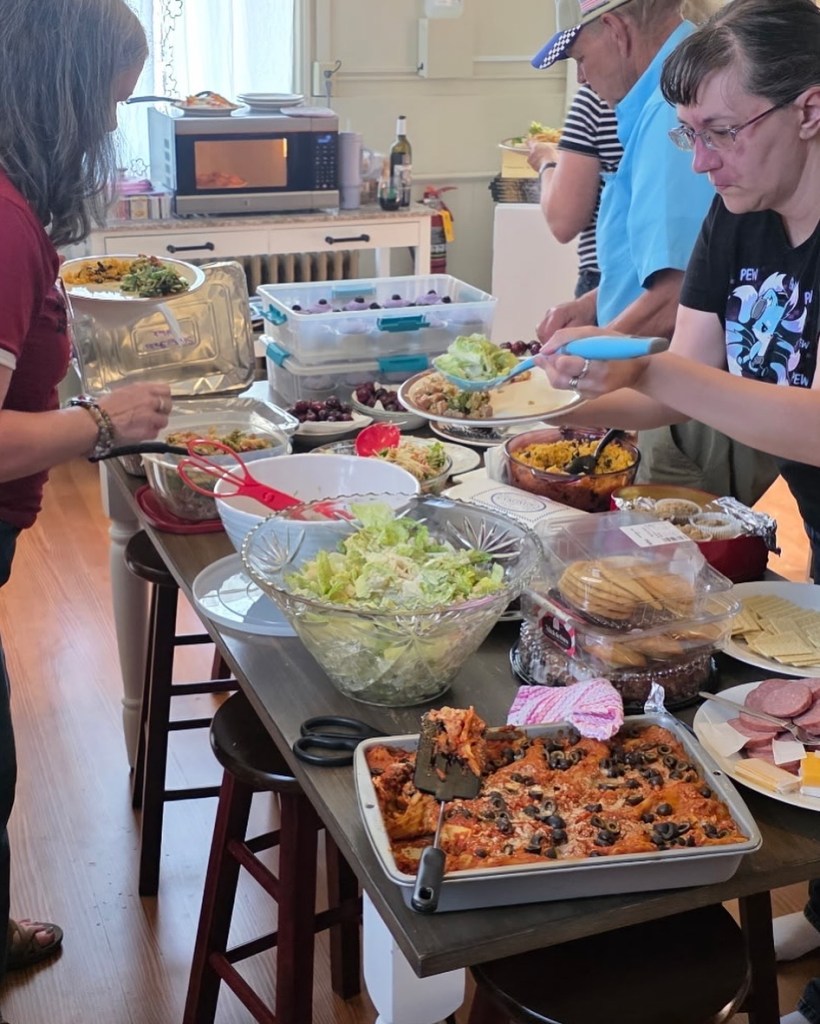
I’ll conclude by bringing things full circle—the socializing. The Art Center has two kitchens on the first floor: one features a large dining table for gatherings, and the other contains a massive iron cooking stove that, unfortunately, can no longer be used due to safety issues, but it is a sight to behold. Kim ensured there was plenty of excellent food and beverages. We all contributed dishes for the Friday night potluck, which provided delicious leftovers for our lively mealtime conversations throughout the entire weekend.
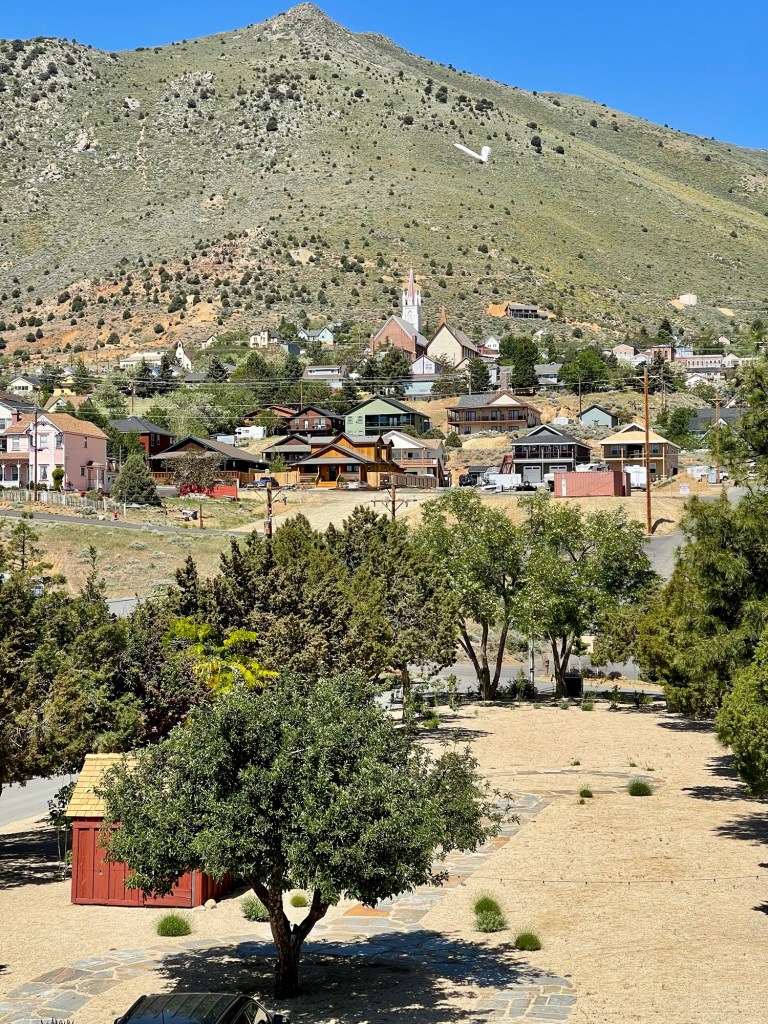
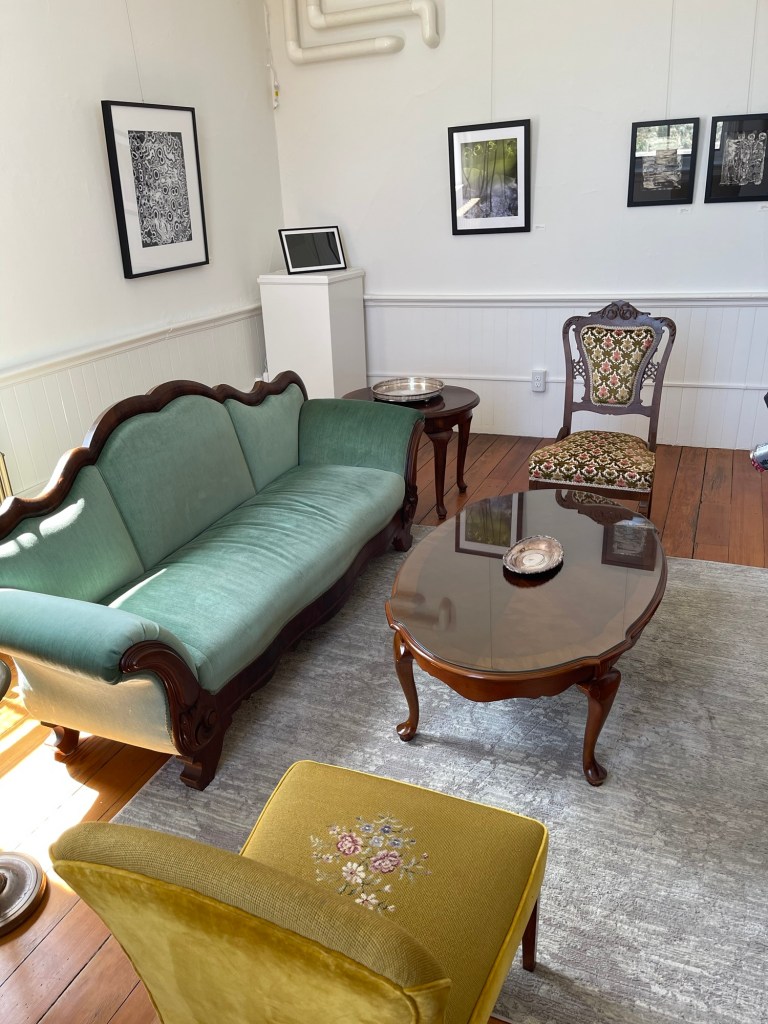
The wonderful Chocolate Nugget Candy Factory, Mound House, on the way up to Virginia City, where I got fudge for the potluck.View from the Art Center, which sits on its own hill east of town.A parlor across from dining room, where we played Jade’s TTRPG.One of the larger rooms, 3rd floor.
I have finally reached that stage in my writing journey when daily habits are gelling.
I’ve been writing and interviewing writers for nearly four years. Why has it taken so long to form craft habits like so many of my guests talk about in our interviews?
Maybe it’s because I worked full time until a year and a half ago leaving little time to make writing my life’s pursuit or form habits other than the tired ones from my “day job” routine, which probably spilled over into my writing routine. Hmmm. Maybe I had habits I didn’t think of as habits. Anyhoo…
It could be because it has taken this long to absorb all those wonderful discussions, read enough blogs, exchange work with fellow writers, and apply the collective shared techniques subconsciously until the things that work for me stuck.
The daily habit I’m sharing today is reading articles about writing in an effort to pass on the benefits of such articles.
Devoting time each day to reading about writing.
Aside from my husband of 34 years, writing is the reason I get up in the morning. I can’t wait to grab my coffee (courtesy of said husband) and get to my keyboard to capture all the scenes that played through my mind during the night, flesh out the fascinating pod people planted in my dreams by aliens, or try out characters inspired by shows like PBS’s American Experience (who knew Lyndon B. Johnson was so multidimensional).
Before I get started these days, I take time out to go through my emails and click on my favorite blog sites when an article catches my eye.
Here are two favorites from this morning that I had to share because they resonated so well they inspired me to write a blog of my own. The articles themselves from two of my favorite daily email drops explain why I find this habit beneficial… and that’s it for today folks!
My guests this month are writers who have played a huge role in my growth as an author practically from the beginning but in a whole new way over this last year. We formed a writing group to share and discuss our works in progress. Our goal is to improve our writing by helping each other be a better writer through feedback–a simple concept, but it really works!
In this discussion, we will share the benefits gleaned from our focused group feedback on this amazing journey as well as our writer’s life, goals, and processes.
The Writers
Isa Ottoni
Isa began her journey as an avid fantasy reader who often wondered if, one day, she could write a book herself. It turned out that she could.
For Isa, the lens of fantasy helps her understand the world; the good and the bad, the whimsical and the dark. Much more than a form of escapism, she believes that speculative fiction has the potential to show a better future for ourselves, to take us on new adventures.
Besides writing and reading, Isa enjoys long runs through local parks, watering her plants with her adoring husband, and obsessing over the fanart of her favorite fantasy protagonists. You can find Isa on Instagram and Substack for her newsletter and published works.
Dylan
Dylan has never written a bio before and, as such, made this one in five minutes and hopes it doesn’t show.
For Dylan, his love of fantasy, morally grey characters, and dark humour led to him writing his very first story – It didn’t make the light of day and is currently locked in an undisclosed cupboard – It did however show him that he could and he would write.
Currently, Dylan is working on a fantasy novel set in 18th-century Scotland filled with Jacobean Sorcerers and mythological creatures he is proud of and one day hopes to share with others.
Outside of reading, writing, and generally feeling sorry for himself, Dylan enjoys Brazilian Jiu-Jitsu (BJJ) and runs through his local dams.
Dylan hopes you have enjoyed hearing about him in the third person…
D. L. Lewellyn
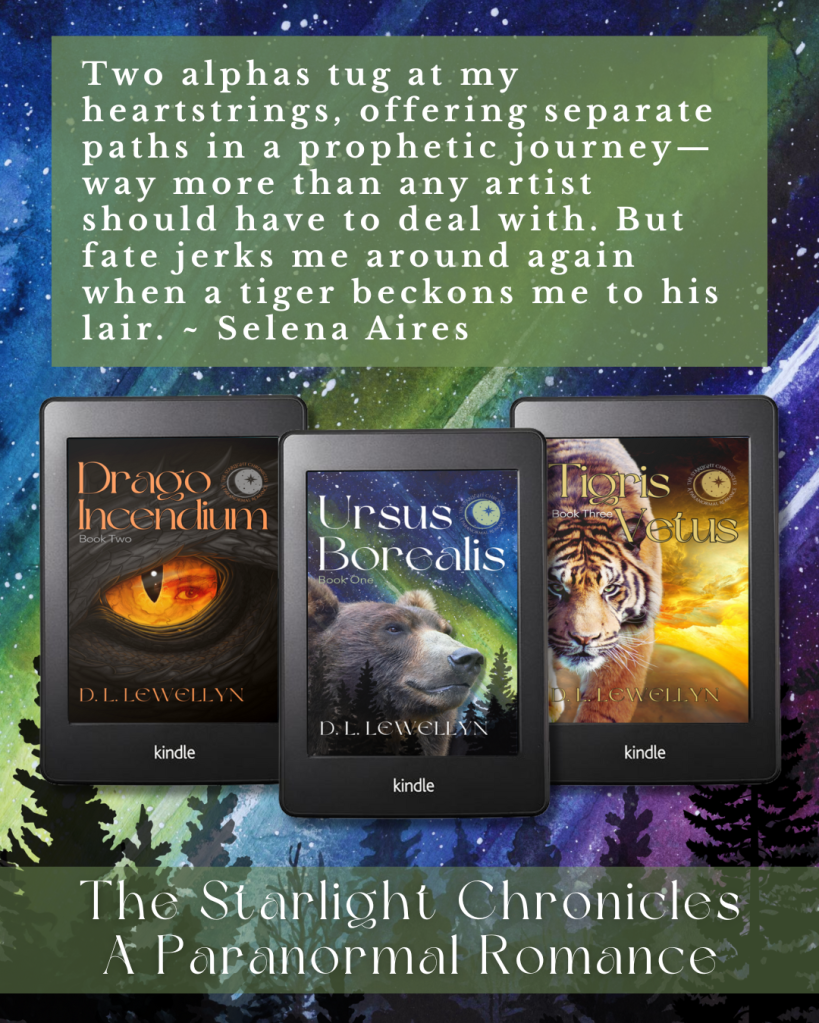
D. L. Lewellyn is an independent author writing fantasy romance every chance she gets. A passion for writing took her by surprise in 2021 following a summer of voracious pandemic-induced reading in a new favorite genre, paranormal romance. Her latest publication, Les Romances des Trois, features three enchanting ménage à trois romances.
Besides self-publishing her novels, her stories have found homes in anthology publications, and many more are in the works. Ask anyone who knows her, and they’ll tell you she’s a dedicated multi-crafter.
She also enjoys blogging, chatting with authors and other creators on her monthly Sunday Spotlight, and classic cinema nights with her husband, dogs, and a big bowl of popcorn.
The Group
Thank you for joining us today! It’s great to have this opportunity to share how beneficial and fun it has been to participate as a group with these talented writers on Zoom. I’ll start with how we got together.
Isa and I have shared beta reads since meeting on Richie Billing’s Discord channel in 2022. Because we love the same genres and Isa is a voracious and insightful reader, it has been a hugely fun and much-appreciated collaboration. Isa was one of my first Spotlight Guests. I met Dylan on Richie’s channel that same year and we have chatted regularly ever since. Dylan’s insights have often been game-changers. When Isa asked about forming a writing group, Dylan was the first person I thought of. The progress we have made over the last year has more than met my expectations.
We have another member who is taking a break. We hope Dan can return because we enjoy his writing tremendously and are dying to get to that next chapter! Besides being so awesome with sharing feedback, all three group members are much younger than me and live in different countries. Their unique perspectives have been phenomenal and multi-layered and why I encourage writers to reach wide to find a community.
Let’s Get Started
Can you share who or what inspired you to be a writer and your favorite genres, books, or authors? What makes them your favorite?
Isa. It is so hard to pick favorites, especially because my answer will vary according to the last book I’ve read. But I’ll say that I’ve read fantasy since I can remember, and magic is what draws me into the stories. I love whimsical tales with a dash of darkness, compelling characters, and romantic subplots.
Marion Zimmer Bradley was/is a huge influence. The Mists of Avalon was one of my first contacts with feminist retellings and made me realize how powerful stories can be. I’m also a huge fan of Susanna Clarke, Suzanne Collins, and Anne Rice. Now, as an adult, I’ve discovered wonderful writers who inspire me every day. R.K. Ashwick, Ella Mcleod, Aiden Thomas, D.N. Bryn, A.J. White, T. J. Klune, to name a few.
And of course, the friends I made along the way. You, Darci, have been a great source of inspiration—I adore your stories and your feedback!
The indie community is stunning, and it opens a world of opportunities to us. So I kept thinking, maybe I could do this too. I gave it a shot, and it worked. I’ll have my debut novel published with a small press next year, and it is honestly a dream come true.
Dylan. I was first inspired when I played the video game God of War (several years after its release.) I found myself immersed in the world that the Santa Monica studio created and loved their storytelling, but the thing that really caught my attention was how they mixed gods from different pantheons (Greek with the Norse) so seamlessly into one narrative. After this, I bought two books on writing, (Techniques of the Selling Writer, and Save the Cat! Writes a Novel). I read both in their entirety, scrolling notes across their pages, and creating my own notes of actionable points. Then I wrote the worst book I have ever written and loved it. Why? Because I had done what I had set out to do and learned so much along the way to help with my future projects.
As my above answer may suggest, I value storytelling above “writing” per se. A lot of my knowledge/instinct comes from different media outside of novels. I love playing video games, reading their scripts, and love comics/graphic novels.
The Last of Us gripped me from the get-go with the father and “daughter” story at its heart whilst they encounter a cast of characters that would live in this post-apocalyptic world. The Teenage Mutant Ninja Turtles and Blacksad comics have also been influential to me as well. I believe both have isolated how dialogue can carry the story and have great character arcs over words and pictures.
But all of this does not make up for the fact that a novel writer must read novels. The top three, in no particular order I would read on a desert island until the pages fade away, are; The Lies of Locke Lamora, The Ballad of Songbirds and Snakes, and The Night Circus. All of which I have chosen because of the vivid experience I had whilst reading, the wide cast of characters, and the dark tale each of them tells.
Isa. I LOVE The Lies of Locke Lamora too! Such a great book.
Darci. Wow! Thank you both. It is so hard to pick favorites, but you two nailed the what and the why. Dylan, I love your take on the storytelling aspect. It comes through in our group time and again. And your three top faves are on my list. Isa, what a treat to know you love one of my all-time favorites, Mists of Avalon. Now, I know why we love each other’s stories so much. This link is to Thriftbooks in case anyone wants a paper or hardback. The book left images in my mind for years after reading it. I had the hardcopy edition on my bookshelf for so long and wish I still did so I could absorb it again as an author. I might have to buy it again.
I just remembered a framed print I had in the 80s of Waterhouse’s The Lady of Shalott inspired by Tennyson’s poem. I bought it because of the book like so many fans did back then.
Can you share an overview of your current projects and writing goals? If we came back a year from now, what would you want most to have accomplished? Five years from now?
Isa. I’m working on my second novel and sharing my writing with our group. In the meantime, I’ll be editing and marketing my debut—a colossal task. I hope readers will enjoy my book, and be as excited about it as I am. I hope I can find my readership and grow a community. I hope I don’t make a fool out of myself on social media, but given the number of silly videos I post, that ship might have already sailed.
Five years from now… Maybe I’ll be a full-time author? That’s the dream, isn’t it?
Dylan. Currently, I am writing a fantasy novel set in 18th-century Scotland with kilt-wearing whisky drunk sorcerers. Mythical beings aplenty, and a dark tale at its core. My number one writing goal is to continue fine-tuning this current draft month to month from the feedback I receive from this writing group. In a year from now, I want to have a polished story I can show to potential agents or publishers.
Five years? Hopefully a lot! I want to have written “What happens” next to my current novel (I have it outlined.) Redraft a horror Christmas novel I have a first draft of. And last but certainly not least I have written the first 8 issues of a comic set in the UK which is a mix of “The Walking Dead” and Disney’s “Zootropolis”. I would love to bring this to life with a talented comic artist, but those are all battles for different times.
Just now my focus is on the present and that means getting the best version of my first novel.
Darci. I’m super glad I get to be around to see all these wonderful goals in the works and the ones coming to fruition. And your IG is so fun, Isa! You’ve got a lively vibe. Keep up the good work.
I have seven novels started and two are my focus for 2025. I hope to publish one of those by the end of next year. Five years from now, it would be lovely to have two to three more published, but that means I need to speed up my process! There’s so much more work involved with self-publishing than the writing part, and I had no idea. Marketing can be a fun creative outlet, and I enjoy reaching out to readers and connecting with writers and all of it takes a lot of time. I’m constantly feeling like I’m missing opportunities, while I find others. Whiplash! It’s a matter of finding the right balance. Nearly four years in, and I’m figuring some of that out.
How do you fit writing into your busy work schedules and lives, and how important is it to make it happen? If you could manage it, would writing be your primary occupation?
Isa. Yes! I love my day job, I really do, but writing is what makes me the most happy, what gives me purpose. So I write whenever I can, in the mornings, weekends, and days off. When I can’t write, I think about it, make up scenes in my mind, and plan what I’ll write next.
I try to organize my time but also let it be flexible. For instance, I’ll usually work first, make sure all the “official” demands are met, and then I move on to writing. I plan my week out so it is easy to see which days are more open, and which days are not. But also, since I love writing, I’ll often do it anyway, even if I’m tired or busy. Sometimes, just a couple of lines, or a paragraph is enough. I’m writing and that’s enough.
Dylan. I have an excel sheet I update whenever I need to. I use it as a weekly schedule of my non-negotiables (Work hours, exercise, and family time.) After this I see where my “free time” is and plan in my writing. Typically, this means I have 1-2 hours of writing a day Sunday – Thursday. And a minimum of an hour Friday and Saturday. I do, however, always tend to “accidentally” write a little longer.
And I don’t know if I would make writing my main occupation. For me, it is an escape. I work in the science sector. In a job that I worked hard to get. I would like to add to my life with writing, but I would not want to choose one in place of the other. Besides, I feel writing benefits from having daily interactions in the real world. I feel if I became a full-time writer I would be more isolated from others. A lot of my idea’s on characters come from my interactions with others.
DLL. So, I would say you both make writing a priority because it’s a joy for you. Me too! And I’m envious of your organizational discipline! Of course, you have an Excel sheet Dylan.😄 And you make a good point. Isolation is a very real hazard. I retired early to write, and I can say I am officially a recluse. I’m sure I’ll just disappear one day and someone will find my bones piled up by my dilapidated computer. Thank goodness for both of you keeping me planted in the real world at least a couple of times a month.
Can you share your top highlights from our writing group engagement?
Isa. Community; Support; Learning; Accountability. Having a writing group is a game changer, and I would not be where I am right now without it. Having author friends gives us a sense of community and that is precious. Writing can be such a solitary endeavor, but knowing there are people out there excited about your story makes it so much easier. The support we get from a group is everything. We learn a lot — and I mean A LOT — from sharing what we write. We are sometimes blind to our own work, so having more people look at it makes all the difference. Giving and receiving feedback is such a formative thing; I learn as much from critiquing other people’s work as I do having my work critiqued. Finally, scheduled meetings mean we must meet the deadlines, and it gives us that extra boost to actually sit down and write.
Dylan. Darci, Isa, and Dan are all excellent writers with their own distinct styles, voice, and different strengths in their storytelling that always has me asking, “And then what?”
Through the course of our engagements, it has shown me that my writing problems are not unique. All of us at one stage or another of our stories come across similar problems in our writing but having this group means that instead of us individually hitting our heads against the wall until we break through we can discuss a solution that others have found that works for them. And even if it doesn’t work for me it at the least highlights the problem, giving me a direction to look.
Outside of this, I find having group submissions gives me a deadline that wouldn’t exist otherwise. It’s a cheesy saying that “pressure makes diamonds.” But I genuinely feel without this group, most of my ideas would still be carbon deposits (Not coal! Inner science nerd.)
Darci. Absolutely fantastic takeaways and all things I would list too. I would just add as I did at the outset that, having begun writing so late in life and writing to a younger, diverse audience, it has been invaluable to have the insights and perspectives of significantly younger, well-read, focused writers who also have varied cultural and world views. My writing has a better chance of appealing to a wider audience.
I used to tell Dylan I worried I was too old-fashioned, and I think I said the same to you, Isa. These days, thanks to bridging gaps during our sessions, I’m feeling much better about that, and hopefully, you both have gained from sharing your writing with an elderly person. 😁
We have a lot of fun discussing our process–the techniques or methods we’ve discovered along our journeys. The ideas and examples we exchange during our video meetings have often been huge motivators and eye-opening moments. I’ve found it interesting how our techniques evolve, giving way to completely different approaches and sometimes circling back to earlier methods. What are some of your best practices that have stuck with you and why?
Isa. I tend to rush my plot; I get excited about certain scenes and I skim over the connecting bits. I learnt that I do that with the group. It is funny how we don’t see the problem until someone else points it out. So now, as I draft, I pay much more attention to the details, taking my time to set the scene, to flesh out characters, to show beats where I’d otherwise use a montage. I’m a sucker for montages, but I must use them sparingly.
I listen to feedback and use it in my next session, without exception. That’s how I learn, always trying to improve, to make my thoughts clear on the page.
Dylan. Great question! My early drafts play out like a film with all my scenes, settings, and characters interacting but I tend to lack emotional depth in the form of indirect and direct internal dialogue where it matters. This has been highlighted in my submissions and now on completion of my draft, I go back through my piece and highlight all the points as I read where I feel if I was in my character’s position I would react. I also have trigger point characters where my character should always feel some deep emotions whenever they are mentioned so I search my drafts for their names/places/times and always make sure it’s a significant moment when they are mentioned (Otherwise delete them as why am I mentioning them?)
Darci. I can totally relate to rushing when those ideas hit! I still find spots where I leaped too fast between scenes in my published books! And we know how Isa loves her montages, so here’s a little Team America for you, Isa.
Along with the previous question, are you a pantser, a plotter, or somewhere in between? How do you get your plot and character ideas? How do you build on them?
Isa. I began as a pantser, which works great for short stories, but not so much for full-length books. So I’m trying to improve my plotting skills, and right now, I’m somewhere in between. My brain does not enjoy plotting, bullet points suck the life out of my story, so I’ve discovered a way to trick myself into plotting, making it fun as I go.
I start with vibes. A scene, and characters, an arc. Then, what I do is this:
My draft zero is an interview with my characters. That’s not for the reader, just for me. I know their end game, but I’m not sure how we get there, so I sit them down and ask.
For my current WIP, it looks something like this:
Hey, [name redacted], how did you become the consort of two immortal vampires?
Or
Hey, [names redacted], how did you two become vampires?
Then, I let them speak, in a monologue, I let them tell me their story. It sounds crazy, but I swear it works. I’m pantsing, brainstorming, and learning their voices as I go. Whatever comes out of it will have my plot, the scenes I must write, and a blueprint of my story.
Then, I draft. The first draft is messy, and honestly the most fun. I don’t stop until I reach the end, and that means NO EDITING. It’s hard, the urge to edit is strong, but I’ve learnt to control it.
The second draft is development editing and making it readable, and that is the draft I show people (my writing group and critique partner).
The third draft is applying the feedback, making it better. Still not polished, but the story and characters will be much stronger. That’s the draft I’ll show the editor. A couple of drafts afterwards and I’ll have a book!
Dylan. It all starts with the seed of an idea. Sometimes it’s a character, sometimes it’s a plot, sometimes it’s a conversation. I scribble these all on Word documents and then come back to them from time to time. If after some time has passed and I still feel the excitement for the initial idea and it’s longer than a short story, I purchase a nice notepad and expand on my starting idea and just write the longest mess possible, over a weekend at most. I then ask myself questions. Not limited to these but just a few examples:
What do I like about my story?
What don’t I like?
Is my current main character the correct POV to follow for this story?
What is the throughline of my story?
What arc will my character have?
After this I tend to have a bit of distance from the story but keep the notepad, sprinkling in any ideas, I have over the course of a week to a month. Then I make an outline for my story without looking at anything I have written (I hope the good ideas will have stayed with me.)
After I have this outline I sit down and write my zero draft of my book, treating the outline like train tracks to guide my story, but I welcome being derailed and following the train elsewhere.
When I’m finished with this draft, I give myself distance from the story. Then when I return it’s a lot of discovering if what I originally thought my story was about is still the case.
If not, what is it about now? Find this answer and make an outline for my next draft to make sure everything in this draft serves this purpose.
After this draft, it’s all about fine-tuning the story and that is what I am currently doing. As a newer writer, I have had less experience at these last steps. They are definitely the most rewarding and painstakingly difficult.
P.S. If anyone has an easier way, please tell me!
Darci. I just had the most fun diving into both of your processes! I can’t wait to sit down for an interview with my dragon shifter, Michael Elliott, and Onyx, his dragon. He’s one of the three MMCs in my series and getting his own book, hopefully this year. I might know him well but not well enough! My heart a swinging by the seat of my pants every step of the way. I have no patience for mapping things out because I just want that story to come out. Four years later, I am employing a bit more organization and development as I go.
How I think of Isa working on her magical stories…
Isa. Okay, this is spot on! LOVE IT!
And Dylan, gotta love your notebooks! They work and they’re easy to hoard.
This is how I always picture Dylan at work on his plots.
If you haven’t visited Heart Breathings on YouTube, you might enjoy author Sarra Cannon’s channel. She has a notebook challenge every year and it’s coming up. It’s just one of her writing challenges and tips she shares with her huge following. I followed her before I started writing, back when I was a planner geek.
I told you I loved notebooks Dylan. I’m truly baffled that I don’t use them more for writing.
If you could share only one tip or resource for new writers, what would it be? Okay, so that might be tough to narrow down. Feel free to add a couple more.
Isa. Brandon Sanderson’s lectures on Youtube are a must watch. Even if you’re not into his books like me (I know, what a sacrilege, but it is what it is), his lessons are GREAT for baby writers. I’ve learnt a lot from him.
But I’ll also say that, if you want to write, you MUST READ. Not only crafting books, but books books, fiction within and outside your genre. Read and then think: Why did I like these books? Why didn’t I? What made me so invested in these characters, why am I grinning and kicking my feet, or why do I find this beat boring? This is the greatest exercise for writers in every stage of their craft. Read, read, read. Then write, write, write.
Dylan. I have two pieces of advice. One is to write what you want to read. There is no guarantee what you write is ever going to be successful (And in my opinion, it doesn’t have to be.) So why not write the story that you are proud of? I’m sure it will connect with someone who feels the same way and isn’t that what a story is all about?
And two. When it comes to the actual writing process, treat your first draft as your zero draft. By this I mean take all the pressure off yourself. Write with your initial plan, follow your instincts, don’t be afraid to bullet point parts you don’t fully know. Just get every ounce of that raw story on the page. After that comes the fun part. Look at that steaming pile of S…Story. And look for its strengths and weaknesses, make a plan you are comfortable with, and then work on your first proper draft. This draft is what you will edit. Otherwise, it is too easy to get hung up on getting it perfect the first time and for me personally, that is impossible. I need to fail before I can succeed.
Darci. I knew you both would have a wealth of great things to share on technique. I’ll just add how valuable I find writing analysis tools like Autocrit analyzers and Read Aloud on Word. Both trained me to recognize all those endless weird things you do when you first start writing… repetition, redundancy, overusing adverbs, passive voice, all things you overlook unless it’s reflected back to you audibly or statistically. Listen to your writing. Search for overused words like “this,” or those filter words Isa hates like… look, know, think, and feel. You might be shocked at the number of hits.
And really, this reflecting is what we give back to each other in our group participation.
Thanks so much! This has been a blast as well as inspirational. I can’t wait to see where we are at next year. In the meantime, happy writing!
Isa. Thank you so much for having us! Looking forward to seeing you in our next meeting!
Who of you struggle like me with “keeping it simple, stupid,” and not waxing too literary? The complaint I hear most often… I love your prose, but I had to reread it. Well, I’m writing romance novels. No one should struggle anywhere at any time reading any scene or dialog. I believe I’m making strides these days and that is thanks in part to short insightful articles from Writers Write like this one.
Check it out. After you mull over the idea of distilling your writing into statistics like the ones provided in this blog, investigate subscribing to a platform like AutoCrit, which is the one I use, or an equally popular competitor like ProWritingAid. You won’t believe how much and how quickly you can tweak your weak spots and hone your strengths.
In the early days, I scoffed at the readability statistic category. “I have to dumb down my writing?” I grumbled to myself. This article really helped me understand what readability is all about. There’s always poetry when I have the urge to play with pretty words, which I’ve been dabbling in this year and enjoying more than I imagined I would.
If you’d like to learn more about the Dame herself, the image links you to an excellent article about her life, and PBS has a marvelous documentary, Inside the Mind of Agatha Christie.
Check out my books and sign up for my newsletter for more writer’s life musings, story snippets, and fun facts.
While I primarily write fantasy romance, I can’t help but explore other genres. I’m endlessly curious about what elements readers expect to get lost in when they pick up a thriller, for example. Is it all about the cleverest plot twist? What makes a satisfying horror story? Experiencing nightmares from the comfort of your armchair?
What do readers want in historical fiction… to compare life to better times, worse times? What keeps them swiping pages in a steamy, emotional romance novel, besides the steam? Okay. My last one. What is it about traveling to a future world here or out there that draws readers to sci-fi? For me it’s the idea of having a future of any kind.
Then, there are all the sub-genres.
Within the sub-genres—even within a single novel—are the myriad of tropes that change constantly depending on what’s popular.
Where do you go to get inspiration before you even get to the genre you want your story to live in?
Do you prefer writing in one genre? What’s your go-to style?
If you have a favorite style and genre, how do you come up with fresh story ideas inside that genre?
Do you feel your way through the mechanics of a story, and let it tell itself? Or do you establish your structure and all the rules first?
This excerpt is from an article I found after Googling the subject question.
…This [looking for compelling interests] might take the form of research, conversations, looking through ephemera, or journaling. If you follow the trail of that preoccupation, you’re bound to come across the engine of a story.
The idea of being “bound to come across the engine of a story” totally resonated with me. When I started writing, I had no idea about the mechanics of the craft, or that fiction writing was… well… mechanical. Don’t get me wrong. I was an admin assistant and paralegal for decades. Proper grammar, editing, and the efficient conveying of words in sentences and paragraphs were my bread and butter. In other words, mechanics. But when I started my writing journey, I was focused on the artistic side of things—the creative outlet just like all my previous downtime activities in arts and crafts. The “feel good” aspect.
Creativity for me is all about the organic flow of imagination and ideas, letting one thing build onto another, applying different mediums until it feels right under your hands. That’s how I write. I feel my story through the keyboard as I type. But three years into the journey, I’m learning there is much more to it. Feeling the words might get those ideas flowing, but to craft a good story takes the study of and dedication to the mechanics.
So, after plowing through writing my first novel using my decades of voracious reading and acquired business writing sense, and all the grammar fluidity I honed along my career path in combination with my imagination, I’m now digging deeper into the mechanics of fiction, especially as I try my hand at a different genre.
I love reading and watching good horror. Now, I want to write one.
Short story anthologies are a great way for writers to try out the mechanics of a whole new device. I’m currently challenging myself to write a horror story under 20,000 words. Thanks to articles like the one above (and I recommend reading the short piece with quotes from great writers about finding their story ideas) and folks like Dave Chesson, the Kindlepreneur, who generously share resources like Horror Writing Prompts: 50+ Ideas to Get You Started, I’m on my way.
My problem is that I have a real tough time writing scary, bad people, doing scary bad things. That’s where examining the technical aspects of the craft might help. So, I’m off on a whole new tangent. But hey! That’s my joy.
Here’s a link to one of my side trips, aka articles, that you might find helpful. Writing Evil Characters. Packed with great memorable nuggets like this.
…evil characters are heroes in their own stories and in the stories of their minions and countless supporters. And as heroes, it’s important to see how the plot of your story or novel is affecting them and forcing them to grow. ~ Naomi D. Nakashima
However, what I’m learning about the horror genre is that the antagonist doesn’t have to be a person. It could be an entity, an urban legend, the protagonist’s own mind… So off I go, tripping further down the tangent highway of horror.
I would love to get your ideas on how you find ideas. Leave your comments below.
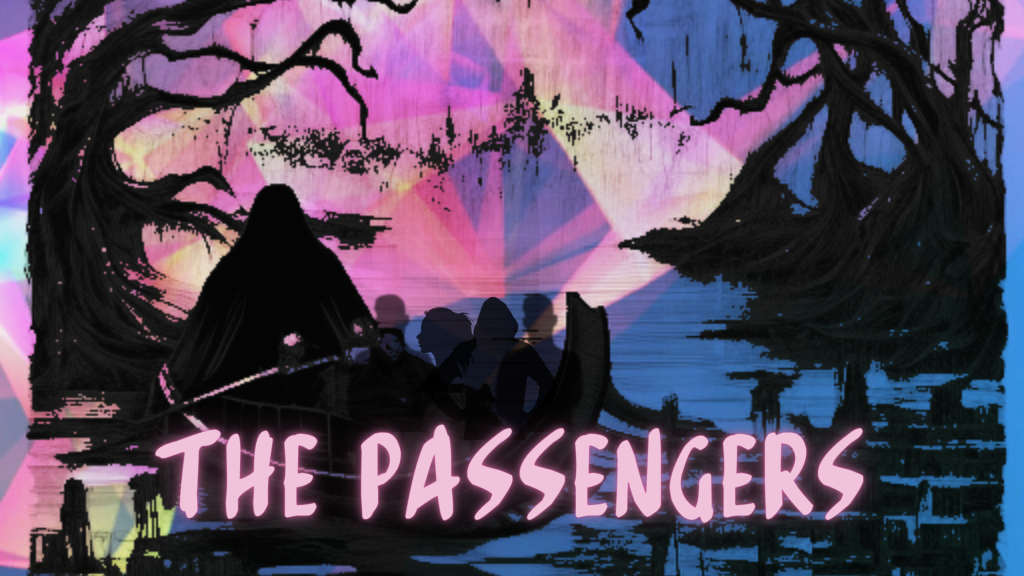
I’ll leave you with this cover and link to one of my short stories where I did venture down the path of horror to a degree, dabbling in a totally fun sub-genre—one I’d never heard of until entering a writing contest with Writing Battle. Cannibal Comedy.
Ride through a swamp in a gondola full of serial killers on their way to a banquet in The Passengers. Their grim pilot? He wears a dark cloak and carries a scythe. The story is also part of my collection of short stories for 99 pennies on Amazon.
“Write one. Read ten. Win thousands… The peer-powered short story competition where everyone receives oodles of feedback.”
Writing Battle
As a participant, I can attest to the oodles of feedback, which is one half of the backbone of this engaging community. The other half is Max and Teona. Last summer, I visited with the dynamic duo as they prepared to launch their revamped platform—and soon after—what was fun got funner! We’re checking in this month to see how it’s going. Here’s what one member had to say about Writing Battle.
“This is a growing community with a mix of experienced and curious writers. Sharing your work and feedback in the forums is invaluable.”
Matt Gamarra
In The Beginning
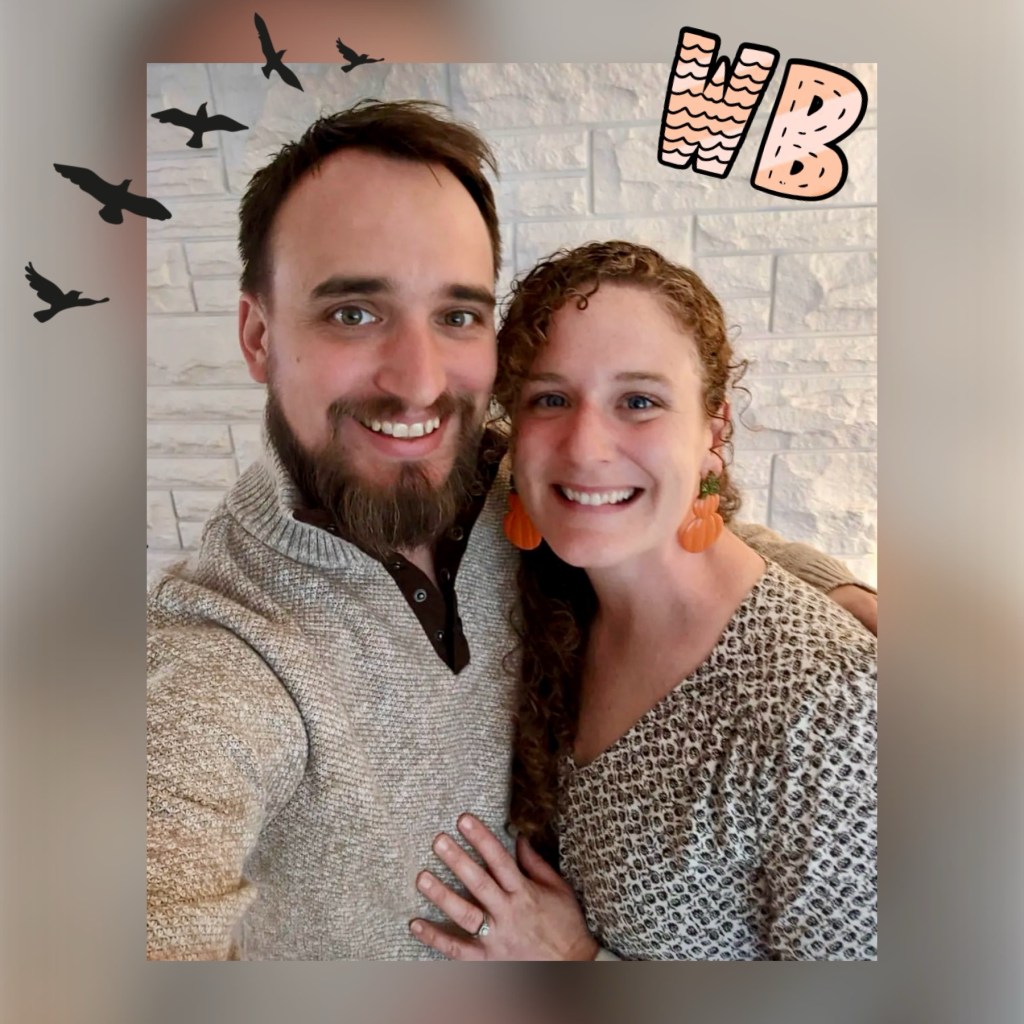
We learned during their visit in 2023 that software engineer Max Bjork wanted a chance to use his creativity in his working life. Like many of us back in 2020, the disruptions to our lives and routines wrought by the pandemic inspired big changes. As an amateur screenwriter, Max turned his creative aspirations to writing contest platforms, recognizing a need to offer more to participants like a robust and engaging community, easier navigation, and more ways to have fun during the contest. Max gave up his job, took over daytime parenting so Teona could get back to work after maternity leave as an EEG Technologist, and started creating. See our previous chat for the couple’s in-depth discussion on how Writing Battle (“WB”) got started.
The unique structure, engaging graphics, and shining personalities behind Writing Battle were an instant hit, and WB captured my attention from the first Instagram post.
Let’s Meet Writing Battle!
Thanks both of you for coming back for a chat in 2024! I’ve been dying to check in to see how things are going–in general–but especially since you launched the new design. What is your biggest highlight since July? And if you each have a take on that, we’d love to hear both perspectives!
Max: Thanks for having us back, Darci! I think it was the last interview we did with you that we announced a redesign of the site. Cool to do this again a year later and everything is in full swing with the new site. The biggest highlight I think is that this “product” (if you want to call it that) is feeling more and more complete. We’re really just refining at this point and that feels weird in a way since we spent years trying very different battle structures.
Teona: Things are great! We have come leaps and bounds when it comes to restoring some stability to our life when the battle gear comes off. There have been a lot of things that we have been able to put a happy little book-end on so that we can spend more focused time and energy on the business. A highlight for me would be the merch store–it is a part of Writing Battle that I helm and gives me more sense of connection to the community since I’m not a programmer and don’t have much to offer in terms of site features.
Darci: In other words, you both are totally in the groove. Awesome!
We talked about your phenomenal success last summer. There have been two Battles since then. Two of my peeps (a Canadian writing friend and my niece) signed up for the Fall Short Story Battle, which I participated in, and my niece participated in the Winter Flash Fiction event that just ended. So, if every member pulls in just one or two… yikes! This might be a good place to insert that WB’s slogan rocks! Write one. Read ten. Win thousands. Are we talking about exponential growth? What are the overall stats since last summer?
Max: Thank you for spreading the word about Writing Battle! You know, the slogan actually came from the community. If I recall correctly, Cristi Lynn, a previous winner from an early Screenwriting Battle suggested that slogan. She said it on the Forum and I immediately asked if I could use it. When we started these Battles we really thought that the reading part of the contest was going to be a chore. As it turns out, it’s everyone’s favourite part about the contest, so why not highlight the reading aspect.
Teona: Definitely seeing something along an exponential growth curve. It’s still amazing to us! It looks like we might 3X the Spring 2023 Battle. And, like you say, if one person pulls in one or two friends to join in the fun, it really just takes off from there.
Our New Year’s resolution with WB was to make long-term realistic and holistic goals for the year. So instead of saying we need to accomplish X,Y,Z… we set a single goal of 3000 participants for the Autumn Battle. We’re then able to reverse-engineer a path to that goal and then it has been more figuring out what that goal looks like in the shorter term in regards to the Spring and Summer battles. What has been so incredible and exciting has been seeing the numbers for the upcoming Spring Battle SMASHING the shorter goal in place for the Spring. It really looks like there is some snow-balling happening and we are just grateful the site broke when it did last year because there is no way this growth would have been stable or sustainable on the old platform. Our new website handles traffic with ease because it is built on Google’s infrastructure.
Darci: So exciting to hear the numbers! And I love that about the slogan being a community contribution.
A little side story on the fall Battle. I hadn’t been in touch with my niece, Arianna, for a few weeks, and I had no idea she’d participated until a few weeks after it was over. We could easily have ended up critiquing each other’s stories… but we didn’t. Still, the idea that we could have added another fun element to the contest.
Her story was excellent, too. She does audio narration and has a one-minute audio excerpt of The Emperor’s Noose on her website’s project page. I was super happy with my story, Little Shop of Honeybees, as it was my first whodunnit and I enjoyed researching how to write a locked room mystery. Every time I participate, I’m glad I took on the challenge of a new genre I might never have tried otherwise and happier each time with the results.
How is the feedback stacking up since launching the revamped platform? Has the revised structure made a difference in participation aside from the momentum WB had going already?
Max: Absolutely. There were over 3.5 million words of feedback written in the Winter Battle. 1 million of those words were written after the Battle was complete in Debrief. There’s still a lot of improvements to the site coming, but the revamped platform has helped with that.
Darci: Mindboggling!
To get an idea of how far you’ve progressed in the short time since starting up WB, I’m throwing out multiple questions. 😊 Have you reached a place where the business is starting to run itself, or does it still require a lot of hands-on attention? How much of that is the fun stuff, and how much is business? What constitutes both? Is this turning into a full-time business for you both?
Teona: It is definitely turning into a full-time business for the both of us. Our youngest starts school in the fall which means that I will have time in the day to dedicate to WB and to work on things we would like to see evolve in the future. I would say the vast majority of what I do is fun. I think Max will likely say the same. There is a lot of hands-on. There is a LOT of reading–and not just stories. We are constantly on the forums trying to keep an eye on the community to ensure that needs are being met and that members maintain the constructive space we believe WB to be.
Max: I don’t think Writing Battle will ever run itself, but my job as the sole software dev is to build systems that make things easier on Teona and I during a Battle. It is ALL fun. Honestly, I still love every second of every Battle. It’s been a full time business for a while now. We will be building the tools for Forum mods soon, so that will help some of the stress. With so many passionate creatives, you want to put out fires as quickly as possible, so the Forums require a lot of attention. Having a few mods might ease the workload a bit.
Darci: I’m sure I speak for the community when I say your joy comes through and we appreciate all the hard work.
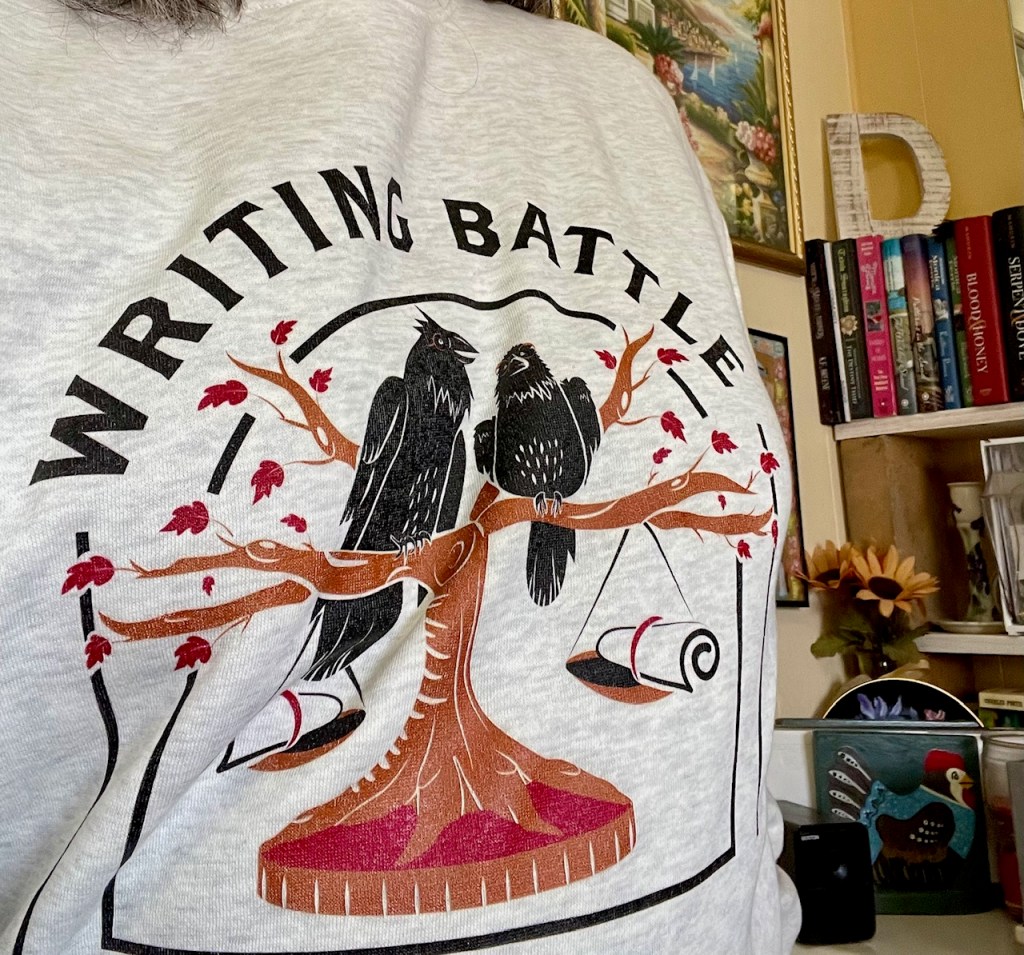
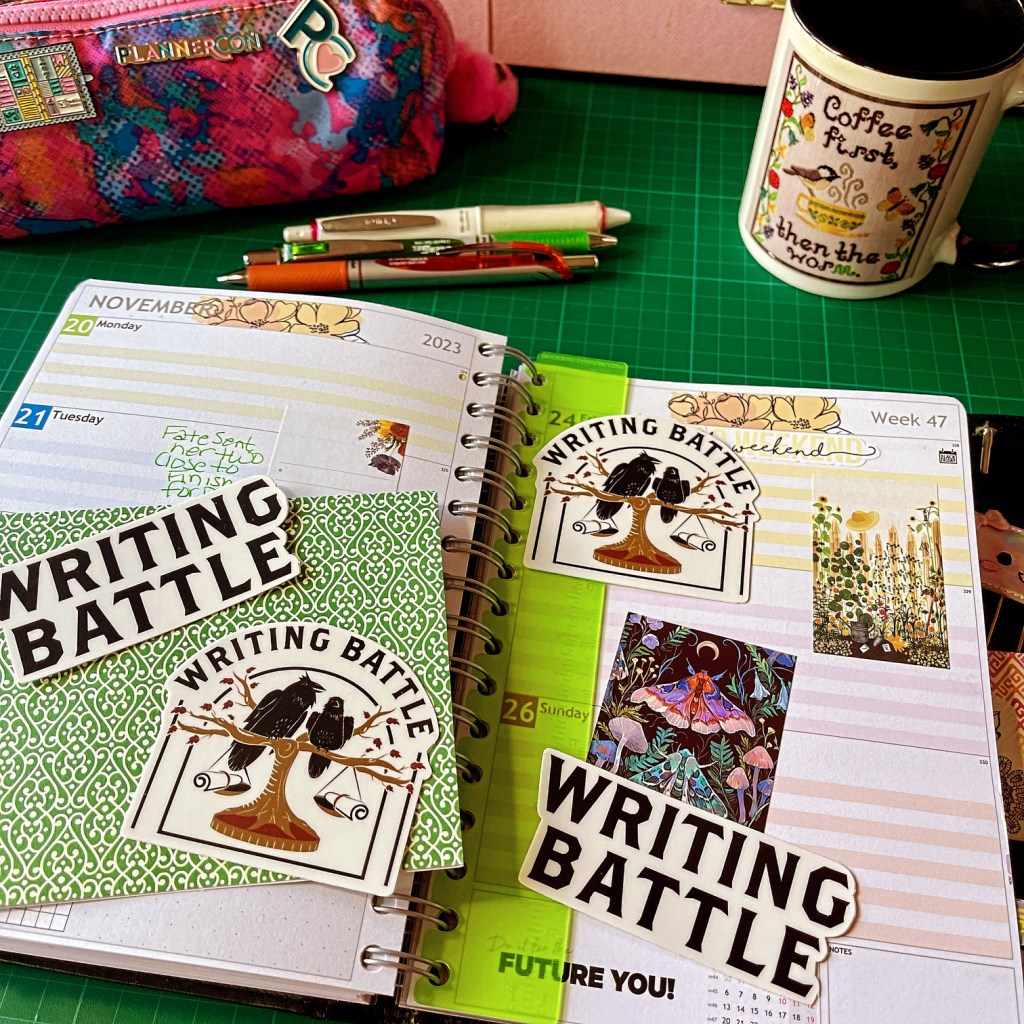
WB opened an online merchandise shop. My Two Crows sweatshirt just arrived! I’m excited about the designs and to have something to show for my battles. Also, being a sticker and planner fanatic, I adored getting your stickers in my happy mail! What a great idea to offer merchandise. How is that going? Will we see more offerings–more designs?
Teona: The merch store has been a lot of fun and I get a little giddy knowing that there are people out in the wild sporting the WB logo! I handle the majority of the merch dealings because it isn’t too time consuming now that it is up and running.
Modeling my Two Crows sweatshirtLove me some stickers!
Once our littlest little starts school, I will have a lot more time to dedicate to expanding options and designs. I have been looking to source pottery mugs and had a prototype made but we are putting a lot of that on hold while we set up our new Tarot Card Decks that will hopefully be ready for purchase on the site late summer. I will let Max get into detail on this…
Max: Actually, I don’t want to go into too much detail because we’re still working on it. But I will say that there will be a card-collecting aspect to the site. You will get digital cards for participating in Battles and then if you order the physical cards, you’ll automatically get all of them digitally.
From My Fall Battle in 2023. Aren’t these amazing genres? The card turned up for me was Locked Room Mystery
Darci: OMG! We get the scoop right here folks. I love the card collecting idea! It shouts “huge hit!” I’m super impressed with my merch, and I must say the customer service was excellent. I can’t wait to see what’s next.
Was it a tremendous undertaking adding a shop?
Teona: Long story short: Max said “I think we need a merch shop. Go.” And after panicking ever so slightly, I learned how to set up a Shopify store and a Printify print-on-demand service. It was very much out of my comfort zone at first (and perhaps a few tears of frustration spilled) but I feel I have a handle on it now and it works quite well!
Darci: You are so totally inspiring, Teona! I see the merch shop exploding in the near future. I’m trying to get up the gumption to add a shop on my website for signed paperbacks. Supposedly it’s as easy to offer a small line as it is for a larger one.
I asked this question last time, and I’ll ask again because I’m sure everyone wants to know. Who’s behind the artwork? How do you come up with so many wonderful ideas and illustrations for the slew of genre cards needed four times a year and for social media marketing?
Max: The Italian tattoo artist, Vincenzo Ingenito, does most of our artwork and he illustrated an entire 78 card tarot deck for us. We are also using Valerie P (@valerie_pl on Fiverr) for a lot of cards. We commissioned a few pieces of art from some folks from our community too. Oh! Someone is getting a Writing Battle inspired tattoo and used Vincenzo as the illustrator. The person that had the art commissioned gave us permission to use the illustration. I can’t wait for people to see it. It’s going to be a cool tattoo!
Darci: This is so fabulous! Thanks for sharing, Max. Check out Writing Battle’s Instagram page to see all the wonderful art and stay posted on everything Max just shared.
Let’s talk about the community. The WB forum is super active, and I love to see that. Do the conversations continue between the Battles?
Max: Things definitely die down in-between Battles in the Forums. I think that will change when we have more of a reason to come back to the site when a Battle is not underway. But you know – in the end, that’s probably healthy. Battles are pretty intense (haha it’s not just the name). People get fairly invested in each one and it’s a bit of an emotional rollercoaster. It’s probably a good thing to take a break and recoup before the next Battle. That being said, we are working on features that might keep more Ravens** engaged in-between Battles. **Our community members now refer to themselves as Ravens which is fairly bad ass.
Darci: That’s about what I expected. I think WB has settled into a very nice ebb and flow with the four yearly Battles.
Teona has been awesome about reading and sharing works by WB’s members and the newsletter is generous with its shoutouts. You’ve truly made it feel like family and it’s clear from your adorable Instagram reels that WB is a family affair in your household. What are some of the other activities going on in the community and what are a few of the recent highlights?
Teona: For a hot second we were going to plan an in-person meet up because we basically wanted an excuse to hang out with WB’s incredible community in person. It fell through because it turned out to be a bit more of an endeavor than we anticipated and I won’t be able to put in the hours for something like that until at least this time next year. We’re now looking at an in-person meet up for 2025!
Darci: Okay, now my heart is really pounding. Another sneak peek at what’s coming! A WB Retreat would be phenomenal!!
What routines have you found to be helpful to keep the productivity and creativity flowing for Writing Battle? Any tips or tricks you can share about staying organized and balanced with other aspects of daily and family life?
Teona: One thing we are looking to set boundaries on this year involves not trying to implement new features during a Battle. The intensity of programming AND running a Battle can take its toll and Max gets completely burnt out and needs time to decompress. So we have “official meetings” at least twice a week. It sounds kinda funny to me since we’re husband and wife and these conversations can happen at any time of day (and they do) but actually setting time aside with the purpose to brainstorm and discuss what’s working and what’s not is so valuable to how we maintain boundaries between work and home lives.
Max: Yeah, no new features while a Battle is underway is going to be huge. The plan is to get a lot done in-between Battles so during a Battle, I can just focus on the community and not coding new features.
Darci: I really appreciate getting a glimpse into what you’ve learned as you grow with Writing Battle.
What advice can you offer to those who would love to leave their mundane jobs to pursue their dreams?
Max: Oh, if you’re reading this and you are thinking about starting your own business or side hustle, go for it! Even if Writing Battle was deemed a failure and shut down for whatever reason, this entire journey would still have been worth it. I’ve met the coolest people and have learned so much from them – and learned a lot about myself. It’s hard work and expect to work long hours, but there is a price to pay for not pursuing your dreams too. I promise that you won’t regret it.
Teona: Have a “yes-buddy” in your corner. There are going to be people who give unsolicited advice and who are going to help you find reasons not to follow a dream. There has to be at least one person in your life who will listen and encourage you without question. And I know for Max and for Writing Battle, this person wasn’t always me… I became a bit more certain about WB when it transitioned from an amorphous and iterative early idea to an actual thing with rules and a schedule. Max’s brother has ALWAYS understood what WB could be way before it was WB.
Great insights, and what a blast it has been catching up. Any parting words of advice?
Max: Thank you, Darci! My parting words of advice would be to reach out to Teona at teona@writingbattle.com if you are someone that is thinking of participating in Writing Battle but are a bit short on cash at the moment. Our amazing community organized a “Spartan Fund” to help fund entry fees. Please reach out to her if this is you or if you know someone that may appreciate a Battle ticket.
Teona: Thanks so much for having us again! We love the questions and are grateful for the opportunity to connect with you and your followers!
How is your writing going in November? I hope you have all sorts of great things to be grateful for this month, and if a new novel is one of them, awesome!
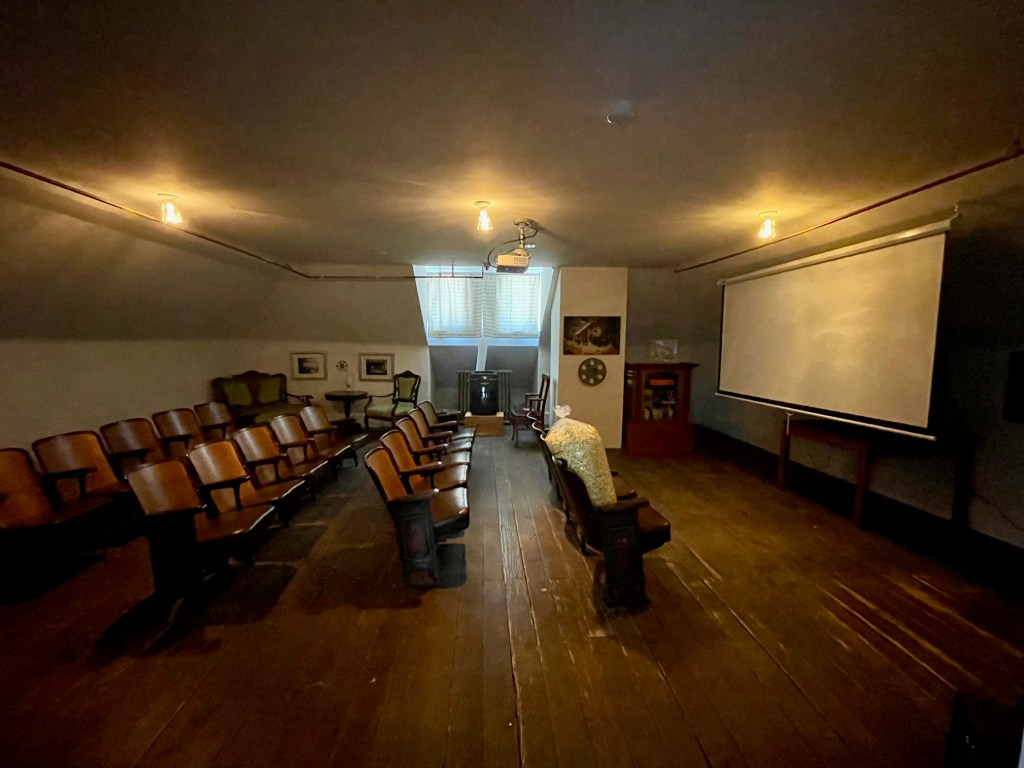
All the experts say the best way to improve your writing is to write every day. In my naivete, I initially thought that meant working on my novel every day. Yet somehow, without any intentions one way or the other, my writing took an organic journey down all sorts of wordsmithing avenues. I do so much writing that Grammarly tells me every week I’m more productive than 99% of its users. Sure, that’s a ploy to get me to upgrade, but still! 99%??
So, I thought about that. Obviously, it’s tracking my keystrokes and correcting my grammar, which includes everything I’m doing on my two keyboards. This month that meant: 1) writing a 2000-word short story for a contest; 2) completing a 20,000-word short story for an anthology submission; 3) starting a new novel and reaching 25,000 words (a solid 10 chapters) that I am quite thrilled with because its the best start to a novel I’ve ever had; 4) writing four Q&A interviews, two that posted in November and two for December since I wanted to get a head start before another busy month; 5) assembling and publishing my newsletter; and 6) assembling, breaking down, and reassembling my third novel in my series… otherwise known as the neverending story. Number 7 is email correspondence, and chatting on various platforms with my writing buddies. Hmmm.I don’t know Grammarly, that sounds like the same schedule all my writing buddies engage in. Who are you tracking, anyway? Oh, and number 8 is writing this blog, which Grammarly isn’t tracking because it won’t work in WordPress for some reason.
It’s not exactly Ray Bradbury’s formula for honing writing skills. But maybe it’s touching the outer limits (okay, so he wrote other sci-fi short stories for TV, but I had to use this pun). Here’s Mr. Bradbury’s advice.
The problem with novels is that you can spend a whole year writing one and it might not turn out well because you haven’t learned to write yet. But the best hygiene for beginning writers or intermediate writers is to write a hell of a lot of short stories. If you can write one short story a week — it doesn’t matter what the quality is to start — but at least you’re practicing and at the end of the year you have 52 short stories and I defy you to write 52 bad ones. It can’t be done.
I’ll give you a programme to follow every night. Very simple programme. For the next thousand nights, before you go to bed every night, read one short story. That will take you ten minutes, fifteen minutes…for the next 1,000 nights.
Ray Bradbury
All I know is that I took every one of the five days allotted to me to write my 2000-word story for the contest this month, but I like the idea of getting 52 out in a year so that you have a few good nuggets to proffer to the world, if we can take Mr. Bradbury at his word.
What do you think about about this goal?
On the other side of that coin is reading. The closest I’ve come to reading lots of short stories is participating in short story contests. With Writing Battle contests, you not only write a story but act as a peer judge for ten other stories. While you wait for the final judging you can share your story and read others in an open forum for more feedback exchanges. That can add up to a lot of short stories!
These contests I admit have been a fantastic learning processes. I like the principle of committing to writing a story every week and reading a story every night. But in practice… Hmmm.
Let me know your favorite techniques for staying productive with daily writing.
For more on famous authors and their daily writing routines, here is a great article from Medium.com, which is where the quote from Mr. Bradbury was borrowed.