UK fantasy writers, Lydia Baker and Lucy McLaren decided to get together and give indie authors a platform for conversation. Check out their channel to help them share. You will meet amazing authors as they chat with the hosts, and you can enjoy author readings.
Read on to meet the hosts and learn about Introverted Indies’ purpose and goals.
The Hosts
My name’s Lucy and I write fantasy stories that focus on the light of human connection in dark, oppressive societies.
For as long as I can remember, I’ve been drawn to the magic of storytelling, whether via books, video games, TV shows, or films.
Fantasy has always been my genre of choice (though I do love a good horror, psychological thriller, or murder mystery). There is something inherently captivating about journeying into another world with a character—though I find myself most drawn to fantasy stories, characters, and worlds that aren’t so different from our own.
I am currently working on a fantasy trilogy called The Commune’s Curse. The first and second books in this series, Awakening, and The Mad Man’s Hope are available now. In addition to this, my gothic fantasy book, EtherStone (working title), will be releasing in 2025 from Owl Talyn Press. I also enjoy writing short stories as they provide the opportunity to dip into new characters and settings without the commitment of a full-length novel.
Hi, I’m Lydia and I live in the UK with my husband and four children. I’m the author of romantasy novel, The Return of the Queen, and scifi-dystopian novel, AVA. I’m currently working on a crime novel. When I’m not writing, I enjoy crocheting, gaming, and being outdoors in the woods.
Let’s Get Started
It has been amazing watching this platform take off since you launched the signup form last September. What brought you two together in this Introverted Indies endeavor? Tell us about the name.
Lydia – Lucy and I first met through our joint experience with small press publishers just over a year ago, and our friendship has blossomed from there. We had been talking for a while, sharing the highs and lows of writing and helping each other out with our WIPs, when I broached the idea of making our own platform to support indie authors.
As I am sure Lucy will tell you, we have both had our fair share of difficulties with getting our books into the world, and we wanted to be able to help other indie authors in the same position as ourselves. It also helps us as authors to get our name known in the authoring world!
As for the name, that was Lucy’s wonderful idea! I’ll let her explain more about that one.
Lucy – Thanks, Lydia! Well, the name Introverted Indies came from the fact that we are both introverts and so many of the other authors I know would label themselves the same. And of course, we’re aiming to support fellow indie authors (self or small press published) like ourselves.
Just to add to what Lydia said as well, our friendship has been really lovely and invaluable in terms of being able to connect with a fellow writer who understands the emotional rollercoaster of writing and querying/publishing a book. So another part of us forming Introverted Indies was about wanting to connect with other authors too, to build a community of sorts.
Have you had a chance to pause and think about what Introverted Indies has achieved so far? The above image lists your goals. Can you tell us more about those?
Lucy – We were actually very surprised with how many authors signed up to be interviewed by us when we first opened up. But it was also very exciting to have so much interest!
Lydia – The other day I was thinking about how many amazing authors Lucy and I have had the opportunity to chat with since we started Introverted Indies in September last year and it’s around 30! Personally, I find chatting with new people makes me feel a little anxious, so for me, it has pushed me out of my comfort zone and made me feel more confident, something that is great for all walks of life.
Lucy – Yes, I agree. I always get a little nervous before the interview recordings, but everyone has been so lovely and it really is fascinating learning about everyone’s creative processes and stories. My TBR pile has grown significantly since we started our chats, and it was already far too long!
Lydia – As far as what II has achieved, I really hope that we have managed to bring readers and authors together and that book sales have been made. But also, I hope that we are adding in a positive way to the indie author community and I am praying that we keep growing and reach more and more people so that indie authors can get their books seen. Our aim has always been to help indie authors and it will continue to be that.
Lucy – Yeah, absolutely. We want to have a positive impact, to help authors find their readers, as we know how tough that can be from personal experience. We have lots of ideas on how to grow Introverted Indies. This is really just the beginning!
Darci – Well it truly is astonishing and it’s great to see you’re meeting your objectives with flying colors and benefiting from widening out in the community.
Do you have any special Introverted Indie events planned for this year?
Lydia – We have just launched our sign-up for Author Discussion Panels and we have had a good amount of interest so far. Our video interview and written interview sign up will be opening soon as well. But Lucy and I are hoping to meet in person again this year to discuss other ways we can give authors a platform and events we can do. However, we both work and have families, as well as our own WIPs, so it’s making sure we have a good balance as it’s so easy to burnout.
Lucy – Yup, what Lydia said. We’re really excited to chat to authors on the panels about various topics, from authoring and parenting, to author mental health. We’ve had lots of interest so far, so those promise to be great. And we know a few people are waiting for the interview waiting list to reopen. We want to do as much as we can to help authors, but of course, like Lydia mentioned, we’re also juggling our own lives. Finding a balance is very important, but I think everyone we’ve interacted with so far understands that.
Darci – I look forward to seeing all the exciting things roll out.
Can you share a few of your favorite Author Top Tips? Do you have other highlights/insights from your interviews that you’d like to share here?
Lucy – Ahh, I’ve heard so many good tips and pieces of advice so far. I’m writing this after a full day of toddler parenting so I’ll let Lydia say hers while I try to pick my brain…
Lydia – I’ve found it so reassuring to know that all of the authors I’ve spoken to are in the same boat when it comes to marketing, imposter syndrome, publishing, drafting, etc. It’s been great to chat about those experiences. What I’ve found useful is some of the technology authors use to draft. One author uses Scrivener which I didn’t know anything about and actually it sounds like it would be really useful to how I like to draft a novel.
The biggest highlight for me is just how lovely everyone I’ve spoken to has been. Every single author has been kind, chatty, and fun to speak with.
Lucy – Yes! Agreed. Having all of those same struggles as authors shows why it’s so important to have an author community. We’re all in this together and can get through it together.
Lydia – The one thing every author keeps saying is to keep writing and keep investing in the author community and I think those two things are very important.
Lucy – Yeah, a lot of the authors I’ve spoken to have said the same thing. Just write, draft your idea, even if it’s complete garbage at first–write it. And having supportive author friends around you can really help to get you through that first draft (and beyond) too.
Darci – Great stuff! Thank you!
I’ve included your bios at the outset but tell us a little more about yourselves and your writing journeys.
Lucy – I always wanted to write and did dabble in it when I was a teenager, though self-doubt/anxiety/general teenage life soon stopped me from trying. I didn’t properly start writing again until I was in my late twenties and training to be a counsellor. I had a lightbulb moment that was like–wait, this is something I’ve always wanted to do… why aren’t I doing it? And so I set myself the goal of writing a book, and I did it! Ahh, to be a student again with so much free time. Anyway, that book turned out to be Awakening (my debut and the first in my dark fantasy series, The Commune’s Curse) which was signed with a small press in 2020 and released in 2022.
I’ve since taken the rights back to my series and self-published the second book, The Mad Man’s Hope, at the end of 2024–which was exciting and scary. I also have a gothic fantasy book coming out sometime in 2025 from Owl Talyn Press. Alongside that, I’m working on the third book in The Commune’s Curse series and two other WIPs.
As for my ‘real job,’ I’m a counsellor, which is where my passion for mental health comes from. I find it incredibly important to explore this in the stories I tell, and will always seek to delve into some darker themes and experiences as part of this.
When I’m not writing or counselling, I’m raising my toddler alongside my husband–which is a challenge of its own.
Lydia – So, I’ve always loved books and writing since I was small, but I penned my first fantasy novel when I was fifteen/sixteen (it was awful!) and forced it upon my English teacher back in the days when we used floppy disks. She was so encouraging that I kept writing.
I decided to venture into self-publishing when my daughter (and 4th child!) was around 6 months old. Probably not the best decision I’ve ever made, and self-publishing felt like a very different thing back in 2017. I know that sometimes people still look down on indie authors now, but when I published it was much more looked down on. I had some success but nothing major.
In 2022 I signed with a small press publisher, however, I made the decision to have the rights to my book returned to me this year so I could have control over my books and release other books in the series. While being with a publisher was an interesting and valuable experience, I felt that overall I could champion my books as well as they did, if not better.
Darci – Ooh, I appreciate that insight about your foray into small press publishing Lydia. We all struggle with the pros and cons. It is so encouraging to get a glimpse into your journeys with your super busy lives.
Tell us about your books, works in progress, and where we can find them.
Lucy – So currently available are Awakening (The Commune’s Curse: Book 1) and The Mad Man’s Hope (The Commune’s Curse: Book 2). The series is a multi-POV, character focused dark fantasy story about a kingdom ruled by an authoritarian government hunting down children born with powers. The blurb for Awakening is:
A desperate young woman, traumatised by her past, seeks to protect two children. A teenage boy comes to terms with the incredible and deadly powers revealed by his young sister. A commander doggedly hunts them down, bound by the orders of the man he loves.
I won’t share the blurb for The Mad Man’s Hope because… spoilers. If you want a character-focused, dark fantasy series with animal companions, chosen one with a twist, found family, mental health rep, and a realistic toxic relationship, do check them out!
As mentioned in my bio and above, I also have a gothic fantasy book (working title EtherStone) coming out in 2025. This book poses the question: What if Jack the Ripper had been controlled by a god? It’s very much inspired by that period of history, too, with a Victorian London kind of vibe. We follow noblewoman Beth and her Lady’s Companion El as they set out to unmask the ruthless killer stalking their city–and soon come to realise that the danger is far closer than they thought. This one’s very different from my other series (which has more of a medieval fantasy vibe), and I’m really excited for it to be out in the world!
Lydia – Currently, I have a romantasy, The Return of the Queen, and a sci-fi-dystopian novel, AVA, out in the world.
The Return of the Queen is a low-spice story of a woman who collapses and wakes up in another world with no memory of who she is. It turns out she is far more important than she ever realised and then there is the man haunting her dreams…
I’m terrible at tropes, but I’d say it includes ones such as a forgotten lover, he had to give her up to save her–royal family, evil rulers.
AVA is different altogether. I wanted to explore the idea of an oppressed society, and that the grass isn’t always greener on the other side. Ava is trapped under a Barrier that appeared at the same time as strange shapes in the sky when she was a child. The Barrier separates her and the city she lives in from the rest of the world. Oppressed and controlled by MTech, she is desperate to get out and see what has survived outside the Barrier. AVA is book 1 in the series.
Both novels are on Amazon and Kindle Unlimited.
Currently, I have a speculative fiction novel that I am trying to find a home for, and I have just sent out my crime novel, Earth and Bones, to my BETA readers so I’m awaiting feedback on that, which I am very excited about.
Lucy – And as one of those beta readers, let me tell you… Earth and Bones is brilliant.
Darci – Wow! Awesome works, and some great stories coming out soon for both of you! Thanks for sharing!
You’re both busy moms with busy lives. What are your best practices to stay creative, productive, and focused on your writing goals?
Lydia – With four kiddies and working four days a week, I have one day a week kid-free to work on writing. I try to keep that day sacred and not book anything in. That doesn’t always happen as I have to socialise sometimes! But most of the time I keep that day for writing. I also make a lot of notes. I use apps on my phone because it is usually nearby and make notes throughout the day about any book ideas, scenes, bits of dialogue I may have. Let’s put it this way, I have a lot of notes!
Lucy – I’m honestly in awe of Lydia and her ability to juggle her writing with her job and having four children. I struggle with one child!! She has been a powerhouse this past year in terms of writing output. My son is at nursery a couple of days a week, so I tend to try and write between counselling clients on those days. I am in the process of trying to re-establish my flow, having been editing for the last chunk of 2024 and early this year. I’ve turned to making hand-written notes for the WIP I’ll be working on next so that I can clear my head a bit and get back into the story, which I set aside quite a while ago at this point.
Generally, I try not to be too hard on myself if I don’t reach a certain word goal or whatever. I’ve found that actually tends to be counterproductive and adds on pressure, which has historically led to block for me. Now I just try to be far more laid back about it, though of course that doesn’t stop the guilt setting in when I feel like I haven’t been productive enough…
Darci – I’m in awe of both of you. I so appreciate your insights on staying organized.
Can you share your top takeaways from your experiences as indie authors, i.e., techniques, tools, and resources?
Lydia – I’ve found being part of the indie author community invaluable. For the most part, it is such a supportive and encouraging place. Other authors want to cheer you on, whether you’ve sold 3 books or 300, they are behind you rooting for you! It’s lovely.
But on the same note, don’t compare yourself to other authors. Everyone is different and on their own journey. Whether you write one book a year or ten, both are okay.
Lucy – Totally agree. That author community is amazing. We met on the FSF Writers Alliance Discord server, which is a free community for fantasy and sci-fi authors to join and is full of wonderful people. Highly recommend joining that if you want to meet other authors, share your work, or take part in story contests. We’re also starting a writer mentorship program this year which is worth checking out! And as much as I have a love/hate relationship with social media, it has been great for connecting with fellow writers. The writing community is generally lovely, I’ve found.
Lydia – I also invested in Grammarly last year and as much as I’d love to use a human editor, I simply can’t afford it, especially when I have multiple books I’d like to get out into the world. Also, Canva for covers; again I wish I could afford to pay one of the talented artists out there, but I can’t so stock images it is! I never use AI though.
I know Lucy has a few useful bits of software that really help when self-publishing too.
Lucy – Yes! I second using Canva, which is affordable and great for creating graphics as well as book covers (if you, like us, are on a budget and can’t afford to pay for a cover–and are staunchly against AI). In terms of other software, I also have Vellum which wasn’t cheap but meant I could format my book ready for self-publishing–and saved a whole load of pain trying to figure out how to do that on Word. Generally, I write my books using Word, which is probably a bit boring of me but it’s worked so far.
Darci – So many ways to share support and find resources. Thanks for sharing! The mentor program sounds fabulous. I adore Canva and I have to say, I also finally splurged on Grammarly Pro. I do all my own editing and it’s a time saver. I just need to learn to reject the suggestions when they obliterate my voice since it’s geared more toward business writers than fiction. But I am so bad with commas. I can’t afford not to use it. Watch for the sales. It was nearly half off over here for Black Friday.
What are your top three favorite books, or in the alternative, favorite authors?
Lucy – My favourite book of all time (which I count as one despite it being a trilogy) is His Dark Materialsby Philip Pullman. It’s just amazing. And then my favourite authors alongside that are Robin Hobb, Joe Abercrombie, Samantha Shannon… The list could go on, so I’ll stop there.
And I will add, I know those are all big-name authors. I am working on reading more indie authors–and running Introverted Indies means I’ll certainly be able to rectify that in the future! Some indie authors whose works you should definitely check out (off the top of my head–there are so many but my brain is depleted right now) are Trudie Skies and Linda Ling.
Lydia – I absolutely love Mitch Albom, his books are so moving, especially The Stranger In the Lifeboat. I’ve recently discovered Kevin Hearne’s Ink and Sigil which was a hilarious mix of wizards, detectives, and magical creatures. The Ruth Galloway series by Elly Griffiths is great, too, easy-to-read crime novels about a detective and an archeologist. Can I add a 4th author? My co-host Lucy’s books are awesome too, and I am so excited about her up-and-coming Jack the Ripper-inspired novel, EtherStone!
Lucy – Right back at you, Lydia–for anyone reading, check out the lovely Lydia’s books if you want compelling, interesting characters and complex worldbuilding.
Darci – A fantastic list, you two. Thanks for sharing. I added a couple to my TBR. I’ve wanted to get the Ink and Sigil series just for its awesome covers, and Ruth Galloway captured my attention. I love that you’re not only friends but fans of each other’s work!
Thank you so much, Lucy and Lydia, for visiting my Guest Spotlight! What parting advice do you have for those who want to pursue writing?
Lydia – Keep writing—there will be ups and downs as with anything, but don’t let it stop you. Writing can be lonely, so make some author friends, join writer’s groups, and come chat with us at Introverted Indies—anything where you are with like-minded people. That support is invaluable. One last thing, draft without editing—just write. Get it down and leave yourself notes if you get stuck and then move on to the next scene. Once you’ve got the bones down, you can go back and add the meat!
Lucy – You took the words right out of my mouth (keyboard?), Lydia. No first draft is going to be perfect. I’m personally a pantser, so I jump into writing without planning. Even if you like to plan, I highly recommend giving it a try—have your idea, open a new document, and start writing. See what comes out. You don’t need to have all the answers immediately, you can come back and fill in any holes later. Just get it out of your head and onto paper.
Lucy was my Spotlight Guest in 2023, and I enjoyed an interview with Lucy on the Introverted Indies channel earlier this month. A written chat will be coming soon.
Today, we get to chat with an author who is launching her debut novel this month… like this week… like Wednesday to be exact! Awesome. But that’s not all. The book is being adapted into a feature film. So, sit back with a cup of tea, mulled cider, or whatever November beverage is your favorite, and enjoy.
Let’s Meet the Author
Nikki Brooke, a science fiction author and scriptwriter from Australia, champions bisexual representation in books and films. A proud bisexual herself, Nikki challenges stereotypes, drawing from her own journey of self-discovery. Refusing to be confined by societal expectations, Nikki embraces the complexity of her identity, breaking down misconceptions and defying conventional beliefs about bisexuality with each stroke of her pen.
Her writing talent has earned accolades, including finalist in the 7th Annual Launch Pad Prose Competition and semi-finalist in the ScreenCraft Cinematic Book Competition. Several of her short stories have found homes in anthologies from various publishers.
Nikki’s debut dystopian novel, “Plagued Lands,” is due for release November 2024 and a film adaption is in the works with Crow Knight Films. This dystopian masterpiece promises to captivate audiences with its stark portrayal of a future built on deception and greed. Through her work, Nikki endeavors to pave the way for a more inclusive and diverse literary and film landscape.
With her boundless creativity and unwavering commitment to authenticity, Nikki Brooke stands as a trailblazer in the world of storytelling, leaving an indelible mark on the hearts and minds of audiences everywhere.
Let’s Get Started
Thank you so much for joining me during your super busy month, Nikki! I’ve been looking forward to our chat.
First things first. I have to share this amazing cover for Plagued Lands.
Just stunning!
After following your debut rollout, I would have to say that your launch is the best planned, thorough, and most fun I’ve followed for any author. You’ve done a brilliant job engaging on Instagram. The story initially captured my attention.
Then came the announcement of the film adaptation and enticing invitation to follow the project through your beautiful website. And lastly, I was super impressed when the gorgeous cover and poster art appeared. You even have a nice swag package with character art to go with the purchase of your book. (There are still a couple days left to get in a preorder! I got my copy!!) And now you have a launch party in three days!
How does it feel to be on the cusp after this incredible journey?
NB. Wow! What an introduction! Thank you so much for your kind words. As you alluded to, a lot of work has gone into this launch. It’s my debut novel and a dream I’ve had since I was 8yo, so I wanted it to be a big deal. I feel a bit like I’m on the edge of a cliff, but whether there is water or rocks at the bottom is yet to be determined. It’s exhilarating and scary at the same time. But mostly, I’m really proud of what I’ve accomplished so far. It’s taken a lot of courage and I’ve had to overcome depression, anxiety and a lot of negative beliefs to be here today.
DLL. That is incredible! To fulfill a dream you’ve had since you were eight… I can only imagine the highs and lows, especially when struggling with the challenges of depression. I’ll go a little Aussie and say… Good on ya!
I couldn’t help tapping into my Aussie vibe with a bit of imagery. 😉 Can you share how you got started as a writer and who or what were your biggest inspirations?
NB. I wrote my first book at 8, it was a fantasy story about 5 pages long and illustrated which I bound myself. I still have it, haha. And since then, I’ve wanted to tell stories. However, I wouldn’t admit it then because I was such a slow reader and I was embarrassed. I read Bridge to Terabithia by Katherine Paterson which was the first story that made me cry (it still makes me cry) and from then on, I was a bookworm.
I got a diploma in Professional Writing in Editing after High School and thought I was on my way. But then crippling depression and anxiety stopped me from pursuing my dreams. It was only a few years ago after meeting a life coach that I started to believe in myself and my writing skills.
As a teen John Marsden, Sheryl Jordan, and R.L. Stine were my inspirations. Today lots of indie authors inspire me, like Alice Hanov, Nikky Lee, and Ash Oldfield, as well as traditionally published authors, Amie Kaufman, Jay Kristoff, and C.S. Pacat.
DLL. Thank you so much for sharing your journey. So inspiring. And thanks for the great additions to my TBR. I have not read any of these authors but Jay Kristoff. I still need to finish the very long Empire of the Vampire…
When did making the film come into play and how did that project roll into the novel debut? I find it fascinating how the two projects seem to be simultaneous, and it’s not often an author has such an exciting prospect for their very first novel, at least in my frame of reference. It also seems so monumental. I would love to hear the story.
NB. I was approached by a producer after my other novel (unpublished) was listed as a finalist in two different cinematic book competitions. He liked the concept of Plagued Lands better for a lower budget film so we decided to adapt it instead of the other book.
Of course, that meant it was best for me to hurry up and get the Plagued Lands book out, so I decided to self-publish. I founded Crow Knight Film & Publishing Realm to produce both the book and film.
Because it’s an independent film, I get a lot of creative input and it’s been wonderful going through the process of writing my very first feature film script! It’s been a whirlwind of ups and downs doing both the film and book together, and I haven’t had a lot of sleep this year, haha.
DLL. Wow! When would you have time to sleep? And who needs it when there are so many creative to-dos on your list. It’s awesome watching you check them off, which highlights again how momentous Wednesday will be.
What advice do you have for indie authors with the same aspirations?
NB. Because self-doubt was my biggest barrier, I will always encourage authors to believe in themselves and to believe their big dreams are achievable. Be brave and share your stories. And secondly, always continue to hone your craft. Read new releases in your genre so you know current readers’ expectations, but also read books in other genres and periods to find things you might want to experiment with. Take courses, go to conferences, get feedback on your writing, etc etc.
How did you find and build your connections/collaborations for the book and film? Can you tell us about Crow Knight Films? Has filming started and where will it be shot? Any other juicy details? 🙂
NB. The juicy news is that I dumped the original producer who approached me… let’s say due to ‘creative differences’ which I cannot elaborate on. I had already founded Crow Knight Films to produce alongside him, but now I am in talks with other producers and investors. So the project is still pushing forward. Although I don’t regret firing the producer, it has been a setback, so filming will still be a while off, unfortunately.
DLL. A great example of taking the bumpy risks that keep you in the driver’s seat and ending the ride where you need to be. I love it! I look forward to following you to the finish line.
I would love to hear about the artists who designed your covers, character art, and promotional materials. Can you share any tips or advice on seeking art collaborations?
NB. Oooh, I love my cover! It was designed by Alan and Ian at The Book Designers. They were fabulous to work with. They asked a lot of questions and got me to provide examples of covers I liked.
They provided several draft designs. I chose two and they worked on them further to whittle it down to one. This one became my favourite, and I asked for a few more changes to get it popping like it does now.
I found these designers by looking at other books with covers I love. The Book Designers also did The Head, the Heart, and the Heir by Alice Hanov which I adore! So it was a no-brainer to go with them. I suggest researching artists of covers you like and finding someone who can produce something similar within your budget.
For my character art, I found a digital artist on Fiverr. I liked the style of the work she displayed and she can draw from scratch without using AI. I started with a trial character but ended up commissioning her to do 9 different designs. I was really happy with the results.
And some of the designs in my promotional material I created myself using Canva. I also like to draw, so I’m hoping I can produce something good enough to give to people at a later stage.
DLL. I really like the color and lighting the artist uses for your characters. Thank you for these great tips.And I saw that The Book Designers features Plagued Lands on their home page. Awesome!
PersephoneNathanSebastianWillMother Jessica
Can you talk about the technical process for your debut? Now that you can look back, what are your best tips and what might you do differently or avoid next time?
NB. I learned a lot from my editor for this book. There’s not a lot I’d necessarily do differently, but thanks to her I’m more aware of the importance of high stakes than I was before writing Plagued Lands. I was a little too kind on my characters in the first draft. And each problem Martina faced was solved before she moved onto the next problem. Everything tied up nicely, but it meant it lacked tension and didn’t hold the readers’ attention. So there were some big rewrites, and I don’t think my future stories will require as much now I’ve learned that.
DLL. This is so great to share with new writers. It’s a common learning curve. Thank you!
Can you highlight the writing/publishing tools/resources you can’t live without, and how you discovered them?
NB.Scrivener!! I love it so much. I generally consider myself a fairly organised person, but I never felt it while using Word to draft with. Now I have Scrivener, it’s easy to find all my notes, research, and details. It’s easier to plot my novel due to the text and folder structure, plus the corkboard and outline views – oh and being able to label/categorise scenes. I also find it’s amazing for setting targets. And the cost is reasonable. There is a steep learning curve when you first start using it, but it’s worth it. In case you’re wondering, no I don’t work for Scrivener, haha, I’m just a big fan. I found out about it through another author mentioning it online, I think it was Victoria Aveyard.
Another one I can’t live without is The Emotion Thesaurus by Angela Ackerman & Becca Puglisi. It’s easy to get repetitive when describing emotions, and this book helps to mix it up a bit. It gives you a list of emotions, their physical signals, internal sensations, mental responses, and more.
DLL. Ooh. I’m getting that book! Thanks! I know how awesome Scrivner is supposed to be, but I’m so comfortable in MS Word. Still, Word is not the best for storyboarding or managing multiple parts of a project. I seem to live and breathe in my draft manuscripts, discovering the story as I write them, and I haven’t found that freedom in Scrivener, as ironic as that is since these platforms are meant to provide creative freedom. It’s clear you’ve discovered that. I keep wanting to try it again on the next project, especially when someone raves about how cool it is.
NB: I would say it’s probably not as useful for people who are pantsers or can keep all the details in their heads. I like to plot and have a terrible memory for details, which is why it works so well for me. If you feel comfortable in Word, then keep at it.
DLL. Lookie! I got my copy already…
This is awesome!
And I am a true pantser no matter how many other methods I experiment with. Flying by the seat of my pants is my creative zone.
Now, let’s talk about Plagued Lands. Elements of the plot remind me of a favorite classic movie, Logan’s Run. I do love a good dystopian tale! How would you describe Plagued Lands if someone stopped you on the street and wanted to know about your book?
NB. I absolutely love Logan’s Run!! What a classic! I’ve probably been subconsciously inspired by it. The Plagued Lands story and concept is completely different, but it does have a similar vibe in the sense that the people in charge are lying to the citizens and the main character has to figure out the truth.
I often compare it to The Hunger Games, because that’s the most famous comparable dystopian right now and it definitely influenced the writing style of Plagued Lands. And it’s a good benchmark because most people have heard of it, although it also has comparisons to Want by Cindy Pon and Legend by Marie Lu. But Plagued Lands does have a unique setting plus a bisexual main character.
Plagued Lands is a young adult dystopian. In the future, cities surrounded by glass bubbles promise safety from deadly diseases. But a resilient teen uncovers a dark secret kept from the people. Now she risks her health to expose the truth and save her little brother.
DLL. I’m always showing my age with my movie references. LOL. Though I love the Hunger Games Movies, too! I can’t wait to read Martina’s story.
NB. Seriously, I need to reiterate that I LOVE Logan’s Run!! It was one of my Dad’s favourite films and I remember watching it with him when I was little. It was true daddy-daughter bonding. That film, coupled with the original Star Wars, were the films that got me into Science Fiction.
DLL. I’m so happy to glean that precious nugget about you and growing up, Nikki!
(Had to share this image from the Amazon Prime Video thumbnail. It links to the movie)
What characters or character traits were the most compelling to write and why?
NB. Martina is just a touch gruff and I love that about her. She’s flawed and imperfect, which makes her more relatable.
She has a lot of self-doubt and I think that’s a reflection of how I felt when I was writing Plagued Lands because I was overcoming my own self-doubt. We both grew stronger and braver together. To clarify, she’s still her own character, she’s not a reflection of me, she just shares some traits.
DLL. Super compelling! All my characters channel some part of me, so I totally dig it when traits we relate to as authors spill into our characters, which in turn makes them relatable to readers.
That’s why I encourage people to try their hand at fiction, to experience life through a character’s surprising perspectives and watch in astonishment when they take flight on their own as a unique individual.
What inspired the setting and what elements were the most fun to get lost in?
NB. It’s set in a futuristic Texas. There are hints as to which city in the book, but a big hint is that I used to live in Austin. The bubble cities were inspired by a Sunday morning drive. Weird, I know. But I had to be up early on a Sunday, and the streets were empty, except for one guy who leisurely strolled across the road. It seemed out of place when the streets were so empty and it made me wonder in what other situation would it be strange to see someone outside. That’s when I came up with the concept of people living in semi-sterile bubble cities who don’t venture outside unless they’re wearing hazmat suits.
Many people have thought Plagued Lands was inspired by Covid, but in truth, this Sunday morning inspiration hit me several years before Covid was ever heard of. But I started writing it in 2020 because the pandemic felt like a sign this story should be written.
The most fun part is Martina experiencing things she never has before. I don’t want to give too much away but one thing that was fun was figuring out how to describe a lizard if you’ve never seen one before. And she has a few other innocent encounters with animals too. And the decontamination process for re-entering the city is fascinating. I love what I came up with.
DLL. The Texas choice is such a great story! And aren’t those quirky plot details the most joy during the writing process… all that amazing research put into action?
This is the start of the series. Can you share a glimpse into future installments? Will they also come to the screen?
NB. Yep, I’ve planned for Plagued Lands to be a trilogy. I’m writing book two now and have most of book three plotted out too. I certainly know how it all ends. Hopefully, we can make all three into films, however, it will depend on the success of the first film.
And some juicy gossip—which I haven’t officially announced yet, so you’re getting a scoop—is that I am also writing a prequel novella. It will have Martina’s backstory. I’m hoping to release it early next year.
DLL. Ooh. This is so exciting! Thank you for sharing your prequel on our Spotlight!
I love hearing about a writer’s daily life and how and where writing and creativity fit in. Can you share how you balance life with writing and the business of being an author?
NB. I’m not sure there is much balance, haha. Writing has to fit around my day job. Many people are surprised to hear I’m also a finance business partner (a type of accountant/analyst), so I’m both creative and analytical, which is rare. Although writing is my bigger passion, I still love my finance job, and it’s even better because I work for a wonderful charity. But it does mean my time is stretched between the two.
I find writing sprints work really well for drafting. In a twenty-minute sprint, I can write 300 to 500 words and I can usually find a few times a week to do that. This year it’s been harder because I’ve been more focussed on the business side of writing and publishing, which includes marketing and administration tasks. I don’t love that side of being an author, but it’s necessary for people to be able to find my book. That’s the goal and I love it when I hear Plagued Lands is now someone’s new favourite book (which one advanced reader told me, eeee!). But I’m sure now that I’ve published one book (or almost published) it will be easier going forward and I can focus more on writing again. Yay! I can’t wait to get stuck into the next Plagued Lands installment.
DLL. Awesome on the writing sprints! Those really add up. I’m wondering if being analytical is a beneficial trait to have when it comes to writing sci-fi. Hmmm.
Do you have a favorite work setting, a place you escape to that inspires your creativity?
NB. I have a desk at home, but I also use it for my finance job, so it gets a bit boring and can block creativity. Therefore, I love to go to cafes to write. Of course, I think I look like one of those mysterious authors in a dark corner of a cafe, but everyone does it these days, so it’s not so mysterious anymore, haha.
I like the happy vibes in cafes. It’s always best if it’s one with acoustics where you can’t really hear what people are saying too much, or else it interrupts my concentration. Although, I have heard listening in on people’s conversations can be a great way to learn writing dialogue and I have been guilty of that occasionally.
I also love traveling and feel inspired when I take a trip. I often take my computer with me, or at least a portable keyboard that allows me to write on my phone. I’m heading to Sri Lanka in a few weeks, so I’m sure to get a burst of inspiration there.
DLL. Fabulous! I can see how utilizing the day job location for writing might stifle creativity. This is why I enjoy asking about creative spaces–learning about so many fantastic ideas and processes. I love the coffee shop idea, and your super tip on listening into conversations for dialog ideas. And yes, there is so much to getting out in the “wild” for inspiration. Traveling is the bomb. That’s how you and I struck up our conversation. We’ve traveled (or in your case lived) in each other’s countries. I’ll say officially how much I love Australia… in case no one has picked up on that yet. 😉
I reached back into my 2018 photos and grabbed my favorite Melbourne shots. I stayed at a mini farm in a suburb called Hurstbridge, Nullimbuk Shire. We explored art at beautiful Montsalvat in Eltham and took a train into the city, naturally. I adored tea at the Hopetoun Tea Room and exploring the Bourke Street Mall.
What other travel experiences have inspired you?
NB. Yes!! That is how we connected which is so cool! It’s so nice to hear you enjoyed Australia. Obviously, Texas inspired me, hence setting my book there. I have taken a lot of inspiration from travelling through Egypt and Greece with all the rich history and mythology. But I think everywhere I’ve been has inspired me a little and even places I haven’t been to but want to go. One of my other books, The Huxian Fox, which I hope to release next year (not part of the Plagued Lands trilogy) has mythology from China and Greece throughout it, and I haven’t been to China yet. It’s a space opera where the characters visit lots of planets, and the descriptions of many of those places were inspired by real places I’ve visited, like the Wadi Rum desert, English pubs, Greek temples, Angkor Wat temples and even Melbourne when I grew up.
DLL. Fantastic! Is this another reveal? It sounds amazing and I can’t wait for more.
Can you share your favorite productivity techniques, tools, or resources?
NB. Like I said earlier, my biggest barrier is my mental health, so when it’s bad, I love to put on a guided meditation that boosts my energy (you’ll feel energised instead of relaxed by this meditation). It’s called, 6 Minutes of Courage, Confidence, and Positive Energy by Kenneth Soares and you can listen on Insight Timer which is free. It’s a great way to start the day or a writing sprint.
And writing sprints is the next one. Setting your timer for 20 minutes and you’re not allowed to do anything but write for that period. No looking at your phone. Anything that needs researching needs to wait until after (I make a note to come back to it in those instances). No using the thesaurus (again, make a note and move on). Just write. What I write might not be great sometimes, but it’s better than nothing, and it helps me to think up more ideas.
I also found that I work well with setting goals. It’s probably my analytical brain kicking in. Some people can write 10,000 words in a day. I know I’m not one of them. So I set goals more like 10,000 words in the month, or 40,000 in the month, depending on what else I have going on in that month. I did the 50k in a month for Nano one year, and it was hard. I don’t think I’ll stretch myself that much again, but I was glad I did it. Other potential goals are creating 4 social media posts and scheduling them, or something like that.
DLL. So many encouraging ideas! Thank you! And I’ll add my plug here on the benefits of meditation.
I’m trying for 50,000 words this National Novel Writing Month, but I’m running into so many obstacles with another really full schedule. Still, it’s early. I’ve got 7,000 words down and should pat myself on the back, eh?
NB. Well done on your 7k and best wishes for the rest of the month. It is tough but also feels amazing when you smash out 50,000 words!
This has been so much fun, Nikki! Thanks again for visiting my blog. Any last advice you would like to share?
NB. Thank you so much for having me!! It’s been a real pleasure and you’re an amazing interviewer! My last advice is to reiterate that writers need to believe in themselves and their dreams. You can do it!
DLL. Awe, thanks, Nikki! I can’t wait to check in with you a year from now and discover the latest on Plagued Lands.
My guest this month is a sci-fi author and poet. He’s also a regular blogger, and you can follow his works and musings at Lines by Leon right here on WordPress. Leon is a member of my Fantasy Sci-Fi Writers Alliance and his thought-provoking stories and cartoon illustrations captured my imagination, so I invited him for a chat. Read on and be inspired.
Let’s Meet the Author
Leon Stevens is a multi-genre author, composer, guitarist, and artist, with a Bachelor of Music and Education. He published his first book of poetry in 2020, followed by a book of original classical guitar compositions and a short story collection of science fiction/post-apocalyptic tales. His newest publications are the sci-fi trilogy, The View from Here, and a new collection of poetry titled, A Wonder of Words.
Let’s Get Started
I’ve been looking forward to our chat, Leon! You’re my first space exploration type of sci-fi writer guest and I’m eager to delve into that genre with you and learn what inspires you most about writing sci-fi as well as poetry and music. I’ve been enjoying your collection of short stories in The Knot at the End of the Rope available on Amazon. Of course, The View From Here got me reading the novella trilogy. What an awesome premise!
You published your first book of poetry around the same time I started writing fiction. I’m wondering if you’re like me and quite a few of my Spotlight guests who used the time at home during the Pandemic to follow your dreams. Or, what’s the story behind your 2020 journey?
LS. I started writing song lyrics and poetry to get me through a difficult time before the world went through its own, and I decided to publish some of the poems so that others might benefit or at least be entertained. I enjoyed the writing process so I continued it by crafting some short science fiction stories.
DLL. Well, your reviews tell me you achieved your goal. Here’s what one reviewer had to say about Wonder of Words:
This is an inspiring, straightforward and original poetry borne from everyday experiences of the author. It contains poems created in lockdown, poems on the environment, a 30-day poetry challenge, and ends with a short biographic story.
I like how the author introduces each poem with his thoughts and how the author manages to speak to the reader in an everyday way, often with humour. There’s material here for the reader to want to create their own poetry, so can be a useful resource for newer poets.
5 stars is reserved for classic poetry, so this 100-page book gets a 4-star rating due to its ease of picking up the book from anywhere and easy understanding of the poetry content, and also the good value for money. I also like the author’s quick sketches. ~ Karuna
I think of you as an author firmly planted in sci-fi. When you say in your bio that you’re a multi-genre author, does that mean your stories fall within multiple sci-fi sub-genres, or do you also write outside of that umbrella?
LS. Well, I do write poetry, science fiction, humor, and romance, so that’s pretty multi, right? Wait, did I say romance? I may have written a short story about that…
DLL. Awesome! Multi is where it’s at. And every writer needs to write at least one romance. I thought of another question. Were you inspired by other humorist writers, and if so who is your favorite?
DLL. Ah yes! Dave Barry. Another that comes to mind is Patrick McManus. My Dad loved his pieces in Field and Stream and my husband has all his books.
As I read your eclectic short story and poetry collection, Knot at the End of the Rope (great title by the way), the thing that stands out is your use of a variety of short-story and poetic styles and how masterfully you craft each one at whichever length, whether three lines or three pages. Writing short pieces is quite different from writing novels. How long had you been writing short stories before publishing your first collection? Did you use or recommend using contests or community writing challenges to hone your skills? Or how else did you build your body of work?
I think I started with short stories because of my short attention span. Say what you want and get out, I suppose. Also many of my stories seemed to come to a natural conclusion on their own, sooner rather than later.
I don’t think I used any prompts for my short stories, but for my second poetry collection I did include all 31 poems I wrote during the National Poetry Month 30 poems in 30 days. The 31st poem was for my mom. I had mentioned my dad in two of them and knew she’d be mad if I left her out.
My first novella started as a short story and I decided to do NaNoWriMo (National Novel Writing Month). Yeah, it ended as a novella, 20 000 words short.
DLL. That’s marvelous. You’re now my go to for short story and poetry inspiration. I recently tried my hand at poetry, and I’m hooked! I love writing short stories in between working on the big drafts and taking time out on occasion to participate in contests like Writing Battle. The creators Max and Teona are from Nova Scotia by the way and have been my guests the last two years if you want to get behind the scenes of a super creative writing contest platform.
Thanks for sharing the blog about your dad. We both had fathers who instilled the reading bug it seems. Can you add a little more here about how he got you into sci-fi?
LS You’ll have to read the blog post. How’s that for driving traffic to my website?
DLL. Nicely done! 😊
So, that leads to another aspect of writing short stories, which is the number of completed works you can produce compared to a lengthy novel, by which I also mean the volume of ideas. You’ve built up quite a collection in addition to putting out regular cartoon illustrations, blogging, and other endeavors. What is your idea process like? Are you one of those who dream stories while you sleep? What are your tips and practices for generating and keeping track of so many ideas?
LS. Most of my blog posts are written on the day I post, so they are often topical. With my cartoons, more often than not, a weird idea will just occur to me.
Sometimes I’ll come up with ideas when I’m out cycling or running. Or, after I turn out the lights and settle into bed. I don’t recommend that, though. I’m positive I’ve left many great ideas in slumberland.
DLL. I suspected it might be a grab them as they pop up sort of process, which makes your cartoons so fun–that momentary thought becoming an image on paper before it disappears. And I bet many of them slip into existence from your dreamworld. Dreaming ideas is a topic for a whole other conversation, eh?
LS. I used to write down my dreams as soon as I woke up, but not for quite a while. It is a good way to remember them before they fade.
DLL. It truly is. Now, if I could be so disciplined. My husband even bought me a small recorder, but do I use it? Not once. I’d rather wake up in a dither trying to keep all the threads of my imagination alive. Brain exercise.
At the outset, I mentioned the great premise in The View From Here–taking two ordinary outdoor explorers who stumble separately into a mysterious… I’ll just say ‘place’ to guard against spoilers… and then decide to explore the mysteries together using their nature skills and rudimentary knowledge about science. Can you talk more about your three-part story and the inspiration behind it?
LS. The View from Here is the short story that became a novella, which eventually ended up as a trilogy. The original idea was about a hidden entrance (or was it an exit) in an underground society, but I think I changed it because of my enjoyment of the outdoors.
Like many short stories, it had an open ending, so when I decided to attempt NaNoWriMo, I cheated and got a 4000 word head start, which didn’t help me any. The novella was written to be a stand-alone, but again the ending had loose ends, so I kept going.
Being my first attempt at a longer work, I limited the characters to two. I also wanted it to feel like the video game Myst, where there are situations that present a puzzle to be solved before moving forward.
DLL. Great stuff. Thanks! And hey, cheating at NaNoWriMo often leads to amazing success. So, glad we get to enjoy The View From Here as a result.
You have a new novel on presale, Euphrates Vanished. The premise looks amazing. Is this a full-sized novel? Can you give us a peek inside?
LS. I tried to make it a novel, I really did, but it tapped out at 39K. So close. Here is the blurb:
“This is not a drill!”
He wakes up to the sound of his alarm and the announcement blaring. Looking around the room, he realizes he is a member of a starship crew. There’s only one problem: he doesn’t remember who he is or how he got there. With no time to think, he finds his way to the bridge, while being careful not to call attention to his predicament.
The first problem is piecing together the puzzle of his missing memories to reveal his knowledge, rank, and friendships. Another problem is being stranded on an alien planet during his first away mission.
[You can download the first chapter when you sign up for Leon’s newsletter.]
Who or what is your biggest inspiration when it comes to writing fiction? What are your top three favorite reads? Or in the alternative, your top three favorite authors?
LS. My favorite authors would be Kurt Vonnegut and Isaac Asimov and my favorite books would be…Nope, can’t do it.
I grew up on the classics. Wells, Asimov, Bradbury, Heinlein, Niven, I always joke that it was much easier to write science fiction in the early days because you could make up more stuff that the public didn’t question. Now, if you describe how a warp drive works incorrectly…Yikes!
DLL. LOL. That is so true! I love it!
I tried my hand at incorporating science fiction in the third part of The Starlight Chronicles. My antagonists were ancient aliens, so I eventually addressed their evolution and biology, how their moons gave them immortality (even delving into gamma rays), and other cool stuff.
For me, it’s another opportunity to fall down the rabbit hole of research in a totally fictional way. Fortunately, my readers aren’t likely to question my science because it’s more about the romance. But you never know, so I do my best.
So many amazing poems, Leon! Tell us about your love of writing poetry, how you got started, and your advice to someone who would like to write in prose.
LS. I mentioned earlier the impetus for writing poetry, but essentially, it’s a way to create a little snippet of life, always from the poet’s perspective but often relatable by the readers who are unable to put certain feelings into words. I try not to complicate my poems too much by creating confusing or obscure analogies. I want my readers not to have to think too hard about what I am trying to say.
My advice? Avoid rhymes.
No, that’s not true. There is a place for rhyming poems, but I try not to follow any specific form or rhyme scheme. Usually it happens when it happens.
DLL. Great insight! Thanks!
I enjoy your cartoons immensely though I admit I don’t always get the joke. Sometimes I do, and I laugh out loud or say to myself, “Huh… good point.” Other times, they make me stare at them while I scratch my head and think about what I’m seeing and why you decided to capture the idea with your brief “squiggles.” They truly are mini-stories, and your joy in conveying them comes through. I appreciated your Instagram post about “how a little squiggle can convey an idea.” Can you talk more about that?
LS. Yeah, some of the cartoons get the reaction, “Whaaa?!” I started The Miniscules because I had some funny—well I thought they were—ideas, but since I was terrible at drawing characters, I just did a squiggle and said, “That’s, good enough.” Later, I had to force myself to attempt more detail when I created The Untitled. Great name, huh? Guess how I came up with that…
DLL. Hmmm. I’m guessing because they’re untitled. It’s funny but I often gravitate towards poems titled Untitled. I supposed because right off, it asks a question.
By the way, Leon has a great Merch Shop on his website if you’d like to help out an indie author while enjoying his art on a mug or two.
You’re also a musician. Tell us about that area of your creative life and how it intertwines with your writing.
LS. Writing music is like writing words. Notes, put in the right order will tell a story, set a mood, or evoke an emotion. I don’t play or write as much as I used to, but I did write a short piece as homage to the story and the characters of my trilogy.
When a reader finishes The Final View, there is a link to a video I created for it as well.
I still have a couple of compositions I want to record, but I’ve always found it a long and difficult process to do, but all my recordings are here:
DLL.Here is a YouTube video with a classical guitar piece by Leon that I particularly enjoyed.
Oh. I forgot I had a YouTube channel…
DLL. Haha! Well, I found it.
Can you share how you benefit and what you enjoy most about engaging with your audience through your newsletter, blog, and social posts? What tips do you have for independent authors on finding their outreach niche?
LS. Authors love to hear from their readers! So many authors (both indie and mainstream) have embraced various platforms allowing them to interact with their fans. It’s pretty cool when someone like Neil Gaiman responds to a comment you have posted.
Newsletters, blogs, and social media posts have to be an extension of a writer’s craft. I feel it has to add value to the readership by entertaining them beyond the books.
DLL. Awesome. Thank you! And now I know someone who knows Neil Gaiman. 😄
LS. Yeah. “Knows.” I don’t think he follows me, though.
What are the best tools and resources you’ve found as an independent author for covers, editing, publishing, etc?
LS. There’s so many it can be overwhelming, but the top 5 are:
Canva (covers)
Reedsy (editor)
Ama— I can’t believe I have to say it…Amazon. It’s easy, and it has a large reach with good promotions.
ChatGPT
Wait! What?
Oh, I joke of course. Want to get into a discussion about AI “authored” books? I didn’t think so.
DLL. Lots of good stuff here! And yes, I could talk a lot about AI. So many sides to that controversial technology, good and bad. Just yesterday, someone I follow on Writer’s Digest posted a quick take on what she is hearing from the average person (non-writer) who uses AI to do their job. To them, “It’s just another tool.”
I love Canva for design. I’ve used other resources, but always end up there the most. Reedsy is also one of my favorite resources for instructional content, live and otherwise. It’s good to get a recommendation regarding their editing option. And yes, Amazon is super easy. However, I go back and forth with being enrolled in the 90-day KDP Select. I like having my books in more stores, but the truth is Amazon is where the sales are.
What are your favorite tips and techniques for staying productive while balancing life with your creative endeavors?
LS. I try to write every day, even if it is just a single line of dialogue.
DLL. So, do you keep a notebook close at all times?
LS. Nope, just sit at the computer and check my email, oops, I mean my social channels, wait, I mean write.
🙂Ah yes. Talk about rabbit holes. By the way, I recently decided rabbit hole is synonymous with retirement. I now have the freedom to spend the day going down them… until I remember I still need to be productive.
I’ll wrap this up with a question to a sci-fi writer I’ve always wanted to ask: Where do you most want to encounter life from beyond our planet… on Earth, or from a starship, and why?
LS. Want to encounter? Who says I haven’t?
DLL. Haha! Good answer. I’ll be looking for clues in your stories. Thank you so much for stopping by Leon. All the best to you!
Oh, and thank you so much for having me as a guest on your blog too in this beautiful month of June. I super enjoyed this exchange!
Not only is their book a gripping fantasy read with so many of my favorite elements, but MJ James is amazing when it comes to supporting the writing community, working tirelessly to share, and they truly enjoy it. Today, we will talk about that, a writer’s life, their debut novel In-Between, and more.
Here is an excerpt of what one reviewer had to say about In-Between…
I really enjoyed this story! Part real-life & part fantasy, this book highlights the struggles Alicia had in life due to misunderstandings about her autism and being a single parent to a child with extraordinary abilities. I loved the idea of the In-Between world where magic & elves exist. There were quite a few characters that I grew to love and I can’t wait to read more about them if another book is written about this world!
Laura
Let’s meet the author.
MJ James fell in love with books at a very young age. Books were the one thing in the world that made sense and providedconstant companionship. MJ was diagnosed on the autism spectrum at the age of 24. After their diagnosis, they went on to earn a BA in Psychology and an MS in Developmental Psychology. They are the parent of three incredible humans.
MJ is a fellow member of the FSF Writers Alliance, a great writing community, offering support, writing contests, a book club, and other resources.
I’m so happy to have you visit today, MJ! I’ve been wanting to dig into In-Between with you and find out what sparked the idea for the story besides the relatability of your awesome main character. Is fantasy your preferred genre? How did you come up with the In-Between world? It was the freshest take on a fantasy realm I’ve delved into in a long time. And seeing it through Alicia’s eyes as someone who needed to maintain control over her environment made it all the more fascinating.
MJJ. Hi! I am so excited to be talking to you! My preferred genre is science fiction, but I do love fantasy as well. I started writing when I was young and knew I wanted to be a writer. But when I had my kids my focus went towards raising them. When they got older I started writing purposefully again and I had the chance to redefine who I wanted to be as a writer. I knew I wanted to write science fiction and fantasy but I wanted to write books with autistic main characters where autism wasn’t the focus of the story.
Being autistic and having raised two autistic kids I knew autism was a huge part of our identity – but it wasn’t our whole story. I also wanted to write about a single mother – because autistic mothers are not talked about. I wanted to show how autism made Alicia a great mother, not that she was a great mother “despite” being autistic.
I added elves because I hadn’t read a good elvish story in a while and I thought it was a good time for them to come back.
The plot contains some darker elements, but that is because I wanted to show the autism experience. For example, 90% of autistic women are sexually assaulted. It is a horrific statistic – but a reality. It was very important to me to be as authentic as possible, but it is only one voice. It is still important to read from a variety of autistic authors from different backgrounds.
DLL. I’ve always thought of autism as an alternative way to look at the world but haven’t had the opportunity to speak to anyone firsthand about what it’s like. Alicia’s character definitely gives us that lens and her perspective adds so many layers to the story. I was inspired by her strength and how she allowed herself to go in directions she wasn’t comfortable with so she could support her son.
I’m also a huge romance buff, and I was concerned about whether I would relate to an aromantic/asexual main character. That didn’t hinder my enjoyment at all. It was a good lesson for me in how to incorporate rich characters and dynamic relationships the main character can still be immersed in for a compelling read. Also, there were other characters who provided the romantic elements I enjoyed.
Though Alicia gave us a compelling point of view for the story, Kenny was definitely the character that propelled me through it. What inspired you to create Kenny and this mother-son journey?
MJJ. Kenny was an interesting character for me to develop because he is a neurotypical (not autistic/ADHD, etc.) character being raised by an autistic mother. I used a lot of inspiration from my three children – but they are all neurodiverse. I have a MS in Developmental Psychology so I used what I knew to try and make him as relevant to his age as possible. He is also a “chosen one” even though the story is not about him. I think it adds a different perspective to the troupe. My great aunt (who the story was dedicated to) read this book with her book club, and I was able to talk a lot about it with her. It made me think a lot about who Kenny is going to grow up to be. Eventually, I would like to revisit him as an adult.
DLL. An adult Kenny would be awesome! I would definitely be interested in more of his story. How special to have had an aunt with a book club and that sort of avenue for feedback! I love it!
Is writing fiction something you always wanted to do? Is it something you will continue doing?
MJJ. Yes! It is very common for autistic people to have intense special interests, and mine have always been books. I knew I wanted to be a writer in third grade. I was the kid who always had a notebook and a book. In middle school, I had my first story published and won a few national awards. I went back to school when my children were young and wrote a lot academically. I also ran a few blogs to keep my writing flowing. When I finally started writing my first book I was a bit daunted–but it was also one of the happiest days of my life.
DLL. That is a fantastic writer’s journey, MJ! I love full-circle stories.
What motivated or inspired you to get your story out into the world?
MJJ. When my children were growing up I hung out with a lot of parents of autistic children. Most of them were neurotypical and I often found myself translating their kids to them. I think that autism is its own language, the one we naturally know how to speak, and I would find myself translating this language to others. I wanted to do the same thing with my writing. I want people to see autistic joy, and autistic characters just being. While this is still true, I found my focus shifting. Now I really want to write for autistic readers. Everyone deserves to see themselves in books.
DLL. This is the very thing I appreciated about your story–seeing the many different aspects of a unique language. For Kenny, there were no issues with understanding his mother. He just learned her language. Language continued to be a theme when they both learned Elven, and even how to see the In-Between.
Once you published, you didn’t hesitate to share through social media, and I was inspired by your TikTok videos. Your methods have demonstrated what I hear about a lot and that’s building an audience with consistent content. Was that part of your self-publishing plan? Have you considered going the traditional publishing route with future stories?
MJJ. My original intent was to try traditional publishing. However, I am not very good with people. I was very concerned about the high levels of anxiety trying to navigate the traditional publishing space. That and it is not common for traditional publishers to accept autistic books. There are only a handful. Ultimately, I decided to self-publish. I’m not opposed to traditional publishing, but I am glad that I made the decision to self-publish and plan to continue to do so. I wish I had a great social media plan, but I don’t. It is easier for me to connect with people via social media. However, a lot of the time I feel very out of place. Here I am trying to present neurodiverse, queer, and non-romantic books. It seems exactly the opposite of what the online book community wants. But I love my books and I love connecting with those who saw themselves in my stories. It is the best feeling and keeps me motivated to keep going.
DLL. There is always the excitement of being on the trail-blazing end of an emerging market. I will be eager to catch up with you in a year or so and see where our readers are then.
What else can you share about being an indie author? For instance, how did you create your cover art, find your editor, tackle the technical aspects of publishing?
MJJ. I have the best cover artist! My youngest kid is an artist. When I was writing In-Between they asked to create the cover. They were only 16 at the time. It was completely hand-drawn, and I love it so much. They created the cover for The Immortal Part of Myself at 17. They are working on cover art for my next story also. They are now 18 and are trying to build up their presence as a social media animator. You can find them on social media as PurpawArt. Ironically, they don’t like reading but they keep agreeing to work on my next cover. It makes my books that much more special.
For my editor, I started by working with Reedsy. I found a great editor that helped me a lot, but editing can be expensive. I’ve had to find ways of bringing down the cost of publishing each book so that I can keep writing. Thankfully the more I write, the more I have been able to connect with other authors and can help each other. The rest of the publishing aspects I do myself. I learn something new with every book.
DLL. It’s so amazing you were able to share your publishing journey with another talented family member and what fabulous results!
I’ve also found Reedsy to be an awesome resource–for services and learning.
You’ve also published a sci-fi novel, and the premise includes intrigue, evading murder, and rising above everyone’s expectations, including your own. That’s my take on it, anyway. Tell us about the Immortal Part of Myself. I love this title by the way.
MJJ. I had such a hard time coming up with a title for this book. Eventually, I found a line from Ophelia that included “the immortal part of myself.” In the play, Ophelia was an early foreshadowing of the story and it seemed like the perfect title. The Immortal Part of Myself is an adult coming-of-age story. I wrote it when two of my three children had moved out of the house and I finally had the freedom to explore who I was.
Riley, one of the main characters is autistic and genderqueer. She was never given a safe space to explore her own identity. Ironically, she is finally able to while running for her life, trying to escape her husband. I was exploring my own identity as I was writing this book, and I put a lot of that in this story. I wrote this book during the pandemic, and it has a lot of my fears and frustrations about the world. But it is also about hope.
The book contains two societies. Earth has become controlled by corporations and greed. They have silenced any voice that could add diversity and shunned Riley’s gifts just because she was not born biologically male. Then there is Mars where they learned that people had to work together. They find a place for everyone to fit and allow people to just be who they are. I see this division happening every day in our society, but I still have hope that we can continue to grow. I know I wrote it…but I love this story so much.
DLL. I’ve chatted with a few authors now who came up with a favorite story during the pandemic, turning all the uncertainty into a positive creative experience, for themselves and their readers. That was the environment that got me started as a writer. I was so grateful to discover a way to lose myself–getting immersed in my writing.
I can definitely relate to loving what you write yourself.That’s the joy of it.
I believe you have a novel in the works that’s close to publication. Can you tell us about it and any other projects you’ve got planned for your readers?
MJJ. I do. I am planning on publishing my third novel, NeurodiVeRse in late 2023 or early 2024. This is a science fiction novel about a non-binary autistic adult, Jupiter, who works as an educational technology consultant. It is about their struggle to find a place to fit, and find their own found family. The story came about while everything was opening back up after the pandemic, and my family and I found the pressure of going back to “normal” to be very overwhelming. There were a lot of benefits to the pandemic for us. While figuring out certain decisions for my family I asked my youngest kid to describe their perfect school. They described a self-paced virtual reality world. I built that school in NeurodiVeRse. However, I wanted to write it from the perspective of an adult so it is Jupiter’s story.
I also have four more books planned out–my first series. I am going back to contemporary fantasy for this series. Each book will be told from a different perspective, but they all live in the same town. I have already written the first draft of the first story. This will be my first story that does not have an autistic or an aromantic/asexual main character. It is about a queer trans man who is redefining his life and in the middle of transitioning gets turned into a vampire. I hope that people will really connect with this series.
DLL. Wow! All of it sounds amazing! Again, I will be catching up with you later to see how it’s all going.
You not only write but are an avid reader and share an amazing wealth of content on recommended indie authors and their books. You created a great YouTube channel for this purpose. Tell us how that came about and what your mission is for your channel.
MJJ. My channel is a hybrid booktube and writertube channel. I talk a lot about books, both indie and traditionally published. I try to do at least one writer’s corner video a month, where I talk about things I have learned while publishing. The topics come from questions from other writers, so I hope that they are useful. I also have a series called Your Next Indie Read where science fiction and fantasy authors tell you about their books. This series is a lot of fun, especially since you get to hear about the books directly from the author. I also try to support autism and trans authors as much as possible on my channel. Mostly I just love talking about books and am happy that people want to watch.
DLL. All great ways to share the wealth of indie books in the world. It is reassuring that indie authors and their readers can find each other through YouTubers like you. I’m happy I got to be on your channel in the episode below.
One of your channel’s features is writing sprints. I like the idea of scheduled sprints and I’ve tried them, but I’m so random with my writing schedule, and I seem to thrive that way. It’s a bit contradictory for a planner geek like me, and sometimes I wish I could be more structured just so I can enjoy all the elements of keeping a more detailed planner. At least there are tons of great planner rock stars on YouTube I can live through vicariously.
Still, I’m stacking up the WIPs and writing so much I neglect other things. I might have to resort to goal planning, including long-term. How far out do you like to plan? Do you have a favorite system?
MJJ. I have actually paused the writing sprints while I am editing my book. I was having a hard time being social on the stream and then going to editing. They are two very different processes in my brain. I would love to start them up again if people are interested – after I finish edits of course. I am a planner by nature – I guess it is an ingrained part of my personality type. I keep a bullet journal planner that tracks my day job, my writing, social media, and the rest of my life. I don’t do anything too fancy, but I like that I can customize it exactly for what works for me, and fix it when things no longer are working. I tend to overbook myself which just ends up making me sick in the process – so I definitely do not recommend that. I hate not knowing the future so, writing-wise I have the next two years planned out. I am stopping myself from planning more. For my social media content, I plan out about a month in advance.
DLL. Awesome! Thanks for sharing your take on scheduled writing and goals through sprints and planning!
What other techniques do you use to stay organized and productive? Do you have a favorite writing space or time of day?
MJJ. How and where I write depends on what part of the writing process I am in. I write a lot at my desk as well as on my bed. Occasionally I pack up and leave the house if I really need to focus. I prefer to write late at night, but my schedule does not really allow for that. If I ever am able to write full time then I will absolutely be the writer who stays up all night working. For now, I either set writing times like the writing sprints or set certain goals that I try to fit in when I have time during the day.
DLL. Good for you on the writer retreats. I’ve tried to do the “leave the house” thing, but the results were more like one of my favorite Dick Van Dyke shows (aging myself here) when Rob Petry who is a television writer takes the opportunity to work on his dream novel in a cabin in the woods. Too funny!
Rob spends a few days in a remote cabin in an attempt to finish the novel he’s been working on for years, but he develops an acute case of writer’s block.
After doing so many interviews with indie authors this past year, I’ve been astonished and impressed by how so many of us achieve our dreams and goals while facing a myriad of personal challenges. You’ve crossed a few of your own milestones. What has been your biggest motivation through it all? Do you have any advice you’d like to pass on to our readers who might be facing challenges that seem insurmountable?
MJJ. Every time I see one of my books I still feel a bit of awe that I managed to create them. But the biggest achievement was having my great aunt read my book for her book club. She is in her 90s and her book club has been meeting for 50 years. My aunt was an English teacher, so these days she hangs out with people who work with books in a lot of different capacities. Hearing the comments they had about my book had me tearing up. Anytime I feel unmotivated I just have to think about that.
I do have concerns that I will never find my audience. I am grateful that people are reading my books, but financially I am not even breaking even on publishing. It makes it hard to believe that I will ever be able to write full-time, but then I step back and look how far I have come and I know I have no other option than to keep moving forward. I cannot imagine myself not writing.
I would suggest that you don’t worry so much about how much progress you are making, just that you are making progress. Eventually, you will look back and be in awe of how much you have accomplished.
DLL. Again, I love this journey with your wonderful aunt and her book club at its heart. That’s a story waiting to be written. Thank you so much for joining me on my blog MJ! Do you have any parting advice for those who want to start writing?
MJJ. Thank you for having me. It is always a pleasure to talk to you! My parting advice is to believe in yourself and just sit down and write. That is the hardest part. The next hardest is listening to feedback. Find people you trust–who will be constructive. You do not have to follow their feedback, but hearing what they have to say will help you to grow as a writer. You will never stop growing. Remember no one else can tell your story.
Nicolas and I connected on Twitter. I blogged about that awesome aspect of the sometimes risky social platform because I can now attest that it is possible to meet supportive, like-minded people who end up becoming a writing buddy and friend. Nicolas was one of those happy surprises.
An email dialog ensued lasting many weeks, and today I am sharing that conversation as it occurred, almost in its entirety, which was Nicolas’s creative idea. He is sharing the same on his blog from his perspective. You’ll note, and hopefully be entertained while picking up some great tips, my style of rambling (pardon the long parts!) versus Nicolas’s in-depth style where he provides tons of helpful resources (which I hyperlinked for your reference).
Enjoy!
To get us started, here is an introduction to our conversation from Nicolas:
Author D. L. Lewellyn and I connected over social media, chatting and digging into the writing life, and sharing our respective creative journeys.
Our ongoing conversation covered many topics, like self-perception, writer’s block, plotting vs pantsing, the importance of finishing projects, and building an audience… We discussed our writing processes and shared intel about our respective stories. We pondered where to focus our fledgeling marketing efforts, how to find good beta readers; or work with developmental editors. We shared many writing and marketing resources that we’ve encountered along the way. We talked about the courage to start before you’re ready. We reflected on writing speed, routine, life balance, remote working…
There was initial talk of exchanging blog interviews, but ultimately, we chose to share our take-aways in a more conversational, free-form manner… almost as it took place over our extensive, in-depth series of emails. Then we agreed on publishing our two versions of the conversation simultaneously on our respective blogs.
The result is what follows. Please enjoy! ~ Nicolas
The Conversation:
It all started with Twitter… and grew, and grew…
D:
I wanted to let you know I really enjoyed “Cradle” and so did my husband. I read it out loud to him. How are your books coming? I look forward to your newsletter. Would you like to schedule a blog interview with me? I have a spot open in April.
N:
Thanks so much Darci! I’m happy you and your husband liked Cradle. People reading my little story out loud to each other… that really makes my day!
I would be happy to do a blog interview in April. I’ve done a few of them, and each time is both a challenge and an occasion to dig deeper into some very interesting questions and topics.
Did I mention I loved your story about the Oscarsons? It brought up fond memories! I had an Oscar fish once; it sure was a hungry fellow! Kept watching me as soon as I entered the room, trying to catch my attention, eager to jump out of the tank for a pinch of raw meat. Fell to the floor once, poor thing. But the mishap didn’t calm Oscar down, no! It only made him hungrier.
If you’re of a mind to dig down into the depths of your writer’s psyche to answer a few questions, I’ll be thrilled to interview you on my blog as well.
D:
It would be amazing to exchange interviews! I just hope I can meet the challenge of digging deep for your questions. :)
I’m trying to get back to the joy of writing novels this year. I’ve gotten sort of caught up in submitting short stories (got a few too many challenges lined up the next two months, in fact), while the big guys are sitting on the back burner. I made a momentous decision last fall to unpublish my two novels that are two parts of a three part series. They were languishing with slow sales, and I kept modifying them to fit how my third book keeps developing, so I decided to quit trying to sell them and work on finishing the series, maybe even do a repackaging with new cover art and then a big marketing campaign. It’s been tough not having them available any longer on Amazon, but freeing in a lot of ways. Still, I must finish them this year, so the pressure is on. I’m actually nearly done with the third book, just stuck a little and need to get unstuck. (Thanks for letting me ramble about that :)).
And thanks so much for the comments on the Oscarsons! The story didn’t make it through the contest like I hoped, but I was sure someone would relate to my fish couple if they knew anything about Oscars. I used to raise them, so I know exactly what you enjoy about them. They would eat out of my hands. But they would get so big, I had to exchange them at the store over time and start again with small ones. I’m glad your little dude survived his mishap :) They are hardy fish!
N:
Your remarks gave me hints for more questions. Mind if I ask you about how you deal with things like writer’s block, doubt, and not feeling like working on certain projects or aspects of projects, or specific stories? I think all writers face that, and I always love to read another writer’s view on it…
D:
It’s funny you should ask that. I found out through social media posts from the winners of a contest that I wasn’t one of them. It would have been nicer to learn this officially, but it was a brand new contest, so I get it. Still. Gut punch. So, my husband got an earful, and I felt better. That’s probably not the best way to deal with rejection, especially for him. LOL. He definitely has been on this roller coaster ride with me since I started writing fiction two and a half years ago.
But hashing it out and sharing the winning stories with him helped. He suffered through good and bad (in my opinion) stories that way. I try to take an honest look, compare styles, and see where I might improve. My husband is a big help with that because he holds up the mirror, makes me look hard into it, and asks pointed questions I might not ask myself. One of the winning stories really moved me, and hubby liked it, too, so he asked me the hard question, which one did you like better, his or yours? I had to admit the winner’s story was more visceral than mine; it put us right in the scenes, sight, smell, touch, so we could sense and experience the story as well as travel through it. Compelling characters (good or bad) that I cared about. That’s what I strive for.
So, my world got put back in alignment, and I take comfort in the idea that what I think of as good writing is wildly different from what so many others think, and I have to remember it is all subjective. It’s the same for movies and television. There is so much garbage that makes it to top rated shows that I just don’t get . Now, give me a show like Wednesday [Addams], and I’m sold!
I’m nearly to the point of accepting that’s just the way it’s going to be, and I am determined to press on to find my niche audience. (Just hate those surprise gut punches – sometimes I think I need to give up contests – but they do help me to grow as a writer, and a person, for that matter).
All that said (I rambled once again), it hopefully gives you an idea of how I deal with the challenges; react, rant, rail at the world, then get over the emotional dump to the system and learn from it. Regarding writer’s block specifically, I seem to suffer it when I am at the end of the story. I’m a pantser who loves to sit at the keyboard with a single idea and let the story tell itself, and the characters emerge. Then, I might stop in the middle and hash out an outline and purpose for the tale. I can write hundreds of words that way. But when it comes to the end, I think I start doubting that my plot makes sense and questioning everything, which brings me to a screeching halt. Probably, because I don’t have a clear enough plan. So, I’ve collected a few how-to videos I need to watch, then I need to work on planning my stories better with a clearer road map. I would love to know what you do with outlines, story beats and scenes. How much pre-work do you do with your stories?
So, while I finished nearly 800 pages in my series, and published them, then unpublished them, it wasn’t a finish because the conclusion is still waiting and stuck in book three. It’s becoming a big problem. I have three other novels started, with an average 50,000 words each, and they are all waiting for a finish. What I do to work on this is just keep writing, even if it is only going over finished portions again because as I rework those portions, more ideas for my ending take hold. Still, when I get one complete finish under my belt, I will know I have finally succeeded as a writer. Selling them is a whole other set of worries. I guess that is why I love doing the short stories and competitions, because they get finished!
One last thought, I think you are doing it right in that you are building an audience, giving them a glimpse of what is to come with your short story, so when you are ready to launch, you will have a built-in market. That is one reason I am toying with starting a newsletter. It is a good model. Plus, I think I mentioned it on Twitter, but your tagline/description under your signature is very catchy.
Social media is too hard and like beating my head against a wall. Any thoughts about marketing?
N:
So many topics; keep rambling, I love it!
As for deep digging, I wouldn’t worry too much about it. I have a hunch the depths reveal themselves on their own terms, and it happens most times when we’re not trying too hard, just allowing things to flow naturally–as seems to come easily to you.
Which brings up a new question. About allowing the writing to flow naturally and abundantly… Do you consider it part of your natural talent, or do you need to culture it, and nurture it? Do you consider yourself a fast writer, or a slow one? Is it better to draft as fast as possible without looking back, or to take our time, edit a little and smell the roses, letting the ideas bubble up and allow the story to come to life… but risk taking too much time?
A few years ago, I had a good routine going on, of doing morning pages each and every day (as proposed by Julia Cameron in The Artist’s Way: three pages of stream-of-consciousness writing without pause, no matter what comes out, first thing every day). Besides helping me catching a ton of fleeting ideas, and helping me plan ahead a bit, and find new avenues for my stories and my life in general, and allowing me to vent out many a frustration and bad feeling… the morning pages seemed to give me a kind of flow, an easiness of letting the words come out without overthinking them.
Lately, I’ve been struggling to go back to that kind of routine, and my writing has maybe become slower. But it has also improved, I hope, as I move forward with my main writing project, and as I work with my developmental editor, and rewrite, and re-think, and basically scratch my head raw and try again and again. I lose my sleep over it all the time, but I remind myself to trust the process, and that I will get there, eventually.
Also, I find it kind of helpful to remember to focus on the process itself, rather than the end result. But it’s hard to do.
My process so far :
Outline, whatever comes out, with what little I know about writing (next to nothing when I started). View it as draft-zero.
Write a shitty first draft for my eyes only. Shitty is the key word here, the attitude to adopt. Or nothing comes out. Also, trying not to edit too much, if at all. (This is theoretical, and I was never able to do that, by the way, so I end up compromising, but still going forward.) Viewing it as a practice round helps too (for real), and reminding myself that no one else but me is ever going to read those shitty words. Since this draft is only “a test”.
Realize that even with a lot of planning and outlining, there is still a lot of seat-of-the-pants improvisation involved. Discovery writing helps me reach for new notions and solutions. Because there’s no end to what I didn’t think of, or forgot, or to new, better ideas that just keep popping up all the time.
Keep reading and learning. A lot: books on writing, blogs, podcasts…
Re-structure. Re-outline.
Re-draft. It’s still a practice round, or at least, I try to trick my mind into believing it is, and make it feel like this is still only a test, no pressure. Because let’s be frank, it most probably is… Or maybe, what if it’s not?
At this point, the writing should be a lot better, if not almost perfect, right? After so much reading, and learning, and practising… Besides, I’ve done some reaching out, and now I’ve got a platform on my hands, with a bunch of followers, and a couple thousand subscribers to my mailing list… So where’s my book? People are waiting, this is taking too much time!
Okay. So I want this to be the final draft.
Get tense. Get writer’s block. Go back to the morning pages–but now they feel like a drag. Change day jobs. Feel like an imposter. Or maybe it’s not just a feeling: I really am an imposter. Flirt with burnout. Get Covid19 in 2022. Take a break. Come back to it. Tell myself it’s a practice, a test, not a performance…
I’m nearing the end of the second full draft of Seven Drifts. It won’t be the final draft, but I think it’s going to be a good stepping point to get to it without having to rewrite everything. Looking back, it feels like the fourth draft. That’s what I’ve been calling it for a while now, because I wrote the first Act four times, changed genres, shuffled sections and scenes around, and made the whole thing into a big mess, like a broken jigsaw puzzle. Broken, but still fascinating.
All in all, it’s a wonderful process. And I like puzzles, so I’m certainly not going to start complaining about this one!
Over the holidays, I reached the end of Act 2, the central part. It feels great to be at the end of it, because it’s a fair chunk of the story, making for half the story’s length. So I started figuring out Act 3 once again, with all the changes and new ideas and problems to resolve that came up while doing the rest.
And now, I’m tackling it. The ending payoff, the last quarter of the story. Oh yeah! That’s an encouraging, exciting place to be.
Talk of rambling!
D:
This was so awesome! Stream of consciousness writing… That’s got to be powerful. You’re giving me quite a list of to-dos! It makes me realize I’m not alone. I have gone through so much of what you are describing. Thank you for bringing it all out so nicely! And your stories sound incredible!
I think we started from a similar place in our writing journeys, and are figuring things out along the same lines almost at the same pace, only parts of it we have switched around. For instance, you got your newsletter and following ahead of time, I published my books first, then learned about marketing and newsletters and even how to write better! I always put my carts before the horse. Just like being a pantser writer, I leap into things. Good lessons came from it and so I’m not complaining, just back-tracking a bit now. I at least have a collection of my short stories up on Amazon to hold my place. :)
But the result is we both are experiencing the pressure of finishing our shining stars, you to meet your followers’ expectations and me because I don’t want to leave that hole open with published books I already marketed now hanging out there unpublished.
I ended up feeling like the biggest imposter publishing my books before they were ready (I didn’t know enough at the time to realize they weren’t), but I had a couple friends read them and tell me, “why don’t you publish them?” and being completely ignorant and having it so easy to do on KDP [Kindle Direct Publishing], I did. I had some folks giving me some good reads, reviews, and feedback, but the third book wasn’t done and my writing was not fully developed yet. After making so many changes to them as I wrote the third book, I just thought I’d better not let more copies out in the world until I clean up the whole thing. Then, I got sidetracked with other stories that needed to be written, and then the dang short story competition world. I’m hoping to focus on finishing my series, and I want to publish at least one of my other stand-alone novels this year. But which one? I love them all and the characters and scenes are all inside my head wanting to get out.
My other huge problem? Where to focus my marketing. What fantasy niche do my books fit in? There are so many and most are utterly saturated. It is so easy to get lost. My stories incorporate a lot of different genres. I toy with the idea of either writing to a specific audience for every book, or just letting my stories be and find their own way. After all, they are obviously what I want to write, and that’s where the joy is, right? I think that is another reason I’ve found satisfaction in writing short stories. I can play around with the genres and see where, if anywhere, I might settle. Even on Vocal, the genres are a hodgepodge.
Another issue is I have done it all on my own, no beta readers (only begging friends and family), no editors, content or otherwise. I even did my own book covers, which seem to get good reviews, but yikes! I let everything swing out there on my own. It’s no wonder I felt a need to call a halt and rethink things. How did you get your content editor? Does it help having professional eyes, and is it worth the expense?
Then, there is the time needed for learning. I have such a hard time carving it out and I end up relying on quick doses wherever I can find them (Reedsy is one of my favorites), but mostly I rely on help from fellow writers like you and the feedback I get from story submissions. You have no idea how much I appreciate this exchange. It is my preferred and most valuable way of learning.
As for your questions. I’m going to noodle over them more and continue the discussion later. But for now, I only started writing during COVID (so sorry you got sick with it by the way). The first summer, I read 199 books, and 60 in 2021, and by then the burning need to write my own stories had consumed me. It seems both a long and short time have passed indulging in this passion, but I couldn’t be happier that the bug struck me. I’m getting up there in years, close to retiring from my government job (where I write in a different way so at least I had some technical abilities) and the need to get my stories finished is driven by that as well. So, I’m going to think more about your questions, because I haven’t had time to answer them for myself. It could be that I’ve been unknowingly saving it all up for so many years that I’ll always be able to sit down and write, but that’s not a good enough answer. So, more later for sure.
I had to insert a header image here because what follows is chock full of great writing resources!
N:
So many things to talk about! I can’t believe I’ve been wondering what to write in my blog and newsletter. It’s all there!
I’d like to touch on the world of my story some time soon on my blog. World building is one of my biggest fascinations, and I think it’s a part of my quirks and means of expression. I think the world is a major character in the story, and I’m planning to start revealing more of it soon. Probably after I finish re-writing this draft of the story, I’ll give it one more big round of attention. The city is called Seven. It’s a wonderful place to live, the best place, as the saying goes, and who needs the rest of humankind, right? It’s a huge space city, a former starship, stranded after a battle and journey to nowhere, hiding but making the best of it. It’s configured as a long stack of revolving cylinders, called O’Neill cylinders. It’s a great place to live, but some people, against the main culture and Administration in place, still believe that its main MAHAL drive, 200 years ago, at the time of the Awakening, might have been fixable, or at least replaceable in some way…
But you started before you were ready, and I think it’s fantastic. I read a quick book a couple of years back, called Everything is Figureoutable. The author, Marie Forleo, advises exactly that: Start before you’re ready. (Otherwise, we might never be ready.) So kudos for doing it!
I think it’s what I did too, in some ways. Some years ago I readYou’ve Got a Book in You, by Elizabeth Sims. Simple, down-to-earth advice. Premise: writing a book is easy. Me: Maybe it is, maybe it’s not, but as long as you can make yourself believe it is, then you can do it, and you don’t have to wait.
This is how I wrote my first story, Tides of Cath. Halfway through, I realized I needed to know more about writing, like how to structure the story, and maybe, what’s a scene, that thing I keep hearing about. I didn’t finish Tides of Cath (yet), but I had a good chunk of it, meandering and trying to find its way through a million ideas. So I stepped back, realized it could be a trilogy instead of a stand-alone novel, made plans for it, then realized that another story I had been playing with in my head could in fact be a prequel to Tides of Cath, or a parallel narrative thread set in its far past.
So naturally, I thought it logical to write the prequel story first, since it was going to have a lot of impact on the current one. So I did that. The little prequel story turned out bigger, of course. A full novel. But I wrote it all, all the way to the end.
In the meantime, I kept reading. I spent a lot of time on K.M. Weiland’s blog Helping Writers Become Authors, it’s amazing. And she has this fantastic podcast too (same title), where she narrates the contents of her blog articles, so you can absorb them in the way most convenient to you, even twice if you like, for better understanding. I loved her series of blog posts and/or episodes on story structure, it’s fantastic.
So I did that for a while, going back to the beginning of the episodes, until I was current. Then I stumbled on The Story Grid. I read the book, and I went for the podcast (same title). Again, I binged on three-four years of episodes until I got current. I still follow them both, though my podcast listening time got reduced dramatically when I stopped commuting back in 2020. These two podcasts changed so many things for me!
Start before you’re ready: Are you really saying you published two books and worked on a third one, all in the space of a couple of years during and since the pandemic? I think it’s amazing! It doesn’t matter that you unpublished the books; you did it and it’s awesome! I commend you for the sheer courage to do it in the first place.
As for me, now I know I’m not a fast writer (not so far). Am I a slow writer? I don’t know. To me, bringing my first story, from idea (or no idea) to publishable, is a long process of learning, trying and failing, stepping back and looking back, doing it again, etc. I wish it would take less time, and sometimes I wonder whether I should start another project instead, or focus more on short stories; that would be a great way to benefit from a shorter cycle of feedback loops. But I was drawn to writing longer stories, and this is what I wanted to do, so I guess I couldn’t really help it.
By the way, the Story Grid community is how I met my developmental editor Courtney Harrell. Over the summer of 2018, I enrolled in a 15-week online class called Leveling Up Your Craft, and they had an option to work with one of their editors. On a whim, I enrolled in that too (Start before you’re ready!), and then I perused their list of editors, and I didn’t know whom to choose. But then Courtney appeared on one of the episodes of the podcast, and just like that, I knew I’d be at ease and happy working with her. And I was, so we kept it on after the class was over. It turned out to be a wonderful collaboration. So far, she’s the only person in the universe who’s ever read my drafts of Seven Drifts, barring the few excerpts or seeding ideas I released on my site.
Courtney is enthusiastic and very encouraging. Each call brings a set of new ideas and questions, avenues to explore, even solutions to problems I wasn’t able to find. Of course it’s far from free, but somewhere along the way, I kind of decided my craft was worth investing into. I see it as a business now, even though I have never made a dime from it, not yet. Some people invest a fortune into their hobbies; why not invest some in what I want to become my main activity as I get older?
Speaking of business, or marketing… I believe there’s a simple, easy way to start building our author platforms, step by step, at the pace that is convenient to each individual writer.
There’s a ton of books on that, and I’m sure you’re read many of them already. I trusted Tim Grahl because he was the protagonist of the Story Grid podcast and a kind of hero to me, so I went with his little book Your First 1000 Copies and I listened to his podcast Book Launch. It’s all there, and I like his philosophy. He breaks it down into three parts: permission, content and outreach. He has his own definition of marketing: It’s a matter of being relentlessly helpful, and of building long-lasting relationships. Nothing more to it.
That’s what we’re doing when we grow our mailing list, and send nice things to our subscribers once in a while. The ones who connect will be expecting a book sooner or later. We help people when we provide them with fiction to enrich their lives. We help people when we showcase their work with interviews or guest posts, or share what little we know with them, or just plain share our struggles and wins, so they might connect and empathize. It’s quite simple really! So he advises to start as soon as possible, even years before releasing a book… That’s exactly what he did in the SG podcast: he was the struggling writer asking advice from the experienced editor. A magical combination.
I enrolled in Tim’s online courses, Author Platform 101, How to Launch a Bestseller, and Author Platform in a Weekend. I haven’t finished them all yet. They are very helpful, but not absolutely necessary. The gist of his method is in the book and podcast.
As for The Story Grid, it’s a fascinating story in itself. It started with Shawn Coyne’s book, then Tim Grahl proposed the podcast idea, and it exploded from there. It became a university and a guild with many editors and writers and publications. It grew so big in fact, it became something I find a bit overwhelming. At some point, I’d rather focus on doing the work, and less on just doing courses, so I distanced myself from it a bit. But I’m glad I was able to glean so much from it, and I’m not saying I won’t enroll in more classes in the future. But at this point, I’d rather focus on finishing my book first. Also, there is an abundance of other awesome resources out there, all worth exploring. In time.
Oh, have you heard of Joanna Penn’s podcast, The Creative Penn? Great marketing advice!
D:
I am fascinated by the world of Seven and actually pictured it when I read Cradle, much like you described. Judging by the passion you’ve poured into it and the layers of development, I’m sure it’s going to be epic! Do you have more short stories planned for teasers? I’m realizing after our discussion, that probably many authors got started by jumping in before they were ready. It’s been a fun ride, hasn’t it?
Thanks so much for the abundance of information and advice!! Wow. I checked Courtney’s website. Totally on my wish list to have a consultant like her. But my budget is thin. With nearly 900 pages in this series, it would make for a whopping bill. But I totally agree it’s worth investing in my writing as a career, so I am seriously considering these types of services… someday soon. When I say I want to repackage and republish when the whole thing is finished, getting this kind of help is what I have in mind as well as professional book covers… but at least book covers. I might also have to choose between a line editor or a developmental editor because I can’t afford both.
Up till now, I’ve done all my own editing and artwork with the help of online tools like Autocrit editor (I’m a lifetime member, and love the editing platform. I’ve also done legal and business writing and editing throughout my other career, so lots of training and practice. Still, it’s so easy to miss my own errors, and editing fiction is way different.
Autocrit compares your writing to authors in your genre, or ones you select and gives you data to help adjust where your writing is weak or just needs tweaking, like overusing adverbs, passive voice, pacing, etc. Currently, I enjoy comparing mine to Dean Koontz. :) A huge influence in my writing style goal. Other influential authors are Michael Crichton, Robin Cook, John Grisham, and in the supernatural fantasy arena, Kresley Cole, Jeaniene Frost, Laura Thalassa, and my favorite of all, Grace Draven. I’m old enough to have been influenced by many prolific, traditional romance authors, and that flavors a lot of my writing.
For book covers and promos, I use Canva’s premium tools.
I’m going to have to make a list of all the great resources you just shared and work them into my schedule. I wish I had more to share with you, but literally, my biggest resource has been the huge amount of books in the supernatural genre that I devoured during the start of the pandemic, then absorbed, then felt the burning need to churn into my own style.
I do have one free resource to share, which is Richie Billing’s Fantasy Writers Toolshed. He does a great podcast and interviews authors, etc. But he provides so many free resources in his newsletter on all the things we’ve been talking about. I joined his Discord group and from there is where the Fantasy Sci Fi Writers Alliance got started, which you can learn about on my website. We started a book club to review each other’s books, a short story competition, and other community events and resources. Still, it is a challenge to keep up with it all. Just like you I would love to settle down and just write. Otherwise, how am I ever going to finish my series and other WIPs?
N:
The Autocrit editor platform sounds wonderful; I will definitely check it out, as well as Richie Billing’s Fantasy Writers Toolshed. Sounds great, especially that they also do Sci-Fi.
I’ve used Canva a little bit; it helped me come up with a quick cover for my Cradle scene, but I haven’t dived into the premium, fancy tools yet. From seeing your covers, I can infer they are great, because you did some amazing work there! Your covers are totally professional, in my opinion.
It is true that hiring a developmental editor to edit a 900 page manuscript is going to cost a lot! But I trust you’ll know whether you need to do it or not. Beta readers might be a more practical way to go. I’m not too sure how to find them, though, or how to work with them. I read an interesting article about that once by K.M. Weiland, but I can’t seem to find it again. I think it might have been this one: Helping Writers Become Authors. But there’s a bunch of them!
I still don’t know whether I’m going to pay for line editing and copy editing. I suspect I’ll have to!
I don’t have any more short stories to my name, but I have some ideas that could gravitate around the world of Seven Drifts. I’m considering taking a break from the novel at some point, so I can try to come up with a couple of them. Possibly between this current draft and the next.
So many things to do, so many things to learn, and so many things to consider! I’m loving all of it, by the way, and I know I can do only one thing at a time… so I do that.
D:
It’s so exciting having you share your works in progress and plans because how it comes about, the process, the journey, is what we’re here for today. Thank you! And I can’t wait to see how it all progresses for you.
This week was so busy at work that I didn’t even have time to wish I was writing instead, which is a good thing, actually. It often plagues me, sometimes even waking me up in the middle of the night with anxiety at the idea of running out of time to tell all my stories (and get them out in the world). I think that is a byproduct of taking up writing in my 50s. But I don’t want to rush my age just so I can retire and have more time to write, though in effect I end up doing that. What I need to do now is figure out how to balance it all so I’m content with my progress. That’s a common question I ask in my interviews. I love to learn how people balance making a living with making the time to follow their passion. I have a couple really great interviews lined up this month. Two friends from my writers alliance really put some thought into the questions and gave detailed answers. I hope I get some good traffic to my blog to do them justice. The first one goes up tomorrow. I post on Sundays.[See my Gallery of Guests 2022 for January’s conversations with Madeline Davis and Isa Ottoni]
It’s been a challenge even getting to work with this crazy winter weather. Fortunately, since Covid, I’m set up for remote work and can take advantage of that. My regular schedule is four 10-hour days with Thursday remote, so it is awesome to be able to be home four out of seven days. With the weather (I’m on a couple acres in a rural area where it takes a lot to clear the snow and get out) I have the flexibility to stay home more if needed. We’re getting heavy rain mixed with snow at the moment and that’s not even the bad one. Another atmospheric river is supposed to dump a lot on us Monday. We are ready for spring :) Not to mention getting away from northern Nevada in the winter, maybe for good after I retire in a year and a half. One more winter to go. So many reasons to count down the days… :) [Update – I took an early retirement! My full-time writing dream is in full swing!]
I’ve been thinking more about whether I’m the type of writer who enjoys having the words flow whenever I sit down to write. I never thought about it in depth, other than to recognize I am indeed a panster. And as I’m typing this and the words are just flowing (aka rambling) I’m realizing that has always been my style even before I started writing fiction. I already talked about this a little when I described myself as a panster. I’ve been a panster for every creative endeavor I’ve taken on over the years. You can probably call it a lack of patience because I’d rather “do” than “learn.” Mostly I’ve taken up fiber arts or mixed media art, and Zentangle over the years, and love taking classes. But even in the middle of a lesson, I end up cheating and jumping ahead of the teacher. I’ve gone down the wrong path in a project and annoyed a lot of teachers that way. LOL
So, when I write, I just want to jump in and let things develop, characters included. In my musings on my blog, I talk about my characters being seeded in my brain by aliens, and call my characters my Pod People. I’ve always done everything intuitively and that’s how my characters come about, almost like they’ve lived in my head way before I started writing.
You can see some of my obsessions in About Me which I like to share because I know so many out there have tried it all like me. My message is… That’s Awesome!
N:
Life balance is so elusive! It’s hard to have a clear view, much less a definitive answer on it. I’m constantly struggling with it, adapting, and playing with it, learning as I go.
I used to have a great routine, at least one that worked well for me.
Before the pandemic, we used to have something at work called “pajama Wednesdays.” It was an opportunity to work from home. The idea was that people who chose to go to the office anyway on those days would wear pajamas and share pics. I’m not too much into parties myself, but I had a glimpse of some entertaining office pajama party photos. The trend passed eventually, but the option remained to work from home once in a while, and over time, it didn’t matter too much on what day we did it. That was a few years before 2020.
With COVID, things reversed, and working from home became the norm. It wasn’t a new thing for me, but doing it every day was. I thought it was great, and I still do, but in the process, I lost a few things, like commute time. About two hours a day are spent riding a bus and/or the Montreal subway (we call it the Metro). I didn’t care much for commuting, but what I really miss is the listening time. I got behind on all the great writing podcasts I used to follow. I even got behind on my dev editor calls lately. I try to make up for it with daily walks, and that’s a great idea too, but I’m still short on my daily two hours of listening time. But that’s a detail, no big deal, and with no big impact on my life either. And besides, it means I have two extra hours now, to do other things, right? So what am I complaining about?
Still, my awesome, superhuman writing routine… kind of went down the drain in 2020, and I’ve been struggling to keep the ideas flowing at the same pace ever since. Writing from home every day should have given me more time, right? But somehow, I ended up with less. I still don’t know how to explain it, but I’m willing to give it a try: I used to write for an hour in the morning, most days before leaving for work, then about another hour over lunch, and at least twice a week, I wrote for a couple more hours at night. Plus some nice and long writing sessions on the weekend mornings, usually three to five hours per sitting. And I often took a day off from my job to write more; most weeks in fact. So all in all, I was able to clock between 10 to 20 writing hours per week, give or take.
These days, it’s much less than that. I write for a couple of hours and I get exhausted. Ever adapting, right? So, was it my energy that took a dip, or my stamina, or was it the general anxiety around the world that got to me, or a general lack of stimulation caused by not going out often or long enough, and not meeting people except virtually? One thing I find challenging is to always be in the same place. My writing spot, my living room, my home office and my actual working place… now it’s pretty much all the same.
But I can work and write standing up or sitting down. And I can sit at the old rocking chair by the window that oversees the entertaining, snowy back alley alive with cats and squirrels. I can use little rituals to switch from one situation to the next, like going out for a walk, or working out, or even napping. But still, some days, my brain feels like it aged ten years over the last three, and lost a big chunk of its capacities.
I guess at the end of all things*, what really matters is that we keep our sanity, and keep enjoying life, and that we find satisfaction in watching the progress of our projects, however fast or slow. (* Sorry, I couldn’t help the Lord Of The Rings quote here.)
In fact, I’m actually excited. I’m rewriting the last part of my novel now. That is something, after all the months of revising and re-thinking, and struggling to make sense of that big, sprawling mess of a puzzle! I’m hoping to finish it this year. That book will be so good! Unless it ends up being totally lame… But no doubt it’s my inner demon talking here: doubt. In any case, the only thing I want to care about now is losing myself in the process, enjoying it, and seeing the story evolve as it unravels until the end.
There’s a lot of planning involved in the case of this particular project, and there’s a ton of pantsing as well. I think I’m naturally a pantser, often pining for the good old days when I used to just write and see where a story and its characters would take me. But then again, I’m a plotter too. I have to, because that messy thing needs a whole lotta love (Can’t help it.)
D:
It’s so interesting to see how other writers use a combination of techniques depending on where they are in their progress, or the stream of time. I loved reading about how you switched to what works for you in a particular situation. Makes me know I’m not alone. And wow! We all need those Pajama Days!
I wanted to let you know I posted the announcements for my April guests. I was just waiting for info from my other guest because I wanted to post you both together. Sci fi fantasy is kind of the theme that’s taking shape. So excited!
My other April guest, Dustin Frueh, was so excited about the announcement and being a guest with you, that he posted it on his Instagram after visiting your website. I have a lot of fun matching up my guests when it feels like they have things in common and there is a central theme. In this case, a love of sci-fi and fantasy space opera. It adds a lot to the promos and draws interest to the final posts.
N:
So exciting! Looking forward to it! It’s always great to connect with other fellow authors. I’m in direct contact with Dustin now. Thanks for the connection!
D:
Guess what? I managed to get a story accepted by an anthology publisher, Dragon Soul Press! I took down the selkie story from Vocal (and some others I want to submit elsewhere) and expanded it into a much fuller short story, and it happened to be a good fit for Song of the Siren. That was a big boost to my imposter syndrome. It’s up for presale and releasing in May. I have more stories I’m working on for other anthologies coming up this year.
I also did another Writing Battle competition starting in February and just finished. I made it halfway through the duels until getting cut in the third round. Bummed, but it’s a hot competition. It’s really hard to get past your peers and that’s sort of the point for the contests! I got feedback from ten peer judges and it was consistent enough to really pinpoint where the story needed work. The fifth round is the professional judging. So, lots of good lessons and feedback from readers and that’s who we need to impress, right?
I’m attaching my 1000-word story if you’d like to take a look. I had to use the prompts, lost world (genre), pineapple and zookeeper. The consistent feedback was that the end was an afterthought, which I admit it was. The story should have stayed contained on the pineapple and I could have made that the setting for the lost world and fleshed it out more. Readers really wanted to know more about life on a floating pineapple. Now I know better and will have fun reworking it. But I still think it’s a fun story and it was really fun to write.
N:
Way to go! So exciting, and so impressive! Congratulations on publishing your selkie story on Dragon Soul Press! Congratulations also on the Writing Battle competition!
D:
Thanks Nicolas! This has been so much fun. I really appreciate you shining the light back on me in this two-way interview. What a great concept, and tons of fun. It illustrates the amazing connections that come along when you get out and share with the Writing Community.
You can follow Nicolas and his progress on his epic space opera story featuring a drifting city spaceship, a wannabe sleuth and some murders, a brewing rebellion and an antique wooden treasure chest in the amazing world of Seven Drifts at nicolaslemieu.com. He’s also on Instagram, Twitter, and Facebook.
Nicolas’s Bio:
My name is Nicolas Lemieux and I live in Montreal with my wife Marie-Claude in a third-storey apartment overlooking an interesting, green back-alley.
AI Art by D. L. LewellynAI Art by D. L. LewellynAI Art by D. L. Lewellyn
Although French is my first language, I like to write in English primarily. My chosen writing genre is science fiction, principally space opera.
I get my kicks out of dreaming up astonishing worlds packed with a sharp palette of badass, quirky characters who get tangled up in all manners of meaningful trouble. Often funny, sometimes disquieting, always exciting.
I believe stories have the power to stretch our imagination in all kinds of ways. They expand our worldview and give us practical tools for living. They ignite our curiosity on all kinds of subject matters. They make us thirsty for more exploration, more ways to look at the world, more pondering and more discoveries.
I believe each time you dive into a good book, you come out better off at the other end, because you’ve gained a new, flaring spark that will stick with you until the end of times, helping you fend off the pits and falls that might have consumed you otherwise.
Be a badass reader! Read my latest, free story today: Cradle.
You can learn more about Nicolas and his pending series on the fabulous Realm of J.V. Hilliard, Episode 119!
And just to demonstrate how these fruitful collaborations work, JV Hilliard will be on an upcoming Spotlight this summer and I will be on an episode of the Realm! Stay tuned! And thank you Nicolas!
In parting, Nicolas’s version of our conversation includes a sneak peek of my new covers for my series, The Starlight Chronicles! I am excited to announce that I’m set to relaunch my series in May, including a presale date for Book Three, Tigris Vetus. Nicolas has kindly offered to be the first to share, and more details will follow from me next month. But if you want to get a look now, follow our conversation on Nicolas’s blog, where you also can find a great body of interviews with so many amazing writers.
Stitching, stitching, and more stitching! And I’m loving it all. I also interviewed a wonderful indie author who writes cozy romantasy. Check out our conversation on my Spotlight. Lots of medical follow-ups this month, and getting used to my five-year course of hormone blockers. Still, not really any complaints on the cancer front. Other than…
I’m so happy to start my Spotlight off this year with a wonderful author from our #RomanceBookBlast community, where authors support authors and have a “blast” cross-promoting. Along those lines… Let’s Meet the Author When Alanna ran out of horse stories to read at the local library, her father gave her a box set of…
A PENDALE TALE Part 4 is set for release this June ASHFIELD, MA – Hey Everyone! Just a quick message to share some exciting news regarding A PENDALE … Heart Of The Goddess
Welcome Dustin! We’ve worked on the elements of this chat for a while and it’s finally here! I’m super excited to share our conversation because I know it will inspire other writers and creators who can relate to the types of struggles and joy you experienced as you pursued, and continue to pursue, your passion for literature, whether writing it, or reading it.
Artwork by D. L. LewellynArtwork by D. L. Lewellyn
One of my favorite parts of your story is when you found the joy of reading. Tell us about being a late bloomer turned devotee of the written word.
Writing has pretty much always been a part of my life. I can still recall being in the fifth or sixth grade, and sort of dreaming about becoming a household name, and I’d jot down potential chapter titles, which says a lot about how little I knew about the writing process. That went on for a short time, and then I’d put writing out of my mind for a while, only to revisit it at random times throughout my teens and early twenties. Writing’s funny like that, isn’t it? It’s kind of like an insistent plague that refuses to let you out of its grasp. Only, unlike an actual plague, the writing process is rarely deadly. It’s one of the healthiest endeavors you can pursue.
I wake up each morning, grateful for all the wonderful educators who, in their own, distinct ways, have guided and encouraged me over the years. And I’m thankful for my wife and other family members you’ve believed in me, especially when I didn’t have faith in myself. The friendships I’ve fostered online genuinely mean the world to me, and there are far too many to count. Lastly, I’m grateful to God for the plans He made for me a long, long time ago, and for giving me the talent, desire, and the gift of storytelling.
The peculiar thing is, and this will no doubt surprise you, as it seems to go against the grain of most writers, but prior to my fourteenth birthday, I was never very interested in reading. There was a reason for that, too. It wasn’t that I wasn’t interested in stories, because I obviously was, on some level. I just wasn’t a very good reader. But one random day, in the summer between eighth and ninth grade, after being curious for a while about Stephen King’s writing, almost on a whim, I used my allowance to purchase a paperback copy of Misery(this was in 1993, when books were still relatively inexpensive,) and I started reading it later that day. I could not put it down, and I’ve never looked back. That book forever changed the trajectory of my life.
That is a powerful statement about fiction, and I love how it just hit you all of a sudden. What did you do with your newfound passion?
Reading almost obsessively quickly became my “new normal.” It was practically a drug. And with the exception of required school reading, I was pretty much only reading Stephen King for the next three or four years. Before long, I’d amassed quite the paperback collection, and I prided myself in the sheer number of books I was reading, and the fact that I was devouring them. For example, in my senior year of high school, I finished The Stand (complete and unabridged version, as I couldn’t find the original novel until I was in my early twenties,) in maybe a week’s time. If you’re familiar with that version, you’ll note that it’s well over a thousand pages.
Also during that general time frame, and as required reading, I was introduced to Shirley Jackson’s classic short story, The Lottery, which happens to be one of my favorite stories of all-time. There was something about it that inspired me to try my hand (again) at writing. The tale also showed me something important, something I’ll never forget but which felt kind of like an eureka moment at the time, which was that not all “scary” stories had to revolve around an insane killer clown or serial killers like Freddy Krueger or Jason Voorhees. They could be serious, and they could communicate something important about the world. It would be many, many years before I realized there’s a term for that: social commentary. The latter is one of my absolute favorite elements to read about, not just in horror, but across any genre.
Way to capture the benefits of good horror fiction! Taking away thought-provoking insights in addition to being entertained has always been a plus for me, too. What other elements do you hope for in a story?
I inevitably look for character development, worldbuilding, impressive prose, and stories with social commentary and subtext. And dread, of course. I’m a sucker for a compelling story with a well-executed sense of dread. I’m definitely a character-driven type of person, as opposed to plot. I learned a lot about the craft in college. I’ll be eternally grateful for one professor, in particular, Mr. Matt Sullivan (who’s now a published author with a second novel forthcoming, so big shout-out to Matthew J. Sullivan, author of Midnight at the Bright Ideas Bookstore) because he probably taught me more about writing than I’ll ever know. Most importantly, he believed in me. He saw the potential long before I, or anyone else, probably did. I took as many of his classes as I could, and through them, I was introduced to a lot of very different authors and genres and unique styles. His creative writing course, in particular, was unlike anything I’d experienced, and the highlight (for me) was a full week or two of workshops, where we’d divide into several small groups, read each other’s stories, and give in-depth, constructive criticisms.
That sounds amazing. All you teachers out there, what a gift you have to be able to touch even one student so profoundly. Thank you!
So, while you were on this journey of discovery, you had some personal battles to deal with. How did fiction help you cope then and now?
As good and positive as all that sounds, I was masking something dark and sad. Looking back on it, I’d been depressed since I was a child. I only know from what family has told me, but prior to the age of around eight or nine I had been an outgoing, talkative person. Afterward, I withdrew from the world and got quiet. I lost a big part of myself, and I’ve never really reverted back to the bubbly, extraverted person I used to be. Around nineteen, twenty years old, my depression became increasingly more pronounced and, for the most part, I kept everything hidden until I finally got help in December of 2005. My one constant was reading. Those characters became the counterparts I needed to keep going. The macabre and fantastical plots excited me in ways that the real world could not. But there eventually came a time when the reading was no longer enough. A lot of the joy and wide-eyed wonder was gone.
Darci, I gave up on life. I gave up on myself, on my hopes and dreams and aspirations. I came extremely close to losing my life, only to finally reach out and receive the psychiatric help that I desperately needed. Coming out of that dark place, I realized that I was glad to be alive, and thankful that I didn’t die that day. Since then, I’ve been fully medicated and it’s been a struggle, a hard-fought battle to be happy, and the two necessary ingredients for me to be a happier person are reading and writing, preferably every day. Also necessary for my happiness are the love and grace of Jesus, and the unconditional love and understanding of my family. I’ve also discovered the need to talk books with other people who share the passion for the written word. Books are absolutely essential things.
Thank you so much for sharing that. So many people suffer from mental health issues, often quietly, especially after the pandemic. I think we will see studies for decades to come on the aftermath of the prolonged mass social isolation. Unfortunately, it’s still a difficult medical condition to acknowledge, let alone bravely seek help for. I’m so glad you found a path, Dustin. And though it will always be challenging, I hope sharing your journey with others will help you as well as our readers who might have their own struggles . What do you do to keep your focus on the creative side of things?
I joined the wonderful online reading community called Goodreads in September, 2010, but I didn’t start reviewing books until October 27, 2011. My first review was of Stephen King’sThe Wind Through the Keyhole (book 4.5 in his amazing Dark Tower series,) and thanks to the positive responses to it, I would go on to write many more passionate reviews. I try to review every book I read. Also around that same time, per the encouragement of an old friend (sadly, we’ve since lost touch), I started blogging via WordPress, where I share the same reviews found on Goodreads, as well as a few random life-related posts.
Speaking of blogging, I’ve actually been thinking about completely revamping my site, because I’m really not happy with it. I want to change the domain name and everything. There’ll still be my reviews, but I really want to talk about the writing life and family. My son is a Type 1 diabetic (diagnosed in August, 2021). He also has a sensory-processing disorder and is on the spectrum (Autism Spectrum Disorder), which he was diagnosed with when he was only four-years-old. He’ll be eleven in November. He’s the strongest person I know. He’s also my hero.
You can find Dustin’s fantastic review of Wind Through the Keyhole on Goodreads.
I hope you keep us posted on redesigning your blogsite. Creating your perfect theme for those amazing reviews, your amazing family, and a writer’s life will be a super fun project! Let me know if you need eyes on it.
Can you share with us more of your ideas and what you’re going for?
My primary reason for creating my blog was two-fold. First and foremost, those first few months at Goodreads made me realize just how much I love talking about books and connecting with new people who enjoy the same authors and/or the same type of stories that I enjoy. But, if I could reach others through WordPress, then maybe I could recommend a book to someone else, and maybe it could become one of their favorites, too. That was the initial hope. At the time, I thought that if my words could reach just one person, then I’d consider it a job well done; an endeavor worth pursuing. All the time, energy, and sacrifice would be worth it. Now, though, more than ten years later, I want my site to be something I am proud of, a place to call home. Ultimately, I’d love to see it grow, but that’s not the primary reason for redesigning it. I want to do that because I’m unhappy with its current state.
Yes, writing and reading are a very big part of who I am, but I try not to let those things define me. I’m a father, a husband, a follower of Jesus; I’m a survivor of childhood trauma and the subsequent life-long mental illness, which ultimately led to a suicide attempt. I’m a fighter, a lover of humanity and animals. I am passionate about the Arts, I’m constantly learning new and interesting things. I’m an ally of the LGTBQ+ community and an advocate of mental health and suicide prevention. I am all of those things and more.
All those things offered through your blog will be so inspiring to the reading and writing community. You’ve got the vision! I hope you have a blast bringing it to fruition.
I’ve been dying to get to this part. Tell us about some of your favorite recommendations.
Some of my favorite books of all time are Stephen King’s On Writing: a Memoir of the Craft. I’ve read it twice, and I recommend it to anyone interested in writing, or anyone interested in reading a memoir. Even if none of those apply, I recommend it simply for the beauty of language, and learning more about King. That book alone inspired me to pick up the pen and paper again. It instilled in me the knowledge that if “I was brave enough,” I could actually write a book. And now I have. I love that King is no stranger to giving out writing advice, and that he genuinely believes his Constant Readers can write their damn story, and it be something they can be proud of. The love he has for his wife, Tabitha, was on full display there, too.
Dune by Frank Herbert is, without a doubt, my favorite sci-fi novel. I’m long overdue for my first reread, actually.
If you’re looking for a vastly rewarding, extremely long and epic historical fiction novel, look no further than Les Miserables by the incomparable Victor Hugo. That’s perhaps my favorite in classic literature. Sure, it can be quite dense at times, and it’s well over a thousand pages, but I quickly found myself enthralled by the characters and by the French history in almost equal measure.
I’m also a big fan of the post-modern movement and writers like David Foster Wallace and Richard Powers are near and dear to my heart. I also love pretty much anything by Don DeLillo. I mean, seriously, I’d be very hard-pressed to find much finer books than White Noise or Underworld. Especially the latter. Wallace’s Infinite Jest is easily one of the best novels I’ve ever read, albeit for different reasons than the “typical” reader. I read it in 2016, and I still think about the characters and that tome in general, on a fairly regular basis. The fact that I’m active in the Reddit subthread doesn’t hurt, either. I’m astounded by anything that Wallace wrote. A couple months ago, I finished my review of Wallace’s debut novel, The Broom of the System. Gosh, I love that book, and it never ceases to astonish me that it was published when he was twenty-four years old.
I’m also big into fantasy, grimdark, sci-fi, nonfiction, some poetry. Pretty much anything that sounds interesting and fun. It 100% has to be fun!
You can follow Dustin on Reddit here.And be sure to follow him on Goodreads for his reviews and recommendations. He also shares his reviews on Instagram.
Okay Dustin. Let’s get down to some stats. You’ve read 542 books according to your Goodreads and you’ve got a whopping 8,567 on your TBR list. First, how many reviews have you done out of the 542? And, what number on your TBR are you comfortable saying you might check off in a lifetime? :)Because I wouldn’t be surprised if you made a good dent in that. How many books on average do you read a year?
Now, that’s an interesting question because according to Goodreads, I’ve reviewed four hundred and thirty-nine books. But that included short stories and a couple essays, and those are a lot easier to finish because they require a lot less time. Not only that, but some of them aren’t actually ones I’ve read but on my TBR because I wanted to document my initial reactions to hearing about them, and some consisting of copy/pasted blurbs from Amazon because they’re not always available on Goodreads. If I had to guess, though, I’ve probably reviewed between three and four hundred books.
Per your second question, I would love to read all of them. But realistically, I know I never will. I can see myself getting through at least two or three hundred on my TBR.
For many reasons, I read a lot, lot less than I did when I was in my teens and early twenties. For one, I really struggle on a regular basis to concentrate, so that takes me a lot longer to finish even an average length book. Plus, I like to write at least a thousand words a day, and that can take me a few hours. I’m also a dedicated family man with a ton of responsibilities, outside of creative endeavors. Or I get lazy and procrastinate, even though I love reading. Or, I hurt too much and I can’t bear the thought of sitting up for hours to read. Because when I’m hurting that bad, all I want to do is lie down and relax. The last few years, I think I’ve only read between nine and twenty books a year. I’m not proud of that, either as a writer or in general. The important thing, though, is that I am reading, improving my well-being, and enjoying most of what I read. Great questions, Darci. 😊
I think you should be proud of yourself. Your stats are phenomenal no matter how you slice them! Especially working through all those challenges while you’re at it. I only hope I can get in ten books a year. I’ve set a goal for 30 this year. I guess we will see.
And guess what, Dustin? I just discovered we can compare our Goodreads book lists! What a great feature.By the way, Dustin and I are currently reading, for fun and discussion, Empire of the Vampire, and loving it so far. We are also buddies on NaNoWriMo, having a blast supporting each other on our progress for this month’s Camp NaNo.
With that fantastic list of recommendations, I think this is the perfect spot for your beautiful poem, which I’m thrilled you are letting me publish here. Thank you!
No, thank YOU! I appreciate your willingness to share it with your readers. Okay here it is…
Art is not Glamorous
Walking, wind at his back, isolated, headspace unsound— How can I find what’s round, what’s pure? The things once held so dear? What do you have to fear? Meandering thoughts—swirling, polluted— as he’s watching from afar (always on the outside, peering in,) internalizing a myriad of perceived successes entrenching me. Let me be… Staring, jaded, envious of those lying beyond that ever evolving uncleanliness; beyond the ever gentle decline. Decline into what? You decide. Their success stories on display, like a spectacle in neon lights. Who has the rights? Should there be fights? Flashing lights, fame, an inevitably impressive pay. Friends and followers bombarding their feed daily, sometimes hourly. Minute-by-minute, their stats could be mine; yours; you decide. Just don’t hide. Was notoriety really what they need? Instead, they’d rather you read. Because the successful narrative is fleeting, and the voice in the back of your head says, “Isn’t it also feeding?” Feeding the frenzy, tantamount to an escalating envy, just out of focus. Does anyone ever notice? It’s an insatiable infatuation of the masses, regardless of classes. The classes of the masses can’t decipher the truth from stories. They only see the glories. But the mind is a trickster, making you think this lyrical lifestyle’s easy and easy-breezy. How can it not be? That artistic life is not me, nor will it ever be. Behind every word and beneath motivations and misinterpreted “beauty,” lies a reality which is fraught with years of regret and insecurities, and whose perceived effortlessness is akin to mental anguish and a languish. I should be famous. The life of the writer is romanticized, stylized, colored with deception, like a mutated infection. But that shouldn’t be. It’s not me, it’s not you. Why be untrue? And don’t be blue. Ensure that what you’re striving for is done for the right reason. Don’t be the flavor of the season. Earning money, living lavishly— those aren’t the reasons. Rather, they’re the exceptions, when we’re most prone to rejections. Art isn’t glamorous. You shouldn’t enamor us. The faint-hearted needn’t fuss. Take heed, for here’s what you need: Writing isn’t an act, but a grueling lifestyle. It’s sacrificial and painstaking and strange and built upon your own making. Here’s its flaw: the writer only stays relevant if they’re locked in their element, not just for the hell of it. It’s a striving game, of who can always sell it. The world will consume you and your last piece, too, if it was rotten. Then you’re forgotten. They’re all sotten, eager to move on, to sample the unrotten. The writer needs to refuse. Don’t be used. “Exploited how?” You’re the writer, you decide. As for me, I’ll fight and collide, no longer willing to backpedal and hide. You’re at my side—that’s what I find. Confiding again, I’m going to stay. I embrace the chaos of what is real and deny what’s not, with the Intermittent words that might just make you feel. Art isn’t glamorous…
Dustin A. Frueh
Now for more good stuff. What are your works in progress and your plans for them?
I am currently going strong in my NaNoWrimo novel, facetiously referred to as “Project: Never-Ending Story.” I decided that instead of writing one MASSIVE manuscript, I’d divide it into three or four shorter novels. Book I was fun, but I’m truly having a blast writing Book II. The momentum is much faster (in fact, I consider the first one quite the slow burn, which isn’t necessarily a bad thing,) things are getting a lot more interesting as it goes along, and one of my favorite elements of sci-fi/fantasy is the worldbuilding itself. I’m a pantser through and through, and so every day brings something new and interesting to the page. This story is getting increasingly complex as I’m learning more about these characters and this world, and I’m eager to see where it’s all going.
Right now, my goal is to get the rough draft done. I haven’t thought too much about my publishing path, though I am leaning more towards traditional.
What final thoughts can you share about the Writer’s Life for those facing your types of challenges?
The writing life can be incredibly rewarding, but it can also be daunting at times. It’s oftentimes made more difficult with clinical depression, social anxiety, and chronic pain. Six or seven years ago, I was diagnosed with fibromyalgia, which, in case you’re unfamiliar with it, is a generalized series of aches, pain, and tenderness throughout the body. Other symptoms include “brain fog,” trouble concentrating, difficulty sleeping or not feeling fully rested upon waking.
In addition, my wife has fibromyalgia and she’s a Type 2 diabetic (diagnosed within two days of our son) and naturally, that can be a lot to deal with on a regular basis. We live with my mother-in-law, who will turn seventy-two in April, and she requires a lot of help with mobility and doing things around the apartment in general. Currently, she’s working hard to get her strength back, so she can be more mobile and independent. My wife and I (and our son, to some extent) work together to help her as much as she needs. So, needless to say, finding the adequate environment and time to pursue reading and writing is not easy. No one said it would be, but perhaps my personal journey is a little harder than the average creative. Then again, maybe not. Who really knows, right? :)
For more about facing the challenges of fibromyalgia, you can click here.
This has truly been an inspiring conversation, Dustin. Thank you for bringing attention to the challenges of a family dealing with multiple health issues, and the ways you have found to cope with it all and support each other. I look forward to more of your writing, reviews, and insights on Goodreads and your blog.
This month, I will be chatting with two phenomenal writing buddies I met through separate community platforms who happen to both love Sci Fi, one along the lines of fantasy, the other space opera. It was fun inviting the two of them for April and establishing this theme because not only will the format of our conversations be a bit different where the conversations happened first then the questions followed to tie them together, but through the process of producing my two blog interviews, they became writing buddies as well. I love it when that happens!
Graphic Artwork by D. L. LewellynGraphic Artwork by D. L. Lewellyn
Dustin is working on what he refers to as one MASSIVE manuscript he’s structuring into three parts. We’ve been motivating each other this month at Camp NaNo and he’s made phenomenal progress. He’s still deciding on whether to go the traditional publishing route, or self. I have to say, what he’s shared with me about the world building so far has me chomping at the bit!
Nicolas is working on his first novel, Seven Drifts, an epic space opera story featuring a drifting city spaceship, a wannabe sleuth and murders, a brewing rebellion and an antique wooden treasure chest. We are helping each other stay on track on our respective publication goals and after reading his sneak peek short story, Cradle, I can’t wait for his novel to release! You can learn more about it and get your copy here.
This is so awesome; to finally have a chat with you, Sevannah, after meeting up on NaNoWriMo in 2021. I want to first say how much I appreciated your encouragement during my first ever November novel writing challenges. And I was so impressed with your speedy progress. Since then, I’ve seen how you can churn out the novels. Let’s go in reverse and start with where you are today. Tell us about your body of work available on Amazon and how it feels to have so many exciting stories published.
Can you share your process and yearly writing goals?
I’m a spreadsheet gal. Everything’s captured, from future books, current release schedules, to who does/doesn’t get an ARC. As to speed at which I write? I like to type as fast as I think. Writing in notebooks just made me a typist and doubled the work. So straight into the right document template it goes and I work on no other WIP. I even create a preliminary cover.
My goal is to get all of my written work out there. For 2023, I have two novels for The Gifting Series (scifi romance) on the cusp of release. I have three standalones (2 x scifi, 1 x fantasy romance) I will be releasing this year. AND! I need to write two more novellas for my Plump Playwright series.
Now that we know how you get things done, let’s chat about what interested you in becoming a writer and how you got started.
The usual. I had a dream. It wouldn’t leave me alone and added scenes/chapters every night. This was Dec 2017. I feared a month of no sleep. So I wrote the dream to rid my mind of it. And Soul Forged was born. It was a piece of shite, but awesome hubs read it and suggested I pursue writing. I wrote another four books within 5 months after that.
D. I love it. And here you are six years later with so many fabulous listings on Amazon.You can also keep posted on Sevannah’s projects on her website and newsletter.
The best part of planning our chat in February is being able to indulge in romance! You write in what I have to admit is one of my favorite genres. Hot romance! And I love the choices you give us between going alien, or taking a journey with your average plus-sized erotica fiction writer. I’m currently enjoying the first in your Plump Playwright series, Plump Jane. Ah. Max… I need to share an excerpt here if I may:
First Chapter, Plump Jane
"Are you all right?" Max leaned over her, his face above hers, and for a moment, as the sun haloed his golden locks, she thought Gabriel himself had come down from heaven. "Bad news?"

***
His touch burned where he gripped her waist, and before she could warn him that chiropractic appointments were expensive, he hoisted her off the ground.

***
"I'm a recluse. This is it for me." She gestured to the park. "Here, and home."
"Well, if we work toward the function, maybe you'll feel more prepared."

He wrapped his fingers around her upper arm, as if to steady her. "Nine at the Rose Mall, Jane." He tapped her nose with his fingertip. "Don't keep me waiting."
She watched him jog off, his long strides covering the distance to the parking lot. Fudgeknuckles, what the hell had just happened? It sounded like a date, but she knew better. He hoped to inspire in her the love of exercise when chocolates, writing, and her male characters owned all the acreage of her heart. Not even for the Adonis that he was would she grant exercise a square foot of prime real estate.
D. I already know I will be bingeing the series! You can find Plump Jane on Amazon here.
Tell us how you decided on your genre.
I have been reading romance since I was twelve, stealing my gran’s Mills & Boons from her bookshelf. I branched out to historical, I even wrote a novel in my teens. But once I discovered scifi romance, that was it for me. I also write fantasy, paranormal, contemporary, whatever inspires the muse.
D. In the mood for sassy female leads and hot aliens? Click here.
Who and/or what were your biggest influences?
Johanna Lindsey (introduced me to scifi romance), Laurann Dohner, Christine Feehan (The Dark Series (vampires), Anna Carven (scifi romance) then the usual, music, games, and movies.
Any works/series in progress? Where can we find you and stay posted on the latest?
The Shikari will become a series (scifi fantasy romance meets the Firefly.) I do have something planned for December, a new paranormal-Christmas series. It’s hush-hush until I’ve written the first book. Because it’s not my primary genre, I’ll only be releasing a book every December for the next ten years. I’m Sevannah Storm across all social media platforms, but my newsletter (bi-monthly) has the juicy news, ARCS, freebies, cover reveals, and sales.
D. Ooh. Thanks for giving us a heads up here! It’s exciting!
What is the writing community like in South Africa? Are there ways you are able to share your work locally? How about online communities? I know you do well with Facebook. Any advice about where to focus attention to find support?
Writing communities in South Africa aren’t helpful with regards to guidance or marketing. I opted for international because South Africa is a small market, and with eleven official languages, quite hard to break into. I don’t speak/write Afrikaans well enough.
Finding one’s champions is across platforms. It’s like real life, who you click with naturally. I try to pay it forward and meet so many amazing authors that way. Try critiquing/beta reading for writers. Make friends that way. Not only are you helping, but you’re learning to be a better beta reader/critiquer and this in turn will improve your writing craft.
D. Thank you for sharing that. Good advice.
How did you find your support services, editors, beta readers, arc readers, cover artists, etc.? Can you share some highlights or tips you’ve collected on this process and how to find satisfactory collaborations?
I googled my first editor. Kathy Bosman was a patient and incredible editor who worked on Soul Forged (75 pages at the time.) She taught me so much.
Beta/ARC readers are through my newsletter sign-up forms.
Savvyauthor’s critique match-up helps with critique partners.
I also have close author friends who help me out in times of great self-doubt.
Cover artists? Nope. I do all my covers. I studied art for seven years, web design, photoshopping, so it made sense to do them myself and save a ton of money. The covers I have done so far are on my website.
D. Fantastic! Thank you. Check out Sevannah’s website for her cover designs.
How do you balance all your pursuits with life and work? I would love to know your secret to writing so profusely. Any other secrets you can impart on time management?
When my day-job ends, my author-job starts. I have two full-grown kids (21/18), so my evenings are mine. Hubs is so supportive. Before signing up on social media, I wrote hours a night. Now, I’m trying to juggle everything, as well as learn how to create promotional videos. As to writer’s block, sprints work. They help me to push through. Words written is better than a blank page. When I do get to write, I aim for 2500 words at a time.
D. I love hearing how writers set up their schedules. It does seem to really work having a set time for writing, so other things aren’t neglected. I’m still working on that. But I do get lots of time for writing thanks to my hubby, too. They are the best!
What are your future plans?
I just climbed on the TikTok wagon and am learning how best to market my books. Ideally, I’d like to quit my day job. As to this year, Camp Nano is coming in April and July. Not sure if I’m participating. And depending on how far I am on 2023’s goals, I might be doing NaNoWriMo. I thoroughly enjoyed Nano 2022. I spent 2022 editing so getting to write was amazing.
I hope this February brings you much success in sharing your dreamy, steamy stories, and the best all year. Thanks so much for stopping by. Do you have any parting advice for our readers who want to pursue their creative passions?
Don’t quit. Expect to fail. It’s in failing that you grow. Remember, 10000 hours are needed to master anything.
When Sevannah and I chatted about her art background, she was kind enough to share some of her sketches. As my readers know, I love to mix art with writing. It’s so fun to find like-minded writers. Yes, that is Sevannah’s zebra in my promo piece at the top.
Art by Sevannah StormArt by Sevannah StormArt by Sevannah Storm



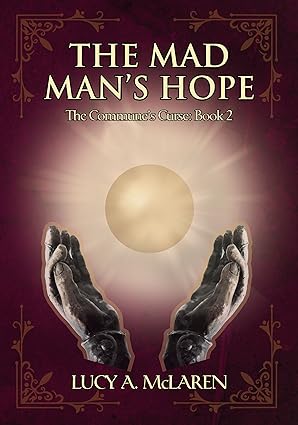
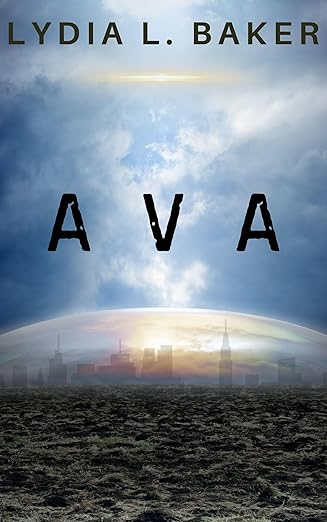
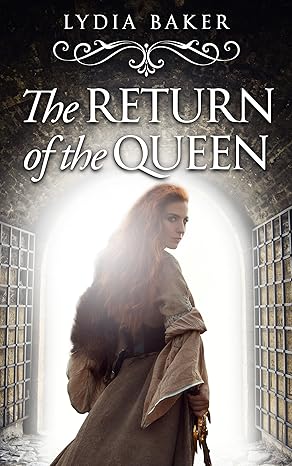


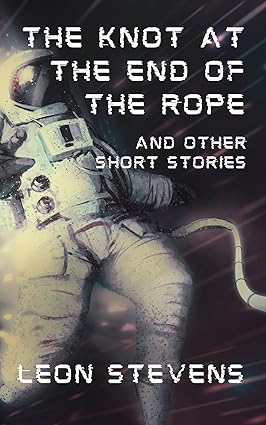
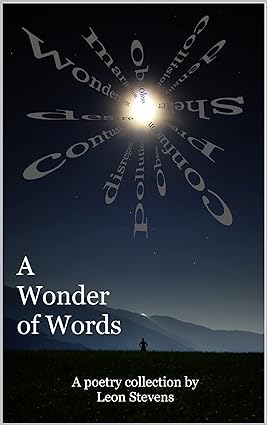
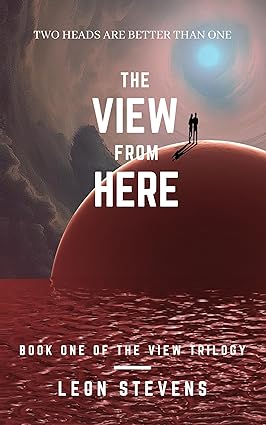
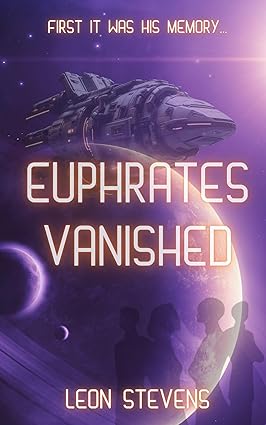
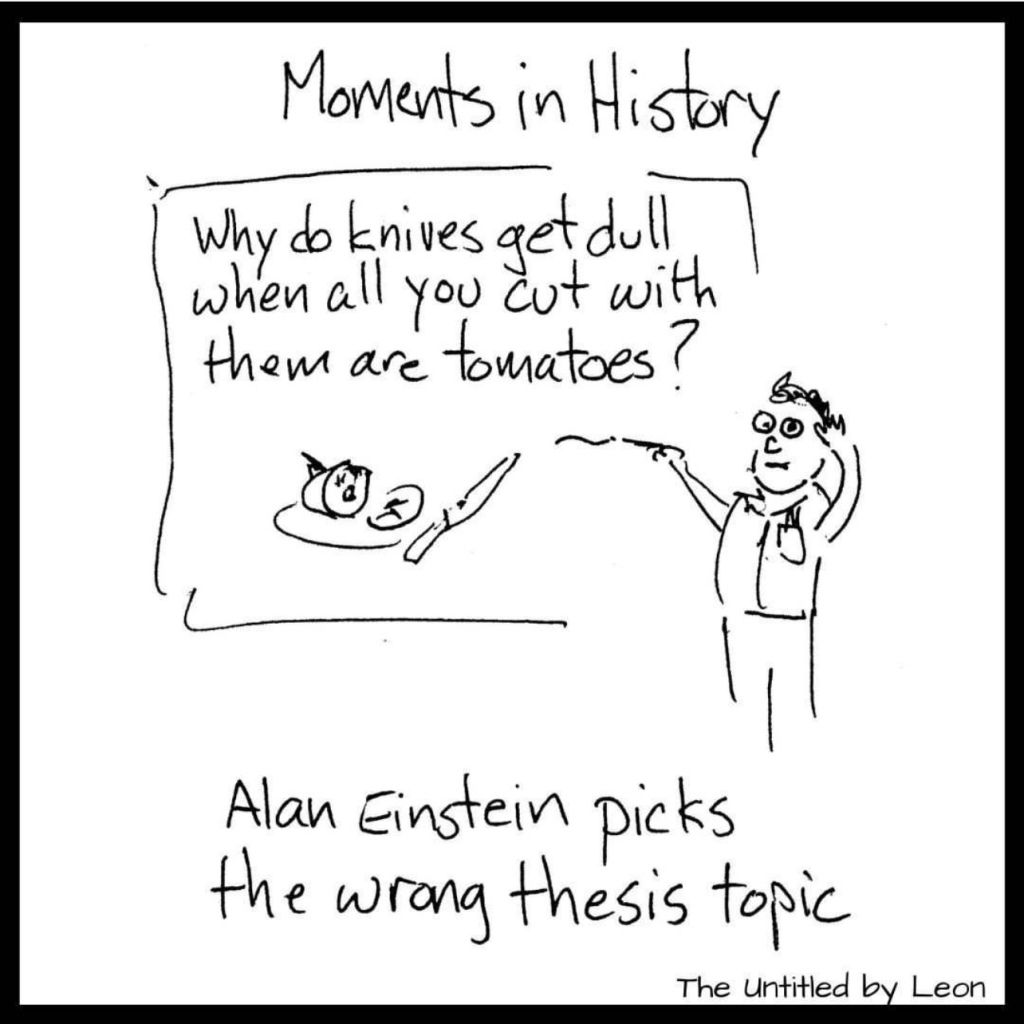
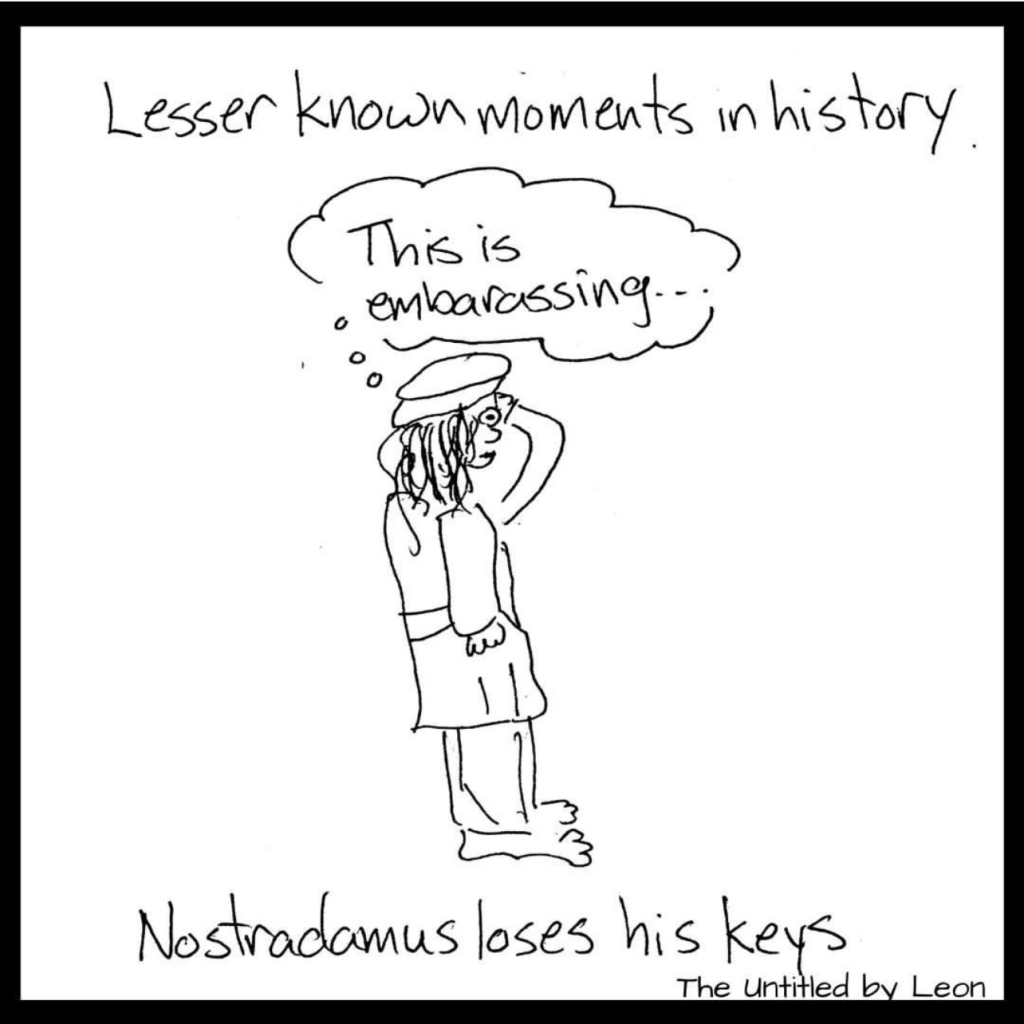
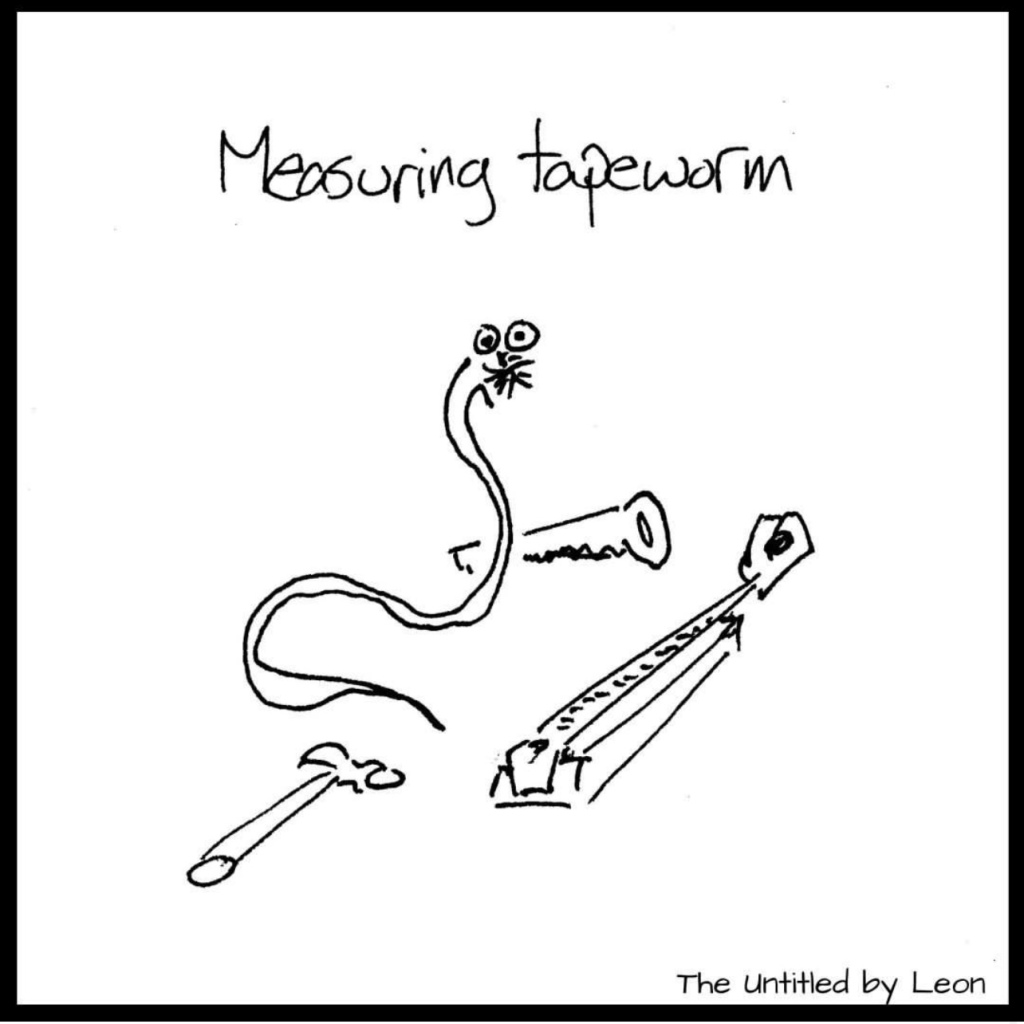
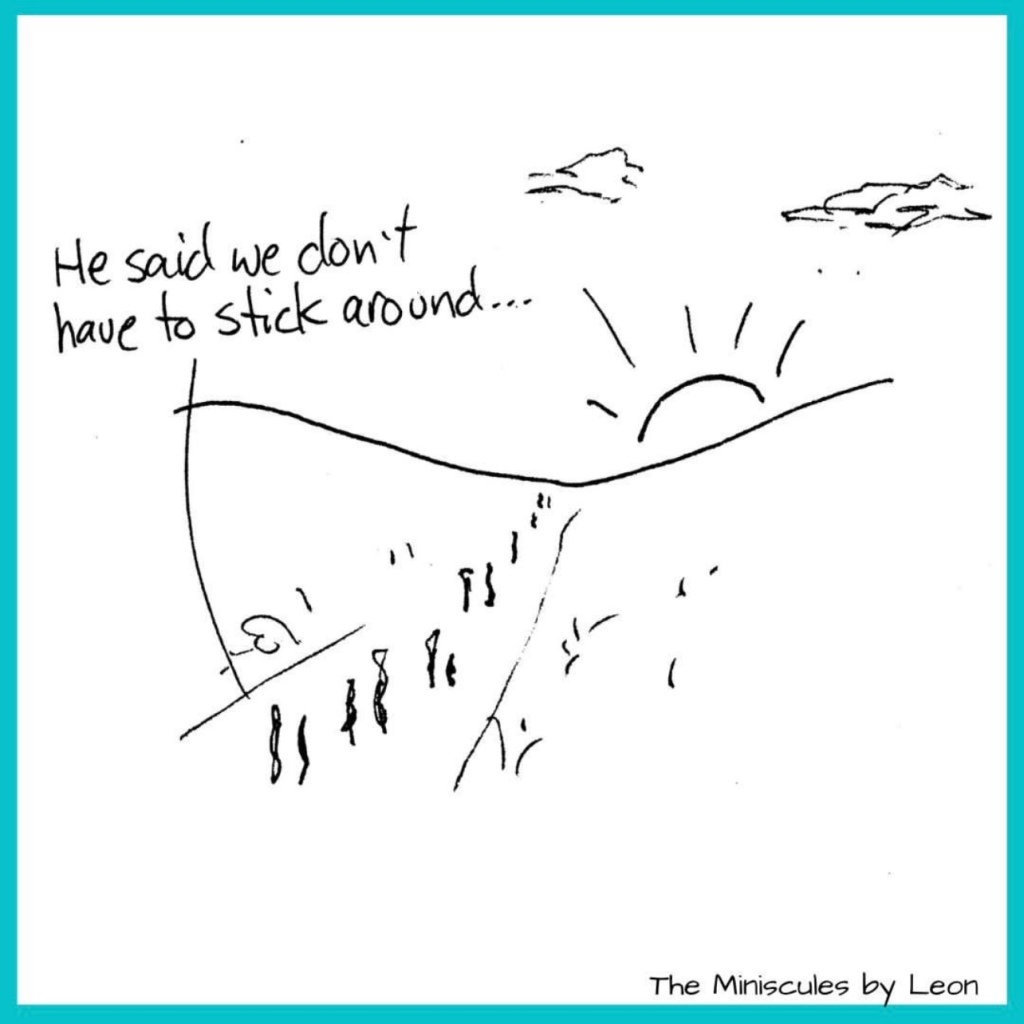









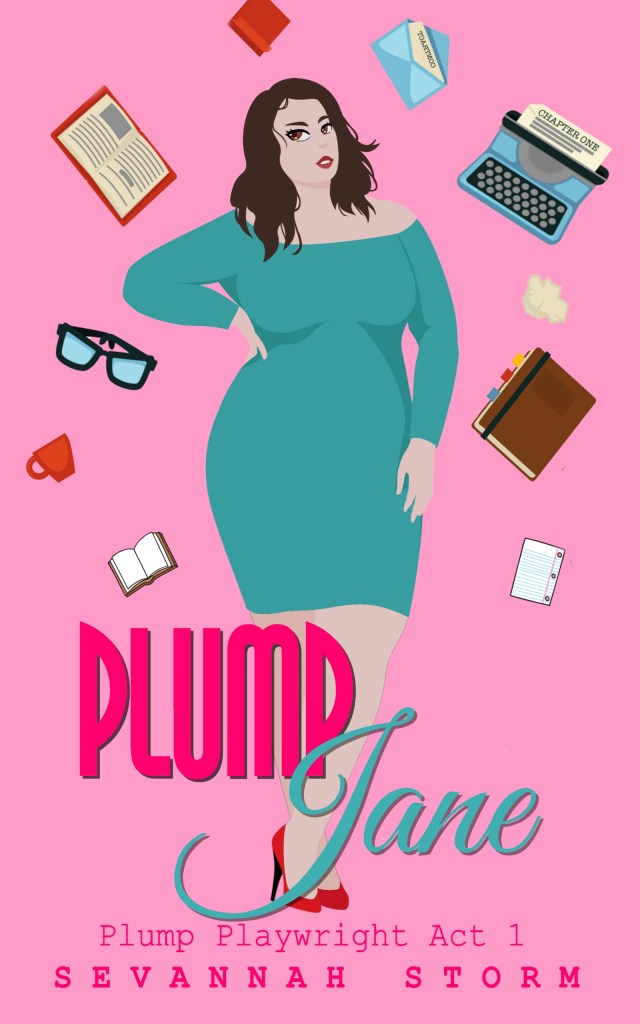







 By D. L. Lewellyn