Thank you, Richie Billing, for such a wealth of fantasy writing resources, including this fantastic, detailed article, “Medieval Castles: A Complete Guide.” Just what I was looking for as I write my contemporary fantasy set in a well-preserved fortification in the Scottish Highlands, shaped like a dragon’s footprint… from a dragon’s-eye view…
This summer’s Q&As have centered on short story writing, and my friend, Dee, is the perfect guest to round out the theme in a totally fun and unique way. She is a long-time fanfiction short story writer for the classic western television show, BONANZA, plus so much more, as we will discover.
As a Trekkie (Star Trek fan), I’m familiar with fan fiction, having read and passed on to my nephew dozens of fabulous Star Trek novels. I’m also familiar with the show’s bible, a colloquial term for the official, internal production document used by writers and directors to maintain consistency across the series. In the case of BONANZA, the names and likenesses of the characters are copyrighted, and writers must adhere to the brand’s guidelines while publishing their stories within the series community established by the brand. Guidelines vary for classic TV shows with huge fan bases, like Emergency, Adam 12, Stargate, Quantum Leap, Charmed, and more. Check out this forum listing. It boggles the mind.
Some argue that fanfiction does not fall under fair use, as it is derivative work. The issue of whether fanfiction is transformative (profound alteration) or non-transformative (verbatim copying of preexisting works, or plagiarism) has been endlessly debated and fought in courts. Dee will take us behind the scenes in the life of an inspired fanfiction writer and her commitment to the BONANZA brand.
Let’s Meet the Author
Dee Beardsley is a retired legal support professional, current radio show script writer, producer, and director, avid quilter, Certified Zentangle Teacher (CZT), world traveler, and prolific BONANZA TV show fanfiction writer.
After a fulfilling career in the legal profession in San Diego, California, Dee knew where she wanted to head next in life.
She packed up her office and all her quilts and quilting paraphernalia and moved to Cartwright Country, aka Northern Nevada, just a few miles from historic Virginia City and the Ponderosa Ranch. She has written 63 stories since 2010, featuring the beloved Cartwrights in these settings, which you can find here.
Let’s Get Started
It’s about time I had you visit my Guest Spotlight, Dee. Thank you so much for joining me today. I want to chat about all the interests you love to pursue, many of which we share, but let’s start with writing. Can you provide the highlights of your writing journey and how it all began?
DB: Thank you for the invitation, Darci. I am humbled that you asked. In college, I was a tech major in Theater—costumes, lighting, makeup, and directing—but didn’t write my first television script until I was working on my Masters in Radio, Television, and Film. It was a 30-minute children’s show titled “The Thief Who Stole Time.” It was unbelievably hard to turn over my first script to a director whose vision of the production was not mine.
A life-long fan of BONANZA, I began writing fan fiction months after attending the 50th Anniversary Convention in 2009. I took a Writer’s Workshop there, devoured every word, and took copious notes (thank goodness for my legal shorthand!). I wrote my first BONANZA story over a weekend and, with a shaky hand and trepidation in my heart, I published it at midnight on the Bonanza World website. The first review said, “That is unquestionably the most powerful, gut-wrenching, amazing story that I’ve read in a very, very long time. Certainly, it’s the first one in ages that has moved me to tears—I kept thinking, “You can’t! You can’t!”—but an author can, because sometimes, that’s how life is.” I framed that review, and it hangs above my computer as a reminder that I can do it even when the writing/editing is hard.
DLL: Thank you for sharing this amazing story, Dee. What lovely feedback to fuel your new passion. And wow, I would have loved to have been at that convention.
What other types of writing do you engage in besides fanfiction?
DB: I wrote professional development articles for various legal publications during my career, and I continue to write content for Douglas-Carson Legal Professionals’ monthly publication as well as serve as its editor.
DLL: Douglas-Carson Legal Professionals (DCLP) is the local chapter of NALS, supporting members in Nevada. Dee does a fantastic monthly newsletter. I was a member from 2010 until I retired in 2023 and created and maintained its website until then.
I just want to add a plug for professional development organizations like NALS. For career-minded support professionals, there is nothing like getting out and meeting others in your field. Participation dwindled drastically during my membership. Maybe a result of new generations valuing meet-and-greet career development and networking less than past generations. While many organizations have adapted and thrive online these days, there is no better way (or fun way) to get the most out of membership than attending the conferences and events. Sit on a board. Run for office. Network in person. The benefits are phenomenal.
What works or authors have inspired you throughout your life?
DB: I love reading historical fiction, mysteries, fantasy, and an occasional biography. And the authors I admire would be (in no particular order): Diana Gabaldon, Robin Hobb, Scott Pratt, Leo Tolstoy, Naomi Novik, James Patterson, Stephen King, Fyodor Dostoevsky, Susan Howatch, Wilbur Smith, and, of course, D.L. Lewellyn.
Favorite books of childhood: Nancy and Plum by Betty McDonald; Pamela and the Blue Mare by Alice L. O’Connell; Johnny Tremain by Esther Forbes. From 4th grade on, I would begin every school year by checking out these books from the school library. Other books would get added to the list over time, but these were the core. In 7th grade, I read War and Peace and fell in love with Russian novels.
DLL: 7th grade is the perfect angsty time for Russian literature. And wow, thanks for including me on your illustrious list. I will never see my name so close to Gabaldon or Tolstoy ever again, so I will cherish this forever. 😀
You recently participated in a presentation with Diana Gabaldon, right? Can you share some of your favorite insights from the Outlander author?
DB: I did. She was speaking to a local group in Flagstaff, Arizona, and I saw on Facebook that attendance by Zoom was possible. I love the Outlander series, so I signed up hoping to learn more. Diana has a great sense of humor and is unassuming, even a bit self-deprecating. She not only speaks very fast, but she chuckles while speaking. There was no way shorthand would work, so I turned on the voice memo on my phone to capture her stream-of-consciousness explanation of how she works. Please excuse the length of this answer, but I think it’s an important lesson in our craft.
Diana said she’s a hodgepodge thinker, not a linear one. She shows up every day to work and has no idea what’s going to happen, but she needs a kernel, an image or a line of dialogue that she can see and then she writes down a sentence describing whatever that thing is.
I write the sentence as carefully as I can to describe exactly what I’m seeing or hearing and then I look at it and I take words out and put words back in and I move pieces around and then I add another sentence and think no that’s not right but put a space in because I might want to use it later and I fiddle until that sentence is the way I want it and in the meantime the back of my head is kicking through the rubbish back there and turning up mushrooms and ooh I didn’t think that and sometimes that anchors me where I am what I call a cold day where I have no idea what’s going to happen. I have a lot of books on 18th century clothes and furnishings, houses, whatever and I will often pick up one of those like an old Sotheby’s catalog and go through it. Glass and silver and I’ll think somebody’s going to be eating or drinking something and I think I can describe it so I flip through it and there is this nice Waterford glass with panels in which Jacobite roses were engraved. I was thinking splendid. Well, maybe whoever owns this glass is not Jacobite. Maybe they’re our guest, and somebody who is a secret Jacobite put this in front of them to see how they would react. Anyway, I thought that might be good, so I put it sort of in front of my mind’s eye, so to speak, and started writing, and I said ‘The crystal glass’. Okay. Good beginning, but it’s just sitting there, not doing anything. Maybe something else is going to happen to it. Someone’s going to knock it over, and the crystal glass shattered on the floor. No, no, I don’t want to break it, it’s too pretty. Well something has to happen to it, so okay, it’s just sitting there, and there’s light shining through it, and I can see that, so the window must be open. Okay, the light. The light what? Okay, the light hit the glass a certain way, and it’s going to band, isn’t it, because of refraction and so forth? Do I want to go into that? No. Too scientific. The light struck the crystal glass? What about the roses? Do I need to put those in here? No, I can put them somewhere else. The crystal glass glimmered in the light? No. Wait a minute, I can see that light from my left and it’s blue and it seems cold somehow. What if it’s blue? Why is it blue? And I’m thinking the cold light…yeah, the cold, blue light. Okay, now we’re exploring timing. Well it has to be winter because it’s the 18th century. Why else would it be cold and blue? Okay, so I look out the window and there’s snow, and I think that’s why it is cold and blue because there’s snow, okay, it’s winter, okay. The cold, blue light of a winter afternoon—is that enough?—The cold, blue light of a late winter afternoon—that seems like a lot of words but let’s keep them for the time being. I can always take them out later. The blue light. No, the cold blue light of a late winter afternoon…okay, get the glass in… passed through the glass so the light passed through the crystal goblet…okay it’s a goblet instead of just a glass so we can put that in, giving it more of a nuanced sense…well, and did what? So I can see it…this is where refraction comes in and it bent and went splat on the table… okay, so the cold blue light of the late winter afternoon… no, it doesn’t matter if it’s late…the cold blue light of the winter afternoon passed through the crystal goblet and…I can’t say splat on the table… and cast a pool…I can see it…and cast an amber pool on the polished wood of the table. Okay. There we have it. The cold, blue light of the winter afternoon passed through the crystal goblet and cast a pool of amber light on the polished wood of the tabletop. We’re in Jocasta Cameron’s study and she’s sitting in front of the crystal goblet.
So that’s how a kernel works. It’s all very messy. It’s basically figuring out how your own brain works and working with it, not against it. It’s not what they teach you in fourth grade, i.e., you must have a topic sentence, etc. You just need an idea to start with something that will get you into the page.
Diana Gabaldon
What is it about Bonanza that makes you a huge fan? What themes or elements do you enjoy incorporating into your Cartwright stories most?
DB: As a canon writer of BONANZA fan fic, I stick to the guidelines established by the creator David Dortort:
In the Old West, it meant a lot to be a Cartwright. Being a family, loving the land, being honest and fair. Giving every man and woman a second chance.
More than most television shows, BONANZA has a heart and soul. To protect that heart and soul and to preserve the integrity of the show, the following are the essential values that must be maintained:
1. The Cartwright family, the good father and the good, loyal sons, are the center of gravity around which the show revolves. They may disagree on any number of issues, but always, in the end, they are a family again, all for one, one for all.
2. They stand for tolerance, compassion, and concern for all endangered species, and that includes the stranger in need of sanctuary, the battered mother, the abandoned child, the wounded animal, as well as the forests, the mountain stream, the lakes and ponds. No woman, no child, no animal can be abused without swift and full-bore punishment for the abuser.
3. The Ponderosa, the home of the Cartwright family, should be treated as a special kind of place, a sort of mythical kingdom on the glistening crown of the Sierra. Good people, role models, are in charge here. People slow to anger, but tread lightly or suffer the consequences. Stern, formidable when faced with injustice, but loose, relaxed, fun-loving, a family that can laugh at itself as easy as it can challenge a swindler, a bounty hunter, a slave master, or a robber baron, no matter how high the odds are against them.
David Dortort
DLL: What a marvelous insight into the mind of the show’s creator. No wonder fans still enjoy the show in syndication and the ongoing stories on the fanfic forum.
In the stories I’ve read of yours, the characters come across so vividly and true to their natures that I can imagine engaging with them at the Ponderosa Ranch or Virginia City in the 19th century. Dare I ask, who is your favorite Cartwright?
DB: Initially, when I was 12, it was Little Joe, but I soon realized that it was the whole family that mattered to me. My parents divorced when I was 10, and I didn’t see my Dad again until I was an adult. I had no siblings. Watching BONANZA allowed me to see what men were like, how they thought, walked, talked, and loved. So my favorite is the family.
Dee was given permission by Bonanza Ventures to share this image of the Cartwrights.
DLL: I totally get that, and it shows in your writing.Can you share a favorite scene from one of your stories?
BONANZA was on for 14 seasons. “The Way Home” is set in what I call Season 15. In this scene, Joe has been missing for two years and doesn’t remember that his brother Hoss is dead. Jamie is the youngest Cartwright son who was adopted in Season 13. Griff is the ranch hand who joined the cast at the beginning of Season 14. Billy is an original character of mine introduced in my first story, “My Father’s Heartbeat.”
The door was ajar, but Ben knocked lightly on it anyway out of habit. When there was no answer he pushed it open with his fingertips, but remained standing in the threshold, uncertain about entering. He didn’t know how his son felt about yesterday’s events. It was obvious when Joe drove into the yard with Griff that he knew he had been followed. He had shaken off offers of assistance when he climbed awkwardly out of the buggy, walked somewhat tipsily into the house, and went straight to his room slamming the door, not speaking to anyone. When Ben had checked on him later, he was sleeping with his deaf ear out, a trick he had begun using to avoid conversation. Griff was close-mouthed about why they were delayed.
It was only this morning when Ben was going through the portfolio and saw the Army contracts that he realized Joe must have seen them also. The title after Griff’s name must have been a shock to Joe, but the word “manager” had many meanings and could be changed with no real harm to either man. Ben was more concerned with the title after Billy’s name because he knew that “trainer” held more significance for Joe. No one trained his horses but him—no one.
Joe didn’t hear Ben’s steps in the hallway or the door creak as it opened, but he could feel his Pa’s presence all the same. Doc Martin was right in that his other senses were beginning to compensate for the hearing loss. Jamie had told him about a nitro explosion that left him blinded although he had been lucky and had regained his sight as predicted. The Doc had offered no such assurances this time. No, this time the hearing loss was likely permanent as was the vertigo.
Pa’s been smoking again. Joe knew his Pa had given up his pipe after a severe case of influenza last winter—last winter?—but all that must have changed in the time he’d been gone. It was more than the smell of pipe tobacco which filtered into the room when his Pa entered and sat down on the edge of the bed. It was The Look Joe felt boring into his back. He’s worried.
“I’m all right,” he sighed, not moving from the window.
“Well,” Ben said, “at least you’re not ‘fine.’”
Joe’s eyes flashed as he snapped his head around towards his father, ready to retort, but seeing the smile on Ben’s face, he held his tongue.
Ben could see what that quick movement cost Joe . . . the way he gripped the window frame to steady himself, the beads of sweat that broke out on his brow and lip. He could sense when the wave of nausea slammed into his son. It even appeared as though Joe had stopped breathing for a moment when he closed his eyes against the dizziness.
“Look at me son,” Ben said quietly.
Joe’s eyes opened and—exhaling slowly—he focused on his father’s face. Ben wanted so badly to put his hand around Joe’s neck and pull him close as he used to do, but Joe was keeping him at arm’s length both figuratively and literally.
“Talk to me, Joe. I know you’re angry with me, but we need to talk it out.”
When there was no response, Ben changed tactics.
“Tell me what it’s like.”
“What?”
“These attacks. What do they feel like? What happens to you?”
“What happens?”
“I want to know what you’re going through. Help me to understand, son.”
Joe sighed and stared out the window again. He remained that way for a long time. So long that Ben had almost decided to leave the room when Joe began to speak hesitantly as he struggled to put into words what he experienced.
“It’s . . . like being drunk only worse. Instead of the room spinning, I’m the one spinning. I have trouble hearing, my eyes go haywire, my head weighs a thousand pounds and I can’t hold it up. I sweat, throw up, and then want to sleep for a long time. When I wake, I feel like I was rode hard and put away wet. And I know it will happen again. And I know I’m powerless to stop it. But the worst part,” Joe paused. “The worst part is being treated like . . . like Little Joe.” He turned to look at his father accusingly, “like a child.”
Ben swallowed hard and met his son’s gaze. “I’m sorry. I’m so sorry, Joe. You’ve no one to blame but me. I’m responsible for the way you’ve been treated. I’m the one that kept Jamie and the others away from you—to keep you from learning too much, too soon.”
The raw emotion that passed between father and son crackled like heat lightning. Joe was the first to discharge the static electricity with a simple question that had no simple answer.
“Why?”
A hundred responses went through Ben’s mind in as many seconds, each one rejected summarily. In the final analysis there was only one response required—the truth.
“Fear.”
The word echoed in Joe’s head becoming louder with each ping. Fear. Joe had felt fear many times, but not his father. Not Pa. No matter how old the son is, a father isn’t allowed to be afraid. Fathers are pillars of strength, but even as he thought, My Pa’s not afraid of anything . . . he’s the bravest man in the whole world! He realized it was a child’s voice he was hearing, not a man’s. And a part of him—suddenly a very large part of him—wanted to be a child again.
Instead, he lowered himself into the chair by the window and said simply, “Explain.”
It was Ben’s turn to rise from the bed and look out the window, but there was no joy in his stance.
Joe’s insides clenched. He had a very bad feeling and it wasn’t the vertigo.
“Pa . . .”
“Hush, Joseph. You asked for an explanation. I’m trying to give you one.” Ben turned and sat on the windowsill, his hands gripping the woodwork. He took his time, weighing his words carefully.
“A child is God’s greatest gift. A parent’s responsibility is to see to it that that child becomes a happy, responsible adult, a productive member of society, socially conscious, a caretaker of the environment, and lives a long and fruitful life. When a child becomes more than a parent ever dreamed possible . . . well, that’s a parent’s gift to God.
“From the moment each of you were born—you, Adam, and Hoss, I’ve sheltered, nurtured, cared for you as best as I could. I realize at times I was perhaps overzealous in that duty of care. I’m not proud of that, but it is instinct . . . a parent’s nature to want to protect their children from disappointment; to absorb as much pain and hurt as possible. That a child will experience those things anyway is a part of growing up, I know. But the desire to protect never goes away, even when that child becomes a man.”
“Pa,” Joe began. Ben raised a hand to silence him.
“One constant fear a parent has is that they won’t be there when their children need them; to help them when they stumble, to see them grow up and flourish. But the greatest fear every parent lives with is that they will outlive their children and not be able to fulfill that promise to God.
“Pa, I’m so sorry you thought I was dead. I don’t know—”
“Joe—”
“—where I was. I would have come home if—”
“Joseph—”
“—I could have.”
Ben leaned forward and placed his hands on Joe’s knees. “Son, I never believed you were dead. Roy, Paul, everyone tried to reason with me, but I never felt it in here,” Ben poked his chest. “What they were telling me made sense in my head, but not in my heart.”
“Then . . . I don’t understand . . . what are you talking about?”
“About the information I kept from you. I’ve been trying to shelter you, protect you from learning things that would hurt. I wanted to save you from the pain—” Ben’s eyes began to fill with tears.
“Pa, I’ll get over this vertigo—”
“Joseph—”
“—or I’ll learn to live with it like the doc says. You don’t hav . . . you don’t have to—”
Tears were now streaming down his Pa’s face and Joe was beginning to panic.
“—what? What is it I don’t know? What is it you have to tell me?”
“Joseph,” Ben said, placing his hands on his son’s shoulders. “Hoss is dead.”
For a long moment Joe thought it was his ear that had deceived him again; thought he had misheard. Dead? No. Hoss is on vacation. He’s just takin’ his sweet time coming home, getting even with me for being late. But his father’s anguish was genuine. He gripped Ben’s forearms to steady himself and held on, searching the face he knew so well for a sign . . . any sign that this was all a mistake.
“I am so sorry, Joe. I would give anything . . . my life . . . if you didn’t have to go through this again.”
Again? What do you mean again? “When?” he croaked. “How?”
“Nearly four years ago. An accident. He was . . .” Ben’s voice droned on, but Joe didn’t hear. All that echoed in his head was four years . . . four years . . . four years. He’d only been gone two years, they told him. I’ve lost four years?
Joe stood suddenly, gulping for air. He had to get out of the house. He ran down the stairs, out the front door, and vaulted onto the nearest horse. There was only one place on earth he wanted to be.
The ride to the lake was a blur. By the time Joe arrived his head was exploding with kaleidoscopic visions. He fell rather than dismounted and promptly rolled to his side to empty his stomach. Spent, he crawled on hands and knees to the moss-covered mound where his mother was buried and then he saw it. No! Next to her was Hoss’s grave, the blooms of a climbing rose entwining both headstones. As his fingers traced each letter of his brother’s name one by one, Joe’s heart fractured bit by bit until there was nothing left. Bereft beyond comprehension, he fell unconscious to the ground.
DLL:Thank you so much, Dee, for giving us an exclusive look at one of your stories! What a gut-wrenching scene ending, and beautifully done.
If a writer wanted to try their hand at fanfiction, where would you advise them to start? What skills are needed, and how would they find where to submit their work?
DB: Start with a show where you know the episodes and characters in and out. It could be any show from any era. My website, womenwritersblock.net, has over 2,400 stories in 52 different fandoms. I welcome new authors/fandoms, so contact me at wwbarchivist@gmail.com if you are interested.
Start simply, perhaps with a scene that you feel was missing from an episode. Or write a sequel to the episode—a what happened next, or instead.
DLL: Perfect! Thank you, Dee.And what a wealth of stories to access for free on your fantastic website.
From the perspective of someone involved in the fanfic genre, can you share your thoughts on the copyright controversy mentioned in the introduction? What are your thoughts on fair use and derivative works?
DB: Bonanza Ventures, Inc., the copyright holder for all things BONANZA, has granted Bonanza Brand a license, and we strictly follow the guidelines for the use of the names and images of BONANZA characters.
Fanfic has been around for centuries. Consider the oral and written retellings of the Greek Myths. Jane Austen and Charles Dickens had their share of fanfic writers. Yes, there are authors who have specifically forbidden fanfiction of their work, but there are many more who have embraced it. I would be more concerned about plagiarism.
DLL: That sums up well what I’ve been researching on this fascinating topic. Thank you.
In case you’re curious about the actual copyright language, Dee provided it for us:
The names and likenesses of the characters appearing in BONANZA photoplays, and any images and pictures from such photoplays, are collectively copyrighted and trademark-protected property of Bonanza Ventures and NBC Universal, Inc. (as successor in interest to the National Broadcasting Company, Inc.), and are made available only for private, non-commercial use.
Can you describe the BONANZA fanfic community and how dedicated the writers are to the brand’s integrity? I know the readers are dedicated as well. Can you give us an idea of the volume of readers visiting the Bonanza Brand info site and how they engage with the community beyond just reading the stories?
DB: Our community forum for all things BONANZA is bonanzabrand.info. Included are subforums dedicated to each character as well as each actor, episode discussions, games, puzzles, and more. There is also a subforum, The Virginia City Literary Society (VCLS), for writers, which offers writing challenges, workshops, discussions on the writing life, and research, plus an area for works in progress (WIPS) where a writer can get feedback and encouragement.
Our library site isBonanzabrand.info/library, and it requires a separate registration, but you can use the same password.
At Brand, our desire is to maintain a high-quality library where fans can enjoy a wide variety of stories. Readers come to explore stories about the Cartwrights, their family and friends, and the supporting characters who have come and gone in their lives. Readers do enjoy original characters as well as characters from other fandoms and how they interact with the Cartwrights; however, these characters shouldn’t push the Cartwrights to the periphery or out of the story.
We currently have over 4,350 stories in the library. Since BONANZA has a worldwide fan base, we have an app on the site that will translate a story into any language listed.
Stories are often based on episodes (431 of them!) and are identified in the summary, e.g.: WHN (what happened next); WHI (what happened instead); WHB (what happened before); WHIB) what happened in between scenes; AU (alternative universe—e.g., a Cartwright marries); or Crossover (between, say, BONANZA and The Big Valley). Many are completely original and true to canon.
Our guidelines are designed to provide writers with the opportunity to share their passion for the Cartwrights and the other characters created by David Dortort’s vision. Stories that are not consistent with this aim (e.g., slash, smut, sex with minors) are not tolerated and will be removed.
You asked about traffic. We get over a million hits a year, but of course, a lot of those hits are bots. Our stats for most viewed stories for the period January 1 – August 13, 2025, are 57,814 from the following countries: the US, the UK, Germany, Canada, France, Australia, Finland, the Netherlands, Sweden, and Thailand.
DLL: This is amazing! I love that readers around the globe can enjoy the stories in their own language and find stories inspired by their favorite episodes.
What is the longest story you’ve written, and what is the shortest? What’s your best advice on writing short stories?
DB: My shortest story in the library is “Alone” at 505 words.
My longest single story told in three parts is The Choices Trilogy (“Choices,” “Shadows,” and “Hunger”), totalling 47,500 words. “The Way Home” came in at 30,935. “Deception” at 18,437 and “One Candle” at 16,000.
Otherwise, I pretty much write in the 3,000 to 10,000 range. Truthfully, I don’t worry about word count unless it’s for a Drabble where the number of words is exact (a great editing exercise!). I write until the story is done, and then I edit the hell out of it. If it’s been said, don’t belabor the point. Make each word count. Get in; get out; be brief; be gone. And PROOFREAD!!!
My biggest bugaboo as an editor and beta reader is repetitive phrases (especially in the same paragraph). Use a thesaurus!
DLL: Great advice. Thanks!
Through your many organizations, writing, legal profession, radio, cinema, quilting, etc., you’re often called upon as a guest speaker. What are your favorite themes to share with your audiences across all subjects? What are your favorite themes when speaking about writing?
DB: Golly! You do ask tough questions, Darci! What it boils down to is that I am not a passive member of any organization with which I am involved. Active participation, purpose, commitment. Don’t be a seat warmer. Make a difference. At my writing workshops, I stress canon and being true to the characters created by David Dortort.
DLL: Thanks for rising to the challenge of satisfying my voracious curiosity. And, again, great advice.
Prior to your very busy retirement, you were busy raising a son, working as a legal support professional for top law firms, and an active member of NALS, the National Association for Legal Support Professionals, even serving as its national president. NALS is how you and I met. How did you fit your creative life into such an active schedule? What role did writing play in those earlier years?
DB: Creativity is like water to me. I have to have it to live, and I’ll cross deserts to find it. It’s what makes life worth living. When I was a Cub Scout den leader, every meeting was an opportunity to use my theater skills in interpreting the monthly theme, e.g., taking old sheets and stamping them with sponges dipped in paint to create castle walls and have the boys write a play about King Arthur. Or building a dogsled to “run” in the Iditarod, introducing Robert Service (“The Cremation of Sam McGee”) to the boys, and having them write and recite a poem about life on the Klondike and or building a doll house (I told them it was a ranch house. Shh!) and asking them to write a skit about living in the Old West.
I made a lot of quilts for the NALS Foundation for fundraising purposes… not much writing there! Now I donate Zentangle pieces to the Foundation’s auction.
DLL: I’m sure those Cub Scouts still hold those memories. They got to benefit from you crossing deserts. What great experiences! And what lucky auction participants.
One of the reasons we relate to each other so well is that we’re multicrafters who relish learning new things each new decade of life. We’ve shared many of our interests at conventions, classes, and retreats. Zentangle, for instance, with Audrey Markowitz, CZT. You’ve since been certified as a Zentangle teacher.
We’ve been roommates at NALS conventions. We had a NALS night out for National Law Day with the Carson City Cinema Club. As a member, you organized the event, and we enjoyed the best classic film ever, To Kill a Mockingbird. You’re still involved with the local NALS chapter, sharing your professional knowledge.
Most recently, we were roomies at the Virginia City Writing Retreat, where we enjoyed the truly inspirational setting at St. Mary’s Art Center (once a Victorian hospital), which featured in one of your stories.
You primed our participation by sharing one of your excellent writing presentations, featuring Dan Harmon’s Plot Circle.
I’m so happy we’ve been able to enjoy all these activities together over the years, plus so many lunches and meetups where we talk for hours about our love of art and writing. But I’m noticing a pattern as I reflect on our time together. Not only do you enjoy learning new things, but you also love sharing them with others through mentoring and teaching. You were the first person I turned to when I started writing and were instrumental in my progression.
Can you share your journey in exploring your diverse interests and more about what motivates your passion to create and then teach what you know?
DB: I am not ashamed to say that I’ve failed at something because you learn more from your failures than your successes. I also share what works for me and offer others a different way of looking at something, and hope something works for them. Perspective and alternatives.
A favorite book as a child was The Little Engine That Could. “I think I can, I think I can…I knew I could, I knew I could. I remember playing schoolhouse as a child and finding out that the best way to learn something was to teach it to someone else. For example, when I learned multiplication, I taught the younger kids in the neighborhood the principles to help me internalize it. What became clear when I began leading seminars and teaching classes is that everyone learns differently, so you need to present the same material in four different ways: for the auditory learner, the visual learner, the reading/writing learner, and the kinesthetic learner.
I have a curious and inquisitive nature and love learning and trying new things. Some stick, others don’t. I no longer build dollhouses, but I want to learn woodburning, and I recently acquired an engraving pen…so I’m looking forward to pursuing both in a spare moment or two. Ha!
I began quilting in earnest in the 80s and have more fabric than I’ll ever be able to use. What I love about that craft is the variety of tasks involved. I can piece blocks or assemble them into a top, quilt it or bind it, or sit at the computer and design a new one using EQ8—whatever suits my mood. The result is that I have many quilts in various stages of completion. Is that a good thing or a bad thing?
After I took a beginner Zentangle class with Audrey Markowitz, CZT, and became certified, I taught for a while at locations in Carson City and Dayton, both of which closed during COVID, so now I share my Zentangle knowledge with my “Dayton Divas,” and continue to take classes myself online or with other CZTs. The Zen in Zentangle is the meditative part. When I’m stuck on a story, I’ll create a tile focusing on one stroke at a time. Solutions to plots often appear out of thin air when I’m chilled out (or when I’m in the shower…but that’s another story.)
I took these photos when I joined Dee and the Dayton Divas for a Zentangle afternoon.
DLL: I should have guessed you were a mentor from an early age. 😄A great insight into how one creativity flows into another, resulting in multiple life-affirming benefits. You nailed the multicrafter’s character. I, for one, can’t have too many unfinished projects. You never know when the mood will strike to work on a particular one. And yes, those mindful activities work on the subconscious level to get ideas flowing. I recommend it!
As a retiree with a stacked calendar, how do you manage your time and commitments? Can you share your best tips and techniques for staying organized?
DB: Although it goes against my grain as a people pleaser, I have learned to say “no” and developed a personal motto/mantra: “Don’t promise what you can’t deliver and deliver more than you promise.”
Calling on my theatrical background, I mark my calendar entering the due date (opening night) first and work backwards, leaving time during the week prior to the due date for last minute changes or adjustments (dress rehearsal, tech rehearsal), the week or two before that for planning and acquiring of materials to complete the project (table read, scene work, blocking, run throughs, etc.).
If facing a same-day deadline, I still work backward: 5 p.m. (court closes); 4:30 p.m. (filing with court); 4 p.m. (copies made); 3 p.m.( messenger arranged, service envelopes prepared); 2:30 p.m. (remind attorney of deadline); 1:30 p.m.( ensure exhibits are in the correct order); 12 p.m.
(remind attorney of deadline); 10 a.m. (obtain filing fee check from accounting); 9 a.m. (remind attorney of filing). Obviously, I’m being facetious here, but the important thing to do is to lay out the push points, allow time for something to go wrong because it will, and have a backup or an alternative plan in mind.
I set aside one day of the week for me. No commitments. I usually mark my calendar as “studio” time. The point is, “ME” time is just as important as all the other demands.
DLL: Ooh, I love this theatrical-inspired method! All you planner fanatics (like me), take note. And wow, so many people I know, including me, struggle with saying no. I can see the necessity with all your commitments and your credo.
You’re an avid traveler. Can you share how travel fits in with your creative life?
DB: I love to travel, and I love road trips. I am also an inveterate cruiser. Experiencing new worlds and meeting people from different walks of life and cultures is an important part of that, but I also go on quilting cruises where I can indulge a passion AND meet new people AND see new places. I taught Zentangle to some shipmates on my 17-day Hawaii quilting cruise in January 2025. One of the ladies was 82!
During my circumnavigation of Australia last fall, BONANZA was a frequent topic. It started during introductions around the dining table (a different table every meal). No one had heard of Dayton, Nevada, so I usually just said “I live in Carson City… the Nevada state capital…” When I continued to be met with blank stares, I would add, “Cartwright Country,” and everyone would exclaim, “Bonanza! We love that show.” It didn’t matter what country they were from; they all knew the show.
The beauty of a ship is that you can do as much or as little as you want. I usually had a full schedule on sea days, attending cultural lectures and special programs about the ports coming up, the piano bar, the arts and crafts room, library, jigsaw puzzles, reading by the pool, writing, scholarly conversations in the art gallery, and silliness in the lounges.
DLL: I adore this!More proof of how one passion connects to others, often in surprising ways, enriching our lives.
In addition to all the crafts previously mentioned, you’re listed on your very own IMDb page as the writer, director, and producer for The Feud (2025), the Radio Story Hour (2023), and Secrets of Harridge House (Audio Drama) (2020). I think of it as an extension of your writing craft, but can you share how you got involved in local radio and what you love about it? The same for your involvement with the local cinema club.
DB: I joined the Carson City Classic Cinema Club when I first moved to Nevada as a way to meet people and create ties with the community. At the first open board meeting, I volunteered for something and was soon appointed to fill a vacancy on the board. From there, I became an officer and then started a monthly newsletter—the C5 NewsReel, which features information about the classic films being presented. Soon after, I joined Rhonda Abend and Jeff Fast, the hosts of a weekly radio show on KNVC 95.1 dedicated to classic cinema. Through those connections, I met Scott Young.
During the pandemic, when live theater went dark, many producers turned to audio as a way to keep actors, writers, and directors working… and to prevent their spouses and significant others from committing murderous acts. Advances in remote recording technology meant productions could be created safely from anywhere in the world, without cast or crew ever having to be in the same room. I was approached by Scott, Supervising Producer of the gothic horror drama Secrets of Harridge House (airing on KNVC 95.1 FM and as a podcast), to try my hand at the Season 2 opener. My first attempt was a disaster. Writing for audio is nothing like writing narrative fiction. Instead of painting scenes with all five senses, you have to rely entirely on dialogue, music, and sound effects. Scott saw potential and gave me another shot. That second script made it to production, and over the next two years, I wrote 10 episodes across Seasons 2 and 3, also serving (uncredited) as the co-writer of both season Bibles. I eventually became Supervising Producer for Season 3 alongside Cody Lindenberger, helping to shape the show’s long-range story and ultimate conclusion.
When Scott launched Radio Story Hour, I joined as a staff producer, adapting and directing two Edgar Allan Poe stories (airdates pending). I also worked with him as a Consulting Producer on the first season of “Murphy’s, Inc.,” helping select the writing team and guide them through story development. It was a joy to mentor emerging talents Austin Dai and Terra Eon, whose strong work allowed them to run the writing of the series entirely during its first season. They later opted to bring in new writers to collaborate with them for Season 2.
One second chance opened the door to all of it, and I’m grateful I walked through.
DLL: I’ve always admired how things worked out for you so quickly after retiring and moving your life to Northern Nevada. Thank you for sharing such a wonderful example of taking a leap of faith into opportunity at any stage of life.
Now, this might be a tough question, but what is your favorite among all your pursuits? Which one is the most mindful and relaxing?
DB: They all have their place and time, and a season to every purpose.
DLL: Well said.
Thank you so much for visiting today, Dee! Do you have any parting words of advice for those who have many passions they want to pursue but struggle to find the time?
DB: Make time, even if it’s 5 minutes a day. You’d be surprised how those minutes add up and what you can accomplish.
Cartwright Country
Since I share a love of Northern Nevada and its history with Dee, I’m leaving you all with a stroll through our high desert and mountain neighborhoods.
There’s also the colorfully named Bucket of Blood, photo courtesy https://www.nvexpeditions.com/storey/virginiacity.php, and so many more. Check out this great body of photos of the silver mining commerce of yesterday still thriving today, thanks to the tourists, who visit in droves from 1.2 to 2 million a year.
If you’re sensitive to paranormal activity, watch closely while traversing those wooden sidewalks. You might see a figure looking out a window from the boarded up upper floors.
For years, my husband and I brought all our visitors to Virginia City, partaking in the mine tour, the wild west show, and riding the awesome steam locomotive. There are many ways to experience the Old West in this remarkable town.
Soon after my husband and I moved to Nevada, we visited the Ponderosa Ranch at Incline Village, and thank goodness we did. Sadly, the family-owned theme park closed in 2004 due to selling the property to a land developer, but it was a popular destination for world travelers visiting Lake Tahoe for many years. The world still loves BONANZA as Dee attests to with the volume of visitors to the Brand’s info site.
This map is on permanent display at the Autry National Center in Los Angeles. Assuming that north is supposed to be up, the map was drawn incorrectly. When Ayres showed the map to series creator David Dortort he said “I love it, but your directions are wrong.” Ayres fixed this by adding a compass with north pointing to the left and up. If only all cartographic problems could be solved this way.
Isn’t it fantastic? It was used in the opening credits, burning away as the Cartwrights rode in on their horses. Enjoy watching the YouTube video below.
I live smack in the middle of it, New Washoe City, which is adjacent to Washoe Lake State Park, situated above the fictional Ponderosa Ranch territory. It’s been a marvelous place to call home for the last 30 years, with its paradisiac views and close neighbors.
Dee lives just about straight up (according its creative direction) from the middle of Carson City at the right of what I think is supposed to be the Carson river.
This map from Wikipedia provides an accurate orientation.
Old Washoe City, Nevada, was founded in 1860 as a supply town for the nearby Comstock Lode mines, particularly Virginia City. It thrived initially due to its location near Washoe Lake, which provided ample water power for lumber and ore processing mills, and its role as a major freight hub. However, the town’s prosperity was relatively short-lived. The completion of the Virginia & Truckee Railroad in 1869, which bypassed Washoe City, and the shift of milling operations closer to the mines, led to its decline. By 1880, the population had dwindled to about 200, and Washoe City eventually became a ghost town.
Eight years ago, the modest community with thriving Highway 395-accessible businesses was hit again when the final extension of I-580 bypassed it. History repeating itself.
Still, the old 395 highway pulls in visitors to places like the Chocolate Nugget Candy Factory, the historic Bowers Mansion, and other draws such as nature exploration, hiking the Ophir Creek Trail, which connects Davis Creek Regional Park to the Tahoe Rim Trail at Tahoe Meadows.
Check out “Where I Live” for some amazing photos, which I’ve taken over the years, of the valley, lake, and views from my home, and other nearby historic western treasures located throughout the northern Sierra Nevada Mountain range.
Thank you so much for visiting. Comments are welcome!
A pioneering aeronaut takes on an unlikely passenger and reflects on life and loss as he floats above a gasworks to test his latest invention.
I floated a thousand feet over the Point Breeze Gas Works. From this vantage, one could imagine it was a Gothic cathedral, complete with crenelated turrets, sprawling majestically along the Schuylkill River.
The industry below, illustrated by billowing towers of black smoke, was muted in absolute silence from this height, adding to the impression of divine tranquility. Even the Monarch butterfly that stowed away when I fueled our ride with hydrogen appeared to appreciate the stillness as it fluttered in random arcs around the ropes, landing intermittently on the lip of the basket.
The slow beating of its wings seemed to speak to me in its need for companionship on our isolated journey among the clouds. Today’s flight was meant to test my invention, but I welcomed the opportunity to escape up here, relishing the freedom and solitude to mourn the life of an extraordinary woman that had ended too soon.
My wife would have been proud of my latest patent, which involved a water gas process that increased the production of hydrogen. She was always fascinated when my ideas resulted in record-breaking efficiencies and conveniences for modern living. The smile that would light her face when I shared my results was so clear in my mind that she could be standing in this basket with me.
A fluttering movement caught my eye.
The more I watched the hypnotic orange wings, the easier it was to believe we were the only beings existing on or above the Earth. Not even a bird disturbed us. The crowds bustling along the streets of Philadelphia might not even be imagined, let alone the 485 men directly below us engaged in shoveling coal relentlessly into hellish, hungry boilers, just one task among many equally laborious ones that resulted in lighting an entire city.
I had to admit that while my inventions might make life easier for the average city dweller, they only made it harder for these men. Still, each of them, called by a piercing whistle, had gathered for a break from their labors to watch me take flight today, and each grimy, sweaty face wore a look of pride as the gas they helped produce filled my balloon.
The absence of sound heightened the rhythms of life: the men shoveling, the butterfly’s wings beating, my wife at my side, celebrating each milestone of my career, and then my pumping heart emptying of all that gave life meaning when she took her last breath. I began to feel closer to my small, winged stowaway, having arrived myself at the end of a cycle of birth, growth, and metamorphosis.
Though the cycle now seemed too brief, I marveled that I might have ceased to exist well before this day of testing another achievement if not for the bravery of my life’s chosen companion during a dramatic period in our lives—the lives of the whole country, for that matter.
Absorbing the profound silence, I cast my mind back twenty years. The glimmering river, billowing gasworks, and even the surrounding clouds faded away, replaced by a vivid memory of the time I was stranded on the wrong side of enemy lines.
Two decades ago, President Lincoln appointed me Chief Aeronaut of the Union Army Balloon Corps, and I was proud to operate the first telegraph aerial station to report on the enemy’s position. My maiden assignment was the Battle of Bull Run under General Irvin McDowell. It went well, but balloons do not always cooperate when they come down.
I exited my basket in a hurry so I could finish stowing away what had become a beacon pointing to a spy in the rebels’ midst. I took a wrong step and sprained my ankle. Fortunately, I had landed the balloon near a thicket, which allowed me to stay out of sight while I hoped for rescue.
My fortune persisted when a Union troop came upon me, but I couldn’t walk with them owing to my injury, and they reluctantly left me behind. Still, my luck continued because they reported my position after arriving at Fort Corcoran.
It wasn’t the army that came for me.
The days and nights that followed, worrying over who might appear next in my little clearing, filled me with a case of nerves worse than anything I’d yet experienced when flying an object fueled by a volatile gas. Then, sounds I both dreaded and wished for made my heart thud as they drew closer to my hiding spot. I braved peeking over a fallen tree where I crouched in the shadows and took in the unlikely sight of an old woman driving a horse and buckboard stacked with canvas covers.
The traveler wore a pendant, and at its glint, a jolt shot straight to my heart. I knew that topaz butterfly, and I looked closer at the face set above shoulders hunched beneath a matronly shawl. The blue eyes peering out from the bonnet were those dearest to my soul. I stood and raised my arm in a greeting.
Familiar dulcet tones, sounding anything but old, whispered across the clearing. “Do you need a ride, brave aeronaut?”
“No one who has ever set foot on this battlefield is braver than you, my dear.”
Orange caught my eye, and my mind returned to the silent sky and a world devoid of the soul who had been my partner in every way.
It was time to descend.
Butterfly wings beat in time with the hiss of venting hydrogen, and the giant gasworks loomed closer, its booming, wheezing, and banging sounds displacing our peace.
I peered closer at the tiny creature, then at its topaz-encrusted likeness I had pulled from my vest pocket.
Maybe this lofty place was not so empty after all… And suddenly, neither was my heart.
If you would like to support an independent author who loves to share her stories, this story along with an eclectic anthology of more fun tales is available for 99 pennies at your favorite bookstore. Thank you!
One of my highlights in the writing community is catching up on a regular basis with this amazing indie author. Michael Lajoie has three books out that you’ll want to read. His latest is Street Signs & Shaded Goodbyes. You can get signed copies on his website. Here is a snippet of what one reader says about Michael’s writing:
While this story takes place in a post-war Maine in 1950, it really could’ve taken place during any time or any where (that is something Michael does an incredible job at – painting a picture of a world that could be yesterday, today or tomorrow.)
Lexi Kruse
The most delightful part about meeting Michael was finding an old soul in a young heart and seeing how that comes through as a writer. You can get a sense of it when you visit his Instagram and when he says in his bio that he’s a “faithful coffee drinker, jazz listener, and local history lover,” you get a good idea of what to expect when you stop by for a visit.
I’m super happy to have Michael drop by my Spotlight, so he can share more of his chill vibes and inspiration.
So good to have you here, Michael! You’ve written and published three amazing books since 2020 starting with The Summit by the Sea. I’ve only dipped into the beginning and I’m already captivated by Abilene. I’m including the following excerpt from one of your many reviews because it captures what I sensed right from the beginning. (I love the lessons drawn from the traveling snail). For a novella, it seems to be theme rich. Is that your preferred style, reflections on life and self-discovery? Can you tell us about the book and what inspired the story?
There are gifts given between these pages, the ones passed from generation to generation: the lessons learned by suffering and shared in hopes of its prevention.
Gillian dowell
ML. Thanks so much for that introduction! And for that quote from Gillian. She’s an excellent writer herself. My stories are definitely theme rich. For me, storytelling is a way of spreading a message and encouraging people to think about it. It’s about raising questions and yeah, like you said, reflecting. It’s about connecting, too. It’s a super cool thing.
The Summit by the Sea explores an unexpected friendship between a Native American girl and a colonial Christian outcast. It takes place in colonial New England, in the woods and in the mountains and along the sea. It delves a lot into the power of open-mindedness and how important that is, regardless of the time period. It’s full of symbolism, meaningful dialogue, and many double entendres. Think The Alchemist or The Little Prince. It almost reads like a fable, but there’s so much more to it.
Abilene, the main character, is one of my favorite characters to date. It’s probably because she’s the first character I wrote, but she’s journey-driven and determined. I’ll always smile about that.
One of the first lines I ever wrote was a description of her: “She was the sea in all of its nuances. In times of strife, she stormed. In times of peace, she mellowed. But she was always moving. For the ocean, even in its calmest moments, is never still.”
DLL. It’s easy to see how Abilene still resonates in you and what a beautiful description. Thank you!
How about A Way Leads Onto Way? I love this title. One reviewer calls it “atmospheric.” Can you tell us about this story and what readers will find?
ML. As Way Leads onto Way is my Covid story. I wrote it during lockdown. The title comes from a line from that famous Robert Frost poem about taking the path less traveled by. It takes place during the Great Depression and showcases the power of resilience and optimism in hard times. It follows a college student, Silas, as he searches for peace in a snowy mountain valley. It’s the shortest story I’ve written, but hopefully it’s just as meaningful. It’s full of just as much symbolism as The Summit by the Sea.
DLL. I love hearing about the positive outcomes many creatives experienced during a difficult period. I’m happy you found a story for yourself while offering a peaceful and meaningful escape for your readers.
Since we are still wading through the changes brought about by Covid, much like our country did for so long after the Depression, pick up a copy of Michael’s book and find that moment to escape into peace and optimism.
You incorporate settings you know and love, and I can relate to that with my writing. Even as a fantasy writer, my preference is to mingle my fantasy worlds with contemporary settings, mostly rural or small towns. The benefit is drawing from familiarity, which is a lot of fun when working on scenes; a way to put a little of myself into the story. Do you find that to be the case for you? What other enjoyment do you get from immersing your stories in the environments that surround you?
ML. New England is central to all three of my stories—especially in terms of its connection to nature and history. There are countless forests to explore, mountains to hike, and shores to ramble alongside. It’s an outdoor-lover’s paradise. The White Mountains serve as the backdrop for my first two books. I was raised on the New Hampshire coast, so the Atlantic Ocean shows up quite a bit, too. Nature has a healing, grounding quality to it—and my characters tend to find peace there. That’s a pretty consistent theme, through all my stories.
DLL. It sounds absolutely lovely and what a gift to have all of those things seep into your stories to add to your writer’s voice.
As a historical fiction writer, how important is the history in your stories? Is it a matter of having an interesting backdrop to pluck from the past, or are you a history buff who creates stories so you can spend time walking around in earlier times? I’ve talked to many people who tell me they were born in the wrong era. Would that include you?
ML. History’s always been something that fascinates the heck out of me. In the context of storytelling, it’s great because the time period that a story takes place in can have larger implications for the plot. It doesn’t have to, but it can. For my stories, it usually does. For example, As Way Leads onto Way takes place during the Great Depression. That works to the story’s advantage because of the parallels I was trying to draw between how depressing the world was back then and how depressing it was when I was writing. Or sometimes it’s a matter of aesthetics. Street Signs & Shaded Goodbyes is a melancholy story, and the 1950s can have a vintage melancholy feel. It’s all a matter of taking a time period and telling a story within it that has present-day relevance.
DLL. From your reviews, I think you are achieving that relevance.
What set you on your path to being a writer? Along with that question, what or who was your biggest inspiration?
ML. I started seriously writing in 2018, following a conversation I had with a good friend. We had been driving along the New Hampshire coast, talking about our lives and our futures and our dreams. My friend asked me what I would do for the rest of my life, if I could do one thing and only one thing. Immediately, writing was the answer that came to mind. I had wanted to be a writer for a while, but I had never pursued it because I knew I wouldn’t be able to do it full-time. I deferred my dream to pursue something more conventional—but I was unhappy, and eventually I couldn’t ignore it anymore. I allowed myself to focus fully on my writing, and it’s the best decision I ever made.
I don’t write full-time—but I am writing, and that makes me happy. I cook five days a week at a restaurant and write my stories on the side. I write with hopes that my stories will make people feel spoken to and heard. I write for the purpose of writing, and for the purpose of connecting with readers. Having the opportunity to do both is an extremely humbling thing.
DLL. Thank you for sharing that, Michael. You’ve given us a wonderful glimpse into the possibilities.
As an indie author, can you tell us about your journey into self-publishing, or hybrid publishing, which I believe you employ? What are the benefits of a hybrid method? Have you considered going fully traditional? Do you have any other tips to share or lessons learned regarding publishing?
ML. Hybrid publishing is great because you get the resources of traditional publishing with the benefits of self-publishing. There’s a lot that goes into publishing a story, so it’s nice to not have to do it alone. There’s a lot of learning involved, but that’s part of the process. I’m grateful for it, every step of the way.
I’ve thought about going fully traditional, but I think it all comes down to what you want from your writing journey and how you define your success. I’m trying to tell stories that make people feel spoken to. I don’t want to chase trends or sell myself out. It’s about the writing for me. That’s what it really comes down to.
DLL. A very good reminder for us all. I look forward to checking back with you in a year and seeing how it’s all working.
I’m so impressed with your Instagram aesthetics. Same with your website. I think they are a great reflection of you and your stories, and inspired marketing. Do you have marketing in your background, web design? If not, how did you go about creating your brand and imagery? Do you have people on your team, or do you handle everything yourself?
ML. I appreciate that! I don’t have a background in marketing or web design. I kind of just wing it. I feel like a lot of people do. I have a lot of friends who write and wing it, too. That definitely helps.
I’ve had the pleasure of working with Phitted Media as I’ve worked on building my brand. They do photography, videography, you name it. I’ve been extremely pleased with how they’ve taken my vision and captured it with a camera. They’ve done my branding photos, promotional videos, everything. They’re freaking awesome. Definitely check them out.
DLL. Fantastic recommendation. Thank you and well done!
Three novellas in three years is a great pace. Do you have a project in the works? What are your goals as a writer?
ML. Yeah, thanks! It’s been so freaking cool. No plans on stopping, either. I’m in it for the long haul.
Street Signs & Shaded Goodbyes came out this past March, so right now I’m still working on promoting that. As far as what I’m working on right now, there’s always something. It’d be cool if that something was a novel, but we’ll see. I’ve only written novellas. Maybe this next one will be something longer.
My main goal as a writer is to connect with the people who experience my work. If I can write a story that makes someone feel heard and seen and spoken to, then I’ve done what I set out to do. Getting feedback from readers is one of the most rewarding parts of being an author. The strength of that reader-writer connection is intimate and international. The fact that a reader from Europe or Australia can be just as impacted by my stories as a reader from New England is absolutely mind-boggling to me. It’s an extremely humbling thing.
DLL. So many great points here. First, I wish you well on Street Signs and I’m excited to see what you come up with next! And I love the idea of being both intimate and international when reaching readers. What a quote! Congratulations on crossing the oceans with your stories.
I find the different writing techniques authors employ to get the words flowing fascinating to compare. You enjoy writing by hand and using notebooks and journals. Is that a purposeful method to stimulate your reflective writing style? How else does putting pen to paper benefit your life as a writer, or life in general?
ML. Yeah, so I write all my drafts out by hand. There’s something so organic about putting pen to paper, and the freedom that comes with being able to scribble and scrawl and cross things out. I’ve always sort of done it that way. I write in spiral notebooks or honestly, on looseleaf paper. The ideas just flow better that way. Usually, there’s a cup of coffee nearby and some jazz playing. That’s if I’m at my desk. If I’m not, then there’s still probably coffee nearby. I’m kind of addicted.
The pen to paper part is more peaceful to me than the typing stage. Once my drafts are finished, I’ll type them up and go from there. But writing, the physical act of writing, helps my stories flow.
DLL. Awesome. I hope this might inspire others to try it out. I’ve found a lot of variations to this, from your end of the spectrum to those who might type up a manuscript but handwrite all their notes or outlines. I jot notes in my vast collection of notebooks, but my story must flow through my fingers onto the keyboard, which to me is also a tactile connection that primes my imagination.
Once you get things down on paper, what are your next steps? For instance, what are your editing techniques and steps to prepare a manuscript for publishing?
ML. After my drafts are finished, I type them up and start revising. The revision stage lasts the longest for me. I’m very deliberate with my writing, so getting the words right and the scenes right and the dialogue right are all very important to me. I’ll revise until I feel like I’ve gotten my point across. There’s no telling how long that’ll take. Then there’s editing and more revision, usually with help. The formatting part typically comes last. From there to the actual publishing, there’s a lot more revision in store. A whole lot of revision…
DLL. This is great. Thank you, Michael.
To those of you out there who think this sounds like a lot of work, that might be true but it’s also where a lot of joy and satisfaction can be found in the writing process. Here’s to all the hard working writers that double the workload with meticulous editing!
I can picture you in cafes with your coffee and notebook (thanks in large part to your amazing posts). Other than getting out on the town to write, do you have a favorite place where you have things around you that get your creativity flowing? How about favorite tools or techniques?
ML. If I’m not out at cafes, I’m usually at my desk. I’ve written pretty much all of my stories at that desk. It’s not old or handsome or anything, but it’s always done the job. Its drawers are full of my notebooks and papers and spare pens. I’m pretty organized but there’s usually something spread out on top that I’ve been working on. There’s a lamp and a little owl statue that watches me work.
While I write, I usually drink coffee or water. Wine is great but it can make things foggy. I drank peppermint tea while I wrote The Summit by the Sea. Coffee and water are best.
More times than not, I listen to jazz. Silence is nice, too, but jazz gets my creativity flowing. I like John Coltrane and Bill Evans and Frank Sinatra and Chet Baker. I listen to their records or put them over my speaker from my phone. They have some really great stuff.
DLL. I love it. Thanks, Michael!
Along with favorite workspace tips, do you have favorite resources you can share?
ML. There’s a lot you can find around where you live. I’m a big fan of writing at restaurants and cafes, or out in nature. I guess the best creative resources are the ones right at home.
DLL. I totally find that to be true.
Do you have local writing communities in addition to online communities that you tap into? How would you advise writers just starting out about community engagement?
ML. The Instagram community has been great and so supportive. As far as starting out, it’s really about making connections. Look into people and see how their work speaks to you. Pick up on their creative vibe. Reach out! You never know how you could connect. That’s how artist networks are built.
DLL. And I for one appreciate how you reach out. It’s inspiring and encouraging. Thank you, Michael.
This has been so fun! Thank you again for visiting, Michael. Do you have any parting words of advice for those who seek the writer’s life?
ML. Thanks so much for having me!
Write on and read on. The rest will fall into place.
DLL. Awesome!
Feel free to leave any questions for Michael in the comments and don’t forget to check out his Instagram, which is where all these amazing images came from.
DLLewellyn using PhotoleapDLLewellyn using PhotoleapDLLewellyn using Photoleap
I had some creative fun with Photoleap using Michael’s evocative photo below. Of course, nothing compares to these real café vibes.
Art by D. L. LewellynArt by D. L. LewellynArt by D. L. Lewellyn
I’m so glad we finally got to chat on my blog, Madeline! I know this is a super busy time of year for you with all your pursuits. Hopefully, you got a nice winter break. Since we actually need to catch up, tell me first about what you’re currently working on and how are you feeling about your progress?
Thanks for having me! A busy time for you too I’m sure, and you’ve got quite a variety of projects running yourself—new books, new platforms, new connections, wow! I’m looking forward to seeing your new ventures as well!
Right now I’m just focusing on completing my first novel: an historical-fantasy based on Louis IX and Isabel of France. I’ve gotten to do a lot of research for it these past few months with a medievalist professor, digging into 13th century France and the royal family, and am now about halfway to a complete draft (various degrees of polish). While there’s still a considerable way to go putting all the pieces together (I write many scenes out of order, and this particular project started as a series of short stories too, so lots of structure work), I am quite hopeful of finishing it in the next few months.
You make me wish I would have started writing in my youth, combining fiction writing with academia. I don’t know which would be more fun, writing or the opportunity for that sort of research! It sounds exciting, and I can’t wait to read it. We’ve talked a bit about writing scenes out of order, and there is a lot of merit to that method. Can you share a little more on that?
Actually, I’m not sure I would recommend it, unless you have a solid framework for the whole story, and are willing to rewrite those scenes after the other parts are finished–not necessarily very efficient! But it is motivating at times to dig into a more substantial scene, something that reminds me what I found so fascinating about this project in the first place, and which stews in my head without my trying. I find that especially helpful if the gears aren’t turning so smooth at the current place. Rather than saying I’ve hit a block, I’ll write something I know comes later, (but have enough of an idea to write it) and work backwards from that–a little like doing a large puzzle, where you do the corners, then edges, then chunks of the more singular-looking parts, till you can put those together… but if you don’t know what the whole looks like, that would be quite difficult! (And I have some unfinished manuscripts testifying to that).
The themes of your stories have such a classical feel, like I’m stepping right into medieval times, only where dragons roam. It makes them both magical and entrancing. Tell me how you came to this style of writing. How would you classify your genre? Do you explore writing in other genres?
Funny you should ask about classification, as it took some frantic searching to find historical-fantasy as a genre; I worried for a while I was fiddling too much with the two genres I loved best! I love history, but have a healthy respect that makes me leery of deviating much from the real, so I find the flexibility that fantasy offers very reassuring.
That being said, I love medieval history more particularly. Delving into the people and cultures that created wonders like Chartres cathedral, the Divine Comedy, the Lindisfarne Gospels and so much more is just fascinating. Also, the themes that it offers are universal—love, duty, loyalty, honor, sacrifice, devotion, and many others—but I’ve found some particularly striking examples in the medievals that it would be a shame for our own time to lose in forgetting. So we need their stories! (Never mind the many misrepresentations and misconceptions about the medievals as dirty, dumb, and monolithic that modern scholarship has been disproving, but still need combatting in entertainment. Highly researched fiction is my penny in that project).
Also, I think my approach is shaped by my vision of literature–including fantasy—as not an escape from reality, but a lens for better appreciating it. Through literature, we can return to the real with eyes refreshed. Literature can draw into focus the lines of reality with artistic emphasis and perspective. Fantasy’s particular gift for manifesting unseen realities in concrete, memorable ways is particularly compelling, so I do tend to write more in the fantasy genre than anything else. But I’m quite a new writer, and wouldn’t box myself into any category just yet, having experimented with science fiction, more strictly historical, memoir, and contemporary so far, with plans to try others in the future!
I am catching your passion! Thanks for sharing that. I’m experimenting with a historical fiction novel (though not that far back in time) mixed with fantasy, and this is encouraging insight.
Oh lovely! Actually, in researching the genre, there seem to be many more examples of more-recent historical (especially Victorian) than medieval, so I’d say you’re likely in good company! And if you enjoy research as well as writing–double win!
When and how did you start writing?
Before I could write! Well, at least I like to joke that the pictures I drew and scribbled squiggly lines around before I had learned letters were my first attempts—these princesses and maids must have had tales! But I don’t really remember not being able to read, and books have been such a substantial part of my life, it seemed natural to want to make my own as soon as I could. So I’ve scribbled away at stories since grade school, and always thought I wanted to try to give back some of what I enjoyed—I guess I’ve more or less always had something simmering, though in high-school I started paying more attention to the craft of writing itself; that might mark my actual “beginning,” entering the world of online writing forums and focusing on improving different aspects of storytelling.
That is a great concept, to give back what you enjoyed. To me, that means you experience joy both ways. Can’t lose with that as motivation. I also love hearing when a writer has grown up with a passion for telling stories. Thanks for sharing that.
Who and/or what were your biggest influences?
To pick one author, I’d have to say J.R.R. Tolkien. That sounds natural enough for a fantasy author, but I would say not just for his creation of Middle Earth: I’ve found his views on literature (particularly in his essays, “Beowulf: The Monsters and the Critics”, and “On Fairy Stories,” and especially his short story, “Leaf by Niggle”) really resonate with the view of art I feel called to create: a sort of “subcreation” that reflects the beauty that already exists but bringing to light particular facets in a profound collaboration with the first creator.
In addition to that, I’m driven by the notion that art exists to delight and instruct (Can’t claim originality in that either—Horace defined art that way over 2000 years ago). If either of those is missing, it’s falling short of its potential, as there is always so much more for us wisdom-hungry humans to take in, but we need help—especially the help of delightful beauty—to really learn! So I find it essential for me to write with a solid philosophical and theological framework that gives enough light to grasp the edges of mysteries, and yet realize these are only the edges. The idea that our human intellects can fathom a measure of beauty, order, and purpose in the universe, but not contain it— and then to highlight that with literature—that idea, slowly forming for me, has influenced why, how, and what I write.
But we are what we eat and we write what we read, so I’d have to say I owe a huge debt to my mother for making classics fun (homeschooling), and to the authors of many classics (Charles Dickens, Jane Austen, Mark Twain, Herman Melville, Flannery O’Connor, to name a handful); in the realm of fantasy, C.S. Lewis, Andrew Peterson, and Megan Whalen Turner as the most inspiring; and many, many different historical authors (some fiction, some not) as well as philosophers like Plato, Aristotle, Augustine, Aquinas, and G. K. Chesterton, just to get started…
Wow! Thank you for this, Madeline. You’ve given our readers some well-articulated concepts to analyze for themselves why they might love literature and writing. I know it’s given me some things to chew on. Reading Tolkien’s essays-Way to go. and when it all comes down to it, Mom was the one who started the ball rolling. Awesome!
We belong to a great writing community and you were there to greet me when I joined. What drew you to the group? What do you think are the biggest benefits of belonging to a community of writers? What other communities have you found beneficial to your growth as a creator?
Writing is, of all art forms, I think, the most bonding, and yet also the most isolating. Writing can reach very deep places in the human person, engaging us on different levels of being, and giving us those moments where we exclaim “How did they know that?!” Or “Me too!”
But the writer doesn’t usually get to witness someone experiencing that, but instead spends a lot of time withdrawn from the rest of the world typing symbols that have no inherent meaning onto a screen. [(I love words and crafting them, but studying a variety of languages, I’ve come to be pretty sure there’s very little in any one alphabet that really gives the symbols themselves intrinsic meaning, which is different from the media of other arts—think of how color exists apart from painting, notes apart from music. Words–particularly written words— just don’t work like that.)]
But writing is art, also reflecting reality. Having support in creating it is immensely helpful not only for persevering through the process of making it, but giving it an authentic balance—it won’t resonate and connect if it comes from an island!
For that reason I’d say that I’ve even found less-than-communal participation in various writing forums helpful. Fanstory.com, writingforums.org, Underlined.com, and Absolutewrite.com, where people were pretty much all strangers, were each helpful (in different ways–absolutewrite being the largest) because of the outside perspective exchange they could facilitate. For writing to bridge well, getting feedback from different perspectives is critical, and I am grateful for finding those there.
But having a more tight-knit community of people who all know what the joy and struggle of writing is like, and with such a diverse pool of experience (writing-related and also not) to draw on–that’s another type of support that I would say is quite helpful. I’ve appreciated finding that through Richie Billing’s discord group, where it’s much easier to get to know individuals and exchange on a more personal level. I’ve also found that in a local writing group at my college, where having in-person community adds another dimension of encouragement and opportunities for sharing—resources, feedback swapping, or just writing at the same time, like buddying up for an exercise program.
An African proverb that runs something like: “If you want to go fast, go alone, but if you want to go far, go together” sums it up well, I think. Putting in the actual work to write well at all is the first essential, and requires personal commitment– as Stephen King well said in his On Writing: “Life isn’t about supporting art, art is about supporting life.” But finding support sure makes the long-term commitment seem more feasible!
I appreciate when my guests give us quotes to illustrate the conversation! These are wonderful and convey the benefits of support communities perfectly. Thank you!Also as a note to our readers, I’ve provided the links to Madeline’s listed resources in the text. I also belong to Richie Billing’s group. His Fantasy Writer’s Toolshed Podcast, and newsletter are phenomenal free resources.
I love that you play the harp. Another element of you that is classical. Can you share that journey? How long have you played and what kinds of engagements do you participate in? Does playing an instrument help with or influence your writing and vice versa?
It’s certainly been a journey, with multiple providential moments. I had to have become fascinated by the harps in books, as there’s no way I saw one in person before I became obsessed. But I do still have the concert programme that says, “Madeline, I’m sure you’ll be a lovely harpist someday”–I’d run up to get the autograph of the harpist in the President’s Own Band because here was the first real live harpist I’d ever seen! (hard to hear in the middle of such a large ensemble, but that was certainly the highlight of that special concert for me). At the time, that seemed incredible–we already had a piano (which my mother taught), so why on earth would I play harp? Never mind how. But a few years later, a friend of my grandmother’s heard about my interest and offered to lend me her little lap harp, just at the same time that we met a family with a daughter who played harp and had found a teacher, and we could carpool, and so, 14 years ago… it all worked out!
It has certainly been a journey since then. Each of the teachers I’ve had have really shaped me–not only as a musician, but also as a student and person, and the way I approach learning and accomplishing new things.
Because of that formation, it’s always been quite clear to me how intertwined the different arts are, even while distinct. Music is more imitative than writing, consisting of sounds and rhythms that evoke associations and emotions, and perfecting the performance of a piece usually written by someone else. But writing shares with music the requirement of perfecting technique by repeated, focused practice (it’s not just practice that makes perfect, as one of my teachers insisted—practice makes permanent, but focused practice, as perfect as it can be in certain aspects, makes for perfection). And while a musical performance has a certain time-sensitive finality—once that wrong note is played, there’s no reversing it–writing is also subject to that in a way with publication; the practice, practice, practice of the music room finds a reflection for me in the revision process, and bringing a piece to performance level has become to me a model of editing written work. Also, in both music and writing it takes another special skill to synthesize all the technical aspects and make something beautiful, but it does come with diligence in the bit-by-bit exercises. And then, the result: humanizing beauty to be shared with fellow humans.
I’ve played harp in a variety of settings–weddings (of course), funerals,church services and other special events, as well as concerts as soloist and as an ensemble member. Of all the venues and types of playing I’ve done, two have impacted and shaped me the most: playing in nursing homes for the sweetest, though often loneliest people, and being part of an ensemble.
In an ensemble, I really experienced the mutual dependence of being an artist with a small role participating in a larger whole. That whole was definitely greater than the sum of its parts, but it depended on each part performing well. Even while any part played individually might not make much sense, the great whole depended on the quality of its contribution, (which was itself a combination of personal preparation, knowing one’s part really thoroughly, and flexibly following the conductor and listening to the other musicians and their parts). That doesn’t sound terribly different from any other type of teamwork, but it really demonstrated that to me in a singular way for the arts, and how much could depend on the personal commitment of an individual, as well as the work of the ensemble as a unity.
In writing, I think there’s a similar interdependence of artists, each with their own part, their own contribution–but the whole is much harder to grasp, something that might be generalized as cultural, but really defies a perfect synthesis. So I hold onto that truth of the parts coming together in the orchestra, and work on my part, but try to also listen to “the other parts”–other writers, which across time and place, can form a symphony of the human imagination.
Goodness, that was a long answer to a straightforward set of questions! But if you give a mouse a cookie, or you give a writer something fun to think about…
I was utterly riveted, Madeline! And you gave me exactly what I hoped for. I am fascinated by multi-creative lives and how the aspects of one art impacts another.Thanks so much for providing this insight.
How do you balance all your pursuits with life and work? Do you have any tips on time management and how to fit in what you love doing with what you must do on a day-to-day basis?
That’s an excellent question that I’d be a giant hypocrite pretending I have a very helpful answer to, but as best I can: for me it mostly comes down to evaluating (and regularly rechecking and reevaluating) priorities, particularly lining up where things fall on an urgent-important grid (I think I first read that in Sean Covey’s 7 Habits of highly effective teens… Excellent book, and there’s an “adult” version by his father too).
But sometimes it is possible to combine necessities and art.
Practically speaking as a writer, I’ve found audiobooks extremely helpful. To fill the need for direct instruction in the craft I’ve found books like Sol Stein’s On Writing, and several lecture series from The Great Courses on writing and editing particularly insightful in laying down principles. But besides that, listening to quality literature sharpens my own sense of style, and makes me more aware of the patterns and rhythms of fine English prose. And enjoying lighter works in my genre helps me understand what’s already been done, works well (or not). And listening to any of these is all manageable while doing other mundane things! Driving, cooking, cleaning, dog-walking,(I do those also for part-time work), exercising (actually very helpful supplement for creative work!), etc—I’ve really appreciated the efficiency audiobooks allow.
The beauty of art, though, especially writing, is that everything can be seen as “research”; that is one reason that, even when occupied with life and work, I think of myself as a writer—it’s a lens for the way I look at the world, gathering strands from every source I encounter. Not that I’m quite like a journalist that’s always ready to pounce on some incident thinking, “Ooh, that would make a good story”–but it’s always in my mind that what I live day-to-day can help shape my writing—I just have to keep my senses and mind open.
My part-time job helping an older woman as a living assistant for example—it’s not just a job, but an opportunity for me to recall the trials of getting older most of us will someday face, and to keep in perspective what I do with the limited time I have. I find that especially valuable for me as a college student, usually surrounded by youth who don’t have that at the top of their minds—but preparing for death and dealing with the loss of abilities is worth reflection, and I’m grateful for the reminder.
Experiences pleasant or painful, awkward or funny, happy, sad, and everything in between can all help deepen the well I write from. Sometimes it just takes a simple perspectivizing of an experience to make that happen, and sometimes I realize later I’m processing something through writing—so I don’t see “real life” as getting in the way of writing so much as providing the material for it, and shaping me as a writer. Perhaps that’s a view that will shift for me with time, but for now, I’m settling into the awareness that much of what I want to write requires long processing—there’s much to be gained from my own maturing before I try to “literaturize” some of these ideas, and I’m not so worried that the world is missing a lot if my still inchoate efforts don’t reach the light of day very soon. True, some things require more of the approach I take to poor writing—but that hardly leaves them valueless, if analyzed as examples of errors to be corrected for myself, or warnings of what to avoid.
I can attest to the trials of getting older, so kudos to you for opening yourself to so many perspectives in your daily life! And then using the efficiency of experience and absorption to generate art. Harks back to your Stephen King quote about art supporting life.
Where do you see yourself in five years?
Teaching Latin and/or Greek (what I’m majoring in),and/or history, literature (probably in one of the classical charter schools that I’m glad to see developing in various places, especially not far from where I’ve grown up—go classical learning!). In terms of writing, I hope to be publishing short stories, and if traditional publishing hasn’t worked out for my current novel (and the next), getting into self-publishing. That’s a flexible vision, though—I know a lot can change in five years, especially looking at the last five! (Five years ago I was entering a cloistered monastery, and if I hadn’t run into health issues 2.5 years in, would have happily spent the rest of my life there. As it is, I will be eternally grateful for the time I did get to spend in that vocation).
What were your biggest highlights in 2022? Any exciting plans for 2023?
Writing this historical-fantasy novel was certainly one! I only realized the other day that before February of 2022, I didn’t have a single inkling of this story, and now it’s certainly grown more than I would have thought. Another 2022 highlight has been meeting other writers (live and through discord)–which has also led to joining a small, live critique circle, that’s just getting started. I’m very excited for the possibilities there, especially with my experience in 2022 of feedback swaps—both the giving and the receiving feedback on longer pieces has brought growth I can almost see as it happens, and I’m looking forward to continuing that (moderately) as well.
In 2023 I’ll also be tackling a different kind of writing challenge: researching and writing a thesis (for graduation) on a topic from either a Greek or Latin classic. While writing 50 pages of academic writing is quite different from 50 pages of fiction, I’m looking forward to the growth as a student and crafter of words such a process will entail.
Thanks for sharing this and demonstrating how life can zigzag surprisingly for us all, and here’s to more exciting things ahead for you!
Thank you so much for visiting with me. Do you have any parting advice for our readers who want to pursue their creative passions?
Time is precious, and making art is worth it. The time, dedication, and patience that it takes to make good art, though, is also worth remembering, and this is not a journey that has to be done alone—support, instruction, and the wealth of experience that each person accumulates through a reflective appreciation of their life can all contribute to something beautiful. And there are so many people out there with a lot more experience than me—if you found the time to read this advice, you can find someone wiser too!
Art by D. L. LewellynArt by D. L. LewellynArt by D. L. Lewellyn
I’m there. I would love you to stop by and check out my growing and eclectic set of short stories. Fantasy fiction, an adult fairy tale, a romance triangle with a twist, a pair of aquarium fish who witness murdering mayhem, a historical fiction tale of a pioneering aeronaut, and even a cannibal comedy with an ending that will raise your brows, await you. If you enjoy them, like and comment while you’re there. Thank you!
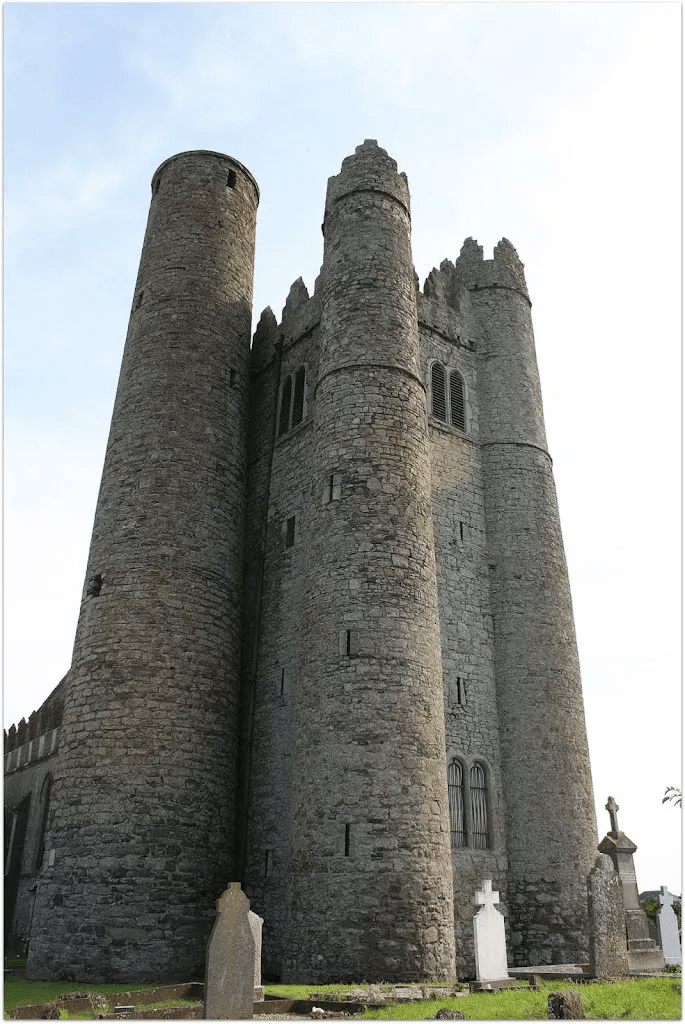
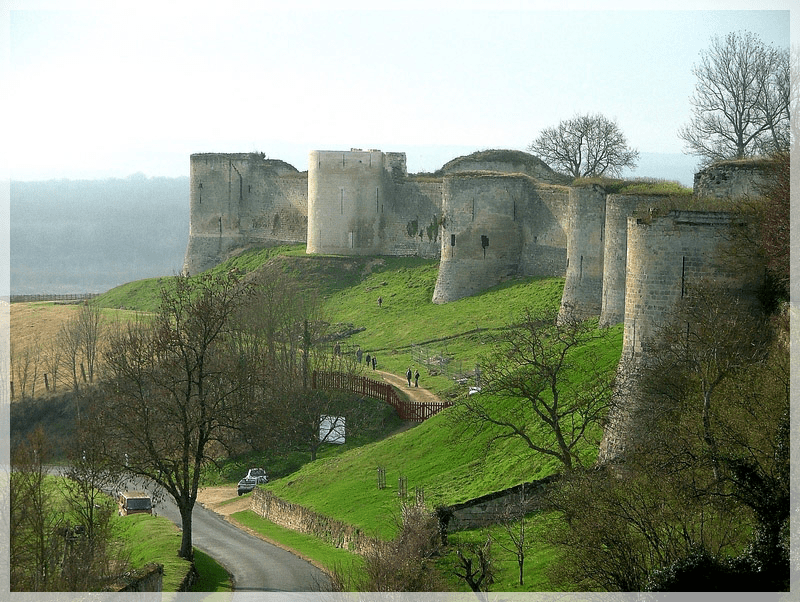


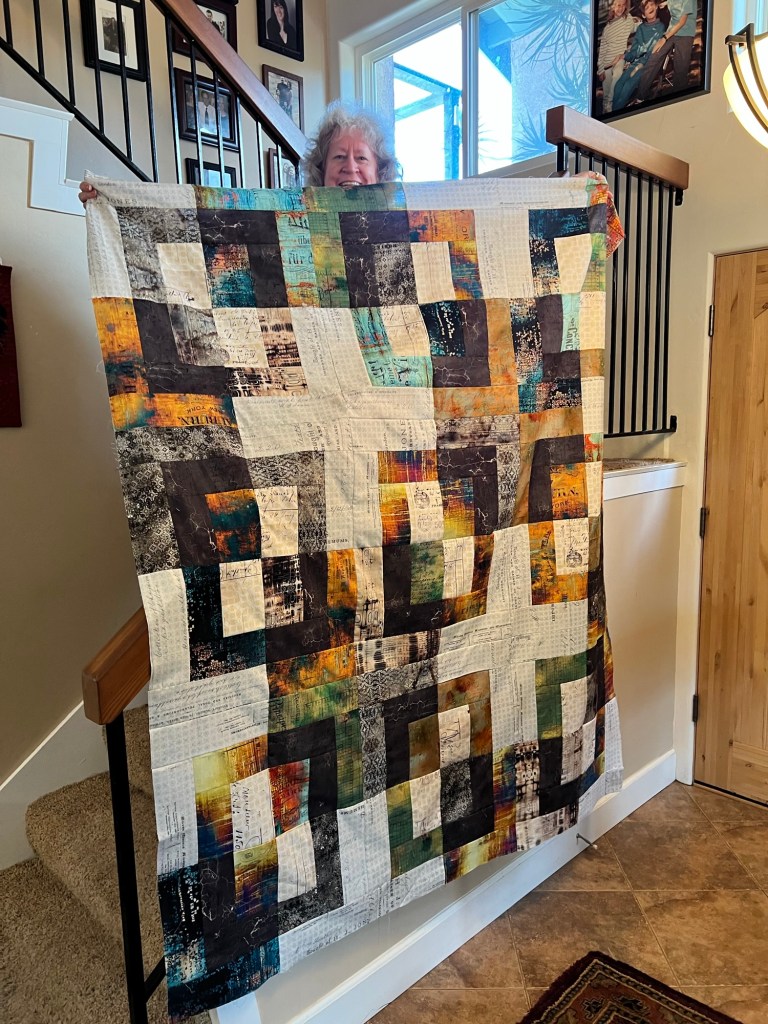
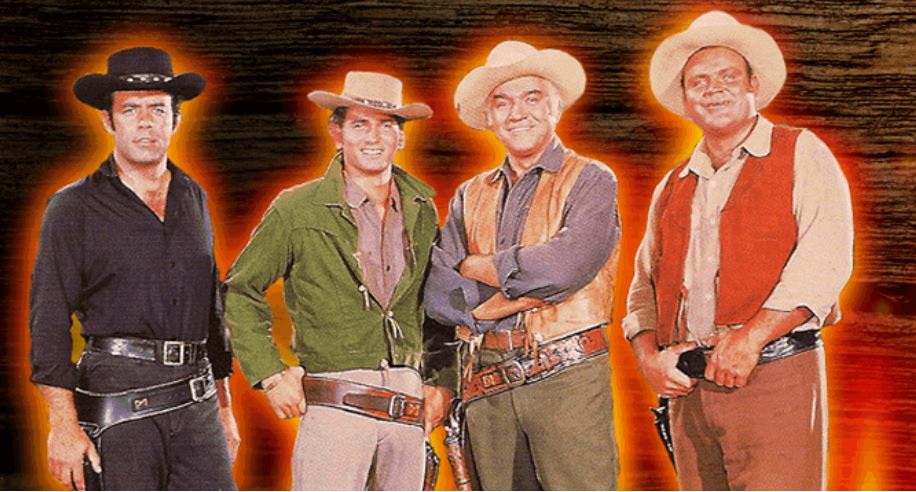


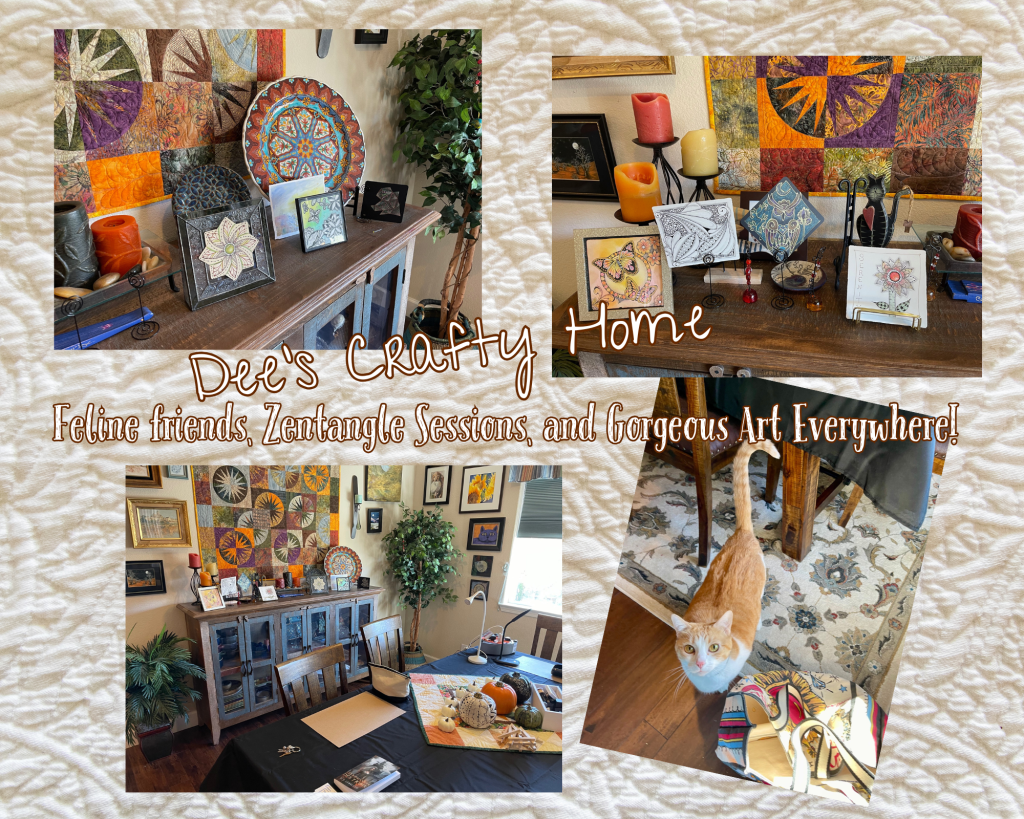


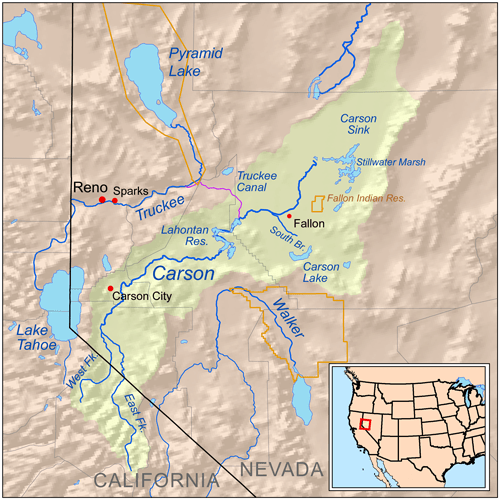


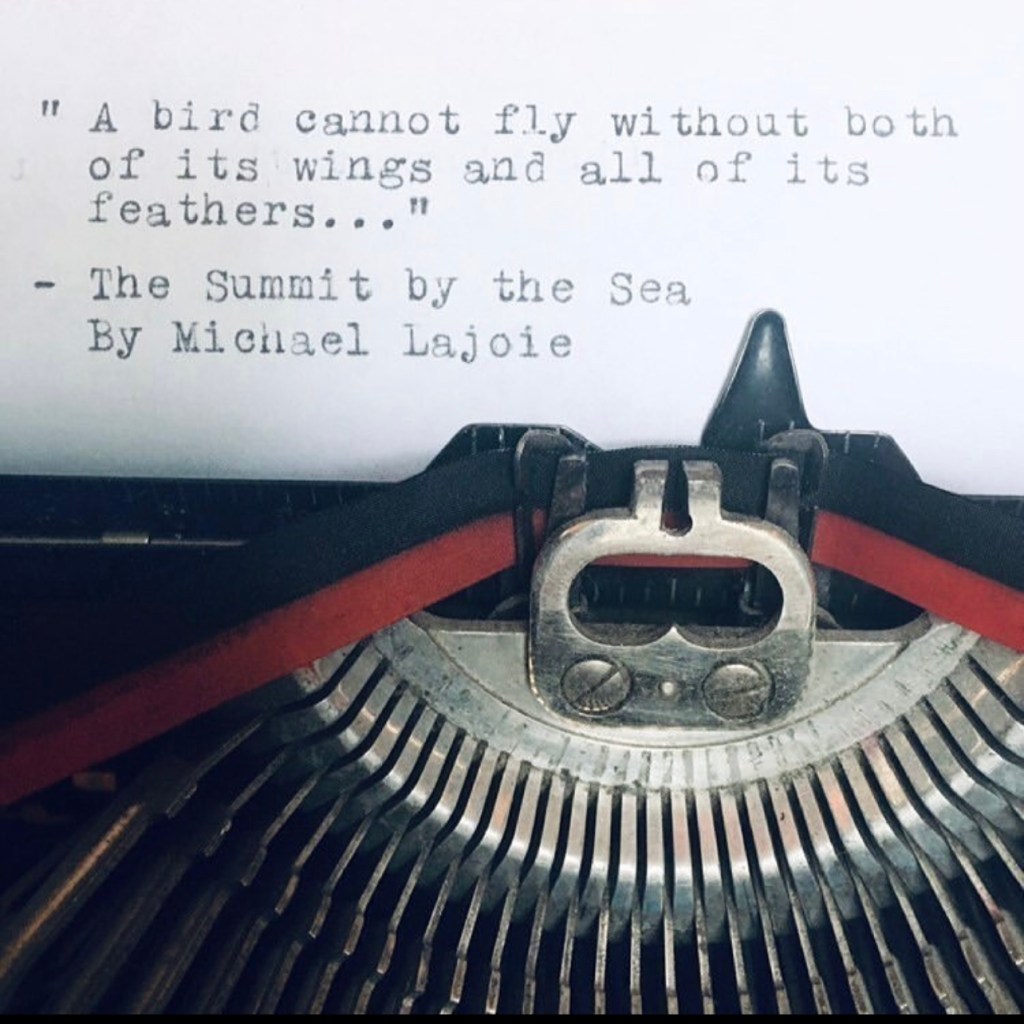

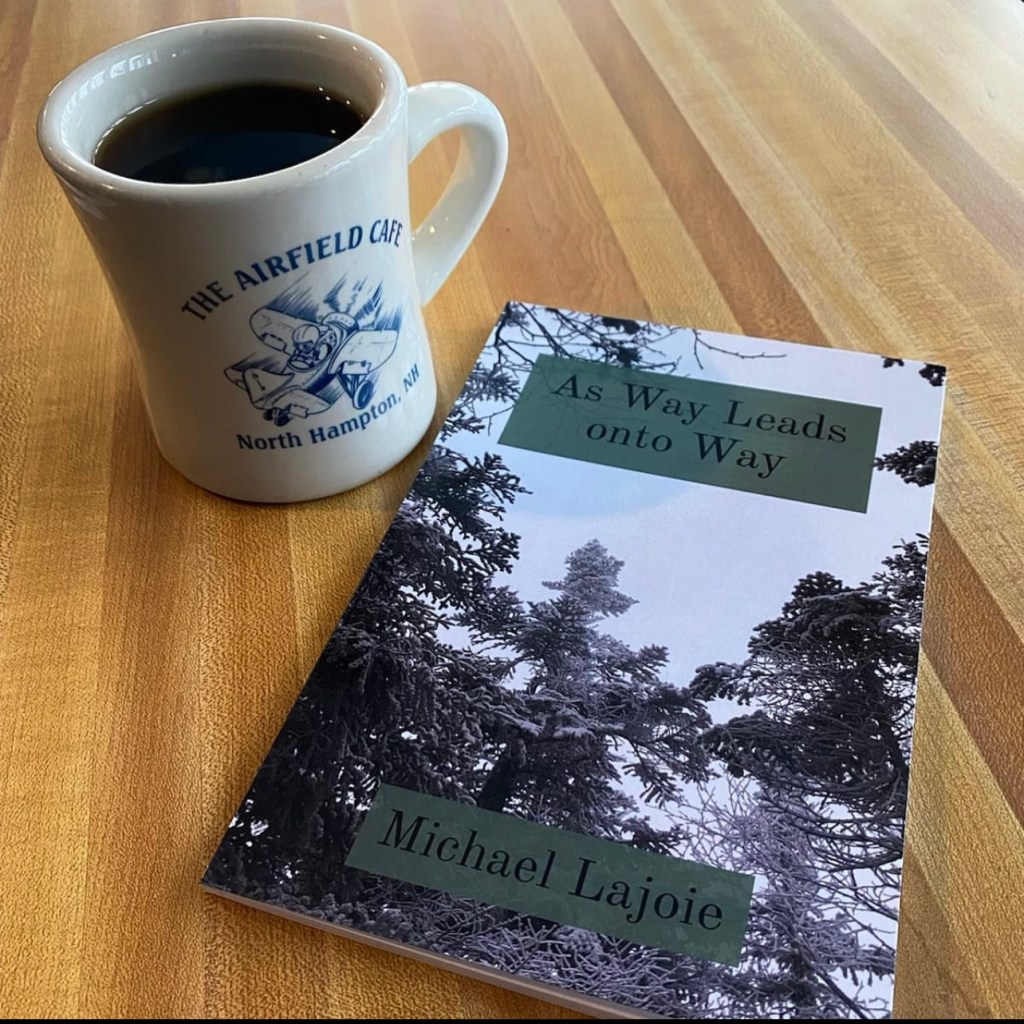


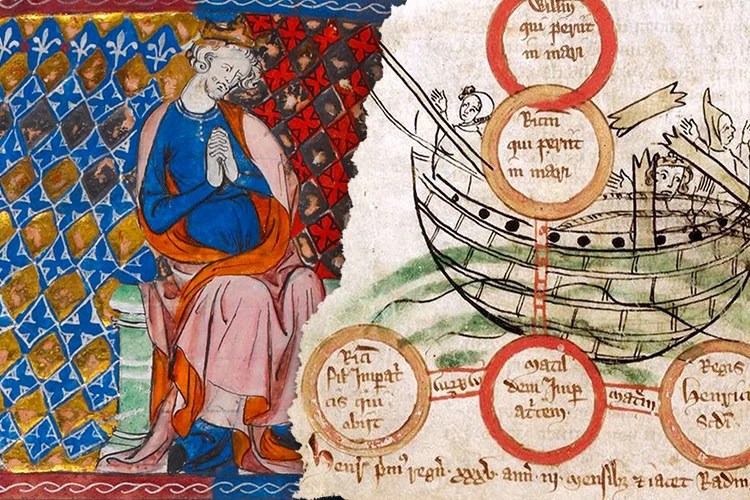





 By D. L. Lewellyn