Me and my Pod People packed up to petsit for two weeks.
I had the idea I would get to play with two amazing, adorable three-year-old brother bulldogs while I enjoyed a writing retreat, away from my own home and all the responsibilities. Somewhere quiet without interruptions.
The first part came true. I had so much fun with Mack and Elway. See? I pooped them out.
My Pod People? They still got a little air time over the keyboard but mostly they clamored around in my head. Still, my charges were so good, they let me sit for a couple interviews, and create a new story for a group project. I hadn’t thought about pet sitting as a retirement perk. But coming up with new things to do is what it’s all about, right?
This was my biggest writing hiatus since I started three years ago! But look at them. It was worth it. First day back home, and I miss them.
My Pod People and I have been working super hard on a finish for The Starlight Chronicles series. And it’s getting hot in my office with no air conditioning. Our window units don’t reach that far. How are all of you faring in this hot weather? Yikes!
So, I was stoked when my bestie asked me to stay with her a couple nights at her timeshare at South Lake. But my energetic and fun-loving friend doesn’t just stop with an invite to stay in a charming little condo… Nope, she also provided a list of excursions for us to indulge in.
Which meant I packed up my pod people and left my laptop behind… Well, not quite. But I only wrote for about twenty minutes on Book Three when I had some downtime 😁 Oh, and I made a promo video for another writing buddy who will be sharing it on their YouTube channel because I thought it would be fun to film it at Tahoe since there’s a great scene in Ursus Borealis at Harrah’s… and a chase scene on the highway to Truckee… But that’s it for writing, I swear. Oh wait. I also bent my friend’s ear on my latest plots. She’s wonderful about that too, including injecting me with a needed dose of her vibrant enthusiasm. She likes my books and is great for bouncing ideas off of.
I only live 45 minutes from this world-class destination and visit once or twice a year, but I’ve never gone up to a ski lodge. Mostly because I don’t ski. Who knew Heavenly could be as fun in the summer! And it was blessedly much cooler than my valley this past week.
Here is a bit of trivia: The amount of water in Lake Tahoe (39 trillion gallons) is enough to supply each person in the US with 50 gallons of water per day for five years.
View from the Heavenly Gondola. I highly recommend this experience. It includes a final leg on the ski lift to the top at 10,000 feet! I live in a high dessert valley at 5,000 feet, but still! It’s great getting high on that pine scented air that only smells that sweet so far up. And there was plenty of snow left over in July.
I’ve never gazed on Tahoe like this. Isn’t it amazing?
view of the Carson Valley, Nevada-side
From the top of Heavenly, you can ski down the Nevada side or the California side.
The other highlight of our outing was a Magic Fusion show at The Loft in Heavenly Village. (The Village is also good for fantastic restaurants and shops.)
The Loft is a small venue, purposefully intimate, so the audience can be up close and personal with the performer. Our evening included an amazing performance by Matt Marcy.
For your entertainment, here is Mr. Marcy on Penn and Teller.
We finished the trip with pizza at the Base Camp Pizza Co. with live music.
Empress Linen with Indigo Gin, Elderflower liqueuer, lemonade, and cucumber
Okay, so back to my hot valley and writing… after a little knitting and pot luck at my local air conditioned hangout with my knitting buddies!
I’m a romance writer. Passion is an emotion I get to play around with… a lot. Sigh…
Okay, that statement pretty much says it all, and I should just end my article here. Wait… sorry… I got caught up in the moment. I do that a lot when I’m writing.
What I really wanted to talk about was how I found my own personal passion that 1) blossomed in my 50s, 2) is sticking with me, unlike so many other creative outlets I’ve explored, and 3) has been a joy fanning into a brighter flame through learning and community… And through my example, prove to you that you can do the same.
You get one shot at life and there’s no age limit in pursuing your passion – if anything, you now have the wisdom and experience to navigate your passions with a clear head. Besides; it’s better late than never!
My focus today is the part where I started this journey in my 50s. Because I want to convey to you that it’s never too late to pursue a new passion, to rewrite your life, even. It can happen. Sometimes it happens with purpose, sometimes by those lovely twists of fate. The twist of fate that caused me to take another turn in life was not so lovely, but the fact that the pandemic brought an activity that prompted me to try my hand at my first novel is a positive thing I will gladly take away from all that horror.
The summer it hit, I decided to get back into my reading. My wonderful niece turned me onto Cassandra Clare, and I devoured the Infernal Devices series starting with Clockwork Angel. After that, I went on to consume Stephanie Meyers’ TwilightSeries. I couldn’t get enough of the fantastic first person narrative of Sookie Stackhouse in True Blood. I’m getting ready to start them again on my Audible. I went on to discover independent authors like Stephanie Hudson and devoured all twelve books in the Afterlife saga, followed by Transfusion. Next, was another fantastic discovery; Grace Draven and Radiance. Highly recommend this author! More authors got swept into my Audible or Kindle like Laura Thalassa (The Four Horsemen novels, The Bargainer series, and other great series), Jeanienne Frost (Night Huntress novels), and Kresley Cole (Immortals After Dark novels). For the romcom paranormal shifter delights, I turned to Carrie Pulkinen. And the list goes on. I read 180 books that summer.
All devoured, digested, and churned into a new passion.
Which means I got the crazy idea one day (in 2020) that I would try my hand at writing a novel. I sat down to write… and haven’t stopped. My first novel turned into a 250,000 word series. I’m still finishing the last book, and have rewritten the first two several times in the process of learning. I went for the self-publishing option and learned how to make my own book covers and promos, all one step at a time. I got involved with a writing community and found other resources. Three years later, I’ve learned so many new things, my head is spinning, and I made the momentous decision to retire from my day job a year early.
I ‘m also 50,000 words in on three other stand alone novels and have written a host of short stories (many based on characters in my novels yet to be complete), one having won a contest. But wow! Contests and anthology submissions are tough. Still I’ve learned so much through the process, that it’s worth the beating. I blogged about the benefits of slogging through rejection yesterday. I did managed to get a short story accepted to an anthology this year, and that was a thrill.
Am I convincing you yet to go for it? I hope so. All I can tell you for sure… following a passion at any stage of life is the best way to live. Strong and barely controllable emotions fuel the mind and body, spark that drive to get up and start a new day, and to live that day in excited anticipation of the next development while meeting yet another milestone in your new passion.
Here is one great example to illustrate that developing a passion later in life is not a new thing. [Click on header for the full article on other examples]
Author of the autobiographical “Little House on the Prairie” series, Laura Ingalls Wilder became a teacher at the tender age of 15, but spent most of her adult life tending a farm and family. She wouldn’t really take up writing until her 40s, and faced several rounds of rejections for her first attempts at chronicling her childhood on the frontier. She finally broke through with “Little House in the Big Woods” in 1932, when she was well into her 60s. She continued to write “Little House” books for the next decade.
Just think – you could spend the next few years indulging your passions, or you could tell yourself it’s not worth it. Those next few years will pass regardless, only by then, you may regret not giving your passions a go.
This was my week for the dreaded “R” word. Rejected twice in seven days. I thought I’d chat about about how that makes me feel and what I’ll be doing about it. Maybe you all can relate and it will give you a boost to know that you’re not alone.
People who experienced rejection as more painful were more likely to change their behavior, remain in the tribe, and pass along their genes.
I’ll start by saying that this whole fiction writing journey has been a complete surprise and only started three years ago. I’ve been a steamroller ever since. That is the most surprising part because most of my life I’ve been a dabbler. I love to create, but I’ve never stuck with any one thing long enough to become expert.
I’m now a bulldog about a craft I’ve developed a surprising passion for… in my 50s. What? How did that happen? I’ll get it into the idea of late-blooming passions more in a future article. Today, I’m focusing on dealing with rejection.
So, when the results go unseen, unappreciated, or are outright rejected, the feelings go deep, right to the gut. Maybe that was why I always dabbled. No risk. Well, I’m opening myself up to all the poundings now… and having the time of my life.
Both of these rejections I’d prepared myself for and even planned my next steps. Doing this I was sure would help me cope with the blow. It does, and it doesn’t, and I’ll tell you why.
First. It was still a gut punch.
This TED article provides the reasons why we feel rejection so deeply. So, I’ll point you to it because you really need to read it and it explains things much better than I can.
As for me, I really thought that I wouldn’t feel rejection as deeply in my 50s, convinced life experience, maturity, whatever you want to call it, would be my buffer. Instead, my first reaction when I get that “Thank you for your submission to… Unfortunately…” message is to cry and rant.
Then my jaw juts out and my backup plans kick into action. But the plans don’t go forward in a vacuum. Each rejection is a major learning experience. I love to learn, and I love to apply it to my work. It proves just as Mr. Winch describes in his article, that pain equals survival. It’s motivation. It changes behavior. And leads to success. Just be open to the idea that success comes in all sorts of ways each time you push through another rejection.
So, I guess what I’m trying to say is that the pain is short-lived. I waist little time before turning back into a steamroller, and I can move on with honing my craft. And that’s why I’m enjoying the heck out of this ride.
I love to feature all creators, and this month I’m excited to delve into the music industry. Come meet my friend Tracy Foote as we get behind the scenes of a busy musician touring with his bandmates all through the foothills of California… and beyond.
Rock and blues guitar is a passion of mine, and Tracy had the talent from the beginning. I was not surprised when he made it a career. Check out these schedules…
Lucy A. McLaren is a fantasy author and professional counsellor, passionate about writing stories that include a realistic representation and exploration of mental health issues. She is a lifelong fan of fantasy stories, and enjoys reading, writing, watching and playing them. McLaren’s debut novel, Awakening: The Commune’s Curse Book 1, released from Santa Fe Writers Project in May 2022. She also has a fantasy short story featured in the Reign of Fire anthology which was released from Dragon Soul Press in January 2023.
Fantasy has always been Lucy’s genre of choice, though she loves a good horror, psychological thriller or murder mystery on occasion.
Lucy launched her series last year, and Book One, Awakening, is taking off! You can follow her blog and find her stories at Lucy A McLaren Author where she tells us that for as long as she can remember, she was drawn to the magic of storytelling, whether via books, video games, TV shows or films.
I’m stoked you were able to stop by and visit with me, Lucy. I have so much I’ve been wanting to chat about. How’s your June going so far?
LAM. Thanks so much for having me, Darci! It’s great to chat. My June has been good so far. It’s just starting to get really hot in the UK, so my husband and I are trying to make the most of that with our toddler (aka trying to burn up some of his ample amounts of energy so he sleeps at night). In terms of writing, I’ve been feeling fairly productive lately with consistent writing for the first time in a while. Saying that, I did realise I needed to take a little break over the last week because I was pushing myself to write every day. It’s a piece of advice I’ve seen a lot as a writer, but actually rest is a valuable part of the process too. Pushing yourself to keep writing regardless of anything else can be really counterproductive in the long term. I’ve seen that from personal experience. How about you, how’s the start of your June been?
DLL. Awesome, Lucy, and good luck with that sleep schedule. We’ve been enjoying a cooler, wet spring, which is unusual for our high desert country, and I’m loving it!. This first week, I also took time out to enjoy my first real break in writing. We traveled to stay with family and attend my niece’s beautiful wedding.
I’m always fascinated when an author starts out by launching a book that is destined for an epic series.Though I envy writers who can churn out standalone novels, which means they can finish a story and move on to a new one, there’s something so satisfying about creating a big multipart story and a big world that a writer can live in for an extended period of time.
To get us started, let’s jump right into your exciting young adult fantasy series, The Commune’s Curse.
Q. Did you set out to write a series? Or did it grow as the story unfolded?
LAM. I think back on this and I can’t recall The Commune’s Curse being anything but a series in my mind. Because I grew up reading fantasy series such as The Song of the Lioness Quartet by Tamora Pierce, J.V. Jones’s Sword of Shadows series, and His Dark Materials by Philip Pullman, I wonder if part of my brain just thought writing fantasy meant writing a series! But, saying that, it works as a trilogy. I’ll give the blurb for anyone unfamiliar with Awakening:
The Kingdom of Septima is ruled in all but name by the Commune, a ruthless cult that seeks control of an ancient power that has taken root in unsuspecting children in Septima. To maintain their hold on the kingdom, the Commune will stop at nothing to capture children who show signs of this power, to be weaponised or eliminated.
18-year-old Evelyn Folksman is in hiding. Taken in by a tavern-owner, she is haunted by the horrific events that drove her from her home years before. Evelyn is forced to face her past when two wayward children, Raif and Rose Huntsman, arrive at the tavern, pursued by Commune soldiers.
The children fall under Evelyn’s reluctant care as the trio narrowly escape a raid. Relentlessly hunted by Commander Jonah Sulemon and Commune agent Lord Eirik Torrant, Evelyn and Raif cannot fathom why they pose such a threat to the Commune, until six-year-old Rose unwittingly reveals a terrible secret: she possesses powers more fearsome than any the Commune has unearthed in decades.
There are only two options: to be captured and imprisoned, or to run for the rest of their lives.
The Commune’s Curse
It’s a story that grows with each book, I think. For example, book one takes place in Septima and is centralised around a few key locations in the kingdom (Castleton, the Veritas camp, Lord Torrant’s house). Book two expands on the story and takes the reader to new places, both in Septima and beyond.
DLL. Wow! This is a fantastic glimpse. I’m sure everyone wants to know what options might not be listed. I know I do. 😄 You can start the journey by clicking here.
Q. I love a good quest story with a compelling, reluctant heroine who faces challenges, including personal ones, while struggling to reach a destination with her charges. That’s just the tip of the iceberg. Can you give us a series synopsis and some hints on what we can look forward to in the next installment?
LAM. That certainly is just the tip of the iceberg!
A series synopsis, oof that’s a good question. As mentioned in the blurb above, this is a story set in a kingdom ruled in all but name by a ruthless, cult-like government. The ultimate aim is to see them taken down. How we get there will be anything but simple. The overarching theme is about fighting against the oppression of the Commune. Of learning that we can be blinded by our own experiences and beliefs. Of being open to change, being open to forgiving ourselves and those who treat us badly. The four main characters–Evelyn, Raif, Hector and Commander Jonah Sulemon–are each put through some trials. They are led to question themselves. They make mistakes.
That sounds very generalised and I suppose it is. Ultimately, this is a series that I wanted to be very human at its core–because that’s what I find interesting in the stories I read, the characters, their flaws and struggles and how they ultimately overcome them. Or not, in some cases. We can’t all get a happy ending. That will certainly be the case in this series. That’s not so much a synopsis as a ramble, so I hope it makes sense!
In terms of what’s in store: in book two, we get to learn about Hector’s home, Nook Town, and the religious beliefs they hold that are outside of the Commune’s sway. We also discover more of Commander Jonah Sulemon’s home, the Noman Islands–the place where the powers first appeared. I want to keep readers guessing, not 100% sure where things could go–and I think book two will come with some surprises. At least I hope so, anyway.
DLL. Thank you so much, Lucy! Getting into your writer’s thoughts on your story themes is a real treat.
Q. One of the most intriguing aspects of your series is how the MC copes with trauma. As a mental health professional, what is it like to blend your work experience with writing fantasy fiction? Were there challenges merging your professional world with writing? Was it imperative for you to create a flawed character when you set out to write fiction? Or was The Commune’s Curse a story waiting to happen, an inevitable, natural element in your storytelling?
LAM. Thank you, yes it was something I felt I certainly wanted to explore within my storytelling. Weirdly, I don’t remember intentionally going into it thinking “this character will have trauma, I will explore this mental health issue”, but as it emerged that Evelyn had past trauma–all of the characters do actually, to some extent–Raif has grief to process, Sulemon is in a toxic relationship, Hector is… well, he’s just Hector haha. But they all have their struggles. I think the main challenge for this is ensuring I wrote these issues sensitively. As a counsellor, I’m aware of the mental health theory I can utilise to understand characters and why they are how they are, but that doesn’t mean I’m impervious to misunderstanding mental health issues. I used both personal experiences, case studies I’ve read in my professional work, and research around trauma in order to write my characters. And I hope I’ve done those issues justice.
To me (as I’ve already mentioned), flawed characters are the most interesting to read. We are all flawed. We all have struggles. I want readers to connect with the characters I write, to see themselves mirrored or to be able to understand different mental health issues through these characters. That is important to me and something I am very passionate about. So yeah, I believe it was imperative. 🙂
You know, you asking that–whether The Commune’s Curse was a story waiting to happen–makes me think. When I was training to become a counsellor, I found my way back to my love for writing. I hadn’t done it for many years because of anxiety and self-doubt. I was keeping a journal during my training and remember writing, “I’m going to write a book.” And Awakening was the first book I wrote. The story came out in stages. I realised I wanted to include aspects of real-life issues (victim-blaming, mental health, Brexit, oppression). So perhaps some part of me always intended to write a story including those things. Maybe that’s why it was so easy to write that first book.
DLL. Thank you for taking another deep dive! I really appreciate this aspect of your journey.
Q. Awakening has received some amazing reviews and two things stand out besides the “clear-eyed portraits of trauma in its characters” – Your “exquisite prose” and fast-paced story telling. How did you develop your writing style?
LAM. Thank you, yeah it has received some really lovely praise. Which is wonderful for me as a writer who often experiences strong bouts of self-doubt! I think my beta readers and editor had a lot to do with helping me hone my writing style. You always hear about finding your “voice” as a writer. It’s one of those elusive things that are hard to know how to nail down. Ultimately, I think if you’re writing what you’re passionate about, your voice will come through. That’s what I’ve aimed for, anyway. I do also believe writers are always honing their voice. Book two of The Commune’s Curse is better than book one, in my opinion. And I’m working on a standalone dark fantasy too. My aim is basically: keep writing, keep improving my style, keep finding my voice. That’s all anyone can do, right?!
DLL. Exactly. And I can relate, and it’s so encouraging to hear how you adapt and deal with growing as a writer.I’m not sure if it was the smartest thing to do, but I went back and applied my (in the process of being) honed writer skills to my series and am republishing books one and two this summer. I wish I could have just left my original story intact, but I couldn’t help refining it, which led to a couple new chapters and fleshing out secondary characters that carry over into the next book. But I need to just get them back up on Amazon and stop all the tweaking. 😊
Q. We connected through the Fantasy Sci Fi Writers Alliance, a great group of writers who support each other in a variety of ways, and I’ve enjoyed hearing through that group how you make time to write while balancing your professional and family life. Can you share your tips on staying on track? What are your favorite things to do during downtime?
LAM. Oh yes I LOVE the FSF Alliance. It’s so wonderful connecting with fellow authors. It can be very lonely writing a book. I highly recommend joining to anyone who is writing an SFF book at the moment (see more below).
You know, staying on track can be tough sometimes. A big thing I’ve learnt recently is it’s okay NOT to stay on track sometimes. Be gentle with yourself. If you need a rest and break from writing, take one. While I’m doing that, I tend to find little ideas popping into my head which I jot down for later.
When I am in the headspace for writing, for me as the mum of a toddler, it’s about utilising the time I do have. Nap time! I’ve stopped keeping a daily word count expectation as that brings its own pressure. Basically, on the days you do write–any amount of words is fantastic, whether it be 100 or 1,000 (or more, GO YOU). Be proud of any progress you make.
Outside of writing, I love spending time with my toddler (he needs A LOT of attention right now) and husband, playing video games (I’m currently playing Tears of the Kingdom and have just started a cosy game called Potion Permit), reading (fantasy, horror and crime thrillers), and going for walks to find old castle ruins for photographing. I find them to be inspirational for my stories!
DLL. I totally dig this! I enjoy those “meandering” photos of yours too. I loved exploring the U.K. on a long visit back in 1990, and so wish I had castles to explore out my back door. I’ll have to stick with forests and lakes. Awesome! Click the logo for more on the Alliance.
Q. This is where we can chat about your nifty word processor! I enjoy your posts about your FreeWrite Traveler and all the words you bang out in a session thanks to not being distracted with editing as you write. I started my career as a word processor in 1982, so I love retro tech stuff. Give us the scoop. Are you still loving it?
LAM. Oh my, yes, I LOVE word processors. So I started with an AlphaSmart which was a 20-something year old word processor. It was about £50 on eBay so I thought why not give it a try to see if it helps. I’d been feeling really stuck creatively for a long time and needed something to give me a boost. And WOW did it work. I hadn’t realised how much the distractions on my laptop impacted upon me. Suddenly, I could sit and write without having text messages, emails and social media notifications popping up every few minutes.
The success with the AlphaSmart led me to invest in a Freewrite Traveler. They are certainly a more expensive option, largely because they’re new! They have wifi backup and are generally more modern looking/feeling. I am in love with my Traveler. The upward spike in my productiveness has seriously blown me away. I recommend this tool for any writer who can afford it and who has struggled to keep focused. You won’t be disappointed.
DLL. Oooh. I so want to get one! You can follow Lucy on Instagram to learn more about her love for her FreeWrite Traveler and her works in progress. Click here to check out the device directly.
Q. What are some of your other favorite tools or methods to help with productivity?
LAM. Definitely notebooks. I am a sucker for a good notebook. I probably (definitely) have too many and I will always be tempted to buy another if I see them in a shop. My husband has to drag me away, ha. They’re handy for jotting down notes, ideas, interesting names and lyrics, all of which I find inspiring. I also find utilising the notes section on my phone a fantastic tool. I don’t always have a notebook close by, but I do have my phone with me basically all day. So when my brain decides to throw a random story/scene idea out at 1.37am, I can pick it up, blearily write it on my phone and know I won’t forget it.
DLL. Fantastic! I’m a stationary fiend and love collecting notebooks. I don’t even use them all. And just this morning, I was selling my husband on the idea of using his Notes on his phone. Such a handy feature.
Q. Who or what was your biggest influence in becoming a writer?
LAM. Ooh, good question. I feel like a lot of things converged at around the same age for me which had a massive impact on my passion for fantasy stories: Lord of the Rings films, I read Tamora Pierce’s Song of the Lioness Quartet and Philip Pullman’s His Dark Materials trilogy, I was played Legend of Zelda: Ocarina of Time/Majora’s Mask and Final Fantasy VIII/IX/X. They caused me to fall in love with character-focused adventures with interesting people and places. So becoming a writer felt like a natural part of wanting to create my own stories and, in some part, to recreate the magical feeling the ones I loved left me with. More recently, I discovered writers like Robin Hobb and Joe Abercombie whose books I absolutely adore and whose amazing writing skills I will always aspire to.
DLL. Here are links besides the ones above to get you started on what influenced Lucy. Robin Hobb’s Assassin’s Apprentice, and Joe Abercrombie’s The Blade Itself (debut series).
Q. What are your top three favorite books or authors?
LAM. Robin Hobb is definitely my favourite author. I adore all of the books of hers I’ve read (I still have many to read. They’re on my TBR but I think I’m almost scared to get to them and not having any more Robin Hobb stories waiting for me. That’s my excuse, anyway.
His Dark Materials by Philip Pullman is my favourite book series. Highly recommend to anyone who hasn’t read it. The characters, worldbuilding and themes are second to none.
The Priory of the Orange Tree by Samantha Shannon is definitely up there as one of my favourite books. It’s epic and gorgeously written.
DLL. Awesome. Thanks for sharing more from your list, Lucy!
Q. Another topic I have been excited to cover with you is your participation on panels at writers conventions and other venues. Can you share how you got started and was it a hard thing to do? What are your favorite highlights? How can a writer get involved or be invited to sit on a panel? Do you recommend it?
LAM. Absolutely! So I started when I saw an open call for QuaranCon in 2022. It was an online convention, which became a lot more popular because of the pandemic of course cancelling in person events. With a young child to work around, this became a very convenient option for me. It was (and still is) hard putting myself out there and talking in front of people, but it definitely is getting easier. Tell my 15-year-old self I’m doing this; she’d be astounded.
My biggest highlight is definitely attending EasterCon in person in April this year. As much as the online conventions are convenient and I love taking part in them, going to an in-person convention is fantastic. I met loads of lovely people, connected with social media friends and was on a panel with Garth Nix, whose books I read when I was like… 10. So that was surreal.
To get involved in conventions and panels, I’d say search what is available in your country/area. See what conventions have online options (I’ve partaken in American-based ones such as WisCon because they have an online part to the convention). They will generally have an open call for authors to sign up and advise they’re interested in being on panels. Some also offer the option of making suggestions for panel ideas. Basically, keep your eyes peeled.
And I 100% recommend it. It’s the opportunity to meet new people, speak about topics you’re passionate about, and promote your work as an author. All invaluable parts of being a writer. Also, if you’re introverted (like me) and worried about it–you can do it! Everyone is always so friendly, in my experience. Plus it’ll build your confidence the more you do it; believe me, I know.
DLL. Fantastic. So encouraging! And I look forward to hearing more about your experiences. Follow the links in the text to learn more about these amazing conventions.
Q. Along with conventions, what is the writing community like in the U.K.? Do you have other ways you get involved locally to promote your stories?
LAM. I am part of a local writing Discord group but, to my shame, have barely taken part in it. I do know another North-East based writer (Trudie Skies) and we plan to meet up soon, which will be nice. I’ve also had the opportunity to meet fellow authors and good friends who have come over the UK, like Cindy van Wilder and Courtney Denelle. I also need to find local places to promote my stories. Basically, Darci… I’m still working that out lol.
DLL. You’re doing much better than I am.😊 It is hard to stay involved while keeping productive. And any bit is a good thing.
Q. I’m self-published and after two years of absorbing how other writers market their books, whether traditionally published or independent, it seems to me it’s an uphill climb either way with such a saturated market, and I’m still unclear about the advantages of one over the other. What are your observations?
LAM. I completely agree. It’s very much an uphill struggle. I think the advantages, for me at least–and why I wanted to go down the traditional publishing route–are that you have a publisher behind you to give aforementioned advice and support. I know as a debut author I would have felt overwhelmed publishing a book without that. Perhaps self-publishing is the way to publish quicker because trad publishing certainly takes more time. But it also costs the author more. But they get all the royalties. But they don’t have a publisher behind them for support.
All that being said: ultimately, I say do what is best for you! Just make sure you put the best version of your book out there, either way.
DLL. Helpful insights. Can you cover a little about how you sought your publisher and developed your relationship?
LAM. Of course! So I was querying for agents in 2019 and saw that Santa Fe Writers Project (SFWP) had an open call for SFF novels. I thought why not submit and went for it. A few months later, I got a response which was a “No, but…” which was amazing! They gave lots of helpful feedback and pointers as to ways to build upon and improve my book. I implemented those, resubmitted a few months later and waited. In May 2020, I was offered a publishing contract and was absolutely thrilled! It’s still surreal to me now, honestly.
Q. How do you work in conjunction with your publisher to market your books? What does your publisher do to promote you?
LAM. My publisher gives me a lot of tips/advice around marketing. Marketing is one of those things I definitely wasn’t fully prepared for as a debut author, so I’m glad to have a publisher like SFWP who are able to support me in it!
Q. You also enjoy interviewing authors and creators. How did you get started with that and how long have you been at it?
LAM. Oh I love it! I’ve been doing it in one form or another for a few years now. As much as social media can be a challenge and brings a level of anxiety, I have met so many wonderful people through it. I think I started out interviewing a good friend, Cindy van Wilder, who I met on Twitter back when I joined in 2018. They are a supportive, amazing person who has helped me so much in my writing and publishing journey. I love getting to know other authors, how their writing is going, their writing influences, all that kind of stuff. I’ve recently been doing a series of interviews on writing and video games, considering how the latter has had an impact on people’s love of stories and the way they create their own worlds/characters. It’s been very interesting–and a great excuse to have a nostalgia-trip discussing video games!
DLL. Awesome! You can visit Lucy’s interviews here.
Q. What are your favorite aspects of sharing a writer’s story on your blog?
LAM. I find it quite fun just writing about it, to be honest. It’s quite cathartic! I tend to do more sharing on my newsletter than blog, thinking about it. I try to give advice or share news and hope that it helps others to find new events/things to try in their writing. If just one person reads it and takes something from it, I’m happy.
Q. You have other stories published. Where can we find your works, and can you share what projects you’re working on in addition to your series?
LAM. I have a short story called The Dragon Harvester’s Daughter published in the Reign of Fire anthology which released in January. It’s a fantastic series of short stories worth checking out if you love dragons! I also have other short stories available on my website, if you fancy some quick fantasy reads.
In addition to working on The Commune’s Curse series, I’m writing a standalone dark fantasy, working title The Etherstone Project. It’s one I’m really excited about. Based in a Victorian London-inspired city which is being stalked by a vicious killer, it is about two young women from different ends of society who must come together to uncover the truth about the murders and the mysterious EtherGods who control their city.
DLL. Ooh. That sounds amazing!! I can’t wait for that to come out.
Follow the links throughout to find all these great stories and keep posted on Lucy’s progress. Reign of Fire is published by Dragon Soul Press. I love their anthologies and have a story about a selkie and lighthouse keeper in one called Song of the Siren. Check them out if you have a story to submit.
Q. Where do you see yourself in five years as a writer?
LAM. I’d like to have Etherstone finished and out in the world, if not with a publisher ready to be released. The Commune’s Curse series finished and in the world. And on to my next fantasy book/series… Just the thought makes me very excited and anxious haha.
DLL. Awe. Fantastic. I totally get that!
This has been a lot of fun, Lucy! Thank you so much for joining me this week. Do you have any parting words of advice for those who want to pursue their passion?
LAM. Thanks so much Darci, it’s been lovely chatting.
Parting advice: write your first draft without editing it. Get it out of your brain and onto the screen/paper. Edits come later. That is the best thing I’ve taken on board from other writers and it works.
Post your comments or questions and Lucy and I will follow up.
Can’t wait to share my conversation with my next guest, Michael C. Carroll!
Born and raised in Massachusetts’ Merrimack Valley, Michael C. Carroll has always loved storytelling. After graduating from Boston College, he moved to Atlanta, Georgia where he teaches and lectures on the epic poetry that inspires his writing. It was not until his master’s program through the Bread Loaf School of English brought him to Oxford University, that Michael knew he had found the story he would spend the rest of his life telling.
In Professor Francis Leneghan’s tea-scented office, Michael began studying the Old English manuscript of Beowulf. That literary exploration led to his thesis that addresses the allegorical significance of the dragon fight that concludes the Anglo-Saxon epic poem. Not long after earning his Master’s degree, Michael began writing Beyond the Fall of Kings, the incredible true story of the war behind the poem of Beowulf.
Currently, Michael lives in Atlanta, Georgia where—when he is not giving lectures on Beowulf—he can be found making dinner for his wife and daughter, coaching his school’s football and swimming teams, and working through his own translation of the Old English Beowulf Manuscript.
Nicolas and I connected on Twitter. I blogged about that awesome aspect of the sometimes risky social platform because I can now attest that it is possible to meet supportive, like-minded people who end up becoming a writing buddy and friend. Nicolas was one of those happy surprises.
An email dialog ensued lasting many weeks, and today I am sharing that conversation as it occurred, almost in its entirety, which was Nicolas’s creative idea. He is sharing the same on his blog from his perspective. You’ll note, and hopefully be entertained while picking up some great tips, my style of rambling (pardon the long parts!) versus Nicolas’s in-depth style where he provides tons of helpful resources (which I hyperlinked for your reference).
Enjoy!
To get us started, here is an introduction to our conversation from Nicolas:
Author D. L. Lewellyn and I connected over social media, chatting and digging into the writing life, and sharing our respective creative journeys.
Our ongoing conversation covered many topics, like self-perception, writer’s block, plotting vs pantsing, the importance of finishing projects, and building an audience… We discussed our writing processes and shared intel about our respective stories. We pondered where to focus our fledgeling marketing efforts, how to find good beta readers; or work with developmental editors. We shared many writing and marketing resources that we’ve encountered along the way. We talked about the courage to start before you’re ready. We reflected on writing speed, routine, life balance, remote working…
There was initial talk of exchanging blog interviews, but ultimately, we chose to share our take-aways in a more conversational, free-form manner… almost as it took place over our extensive, in-depth series of emails. Then we agreed on publishing our two versions of the conversation simultaneously on our respective blogs.
The result is what follows. Please enjoy! ~ Nicolas
The Conversation:
It all started with Twitter… and grew, and grew…
D:
I wanted to let you know I really enjoyed “Cradle” and so did my husband. I read it out loud to him. How are your books coming? I look forward to your newsletter. Would you like to schedule a blog interview with me? I have a spot open in April.
N:
Thanks so much Darci! I’m happy you and your husband liked Cradle. People reading my little story out loud to each other… that really makes my day!
I would be happy to do a blog interview in April. I’ve done a few of them, and each time is both a challenge and an occasion to dig deeper into some very interesting questions and topics.
Did I mention I loved your story about the Oscarsons? It brought up fond memories! I had an Oscar fish once; it sure was a hungry fellow! Kept watching me as soon as I entered the room, trying to catch my attention, eager to jump out of the tank for a pinch of raw meat. Fell to the floor once, poor thing. But the mishap didn’t calm Oscar down, no! It only made him hungrier.
If you’re of a mind to dig down into the depths of your writer’s psyche to answer a few questions, I’ll be thrilled to interview you on my blog as well.
D:
It would be amazing to exchange interviews! I just hope I can meet the challenge of digging deep for your questions. :)
I’m trying to get back to the joy of writing novels this year. I’ve gotten sort of caught up in submitting short stories (got a few too many challenges lined up the next two months, in fact), while the big guys are sitting on the back burner. I made a momentous decision last fall to unpublish my two novels that are two parts of a three part series. They were languishing with slow sales, and I kept modifying them to fit how my third book keeps developing, so I decided to quit trying to sell them and work on finishing the series, maybe even do a repackaging with new cover art and then a big marketing campaign. It’s been tough not having them available any longer on Amazon, but freeing in a lot of ways. Still, I must finish them this year, so the pressure is on. I’m actually nearly done with the third book, just stuck a little and need to get unstuck. (Thanks for letting me ramble about that :)).
And thanks so much for the comments on the Oscarsons! The story didn’t make it through the contest like I hoped, but I was sure someone would relate to my fish couple if they knew anything about Oscars. I used to raise them, so I know exactly what you enjoy about them. They would eat out of my hands. But they would get so big, I had to exchange them at the store over time and start again with small ones. I’m glad your little dude survived his mishap :) They are hardy fish!
N:
Your remarks gave me hints for more questions. Mind if I ask you about how you deal with things like writer’s block, doubt, and not feeling like working on certain projects or aspects of projects, or specific stories? I think all writers face that, and I always love to read another writer’s view on it…
D:
It’s funny you should ask that. I found out through social media posts from the winners of a contest that I wasn’t one of them. It would have been nicer to learn this officially, but it was a brand new contest, so I get it. Still. Gut punch. So, my husband got an earful, and I felt better. That’s probably not the best way to deal with rejection, especially for him. LOL. He definitely has been on this roller coaster ride with me since I started writing fiction two and a half years ago.
But hashing it out and sharing the winning stories with him helped. He suffered through good and bad (in my opinion) stories that way. I try to take an honest look, compare styles, and see where I might improve. My husband is a big help with that because he holds up the mirror, makes me look hard into it, and asks pointed questions I might not ask myself. One of the winning stories really moved me, and hubby liked it, too, so he asked me the hard question, which one did you like better, his or yours? I had to admit the winner’s story was more visceral than mine; it put us right in the scenes, sight, smell, touch, so we could sense and experience the story as well as travel through it. Compelling characters (good or bad) that I cared about. That’s what I strive for.
So, my world got put back in alignment, and I take comfort in the idea that what I think of as good writing is wildly different from what so many others think, and I have to remember it is all subjective. It’s the same for movies and television. There is so much garbage that makes it to top rated shows that I just don’t get . Now, give me a show like Wednesday [Addams], and I’m sold!
I’m nearly to the point of accepting that’s just the way it’s going to be, and I am determined to press on to find my niche audience. (Just hate those surprise gut punches – sometimes I think I need to give up contests – but they do help me to grow as a writer, and a person, for that matter).
All that said (I rambled once again), it hopefully gives you an idea of how I deal with the challenges; react, rant, rail at the world, then get over the emotional dump to the system and learn from it. Regarding writer’s block specifically, I seem to suffer it when I am at the end of the story. I’m a pantser who loves to sit at the keyboard with a single idea and let the story tell itself, and the characters emerge. Then, I might stop in the middle and hash out an outline and purpose for the tale. I can write hundreds of words that way. But when it comes to the end, I think I start doubting that my plot makes sense and questioning everything, which brings me to a screeching halt. Probably, because I don’t have a clear enough plan. So, I’ve collected a few how-to videos I need to watch, then I need to work on planning my stories better with a clearer road map. I would love to know what you do with outlines, story beats and scenes. How much pre-work do you do with your stories?
So, while I finished nearly 800 pages in my series, and published them, then unpublished them, it wasn’t a finish because the conclusion is still waiting and stuck in book three. It’s becoming a big problem. I have three other novels started, with an average 50,000 words each, and they are all waiting for a finish. What I do to work on this is just keep writing, even if it is only going over finished portions again because as I rework those portions, more ideas for my ending take hold. Still, when I get one complete finish under my belt, I will know I have finally succeeded as a writer. Selling them is a whole other set of worries. I guess that is why I love doing the short stories and competitions, because they get finished!
One last thought, I think you are doing it right in that you are building an audience, giving them a glimpse of what is to come with your short story, so when you are ready to launch, you will have a built-in market. That is one reason I am toying with starting a newsletter. It is a good model. Plus, I think I mentioned it on Twitter, but your tagline/description under your signature is very catchy.
Social media is too hard and like beating my head against a wall. Any thoughts about marketing?
N:
So many topics; keep rambling, I love it!
As for deep digging, I wouldn’t worry too much about it. I have a hunch the depths reveal themselves on their own terms, and it happens most times when we’re not trying too hard, just allowing things to flow naturally–as seems to come easily to you.
Which brings up a new question. About allowing the writing to flow naturally and abundantly… Do you consider it part of your natural talent, or do you need to culture it, and nurture it? Do you consider yourself a fast writer, or a slow one? Is it better to draft as fast as possible without looking back, or to take our time, edit a little and smell the roses, letting the ideas bubble up and allow the story to come to life… but risk taking too much time?
A few years ago, I had a good routine going on, of doing morning pages each and every day (as proposed by Julia Cameron in The Artist’s Way: three pages of stream-of-consciousness writing without pause, no matter what comes out, first thing every day). Besides helping me catching a ton of fleeting ideas, and helping me plan ahead a bit, and find new avenues for my stories and my life in general, and allowing me to vent out many a frustration and bad feeling… the morning pages seemed to give me a kind of flow, an easiness of letting the words come out without overthinking them.
Lately, I’ve been struggling to go back to that kind of routine, and my writing has maybe become slower. But it has also improved, I hope, as I move forward with my main writing project, and as I work with my developmental editor, and rewrite, and re-think, and basically scratch my head raw and try again and again. I lose my sleep over it all the time, but I remind myself to trust the process, and that I will get there, eventually.
Also, I find it kind of helpful to remember to focus on the process itself, rather than the end result. But it’s hard to do.
My process so far :
Outline, whatever comes out, with what little I know about writing (next to nothing when I started). View it as draft-zero.
Write a shitty first draft for my eyes only. Shitty is the key word here, the attitude to adopt. Or nothing comes out. Also, trying not to edit too much, if at all. (This is theoretical, and I was never able to do that, by the way, so I end up compromising, but still going forward.) Viewing it as a practice round helps too (for real), and reminding myself that no one else but me is ever going to read those shitty words. Since this draft is only “a test”.
Realize that even with a lot of planning and outlining, there is still a lot of seat-of-the-pants improvisation involved. Discovery writing helps me reach for new notions and solutions. Because there’s no end to what I didn’t think of, or forgot, or to new, better ideas that just keep popping up all the time.
Keep reading and learning. A lot: books on writing, blogs, podcasts…
Re-structure. Re-outline.
Re-draft. It’s still a practice round, or at least, I try to trick my mind into believing it is, and make it feel like this is still only a test, no pressure. Because let’s be frank, it most probably is… Or maybe, what if it’s not?
At this point, the writing should be a lot better, if not almost perfect, right? After so much reading, and learning, and practising… Besides, I’ve done some reaching out, and now I’ve got a platform on my hands, with a bunch of followers, and a couple thousand subscribers to my mailing list… So where’s my book? People are waiting, this is taking too much time!
Okay. So I want this to be the final draft.
Get tense. Get writer’s block. Go back to the morning pages–but now they feel like a drag. Change day jobs. Feel like an imposter. Or maybe it’s not just a feeling: I really am an imposter. Flirt with burnout. Get Covid19 in 2022. Take a break. Come back to it. Tell myself it’s a practice, a test, not a performance…
I’m nearing the end of the second full draft of Seven Drifts. It won’t be the final draft, but I think it’s going to be a good stepping point to get to it without having to rewrite everything. Looking back, it feels like the fourth draft. That’s what I’ve been calling it for a while now, because I wrote the first Act four times, changed genres, shuffled sections and scenes around, and made the whole thing into a big mess, like a broken jigsaw puzzle. Broken, but still fascinating.
All in all, it’s a wonderful process. And I like puzzles, so I’m certainly not going to start complaining about this one!
Over the holidays, I reached the end of Act 2, the central part. It feels great to be at the end of it, because it’s a fair chunk of the story, making for half the story’s length. So I started figuring out Act 3 once again, with all the changes and new ideas and problems to resolve that came up while doing the rest.
And now, I’m tackling it. The ending payoff, the last quarter of the story. Oh yeah! That’s an encouraging, exciting place to be.
Talk of rambling!
D:
This was so awesome! Stream of consciousness writing… That’s got to be powerful. You’re giving me quite a list of to-dos! It makes me realize I’m not alone. I have gone through so much of what you are describing. Thank you for bringing it all out so nicely! And your stories sound incredible!
I think we started from a similar place in our writing journeys, and are figuring things out along the same lines almost at the same pace, only parts of it we have switched around. For instance, you got your newsletter and following ahead of time, I published my books first, then learned about marketing and newsletters and even how to write better! I always put my carts before the horse. Just like being a pantser writer, I leap into things. Good lessons came from it and so I’m not complaining, just back-tracking a bit now. I at least have a collection of my short stories up on Amazon to hold my place. :)
But the result is we both are experiencing the pressure of finishing our shining stars, you to meet your followers’ expectations and me because I don’t want to leave that hole open with published books I already marketed now hanging out there unpublished.
I ended up feeling like the biggest imposter publishing my books before they were ready (I didn’t know enough at the time to realize they weren’t), but I had a couple friends read them and tell me, “why don’t you publish them?” and being completely ignorant and having it so easy to do on KDP [Kindle Direct Publishing], I did. I had some folks giving me some good reads, reviews, and feedback, but the third book wasn’t done and my writing was not fully developed yet. After making so many changes to them as I wrote the third book, I just thought I’d better not let more copies out in the world until I clean up the whole thing. Then, I got sidetracked with other stories that needed to be written, and then the dang short story competition world. I’m hoping to focus on finishing my series, and I want to publish at least one of my other stand-alone novels this year. But which one? I love them all and the characters and scenes are all inside my head wanting to get out.
My other huge problem? Where to focus my marketing. What fantasy niche do my books fit in? There are so many and most are utterly saturated. It is so easy to get lost. My stories incorporate a lot of different genres. I toy with the idea of either writing to a specific audience for every book, or just letting my stories be and find their own way. After all, they are obviously what I want to write, and that’s where the joy is, right? I think that is another reason I’ve found satisfaction in writing short stories. I can play around with the genres and see where, if anywhere, I might settle. Even on Vocal, the genres are a hodgepodge.
Another issue is I have done it all on my own, no beta readers (only begging friends and family), no editors, content or otherwise. I even did my own book covers, which seem to get good reviews, but yikes! I let everything swing out there on my own. It’s no wonder I felt a need to call a halt and rethink things. How did you get your content editor? Does it help having professional eyes, and is it worth the expense?
Then, there is the time needed for learning. I have such a hard time carving it out and I end up relying on quick doses wherever I can find them (Reedsy is one of my favorites), but mostly I rely on help from fellow writers like you and the feedback I get from story submissions. You have no idea how much I appreciate this exchange. It is my preferred and most valuable way of learning.
As for your questions. I’m going to noodle over them more and continue the discussion later. But for now, I only started writing during COVID (so sorry you got sick with it by the way). The first summer, I read 199 books, and 60 in 2021, and by then the burning need to write my own stories had consumed me. It seems both a long and short time have passed indulging in this passion, but I couldn’t be happier that the bug struck me. I’m getting up there in years, close to retiring from my government job (where I write in a different way so at least I had some technical abilities) and the need to get my stories finished is driven by that as well. So, I’m going to think more about your questions, because I haven’t had time to answer them for myself. It could be that I’ve been unknowingly saving it all up for so many years that I’ll always be able to sit down and write, but that’s not a good enough answer. So, more later for sure.
I had to insert a header image here because what follows is chock full of great writing resources!
N:
So many things to talk about! I can’t believe I’ve been wondering what to write in my blog and newsletter. It’s all there!
I’d like to touch on the world of my story some time soon on my blog. World building is one of my biggest fascinations, and I think it’s a part of my quirks and means of expression. I think the world is a major character in the story, and I’m planning to start revealing more of it soon. Probably after I finish re-writing this draft of the story, I’ll give it one more big round of attention. The city is called Seven. It’s a wonderful place to live, the best place, as the saying goes, and who needs the rest of humankind, right? It’s a huge space city, a former starship, stranded after a battle and journey to nowhere, hiding but making the best of it. It’s configured as a long stack of revolving cylinders, called O’Neill cylinders. It’s a great place to live, but some people, against the main culture and Administration in place, still believe that its main MAHAL drive, 200 years ago, at the time of the Awakening, might have been fixable, or at least replaceable in some way…
But you started before you were ready, and I think it’s fantastic. I read a quick book a couple of years back, called Everything is Figureoutable. The author, Marie Forleo, advises exactly that: Start before you’re ready. (Otherwise, we might never be ready.) So kudos for doing it!
I think it’s what I did too, in some ways. Some years ago I readYou’ve Got a Book in You, by Elizabeth Sims. Simple, down-to-earth advice. Premise: writing a book is easy. Me: Maybe it is, maybe it’s not, but as long as you can make yourself believe it is, then you can do it, and you don’t have to wait.
This is how I wrote my first story, Tides of Cath. Halfway through, I realized I needed to know more about writing, like how to structure the story, and maybe, what’s a scene, that thing I keep hearing about. I didn’t finish Tides of Cath (yet), but I had a good chunk of it, meandering and trying to find its way through a million ideas. So I stepped back, realized it could be a trilogy instead of a stand-alone novel, made plans for it, then realized that another story I had been playing with in my head could in fact be a prequel to Tides of Cath, or a parallel narrative thread set in its far past.
So naturally, I thought it logical to write the prequel story first, since it was going to have a lot of impact on the current one. So I did that. The little prequel story turned out bigger, of course. A full novel. But I wrote it all, all the way to the end.
In the meantime, I kept reading. I spent a lot of time on K.M. Weiland’s blog Helping Writers Become Authors, it’s amazing. And she has this fantastic podcast too (same title), where she narrates the contents of her blog articles, so you can absorb them in the way most convenient to you, even twice if you like, for better understanding. I loved her series of blog posts and/or episodes on story structure, it’s fantastic.
So I did that for a while, going back to the beginning of the episodes, until I was current. Then I stumbled on The Story Grid. I read the book, and I went for the podcast (same title). Again, I binged on three-four years of episodes until I got current. I still follow them both, though my podcast listening time got reduced dramatically when I stopped commuting back in 2020. These two podcasts changed so many things for me!
Start before you’re ready: Are you really saying you published two books and worked on a third one, all in the space of a couple of years during and since the pandemic? I think it’s amazing! It doesn’t matter that you unpublished the books; you did it and it’s awesome! I commend you for the sheer courage to do it in the first place.
As for me, now I know I’m not a fast writer (not so far). Am I a slow writer? I don’t know. To me, bringing my first story, from idea (or no idea) to publishable, is a long process of learning, trying and failing, stepping back and looking back, doing it again, etc. I wish it would take less time, and sometimes I wonder whether I should start another project instead, or focus more on short stories; that would be a great way to benefit from a shorter cycle of feedback loops. But I was drawn to writing longer stories, and this is what I wanted to do, so I guess I couldn’t really help it.
By the way, the Story Grid community is how I met my developmental editor Courtney Harrell. Over the summer of 2018, I enrolled in a 15-week online class called Leveling Up Your Craft, and they had an option to work with one of their editors. On a whim, I enrolled in that too (Start before you’re ready!), and then I perused their list of editors, and I didn’t know whom to choose. But then Courtney appeared on one of the episodes of the podcast, and just like that, I knew I’d be at ease and happy working with her. And I was, so we kept it on after the class was over. It turned out to be a wonderful collaboration. So far, she’s the only person in the universe who’s ever read my drafts of Seven Drifts, barring the few excerpts or seeding ideas I released on my site.
Courtney is enthusiastic and very encouraging. Each call brings a set of new ideas and questions, avenues to explore, even solutions to problems I wasn’t able to find. Of course it’s far from free, but somewhere along the way, I kind of decided my craft was worth investing into. I see it as a business now, even though I have never made a dime from it, not yet. Some people invest a fortune into their hobbies; why not invest some in what I want to become my main activity as I get older?
Speaking of business, or marketing… I believe there’s a simple, easy way to start building our author platforms, step by step, at the pace that is convenient to each individual writer.
There’s a ton of books on that, and I’m sure you’re read many of them already. I trusted Tim Grahl because he was the protagonist of the Story Grid podcast and a kind of hero to me, so I went with his little book Your First 1000 Copies and I listened to his podcast Book Launch. It’s all there, and I like his philosophy. He breaks it down into three parts: permission, content and outreach. He has his own definition of marketing: It’s a matter of being relentlessly helpful, and of building long-lasting relationships. Nothing more to it.
That’s what we’re doing when we grow our mailing list, and send nice things to our subscribers once in a while. The ones who connect will be expecting a book sooner or later. We help people when we provide them with fiction to enrich their lives. We help people when we showcase their work with interviews or guest posts, or share what little we know with them, or just plain share our struggles and wins, so they might connect and empathize. It’s quite simple really! So he advises to start as soon as possible, even years before releasing a book… That’s exactly what he did in the SG podcast: he was the struggling writer asking advice from the experienced editor. A magical combination.
I enrolled in Tim’s online courses, Author Platform 101, How to Launch a Bestseller, and Author Platform in a Weekend. I haven’t finished them all yet. They are very helpful, but not absolutely necessary. The gist of his method is in the book and podcast.
As for The Story Grid, it’s a fascinating story in itself. It started with Shawn Coyne’s book, then Tim Grahl proposed the podcast idea, and it exploded from there. It became a university and a guild with many editors and writers and publications. It grew so big in fact, it became something I find a bit overwhelming. At some point, I’d rather focus on doing the work, and less on just doing courses, so I distanced myself from it a bit. But I’m glad I was able to glean so much from it, and I’m not saying I won’t enroll in more classes in the future. But at this point, I’d rather focus on finishing my book first. Also, there is an abundance of other awesome resources out there, all worth exploring. In time.
Oh, have you heard of Joanna Penn’s podcast, The Creative Penn? Great marketing advice!
D:
I am fascinated by the world of Seven and actually pictured it when I read Cradle, much like you described. Judging by the passion you’ve poured into it and the layers of development, I’m sure it’s going to be epic! Do you have more short stories planned for teasers? I’m realizing after our discussion, that probably many authors got started by jumping in before they were ready. It’s been a fun ride, hasn’t it?
Thanks so much for the abundance of information and advice!! Wow. I checked Courtney’s website. Totally on my wish list to have a consultant like her. But my budget is thin. With nearly 900 pages in this series, it would make for a whopping bill. But I totally agree it’s worth investing in my writing as a career, so I am seriously considering these types of services… someday soon. When I say I want to repackage and republish when the whole thing is finished, getting this kind of help is what I have in mind as well as professional book covers… but at least book covers. I might also have to choose between a line editor or a developmental editor because I can’t afford both.
Up till now, I’ve done all my own editing and artwork with the help of online tools like Autocrit editor (I’m a lifetime member, and love the editing platform. I’ve also done legal and business writing and editing throughout my other career, so lots of training and practice. Still, it’s so easy to miss my own errors, and editing fiction is way different.
Autocrit compares your writing to authors in your genre, or ones you select and gives you data to help adjust where your writing is weak or just needs tweaking, like overusing adverbs, passive voice, pacing, etc. Currently, I enjoy comparing mine to Dean Koontz. :) A huge influence in my writing style goal. Other influential authors are Michael Crichton, Robin Cook, John Grisham, and in the supernatural fantasy arena, Kresley Cole, Jeaniene Frost, Laura Thalassa, and my favorite of all, Grace Draven. I’m old enough to have been influenced by many prolific, traditional romance authors, and that flavors a lot of my writing.
For book covers and promos, I use Canva’s premium tools.
I’m going to have to make a list of all the great resources you just shared and work them into my schedule. I wish I had more to share with you, but literally, my biggest resource has been the huge amount of books in the supernatural genre that I devoured during the start of the pandemic, then absorbed, then felt the burning need to churn into my own style.
I do have one free resource to share, which is Richie Billing’s Fantasy Writers Toolshed. He does a great podcast and interviews authors, etc. But he provides so many free resources in his newsletter on all the things we’ve been talking about. I joined his Discord group and from there is where the Fantasy Sci Fi Writers Alliance got started, which you can learn about on my website. We started a book club to review each other’s books, a short story competition, and other community events and resources. Still, it is a challenge to keep up with it all. Just like you I would love to settle down and just write. Otherwise, how am I ever going to finish my series and other WIPs?
N:
The Autocrit editor platform sounds wonderful; I will definitely check it out, as well as Richie Billing’s Fantasy Writers Toolshed. Sounds great, especially that they also do Sci-Fi.
I’ve used Canva a little bit; it helped me come up with a quick cover for my Cradle scene, but I haven’t dived into the premium, fancy tools yet. From seeing your covers, I can infer they are great, because you did some amazing work there! Your covers are totally professional, in my opinion.
It is true that hiring a developmental editor to edit a 900 page manuscript is going to cost a lot! But I trust you’ll know whether you need to do it or not. Beta readers might be a more practical way to go. I’m not too sure how to find them, though, or how to work with them. I read an interesting article about that once by K.M. Weiland, but I can’t seem to find it again. I think it might have been this one: Helping Writers Become Authors. But there’s a bunch of them!
I still don’t know whether I’m going to pay for line editing and copy editing. I suspect I’ll have to!
I don’t have any more short stories to my name, but I have some ideas that could gravitate around the world of Seven Drifts. I’m considering taking a break from the novel at some point, so I can try to come up with a couple of them. Possibly between this current draft and the next.
So many things to do, so many things to learn, and so many things to consider! I’m loving all of it, by the way, and I know I can do only one thing at a time… so I do that.
D:
It’s so exciting having you share your works in progress and plans because how it comes about, the process, the journey, is what we’re here for today. Thank you! And I can’t wait to see how it all progresses for you.
This week was so busy at work that I didn’t even have time to wish I was writing instead, which is a good thing, actually. It often plagues me, sometimes even waking me up in the middle of the night with anxiety at the idea of running out of time to tell all my stories (and get them out in the world). I think that is a byproduct of taking up writing in my 50s. But I don’t want to rush my age just so I can retire and have more time to write, though in effect I end up doing that. What I need to do now is figure out how to balance it all so I’m content with my progress. That’s a common question I ask in my interviews. I love to learn how people balance making a living with making the time to follow their passion. I have a couple really great interviews lined up this month. Two friends from my writers alliance really put some thought into the questions and gave detailed answers. I hope I get some good traffic to my blog to do them justice. The first one goes up tomorrow. I post on Sundays.[See my Gallery of Guests 2022 for January’s conversations with Madeline Davis and Isa Ottoni]
It’s been a challenge even getting to work with this crazy winter weather. Fortunately, since Covid, I’m set up for remote work and can take advantage of that. My regular schedule is four 10-hour days with Thursday remote, so it is awesome to be able to be home four out of seven days. With the weather (I’m on a couple acres in a rural area where it takes a lot to clear the snow and get out) I have the flexibility to stay home more if needed. We’re getting heavy rain mixed with snow at the moment and that’s not even the bad one. Another atmospheric river is supposed to dump a lot on us Monday. We are ready for spring :) Not to mention getting away from northern Nevada in the winter, maybe for good after I retire in a year and a half. One more winter to go. So many reasons to count down the days… :) [Update – I took an early retirement! My full-time writing dream is in full swing!]
I’ve been thinking more about whether I’m the type of writer who enjoys having the words flow whenever I sit down to write. I never thought about it in depth, other than to recognize I am indeed a panster. And as I’m typing this and the words are just flowing (aka rambling) I’m realizing that has always been my style even before I started writing fiction. I already talked about this a little when I described myself as a panster. I’ve been a panster for every creative endeavor I’ve taken on over the years. You can probably call it a lack of patience because I’d rather “do” than “learn.” Mostly I’ve taken up fiber arts or mixed media art, and Zentangle over the years, and love taking classes. But even in the middle of a lesson, I end up cheating and jumping ahead of the teacher. I’ve gone down the wrong path in a project and annoyed a lot of teachers that way. LOL
So, when I write, I just want to jump in and let things develop, characters included. In my musings on my blog, I talk about my characters being seeded in my brain by aliens, and call my characters my Pod People. I’ve always done everything intuitively and that’s how my characters come about, almost like they’ve lived in my head way before I started writing.
You can see some of my obsessions in About Me which I like to share because I know so many out there have tried it all like me. My message is… That’s Awesome!
N:
Life balance is so elusive! It’s hard to have a clear view, much less a definitive answer on it. I’m constantly struggling with it, adapting, and playing with it, learning as I go.
I used to have a great routine, at least one that worked well for me.
Before the pandemic, we used to have something at work called “pajama Wednesdays.” It was an opportunity to work from home. The idea was that people who chose to go to the office anyway on those days would wear pajamas and share pics. I’m not too much into parties myself, but I had a glimpse of some entertaining office pajama party photos. The trend passed eventually, but the option remained to work from home once in a while, and over time, it didn’t matter too much on what day we did it. That was a few years before 2020.
With COVID, things reversed, and working from home became the norm. It wasn’t a new thing for me, but doing it every day was. I thought it was great, and I still do, but in the process, I lost a few things, like commute time. About two hours a day are spent riding a bus and/or the Montreal subway (we call it the Metro). I didn’t care much for commuting, but what I really miss is the listening time. I got behind on all the great writing podcasts I used to follow. I even got behind on my dev editor calls lately. I try to make up for it with daily walks, and that’s a great idea too, but I’m still short on my daily two hours of listening time. But that’s a detail, no big deal, and with no big impact on my life either. And besides, it means I have two extra hours now, to do other things, right? So what am I complaining about?
Still, my awesome, superhuman writing routine… kind of went down the drain in 2020, and I’ve been struggling to keep the ideas flowing at the same pace ever since. Writing from home every day should have given me more time, right? But somehow, I ended up with less. I still don’t know how to explain it, but I’m willing to give it a try: I used to write for an hour in the morning, most days before leaving for work, then about another hour over lunch, and at least twice a week, I wrote for a couple more hours at night. Plus some nice and long writing sessions on the weekend mornings, usually three to five hours per sitting. And I often took a day off from my job to write more; most weeks in fact. So all in all, I was able to clock between 10 to 20 writing hours per week, give or take.
These days, it’s much less than that. I write for a couple of hours and I get exhausted. Ever adapting, right? So, was it my energy that took a dip, or my stamina, or was it the general anxiety around the world that got to me, or a general lack of stimulation caused by not going out often or long enough, and not meeting people except virtually? One thing I find challenging is to always be in the same place. My writing spot, my living room, my home office and my actual working place… now it’s pretty much all the same.
But I can work and write standing up or sitting down. And I can sit at the old rocking chair by the window that oversees the entertaining, snowy back alley alive with cats and squirrels. I can use little rituals to switch from one situation to the next, like going out for a walk, or working out, or even napping. But still, some days, my brain feels like it aged ten years over the last three, and lost a big chunk of its capacities.
I guess at the end of all things*, what really matters is that we keep our sanity, and keep enjoying life, and that we find satisfaction in watching the progress of our projects, however fast or slow. (* Sorry, I couldn’t help the Lord Of The Rings quote here.)
In fact, I’m actually excited. I’m rewriting the last part of my novel now. That is something, after all the months of revising and re-thinking, and struggling to make sense of that big, sprawling mess of a puzzle! I’m hoping to finish it this year. That book will be so good! Unless it ends up being totally lame… But no doubt it’s my inner demon talking here: doubt. In any case, the only thing I want to care about now is losing myself in the process, enjoying it, and seeing the story evolve as it unravels until the end.
There’s a lot of planning involved in the case of this particular project, and there’s a ton of pantsing as well. I think I’m naturally a pantser, often pining for the good old days when I used to just write and see where a story and its characters would take me. But then again, I’m a plotter too. I have to, because that messy thing needs a whole lotta love (Can’t help it.)
D:
It’s so interesting to see how other writers use a combination of techniques depending on where they are in their progress, or the stream of time. I loved reading about how you switched to what works for you in a particular situation. Makes me know I’m not alone. And wow! We all need those Pajama Days!
I wanted to let you know I posted the announcements for my April guests. I was just waiting for info from my other guest because I wanted to post you both together. Sci fi fantasy is kind of the theme that’s taking shape. So excited!
My other April guest, Dustin Frueh, was so excited about the announcement and being a guest with you, that he posted it on his Instagram after visiting your website. I have a lot of fun matching up my guests when it feels like they have things in common and there is a central theme. In this case, a love of sci-fi and fantasy space opera. It adds a lot to the promos and draws interest to the final posts.
N:
So exciting! Looking forward to it! It’s always great to connect with other fellow authors. I’m in direct contact with Dustin now. Thanks for the connection!
D:
Guess what? I managed to get a story accepted by an anthology publisher, Dragon Soul Press! I took down the selkie story from Vocal (and some others I want to submit elsewhere) and expanded it into a much fuller short story, and it happened to be a good fit for Song of the Siren. That was a big boost to my imposter syndrome. It’s up for presale and releasing in May. I have more stories I’m working on for other anthologies coming up this year.
I also did another Writing Battle competition starting in February and just finished. I made it halfway through the duels until getting cut in the third round. Bummed, but it’s a hot competition. It’s really hard to get past your peers and that’s sort of the point for the contests! I got feedback from ten peer judges and it was consistent enough to really pinpoint where the story needed work. The fifth round is the professional judging. So, lots of good lessons and feedback from readers and that’s who we need to impress, right?
I’m attaching my 1000-word story if you’d like to take a look. I had to use the prompts, lost world (genre), pineapple and zookeeper. The consistent feedback was that the end was an afterthought, which I admit it was. The story should have stayed contained on the pineapple and I could have made that the setting for the lost world and fleshed it out more. Readers really wanted to know more about life on a floating pineapple. Now I know better and will have fun reworking it. But I still think it’s a fun story and it was really fun to write.
N:
Way to go! So exciting, and so impressive! Congratulations on publishing your selkie story on Dragon Soul Press! Congratulations also on the Writing Battle competition!
D:
Thanks Nicolas! This has been so much fun. I really appreciate you shining the light back on me in this two-way interview. What a great concept, and tons of fun. It illustrates the amazing connections that come along when you get out and share with the Writing Community.
You can follow Nicolas and his progress on his epic space opera story featuring a drifting city spaceship, a wannabe sleuth and some murders, a brewing rebellion and an antique wooden treasure chest in the amazing world of Seven Drifts at nicolaslemieu.com. He’s also on Instagram, Twitter, and Facebook.
Nicolas’s Bio:
My name is Nicolas Lemieux and I live in Montreal with my wife Marie-Claude in a third-storey apartment overlooking an interesting, green back-alley.
AI Art by D. L. LewellynAI Art by D. L. LewellynAI Art by D. L. Lewellyn
Although French is my first language, I like to write in English primarily. My chosen writing genre is science fiction, principally space opera.
I get my kicks out of dreaming up astonishing worlds packed with a sharp palette of badass, quirky characters who get tangled up in all manners of meaningful trouble. Often funny, sometimes disquieting, always exciting.
I believe stories have the power to stretch our imagination in all kinds of ways. They expand our worldview and give us practical tools for living. They ignite our curiosity on all kinds of subject matters. They make us thirsty for more exploration, more ways to look at the world, more pondering and more discoveries.
I believe each time you dive into a good book, you come out better off at the other end, because you’ve gained a new, flaring spark that will stick with you until the end of times, helping you fend off the pits and falls that might have consumed you otherwise.
Be a badass reader! Read my latest, free story today: Cradle.
You can learn more about Nicolas and his pending series on the fabulous Realm of J.V. Hilliard, Episode 119!
And just to demonstrate how these fruitful collaborations work, JV Hilliard will be on an upcoming Spotlight this summer and I will be on an episode of the Realm! Stay tuned! And thank you Nicolas!
In parting, Nicolas’s version of our conversation includes a sneak peek of my new covers for my series, The Starlight Chronicles! I am excited to announce that I’m set to relaunch my series in May, including a presale date for Book Three, Tigris Vetus. Nicolas has kindly offered to be the first to share, and more details will follow from me next month. But if you want to get a look now, follow our conversation on Nicolas’s blog, where you also can find a great body of interviews with so many amazing writers.
Stitching, stitching, and more stitching! And I’m loving it all. I also interviewed a wonderful indie author who writes cozy romantasy. Check out our conversation on my Spotlight. Lots of medical follow-ups this month, and getting used to my five-year course of hormone blockers. Still, not really any complaints on the cancer front. Other than…
I’m so happy to start my Spotlight off this year with a wonderful author from our #RomanceBookBlast community, where authors support authors and have a “blast” cross-promoting. Along those lines… Let’s Meet the Author When Alanna ran out of horse stories to read at the local library, her father gave her a box set of…
A PENDALE TALE Part 4 is set for release this June ASHFIELD, MA – Hey Everyone! Just a quick message to share some exciting news regarding A PENDALE … Heart Of The Goddess

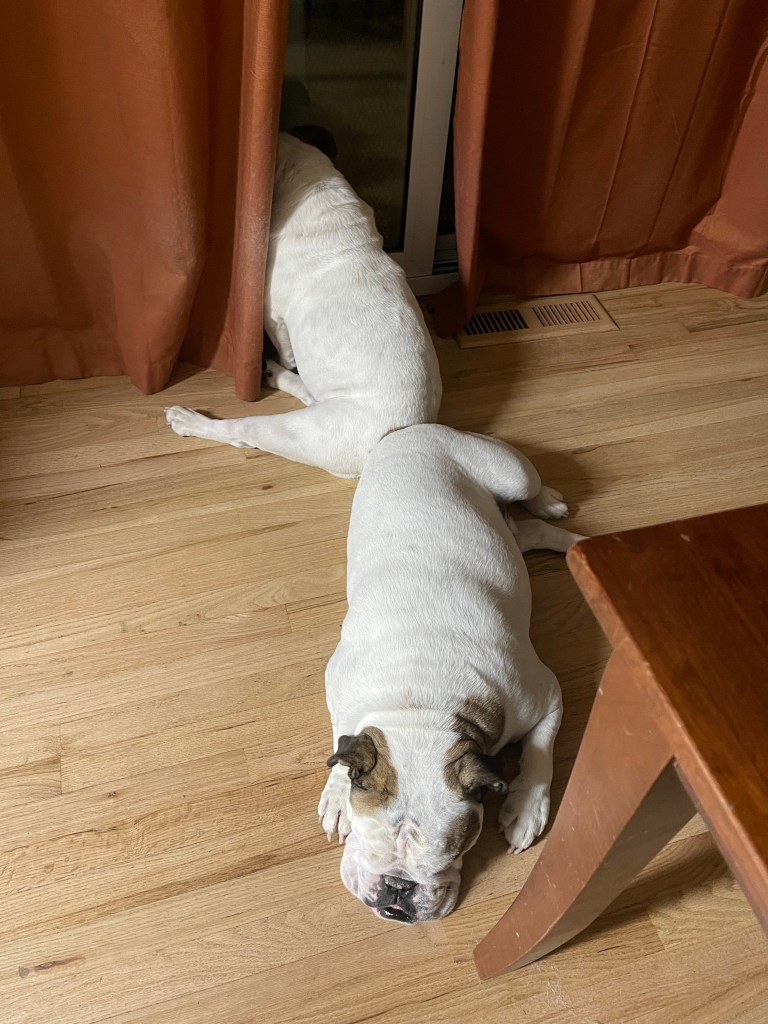


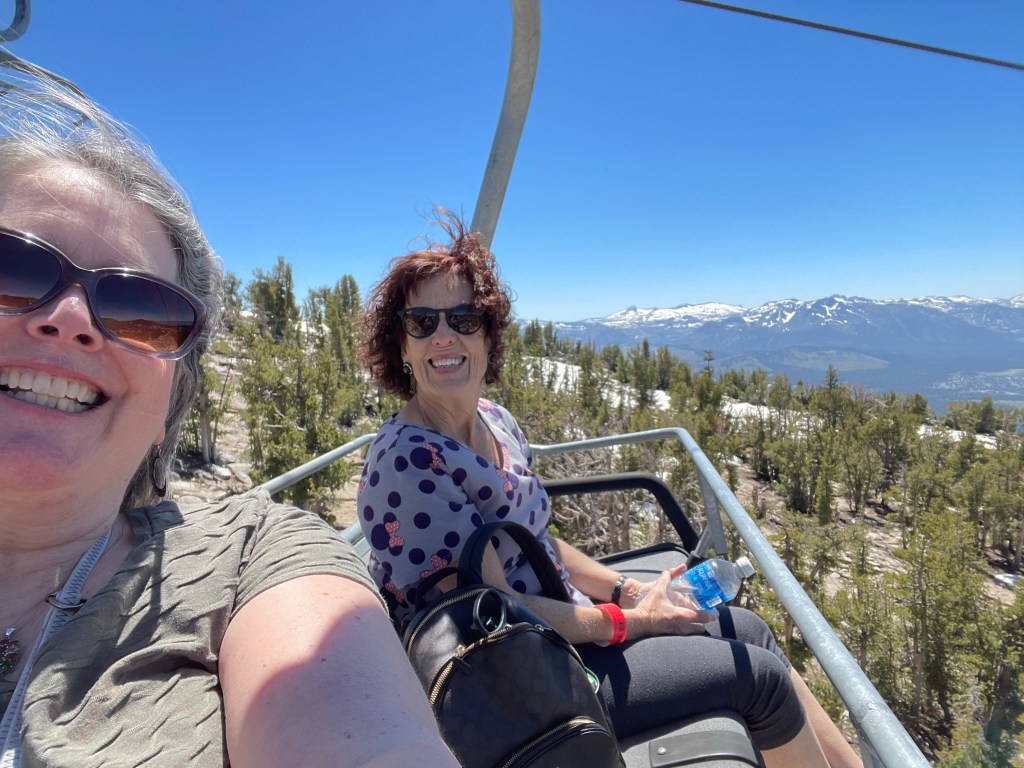



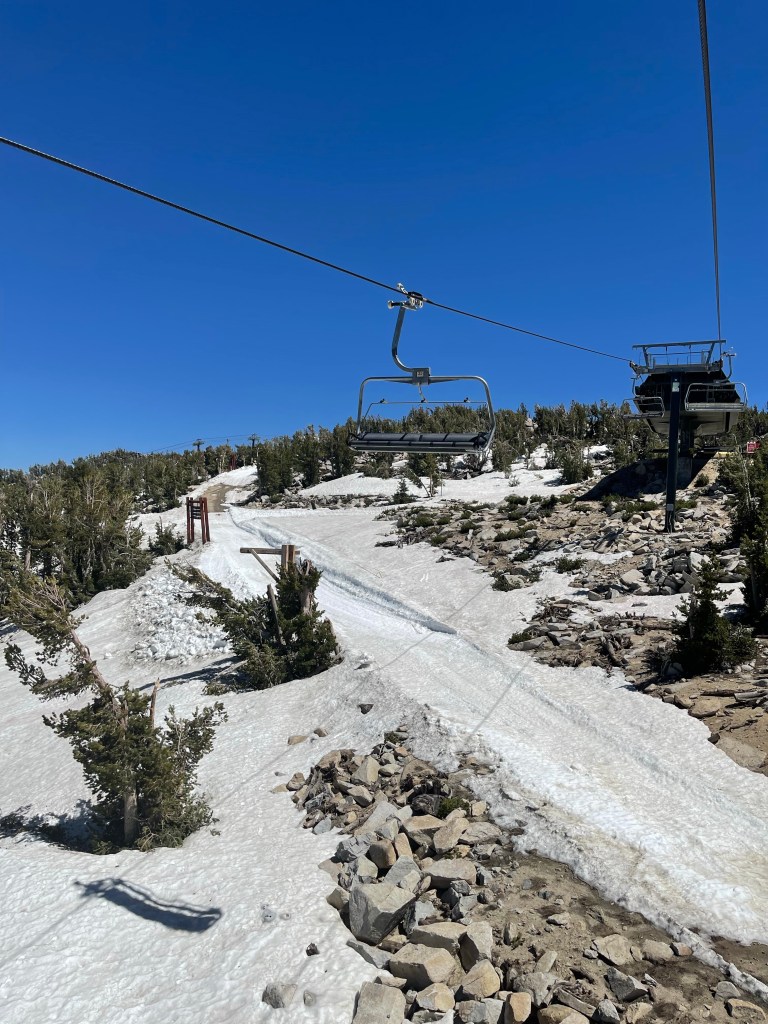


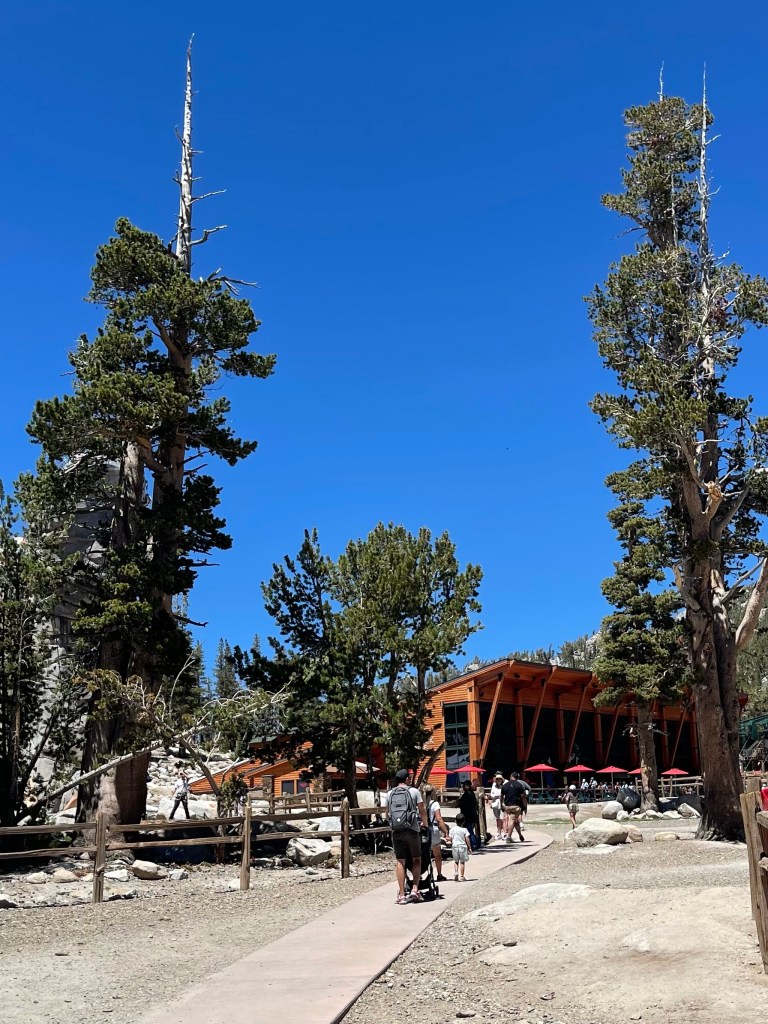


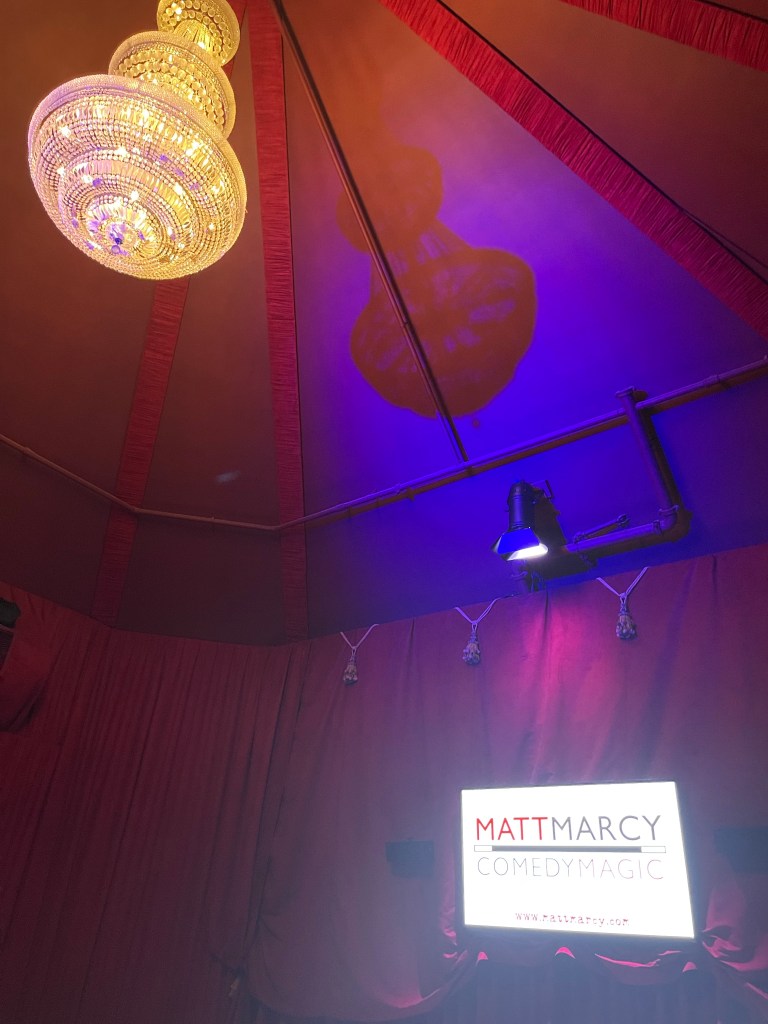
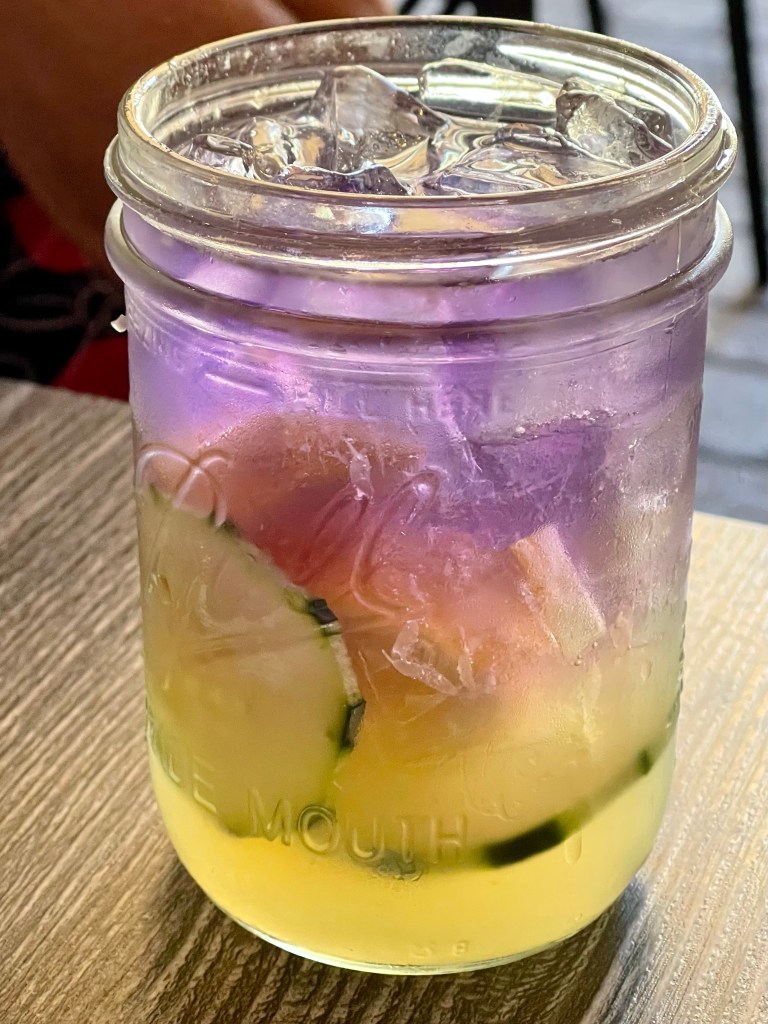




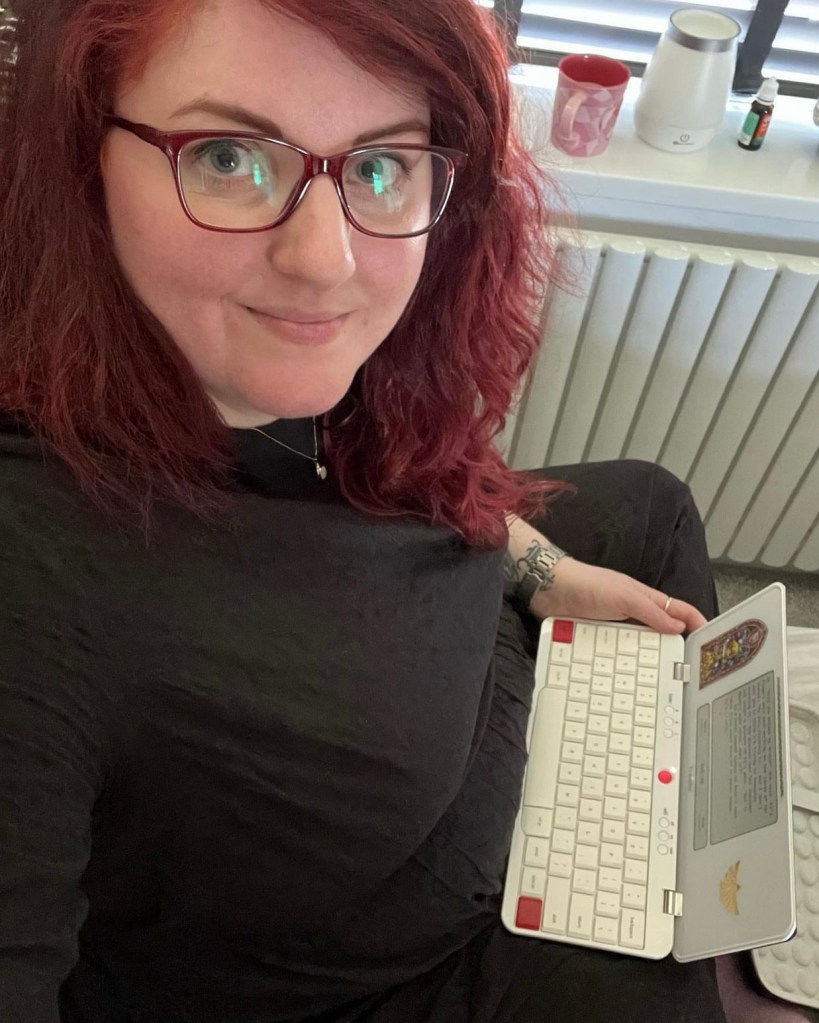

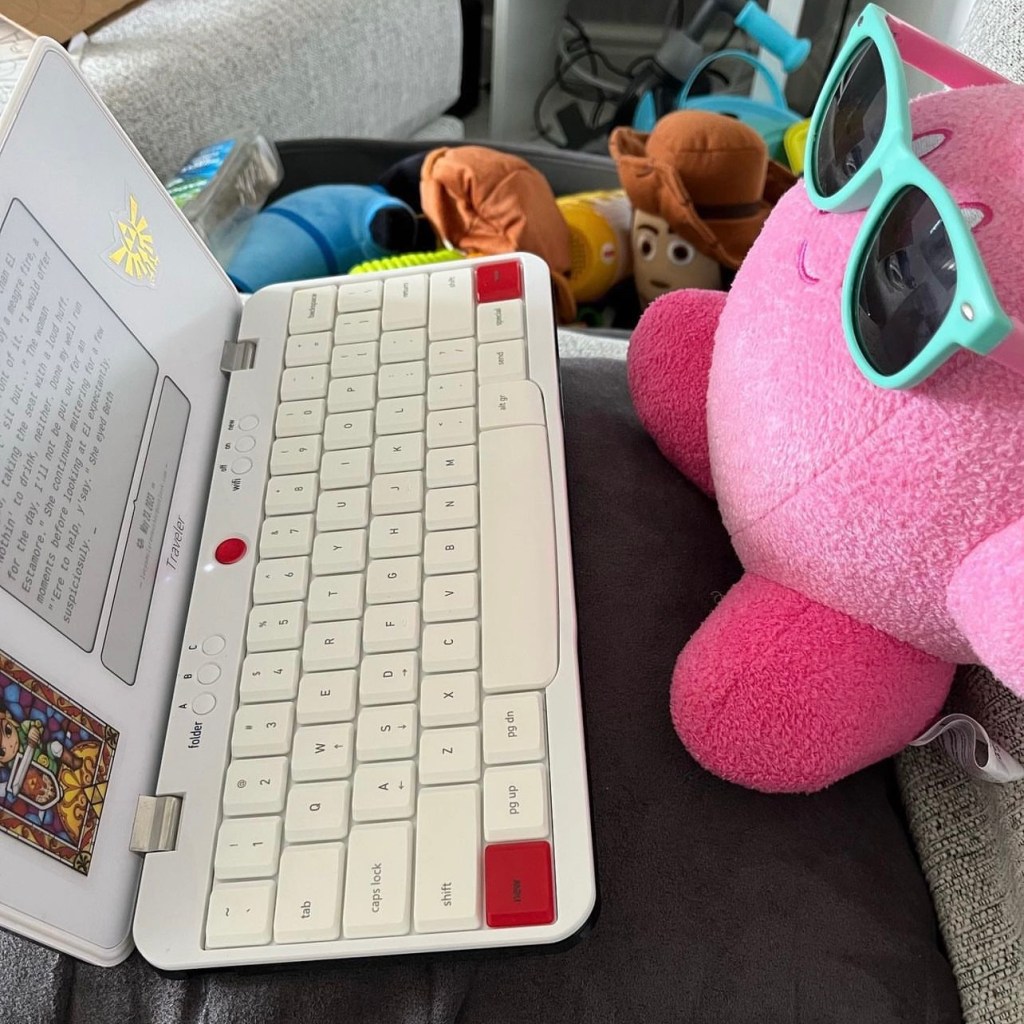
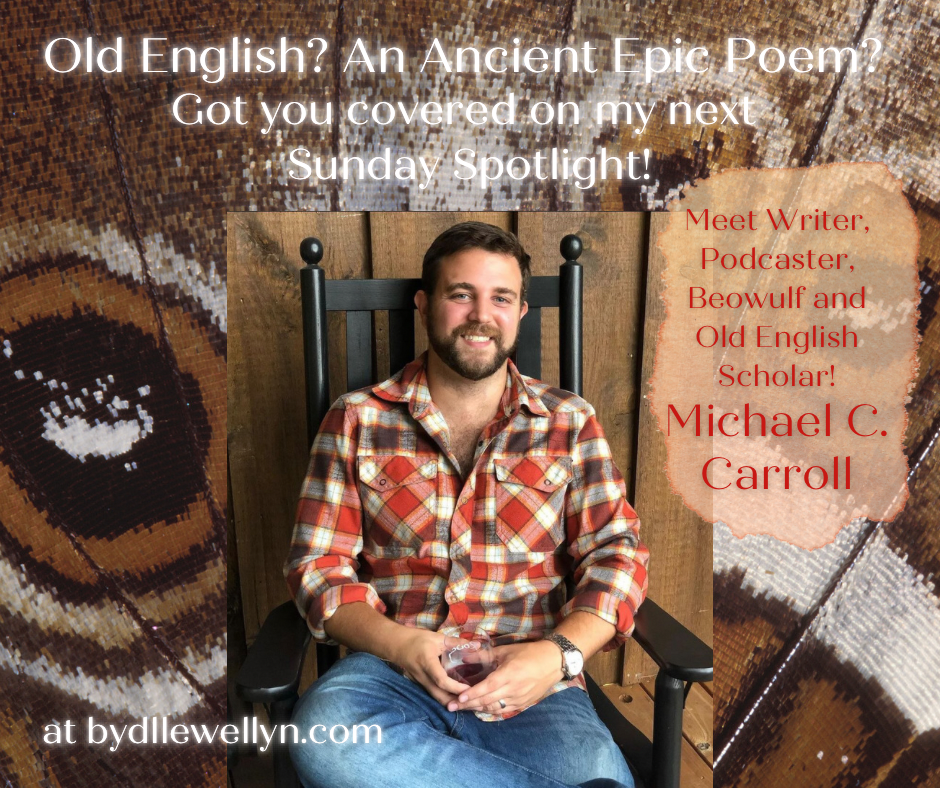

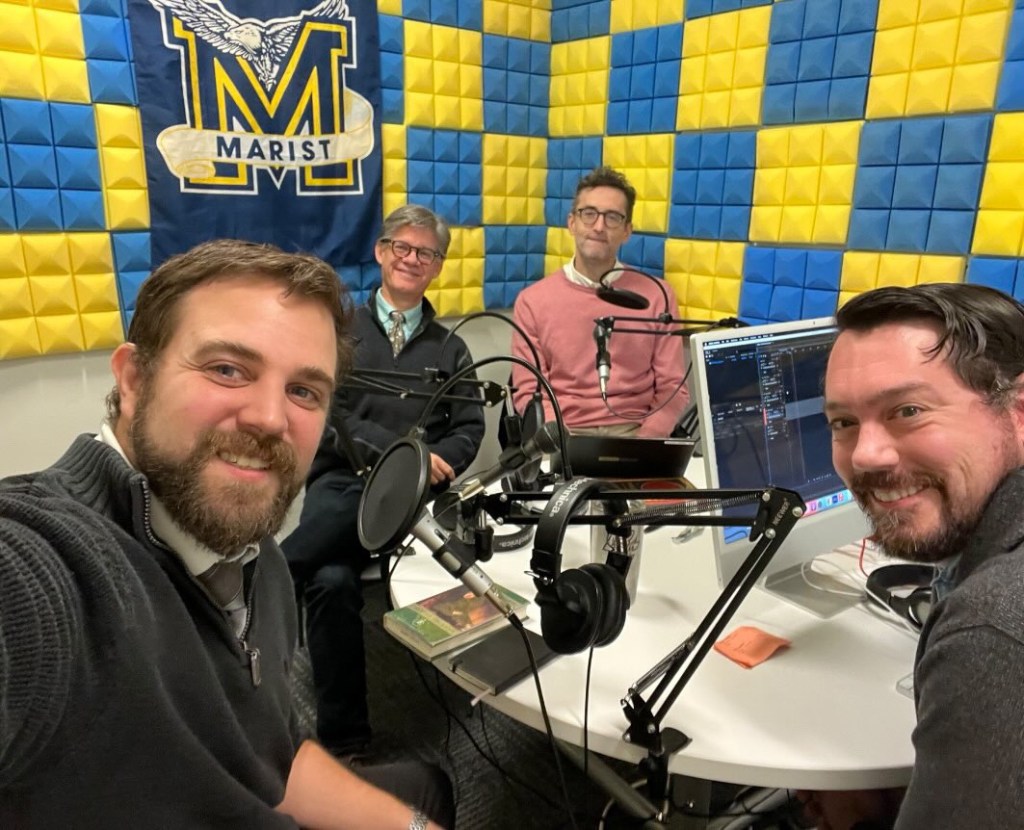

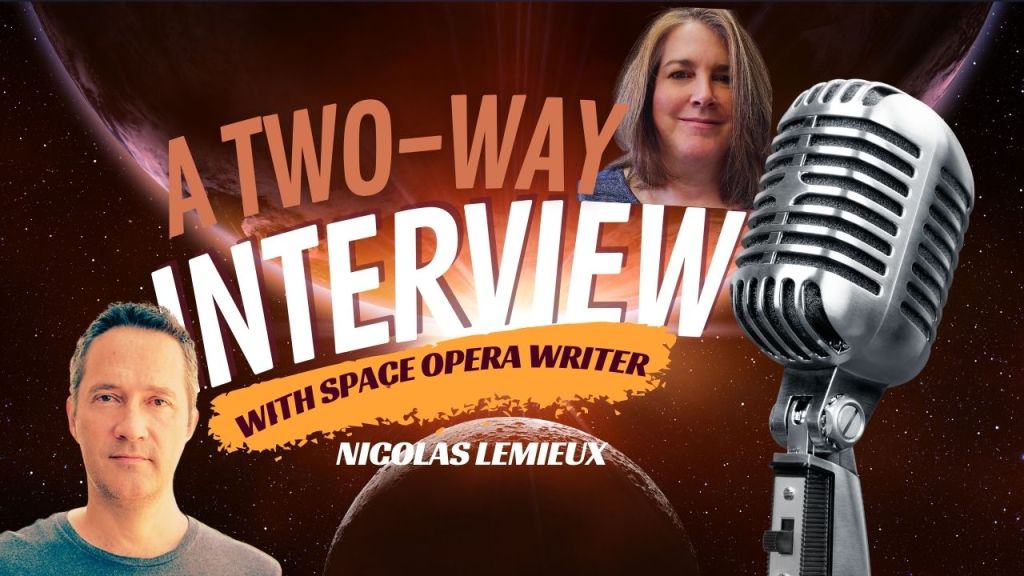

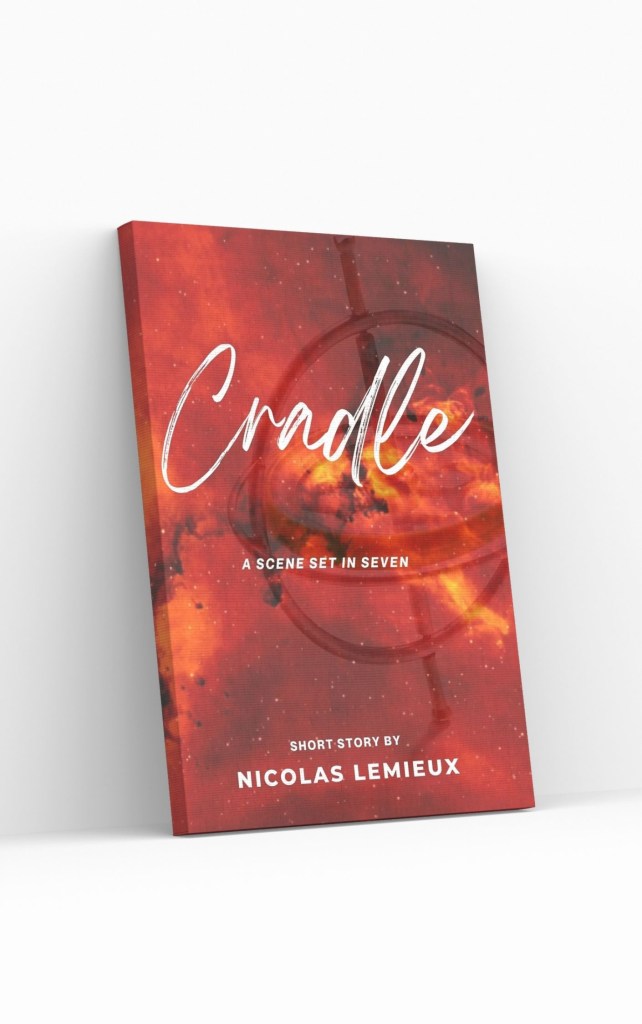
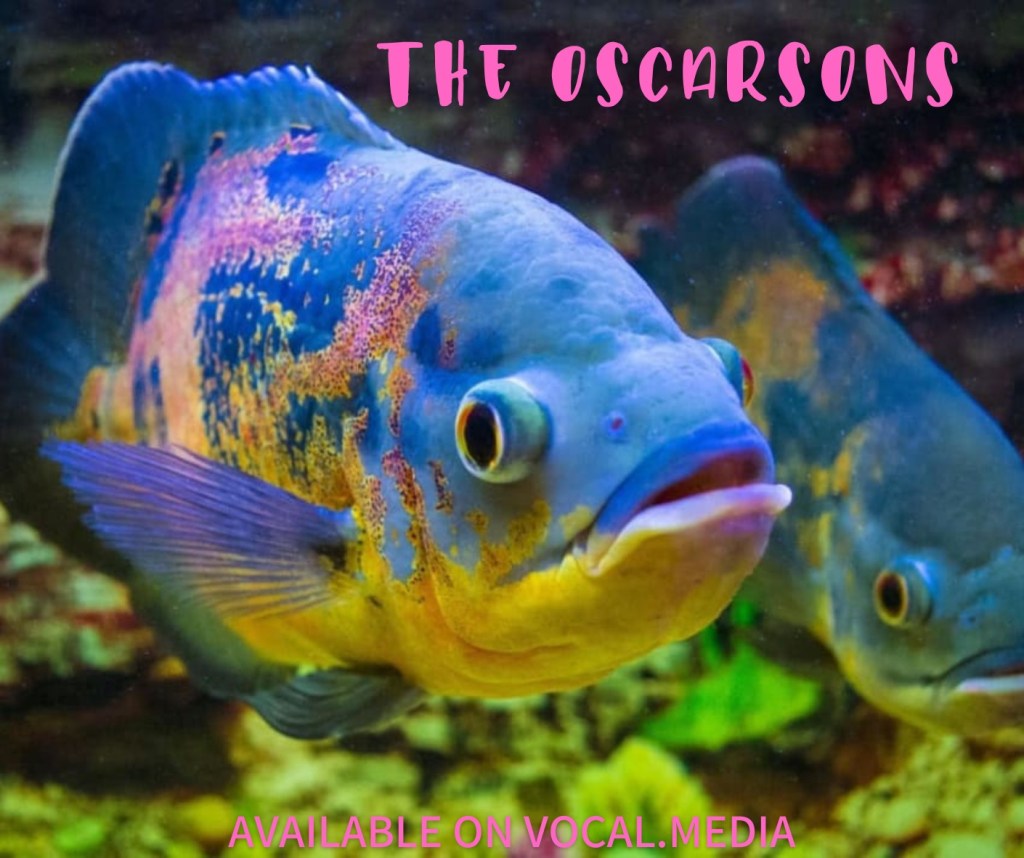

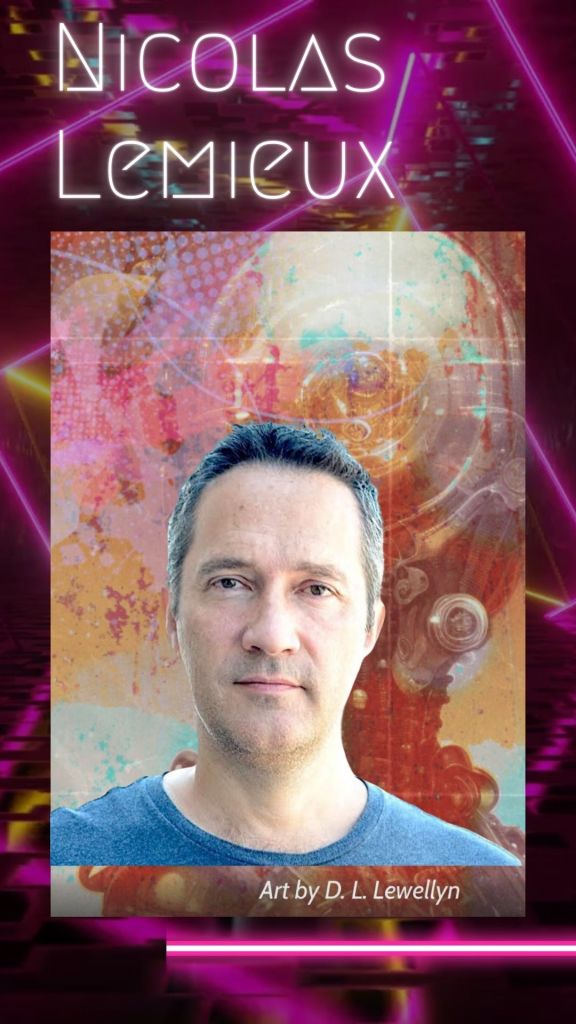
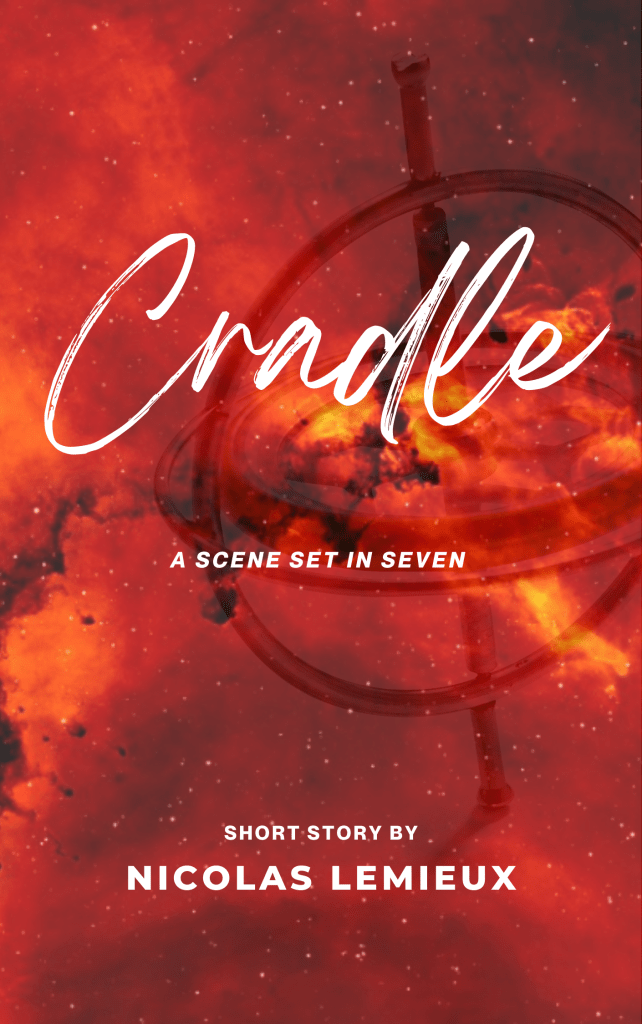



 By D. L. Lewellyn