I wrote this for my Bookbub tagline when I first started writing fantasy.
If there are not hidden supernatural races living among us, I must create them so we can meet them.
I’ve been exploring fantasy worlds ever since, creating supernatural races and characters facing exciting challenges who I like to call my pod people because I’m convinced they were planted in my brain by aliens. My pod people notion illustrates my hope that there are magical beings living parallel lives with humans on this planet, whether they were originally from outer space or not. We humans can’t be alone in this struggle for survival, can we? And it’s comforting to think this planet might survive by other lifeforms stepping in to manage its care if humans fail in that task. This is often the premise in my fantasy stories.
Art created with Photoleap using my bio pic
The idea that fantasy fiction allows an author to diverge into so many alternate realities has come up in several recent conversations with fellow writers. I love picking the brains of creative minds, which is one reason I enjoy interviewing authors on my Sunday Spotlight. So often, the same topics or ideas crop up in batches, which never fails to astonish me.
Where I’m going with this question is that while writers’ imaginations know no bounds when creating endless elements in endless possible realities in fantasy fiction, it’s all inspired by tweaks to reality, making me wonder which is real. Just ask anyone who’s gone to see a magic show or had their fortunes read, or scientists who explore the galaxies and life in all its known and possible manifestations.
Even explorers of time in quantum physics dance along the twisting path of theory, which to me is another word for imagination. While most of us experience time as a quantifiable reality as we check our clocks and calendars, there are alternate versions (realities?) people live in around the globe. This was illustrated for me this morning in a CNN article and why I started thinking about this question. Take a look at The Country Where it’s Still 2016.
My conclusion? Keep and open mind and have faith in the imagination.
Art created with Photoleap
Even my pod people manifest in my brain in endless variations, which I explored today in digital art.
Let me know your thoughts about the world we live in and all its wonders in the comments below.
As I sit here laboring over a story trying to find the perfect word, I remembered my favorite moment in Throw Momma From the Train, which is all about words, that I forgot to mention! [Head smack!]
Writers, take heart, and readers, you might appreciate the struggle, too.
The opening scene has writer, Larry Donner (Crystal), struggling with the first line of what he hopes is a new novel, and in particular the last word of the first line. “The night was… humid…” Paper ripped from that amazing vintage Selectric. “The night was…moist,” head drooping over the keys… or something like that. You get the idea. Even better here’s a clip. My above-mentioned moment follows if you want a bit of a spoiler.
This mini sub plot trails through the movie with both Larry and Owen (DeVito) struggling for the right word. They carry on with their problem on the train with Momma sitting next to Owen. After listening to them go on, she grumbles out, “Sultry.”
That was my biggest laugh out loud moment, which probably wouldn’t have been the case in the days when I wasn’t a writer.
One last thing, the Hemingway six word story image in the original blog now has a link to the source. Yay! Thanks for prodding my memory, Leon, and for letting me borrow your piece.
Enjoy the entire series for $1.99 Monday through Friday – Starting July 22!
I’m trying to wrap my head around having a book published for three years! What better way to drive it home than a celebration sale?
I can’t thank my reading community, writing community, and family enough for hanging on with me through this amazing ride. The least I can do is pass on offers from Amazon. And of course, my books are always available on Kindle Unlimited.
When destiny gives you three paths, choose the fourth.
I doodle this in my art journal because it seems like the answer to my riddle. Some say having choices is a good thing. I’ve learned that three possible roads to the future mean confusion and heartache.
It all started when I shot an alien prince on a highway near Lake Tahoe… Well, to be honest, it began when I met a towering man with chestnut eyes who captured my heart despite his best efforts to leave me out of his dangerous world.
Andras is my mate, but he’s compelled by fate to join forces with a rival alpha to support my prophetic mission. Elliott and his pack are family now, and Elliott looks at me like Andras does. Both men tug on my heartstrings—and that’s not my biggest problem.
After a battle with said alien prince, we regroup at my brother’s fishing lodge in Ketchikan. I haven’t seen Dylan in years. There’s a reason for that, which makes me sadder than our separation. Then, my vampire friend enlists my help on a mission. When Andras finds out, I learn what happens when you poke an angry bear.
I’m about to make it worse when my instincts urge me to leave my bear and my dragon to follow the ancient tiger, aka the alien prince, to his lair—my third path in a destiny of choices marked by the moon goddesses of Anurash. ~ Selena Aires
And… If you want to tap into 748 other free romance books, I’m taking part in the Romance Book Lovers Book Blast on Tuesday July 23. So many romance genres! Jump in now and find your next reads!
Read Ursus Borealis for free on Kindle Unlimited to begin your Starlight Chronicles paranormal romance adventure.
Bears are supposed to live in the woods. Just not one who sends you to the moon.
Selena Aires
I promised my friend on his deathbed that I would find the place I was destined for. Neither of us had a clue what that meant, but searching for it after he’s gone helps me cope with my grief, and I pack up my art supplies and hit the highway. When I stop for gas in Quincy, Thomas is waiting for me—in spirit. So, I stay—and find my dream cottage with a studio and hiking trails out the back door, and a quaint old tavern called the Starlight with a cozy booth in the corner. I set out my sketchbook and pencils and get busy drawing faces—my way of getting to know people while I enjoy a beer.
It works. I’m making friends and filling my journal with the kind of diverse characters typical of a crossroads pub. But diversity doesn’t explain why the people coming to life on my pages are the stuff of fairytales. The most fascinating is Andras Johns, and I’m wondering more often whether the towering man who sets me on fire with one look is the prince in the story or the beast lurking in the woods.
Andras Johns
I’ve been the alpha of the North Star Pack for a long time. My policy? Never mix it up with a human. I can’t stand the idea of exposing a vulnerable species to the hazards of my job, and the hazards recently ramped up. But there’s a new face in town. A beautiful, human face. The first time Selena Aires gives me her smile, I smile back. It’s a mistake—and I know I’m done for, which is a problem because an alpha can’t break his own rules.
Meet a giant, smoking-hot cinnamon roll hero and a diminutive lovable kickass heroine in this paranormal romance with heart, spice, and a nice bit of danger. *This is not a standalone.* The hazards and thrills ramp up in Book Two, Drago Incendium.
Bears really do live in the woods near my home… and in the neighborhoods… sometimes even our backyards.
It was supposed to be stars, but bears were an awesome second when it came to sighting things in nature this weekend. The family gathered at one of my favorite scenic places, Lake Tahoe, for my mother’s milestone birthday. The world class destination also just happens to be an hour away from me.
While stargazing was one of the weekend goals from our woodsy Air B&B, and the telescope and binoculars were present and ready, the skies didn’t cooperate. Still, the rousing card games and never dull nature watching made up for it. Enjoy these images, and I hope you get out in nature this summer for your own adventures.
Our lucky winner hales from Scotland and even has a selkie tattoo! What a fun event and way to take part in my writing community. Besides my short story, I sent Holly a happy mail swag package, which is something I love doing for all sorts of reasons.
I thought I would share because happy mail is… well… happy.
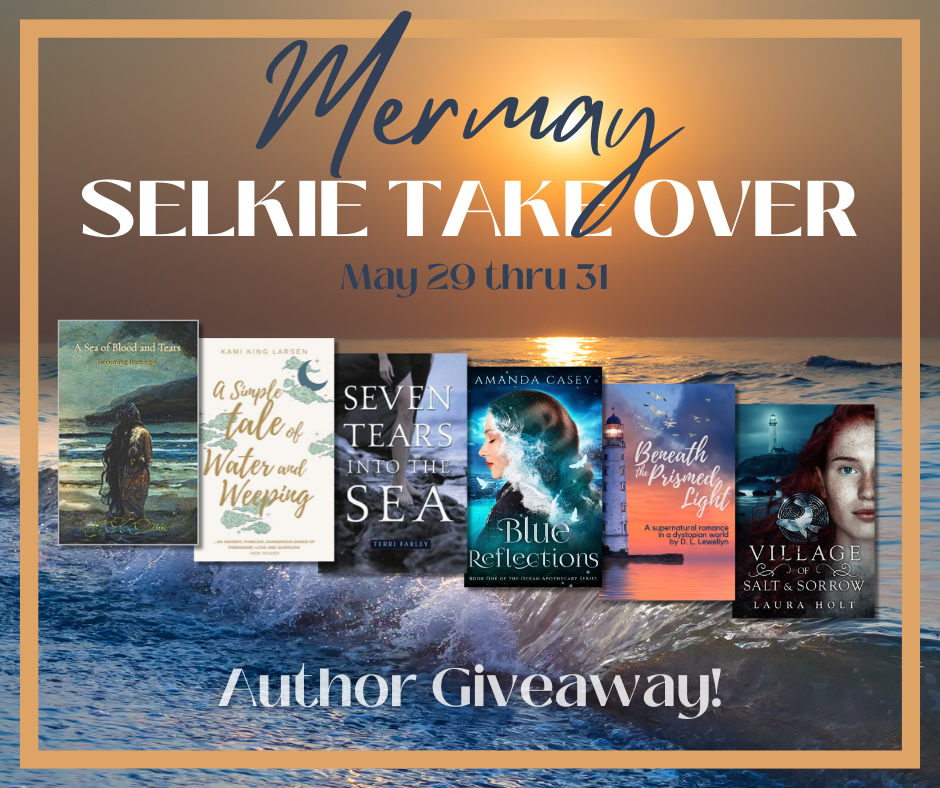
Stop by my Instagram Wednesday through Friday for a fun event where you will have a chance to acquire a pod of selkie stories and swag!
What is MerMay you ask?
A Disney creator back in 2016 posted an illustration of two mermaids chatting on their “shell phones” and the craze was born. Every May, artists follow daily prompts to draw something mermaid-inspired throughout the month. Check out MerMay.com and this NPR piece for the scoop.
I’m guessing your next question is…
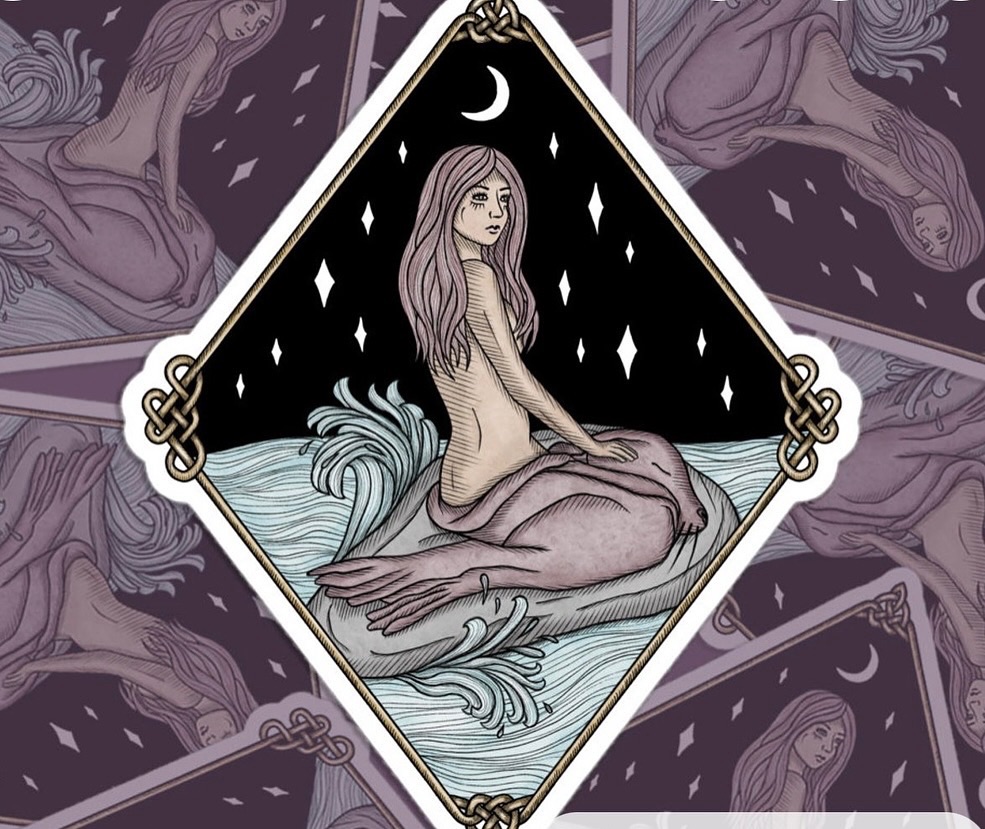
What is a Selkie?
I wrote a story from a prompt about a selkie pining for a human and their long-awaited meeting beneath her prismed light. A lighthouse keeper finds himself more alone than he bargained for when a mysterious disease wipes out the human population. He dreams of bringing the creature who watches him from the waves every full moon to shore and making her his bride. When it works and she sheds her seal skin to reveal her human side, his regret is instantaneous. He doesn’t want her to fall victim to the human disease and decides to send her back before consummating their relationship. Then, she offers him an astonishing alternative.
I was surprised at how few people knew about selkies when I shared my story. I admit I had only scratched the surface before writing Beneath the Prismed Light. But digging deeper through research is a huge part of the fun of writing, and now I can’t get enough about the lore of the North Sea.
The selkie is a mythological being found amongst the folklore of Scotland. Selkies are shapeshifters, transforming between seal and human form by shedding and replacing their skin. In their human form, selkie folk are always referred to as being incredibly attractive. They are graceful, kind natured and amorous, resulting in any humans coming across them falling desperately in love.
Tales of Selkies are predominantly found in the Outer Hebrides, Orkney and Shetland, though they are not restricted to Scotland. Selkies also appear in the folklore of Ireland, Iceland, the Faroe Islands and seal tales are also present in the folklore of the Inuit as well as the Chinook people of the West coast of America, where the Columbia river meets the sea
These Faroese stamps tell the story of Kópakonan, or the Seal Woman. You can enjoy a short blog about the story behind the stamps here.
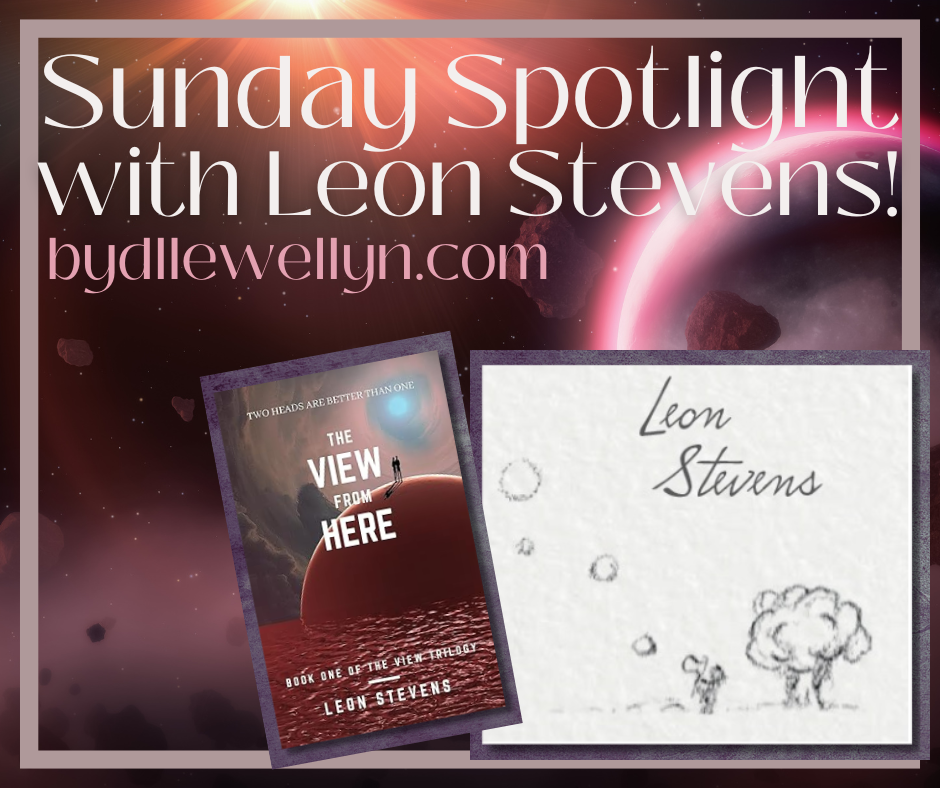
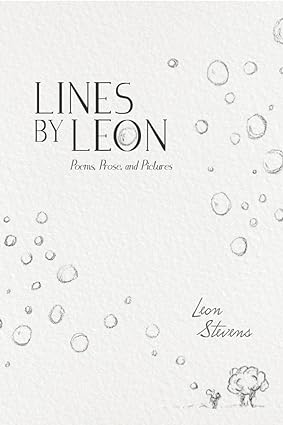
My guest this month is a sci-fi author and poet. He’s also a regular blogger, and you can follow his works and musings at Lines by Leon right here on WordPress. Leon is a member of my Fantasy Sci-Fi Writers Alliance and his thought-provoking stories and cartoon illustrations captured my imagination, so I invited him for a chat. Read on and be inspired.
Let’s Meet the Author
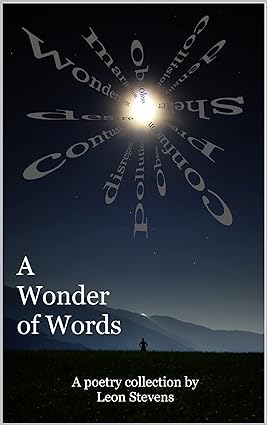
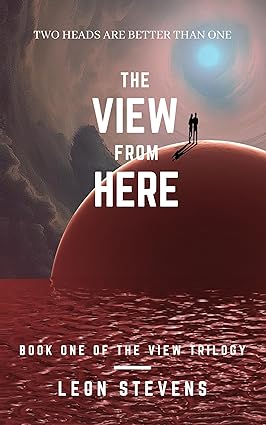
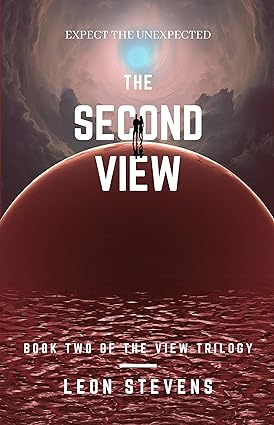
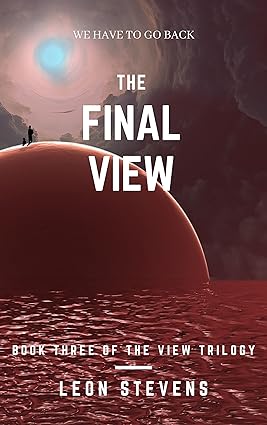
Leon Stevens is a multi-genre author, composer, guitarist, and artist, with a Bachelor of Music and Education. He published his first book of poetry in 2020, followed by a book of original classical guitar compositions and a short story collection of science fiction/post-apocalyptic tales. His newest publications are the sci-fi trilogy, The View from Here, and a new collection of poetry titled, A Wonder of Words.
Let’s Get Started
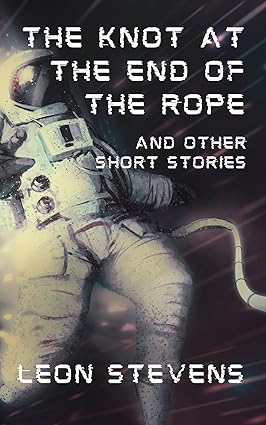
I’ve been looking forward to our chat, Leon! You’re my first space exploration type of sci-fi writer guest and I’m eager to delve into that genre with you and learn what inspires you most about writing sci-fi as well as poetry and music. I’ve been enjoying your collection of short stories in The Knot at the End of the Rope available on Amazon. Of course, The View From Here got me reading the novella trilogy. What an awesome premise!
You published your first book of poetry around the same time I started writing fiction. I’m wondering if you’re like me and quite a few of my Spotlight guests who used the time at home during the Pandemic to follow your dreams. Or, what’s the story behind your 2020 journey?
LS. I started writing song lyrics and poetry to get me through a difficult time before the world went through its own, and I decided to publish some of the poems so that others might benefit or at least be entertained. I enjoyed the writing process so I continued it by crafting some short science fiction stories.
DLL. Well, your reviews tell me you achieved your goal. Here’s what one reviewer had to say about Wonder of Words:
This is an inspiring, straightforward and original poetry borne from everyday experiences of the author. It contains poems created in lockdown, poems on the environment, a 30-day poetry challenge, and ends with a short biographic story.
I like how the author introduces each poem with his thoughts and how the author manages to speak to the reader in an everyday way, often with humour. There’s material here for the reader to want to create their own poetry, so can be a useful resource for newer poets.
5 stars is reserved for classic poetry, so this 100-page book gets a 4-star rating due to its ease of picking up the book from anywhere and easy understanding of the poetry content, and also the good value for money. I also like the author’s quick sketches. ~ Karuna
I think of you as an author firmly planted in sci-fi. When you say in your bio that you’re a multi-genre author, does that mean your stories fall within multiple sci-fi sub-genres, or do you also write outside of that umbrella?
LS. Well, I do write poetry, science fiction, humor, and romance, so that’s pretty multi, right? Wait, did I say romance? I may have written a short story about that…
DLL. Awesome! Multi is where it’s at. And every writer needs to write at least one romance. I thought of another question. Were you inspired by other humorist writers, and if so who is your favorite?
DLL. Ah yes! Dave Barry. Another that comes to mind is Patrick McManus. My Dad loved his pieces in Field and Stream and my husband has all his books.
As I read your eclectic short story and poetry collection, Knot at the End of the Rope (great title by the way), the thing that stands out is your use of a variety of short-story and poetic styles and how masterfully you craft each one at whichever length, whether three lines or three pages. Writing short pieces is quite different from writing novels. How long had you been writing short stories before publishing your first collection? Did you use or recommend using contests or community writing challenges to hone your skills? Or how else did you build your body of work?
I think I started with short stories because of my short attention span. Say what you want and get out, I suppose. Also many of my stories seemed to come to a natural conclusion on their own, sooner rather than later.
I don’t think I used any prompts for my short stories, but for my second poetry collection I did include all 31 poems I wrote during the National Poetry Month 30 poems in 30 days. The 31st poem was for my mom. I had mentioned my dad in two of them and knew she’d be mad if I left her out.
My first novella started as a short story and I decided to do NaNoWriMo (National Novel Writing Month). Yeah, it ended as a novella, 20 000 words short.
DLL. That’s marvelous. You’re now my go to for short story and poetry inspiration. I recently tried my hand at poetry, and I’m hooked! I love writing short stories in between working on the big drafts and taking time out on occasion to participate in contests like Writing Battle. The creators Max and Teona are from Nova Scotia by the way and have been my guests the last two years if you want to get behind the scenes of a super creative writing contest platform.
Thanks for sharing the blog about your dad. We both had fathers who instilled the reading bug it seems. Can you add a little more here about how he got you into sci-fi?
LS You’ll have to read the blog post. How’s that for driving traffic to my website?
DLL. Nicely done! 😊
So, that leads to another aspect of writing short stories, which is the number of completed works you can produce compared to a lengthy novel, by which I also mean the volume of ideas. You’ve built up quite a collection in addition to putting out regular cartoon illustrations, blogging, and other endeavors. What is your idea process like? Are you one of those who dream stories while you sleep? What are your tips and practices for generating and keeping track of so many ideas?
LS. Most of my blog posts are written on the day I post, so they are often topical. With my cartoons, more often than not, a weird idea will just occur to me.
Sometimes I’ll come up with ideas when I’m out cycling or running. Or, after I turn out the lights and settle into bed. I don’t recommend that, though. I’m positive I’ve left many great ideas in slumberland.
DLL. I suspected it might be a grab them as they pop up sort of process, which makes your cartoons so fun–that momentary thought becoming an image on paper before it disappears. And I bet many of them slip into existence from your dreamworld. Dreaming ideas is a topic for a whole other conversation, eh?
LS. I used to write down my dreams as soon as I woke up, but not for quite a while. It is a good way to remember them before they fade.
DLL. It truly is. Now, if I could be so disciplined. My husband even bought me a small recorder, but do I use it? Not once. I’d rather wake up in a dither trying to keep all the threads of my imagination alive. Brain exercise.
At the outset, I mentioned the great premise in The View From Here–taking two ordinary outdoor explorers who stumble separately into a mysterious… I’ll just say ‘place’ to guard against spoilers… and then decide to explore the mysteries together using their nature skills and rudimentary knowledge about science. Can you talk more about your three-part story and the inspiration behind it?
LS. The View from Here is the short story that became a novella, which eventually ended up as a trilogy. The original idea was about a hidden entrance (or was it an exit) in an underground society, but I think I changed it because of my enjoyment of the outdoors.
Like many short stories, it had an open ending, so when I decided to attempt NaNoWriMo, I cheated and got a 4000 word head start, which didn’t help me any. The novella was written to be a stand-alone, but again the ending had loose ends, so I kept going.
Being my first attempt at a longer work, I limited the characters to two. I also wanted it to feel like the video game Myst, where there are situations that present a puzzle to be solved before moving forward.
DLL. Great stuff. Thanks! And hey, cheating at NaNoWriMo often leads to amazing success. So, glad we get to enjoy The View From Here as a result.
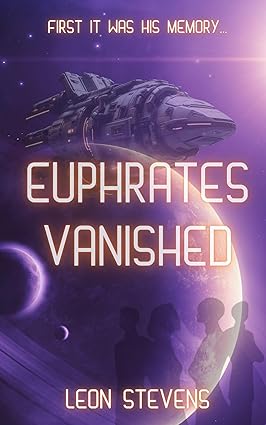
You have a new novel on presale, Euphrates Vanished. The premise looks amazing. Is this a full-sized novel? Can you give us a peek inside?
LS. I tried to make it a novel, I really did, but it tapped out at 39K. So close. Here is the blurb:
“This is not a drill!”
He wakes up to the sound of his alarm and the announcement blaring. Looking around the room, he realizes he is a member of a starship crew. There’s only one problem: he doesn’t remember who he is or how he got there. With no time to think, he finds his way to the bridge, while being careful not to call attention to his predicament.
The first problem is piecing together the puzzle of his missing memories to reveal his knowledge, rank, and friendships. Another problem is being stranded on an alien planet during his first away mission.
[You can download the first chapter when you sign up for Leon’s newsletter.]
Who or what is your biggest inspiration when it comes to writing fiction? What are your top three favorite reads? Or in the alternative, your top three favorite authors?
LS. My favorite authors would be Kurt Vonnegut and Isaac Asimov and my favorite books would be…Nope, can’t do it.
I grew up on the classics. Wells, Asimov, Bradbury, Heinlein, Niven, I always joke that it was much easier to write science fiction in the early days because you could make up more stuff that the public didn’t question. Now, if you describe how a warp drive works incorrectly…Yikes!
DLL. LOL. That is so true! I love it!
I tried my hand at incorporating science fiction in the third part of The Starlight Chronicles. My antagonists were ancient aliens, so I eventually addressed their evolution and biology, how their moons gave them immortality (even delving into gamma rays), and other cool stuff.
For me, it’s another opportunity to fall down the rabbit hole of research in a totally fictional way. Fortunately, my readers aren’t likely to question my science because it’s more about the romance. But you never know, so I do my best.
So many amazing poems, Leon! Tell us about your love of writing poetry, how you got started, and your advice to someone who would like to write in prose.
LS. I mentioned earlier the impetus for writing poetry, but essentially, it’s a way to create a little snippet of life, always from the poet’s perspective but often relatable by the readers who are unable to put certain feelings into words. I try not to complicate my poems too much by creating confusing or obscure analogies. I want my readers not to have to think too hard about what I am trying to say.
My advice? Avoid rhymes.
No, that’s not true. There is a place for rhyming poems, but I try not to follow any specific form or rhyme scheme. Usually it happens when it happens.
DLL. Great insight! Thanks!
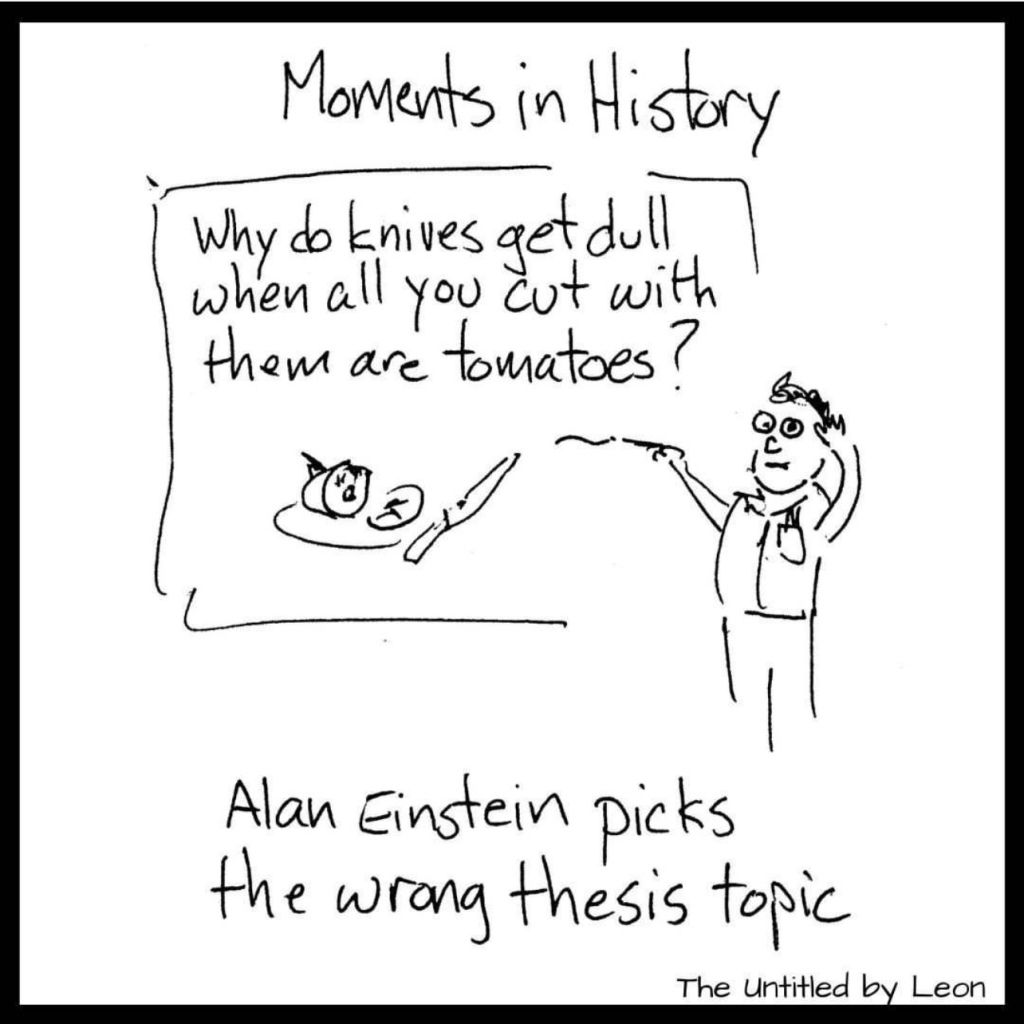
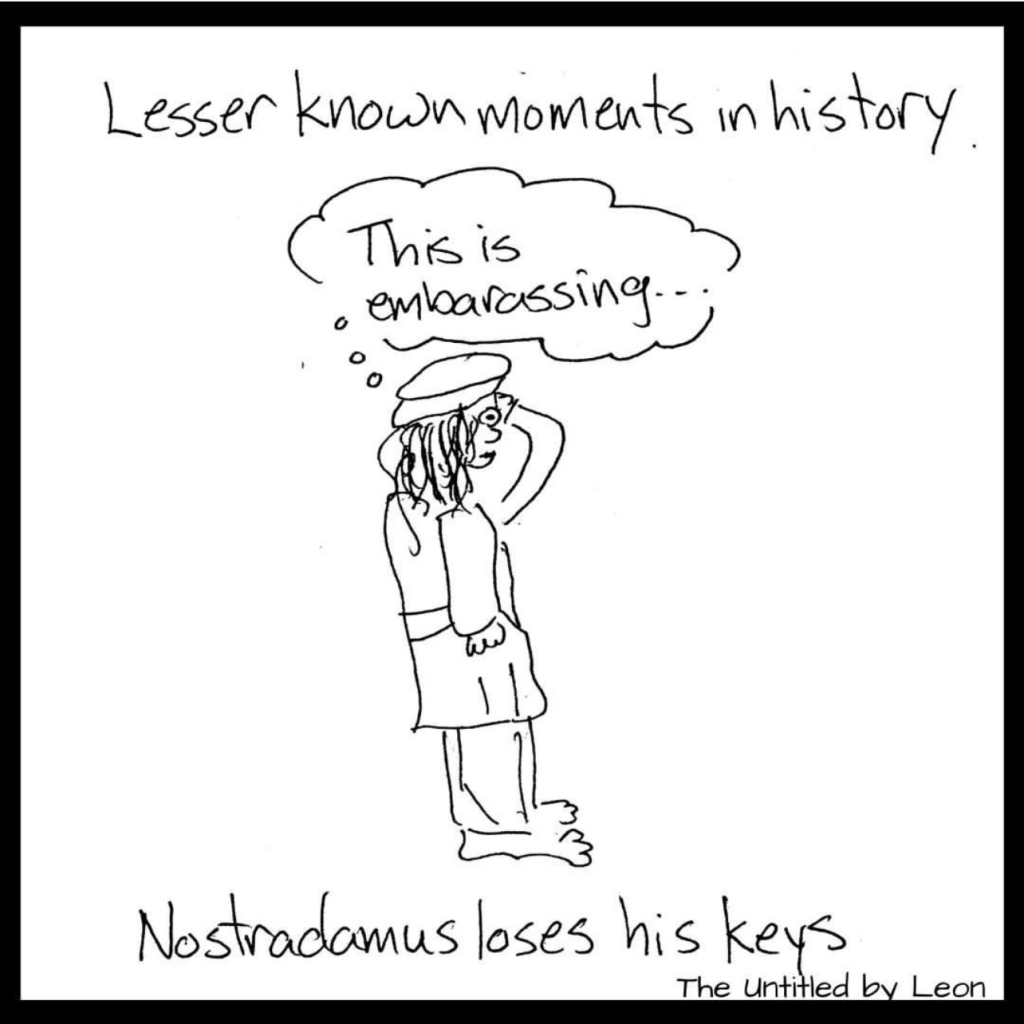
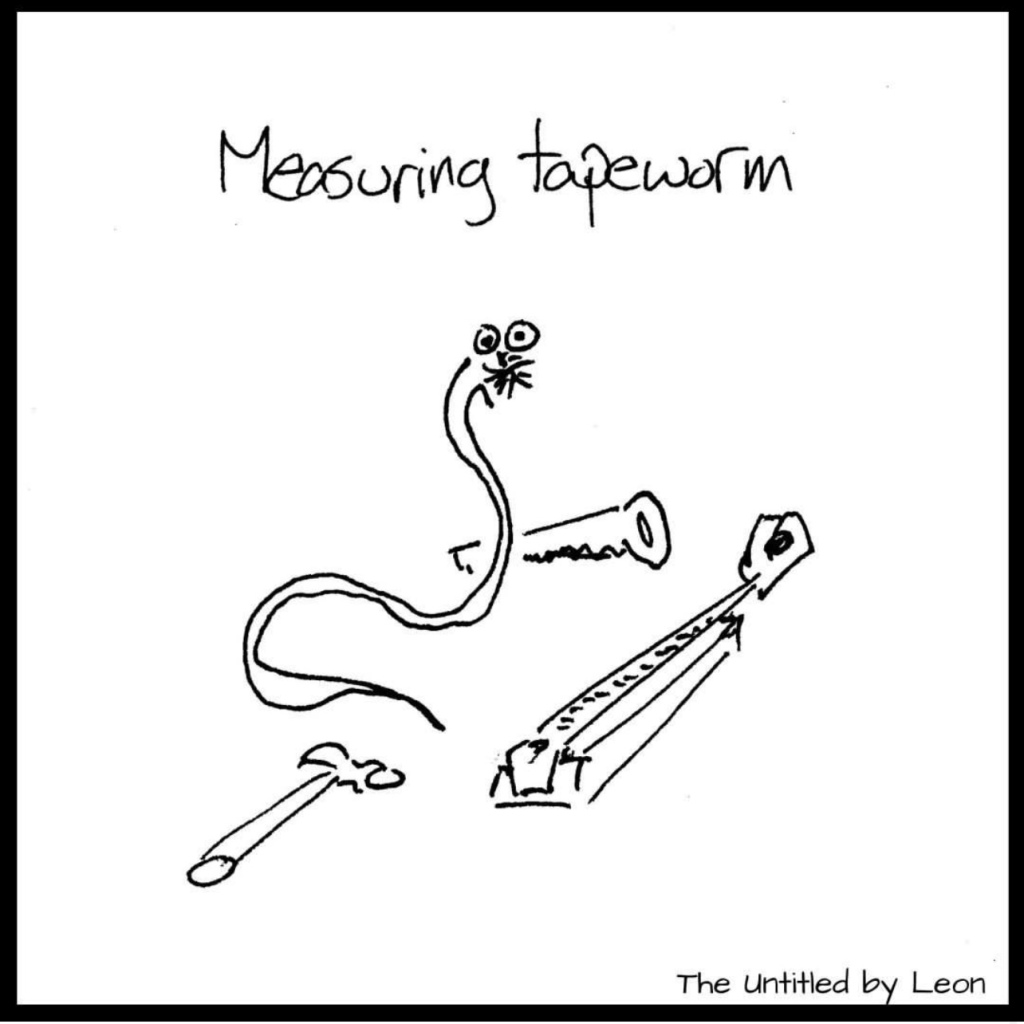
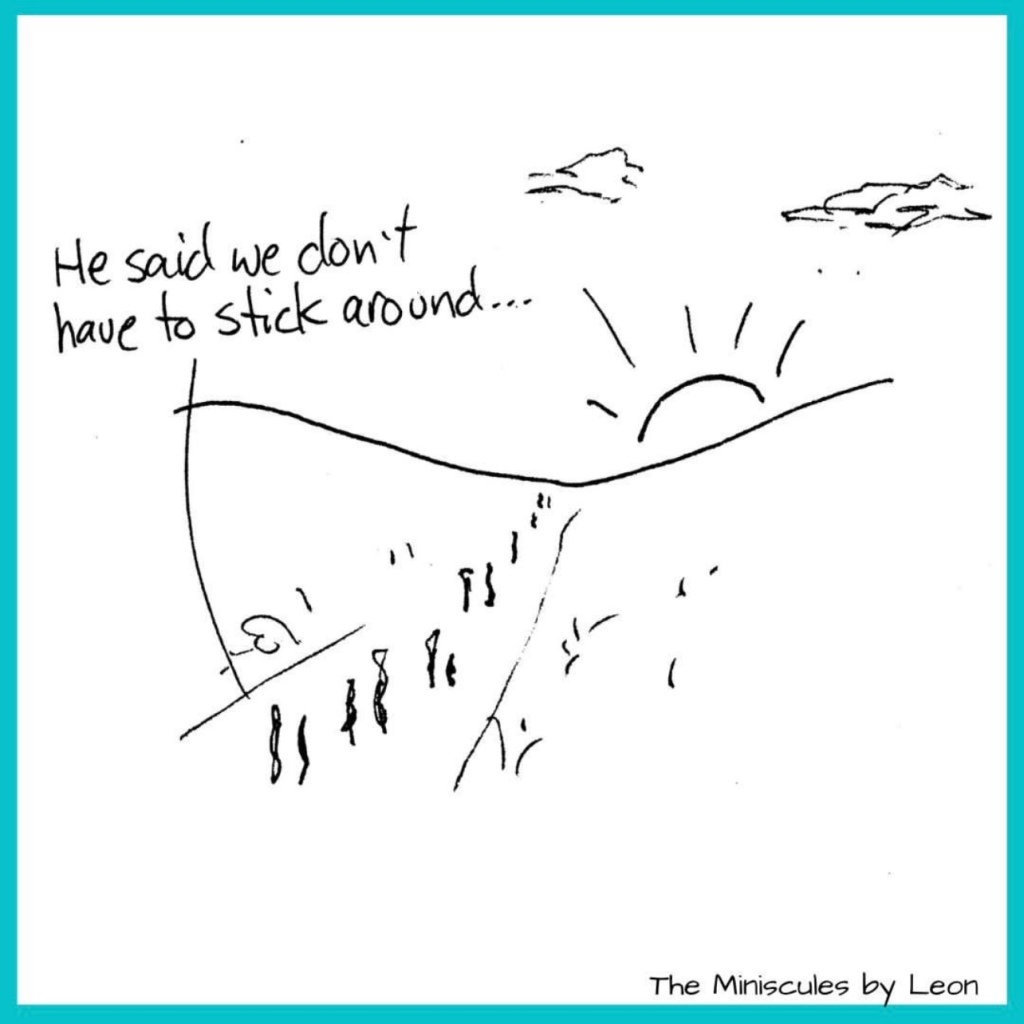
I enjoy your cartoons immensely though I admit I don’t always get the joke. Sometimes I do, and I laugh out loud or say to myself, “Huh… good point.” Other times, they make me stare at them while I scratch my head and think about what I’m seeing and why you decided to capture the idea with your brief “squiggles.” They truly are mini-stories, and your joy in conveying them comes through. I appreciated your Instagram post about “how a little squiggle can convey an idea.” Can you talk more about that?
LS. Yeah, some of the cartoons get the reaction, “Whaaa?!” I started The Miniscules because I had some funny—well I thought they were—ideas, but since I was terrible at drawing characters, I just did a squiggle and said, “That’s, good enough.” Later, I had to force myself to attempt more detail when I created The Untitled. Great name, huh? Guess how I came up with that…
DLL. Hmmm. I’m guessing because they’re untitled. It’s funny but I often gravitate towards poems titled Untitled. I supposed because right off, it asks a question.
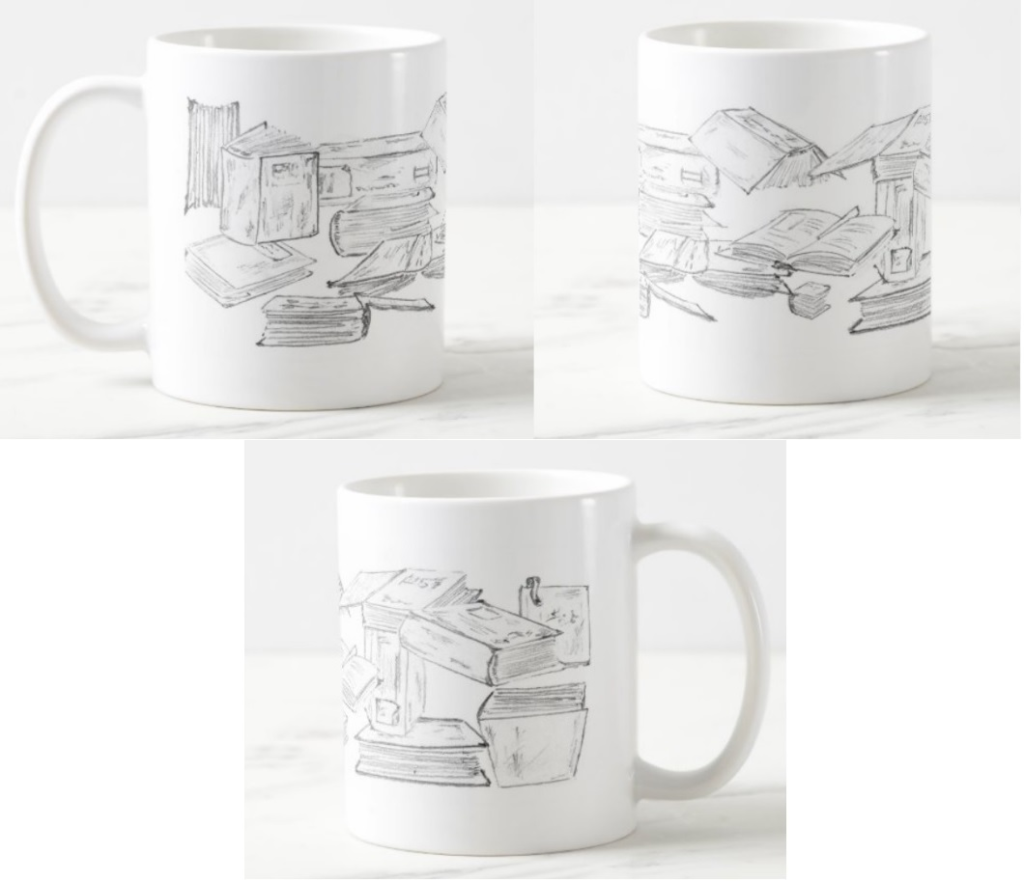
By the way, Leon has a great Merch Shop on his website if you’d like to help out an indie author while enjoying his art on a mug or two.
You’re also a musician. Tell us about that area of your creative life and how it intertwines with your writing.
LS. Writing music is like writing words. Notes, put in the right order will tell a story, set a mood, or evoke an emotion. I don’t play or write as much as I used to, but I did write a short piece as homage to the story and the characters of my trilogy.
When a reader finishes The Final View, there is a link to a video I created for it as well.
I still have a couple of compositions I want to record, but I’ve always found it a long and difficult process to do, but all my recordings are here:
DLL.Here is a YouTube video with a classical guitar piece by Leon that I particularly enjoyed.
Oh. I forgot I had a YouTube channel…
DLL. Haha! Well, I found it.
Can you share how you benefit and what you enjoy most about engaging with your audience through your newsletter, blog, and social posts? What tips do you have for independent authors on finding their outreach niche?
LS. Authors love to hear from their readers! So many authors (both indie and mainstream) have embraced various platforms allowing them to interact with their fans. It’s pretty cool when someone like Neil Gaiman responds to a comment you have posted.
Newsletters, blogs, and social media posts have to be an extension of a writer’s craft. I feel it has to add value to the readership by entertaining them beyond the books.
DLL. Awesome. Thank you! And now I know someone who knows Neil Gaiman. 😄
LS. Yeah. “Knows.” I don’t think he follows me, though.
What are the best tools and resources you’ve found as an independent author for covers, editing, publishing, etc?
LS. There’s so many it can be overwhelming, but the top 5 are:
Canva (covers)
Reedsy (editor)
Ama— I can’t believe I have to say it…Amazon. It’s easy, and it has a large reach with good promotions.
ChatGPT
Wait! What?
Oh, I joke of course. Want to get into a discussion about AI “authored” books? I didn’t think so.
DLL. Lots of good stuff here! And yes, I could talk a lot about AI. So many sides to that controversial technology, good and bad. Just yesterday, someone I follow on Writer’s Digest posted a quick take on what she is hearing from the average person (non-writer) who uses AI to do their job. To them, “It’s just another tool.”
I love Canva for design. I’ve used other resources, but always end up there the most. Reedsy is also one of my favorite resources for instructional content, live and otherwise. It’s good to get a recommendation regarding their editing option. And yes, Amazon is super easy. However, I go back and forth with being enrolled in the 90-day KDP Select. I like having my books in more stores, but the truth is Amazon is where the sales are.
What are your favorite tips and techniques for staying productive while balancing life with your creative endeavors?
LS. I try to write every day, even if it is just a single line of dialogue.
DLL. So, do you keep a notebook close at all times?
LS. Nope, just sit at the computer and check my email, oops, I mean my social channels, wait, I mean write.
🙂Ah yes. Talk about rabbit holes. By the way, I recently decided rabbit hole is synonymous with retirement. I now have the freedom to spend the day going down them… until I remember I still need to be productive.
I’ll wrap this up with a question to a sci-fi writer I’ve always wanted to ask: Where do you most want to encounter life from beyond our planet… on Earth, or from a starship, and why?
LS. Want to encounter? Who says I haven’t?
DLL. Haha! Good answer. I’ll be looking for clues in your stories. Thank you so much for stopping by Leon. All the best to you!
Oh, and thank you so much for having me as a guest on your blog too in this beautiful month of June. I super enjoyed this exchange!



 By D. L. Lewellyn